


See more of our articles in your search results.
Excessive daytime sleepiness that persists despite a full night’s rest is not simply “part of getting older” — it is a distinct and often treatable phenomenon that deserves real clinical attention. Hypersomnia in old age refers to a persistent, excessive need for sleep or an inability to stay alert during waking hours, even after adequate nighttime rest, and it affects a significant portion of older adults in ways that are frequently dismissed rather than investigated.
There is a quiet but pervasive myth that aging naturally brings more sleep, more napping, more heaviness in the afternoon hours. Families notice a grandparent nodding off mid-conversation and assume it is simply age catching up. Physicians, pressed for time, sometimes make the same assumption. But excessive sleepiness in later life is very often a signal — of an underlying sleep disorder, an undiagnosed medical condition, a medication side effect, or a mental health difficulty such as depression — rather than an inevitable feature of growing older.
This matters enormously, because hypersomnia in older adults is associated with increased risk of falls, cognitive decline, reduced independence, and diminished quality of life. It can also be an early marker of neurodegenerative conditions, cardiovascular disease, or mood disorders that benefit substantially from early identification. Treating excessive daytime sleepiness as background noise — as something too ordinary to investigate — means missing opportunities to meaningfully improve an older person’s health, safety, and daily experience.
This article examines what hypersomnia in old age actually is, its most common causes, how to recognize its symptoms, and what evidence-based treatment approaches are available.
What Is Hypersomnia in Old Age and How Is It Different from Normal Tiredness?
Hypersomnia is a persistent state of excessive sleepiness or an excessive need for sleep that occurs despite adequate — or even prolonged — nighttime rest. In older adults specifically, it describes a pattern of daytime drowsiness, unintentional napping, and difficulty maintaining alertness that goes beyond the occasional tiredness anyone might experience and instead becomes a consistent, functionally limiting pattern.
How many of these have you been "meaning to read" for months?


The key distinction between hypersomnia and ordinary fatigue is important and often misunderstood. Fatigue is a subjective sense of low energy or exhaustion that does not necessarily involve an actual tendency to fall asleep. Hypersomnia, by contrast, involves a genuine, measurable propensity to sleep — the person can and often does fall asleep during the day, sometimes in situations that would surprise or concern them if they reflected on it: mid-conversation, while reading, during meals, or while watching television.
Clinically, hypersomnia can be classified in several ways. Primary hypersomnia — including idiopathic hypersomnia and narcolepsy — refers to sleep disorders that arise from the brain’s own sleep-regulating mechanisms, without an identifiable external cause. Secondary hypersomnia is far more common in older populations and refers to excessive sleepiness that results from another underlying condition — a sleep disorder such as sleep apnea, a medical illness, a medication side effect, or a psychiatric condition such as depression.
Normal aging does bring genuine changes to sleep architecture that are worth distinguishing from pathological hypersomnia. Research on sleep and aging documents that older adults naturally experience lighter, more fragmented sleep, reduced slow-wave (deep) sleep, and a tendency toward earlier sleep and wake times — a shift sometimes called advanced sleep phase. These changes can produce increased daytime tiredness as a secondary consequence of less restorative nighttime sleep, which is different from — but can also overlap with and worsen — hypersomnia caused by a specific underlying disorder.
Practical takeaway: If an older adult in your life is falling asleep during the day with a frequency or intensity that concerns you — not just occasional dozing after a meal, but a consistent pattern that interferes with conversation, activities, or safety — that pattern deserves medical evaluation rather than dismissal as a normal feature of aging.
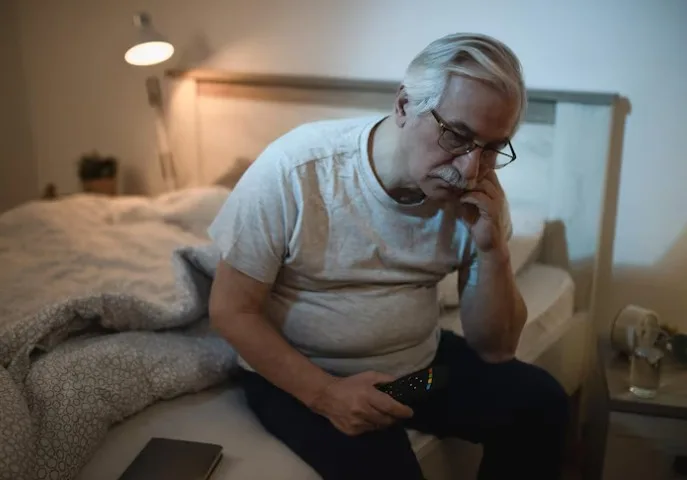
What Are the Main Causes of Hypersomnia in Older Adults?
Hypersomnia in older age is rarely caused by a single factor — it typically emerges from the intersection of several overlapping conditions that become more common with advancing years. Identifying the specific contributing causes is the foundation of effective treatment, because addressing an unrelated cause will not resolve sleepiness driven by a different underlying mechanism.
The most clinically significant causes include:
- Obstructive sleep apnea (OSA): A condition in which breathing repeatedly stops and starts during sleep due to airway obstruction, producing fragmented, non-restorative nighttime sleep despite the person believing they slept for a full night. OSA prevalence increases substantially with age and is one of the most common — and most under-diagnosed — causes of excessive daytime sleepiness in older adults.
- Depression and mood disorders: Depression in older adults frequently presents atypically — not always as sadness, but as fatigue, withdrawal, cognitive slowing, and excessive sleep. Because these symptoms overlap heavily with common assumptions about aging, depression-related hypersomnia is often missed or misattributed.
- Medication side effects: Older adults are frequently prescribed multiple medications simultaneously — a situation called polypharmacy — and many common medications, including certain antihistamines, blood pressure medications, antidepressants, benzodiazepines, and opioid pain relievers, produce sedation as a side effect that intensifies with age-related changes in drug metabolism.
- Neurodegenerative conditions: Excessive daytime sleepiness is a recognized and sometimes early feature of conditions including Parkinson’s disease, Lewy body dementia, and Alzheimer’s disease. In some cases, hypersomnia precedes other more recognizable symptoms of these conditions by months or years.
- Restless legs syndrome and periodic limb movement disorder: These conditions disrupt nighttime sleep continuity through repeated limb movements and uncomfortable sensations, producing daytime sleepiness that is a direct consequence of fragmented rest rather than a primary sleep drive abnormality.
- Chronic medical conditions: Heart failure, chronic obstructive pulmonary disease (COPD), chronic kidney disease, diabetes, hypothyroidism, and chronic pain conditions can all independently produce excessive fatigue and sleepiness, both through their direct physiological effects and through the sleep disruption they cause.
- Nutrient deficiencies: Deficiencies in vitamin B12, vitamin D, and iron are common in older populations and are independently associated with fatigue and excessive sleepiness — deficiencies that are readily identified through blood testing and often correctable.
- Circadian rhythm changes: Age-related changes in the body’s internal clock, including reduced sensitivity to light cues that regulate the sleep-wake cycle, can disrupt the normal alignment between sleep drive and the daily schedule, producing excessive sleepiness at socially inconvenient times.
Importantly, several of these causes frequently coexist in the same individual — an older adult with untreated sleep apnea may also be experiencing depression, taking sedating medications, and managing a chronic illness simultaneously. This is precisely why a comprehensive medical evaluation, rather than an assumption about a single cause, is essential.
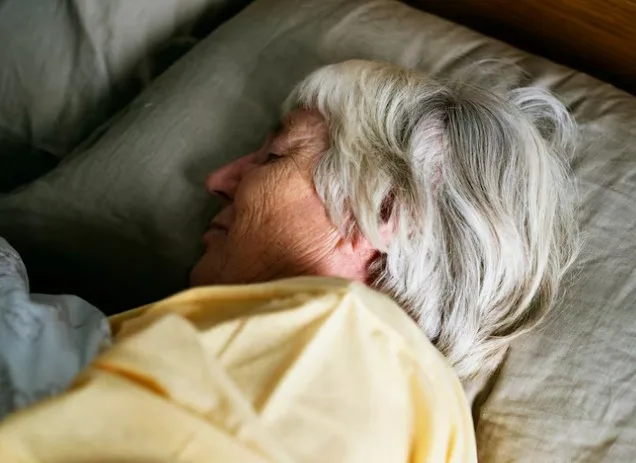
How Do You Recognize the Symptoms of Hypersomnia in Elderly People?
Recognizing hypersomnia in an older adult requires distinguishing between occasional tiredness and a persistent, functionally significant pattern of excessive sleep need. The core symptom is straightforward: an older adult experiences a strong, recurring urge to sleep during the day, despite having had what should be adequate nighttime rest, and this urge interferes meaningfully with daily activities, safety, or engagement.
Common signs and symptoms include:
- Frequent, unintended daytime napping — falling asleep during conversations, meals, television programs, or while seated in social settings
- Prolonged nighttime sleep that does not produce a refreshed feeling upon waking, sometimes accompanied by significant grogginess or confusion on waking, known clinically as sleep inertia
- Difficulty maintaining attention or engagement in conversations, hobbies, or previously enjoyed activities due to persistent drowsiness
- Irritability or mood changes that emerge specifically in connection with sleepiness, distinct from a person’s baseline temperament
- Increased confusion or cognitive slowing that may be mistaken for or may overlap with early signs of cognitive decline
- Reduced participation in social activities due to the effort required to stay alert and engaged
- Falls or near-falls associated with drowsiness — a particularly important safety concern given the elevated fracture risk in older populations
It is worth noting that hypersomnia symptoms can closely resemble, overlap with, or be mistaken for symptoms of dementia — both involve reduced engagement, cognitive slowing, and behavioral changes. This overlap is one of the reasons that thorough evaluation matters: treating an underlying sleep disorder or depression may meaningfully improve cognitive symptoms that were being attributed, prematurely, to irreversible cognitive decline.
| Feature | Typical Pattern in Hypersomnia |
|---|---|
| Onset | Can be gradual (chronic conditions) or relatively rapid (new medication, acute illness, depression episode) |
| Response to more sleep | Sleepiness typically persists or worsens despite additional sleep, rather than resolving |
| Associated symptoms | Often accompanied by low mood, cognitive slowing, irritability, or specific symptoms of an underlying condition |
| Impact on function | Interferes meaningfully with conversation, activities, safety, or social engagement |
Practical takeaway: Keeping a simple sleep diary — recording nighttime sleep duration, daytime naps, and moments of unintended sleepiness over one to two weeks — provides invaluable information for a healthcare provider and can clarify whether the pattern reflects genuine hypersomnia or another concern.
What Is the Connection Between Hypersomnia and Dementia in Older Adults?
Excessive daytime sleepiness and dementia are connected in complex, bidirectional ways that make this relationship one of the more clinically important aspects of hypersomnia in older age. Understanding this connection helps families and clinicians interpret sleepiness symptoms with appropriate nuance rather than assuming either that sleepiness is simply harmless or that it necessarily signals irreversible decline.
Research on sleep and neurodegeneration indicates that excessive daytime sleepiness can be an early prodromal symptom — appearing before more classically recognized cognitive symptoms — of several neurodegenerative conditions, including Alzheimer’s disease and particularly Lewy body dementia, in which disrupted sleep-wake regulation is a core and often early feature. This does not mean that everyone experiencing hypersomnia is developing dementia — the vast majority of cases have other explanations — but it does mean that persistent, unexplained hypersomnia in an older adult warrants a thorough evaluation that includes cognitive screening.
The relationship also runs in the other direction. Poor sleep quality and disrupted sleep architecture are associated with increased amyloid and tau accumulation — the proteins implicated in Alzheimer’s disease pathology — through mechanisms related to the brain’s glymphatic clearance system, which is more active during deep sleep. This has led researchers to investigate whether treating sleep disorders in mid-life and early older age might have a protective effect on long-term cognitive health, though this research remains an active and evolving area of study.
For caregivers and family members, the practical implication is this: sudden or progressive increases in an older adult’s sleepiness — particularly when accompanied by changes in memory, orientation, personality, or daily functioning — deserve prompt medical attention, both to rule out treatable causes of the sleepiness itself and to ensure that any cognitive changes receive appropriate assessment and support.

How Does Depression Cause Excessive Sleepiness in Older Adults?
Depression is one of the most common and most frequently overlooked causes of hypersomnia in older adults, largely because its presentation in later life often diverges from the sadness-centered picture that is culturally associated with the condition. In older adults, depression very often presents as fatigue, withdrawal, reduced motivation, and excessive sleep rather than overt tearfulness or expressed hopelessness.
This atypical presentation has significant consequences. Family members and even clinicians may interpret an older adult’s increased sleep, reduced engagement, and diminished interest in previously enjoyed activities as simply a feature of aging — “slowing down” — rather than recognizing these as symptoms of a treatable mood disorder. This misattribution means that depression in older adults frequently goes undiagnosed and untreated for extended periods.
The relationship between depression and sleep is also physiologically substantive, not merely behavioral. Depression is associated with dysregulation of the neurotransmitter systems — including serotonin and norepinephrine — that also regulate sleep-wake cycles, meaning that the sleepiness associated with depression in older adults is a genuine neurobiological symptom rather than simple avoidance or low motivation. Additionally, grief, loss of social role, reduced independence, chronic pain, and social isolation — all more common in later life — are significant risk factors for depression that intersect directly with the circumstances many older adults face.
The encouraging clinical reality is that depression-related hypersomnia in older adults responds well to appropriate treatment. Evidence-based approaches including psychotherapy — particularly Cognitive Behavioral Therapy (CBT) adapted for older populations — and, where clinically appropriate, antidepressant medication, can produce meaningful improvement in both mood and the associated sleep symptoms. Recognizing depression as a treatable cause of an older adult’s excessive sleepiness, rather than an inevitable feature of aging, opens a genuinely important pathway to improved quality of life.
Practical takeaway: If an older adult’s increased sleepiness coincides with reduced interest in previously valued activities, withdrawal from social contact, or a noticeable shift in mood or outlook, raising the possibility of depression with a healthcare provider is a meaningful and appropriate step — not an overreaction.
How Do Medications and Polypharmacy Contribute to Hypersomnia?
Polypharmacy — the concurrent use of multiple medications, which becomes increasingly common with age as chronic conditions accumulate — is one of the most significant and most correctable contributors to excessive daytime sleepiness in older adults. Reviewing an older adult’s full medication list is frequently one of the highest-yield steps in evaluating unexplained hypersomnia.
Several factors converge to make older adults particularly susceptible to medication-induced sleepiness. Age-related changes in liver and kidney function slow the metabolism and clearance of many medications, meaning that a dose that was well-tolerated at a younger age can accumulate to sedating levels over time. Reduced lean body mass and changes in body composition also alter how medications distribute and act within the body. And the sheer number of medications many older adults take simultaneously increases the likelihood of additive sedative effects across multiple drugs.
Medications frequently associated with excessive sleepiness in older adults include:
- Benzodiazepines and other sedative-hypnotics, prescribed for anxiety or insomnia but carrying significant next-day sedation risk in older adults
- First-generation antihistamines (including common over-the-counter allergy and sleep aids), which have pronounced sedating and anticholinergic effects that are more pronounced with age
- Certain antidepressants, particularly some tricyclic antidepressants and specific SSRIs/SNRIs, which can produce sedation as a side effect
- Opioid pain medications, which carry significant sedative properties alongside their analgesic effects
- Certain blood pressure medications, including some beta-blockers, which can contribute to fatigue and sleepiness
- Muscle relaxants and anticonvulsants, frequently prescribed for pain or neurological conditions, which commonly produce sedation
A structured medication review — sometimes called a deprescribing process — conducted collaboratively between the older adult, their family, and their healthcare providers, can identify medications that may be contributing to excessive sleepiness and evaluate whether alternatives, dose adjustments, or discontinuation are appropriate. This process should always be conducted under medical supervision, as abruptly stopping certain medications can be dangerous.
Practical takeaway: Bring a complete, current list of all medications — including over-the-counter drugs and supplements — to any medical appointment addressing excessive sleepiness. This single step often reveals contributing factors that would otherwise be missed.

How Is Hypersomnia in Older Adults Diagnosed?
Diagnosing hypersomnia in an older adult requires a comprehensive evaluation designed to identify the specific underlying cause or combination of causes, rather than treating excessive sleepiness as a single, undifferentiated symptom.
The diagnostic process typically follows several steps:
- Comprehensive clinical history and physical examination. This includes detailed questions about sleep patterns, daytime functioning, mood, cognitive changes, and a complete review of current medications and medical conditions.
- Sleep diary or actigraphy. Tracking sleep and wake times, napping patterns, and subjective alertness over one to two weeks provides objective data that complements self-report, which can be unreliable in the context of memory difficulties or lack of insight into sleep patterns.
- Screening for depression and cognitive impairment. Standardized screening tools help identify whether mood disorders or cognitive decline are contributing to or coexisting with the sleepiness.
- Laboratory testing. Blood tests can identify thyroid dysfunction, anemia, vitamin B12 or vitamin D deficiency, and other correctable medical contributors.
- Polysomnography (overnight sleep study). This gold-standard test evaluates sleep architecture, breathing patterns, and limb movements during sleep, and is particularly important when sleep apnea, periodic limb movement disorder, or another primary sleep disorder is suspected.
- Multiple Sleep Latency Test (MSLT). In select cases, this daytime test measures how quickly a person falls asleep in a controlled setting across several nap opportunities, helping to objectively quantify the severity of sleepiness and distinguish conditions such as narcolepsy from other causes.
Because so many causes of hypersomnia in older adults are treatable — sleep apnea, depression, medication effects, nutrient deficiencies, and thyroid dysfunction chief among them — a thorough diagnostic process is not excessive caution. It is the pathway to interventions that can substantially improve an older adult’s alertness, safety, and quality of life.
What Are the Most Effective Treatments for Hypersomnia in Old Age?
Treatment for hypersomnia in older adults is most effective when it targets the specific underlying cause identified through comprehensive evaluation, rather than applying a single generic approach to all presentations of excessive sleepiness.
- Continuous Positive Airway Pressure (CPAP) therapy: For sleep apnea — one of the most common treatable causes of hypersomnia in older adults — CPAP therapy, which maintains open airways during sleep through gentle air pressure, is highly effective at restoring restorative sleep and reducing daytime sleepiness, though consistent nightly use is essential for benefit.
- Medication review and deprescribing: When sedating medications are identified as contributing factors, working with a healthcare provider to adjust dosages, switch to less sedating alternatives, or discontinue unnecessary medications can produce significant improvement.
- Treatment of depression: Where depression underlies hypersomnia, evidence-based treatments including psychotherapy — particularly CBT adapted for older adults — and, when clinically indicated, antidepressant medication chosen with attention to side-effect profiles appropriate for older patients, can meaningfully address both mood and associated sleep symptoms.
- Correction of nutritional deficiencies: Supplementation for identified deficiencies in vitamin B12, vitamin D, or iron, guided by laboratory results and medical supervision, can improve energy and reduce sleepiness where these deficiencies are contributing factors.
- Management of underlying medical conditions: Optimizing treatment for thyroid dysfunction, heart failure, diabetes, or chronic pain conditions addresses hypersomnia that stems from these conditions’ direct physiological effects.
- Sleep hygiene interventions: Consistent sleep and wake times, increased exposure to natural light during the day (which helps regulate circadian rhythm), regular physical activity as tolerated, and a sleep environment that is dark, quiet, and cool all support better nighttime sleep quality, which can reduce compensatory daytime sleepiness.
- Wake-promoting medications: In specific cases — particularly narcolepsy, idiopathic hypersomnia, or residual sleepiness following adequate treatment of sleep apnea — medications such as modafinil or armodafinil may be prescribed under specialist supervision to improve daytime alertness.
- Cognitive and behavioral strategies: Structured daytime activity, scheduled brief naps (when appropriate and not counterproductive to nighttime sleep), and social engagement can help regulate the sleep-wake cycle and improve overall alertness and quality of life.
Practical takeaway: Treatment success in hypersomnia is rarely immediate or singular — it typically involves addressing several contributing factors simultaneously, with gradual improvement over weeks as underlying conditions are treated and sleep patterns stabilize. Patience and consistent follow-up with healthcare providers meaningfully improve outcomes.

How Can Families Support an Older Adult Experiencing Hypersomnia?
Family involvement plays a genuinely important role in both recognizing and managing hypersomnia in older adults — particularly because the person experiencing excessive sleepiness may lack full insight into the pattern or its severity, and because safety considerations often require support beyond what the individual can manage alone.
Practical ways families can help include:
- Documenting observed patterns — noting when and how often napping or unintended sleep occurs, and sharing this information with healthcare providers, who may not otherwise have access to this outside perspective
- Accompanying the older adult to medical appointments to help communicate observations, ask questions, and ensure that hypersomnia is taken seriously as a symptom deserving evaluation rather than dismissed
- Supporting medication organization and helping identify all medications and supplements being taken, including those obtained without a prescription
- Encouraging engagement in daytime activity — social contact, light exercise, and structured routines — which can support healthier sleep-wake regulation
- Watching for safety concerns related to sleepiness, including driving, cooking, and mobility, and having honest conversations about adjustments that may be needed
- Approaching the topic with warmth rather than criticism, recognizing that excessive sleepiness is a symptom, not a choice or a character issue
Supporting an older family member through the process of diagnosing and treating hypersomnia is also an act of advocacy — ensuring that sleepiness is not simply absorbed into assumptions about aging, but investigated as the potentially treatable and clinically meaningful symptom that it often is.
FAQs about Hypersomnia in Old Age
Is excessive sleepiness a normal part of aging?
Not entirely — while some changes in sleep patterns are a normal part of aging, including lighter and more fragmented nighttime sleep, persistent excessive daytime sleepiness is not itself a normal or expected feature of getting older. It is frequently a sign of an underlying, often treatable condition — sleep apnea, depression, medication side effects, a nutrient deficiency, or a chronic medical condition. Assuming that significant daytime sleepiness is simply “what happens” with age can delay identification and treatment of conditions that would otherwise respond well to intervention. If an older adult is falling asleep during activities, conversations, or in situations that concern family members, this pattern deserves medical evaluation rather than acceptance as inevitable.
What is the most common cause of hypersomnia in the elderly?
There is no single most common cause — hypersomnia in older adults typically arises from one or more of several frequent contributors, most notably obstructive sleep apnea, depression, and medication side effects related to polypharmacy. Sleep apnea prevalence increases substantially with age and remains significantly under-diagnosed, particularly in older adults whose symptoms may be attributed to aging rather than investigated as a distinct sleep disorder. Depression in older adults frequently presents atypically, through fatigue and excessive sleep rather than overt sadness, which contributes to it being both common and commonly overlooked. Because these causes frequently coexist, comprehensive evaluation rather than assumption of a single cause is the most effective diagnostic approach.
Can hypersomnia in older adults be a sign of dementia?
Excessive daytime sleepiness can, in some cases, be an early symptom of neurodegenerative conditions including Alzheimer’s disease and particularly Lewy body dementia, in which disrupted sleep-wake regulation is a recognized and sometimes early feature. However, the substantial majority of hypersomnia cases in older adults have other, more common, and treatable explanations — sleep apnea, depression, medication effects, or chronic medical conditions. Persistent, unexplained hypersomnia — particularly when accompanied by changes in memory, orientation, or personality — warrants a thorough medical evaluation that includes cognitive screening, both to identify treatable causes of the sleepiness and to ensure that any genuine cognitive changes receive appropriate assessment and support.
How is hypersomnia diagnosed in older adults?
Diagnosis typically begins with a comprehensive clinical history covering sleep patterns, mood, cognitive function, and a complete medication review, often supplemented by a sleep diary tracking nighttime sleep, daytime naps, and alertness over one to two weeks. Screening tools for depression and cognitive impairment help identify or rule out these common contributors. Laboratory testing evaluates for thyroid dysfunction, anemia, and vitamin deficiencies that can independently cause fatigue and sleepiness. When a primary sleep disorder such as sleep apnea or periodic limb movement disorder is suspected, an overnight polysomnography (sleep study) provides detailed information about sleep architecture and breathing patterns. In select cases, a Multiple Sleep Latency Test may be used to objectively measure sleepiness severity and help distinguish between different sleep disorder diagnoses.
Which medications commonly cause excessive sleepiness in older adults?
Several categories of commonly prescribed and over-the-counter medications are associated with sedation in older adults, often more pronounced than in younger populations due to age-related changes in drug metabolism. These include benzodiazepines and other sedative-hypnotics prescribed for anxiety or insomnia; first-generation antihistamines found in many allergy and over-the-counter sleep aid products; certain antidepressants, particularly some tricyclics; opioid pain medications; some blood pressure medications including certain beta-blockers; and muscle relaxants or anticonvulsants. Because older adults frequently take multiple medications simultaneously (polypharmacy), sedative effects can accumulate additively across different drugs. A structured medication review with a healthcare provider — never a self-directed change — is the appropriate way to identify and address medication-related hypersomnia.
What can families do to help an older loved one with excessive sleepiness?
Families can play a genuinely valuable role by documenting the pattern of sleepiness they observe — when it occurs, how severe it is, and what circumstances surround it — and sharing these observations with healthcare providers, since the affected person may have limited insight into the full extent of the pattern. Accompanying an older loved one to medical appointments helps ensure the symptom is taken seriously and thoroughly investigated. Supporting an accurate and complete medication review, encouraging engagement in daytime activities and light physical exercise, and monitoring for safety concerns related to sleepiness — including driving and mobility — are all practical and meaningful forms of support. Approaching the situation with warmth and without judgment, recognizing hypersomnia as a symptom rather than a personal failing, supports both the practical and emotional dimensions of the process.
Bibliography
- American Academy of Sleep Medicine. (2014). International Classification of Sleep Disorders (3rd ed.). AASM.
- Foley, D., Ancoli-Israel, S., Britz, P., & Walsh, J. (2004). Sleep disturbances and chronic disease in older adults: Results of the 2003 National Sleep Foundation Sleep in America Survey. Journal of Psychosomatic Research, 56(5), 497–502.
- Ohayon, M. M. (2008). From wakefulness to excessive sleepiness: What we know and still need to know. Sleep Medicine Reviews, 12(2), 129–141.
- National Sleep Foundation. (2021). Sleep in Aging. Sleep Foundation Publications.
- Videnovic, A., & Golombek, D. (2013). Circadian and sleep disorders in Parkinson’s disease. Experimental Neurology, 243, 45–56.
- Bombois, S., Derambure, P., Pasquier, F., & Monaca, C. (2010). Sleep disorders in aging and dementia. The Journal of Nutrition, Health & Aging, 14(3), 212–217.
- Alexopoulos, G. S. (2005). Depression in the elderly. The Lancet, 365(9475), 1961–1970.
- Blazer, D. G. (2003). Depression in late life: Review and commentary. The Journals of Gerontology: Series A, 58(3), 249–265.
- American Geriatrics Society. (2023). Updated AGS Beers Criteria for potentially inappropriate medication use in older adults. Journal of the American Geriatrics Society, 71(7), 2052–2081.
- Patel, S. R., & Hu, F. B. (2008). Short sleep duration and weight gain: A systematic review. Obesity, 16(3), 643–653.
- National Institute on Aging. (2022). A Good Night’s Sleep. NIA Publications.
Use this citation format to reference the article clearly and help readers find the original source.
PsychologyFor. (2026). Hypersomnia in Old Age: Causes, Symptoms and Treatment. PsychologyFor. https://psychologyfor.com/hypersomnia-in-old-age-causes-symptoms-and-treatment/