


See more of our articles in your search results.
He seems magnetic at first: attentive, confident, intensely interested, and unusually skilled at making someone feel chosen. Then, often just as intimacy starts becoming real, he becomes distant, bored, unavailable, or already focused on someone else. This repeating cycle is often described as Don Juan syndrome, a nonclinical term for a pattern in which seduction and conquest matter more than genuine, sustained emotional closeness. The pattern can leave partners confused, hurt, and repeatedly asking whether the early affection was ever real.
If you recognize this behavior in someone close to you, or in yourself, it is understandable to search for a psychological explanation. Repeated pursuit of new partners can look like confidence from the outside while being connected, internally, to fragile self-esteem, fear of vulnerability, avoidance of attachment, or a need for constant reassurance of desirability. Understanding the pattern does not excuse deception, manipulation, or harm. It can, however, clarify why the cycle feels so difficult to stop.
So is this a diagnosis, a personality style, or a sign of compulsive behavior?
This article explains what people mean by Don Juan syndrome, its common signs, possible causes, and treatment options. It also distinguishes the popular label from formal concepts such as compulsive sexual behavior disorder, attachment insecurity, and personality-related difficulties.
What Is Don Juan Syndrome?
Don Juan syndrome, also called Don Juanism, is a descriptive psychological term for a recurring pattern of seeking romantic or sexual conquest while avoiding stable emotional intimacy. It is not a formal diagnosis in the DSM-5, and should not be used to diagnose someone from behavior alone.
How many of these have you been "meaning to read" for months?
- 1
 TarcherThe Artist's Way30th Anniversary EditionListen Free On Audible
- 2
 Undercover Publishing HouseStop Letting Everything Affect YouHow to break free from overthinking, emotional chaos, and self-sabotage.Listen Free On Audible
- 3
 MajostaDon't Believe Everything You ThinkWhy Your Thinking Is The Beginning & End Of Suffering (Beyond Suffering)Listen Free On Audible
The term comes from the literary character Don Juan, who is traditionally portrayed as a charismatic seducer with an endless series of partners. In psychological writing, the modern concept usually refers less to sexual activity itself and more to the compulsive need to be desired, admired, or newly chosen by another person.
For some people, the pursuit is more emotionally rewarding than the relationship that follows. Once attention becomes familiar, mutual, or demanding, the excitement can fade quickly. The person may then withdraw, criticize the partner, seek a new romantic interest, or repeat the same seduction-withdrawal cycle.
It is important to separate this pattern from consensual non-monogamy, casual dating, or simply having many partners. Those choices are not automatically unhealthy. The concern arises when behavior is repetitive, deceptive, hard to control, and creates meaningful distress or impairment for the person or people involved.

What Are the Most Common Symptoms?
Common Don Juan syndrome symptoms include repeated pursuit of new partners, rapid loss of interest after emotional closeness develops, difficulty tolerating commitment, and a strong need for validation through attention. These patterns tend to repeat across relationships rather than appearing in one isolated situation.
- Persistent pursuit of novelty in dating or sexual relationships, even when an existing partner is available and committed.
- Intense early idealization, such as excessive charm, attention, praise, or declarations of connection before trust has developed.
- Rapid emotional withdrawal once the relationship becomes stable, reciprocal, or emotionally vulnerable.
- Difficulty with commitment, often accompanied by excuses, avoidance, secrecy, or repeated relationship ambiguity.
- Validation-seeking behavior in which admiration from others temporarily improves self-worth or mood.
- Repeated dishonesty about dating, sexual activity, or emotional involvement with other people.
- Devaluation after conquest, where a previously idealized partner is treated as disappointing once they are emotionally available.
Not every person who displays one of these behaviors fits a persistent pattern. A difficult breakup, immaturity, grief, or fear after a previous relationship can produce temporary avoidance. The more relevant question is whether the cycle is chronic, whether it causes harm, and whether the person can reflect honestly on their relational behavior.
Symptoms can look different across individuals. Some people repeatedly pursue sexual encounters; others focus primarily on emotional seduction, online attention, flirtation, or serial romantic intensity. What remains consistent is the relationship between conquest and self-worth.
How Is Don Juanism Different From Compulsive Sexual Behavior?
Don Juan syndrome and compulsive sexual behavior are not interchangeable. Don Juanism describes a relational pattern centered on seduction and validation, while compulsive sexual behavior disorder involves persistent difficulty controlling repetitive sexual urges or actions that create substantial impairment.
| Don Juanism | Compulsive Sexual Behavior Disorder |
| Descriptive, nonclinical term | Recognized in ICD-11 as an impulse-control disorder |
| Focuses on conquest and being desired | Focuses on loss of control over repetitive sexual behavior |
| Often involves relational avoidance | May involve pornography, masturbation, encounters, or other behaviors |
| Not defined by number of partners | Requires distress or significant life impairment |
Compulsive sexual behavior disorder involves a persistent pattern of failing to control intense sexual impulses or behaviors over an extended period, often resulting in neglected responsibilities, relationship harm, health consequences, or marked personal distress. The diagnosis is not based merely on having a high libido or a lifestyle others disapprove of. Moral guilt alone does not establish a disorder.
A person with a Don Juan-like pattern may also have compulsive sexual behavior, but many do not. Someone may repeatedly seek admiration through romance while still having significant choice and control over sexual behavior. A careful evaluation must consider motivation, control, consequences, and impairment rather than applying a broad label.
This distinction protects people from unnecessary stigma. It also helps ensure that someone who is genuinely struggling with compulsive behavior receives appropriate treatment rather than being described only through a literary stereotype.

What Causes Don Juan Syndrome?
There is no single cause of Don Juan syndrome. The pattern may develop through a combination of attachment insecurity, low self-worth, learned beliefs about gender and relationships, trauma, personality traits, and social environments that reward conquest more than emotional vulnerability.
Psychoanalytic writers such as Otto Fenichel connected Don Juanism with narcissistic needs: the repeated search for new partners may function as proof of desirability or power when someone’s inner sense of worth feels unstable. In this view, seduction temporarily protects against insecurity but cannot create lasting emotional security.
Attachment theory offers another useful lens. People with strongly avoidant attachment patterns may desire connection while also fearing dependence, emotional exposure, or rejection. Pursuing a new person can feel safe because it allows closeness without yet requiring the vulnerability of a truly reciprocal relationship.
Culture can also reinforce the cycle. Messages that define masculinity through sexual conquest, emotional detachment, or status can reward behavior that undermines intimacy. These influences do not excuse harmful choices, but they can shape the relationship scripts a person learns long before they begin dating.
How Do Narcissistic Traits Relate to This Pattern?
Narcissistic traits can overlap with Don Juan syndrome when someone relies heavily on admiration, status, or romantic conquest to regulate self-esteem. However, serial dating or infidelity alone does not prove narcissistic personality disorder, which requires a broader and more persistent clinical pattern.
Some people with this relational pattern idealize a new partner intensely because being admired by that person feels emotionally powerful. Once the partner becomes familiar or starts needing equal care and accountability, the idealized image may collapse. The individual can then become dismissive, critical, or emotionally unavailable, beginning another cycle with someone new.
Psychologist Otto Kernberg wrote extensively about narcissistic personality organization and the difficulty some individuals have integrating admiration, intimacy, dependency, and realistic views of other people. In relationship terms, this can appear as an unstable pattern of idealization and devaluation.
Still, it is important not to use “narcissist” as a casual explanation for every painful relationship. A person can behave selfishly, avoid commitment, or repeatedly cheat without meeting criteria for any personality disorder. Labels are less useful than understanding the repeated patterns of harm and whether the person takes responsibility for changing them.

How Can Attachment Insecurity Drive Serial Seduction?
Attachment insecurity can drive serial seduction by making new attraction feel safer than stable closeness. The early stage of a relationship provides excitement, admiration, and distance from rejection, while deeper commitment may activate fears of dependence, abandonment, or emotional exposure.
Psychiatrist John Bowlby proposed that early caregiving relationships help shape internal expectations about closeness throughout life. Someone who learned that emotional needs were dismissed, inconsistent, or unsafe may later struggle to believe that intimacy can remain stable and mutual.
In anxious attachment, repeated pursuit may function as reassurance-seeking: being desired temporarily quiets fears of being unlovable or abandoned. In avoidant attachment, the pattern may work differently: pursuit feels exciting, but commitment feels threatening, leading to distance once the relationship becomes emotionally real. Both patterns can reinforce short-term relief while preventing genuine security.
Recognizing attachment patterns does not remove accountability. It offers a framework for treatment, helping people identify the moment when attraction becomes fear, and learn to respond differently before repeating the same relationship cycle.
What Impact Does the Pattern Have on Partners?
The impact on partners can be significant, especially when intense affection is followed by sudden withdrawal, deception, or infidelity. Repeated exposure to this pattern may create anxiety, self-doubt, trust difficulties, and symptoms resembling betrayal trauma.
Partners often describe initially feeling uniquely seen, then later feeling confused when the same person becomes detached or critical. This contrast can make it difficult to leave, because the earlier version of the relationship feels emotionally vivid and may seem recoverable if the partner simply tries harder.
That hope is understandable, but healthy relationships require reciprocal behavior over time, not just intense early chemistry. Someone cannot repair a pattern of deception or emotional withdrawal alone. Lasting change depends on the person displaying the pattern acknowledging harm, accepting responsibility, and participating consistently in treatment or relationship repair.
If a relationship includes coercion, threats, stalking, emotional abuse, or pressure for unwanted sexual contact, safety should take priority over relationship analysis. Support from trusted people, domestic violence resources, or a mental health professional may be necessary to create a clear safety plan.
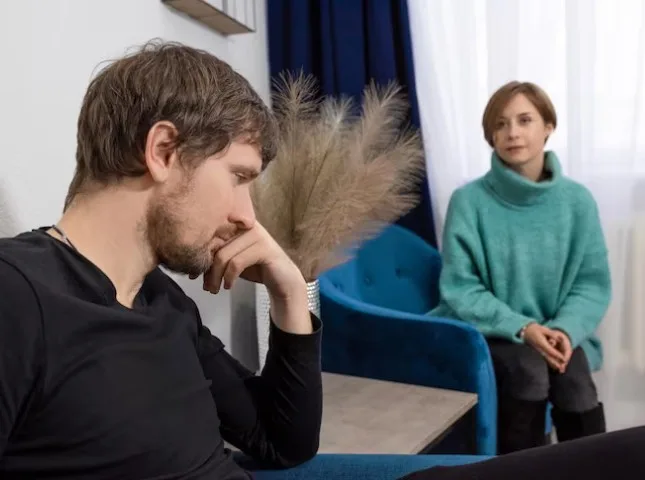
Can Don Juan Syndrome Be Treated?
Yes, recurring patterns of seduction, avoidance, and emotional instability can change with sustained psychological treatment, provided the person recognizes the pattern and genuinely wants to understand the needs, fears, and beliefs driving it. Treatment focuses on accountability, emotional regulation, and healthier intimacy.
- Identify the repeating cycle, including what triggers pursuit, withdrawal, dishonesty, or emotional detachment.
- Explore attachment and self-esteem patterns that make admiration or novelty feel necessary for emotional stability.
- Build tolerance for vulnerability, learning to remain present when intimacy creates discomfort rather than escaping into a new pursuit.
- Repair harm where appropriate through honesty, boundaries, and consistent behavioral change rather than promises alone.
Psychodynamic psychotherapy can help someone explore early relational experiences and hidden motivations. Cognitive behavioral therapy may help identify distorted beliefs such as “commitment will trap me” or “I need constant proof that I am desirable.” For people with compulsive sexual behavior, treatment may also include structured relapse-prevention planning and specialized sexual behavior treatment.
Therapy is not a shortcut, and change may initially feel uncomfortable because it requires giving up strategies that once protected a person from insecurity. Yet that discomfort can become productive. Learning to remain emotionally present during ordinary intimacy is often the beginning of healthier attachment.
What Happens in Therapy for Compulsive Relationship Patterns?
Therapy for compulsive relationship patterns generally examines the connection between emotion, behavior, and self-worth, helping clients recognize why they seek new partners, what feelings emerge in stable relationships, and how to develop healthier ways of managing those feelings.
Many therapists begin by mapping the cycle in detail: what happens before a new pursuit, how the person feels during seduction, what changes once intimacy develops, and what consequences follow afterward. This process can reveal patterns that were previously automatic, including loneliness, shame, boredom, fear of rejection, or a need for external validation.
Psychologist Esther Perel, whose work on desire and infidelity has influenced contemporary relationship therapy, has emphasized that erotic longing, novelty, identity, and attachment can become deeply intertwined. Understanding these forces does not excuse betrayal, but it can help a person identify what they are actually seeking when they repeatedly pursue someone new.
In couples therapy, the focus may include rebuilding trust only if both people want to continue the relationship and safety is present. This work requires transparency, sustained consistency, and realistic recognition that trust returns through repeated behavior, not one emotional apology.

How Can Someone Break the Cycle?
Breaking the cycle requires slowing down the automatic movement from insecurity to pursuit, developing other ways to regulate self-worth, and practicing honest intimacy even when it feels less exciting than novelty. Progress is usually gradual, but it is possible.
- Pause before pursuing new attention and identify the emotion underneath the urge, such as loneliness, shame, boredom, or fear.
- Limit high-risk situations, including private flirtation, secrecy, or online spaces that repeatedly trigger the same behavior.
- Practice direct emotional communication with current partners rather than seeking reassurance from someone new.
- Build identity outside romance through friendships, meaningful work, creative activity, and values-based goals.
One of the most difficult shifts is accepting that stable intimacy often feels quieter than early seduction. The absence of constant novelty is not proof that love has died; it may be an opportunity to build something more secure, reciprocal, and emotionally sustainable.
Change also requires making peace with accountability. If repeated pursuit has harmed partners, learning to face that harm without collapsing into shame or defensiveness is essential. Shame often fuels avoidance; accountability supports real repair.
When Should Someone Seek Professional Help?
Professional help is appropriate when repeated romantic or sexual behavior feels hard to control, causes distress or impairment, involves deception that repeatedly harms others, or appears connected to anxiety, depression, trauma, compulsive sexual behavior, or unstable self-esteem.
| Pattern | Reason to Seek Support |
| Repeated affairs despite serious consequences | Possible compulsive behavior or unresolved relational distress |
| Intense fear of commitment or closeness | Attachment insecurity may be shaping choices |
| Sexual behavior interfering with work or health | Possible compulsive sexual behavior pattern |
| Manipulation, coercion, or emotional abuse | Urgent need for accountability and safety-focused intervention |
A licensed therapist, psychiatrist, or certified sex therapist can help distinguish between a nonclinical relationship pattern and a condition requiring more specialized support. A thorough evaluation should consider mood symptoms, trauma history, substance use, relationship context, and whether behavior causes meaningful functional impairment.
Seeking help is not an admission that someone is irredeemable. It is an acknowledgment that repeated behavior has consequences and that healthier ways of relating are possible. The goal is not to erase sexuality or desire, but to build relationships based on consent, honesty, and mutual care.
FAQs about Don Juan Syndrome
Is Don Juan syndrome an official mental health diagnosis?
No. Don Juan syndrome, or Don Juanism, is not an official diagnosis in the DSM-5 and should not be used as a clinical label for someone based on a dating history alone. It is a descriptive term, used mainly in psychoanalytic and popular psychological writing, for a recurring pattern of seduction, serial conquest, emotional withdrawal, and difficulty sustaining intimacy. Some people described this way may have attachment insecurity, narcissistic traits, trauma-related patterns, or compulsive sexual behavior, while others may not meet criteria for any mental health condition. A qualified clinician would need to assess the full pattern, including distress, control, impairment, and harm to self or others, before considering any formal diagnosis.
Is Don Juan syndrome the same as sex addiction?
No. Don Juan syndrome describes a relational pattern centered on conquest, admiration, novelty, and avoidance of stable intimacy. Compulsive sexual behavior disorder is a separate ICD-11 condition involving persistent difficulty controlling intense sexual urges or behavior that causes substantial distress or impairment. Someone may have many sexual partners without having compulsive sexual behavior, and someone with compulsive sexual behavior may not be focused on seduction or romantic conquest at all. The critical distinction is not the number of partners but whether behavior becomes repetitive, difficult to control, harmful, and central enough to interfere with health, responsibilities, or relationships. A professional assessment is the best way to clarify what pattern is actually present.
Can someone with Don Juan syndrome genuinely love a partner?
Yes, someone with this pattern can experience real affection, desire, and attachment. The difficulty often lies not in the complete absence of feeling but in sustaining emotional closeness when a relationship becomes ordinary, vulnerable, or demanding. Some people may care deeply about a partner while also repeatedly seeking external validation or novelty to manage insecurity, fear of commitment, or fragile self-worth. This does not excuse deception, betrayal, or manipulation, but it helps explain why love and harmful behavior can coexist in the same relationship. Lasting change requires the person to recognize this contradiction, take responsibility for its effects, and learn to tolerate intimacy without using pursuit of someone new as an escape from discomfort.
Why does someone lose interest after they have “won” a partner?
For some people, the pursuit itself provides the strongest emotional reward. Being admired, desired, or chosen can temporarily reduce insecurity and create a powerful feeling of confidence or excitement. Once the relationship becomes established, however, that validation may no longer feel new enough to provide the same emotional effect. Intimacy can also activate fears of dependence, rejection, boredom, or loss of freedom, leading the person to withdraw or look elsewhere. This pattern is often less about the partner becoming objectively less valuable and more about the pursuer struggling with what stable closeness brings up emotionally. Therapy can help identify those underlying fears and develop more sustainable ways to regulate self-worth and desire.
Can Don Juanism happen in women or nonbinary people?
Yes. Although the historical term comes from a male literary character and is often applied to men, patterns of serial seduction, validation-seeking, novelty pursuit, and avoidance of emotional intimacy can occur in people of any gender. The underlying psychology is not limited to one sex; attachment insecurity, fragile self-esteem, trauma, and compulsive behavior can affect anyone. Using gender-neutral language can be more accurate when discussing the actual relational pattern, especially because focusing only on men can obscure similar experiences in women and nonbinary people. The key issue is the repeated function of the behavior, not the gender of the person displaying it.
How do I protect myself if I am dating someone with this pattern?
Start by paying attention to behavior over time rather than relying only on intense early affection or promises. Notice whether the person respects boundaries, tells consistent truths, accepts accountability, and remains emotionally present once the relationship becomes less new and more reciprocal. Maintain contact with your own friends, values, and support system instead of gradually organizing your life around the relationship. If you see repeated deception, manipulation, coercion, or emotional instability, consider speaking with a therapist or trusted person about the pattern. You cannot force someone else to change, and your wellbeing does not need to depend on waiting for them to become consistently trustworthy.
Can couples recover after repeated infidelity?
Some couples can recover, but recovery requires more than regret or promises. The person who broke agreements must take sustained responsibility, provide honest disclosure where appropriate, end ongoing outside involvement, and demonstrate reliable behavior over time. The other partner needs space to decide whether continuing the relationship is emotionally safe and genuinely desired. Couples therapy can help when both people are willing to participate openly, but it cannot create trust if deception continues. In some situations, ending the relationship is the healthier choice, especially when there is coercion, abuse, repeated betrayal without accountability, or a persistent refusal to seek help. Recovery is possible, but it must be built through repeated actions rather than hope alone.
What type of therapy helps with serial seduction or relationship compulsions?
The most helpful therapy depends on the underlying pattern. Psychodynamic therapy can explore attachment history, unconscious fears, and self-esteem needs. Cognitive behavioral therapy can identify beliefs and triggers that drive repetitive pursuit or avoidance. Schema therapy may help people recognize long-standing patterns involving abandonment, defectiveness, entitlement, or emotional deprivation. For behavior that feels difficult to control and causes serious impairment, specialized treatment for compulsive sexual behavior may be appropriate. Couples therapy may also help rebuild trust when both partners want repair and the relationship is safe. A qualified clinician can help determine which approach best fits the person’s needs rather than assuming one model will work for everyone.
Bibliography
- Bowlby, J. (1988). A Secure Base: Parent-Child Attachment and Healthy Human Development. Basic Books.
- Fenichel, O. (1945). The Psychoanalytic Theory of Neurosis. W. W. Norton.
- Kernberg, O. F. (1975). Borderline Conditions and Pathological Narcissism. Jason Aronson.
- Perel, E. (2017). The State of Affairs: Rethinking Infidelity. Harper.
- Rapoport, J. L. (1989). The Boy Who Couldn’t Stop Washing: The Experience and Treatment of Obsessive-Compulsive Disorder. E. P. Dutton.
- Kraus, S. W., Krueger, R. B., Briken, P., et al. (2018). Compulsive Sexual Behaviour Disorder in the ICD-11. World Psychiatry, 17(1), 109-110.
- World Health Organization. (2022). ICD-11 for Mortality and Morbidity Statistics: Compulsive Sexual Behaviour Disorder. WHO.
- American Psychiatric Association. (2022). Diagnostic and Statistical Manual of Mental Disorders (5th ed., text rev.). APA.
Use this citation format to reference the article clearly and help readers find the original source.
PsychologyFor. (2026). Don Juan Syndrome: What it Is, Symptoms, Causes and Treatment. PsychologyFor. https://psychologyfor.com/don-juan-syndrome-what-it-is-symptoms-causes-and-treatment/