


See more of our articles in your search results.
You’ve probably heard the phrase “multiple personality” tossed around in movies, true crime documentaries, or maybe even a joke about someone’s mood swings. But behind that dramatic label sits a real, documented psychiatric condition, one that has left actual people fighting to be understood rather than gawked at. The clinical name changed decades ago, yet the myths never quite caught up, and that gap between Hollywood’s version and the lived reality is exactly where most confusion about this topic still lives. Real cases, studied over decades by trauma researchers, tell a far more complicated and far more human story than any thriller screenplay ever could.
If you’re here because you recognize some of these experiences in yourself, or in someone you love, that uncertainty deserves to be taken seriously rather than dismissed as attention-seeking or fabrication. People living with what’s now called dissociative identity disorder often spend years being misdiagnosed, disbelieved, or quietly ashamed before they ever hear a term that actually fits their experience. That delay isn’t a personal failing; it reflects how poorly understood dissociation still is, even among clinicians who haven’t specialized in trauma-related disorders. Getting the history and the science right matters enormously, both for people navigating a diagnosis and for anyone trying to separate fact from decades of sensationalized media coverage.
So what do the actual, documented cases show, once you strip away the movie dramatics?
This article walks through some of the most studied real-world cases connected to what used to be called multiple personality disorder, traces how clinical understanding evolved, and lays out what current research and treatment for dissociative identity disorder actually involve today.

How many of these have you been "meaning to read" for months?
- 1
 THE LOST SKILLS ACADEMYThe Lost Skills of IndependenceBe Ready for Anything Life Throws at You - Hardcover-SpiralListen Free On Audible
 - 2
 A Navy SEALs Bug-In GuideA Navy SEAL's Bug-In GuideHow to Turn Your House into the Safest Place on EarthListen Free On Audible
 - 3
 Clarkson PotterHomemaking with BabsTips and Tricks for Making a House a HomeListen Free On Audible
What Is Multiple Personality Disorder Called Today?
Multiple personality disorder was officially renamed dissociative identity disorder in the 1994 edition of the Diagnostic and Statistical Manual, reflecting a shift toward understanding it as a disruption in identity and memory rather than literally separate “personalities.” The DSM-5 retains this terminology today.
That renaming wasn’t just cosmetic. Clinicians recognized that the older term implied something almost supernatural, as though a person’s body could physically house several distinct beings taking turns at the wheel. The updated framing instead describes identity fragmentation, a disruption where memory, sense of self, and behavior don’t integrate the way they normally would after severe, chronic trauma. That’s a meaningfully different picture, and one that fits much more comfortably within modern neuroscience.
Dissociative identity disorder is now classified under the broader category of dissociative disorders in the DSM-5, alongside dissociative amnesia and depersonalization-derealization disorder. What distinguishes DID specifically is the presence of two or more distinct identity states, often called alters, along with recurrent gaps in memory that go well beyond ordinary forgetfulness. Some people describe losing entire chunks of time; others describe finding items they don’t remember buying, in handwriting that doesn’t quite look like their own.
Terminology matters here for another reason too. Casual or joking use of “multiple personality” in everyday speech tends to trivialize a condition rooted, in most documented cases, in extreme childhood trauma. Using accurate language isn’t about being overly cautious; it’s about respecting the severity of what real patients have actually lived through.

What Are Real Documented Cases of Dissociative Identity Disorder?
Several real, clinically documented cases have shaped public and professional understanding of dissociative identity disorder, though not all of them have aged equally well under later scrutiny. The most widely cited include Chris Costner Sizemore, Shirley Ardell Mason, Billy Milligan, and more recent contemporary figures like Kim Noble.
Each case entered public consciousness through a different vehicle: a memoir, a bestselling book, a court case, or a personal disclosure years after diagnosis. That variety matters, because it shows how the public’s understanding of this condition has been shaped almost as much by storytelling as by clinical research. Some accounts held up reasonably well against later investigation. Others became case studies in how psychotherapy itself can shape, or distort, the presentation of a disorder.
- Chris Costner Sizemore, the real woman behind “The Three Faces of Eve,” documented her own experience across decades in her own writing, giving rare first-person testimony.
- Shirley Ardell Mason, the real identity behind “Sybil,” became the subject of intense controversy after journalist Debbie Nathan’s investigation raised serious questions about therapeutic influence.
- Billy Milligan’s case became legally significant after he was found not guilty by reason of insanity in a 1978 criminal trial, a landmark moment for forensic psychiatry.
- Kim Noble, a contemporary British artist, has spoken openly about living with DID, offering a rare, ongoing, non-historical account of daily functioning with the condition.
Looking at these cases together, rather than in isolation, tells you something important: clinical understanding of DID has evolved considerably since the mid-twentieth century, and some of the earliest, most famous cases now come with real caveats that responsible reporting has to include.
Who Was “Sybil” and Why Is Her Case Controversial?

“Sybil” was the pseudonym for Shirley Ardell Mason, whose case, published as a bestselling 1973 book and later a television film, became the single most influential portrayal of multiple personality disorder in American pop culture. Its scientific credibility has since been seriously questioned.
Mason was treated by psychiatrist Cornelia Wilbur, who diagnosed her with sixteen distinct personalities linked to severe childhood abuse. The book, co-written with journalist Flora Rheta Schreiber, became a cultural phenomenon and is widely credited with a dramatic spike in MPD diagnoses throughout the 1970s and 1980s. Before the book’s publication, the condition was considered exceptionally rare. Afterward, diagnoses climbed sharply, a pattern that later became central to the case’s controversy.
Journalist Debbie Nathan’s 2011 book “Sybil Exposed” drew on Wilbur’s own case files and correspondence, revealing that Mason had expressed doubts to her psychiatrist about whether she truly had separate personalities at all, doubts that appear to have been minimized in the published account. Nathan’s reporting suggested that sodium pentobarbital, hypnosis, and highly suggestive questioning during therapy sessions may have shaped Mason’s symptoms as much as they revealed them. That’s a genuinely uncomfortable possibility for a case that shaped so much public understanding.
None of this means dissociative identity disorder itself is fictional; the broader diagnosis has substantial independent research support well beyond Mason’s case. It does mean “Sybil” specifically should be treated with caution as a scientific reference point, and most clinicians today cite it primarily as a cautionary example of how therapeutic technique can shape a patient’s narrative, intentionally or not.
What Happened in the Case of Billy Milligan?
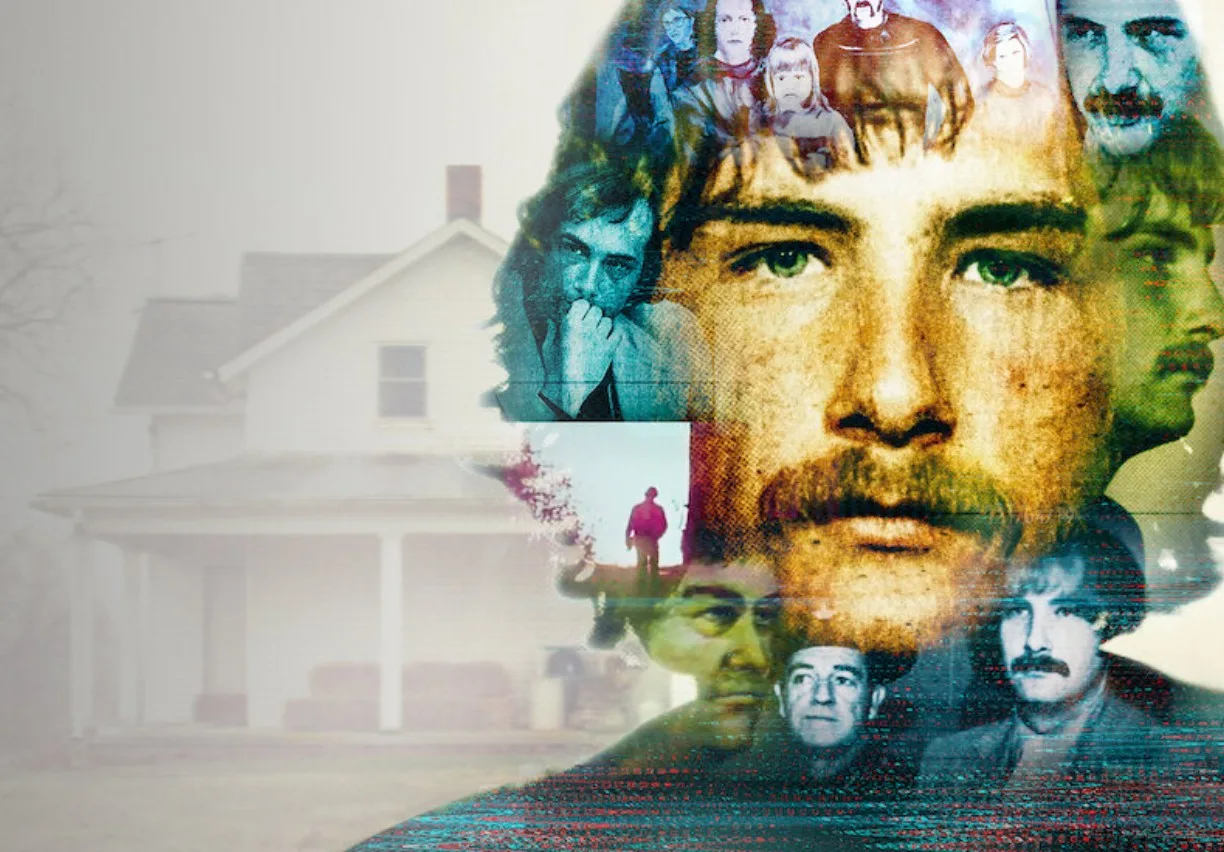
Billy Milligan became the first person in United States legal history acquitted of a serious crime by reason of insanity based on a diagnosis of multiple personality disorder, a 1978 case that remains a landmark in forensic psychiatric history. His story was later documented in Daniel Keyes’s book “The Minds of Billy Milligan,” cementing it in public memory.
Milligan was arrested for a series of rapes on the Ohio State University campus, a fact that made the case immediately notorious. During evaluation, psychiatrists identified what they described as at least ten distinct personality states, including a British-accented con artist and a personality claiming responsibility for the crimes while others reportedly had no memory of them occurring. Courts ultimately accepted the diagnosis, ruling that Milligan couldn’t be held criminally responsible in the way a person with a unified, continuous sense of self would be.
The case ignited a fierce public debate that has never fully settled. Critics worried the ruling created a dangerous precedent, effectively offering a legal shield for serious crimes. Supporters argued that genuine, severe dissociation raises legitimate questions about criminal culpability that courts have a responsibility to take seriously rather than dismiss for convenience. Milligan spent roughly a decade in psychiatric institutions rather than prison before his eventual release, and his case remains a frequently cited reference point in discussions of the insanity defense.
What often gets lost in retellings is how much psychiatric disagreement surrounded even this well-documented case. Some evaluating clinicians expressed skepticism about the number and stability of the identified personalities, while others were fully convinced. That internal disagreement among professionals is itself a useful reminder: even a case with extensive documentation and legal scrutiny still generated genuine, unresolved clinical uncertainty.
How Did Chris Sizemore’s “Three Faces of Eve” Shape Public Understanding?
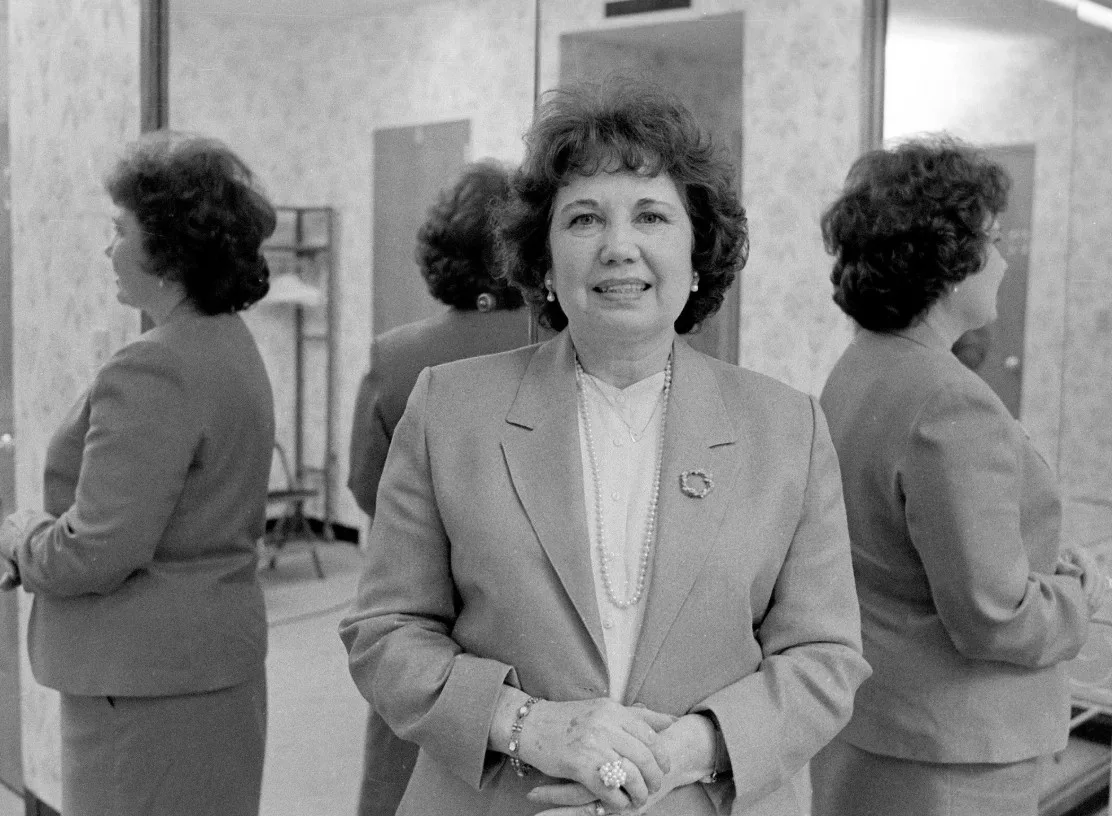
Chris Costner Sizemore’s case, publicized first through a 1957 book and film called “The Three Faces of Eve,” was one of the earliest widely known American accounts of multiple personality disorder and helped establish the condition’s presence in public consciousness decades before “Sybil.”
Sizemore was treated by psychiatrists Corbett Thigpen and Hervey Cleckley, who documented what they described as several distinct personality states, though later, in her own writings, Sizemore herself clarified that she experienced far more identity states than the three depicted in the film’s title. She published her own detailed memoirs decades afterward, offering something relatively rare for this topic: a patient’s own extended, first-person reflection on living with the condition long after the initial treatment and public attention had faded.
What makes Sizemore’s account particularly valuable to researchers is its longevity. She lived for decades after her initial treatment, eventually describing what she called “integration,” a state in which her different identity states merged into a single, continuous sense of self. That outcome offered early clinical evidence that recovery and integration were genuinely possible, not just theoretical goals therapists hoped for.
Sizemore also became a public advocate later in life, speaking about mental health stigma and pushing back against sensationalized portrayals of her own diagnosis in the media. That advocacy work matters. It reframes her story from a clinical curiosity into something closer to a genuine testimony about living with and eventually managing a serious dissociative condition.
What Do Modern Cases Like Kim Noble Reveal About Living With DID?

Contemporary cases like British artist Kim Noble show that dissociative identity disorder is not only a historical curiosity from mid-century psychiatry; people are living with, managing, and openly discussing the condition today, often while maintaining careers and relationships.
Kim Noble, diagnosed with DID after a history of severe childhood trauma, has spoken and written extensively about her experience, including in her memoir “All of Me.” She has described having more than a dozen distinct identity states, several of whom paint in noticeably different artistic styles, a detail that has drawn genuine interest from researchers studying how identity states can differ in observable skill and expression. Her openness has given the public a rare, ongoing window into daily life with the condition, rather than a retrospective account filtered through decades of hindsight.
Other public figures have disclosed DID diagnoses in recent decades as well, including former NFL player Herschel Walker, who has spoken publicly about his own diagnosis and treatment journey. These disclosures matter for reducing stigma. Seeing someone hold down a demanding career, or build a public creative practice, directly challenges the old, damaging stereotype that DID automatically means unpredictable, dangerous, or nonfunctional behavior.
These contemporary accounts also highlight something the earlier, more famous cases couldn’t: how someone navigates day-to-day life, work, relationships, and identity, while actively managing the condition rather than being defined entirely by a single dramatic diagnosis narrative. That distinction feels important, and it’s a big part of why modern clinical literature increasingly centers patient voice alongside clinician observation.
What Causes Dissociative Identity Disorder According to the Trauma Model?
The trauma model holds that dissociative identity disorder develops as a protective response to severe, repeated childhood trauma, typically before age nine, when a developing child’s mind lacks the capacity to integrate overwhelming experiences into a single coherent identity. This remains the dominant clinical explanation today.
Psychiatrist Frank Putnam, a leading researcher on childhood trauma and dissociation, has argued that repeated, severe abuse during critical developmental windows can prevent the normal psychological process of integrating memory, emotion, and identity into one continuous self. Instead, the child’s mind essentially compartmentalizes distinct states, each holding different memories, emotions, or coping functions, as a way of surviving experiences that would otherwise be psychologically unbearable. Psychiatrist Richard Kluft similarly emphasizes that this fragmentation isn’t something a therapist can simply talk someone into; it requires specific developmental vulnerability combined with genuinely severe trauma exposure.
Dutch psychiatrist Onno van der Hart, working alongside colleagues, developed what’s known as the theory of structural dissociation, describing how a personality that would normally develop as one integrated whole can instead split along functional lines under chronic threat. Trauma researcher Bessel van der Kolk, whose broader work on how trauma reshapes the body and brain has become widely influential, has similarly emphasized that dissociation functions as a survival mechanism, not a character flaw or a deliberate performance.
This model has strong support from studies linking documented histories of severe childhood abuse to later DID diagnoses, and it fits observed patterns in brain imaging research showing altered activity in regions tied to memory and self-recognition across different identity states. It doesn’t, however, settle every scientific debate about the disorder, and that’s exactly where the next major theoretical framework comes in.
What Is the Sociocognitive Model and Why Do Some Experts Disagree?
The sociocognitive model argues that dissociative identity disorder is primarily shaped, and in some cases essentially created, by therapy techniques, cultural expectations, and media portrayals, rather than arising directly from childhood trauma. This remains a genuinely contested position within psychiatry.
Psychologist Nicholas Spanos was the model’s most prominent proponent, arguing in influential published work that multiple identity presentations function as learned social roles, shaped by therapist suggestion, hypnosis, and cultural scripts absorbed from books, films, and media coverage. In his view, patients aren’t consciously lying; they’re unconsciously performing a role that therapy and culture have handed them, a process he compared to how people slip into other socially scripted behaviors without full awareness of doing so.
Psychiatrist Paul McHugh, another vocal skeptic, has similarly argued that the dramatic rise in MPD diagnoses following books like “Sybil” reflects the power of suggestion within a therapeutic relationship, particularly when hypnosis and leading questions are involved. Critics of the sociocognitive model counter that most DID patients were never treated with hypnosis at all, and that features like severe amnesia between identity states are difficult to explain purely through role-play or suggestion.
- The trauma model emphasizes childhood abuse as the primary developmental cause of DID.
- The sociocognitive model emphasizes therapeutic and cultural suggestion as the primary explanatory mechanism.
- Most contemporary researchers accept elements of both while still favoring trauma as the dominant causal factor.
- The debate has directly shaped how clinicians are trained to avoid leading questions during assessment.
Most current clinical guidelines land somewhere in the middle: trauma remains the primary accepted cause, but the sociocognitive critique permanently changed how careful, ethical clinicians approach assessment, pushing the field firmly away from suggestive hypnosis and toward more structured diagnostic interviews.
How Is Dissociative Identity Disorder Diagnosed Today?
Modern diagnosis of dissociative identity disorder relies on structured clinical interviews, careful longitudinal observation, and specific DSM-5 criteria, rather than hypnosis or suggestive questioning techniques that shaped many of the earlier, more controversial cases. This shift reflects lessons learned from cases like Sybil.
| Older Diagnostic Approach | Modern Diagnostic Approach |
| Heavy reliance on hypnosis and sodium pentobarbital interviews | Structured clinical interviews without suggestive techniques |
| Therapist-driven exploration of possible “alters” | Patient-led disclosure, observed over time |
| Diagnosis often made quickly after limited sessions | Diagnosis typically requires extended longitudinal assessment |
| Little standardized criteria across clinicians | Consistent DSM-5 criteria applied across practitioners |
Clinicians today typically use validated tools such as the Structured Clinical Interview for Dissociative Disorders, alongside careful history-taking that looks for corroborating evidence of memory gaps, identity disruption, and functional impairment across multiple areas of life. This process usually takes considerably longer than a single session; rushed diagnosis is now widely viewed as a red flag rather than a sign of clinical efficiency.
Psychiatrist Colin Ross, who has published extensively on dissociative disorders, has emphasized that accurate diagnosis also requires ruling out other conditions with overlapping symptoms, including borderline personality disorder, certain psychotic disorders, and complex PTSD. Misdiagnosis remains genuinely common, and patients with DID are frequently treated for years for other conditions before the correct diagnosis is reached, a delay that can meaningfully worsen long-term outcomes.
Careful diagnosis also protects patients from the harm caused by the field’s earlier mistakes. Building trust, avoiding leading language, and letting symptom patterns emerge naturally over multiple sessions has become the accepted standard, replacing the faster, more suggestive approaches that generated so much later controversy.
What Does Treatment for DID Actually Involve?
Treatment for dissociative identity disorder typically centers on long-term, trauma-focused psychotherapy aimed at improving communication between identity states, processing the underlying trauma safely, and gradually working toward greater internal cooperation or integration. Medication may help manage co-occurring symptoms but doesn’t treat DID directly.
- Establish safety and stabilization before any deep trauma processing begins, since premature exploration can worsen symptoms.
- Build a therapeutic relationship that supports communication and cooperation between different identity states.
- Gradually process traumatic memories using trauma-focused techniques, always at a pace the patient’s system can tolerate.
- Work toward greater internal integration, though full fusion of identities isn’t always the treatment goal or outcome for every patient.
This staged approach, often associated with clinicians following frameworks developed by researchers like Onno van der Hart and Richard Kluft, prioritizes safety over speed. Rushing the process, research consistently shows, tends to backfire. It can trigger a genuine crisis rather than steady progress, sometimes badly.
Trauma-focused approaches like those informed by Bessel van der Kolk’s broader body-based trauma research often get incorporated alongside more traditional talk therapy, addressing how trauma is stored physically as well as psychologically. Some patients pursue full identity integration as a long-term goal; others find a stable, cooperative internal system without full fusion, and both outcomes can represent genuine clinical success depending on the individual.
Medication doesn’t cure DID itself, since there’s no pharmaceutical treatment that directly targets dissociation, but it frequently helps manage co-occurring depression, anxiety, or PTSD symptoms that make the underlying trauma work harder to sustain. Treatment length varies enormously. Some patients work with the same therapist for many years, reflecting just how deep and layered the underlying trauma often is.
Why Do Myths About “Multiple Personality” Persist in Pop Culture?
Pop culture persistently misrepresents dissociative identity disorder because dramatic, violent, or supernatural portrayals make for more compelling entertainment than the slower, quieter clinical reality most patients actually experience. This gap between fiction and fact causes real, ongoing harm.
Films and television shows have repeatedly linked DID to violence, criminal masterminds, or literally supernatural possession, a pattern that has almost no support in actual clinical data. Most people living with DID are not dangerous. Most are, in fact, at significantly higher risk of harming themselves than anyone else, given how closely the condition correlates with severe, unresolved trauma and co-occurring depression.
These persistent myths carry real consequences. Patients frequently describe hesitating to disclose their diagnosis to friends, employers, or even some clinicians, out of fear of being seen as dangerous, manipulative, or simply making the whole thing up for attention. That fear isn’t paranoid; it reflects decades of consistent, damaging media stereotyping that responsible journalism and clinical education are only slowly starting to correct.
Correcting these myths matters beyond simple accuracy. It shapes whether someone struggling with dissociative symptoms feels safe enough to seek help at all. Every inaccurate portrayal makes that first, difficult step toward disclosure and treatment just a little bit harder, and reversing that pattern requires deliberate, sustained effort from clinicians, journalists, and storytellers alike who are willing to prioritize accurate representation over dramatic shortcuts.
FAQs about Multiple Personality and Real Cases
Is multiple personality disorder still a real diagnosis?
The term “multiple personality disorder” was officially replaced by “dissociative identity disorder” in 1994, but the underlying condition it described is still recognized as a legitimate psychiatric diagnosis in the current DSM-5. The renaming reflected updated scientific understanding, not a decision to remove the diagnosis from clinical practice. Some public confusion persists because older books, films, and casual conversation still use the outdated term, which can make the condition sound more dramatic or fictional than clinical reality supports. Mental health professionals today use dissociative identity disorder as the accurate clinical term, and it remains an actively studied, actively treated condition within trauma and dissociation research, even though debate about its precise causes continues within the field.
Was the Sybil case real or fabricated?
The situation is genuinely complicated rather than a simple yes or no. Shirley Ardell Mason was a real patient who was treated for severe psychological distress, and she did receive a diagnosis of multiple personality disorder from her psychiatrist. However, later investigative reporting uncovered evidence suggesting that hypnosis, sedative-assisted interviews, and highly suggestive questioning during therapy may have significantly shaped how her symptoms were expressed and interpreted. Mason herself reportedly expressed private doubts about having truly separate personalities, doubts that don’t appear prominently in the published book. Most experts today treat the Sybil case as a valuable historical example of how therapeutic technique can distort a clinical picture, rather than as reliable scientific evidence for how DID typically presents.
Can someone really not remember what their other personalities do?
Yes, significant memory gaps between identity states, sometimes called amnestic barriers, are a core diagnostic feature of dissociative identity disorder, not an exaggeration for dramatic effect. People with DID often describe losing chunks of time, finding unfamiliar items in their possession, or being told by others about conversations or actions they have no memory of. The severity of these gaps varies considerably between individuals and even between different identity states within the same person. This isn’t the same as simply forgetting where you left your keys; it reflects a genuine disruption in how memory and identity are normally integrated, and it’s one of the features that distinguishes DID from ordinary personality variation or mood changes.
How common is dissociative identity disorder really?
Estimates vary, but current research suggests dissociative identity disorder affects roughly one to one and a half percent of the general population, making it considerably more common than the old stereotype of an extremely rare, almost mythical condition would suggest. Many cases go undiagnosed for years, often because symptoms overlap with other conditions like depression, anxiety, borderline personality disorder, or complex PTSD, leading to years of alternative diagnoses before the correct one is identified. Prevalence also appears higher in populations with documented histories of severe childhood trauma, which supports the trauma model’s core claims. The gap between how rare pop culture presents DID and how the actual data describes its prevalence is part of why public understanding remains so distorted.
What is the difference between DID and having multiple moods?
Everyone experiences shifts in mood, energy, or behavior depending on context, but dissociative identity disorder involves something categorically different: distinct identity states with their own patterns of memory, behavior, and sometimes even physiological differences, alongside significant gaps in continuous memory. A mood shift doesn’t typically involve losing time or discovering evidence of actions you don’t remember taking. DID also requires clinically significant distress or impairment across major areas of functioning, not just noticeable personality variation. Casual comparisons between having “different moods” and having DID tend to trivialize a condition rooted in severe trauma, and clinicians are generally careful to distinguish normal emotional variability from the specific, more severe criteria required for an actual diagnosis.
Can therapy accidentally create false memories or false identities in DID treatment?
This concern, raised prominently by sociocognitive researchers, is taken seriously within the field and has directly shaped modern clinical training. Suggestive techniques, particularly hypnosis combined with leading questions, can genuinely influence how patients describe their internal experience, which is part of why current best-practice guidelines discourage those older approaches. Responsible modern treatment emphasizes careful, non-leading assessment conducted over an extended period, rather than quick suggestion-driven diagnosis. That said, most contemporary researchers argue this risk applies mainly to poor clinical technique rather than disproving the existence of genuine, trauma-based dissociation altogether. The consensus is that both risks are real: undertreating genuine trauma and accidentally shaping a patient’s presentation through flawed technique.
Did Billy Milligan really have multiple personalities, or was it a legal strategy?
This remains genuinely debated even among professionals who reviewed his case closely at the time. Multiple psychiatrists evaluated Milligan and reached a diagnosis of multiple personality disorder, which the court ultimately accepted as grounds for a verdict of not guilty by reason of insanity. Some clinicians involved expressed confidence in the diagnosis based on consistent, observable shifts in behavior, handwriting, and reported memory gaps across extended evaluation. Others voiced skepticism, given the obvious legal incentive to present convincing symptoms during a serious criminal trial. Because both explanations remain plausible, most contemporary discussions present Milligan’s case as historically significant and clinically documented, while acknowledging it can’t be treated as unambiguous scientific proof either way.
What should I do if I think I might have DID?
The most important first step is reaching out to a licensed mental health professional who has specific experience with dissociative disorders, since general practitioners and even many therapists receive limited specialized training in this area. Bring specific examples of what you’re experiencing, such as memory gaps, being told about behavior you don’t recall, or finding evidence of actions you don’t remember taking, since these concrete details help guide accurate assessment. Expect the diagnostic process to take time; responsible clinicians typically avoid rushing to a conclusion after a single session. It’s also worth remembering that dissociative symptoms often develop as a response to real, significant past experiences, and seeking clarity about what you’re going through is a reasonable, healthy step rather than something to feel ashamed of.
Bibliography
- Putnam, F. W. (1997). Dissociation in Children and Adolescents: A Developmental Perspective. Guilford Press.
- Kluft, R. P. (1984). Treatment of Multiple Personality Disorder: A Study of 33 Cases. Psychiatric Clinics of North America.
- Van der Hart, O., Nijenhuis, E. R. S., & Steele, K. (2006). The Haunted Self: Structural Dissociation and the Treatment of Chronic Traumatization. W. W. Norton & Company.
- Van der Kolk, B. (2014). The Body Keeps the Score: Brain, Mind, and Body in the Healing of Trauma. Viking.
- Spanos, N. P. (1996). Multiple Identities and False Memories: A Sociocognitive Perspective. American Psychological Association.
- Ross, C. A. (1997). Dissociative Identity Disorder: Diagnosis, Clinical Features, and Treatment of Multiple Personality. Wiley.
- Nathan, D. (2011). Sybil Exposed: The Extraordinary Story Behind the Famous Multiple Personality Case. Free Press.
- Keyes, D. (1981). The Minds of Billy Milligan. Random House.
- Sizemore, C. C., & Pittillo, E. S. (1977). I’m Eve. Doubleday.
- Noble, K. (2012). All of Me: My Incredible True Story of How I Learned to Live with the Many Personalities Sharing My Body. Piatkus.
- McHugh, P. R. (2008). Try to Remember: Psychiatry’s Clash Over Meaning, Memory, and Mind. Dana Press.
- American Psychiatric Association. (2013). Diagnostic and Statistical Manual of Mental Disorders (5th ed.). APA.
Use this citation format to reference the article clearly and help readers find the original source.
PsychologyFor. (2026). Multiple Personality: Real Cases. PsychologyFor. https://psychologyfor.com/multiple-personality-real-cases/