


See more of our articles in your search results.
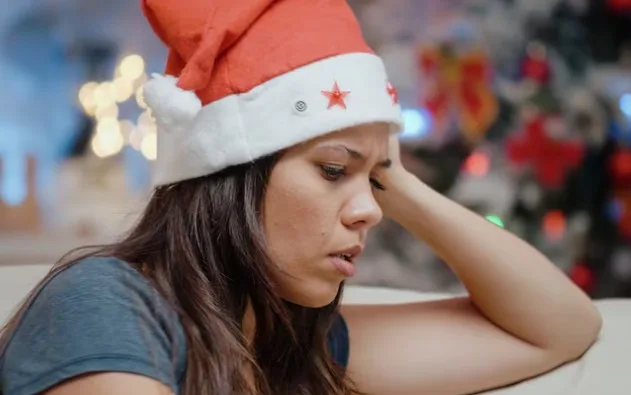
Picture this: It’s mid-December. Your to-do list stretches longer than your arm—gifts to buy, cards to write, parties to attend, meals to plan, decorations to hang, family to coordinate with, cookies to bake, year-end work deadlines to meet. Your bank account is hemorrhaging money you don’t really have. Your chest feels tight. You’re sleeping poorly. You snap at people you love. And everywhere you look, cheerful voices insist this is supposed to be “the most wonderful time of the year.”
If that scenario feels familiar, you’re not alone. Research shows that anxiety levels spike dramatically during the Christmas season, with studies indicating that up to 38% of people report increased stress during the holidays, and mental health professionals see a significant uptick in anxiety-related appointments throughout December and early January. The very season culturally mandated to bring joy instead brings many people crushing pressure, exhaustion, and emotional overwhelm.
Here’s what makes Christmas anxiety particularly insidious: it comes wrapped in guilt. You feel anxious, which makes you feel like you’re failing at Christmas, which makes you more anxious, which deepens the sense of failure. Meanwhile, every advertisement, movie, and social media post shows people effortlessly celebrating with perfect families in perfect homes with perfect presents and perfect smiles. The gap between that fantasy and your anxious reality feels like a personal inadequacy rather than a systemic problem affecting millions.
After two decades working with clients struggling through holiday seasons, I’ve watched genuinely mentally healthy people develop clinical-level anxiety symptoms purely from Christmas pressure. The executive who never had panic attacks until December hit and suddenly she’s hyperventilating in parking lots before holiday parties. The father who manages work stress beautifully but becomes irritable and withdrawn trying to create the “perfect Christmas” for his kids. The young adult whose generalized anxiety, managed well all year, spirals completely out of control when forced into extended family gatherings during the holidays.
What distinguishes people who navigate Christmas relatively intact from those who arrive at January 1st emotionally shattered isn’t better circumstances or stronger willpower. It’s understanding why Christmas creates anxiety and having specific, evidence-based strategies for managing it. This isn’t about “thinking positive” or “just relaxing”—platitudes that help no one. It’s about recognizing the structural and psychological factors that make this season uniquely anxiety-provoking, then building concrete systems to protect your mental health.
How many of these have you been "meaning to read" for months?
- 1
 New Harbinger PublicationsThe Untethered SoulThe Journey Beyond YourselfListen Free On Audible
- 2
 Sourcebooks, Inc.My Calm Down BookA Sensory Book to Help Kids Calm Their BodiesListen Free On Audible
- 3
 FINGERPRINT with FP logoMeditations (Deluxe Hardbound Edition)FINGERPRINT with FP logoListen Free On Audible
This article examines why Christmas triggers anxiety so powerfully, explores the specific mechanisms that transform a holiday into a mental health crisis for so many people, and provides practical, psychologically-grounded strategies for actually managing anxiety rather than just white-knuckling through December. Because the goal isn’t just surviving Christmas—it’s reclaiming the season from the anxiety that’s colonized it, creating space for whatever genuine joy, connection, or peace is actually possible when you’re not drowning in stress.
Why Christmas Triggers Anxiety in So Many People
Christmas doesn’t just happen to create anxiety in vulnerable individuals. The holiday is structurally designed—through cultural expectations, commercial pressures, and social rituals—to generate stress in ways that other occasions don’t. Understanding these mechanisms helps you recognize that your anxiety is a reasonable response to genuinely challenging circumstances, not a personal failing.
The collision between expectation and reality sits at the heart of Christmas anxiety. We’re bombarded from November through December with images of what Christmas “should” be: joyful family gatherings, abundant gifts, beautifully decorated homes, delicious meals, children’s wonder, spiritual meaning, and universal harmony. These images create implicit standards that real life can never meet. Your actual Christmas—with its family tensions, financial constraints, imperfect cooking, and ordinary chaos—inevitably falls short of this fantasy, generating disappointment and inadequacy that fuel anxiety.
Financial pressure reaches annual peaks during Christmas. The average person spends hundreds or thousands on gifts, food, decorations, travel, and events within a compressed timeframe. For many, this means accumulating debt, depleting savings, or making painful choices about what they can afford. Financial stress is one of the most potent anxiety triggers because it activates primitive survival fears about resource scarcity. When you’re spending money you don’t have on things you’re socially pressured to buy, your nervous system responds with anxiety signals designed to warn you about genuine threats to wellbeing.
Social obligation multiplies exponentially. Work parties, friend gatherings, family dinners, neighborhood events, religious services, children’s activities—December packs more social commitments into four weeks than most months contain in a year. For introverts or people with social anxiety, this relentless demand for social performance is exhausting. Even extroverts reach limits when social obligations crowd out rest and personal time. The inability to say no without feeling guilty compounds the problem, creating obligation spirals where you’re overcommitted, overwhelmed, and unable to extract yourself without disappointing someone.
Family dynamics intensify under pressure. Christmas often brings together relatives who don’t see each other regularly, sometimes for good reasons. Old conflicts resurface. Problematic family members can’t be avoided. You’re expected to perform happiness and harmony even in relationships that are actually strained or painful. For people from dysfunctional families, abuse survivors, or those navigating estrangement, family gatherings can trigger genuine trauma responses. The cultural insistence that “family is everything” at Christmas makes it nearly impossible to protect yourself without facing judgment or guilt.
Perfectionism gets culturally reinforced. Christmas comes with endless opportunities to fail at impossible standards. The perfect gift, the perfect meal, the perfect decorations, the perfect experience for your children—each represents a test you can fail publicly. Social media amplifies this by providing curated highlight reels of everyone else’s apparently perfect celebrations, creating comparison traps where your reality never measures up to others’ carefully staged presentations.
Loss and grief become unavoidable. For people who’ve lost loved ones, Christmas emphasizes their absence through traditions, gatherings, and sensory triggers. For those experiencing relationship breakdowns, job loss, health crises, or other significant losses, the season’s insistence on celebration can feel like salt in open wounds. The expectation to be joyful when you’re grieving creates profound disconnection between internal experience and external performance demands.
Routine disruption destabilizes mental health. Most people manage anxiety partly through routine—regular sleep, consistent exercise, predictable schedules, familiar environments. Christmas demolishes these structures. Sleep schedules shift for late parties. Exercise routines get abandoned for holiday events. Eating patterns become erratic with constant special meals and treats. Work schedules compress all deadlines before the break. For people whose mental health depends on routine and predictability, this disruption alone can trigger significant anxiety.
Consumption pressure is relentless and unavoidable. Christmas has become intensely commercialized, with retailers generating massive portions of annual revenue during this period. You can’t avoid the marketing—it’s in stores, on TV, online, in your inbox, on billboards. This constant messaging that you need to buy, spend, give, and consume to properly celebrate creates guilt and anxiety, particularly for people with financial limitations or those trying to live more simply.
Time pressure creates impossible demands. There aren’t enough hours in December to do everything the season expects. Shopping, wrapping, cooking, baking, decorating, party attendance, card writing, event planning—each takes time you don’t have while you’re also managing regular work and life responsibilities. The compressed timeline creates urgency and panic that keeps your nervous system in fight-or-flight mode for weeks.
The Hidden Costs of Unmanaged Holiday Anxiety
When anxiety goes unmanaged during Christmas, the consequences extend far beyond feeling stressed for a few weeks. The cumulative impact on mental health, physical health, relationships, and overall wellbeing can be substantial and long-lasting.
Physical health deteriorates under sustained stress. Anxiety activates your sympathetic nervous system, flooding your body with stress hormones like cortisol and adrenaline. In short bursts, this is manageable. But when Christmas anxiety persists for weeks, your body stays in stress mode, leading to compromised immune function (explaining why so many people get sick right after Christmas), digestive problems, headaches, muscle tension, elevated blood pressure, and disrupted sleep. The physical toll of unmanaged anxiety often doesn’t fully manifest until early January when your system finally crashes.
Mental health conditions can worsen significantly. For people with pre-existing anxiety disorders, depression, PTSD, or other mental health conditions, Christmas can trigger symptom escalation that takes months to recover from. Hospitalization rates for mental health crises increase during and immediately after the holidays, partly because the season’s pressures push already-vulnerable people past their coping capacity. Even people without diagnosed conditions can develop clinical-level symptoms during particularly stressful Christmas seasons.
Relationships suffer under the strain. Anxiety makes people irritable, withdrawn, or reactive. When you’re anxious, you have less patience, less capacity for connection, and more tendency to snap at the people closest to you. Christmas anxiety often damages the very relationships the holiday supposedly celebrates. Couples fight more during the holidays, with disagreements about money, family obligations, and expectations creating conflicts that sometimes permanently damage relationships. Parents struggling with anxiety become less emotionally available to their children, ironically undermining the family connection they’re anxious about creating.
Work performance declines as anxiety consumes cognitive resources. When your mind is preoccupied with holiday stress, you have less mental capacity for focus, creativity, problem-solving, and productivity. Many people limp through December at work, doing the minimum while their actual energy goes toward managing Christmas demands. For some, this means year-end reviews suffer, projects get delayed, or mistakes happen that have career consequences.
Financial decisions made under anxiety are typically poor decisions. Anxiety impairs judgment and increases impulsivity. People make purchasing decisions they later regret, accumulate debt that takes months or years to repay, or make financial commitments beyond their means because anxiety-driven guilt prevents them from setting boundaries. January credit card statements often reveal the financial cost of December’s unmanaged anxiety.
Unhealthy coping mechanisms escalate. When people lack healthy strategies for managing Christmas anxiety, they often resort to behaviors that provide temporary relief but create additional problems. Alcohol consumption increases dramatically during the holidays, with many people using drinking to numb anxiety, tolerate difficult family members, or get through social events. Overeating, excessive shopping, substance use, and other maladaptive coping strategies all tend to spike during Christmas, creating cycles where the coping behavior itself generates additional anxiety and problems.
Recovery time extends into the new year. Unmanaged Christmas anxiety doesn’t magically disappear on January 1st. Many people enter the new year emotionally depleted, physically exhausted, financially stressed, and relationally strained. What should be a fresh start instead becomes a period of recovering from the damage December inflicted. This can delay or derail New Year’s resolutions and goals, as people spend January simply trying to stabilize rather than moving forward.
Pattern establishment creates dread for future holidays. When you struggle through a Christmas characterized by unmanaged anxiety, you create negative associations with the season itself. This generates anticipatory anxiety the following year—you start dreading Christmas in October or November because you remember how awful it felt last time. This creates self-perpetuating cycles where anxiety about anxiety becomes part of the problem, making each subsequent Christmas harder rather than easier.
The cumulative cost of unmanaged Christmas anxiety—physically, mentally, relationally, financially—makes learning to manage it not just a nice-to-have but essential for overall wellbeing. This isn’t about optimizing your holiday experience. It’s about preventing genuine harm.
Financial Pressures That Fuel Christmas Stress
Money anxiety during Christmas deserves specific attention because financial stress is both uniquely powerful as an anxiety trigger and uniquely embedded in how Christmas is culturally constructed. The commercialization of the holiday has transformed it from a primarily religious or family-oriented celebration into an economic event where participation requires significant spending.
The numbers are sobering. Research shows that consumers spend an average of $800-$1,000 during the holiday season, with many spending considerably more. For households already operating on tight budgets or carrying debt, this represents a catastrophic financial burden. Yet the social and cultural pressure to spend makes it feel nearly impossible to opt out or significantly reduce expenditures without being labeled as “Scrooge” or disappointing loved ones.
Gift-giving expectations create the most obvious financial pressure. You’re expected to buy for family, friends, coworkers, children’s teachers, service providers—the list expands every year. Each relationship comes with implicit price minimums (you can’t give your spouse a $20 gift if they’re giving you a $200 one without causing issues). The math becomes overwhelming quickly, and many people find themselves buying on credit, accumulating debt they’ll spend months repaying for gifts that provided minutes of pleasure.
What makes this particularly anxiety-provoking is the emotional manipulation embedded in gift-giving culture. Retailers deliberately frame purchases as expressions of love: “Show them how much you care,” “They deserve the best,” “Make this Christmas magical.” This messaging creates a false equivalence between spending and caring, making it feel like limiting spending means you don’t love people enough. The guilt of “disappointing” loved ones drives spending beyond reasonable limits.
Event-related costs compound the gift burden. Holiday parties require outfits, hostess gifts, or potluck contributions. Decorating expectations mean buying new items each year as trends change. Special meals demand expensive ingredients. Travel to see family involves flights, gas, hotels, and meals on the road. Each individually might be manageable, but collectively they create financial avalanches that bury people already struggling.
Income-expenditure mismatches create acute stress. For many people, December doesn’t bring increased income (unless you receive a year-end bonus), yet it demands dramatically increased spending. This creates impossible math where you’re expected to find hundreds or thousands of dollars from a budget that was already tight. The strategies people use to bridge this gap—credit cards, payday loans, dipping into savings meant for emergencies—often have long-term negative consequences that extend far beyond December.
Hidden costs multiply the visible ones. You calculate the cost of gifts but forget wrapping paper, cards, postage, bags, tissue paper. You budget for the Christmas dinner but underestimate how much beverages, appetizers, desserts, and special touches actually cost. These hidden expenses can double your actual spending compared to your budget, creating January sticker shock when you discover you spent twice what you planned.
Children amplify financial pressure exponentially. Parents feel enormous pressure to create magical Christmas experiences for kids, competing with media portrayals of elaborate celebrations and other children’s apparent abundance. The fear of disappointing your child, of being the parent who couldn’t provide, of having your kid be the only one without certain gifts—this drives spending that may be financially ruinous but feels emotionally mandatory.
Lack of year-round planning creates crisis spending. Ideally, people would save throughout the year for Christmas expenses, spreading the financial impact across twelve months. In reality, many people arrive at December with no dedicated Christmas fund, forcing all the spending into a single month alongside regular bills and expenses. This concentration creates cash flow crises even for people whose annual income could theoretically cover the costs if properly distributed.
Managing financial anxiety requires confronting these pressures directly and making choices that protect your financial health even when culture insists you should spend more. This might mean setting firm budgets and sticking to them despite guilt. It might mean having difficult conversations with family about limiting gift exchanges, doing Secret Santa, or focusing on experiences rather than things. It might mean accepting that you can’t afford certain traditions this year and choosing financial stability over social expectations.
The relationship between Christmas spending and anxiety is direct: reducing financial stress significantly reduces overall holiday anxiety. People who establish and maintain spending boundaries report much lower stress than those who overspend trying to meet external expectations. The temporary discomfort of setting financial limits pays dividends in reduced anxiety both during December and in the months following when you’re not drowning in debt.

Social Expectations and the Performance of Joy
One of the most psychologically exhausting aspects of Christmas is the expectation that you’ll not just participate but perform enthusiasm, gratitude, and joy regardless of how you actually feel. This mandatory emotional performance creates a particular form of anxiety rooted in the gap between authentic experience and required presentation.
Christmas comes with a script. You’re supposed to be excited about parties, grateful for gifts, delighted by traditions, happy to see family, moved by religious or cultural significance, and generally radiating cheer. Deviating from this script—by expressing stress, sadness, ambivalence, or desire for solitude—marks you as “ruining Christmas” for others. This creates enormous pressure to suppress genuine feelings and maintain a facade, which is cognitively and emotionally exhausting.
The performance demands intensify in social settings. Holiday parties require you to be “on”—smiling, making small talk, showing interest in conversations you don’t care about, laughing at jokes that aren’t funny, pretending enthusiasm for activities you find tedious. For introverts or people with social anxiety, a single party can be draining. Multiple parties across several weeks can be devastating to mental health, yet declining invitations risks social consequences and judgment.
Gift exchanges create performed gratitude regardless of actual reaction. You receive a gift you didn’t want, will never use, or that shows the giver put zero thought into it—but you must smile, express delight, and demonstrate appreciation. The emotional labor of manufacturing authentic-seeming responses to disappointing or thoughtless gifts, repeated across multiple exchanges, is surprisingly depleting. The anxiety comes from needing to perfectly calibrate your response—too little enthusiasm offends the giver, but over-the-top fakeness is obvious.
The “Christmas card family” performance extends beyond individual moments to creating an overall narrative. Social media has amplified this, with people curating their Christmas presentation to project success, happiness, and family harmony regardless of reality. This creates pressure to photograph, post, and caption your own Christmas in ways that match others’ presentations, even when your actual experience is stressful, lonely, or disappointing. The dissonance between the performed version and the lived reality creates its own form of anxiety.
Family gatherings often demand the most intensive performance. You’re expected to be happy to see relatives you may not actually like, to engage enthusiastically in traditions you find boring or offensive, to tolerate behavior you’d never accept from non-family members, and to maintain harmony by suppressing any authentic responses that might “cause drama.” This emotional suppression is a significant anxiety generator, as you’re constantly monitoring and controlling your genuine reactions to maintain the required facade.
Children often become props in parents’ performance of Christmas success. Parents feel pressure to create “magical” experiences that can be photographed and shared, sometimes prioritizing the appearance of family joy over children’s actual experiences. This creates anxiety for parents trying to orchestrate perfect moments while managing the messy reality of tired, overstimulated kids who don’t cooperate with the photo shoot.
The exhaustion from sustained emotional performance is real and measurable. Studies on emotional labor show that consistently suppressing authentic emotions while producing required ones depletes cognitive resources, increases stress hormone production, and contributes to burnout. When this performance is sustained across weeks of holiday season, the cumulative toll on mental health is substantial.
The anxiety this creates is compounded by the fact that you can’t admit to it without breaking the performance. Saying “I’m exhausted from pretending to enjoy all these parties” or “I’m stressed about performing gratitude for gifts I don’t want” feels socially unacceptable, so the anxiety itself becomes another thing you must hide and suppress. You end up anxious about being anxious, adding meta-layers to the original stress.
Breaking free from this performance pressure requires radical permission to be authentic about your actual experience, which feels genuinely risky when the consequences can include social judgment, family conflict, or being labeled as someone who “ruins Christmas.” But the alternative—maintaining the performance at the cost of your mental health—ultimately serves no one, least of all yourself.
Family Dynamics During the Holidays
The phrase “home for the holidays” sounds warm and comforting until you remember that for many people, family gatherings are a source of profound anxiety rather than comfort. Christmas intensifies family dynamics—both positive and negative—by forcing extended contact in situations that demand cooperation and harmony.
The idealized cultural narrative insists that family time is inherently joyful and that everyone longs to gather with relatives during the holidays. This narrative ignores the reality that many families are dysfunctional, some relationships are genuinely harmful, and forced togetherness can be traumatic rather than healing. The gap between the cultural ideal and actual family reality creates enormous anxiety, particularly for people who feel unable to decline family gatherings without facing severe social consequences.
Old conflicts resurface during extended family time. That argument about politics from last Thanksgiving? It’s happening again. The sibling rivalry from childhood? Still active. The passive-aggressive comments from your mother-in-law? Multiplied across multiple days. Christmas gatherings create conditions where unresolved conflicts get retriggered repeatedly, each instance generating fresh anxiety and sometimes escalating into active confrontation.
Power dynamics and control issues intensify. In many families, certain members wield disproportionate power—the parent who dictates how Christmas must be celebrated, the relative who dominates conversations, the family member whose mood controls everyone else’s experience. Being subjected to these dynamics without ability to push back or leave creates a particular helplessness that feeds anxiety. You’re trapped in situations where someone else controls your experience and you’re expected to be grateful for it.
Boundary violations become normalized during Christmas. Families that wouldn’t dream of showing up unannounced or demanding your time the rest of the year feel entitled to your presence during the holidays. Personal boundaries around privacy, autonomy, or time alone get overridden by family expectations. Questions about your personal life, comments about your body, unsolicited advice, and intrusions into your decisions all escalate during family gatherings, creating constant low-level violations that generate cumulative anxiety.
Substance use complicates family dynamics. Alcohol flows freely at many family gatherings, which can mean dealing with relatives whose drinking changes their behavior—the uncle who gets aggressive when drunk, the parent whose alcoholism makes them unpredictable, the cousin whose substance use creates chaos. For people in recovery, being in environments saturated with alcohol creates its own anxiety about maintaining sobriety while being pressured to drink.
Estrangement creates impossible situations. If you’re estranged from family members for good reasons—abuse, toxicity, fundamental incompatibility—Christmas creates enormous pressure to reconcile “for the holidays” regardless of whether that’s healthy or safe. Well-meaning people push you to “make peace” or “let it go,” dismissing the valid reasons you created distance. The anxiety of managing these pressures while protecting boundaries you established for your own wellbeing is substantial.
Differing values and lifestyles create tension. If your political views, religious beliefs, lifestyle choices, or values differ significantly from your family’s, Christmas gatherings can feel like walking through a minefield. Every topic of conversation risks triggering conflict. You’re constantly self-editing, avoiding subjects, or enduring comments that attack things central to your identity. The anxiety of navigating these differences while trying to maintain family peace is exhausting.
Caretaking burdens fall unevenly. In many families, the labor of Christmas—cooking, cleaning, organizing, gift-buying, card-sending—falls primarily on women or specific family members who become exhausted while others simply show up and enjoy. If you’re the one carrying disproportionate responsibility, the anxiety of making everything perfect while receiving little help or recognition compounds other holiday stresses.
Children absorb family tension. Parents trying to shield children from family dysfunction while participating in gatherings where that dysfunction is on full display experience particular anxiety. You’re trying to protect your kids from your family’s problems while also maintaining family connections and creating positive holiday memories. The competing demands are often impossible to reconcile satisfactorily.
Managing family-related Christmas anxiety requires realistic assessment of what you can actually handle and permission to set limits even when that disappoints people. This might mean attending for shorter periods, skipping certain gatherings, staying in a hotel rather than with family, or declining invitations entirely. Protecting your mental health is more important than maintaining family traditions that harm you.

Practical Tools for Reducing Christmas Anxiety
Understanding why Christmas creates anxiety is important, but without concrete strategies for managing it, that understanding doesn’t reduce your suffering. These evidence-based techniques actually work when consistently applied.
Set boundaries early and communicate them clearly. Don’t wait until you’re overwhelmed to establish limits. In November, decide what you can realistically handle—how many events you’ll attend, how much you’ll spend, which traditions you’ll participate in—then communicate these boundaries to relevant people. “We’re only buying for immediate family this year,” “I can stay at the party until 8 PM,” “We won’t be traveling this Christmas.” Clear, early communication prevents last-minute pressure and reduces anxiety about disappointing people because they have advance notice.
Create a realistic budget and commit to it absolutely. Calculate what you can afford to spend without debt or financial strain, then allocate that amount across necessary categories: gifts, food, decorations, events. Track spending as you go. When you hit budget limits in any category, stop spending regardless of pressure or temptation. The temporary discomfort of limiting spending is vastly preferable to the prolonged anxiety of debt.
Ruthlessly prioritize and eliminate. List all potential Christmas activities, obligations, and traditions. Honestly assess which ones bring genuine joy or meaning versus which you do from obligation. Cut the obligation-based activities that drain you without providing real value. You don’t have to bake twelve types of cookies if you hate baking. You don’t have to send cards to 200 people. You don’t have to attend every party. Give yourself permission to do less and do it better.
Schedule rest and solitude as non-negotiable commitments. Block time in your calendar for rest the same way you block time for parties and shopping. Treat these rest periods as important as any other commitment. For introverts particularly, solitude is essential for recharging. Plan recovery time after social events rather than booking activities back-to-back until you collapse.
Practice saying no without over-explaining. “I won’t be able to make it, but thank you for the invitation” is a complete sentence. You don’t owe elaborate justifications for declining invitations or requests. The more you explain, the more people feel invited to negotiate or pressure you. A simple, polite decline delivered with confidence ends the conversation.
Maintain physical health routines that support mental health. Christmas disrupts routines, but some are worth protecting fiercely. Regular sleep, consistent exercise, and nutritious meals significantly impact anxiety levels. Prioritize sleep even when parties run late. Maintain your exercise routine even when schedules are crazy. Eat regular meals rather than just grazing on holiday treats. Your physical state directly affects your mental state.
Use grounding techniques when anxiety spikes. The 5-4-3-2-1 technique works well: identify 5 things you can see, 4 you can hear, 3 you can touch, 2 you can smell, and 1 you can taste. This grounds you in present reality rather than anxious thoughts. Box breathing (inhale for 4 counts, hold for 4, exhale for 4, hold for 4, repeat) activates your parasympathetic nervous system and counteracts the fight-or-flight response.
Limit exposure to triggering content. If social media comparisons make you anxious, reduce usage during December. If shopping malls overwhelm you, do online shopping. If news coverage stresses you, take a media break. You don’t have to subject yourself to every anxiety trigger just because it’s part of “normal” Christmas. Create a protective environment that reduces exposure to things that reliably upset you.
Prepare exit strategies for difficult situations. Before attending any potentially stressful event, plan how you’ll leave if needed. Drive separately so you’re not dependent on others. Set a predetermined departure time. Identify a quiet space where you can retreat temporarily if overwhelmed. Having an exit plan reduces anxiety because you know you’re not trapped even if the situation becomes intolerable.
Practice self-compassion rather than self-criticism. When you’re anxious, the tendency is to criticize yourself for “not handling it better.” This adds anxiety about anxiety. Instead, respond to yourself with the kindness you’d extend to a struggling friend: “This is really hard. I’m doing my best. It’s okay to find this difficult.” Self-compassion reduces anxiety more effectively than self-criticism.
Connect with support systems proactively. Don’t wait until you’re in crisis to reach out. Check in regularly with friends who understand, maintain contact with your therapist if you have one, or join online communities for people struggling with holiday stress. Sharing your experience and hearing others’ normalizes the struggle and provides perspective.
Protecting Your Mental Health During Celebrations
Beyond general anxiety management strategies, certain approaches specifically help protect mental health during the intense social and emotional demands of Christmas celebrations.
Redefine what celebration means for you. You don’t have to accept the cultural script about how Christmas should be celebrated. What would Christmas look like if you designed it solely around what brings you genuine peace and joy, ignoring all external expectations? Maybe that’s a quiet day alone. Maybe it’s volunteering instead of family gatherings. Maybe it’s creating entirely new traditions. Permission to celebrate differently—or not celebrate traditionally at all—dramatically reduces anxiety for many people.
Practice emotional honesty within safe relationships. The pressure to perform constant joy is exhausting. Find people you trust enough to be authentic with—friends who won’t judge you for admitting Christmas stresses you out, family members who can handle your real feelings, therapists who provide professional support. Having even one or two relationships where you can drop the performance and be genuinely yourself provides essential relief from the constant emotional labor.
Create rituals that honor your actual feelings. If you’re grieving a loss, build in time to acknowledge that grief rather than suppressing it. If you’re angry about family dynamics, journal about it privately rather than forcing yourself to pretend everything’s fine. If you’re lonely, acknowledge that loneliness instead of shaming yourself for it. Giving your authentic emotions space and validation reduces the internal conflict that generates significant anxiety.
Limit alcohol consumption deliberately. Many people use alcohol to manage social anxiety during holiday events, but alcohol is a depressant that ultimately worsens anxiety, disrupts sleep, and impairs judgment. If you drink, set limits in advance and stick to them. Staying relatively sober means you remain in control of your experience and can leave or set boundaries if needed, which itself reduces anxiety.
Protect sleep as a non-negotiable priority. Late parties and disrupted schedules wreak havoc on sleep, and sleep deprivation directly increases anxiety sensitivity. Set a sleep schedule and maintain it as much as possible. Leave parties early if necessary to get adequate sleep. Use sleep hygiene practices—dark room, cool temperature, no screens before bed—to maximize sleep quality even when schedules are chaotic.
Find moments of genuine presence. Anxiety is future-focused—worrying about what might happen, what you need to do, how things might go wrong. Counteract this by deliberately creating moments of genuine present-moment awareness. This might mean truly savoring a cup of tea, fully engaging with one conversation rather than mentally multitasking, or taking five minutes to simply observe your surroundings without judgment. These micro-moments of presence interrupt anxiety spirals.
Lower standards across the board. Perfect is the enemy of good, and the pursuit of perfect Christmas creates crushing anxiety. Embrace “good enough” in all areas: good enough gifts, good enough decorations, good enough meals, good enough behavior from your children. The reduction in pressure that comes from accepting imperfection significantly reduces anxiety while rarely having any negative impact on anyone’s actual experience.
Build in transition time between events. Moving directly from one social obligation to the next without breathing room keeps your nervous system activated continuously. Schedule at least an hour of buffer time between events where you do nothing but rest and reset. This prevents the cumulative activation that leads to anxiety spirals and eventual shutdown.
Practice gratitude for what’s working rather than focusing on what isn’t. Anxiety tends to hyper-focus on problems and threats while dismissing positives. Deliberately notice and acknowledge even small things going well: “That conversation was actually enjoyable,” “The meal came together fine,” “I handled that situation better than I expected.” This doesn’t mean toxic positivity or ignoring real problems—it means creating balance in your attention.

When to Seek Professional Support
For many people, self-directed strategies successfully manage Christmas anxiety. But for some, the anxiety reaches levels that require professional intervention. Knowing when your struggle has crossed into territory needing professional help is crucial.
Seek support if anxiety significantly impairs functioning. If you’re unable to complete work tasks, maintain relationships, care for children, or handle basic responsibilities because anxiety has become overwhelming, that’s a clear signal for professional help. Anxiety that prevents you from functioning in important life domains isn’t something to push through alone.
Physical symptoms that persist or worsen warrant medical attention. While some physical anxiety symptoms are normal, severe or persistent symptoms—chest pain, difficulty breathing, sustained elevated heart rate, severe digestive problems, chronic insomnia—require evaluation by a healthcare provider to rule out medical conditions and assess whether intervention is needed.
If you’re using substances to cope, seek help. Using alcohol, prescription medications not prescribed for this purpose, or other substances to manage Christmas anxiety indicates you need better coping strategies. Substance use might provide temporary relief but creates additional problems and prevents development of healthy management skills.
Suicidal thoughts or self-harm urges are emergencies. If Christmas stress is triggering thoughts of suicide or urges to hurt yourself, seek immediate professional help. Call a crisis hotline, go to an emergency room, or contact a mental health professional immediately. These thoughts signal that you need professional intervention, not just better self-management strategies.
Pre-existing mental health conditions worsening significantly need attention. If you have diagnosed anxiety, depression, PTSD, or other conditions that Christmas is causing to deteriorate markedly despite your best efforts at management, contact your mental health provider. Treatment plans may need adjustment during this higher-stress period.
Relationship damage from anxiety-driven behavior warrants couples or family therapy. If your anxiety is causing you to behave in ways that harm important relationships—withdrawing from your partner, snapping at your children, creating conflicts with family—working with a therapist can help address both the anxiety and the relationship damage it’s causing.
Therapy options for holiday anxiety include several effective approaches. Cognitive-behavioral therapy (CBT) helps identify and change thought patterns that fuel anxiety. Acceptance and commitment therapy (ACT) focuses on accepting difficult emotions while committing to values-aligned actions. Mindfulness-based approaches teach present-moment awareness that counteracts anxious future-focused thinking. Brief interventions focused specifically on holiday stress can provide tools quickly.
Medication may be appropriate for some people. If anxiety is severe enough to significantly impair functioning, psychiatric consultation about anti-anxiety medications might be warranted. This doesn’t mean long-term medication necessarily—some people benefit from short-term pharmacological support during particularly difficult periods like Christmas, combined with therapy to develop better long-term coping skills.
Support groups provide community with others facing similar struggles. Many mental health organizations, religious institutions, and community centers offer groups specifically for people struggling with holiday stress. Hearing others’ experiences and sharing your own reduces isolation and often provides practical strategies that work in real life rather than just in theory.
Crisis resources are available 24/7. The National Suicide Prevention Lifeline (988), Crisis Text Line (text HOME to 741741), and similar services provide immediate support when anxiety becomes acute. These resources exist specifically for moments when you need help but it’s 2 AM or the weekend or you don’t have an established provider to contact.
Seeking help isn’t admission of failure—it’s recognition that you’re dealing with something beyond what self-management alone can handle. Professional support provides tools, perspectives, and interventions that aren’t accessible through willpower or reading articles. Many people find that even brief professional intervention makes subsequent Christmases dramatically more manageable.
FAQs About The Importance of Knowing How to Manage Anxiety During Christmas
Is it normal to feel anxious during Christmas or does it mean I have an anxiety disorder?
Feeling anxious during Christmas is extremely common and doesn’t necessarily indicate an anxiety disorder. Research shows that approximately 38% of people report increased stress during the holidays, and many more experience elevated anxiety without recognizing it as such. The holiday season creates genuine stressors—financial pressure, social obligations, family dynamics, disrupted routines—that would make anyone anxious regardless of baseline mental health. What distinguishes normal holiday stress from an anxiety disorder is severity, duration, and functional impairment. If anxiety is intense enough to prevent you from functioning in important life areas, if it persists beyond the holiday season, or if you experience anxiety at this level throughout the year (not just at Christmas), those could indicate an anxiety disorder warranting professional evaluation. But if you’re generally managing well and Christmas specifically triggers increased anxiety that resolves afterward, that’s a normal response to genuinely stressful circumstances rather than pathology. That said, even normal holiday anxiety can benefit from active management strategies rather than just enduring it.
How can I handle Christmas anxiety when everyone expects me to be happy and festive?
The pressure to perform joy during Christmas creates additional anxiety on top of whatever stress you’re already experiencing. Several strategies help navigate this expectation gap. First, find at least one or two people you can be authentic with—friends or family who can handle your real feelings rather than requiring constant performance. Having even limited spaces for emotional honesty provides essential relief. Second, recognize that you can participate in celebrations without feeling internally joyful—going through motions when necessary while not shaming yourself for your actual feelings. Third, set boundaries around events and commitments that feel particularly performative, limiting exposure to situations where the joy performance is most intense. Fourth, practice self-compassion about the gap between expected and actual feelings rather than criticizing yourself for “not getting into the spirit.” Your emotions are valid regardless of what the calendar says you should feel. Fifth, if appropriate and safe, push back gently on expectations: “I’m finding this season stressful and I’m not feeling particularly festive, but I appreciate being included.” Some people will respect this honesty; those who can’t handle it might need distance. Remember that genuine wellbeing is more important than performing emotions you don’t feel to meet others’ expectations.
What should I do if family gatherings are a major source of my Christmas anxiety?
Family-related holiday anxiety is among the most common and most difficult to navigate because of the powerful obligations and expectations around family togetherness during Christmas. Start by honestly assessing what specifically about family gatherings triggers anxiety: Is it certain individuals? Particular dynamics? Duration? Location? Type of activities? Once you’ve identified specific triggers, you can address them strategically. Options include: limiting the time you spend at family gatherings (arriving late, leaving early, or attending for only part of the celebration), staying in a hotel rather than with family to create personal space and escape routes, bringing a supportive friend or partner who can provide buffering, setting boundaries in advance about topics you won’t discuss or behaviors you won’t tolerate, or declining family gatherings entirely if they’re genuinely harmful to your mental health. You’re not obligated to subject yourself to dysfunction, toxicity, or abuse just because it’s Christmas and they’re family. Protecting your mental health is more important than maintaining family traditions that damage you. If declining causes conflict, that’s uncomfortable but manageable. If attending causes significant anxiety, that’s harmful. Choose the discomfort that doesn’t cause lasting damage. Many people also find that reducing family gathering time or skipping them entirely for a year actually improves relationships long-term by preventing the conflicts and resentments that intense forced togetherness creates.
Can financial stress about Christmas spending really cause serious anxiety or am I overreacting?
Financial stress is one of the most potent anxiety triggers that exists because it activates primitive survival fears about resource scarcity and security. You’re absolutely not overreacting—the anxiety about Christmas spending is a reasonable response to genuine financial pressure. Research consistently shows strong correlations between financial stress and anxiety, depression, relationship problems, and physical health issues. Christmas concentrates financial pressure into a compressed timeframe while cultural messaging insists that not spending adequately means you don’t care about people. This combination creates perfect conditions for serious anxiety. The problem is compounded because financial stress often comes with shame, making people hide their struggles and suffer alone rather than seeking support or setting boundaries. If Christmas spending is causing you significant anxiety—losing sleep, constant worry, physical symptoms, relationship conflict—that anxiety is entirely justified and needs to be addressed through concrete financial boundaries. Set a budget based on what you can actually afford (not what you think you “should” spend), communicate that budget to relevant people, and stick to it absolutely. The temporary social discomfort of spending less is vastly preferable to the prolonged suffering of debt and financial anxiety. Remember that people who genuinely care about you will understand financial limitations, and those who don’t understand are prioritizing gifts over your wellbeing, which isn’t okay.
How do I manage Christmas anxiety when I also have to pretend everything is fine at work?
The dual performance demand—managing anxiety while maintaining professional facade at work while also navigating personal holiday stress—is genuinely exhausting and creates what psychologists call “emotional labor” that depletes mental resources. Several strategies help manage this: First, compartmentalize when possible by setting clear boundaries between work stress and personal stress, giving yourself permission to focus on whichever is most urgent in the moment rather than trying to solve everything simultaneously. Second, use your lunch break or other work breaks for genuine rest and stress reduction rather than adding more activities. Even ten minutes of mindful breathing or a walk outside helps reset your nervous system. Third, if your workplace allows, take mental health days when anxiety becomes unmanageable rather than pushing through until you break down. Fourth, be strategic about which work holiday events you attend—you likely don’t need to go to every party or celebration. Fifth, if you have a trusted colleague or supervisor, consider sharing (in appropriate professional terms) that you’re finding the season stressful and might need some flexibility. Many workplaces are becoming more understanding about mental health, though of course this depends on your specific environment. Sixth, protect your out-of-work time fiercely—don’t let work obligations bleed into personal time any more than necessary during an already stressful season. The key is recognizing that you have limited emotional energy and strategic allocation of that energy across work and personal demands helps prevent complete depletion.
Is it okay to skip Christmas celebrations entirely if they’re too anxiety-provoking?
Yes, absolutely. You’re not obligated to participate in Christmas celebrations if they’re genuinely harmful to your mental health. The cultural narrative insists that Christmas participation is mandatory and that opting out makes you a Scrooge or a failure, but this is manipulative messaging designed to maintain social norms and drive consumption. If Christmas celebrations trigger severe anxiety, worsen mental health conditions, expose you to toxic family dynamics, create financial hardship you can’t afford, or simply drain you without providing any genuine meaning or joy—you’re entirely justified in declining participation. Some people take “mental health Christmases” where they do something completely different: volunteer work, travel somewhere without Christmas culture, spend the day alone doing things they enjoy, or create entirely new traditions that feel authentic rather than obligatory. Others simply treat December 25th as any other day. The consequences of skipping Christmas are usually far less severe than anxious anticipation suggests. Some people might express disappointment, but disappointing people is vastly preferable to suffering through celebrations that harm you. Often you’ll discover that others secretly feel relieved when someone breaks the script and demonstrates that alternative approaches are possible. Remember that Christmas is meant to serve people’s wellbeing—when it stops doing that and starts causing genuine harm, you’re not obligated to keep participating just because tradition demands it. Your mental health is more important than any holiday.
What are signs that my Christmas anxiety has become serious enough to need professional help?
Several indicators suggest Christmas anxiety has reached levels warranting professional intervention rather than just self-management. Functional impairment is a key marker—if anxiety is preventing you from completing work tasks, maintaining relationships, caring for children, or handling basic daily responsibilities, that’s a sign for professional help. Physical symptoms that are severe or persistent—chest pain, difficulty breathing, chronic insomnia, severe digestive problems, panic attacks—warrant medical evaluation. Using alcohol, medications, or other substances to cope with anxiety indicates you need better strategies than self-medication provides. If you’re having thoughts of suicide or urges to hurt yourself, seek immediate professional help through crisis lines, emergency services, or mental health professionals. If pre-existing mental health conditions are deteriorating significantly despite your best self-management efforts, contact your treatment provider about adjusting your care plan. If anxiety is causing you to behave in ways that damage important relationships—withdrawing, becoming irritable, creating conflicts—therapy can help. Finally, if you’ve tried multiple self-help strategies consistently and aren’t seeing improvement, or if anxiety is preventing you from enjoying anything about life during this season, professional support can provide interventions and perspectives not accessible through self-directed efforts. Seeking help isn’t failure—it’s recognizing that you’re dealing with something beyond what willpower alone can manage and accessing appropriate resources for the severity of what you’re experiencing.
Use this citation format to reference the article clearly and help readers find the original source.
PsychologyFor. (2025). The Importance of Knowing How to Manage Anxiety During Christmas. PsychologyFor. https://psychologyfor.com/the-importance-of-knowing-how-to-manage-anxiety-during-christmas/