

See more of our articles in your search results.
In an increasingly populated world with more nutritional demands, a production chain that maximizes the number of foods generated with the best possible state of conservation is essential.
Unfortunately, not all countries have access to treated foods, which is why it is estimated that one in 10 people on Earth are sick at any given time from a foodborne infection. These problems are increasing in certain regions of the Global South, where sanitation measures are scarce and inefficient.
Thus, Knowing food preservation methods is very important Not only to know the protocols that are followed in Western countries, but to raise awareness among the population about the rights to decent food, both at the individual and population level, that every human being should be able to exercise.
Food preservation methods: more important than they seem
In an introductory way and following a little the train of thought set out above, we are going to provide you with a series of data reported by the World Health Organization (WHO) regarding Foodborne Diseases (ETAs):
Bacteria of the genera Salmonella, Campylobacter and Escherichia are the most common causative agents of foodborne illnesses These infections usually present with symptoms such as fever, headaches, nausea, vomiting, abdominal discomfort and diarrhea.
How many of these have you been "meaning to read" for months?
- 1
 Sounds TrueHow to Carry What Can't Be FixedA Journal for GriefListen Free On Audible
 - 2
 AzujosThe Zen Monkey and the Lotus Flower52 Stories to Relieve Stress, Stop Negative Thoughts, Find Happiness, and Live Your Best LifeListen Free On Audible
 - 3
 MajostaDon't Believe Everything You ThinkWhy Your Thinking Is The Beginning & End Of Suffering (Beyond Suffering)Listen Free On Audible
Although bacterial agents are the most common when it comes to gastroenteritis, they are not the only ones. Viruses, parasites (the famous intestinal worms), prions and various chemical substances toxic to the body (such as heavy metals, organic toxins and persistent pollutants) can also enter the body through food.
Of course, this extensive list of possible threats and the figures cited above allow us to understand why The pursuit of food safety is a global public health priority This is achieved both by disinfecting them prior to consumption and by preserving them during the different stages of transformation and storage until they reach the plate. This is where food preservation methods come into play, which we explain below.
1. Pasteurization
Pasteurization is a thermal process carried out on liquid foods in order to reduce or eliminate the load of pathogens that they may contain We all know the pasteurization process of dairy products such as milk, and therefore we are not going to dwell on its methodology or its history. Better yet, let’s explore some of its less conventional uses.
For example, less known is that this process is also widely spread in the juice and fruit juice industry. Various studies have quantified the effects of this process on the organoleptic properties of the liquid and its vitamin benefits.
It has been established that the general temperature that eliminates traces of peroxidase activity (POD, reflecting the presence of pathogenic microorganisms) in juices is an average of 90 seconds at 80ºC
Surprisingly, these same studies show that the loss of the amount of vitamin C in these liquids can exceed 80% after pasteurization. This is attributed to the fact that vitamin C can be easily degraded by exposure to heat and oxidation. Thus, In many cases vitamins must be added artificially
Thus, this example shows that, despite its widespread use (not only in milk, but also in juices, beer, egg products and a long etcetera) pasteurization also presents certain reservations. By no means does this imply that it should not be done, since it will always be better to lose some properties of the food along the way than to die from a gastric infection.
2. Refrigeration
Although we all have a refrigerator at home as part of the family of essential appliances, few know the conservation methods that occur in it. We get philosophical, because cold does not really exist, so refrigeration is based on extract heat from a body and transmit it to another place capable of absorbing that thermal energy (in most cases, water in the form of ice).
The purpose of the food refrigeration process is twofold:
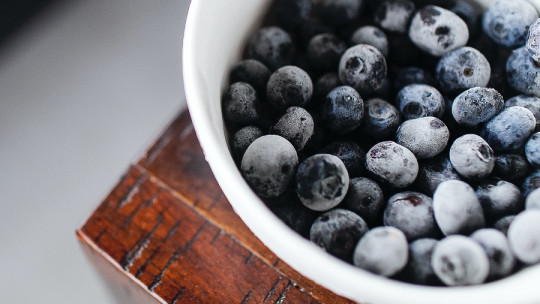
Thus, it can be summarized that refrigeration (and to a greater extent freezing) are conservation processes that protect food from environmental and biological inclemencies. It is worth mentioning that Freezing is an even more aggressive process, since it transforms the residual moisture of food tissues into ice crystals which inhibits the growth of most bacterial species.
3. Dried or dehydrated
Food drying is one of the oldest dehydration processes used by humans. The combination of absolute conservation is observed in freeze-drying since it is a process that brings together stages of both freezing and dehydration.
We go further, because this method is not only limited to food: without preservatives or chemicals, freeze-drying is the most appropriate process to preserve cells, enzymes, vaccines, viruses, yeasts, serums, blood derivatives, algae, as well as fruits. , vegetables, meats, fish and foods in general.
Returning to the most primitive method, it should be noted that during drying, the nutritional tissue of the food loses its moisture content, resulting in a concentration of the nutrients in the remaining mass Even so, it is expected that water-soluble vitamins will be partially oxidized, since ultimately the water molecules are leaving the food through evaporation. This is the case of vegetables, for example, which without human action, can lose 80% of their carotenes through the drying process.
4. Canned
Unquestionably, It is the most widespread commercial preservation method globally, as it is suitable for almost any type of food and allows preservation for very long periods of time. Any microorganism present in the food is eliminated by this procedure, and no new one can access it due to its sterile condition with respect to the environment.
After the canning process, the food is subjected to a temperature of between 100º and 150º C for a certain time. After this sterilization period and as long as the container is not opened, it is virtually impossible for any microorganism to enter the food and alter its properties.
5. Other methods
Although pasteurization, refrigeration, drying and canning are some of the most widespread food preservation methods today in Western countries with a railway infrastructure, there are many others that we cannot leave aside. We give you some more examples:
Salty: when treated with kitchen salt, meats and fish become dehydrated. In addition, the proliferation of germs in these tissues is prevented. Smoking: the antimicrobial properties of wood smoke are used, as well as the destruction of germs and enzymes by heat. Acidification: based on the reduction of the pH of the food that prevents the development of microorganisms, through the addition of acidic substances such as vinegar.
Although the topic presented may seem like an anecdotal and “homely nature” issue, nothing could be further from the truth. The World Health Organization places foodborne diseases as one of the most relevant global concerns when it comes to health For this reason, there are organizations such as the Foodborne Disease Burden Epidemiology Reference Group (FERG), responsible for monitoring epidemiological outbreaks and morbidities associated with pathologies of a food nature.
For all this, Standardization and global distribution of the conservation methods mentioned above are essential so that pathologies such as ascariasis (presence of helminth worms in the feces) or infections of a bacterial nature (such as salmonellosis) are a thing of the past, especially in countries of the Global South, where these types of disorders have an associated mortality not at all negligible.
Use this citation format to reference the article clearly and help readers find the original source.
PsychologyFor. (2024). Food Preservation Methods: Types, Characteristics and Properties. PsychologyFor. https://psychologyfor.com/food-preservation-methods-types-characteristics-and-properties/