

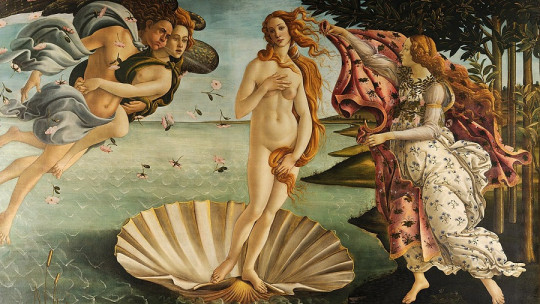
Stand in front of “The Birth of Venus” for long enough, and you start wondering about the actual woman whose face Botticelli painted onto a goddess emerging from a shell. History rarely gave her equal billing. Behind nearly every legendary painting, sculpture, or poem sits a real person whose presence shaped an artist’s most celebrated work, and whose own story frequently faded into footnotes while the finished piece became immortal. Some of these muses were extraordinarily talented artists themselves, overshadowed entirely by the men who painted or sculpted them. Others held genuine creative partnerships that blurred any clean line between inspiration and active collaboration.
Understanding why these relationships mattered so profoundly requires looking beyond simple romantic attraction toward something psychologically deeper: the specific, documented way human creativity often depends on relational connection rather than pure, solitary genius. Researchers studying creativity have increasingly found that inspiration functions less like a lightning bolt striking an isolated mind and more like a sustained, relational process, one where a specific person’s presence, energy, or even physical features can unlock artistic breakthroughs that solitary work simply doesn’t produce. This helps explain why certain muses appear repeatedly across an artist’s entire body of work, sometimes for decades, rather than inspiring one single piece and then fading from creative relevance.
So who were these women, and what did their presence actually unlock?
This guide examines the documented histories of the most famous muses in art history, exploring both what they inspired and who they were as people beyond the canvas.

What Is a Muse, and Why Have Artists Relied on Them Throughout History?
A muse refers to a person, historically often a woman, whose presence, appearance, or personality inspires an artist’s creative work, a concept originating from the nine Muses of Greek mythology who presided over the arts and sciences. This ancient framework has shaped how Western culture understands artistic inspiration for millennia.
How many of these have you been "meaning to read" for months?
- 1
 American GirlThe Care and Keeping of You 1The Body Book for Younger Girls (American Girl® Wellbeing)Listen Free On Audible
 - 2
 THOUGHT CATALOGThe Mountain Is YouTransforming Self-Sabotage Into Self-MasteryListen Free On Audible
 - 3
 Atria BooksThe Courage to Be DislikedThe Japanese Phenomenon That Shows You How to Change Your Life and Achieve Real HappinessListen Free On Audible
The muse concept evolved considerably from its mythological origins, moving from divine inspiration toward describing genuine human relationships between artists and the specific people who unlocked their most significant creative breakthroughs, often through years of sustained personal and artistic connection rather than a single, fleeting encounter.
This historical role typically involved several recurring patterns:
- The muse provided physical likeness, appearing directly within the artist’s finished work repeatedly.
- The relationship often involved genuine personal connection, extending well beyond simple professional modeling arrangements.
- Many muses possessed independent artistic talent, frequently overshadowed by their more famous role as inspiration.
This last pattern deserves particular attention throughout this guide, since several muses discussed here created significant work of their own, work that history has only recently begun properly reexamining.
The Psychology of Artistic Inspiration and the Muse Relationship
Understanding why certain relationships produced such sustained creative output requires examining what psychological research actually says about inspiration, moving beyond romantic mythology toward genuine, documented mechanisms.
Psychologist Mihaly Csikszentmihalyi, whose extensive research on creativity and flow states significantly shaped modern understanding of artistic production, found that sustained creative breakthroughs often depend heavily on specific relational and environmental conditions, rather than emerging purely from isolated individual genius disconnected from external influence.
Applying this framework to muse relationships suggests several specific mechanisms:
- A muse’s presence may provide sustained emotional safety, allowing an artist to take genuine creative risks.
- Repeated exposure to the same specific subject may allow deeper, more nuanced artistic exploration over time.
- Genuine personal connection can produce authentic emotional material, distinct from working with a purely professional, disconnected model.
Simonetta Vespucci: Botticelli’s Timeless Venus
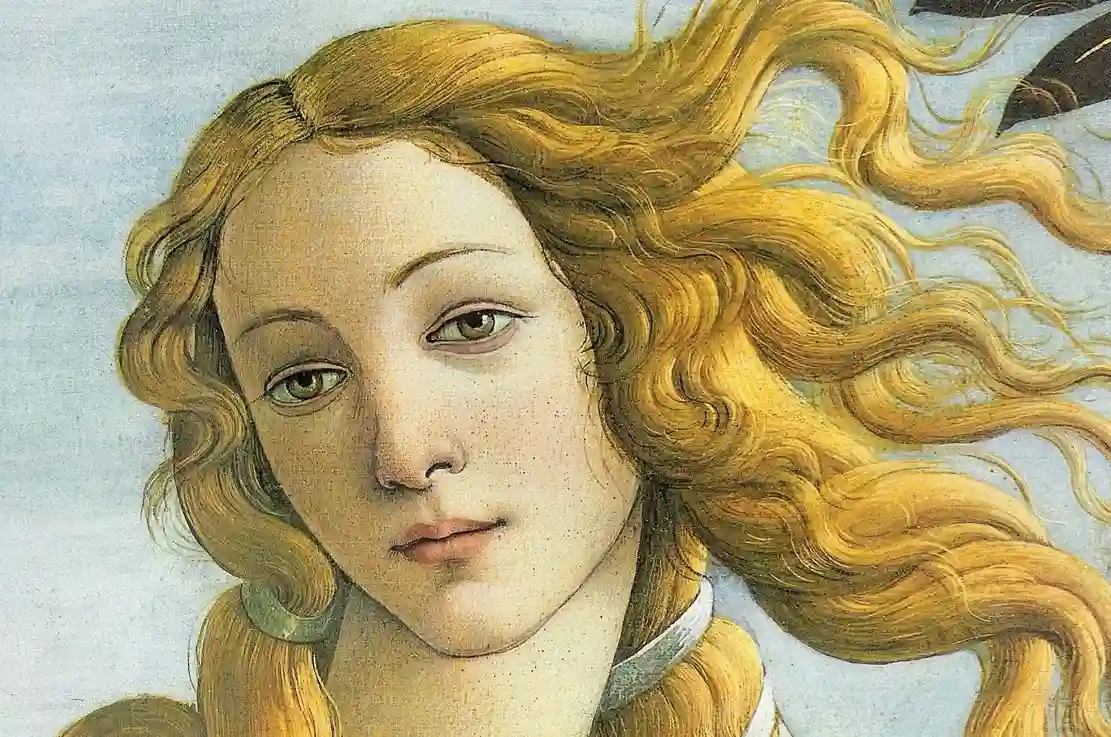
Simonetta Vespucci, a noblewoman in fifteenth-century Florence, became Sandro Botticelli’s most enduring inspiration, most famously immortalized as the central figure emerging from a shell in “The Birth of Venus,” one of the Renaissance’s most recognized paintings.
Contemporary accounts describe Simonetta as extraordinarily beautiful, celebrated throughout Florentine society during her brief life, and though she died young, likely from tuberculosis, at only twenty-two years old, her image continued appearing in Botticelli’s work for years afterward, suggesting an inspiration that outlasted her actual lifetime considerably.
Historians have noted several specific details about this relationship:
- Simonetta was already married to Marco Vespucci when Botticelli’s fascination with her began.
- Botticelli reportedly requested to be buried near her grave, a wish eventually honored decades later.
- Her idealized features appeared across multiple paintings, extending well beyond “The Birth of Venus” alone.
Elizabeth Siddal: The Face of the Pre-Raphaelites
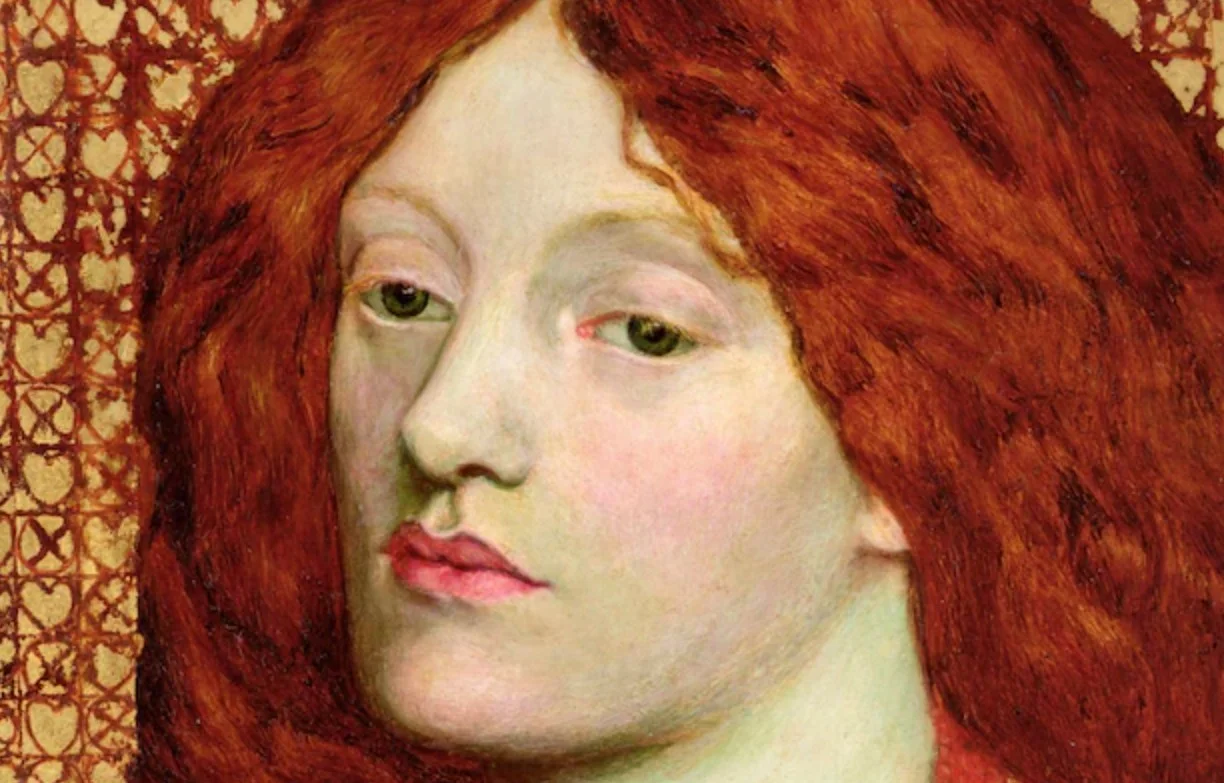
Elizabeth Siddal modeled for numerous Pre-Raphaelite painters before becoming specifically associated with Dante Gabriel Rossetti, whom she eventually married, though her own considerable talent as a painter and poet was largely overshadowed during her lifetime.
Historian Jane Marsh, whose extensive research into the women surrounding the Pre-Raphaelite movement documented Siddal’s own artistic ambitions in significant detail, found that Siddal received genuine encouragement from figures like John Ruskin, who took her painting seriously enough to provide direct financial patronage during her lifetime.
Siddal’s story includes several notable, often overlooked elements:
- She modeled for John Everett Millais’s famous painting “Ophelia,” floating in a bathtub for hours during its creation.
- She produced her own original paintings and poetry, some of which survive in museum collections today.
- Her death from a laudanum overdose at thirty-two prompted Rossetti’s famously dramatic gesture of burying his poems with her.
Camille Claudel: Rodin’s Muse and Creative Equal
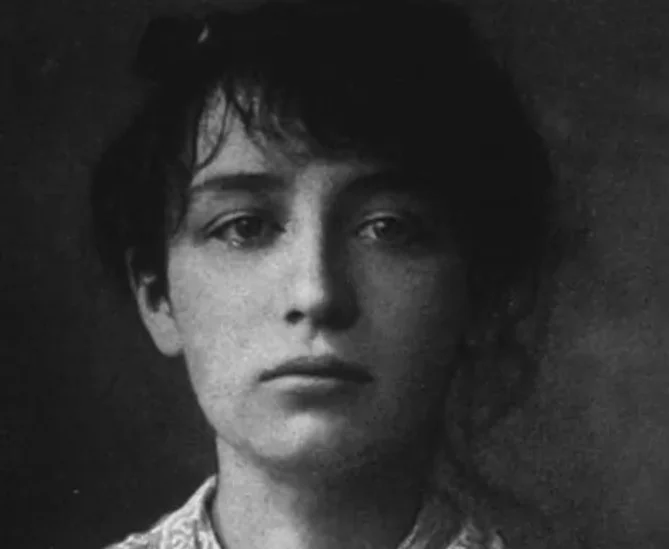
Camille Claudel’s relationship with sculptor Auguste Rodin represents one of art history’s most genuinely complicated muse relationships, since she was simultaneously his model, lover, and a formidably talented sculptor in her own right.
Biographer Ruth Butler, whose extensive research into Rodin’s life and work also examined Claudel’s own considerable artistic output, documented how Claudel’s technical skill rivaled Rodin’s own, even as their tumultuous relationship and the era’s dismissiveness toward women sculptors ultimately overshadowed her independent career.
Claudel’s story reflects several genuinely significant themes:
- She created her own acclaimed sculptures, including “The Waltz” and “The Mature Age,” showing genuine independent talent.
- Her relationship with Rodin lasted roughly fifteen years, marked by intense creative collaboration alongside personal turmoil.
- She spent the final thirty years of her life institutionalized, a controversial decision debated by historians ever since.
Gala Dalí: The Woman Who Managed a Surrealist Legend
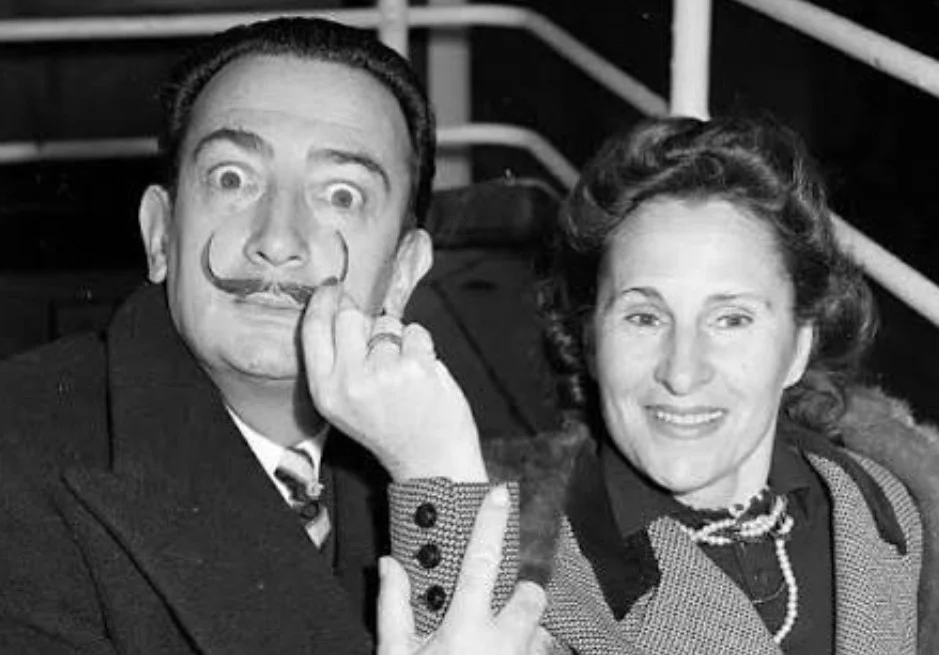
Gala Dalí, born Elena Ivanovna Diakonova in Russia, became Salvador Dalí’s wife, muse, and, by most accounts, the primary manager of his career and public persona throughout their decades-long partnership.
Biographer Ian Gibson, whose extensive research into Dalí’s life documented this relationship in considerable detail, found that Gala’s business acumen and fierce protectiveness played a genuinely significant role in transforming Dalí from a struggling artist into one of the twentieth century’s most commercially successful painters.
Gala’s influence extended across several specific dimensions:
- She appears in numerous Dalí paintings, sometimes depicted with religious or mythological symbolism.
- She had previously been married to poet Paul Éluard, moving within influential Surrealist circles before meeting Dalí.
- She managed contracts and negotiations, functioning essentially as Dalí’s business partner throughout his career.
Dora Maar: Picasso’s Muse and Accomplished Photographer
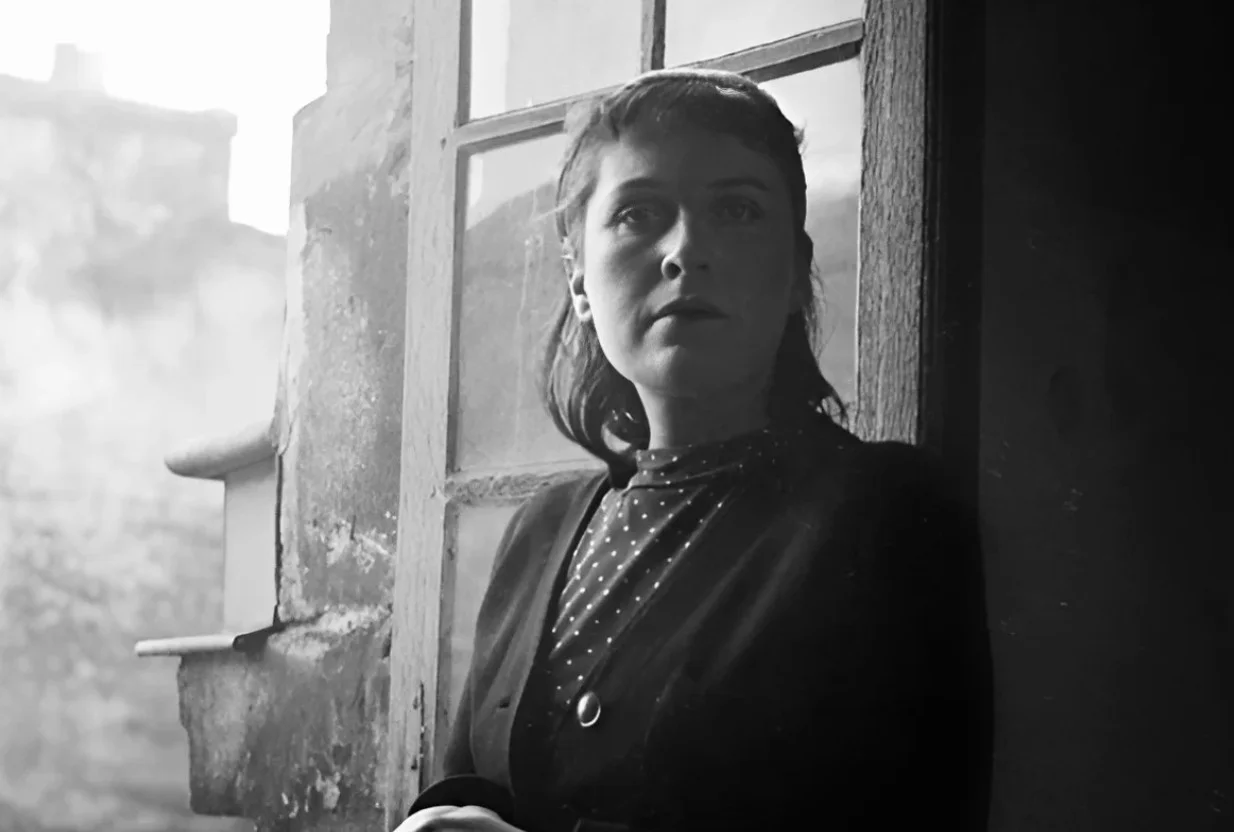
Dora Maar, an established photographer before meeting Pablo Picasso, became one of his most significant muses during a particularly turbulent creative period, directly inspiring his devastating “Guernica” and numerous portraits depicting her famously as “The Weeping Woman.”
Art historian Mary Ann Caws, whose extensive scholarship specifically examined Maar’s own artistic career alongside her relationship with Picasso, emphasized that Maar’s photographic work, including striking Surrealist compositions, demonstrated genuine artistic sophistication frequently overshadowed by her more famous role as Picasso’s muse and lover.
Maar’s story includes several important, often underrecognized facts:
- She photographed Picasso’s creative process while he painted “Guernica,” providing invaluable historical documentation.
- Their relationship’s end contributed to a period of significant personal struggle for Maar, including psychiatric hospitalization.
- She continued producing her own artwork for decades following their separation, though with less public recognition.
Emilie Flöge: Klimt’s Lifelong Companion and Creative Partner
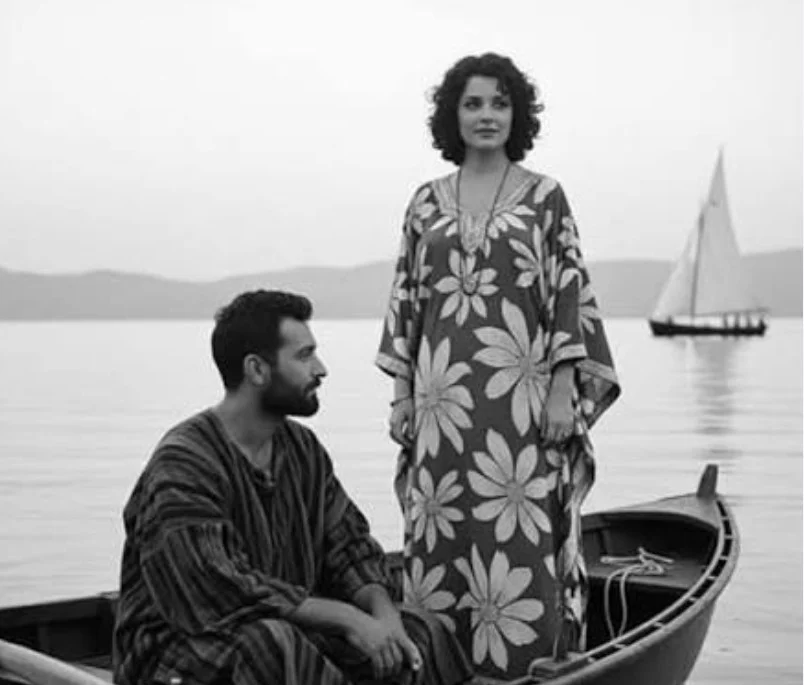
Emilie Flöge maintained a decades-long relationship with painter Gustav Klimt, serving as both his muse and, by most historical accounts, his closest lifelong companion, despite the two never marrying.
Their relationship differed considerably from typical muse dynamics, since Flöge herself ran a successful fashion salon in Vienna, and their partnership appears to have involved genuine mutual creative influence, with Klimt reportedly incorporating design elements from Flöge’s fashion work into his own celebrated paintings.
This relationship carried several distinguishing characteristics:
- Flöge appears in Klimt’s iconic painting “The Kiss,” according to widely accepted art historical interpretation.
- She operated her own successful fashion business, independent of her relationship with Klimt.
- Their correspondence, preserved in archives, reveals a genuine, sustained intimacy spanning nearly three decades.
Why Muses Were Often Erased From Art History
Despite their significant creative influence, muses, particularly those who were also practicing artists themselves, frequently disappeared from mainstream art historical narratives for decades, deserving direct examination of exactly why this erasure occurred so consistently.
Art historian Griselda Pollock, whose extensive feminist scholarship has significantly reexamined women’s roles within art history, has argued that traditional art historical narratives systematically privileged male genius as solitary and self-generated, structurally minimizing the documented contributions of the women who inspired, collaborated with, and sometimes directly influenced these celebrated male artists.
This systemic erasure typically occurred through several specific mechanisms:
- Museum and gallery systems prioritized male artists almost exclusively for centuries, limiting institutional support for women.
- Biographical narratives often reduced complex women to simplified romantic footnotes within the male artist’s story.
- Women’s own artistic output was frequently attributed, misfiled, or simply ignored by contemporary critics and collectors.
The Modern Reclamation of Muses as Artists in Their Own Right
Recent decades have brought significant scholarly effort toward reclaiming these women’s independent artistic identities, moving beyond their historical framing as passive inspiration toward genuine recognition of their own creative contributions.
This reclamation effort has produced major museum retrospectives, biographical reexaminations, and renewed critical attention specifically focused on artists like Camille Claudel and Dora Maar, whose independent work increasingly receives the serious institutional recognition that eluded them during their own lifetimes.
This ongoing reclamation typically involves:
- Dedicated museum exhibitions, specifically showcasing these women’s independent artistic output.
- Renewed biographical scholarship, examining their lives beyond their relationship to more famous male artists.
- Growing market and critical recognition, reflected in auction prices and museum acquisition of their own work.
FAQs about Famous Artist Muses
Were most historical muses romantically involved with the artists they inspired?
Not always, though romantic involvement was certainly common among the specific muses discussed here. Some historical muse relationships involved genuine romantic partnership, like Camille Claudel and Rodin or Gala and Salvador Dalí, while others remained primarily professional or platonic, with models simply providing physical likeness without any personal relationship extending beyond the studio. The relationship between an artist and their muse varied considerably depending on the specific individuals, era, and social context involved, meaning it’s inaccurate to assume every historical muse relationship carried romantic dimensions simply because that pattern appears frequently among the most famous, well-documented examples.
Did any of these muses receive proper artistic recognition during their own lifetimes?
This varied considerably. Elizabeth Siddal and Camille Claudel both produced genuine artistic work of their own, receiving some contemporary recognition, particularly from supportive figures like John Ruskin in Siddal’s case, though both women’s independent artistic careers were significantly overshadowed by their more famous roles as muses to better-known male artists. Dora Maar similarly maintained her own photography career, receiving professional respect within Surrealist circles specifically for her artistic work independent of her relationship with Picasso. Gala Dalí and Emilie Flöge, by contrast, are remembered primarily for their creative partnerships and influence rather than independent artistic output, though Flöge did achieve genuine business success through her fashion salon.
Why did Camille Claudel spend the final decades of her life institutionalized?
Camille Claudel was committed to a psychiatric institution in 1913, remaining there until her death in 1943, a decision made by her family that historians and biographers have debated extensively ever since. Some accounts suggest she experienced genuine psychological distress, possibly related to paranoid delusions, following her difficult separation from Rodin and subsequent professional struggles as a woman sculptor in early twentieth-century France. Other historians have questioned whether her institutionalization reflected genuine medical necessity or whether her family, uncomfortable with her unconventional lifestyle and increasingly reclusive behavior, used psychiatric commitment as a means of control during an era when women had limited legal autonomy regarding their own confinement.
How did Gala Dalí’s business management specifically contribute to Salvador Dalí’s commercial success?
Gala Dalí took an active, hands-on role in managing Salvador Dalí’s career, negotiating contracts, cultivating relationships with wealthy patrons and gallery owners, and shaping his public persona in ways that biographer Ian Gibson’s research documented extensively. She reportedly encouraged Dalí to pursue commercial opportunities that some considered beneath a serious artist, including advertising work and collaborations that generated significant income, decisions that contributed substantially to his financial success even as some critics questioned whether this commercialization affected his artistic reputation. Her fierce protectiveness and business instincts are widely credited with transforming Dalí from a talented but struggling artist into one of the most commercially successful painters of the twentieth century.
Is it true that Emilie Flöge and Gustav Klimt never married despite their decades-long relationship?
Yes, this is accurate according to historical record. Emilie Flöge and Gustav Klimt maintained a close, sustained relationship spanning nearly three decades, evidenced by extensive surviving correspondence and their frequent appearances together at social and cultural events in Vienna, yet they never formally married. Historians have offered various explanations for this, including Klimt’s documented reluctance toward conventional marriage generally, given his notably unconventional personal life involving relationships with multiple women throughout his career. Despite the absence of formal marriage, most biographical accounts treat their relationship as genuinely significant and enduring, with some art historians specifically identifying Flöge as the woman depicted in Klimt’s famous painting “The Kiss.”
What happened to Dora Maar’s own photography career after her relationship with Picasso ended?
Dora Maar’s relationship with Pablo Picasso ended in the mid-1940s, followed by a period of significant personal difficulty that included psychiatric hospitalization, reportedly connected to the emotional impact of their separation. Following this difficult period, Maar largely withdrew from public life and shifted her artistic focus considerably, moving away from the Surrealist photography that had established her earlier reputation toward more solitary painting and a notably reclusive lifestyle in southern France. Art historian Mary Ann Caws’s research into Maar’s life documented that while she continued creating art for decades afterward, she never regained the level of public recognition she had achieved earlier in her career, and much of her later work remained largely unknown until scholarly reexamination years after her death.
Did Elizabeth Siddal’s own artistic talent receive any support from established artists during her lifetime?
Yes, notably from critic and painter John Ruskin, who recognized genuine talent in Siddal’s own paintings and drawings and provided financial support specifically to encourage her artistic development, a genuinely significant endorsement given Ruskin’s considerable influence within Victorian art circles. Despite this support, Siddal’s health struggles, including chronic illness and what many biographers believe was significant substance dependency related to pain management, limited her productive output considerably during her relatively short life. Her marriage to Dante Gabriel Rossetti, while providing some stability, also placed her within a relationship dynamic where her own artistic identity often remained secondary to her role as his primary model and muse, a pattern historian Jane Marsh’s scholarship has specifically examined.
Why does Simonetta Vespucci remain associated with Botticelli despite dying so young?
Simonetta Vespucci died at only twenty-two, yet Sandro Botticelli’s fascination with her idealized features apparently continued well beyond her actual lifetime, with her likeness appearing across multiple paintings created years after her death, including his most famous work, “The Birth of Venus.” This lasting artistic association likely reflects both Simonetta’s genuinely celebrated beauty during her own brief life, extensively documented by contemporary Florentine accounts, and Botticelli’s specific personal fascination with her as an idealized artistic subject, regardless of whether their actual personal relationship extended much beyond his admiration from a respectful distance. His reported request to be buried near her grave, honored decades after both their deaths, suggests a connection that clearly extended beyond purely professional artistic interest.
Bibliography
- Pollock, G. (1999). Differencing the Canon: Feminist Desire and the Writing of Art’s Histories. Routledge.
- Butler, R. (1993). Rodin: The Shaping of Genius. Yale University Press.
- Gibson, I. (1997). The Shameful Life of Salvador Dalí. W.W. Norton & Company.
- Caws, M. A. (2000). Dora Maar: With and Without Picasso. Thames & Hudson.
- Marsh, J. (1989). The Pre-Raphaelite Sisterhood. St. Martin’s Press.
- Csikszentmihalyi, M. (1996). Creativity: Flow and the Psychology of Discovery and Invention. HarperCollins.
Use this citation format to reference the article clearly and help readers find the original source.
PsychologyFor. (2026). The 6 Most Famous Muses of Artists. PsychologyFor. https://psychologyfor.com/the-6-most-famous-muses-of-artists/