


See more of our articles in your search results.
You promise yourself, again, that tonight will be different, that this time the drink stays capped or the phone stays in the drawer, and by midnight you are right back where you started, disgusted with your own reflection. That cycle can repeat for years without the person realizing it is a pattern at all. It rarely feels like a pattern from the inside. Addiction is not a simple failure of willpower or moral character; it is a complex interplay of neurobiology, unresolved trauma, environment, and genuine human pain seeking relief. It is not a character flaw. Rather, it reflects a deeply human, neurobiologically rooted survival response to distress.
Understanding addiction at a genuinely useful level requires moving past the tired stereotypes of moral weakness or simple chemical hijacking that dominate popular imagination. The most illuminating literature on this subject blends rigorous neuroscience, compassionate clinical insight, and raw personal testimony to explain why some substances and behaviors capture certain people so completely while leaving others largely untouched. Family members, clinicians, and people in active recovery all benefit from literature that resists oversimplification, since genuine healing depends on accurately understanding the underlying mechanisms rather than repeating comforting myths. Building a solid reading foundation transforms confusion and shame into compassionate, evidence-based understanding.
Which books actually explain the psychology and neuroscience behind addiction rather than repeating tired clichés?
This comprehensive guide details the 8 best books on addictions, reviewing landmark works of neuroscience, investigative journalism, clinical memoir, and personal recovery narrative that illuminate why addiction develops and how healing genuinely happens.
8 Best Books on Addictions
Verified Top Picks- 1
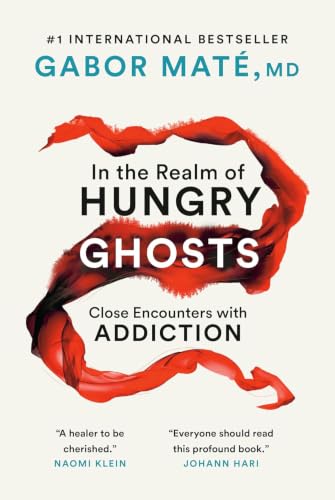 Gabor Maté In the Realm of Hungry Ghosts The foundational trauma-informed account of childhood attachment wounds and the developmental origins of addictionCHECK TODAY'S PRICE
 - 2
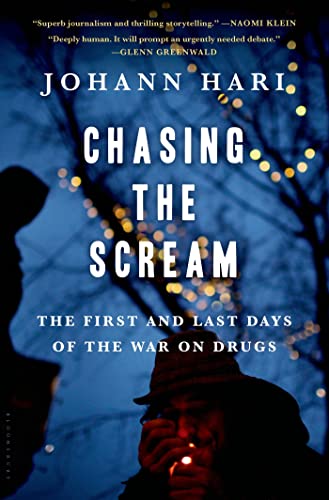 Johann Hari Chasing the Scream A global investigative history of the War on Drugs and the connection-based causes of addictionCHECK TODAY'S PRICE
 - 3
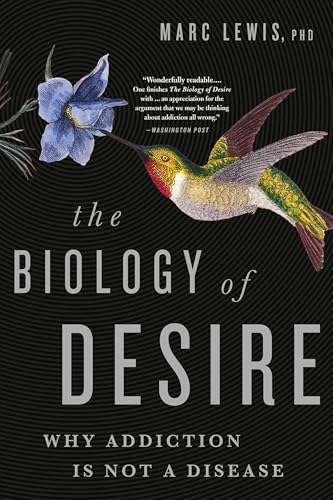 Marc Lewis The Biology of Desire A neuroscientific challenge to the disease model based on neural plasticity and ordinary learning mechanismsCHECK TODAY'S PRICE
 - 4
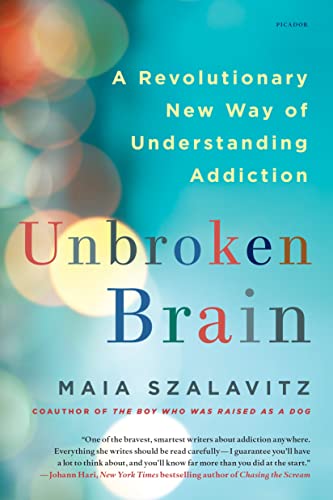 Maia Szalavitz Unbroken Brain A developmental learning disorder reframing addiction through neuroscience, vulnerability, and lived experienceCHECK TODAY'S PRICE
 - 5
 David Sheff Beautiful Boy A father's raw, decade-long memoir of loving a son through methamphetamine addiction and relapseCHECK TODAY'S PRICE
 - 6
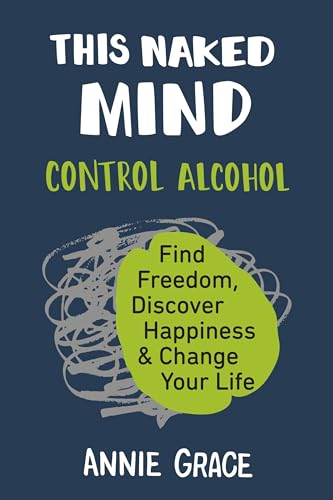 Annie Grace This Naked Mind A non-judgmental examination of subconscious alcohol conditioning beyond willpower-based controlCHECK TODAY'S PRICE
 - 7
 Judson Brewer The Craving Mind Neuroscience of reward-based learning behind substance, smartphone, and relational compulsionsCHECK TODAY'S PRICE
 - 8
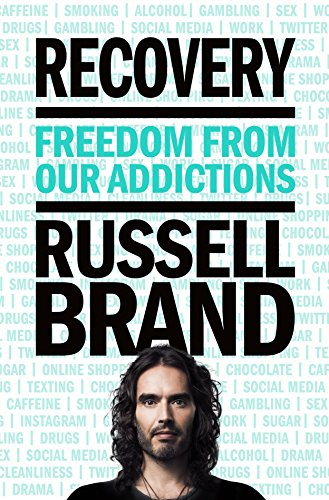 Russell Brand Recovery: Freedom from Our Addictions A candid twelve-step-informed guide applying recovery principles to substance and behavioral compulsionsCHECK TODAY'S PRICE
What Does Modern Science Actually Say About How Addiction Develops?
Modern addiction science increasingly rejects the outdated notion that addiction is simply a disease that hijacks an otherwise healthy brain through chemical exposure alone. Instead, researchers now recognize addiction as an emergent process shaped by genetics, developmental trauma, social environment, and the brain’s ordinary capacity for learning and habit formation.
Physician Gabor Maté argues that addiction cannot be separated from early childhood attachment wounds and unresolved emotional pain; the substance or behavior becomes a desperate, imperfect solution to genuine psychological suffering rather than a random biological accident. This reframing does not excuse harmful behavior, but it fundamentally changes how families and clinicians approach recovery, shifting the central question from “what is wrong with this person” to “what happened to this person”.
Neuroscientist Marc Lewis extends this argument further, demonstrating that the same neural learning mechanisms responsible for falling in love or developing any strong habit also drive addiction. That reframing does not minimize addiction’s severity. Not even close. It simply relocates addiction within the spectrum of normal human learning gone painfully awry, rather than treating it as a distinct disease entity requiring an entirely separate biological explanation.
- Addiction science increasingly recognizes multiple contributing factors beyond simple chemical brain hijacking.
- Early childhood attachment wounds and unresolved trauma often underlie the drive toward compulsive substance use.
- The same neural learning mechanisms behind ordinary habit formation also drive addictive behavioral patterns.
- Reframing addiction as learned response rather than fixed disease shifts recovery toward compassionate understanding.
The 8 Best Books on Addictions
The following curated selection represents the eight most essential books on addiction, spanning neuroscience, investigative journalism, clinical memoir, family narrative, and firsthand recovery testimony.
1. In the Realm of Hungry Ghosts: Close Encounters with Addiction — Gabor Maté
In the Realm of Hungry Ghosts by physician Gabor Maté draws on his decades of clinical work with severely addicted patients in Vancouver’s Downtown Eastside to argue that addiction is fundamentally rooted in childhood trauma and attachment disruption. Maté combines harrowing patient stories with rigorous neuroscience and his own candid disclosure of behavioral addiction.
This landmark text reframed addiction treatment away from punitive moralizing toward trauma-informed compassion across the entire field. It remains the foundational text for understanding the developmental origins of addiction.
- Draws on decades of clinical work with severely addicted patients to explore childhood attachment disruption.
- Combines rigorous neuroscience with the author’s own candid disclosure of personal behavioral addiction.
- Reframed addiction treatment toward trauma-informed compassion rather than punitive moral judgment.
2. Chasing the Scream: The First and Last Days of the War on Drugs — Johann Hari
Chasing the Scream by journalist Johann Hari traces the century-long history of drug prohibition through firsthand interviews spanning three years and thirty thousand miles, revealing how the war on drugs was built on flawed assumptions from its earliest days. Hari argues that human connection, not chemical exposure alone, determines whether substance use becomes destructive addiction.
Blending investigative rigor with deeply personal storytelling, this book challenges readers to reconsider decades of assumed truths about drug policy and addiction causation.
- Traces the century-long history of drug prohibition through extensive firsthand global interviews.
- Argues that human connection, not chemical exposure alone, determines destructive addictive patterns.
- Challenges decades of assumed truths underlying modern drug policy and enforcement.
3. The Biology of Desire: Why Addiction Is Not a Disease — Marc Lewis
The Biology of Desire by neuroscientist Marc Lewis, who personally experienced addiction earlier in his career, challenges the dominant disease model by demonstrating that addiction develops through the same neural plasticity mechanisms responsible for ordinary learning and habit formation. Lewis illustrates his argument through five vivid case studies of people who moved through and eventually out of addiction.
Written with genuine scientific rigor and firsthand credibility, this book provides an essential neurobiological counterpoint to the standard disease-model framework of addiction.
- Challenges the dominant disease model using rigorous evidence of neural plasticity mechanisms.
- Illustrates the argument through five vivid case studies of genuine addiction and recovery journeys.
- Provides an essential neurobiological counterpoint grounded in the author’s own lived experience.
4. Unbroken Brain: A Revolutionary New Way of Understanding Addiction — Maia Szalavitz
Unbroken Brain by journalist Maia Szalavitz, who draws on her own history of heroin and cocaine addiction, proposes reframing addiction as a developmental learning disorder rather than either a moral failing or a purely chemical disease. Szalavitz synthesizes extensive research to explain why certain personality traits and life circumstances increase vulnerability.
This rigorously researched, deeply personal account challenges punitive drug policy while offering genuine hope grounded in evidence-based understanding of addiction vulnerability.
- Reframes addiction as a developmental learning disorder rather than moral failing or chemical disease alone.
- Synthesizes extensive research explaining personality traits that increase addiction vulnerability.
- Draws on the author’s own lived experience with heroin and cocaine addiction.
5. Beautiful Boy: A Father’s Journey Through His Son’s Addiction — David Sheff
Beautiful Boy by journalist David Sheff chronicles his son Nic’s devastating descent into methamphetamine addiction and the family’s exhausting cycle of hope, relapse, and heartbreak across nearly a decade. Sheff candidly documents his own denial, guilt, and eventual acceptance that addiction is a chronic condition requiring ongoing management rather than a single cure.
This raw, unflinching memoir remains essential reading for family members navigating the isolating experience of loving someone struggling with active addiction.
- Chronicles a father’s decade-long experience with his son’s methamphetamine addiction.
- Documents the exhausting family cycle of hope, relapse, and eventual acceptance.
- Provides essential validation for family members navigating loved ones’ active addiction struggles.
6. This Naked Mind: Control Alcohol, Find Freedom, Discover Happiness & Change Your Life — Annie Grace
This Naked Mind by Annie Grace examines the specific psychological and cultural mechanisms that normalize heavy alcohol consumption, arguing that most people drink not from genuine enjoyment but from deeply ingrained subconscious beliefs planted through decades of marketing and social conditioning. Grace offers a non-judgmental framework for reconsidering one’s relationship with alcohol without relying on willpower alone.
Written specifically for readers who do not identify as severely addicted but sense their drinking has become habitual rather than intentional, this book remains a widely referenced entry point into examining subconscious alcohol conditioning.
- Examines subconscious cultural conditioning that normalizes heavy alcohol consumption patterns.
- Offers a non-judgmental framework for reconsidering one’s relationship with alcohol without relying on willpower.
- Targets readers who sense habitual drinking rather than severe clinical addiction.
7. The Craving Mind: From Cigarettes to Smartphones to Love — Judson Brewer
The Craving Mind by psychiatrist and neuroscientist Judson Brewer explores how the same reward-based learning mechanisms driving substance addiction also underlie behavioral compulsions ranging from smartphone checking to unhealthy romantic attachment. Brewer draws on mindfulness research and clinical experience to explain why suppressing cravings often backfires while curious, non-judgmental awareness can interrupt the cycle.
Grounded in both contemplative practice and rigorous neuroscience, this book extends addiction understanding into everyday habitual behaviors that rarely get classified as genuine addiction.
- Explores how reward-based learning mechanisms drive both substance addiction and behavioral compulsions.
- Explains why suppressing cravings often backfires while curious non-judgmental awareness interrupts the cycle.
- Extends addiction science into everyday habits like smartphone checking and unhealthy relational patterns.
8. Recovery: Freedom from Our Addictions — Russell Brand
Recovery by comedian and actor Russell Brand draws on his own fourteen years of sobriety from heroin, alcohol, and other compulsive behaviors to offer a candid, twelve-step-informed guide applicable to addictions of all kinds, including food, sex, and fame. Brand writes with characteristic wit while taking the underlying psychological work of recovery genuinely seriously.
Written for readers who may not identify with clinical substance dependency but recognize compulsive patterns in their own lives, this book broadens addiction recovery frameworks beyond traditional substance-focused treatment models.
- Draws on the author’s fourteen years of sobriety to offer a twelve-step-informed recovery guide.
- Applies recovery principles broadly across substance, behavioral, and relational compulsive patterns.
- Broadens addiction frameworks beyond traditional models to include food, sex, and fame dependency.
How These Eight Books Address Different Dimensions of Addiction
Understanding how these eight books complement each other helps readers choose where to begin rather than feeling overwhelmed by the full reading list. No single book captures addiction’s entire complexity, which is exactly why combining multiple perspectives produces a fuller understanding.
| Addiction Dimension | Recommended Book and Core Focus |
|---|---|
| Developmental and Trauma Origins | Maté’s exploration of childhood attachment wounds and clinical case studies |
| Social Policy and Historical Context | Hari’s investigation into drug war history and human connection |
| Neuroscience and Learning Theory | Lewis’s neural plasticity framework challenging the disease model |
| Personal Vulnerability Factors | Szalavitz’s developmental learning disorder reframing |
| Family Experience and Caregiving | Sheff’s memoir of parenting a child through addiction |
| Alcohol-Specific Conditioning | Grace’s examination of subconscious drinking beliefs |
| Behavioral and Digital Compulsions | Brewer’s mindfulness-based craving research |
As the table illustrates, readers seeking to understand a family member’s substance use benefit most from starting with Maté and Sheff, while those examining their own habitual patterns might begin with Brewer or Grace. Combining a clinical framework with lived experience narrative produces a more complete and compassionate understanding.
Why Social Connection Matters More Than Chemical Exposure Alone
One of the most counterintuitive findings across addiction research involves the surprisingly limited role that chemical exposure alone plays in determining who develops severe addiction. Johann Hari’s investigative work highlights decades-old experiments and real-world natural experiments demonstrating that social isolation and disconnection predict addiction far more reliably than mere access to addictive substances.
Hari points to the famous “Rat Park” experiments, where rats housed in stimulating, socially connected environments showed dramatically reduced interest in morphine-laced water compared to isolated rats in sterile cages. While rodent research cannot be directly extrapolated to human experience, Hari connects this finding to real-world data, including the counterintuitive observation that many soldiers who developed heroin dependence during the Vietnam War returned home and spontaneously stopped using once reintegrated into supportive social environments. Not everyone. But enough to challenge the assumption that chemical dependency alone explains addiction’s persistence.
This research carries significant implications for how society approaches addiction policy and personal recovery support. If genuine human connection functions as a protective factor against addiction’s grip, then punitive isolation through incarceration may actively worsen outcomes rather than deterring substance use. Creating opportunities for meaningful social reintegration may prove more effective than purely punitive enforcement approaches that dominate current drug policy in many countries.
- Social isolation and disconnection predict addiction severity more reliably than chemical exposure alone.
- The Rat Park experiments demonstrated reduced addictive behavior in socially enriched environments.
- Real-world data from returning soldiers supports the connection-based model over purely chemical explanations.
- Punitive isolation policies may worsen addiction outcomes compared to approaches emphasizing social reintegration.
Common Misconceptions About Addiction These Books Directly Challenge
Popular culture perpetuates several persistent myths about addiction that these authors systematically dismantle through research and lived experience. Recognizing these misconceptions helps readers approach addiction with genuine informed compassion rather than moral judgment.
- Believing addiction results simply from weak willpower rather than complex neurobiological and psychological factors.
- Assuming all substance use inevitably progresses toward severe addiction, ignoring how social connection protects against this trajectory.
- Treating addiction as a fixed, permanent disease state rather than a dynamic pattern capable of genuine neuroplastic change.
- Overlooking how childhood trauma and attachment disruption frequently underlie adult compulsive behavioral patterns.
That last misconception deserves particular attention. Not every addicted person experienced obvious childhood trauma, but the correlation Gabor Maté documents across thousands of clinical cases is too consistent to dismiss as coincidence, and it reshapes how families approach the difficult work of supporting genuine long-term recovery.
How Family Members Can Support Recovery Without Enabling Harm
Supporting a loved one through addiction requires navigating an exceptionally difficult balance between compassion and boundaries. David Sheff’s memoir illustrates this tension vividly, showing how well-intentioned family support can sometimes inadvertently prolong destructive behavioral patterns.
Family members often cycle through denial, rescue attempts, exhaustion, and eventual acceptance that they cannot control another person’s recovery timeline. Understanding addiction as a chronic, relapsing condition rather than a single crisis to be solved once helps families develop sustainable, long-term coping strategies rather than reactive crisis management. This shift in perspective, however, rarely happens quickly. It usually takes years of painful trial and error.
- Establish clear personal boundaries that protect your own emotional and financial well-being.
- Seek support through family-focused recovery programs like Al-Anon or professional family therapy.
- Educate yourself on relapse as a common feature of recovery rather than evidence of hopeless failure.
- Practice self-compassion, recognizing that loving someone with addiction does not obligate you to sacrifice your own stability.
Evidence-Based Approaches to Understanding Behavioral Addictions
Behavioral addictions, including compulsive smartphone use, gambling, and disordered eating, share underlying neural mechanisms with substance addiction despite involving no external chemical substance. Judson Brewer’s research demonstrates that the same reward-based learning circuitry drives both categories.
Mindfulness-based interventions, drawing on Brewer’s clinical research, teach individuals to observe craving sensations with curiosity rather than either suppressing them or immediately acting on them. This approach, sometimes called “urge surfing,” helps interrupt the automatic reward-seeking cycle without requiring the intense willpower that traditional resistance-based approaches demand. Not a magic cure. Simply a different, more sustainable relationship with craving itself.
- Behavioral addictions share underlying reward-based neural mechanisms with substance-based addiction patterns.
- Mindfulness-based “urge surfing” techniques interrupt automatic reward-seeking cycles without requiring intense willpower resistance.
- Curious, non-judgmental observation of craving sensations proves more sustainable than direct suppression attempts.
- Understanding behavioral and substance addictions as related phenomena broadens available treatment intervention options.
How Neuroplasticity Offers Genuine Hope for Long-Term Recovery
A recurring theme across neuroscience-informed addiction literature involves the brain’s capacity for genuine structural change throughout life, a phenomenon known as neuroplasticity. This finding directly counters the once-dominant belief that addiction permanently damages the brain beyond meaningful repair.
Marc Lewis’s research demonstrates that the same neural pathways strengthened through repeated addictive behavior can gradually weaken when new, healthier patterns receive sustained practice and reinforcement instead. This process rarely happens quickly or without setbacks. Recovery timelines vary enormously between individuals, shaped by factors including the duration of addiction, co-occurring mental health conditions, and the quality of social support available during the recovery process.
Understanding neuroplasticity also helps explain why relapse, while discouraging, does not indicate permanent failure or a fixed inability to recover. Each attempt at behavior change, even ones that end in relapse, contributes incrementally to the neural rewiring process, gradually making sustained recovery more achievable over time. This is not empty optimism. It reflects genuine, replicated findings within contemporary addiction neuroscience research.
- Neuroplasticity research demonstrates the brain’s capacity for genuine structural change throughout the entire lifespan.
- Neural pathways strengthened through addictive behavior can gradually weaken through sustained alternative pattern reinforcement.
- Relapse reflects a normal feature of the recovery process rather than evidence of permanent, fixed failure.
- Each recovery attempt contributes incrementally to neural rewiring, even when the immediate outcome involves temporary setback.
When Reading About Addiction Isn’t Enough: Recognizing the Need for Professional Treatment
These eight books provide genuinely valuable education and validation, but self-directed reading has real limits when facing active, severe addiction. Recognizing when professional intervention becomes necessary represents crucial clinical and personal awareness.
If substance use or compulsive behavior has led to job loss, relationship breakdown, legal consequences, or physical health deterioration, professional treatment through licensed addiction specialists, medical detoxification, or structured rehabilitation programs becomes essential rather than optional. Books by Gabor Maté and Maia Szalavitz explicitly emphasize that compassionate self-education works best alongside, not instead of, evidence-based professional addiction treatment.
Most critically, if you or someone you know is experiencing acute withdrawal symptoms, overdose risk, or thoughts of self-harm connected to addiction, do not rely on self-help reading alone. In the United States, contact the SAMHSA National Helpline at 1-800-662-4357 for free, confidential treatment referrals, or call or text 988 for the Suicide & Crisis Lifeline, available twenty-four hours a day, seven days a week. Seeking professional treatment reflects genuine courage, not a failure of personal strength.
- Job loss, legal consequences, or health deterioration signal the need for licensed professional addiction treatment.
- Self-education through addiction literature complements but never replaces evidence-based clinical intervention.
- Acute withdrawal risk or self-harm thoughts demand immediate contact with dedicated crisis and treatment resources.
FAQs about Books on Addictions
What is the single best book to start with if I want to understand addiction for the first time?
In the Realm of Hungry Ghosts by Gabor Maté is widely recommended as the ideal starting point because it combines rigorous clinical insight with deeply humane storytelling accessible to readers without any medical or psychology background. Maté’s compassionate reframing of addiction as rooted in trauma rather than moral failure provides a foundational lens that makes subsequent reading about neuroscience, policy, or personal recovery narratives easier to understand and contextualize within a coherent overall framework.
Are these books helpful for someone actively struggling with addiction, or only for family members?
These books serve both audiences effectively, though certain titles resonate more strongly depending on the reader’s position. Unbroken Brain and The Biology of Desire offer particular validation for people in active recovery by explaining the neuroscience behind their own experiences without moralizing judgment. Beautiful Boy speaks most directly to family members navigating a loved one’s addiction. Recovery by Russell Brand and This Naked Mind work well for readers questioning their own habitual patterns before reaching crisis level.
Do these books support the traditional disease model of addiction or challenge it?
These books present a genuinely mixed perspective, reflecting ongoing scientific debate within the field. Marc Lewis explicitly challenges the disease model in The Biology of Desire, arguing addiction reflects normal learning processes rather than a distinct pathology. Gabor Maté occupies a middle position, acknowledging genuine neurobiological changes while emphasizing psychological and developmental origins. Neither perspective dismisses addiction’s seriousness; they simply offer different frameworks for understanding why it develops and how recovery becomes possible.
Can behavioral addictions like smartphone use really be as serious as substance addiction?
Yes, research documented in Judson Brewer’s work demonstrates that behavioral addictions activate remarkably similar reward-based neural circuitry as substance addictions, even without an external chemical substance involved. While withdrawal symptoms and physical health consequences typically differ significantly from substance addiction, the psychological grip of compulsive smartphone checking, gambling, or disordered eating can genuinely interfere with daily functioning, relationships, and overall well-being in ways that warrant the same serious attention as substance-based concerns.
How can family members support a loved one with addiction without enabling harmful behavior?
Family members benefit most from establishing clear personal boundaries while simultaneously seeking their own support through programs like Al-Anon or family-focused therapy, as illustrated throughout David Sheff’s memoir. Understanding addiction as a chronic, relapsing condition rather than a single crisis to solve helps families develop sustainable long-term strategies instead of reactive crisis management. This does not mean withdrawing love or support, but it does mean recognizing that you cannot control another person’s recovery timeline through sheer effort alone.
Is it possible to recover from addiction without traditional twelve-step programs?
Yes, while twelve-step programs like Alcoholics Anonymous help many people, they represent just one of several evidence-based recovery pathways. Books like The Craving Mind demonstrate mindfulness-based approaches, while Marc Lewis and Maia Szalavitz’s work supports understanding addiction through neuroscience-informed cognitive strategies. Medication-assisted treatment, cognitive behavioral therapy, and harm reduction approaches also show strong evidence bases. The most effective recovery path often depends on individual circumstances, substance type, and personal values rather than a single universally superior method.
Bibliography
- Brand, R. (2017). Recovery: Freedom from Our Addictions. Henry Holt and Co.
- Brewer, J. (2017). The Craving Mind: From Cigarettes to Smartphones to Love—Why We Get Hooked and How We Can Break Bad Habits. Yale University Press.
- Grace, A. (2018). This Naked Mind: Control Alcohol, Find Freedom, Discover Happiness & Change Your Life. Avery.
- Hari, J. (2015). Chasing the Scream: The First and Last Days of the War on Drugs. Bloomsbury USA.
- Lewis, M. (2015). The Biology of Desire: Why Addiction Is Not a Disease. PublicAffairs.
- Maté, G. (2008). In the Realm of Hungry Ghosts: Close Encounters with Addiction. Knopf Canada.
- Sheff, D. (2008). Beautiful Boy: A Father’s Journey Through His Son’s Addiction. Houghton Mifflin.
- Substance Abuse and Mental Health Services Administration. (2023). National Helpline for Substance Use and Mental Health. SAMHSA.
- Szalavitz, M. (2016). Unbroken Brain: A Revolutionary New Way of Understanding Addiction. St. Martin’s Press.
Use this citation format to reference the article clearly and help readers find the original source.
PsychologyFor. (2026). The 8 Best Books on Addictions. PsychologyFor. https://psychologyfor.com/the-8-best-books-on-addictions/