

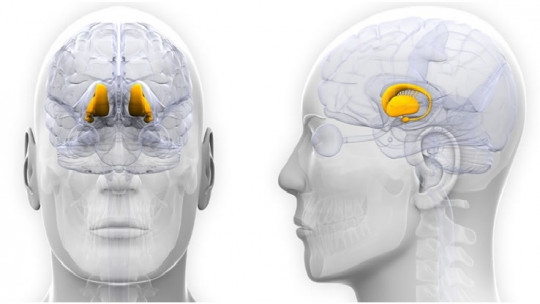
You skip a meal and suddenly feel shaky, irritable, and unable to concentrate on anything except food. You pull an all-nighter and your body temperature, appetite, and mood all seem to unravel in ways that feel disproportionate to one bad night’s sleep. Or you’re under chronic stress at work, and your body starts behaving like it’s under constant threat — a racing heart, disrupted sleep, and a stress response that simply will not switch off. These experiences can feel like personal failures, as though you should simply have more willpower or self-discipline, when in reality they trace back to a walnut-sized structure working overtime to keep you alive: the hypothalamus.
It’s genuinely hard to feel in control when your hunger, sleep, temperature, and emotional reactivity all seem to be operating on their own schedule, disconnected from your intentions. This disconnect can be especially distressing for people managing chronic stress, disordered eating patterns, or hormonal imbalances, who are sometimes told to simply “try harder” without anyone explaining the underlying biology driving these very real physical responses. Understanding that the hypothalamus governs homeostasis — the body’s constant, automatic effort to stay in balance — reframes these struggles as biological processes rather than character flaws. It also opens the door to more effective, compassionate strategies for managing them.
So how does one small brain structure end up regulating hunger, sleep, temperature, stress, and even social bonding all at once?
This article explains what the hypothalamus is, where it sits in the brain, and the wide-ranging functions it performs to keep your body and mind in balance every day.

What Is the Hypothalamus and Where Is It Located?
The hypothalamus is a small, almond-sized region of the brain located just below the thalamus and directly above the pituitary gland, forming part of the diencephalon. Despite making up less than one percent of total brain volume, it functions as one of the most influential control centers in the entire nervous system.
How many of these have you been "meaning to read" for months?



Structurally, the hypothalamus sits at the base of the brain, bordered by the optic chiasm in front, the mammillary bodies behind, and the third ventricle running through its middle. It connects extensively to nearly every other major brain region: the brainstem through the dorsal longitudinal fasciculus, the cerebral cortex through the medial forebrain bundle, the hippocampus through the fornix, the amygdala through the stria terminalis, and the pituitary gland through a direct vascular and neural link called the median eminence. This dense web of connections is exactly why the hypothalamus functions as a hub rather than an isolated island.
Anatomically, the hypothalamus divides into three main regions running front to back — the anterior, middle (tuberal), and posterior zones — and into medial and lateral areas running side to side, each containing distinct clusters of neurons called hypothalamic nuclei. This organization allows the hypothalamus to manage an extraordinarily wide range of functions from a remarkably compact physical space, with different nuclei dedicated to hunger, temperature, sleep, stress, and reproductive behavior.
Because of its unique position bridging the nervous and endocrine systems, physiologist Walter Cannon’s foundational concept of homeostasis, developed in the early twentieth century, remains the clearest lens through which to understand why this small structure carries such outsized responsibility for keeping the body’s internal environment stable.
How Does the Hypothalamus Maintain Homeostasis?
Homeostasis means keeping the body’s internal environment stable despite constant changes in the outside world, and the hypothalamus acts as the master coordinator making this possible. It works much like a thermostat, continuously comparing the body’s current state to an ideal set point and triggering corrective action whenever something drifts off course.
The hypothalamus receives constant input from receptors throughout the body monitoring blood temperature, hormone levels, blood pressure, and nutrient status, then integrates this information with signals arriving from the cerebral cortex and limbic system. When it detects an imbalance, it responds through two primary channels: the autonomic nervous system, which it controls directly, and the endocrine system, which it influences indirectly through the pituitary gland. Walter Cannon’s original description of homeostasis emphasized precisely this self-correcting quality, framing the body as a system constantly working to preserve stability rather than existing in a fixed, unchanging state.
This constant balancing act explains why illness, extreme stress, or significant lifestyle disruption can produce such widespread physical symptoms; when the hypothalamus struggles to keep pace with demands on the system, the effects ripple outward into sleep, appetite, temperature regulation, and mood simultaneously rather than staying confined to a single area.
A practical takeaway: because the hypothalamus relies on consistent, predictable input to regulate the body effectively, maintaining regular sleep, meal, and activity patterns genuinely supports its ability to keep homeostasis functioning smoothly, rather than being simply generic wellness advice.

How Does the Hypothalamus Control the Endocrine System?
The hypothalamus serves as the primary link between the nervous system and the endocrine system, directing hormone release throughout the body via its close partnership with the pituitary gland. This connection, known as the hypothalamic-pituitary axis, underlies much of the body’s hormonal regulation.
Specialized hypothalamic neurons produce releasing and inhibiting hormones that travel a short distance to the anterior pituitary gland, instructing it to secrete or withhold hormones that control the thyroid, adrenal glands, and reproductive organs. The hypothalamus also directly produces two hormones, oxytocin and vasopressin, which travel down nerve fibers to be stored and released by the posterior pituitary, influencing childbirth, breastfeeding, social bonding, and fluid balance respectively.
One of the most clinically significant hormonal pathways originating here is the hypothalamic-pituitary-adrenal axis, commonly called the HPA axis, which governs the body’s stress response. Endocrinologist Hans Selye’s pioneering research on stress physiology described how this axis activates in response to perceived threats, triggering the release of cortisol to mobilize energy and heighten alertness, a process he termed the general adaptation syndrome. Neuroscientist Robert Sapolsky’s extensive later work built on this foundation, demonstrating how chronic activation of the HPA axis, sustained by ongoing psychological stress, can contribute to health problems ranging from cardiovascular disease to impaired memory over time.
Recognizing that chronic stress has a measurable hormonal basis, rather than reflecting personal weakness, can be genuinely validating for people struggling with persistent stress-related symptoms, and it underscores why stress management techniques carry real physiological weight rather than being purely psychological advice.
What Role Does the Hypothalamus Play in Hunger and Appetite?
The hypothalamus is the brain’s primary center for regulating hunger, fullness, and long-term energy balance. Distinct nuclei within this small structure work in opposition to each other, one promoting eating and one promoting satiety, to keep body weight relatively stable over time.
The lateral hypothalamus has traditionally been associated with stimulating hunger and food-seeking behavior, while the ventromedial hypothalamus contributes to signaling fullness and satisfaction after eating. These regions integrate signals from hormones like leptin, produced by fat tissue, and ghrelin, produced by the stomach, along with blood glucose levels, to continuously adjust appetite based on the body’s actual energy needs rather than simply the time of day.
When this delicate balancing system is disrupted, through injury, tumors, or certain genetic conditions, the result can be hypothalamic obesity, a distinct pattern of rapid, difficult-to-control weight gain that occurs even without a corresponding increase in caloric intake, since the brain’s fullness signaling itself has become impaired. This condition is frequently misunderstood by people unfamiliar with hypothalamic function, who may assume weight changes reflect only diet and exercise choices rather than a disrupted internal regulatory system.
- The lateral hypothalamus contributes to hunger signaling and food-seeking behavior.
- The ventromedial hypothalamus helps signal satiety after adequate food intake.
- Hormones like leptin and ghrelin provide ongoing feedback the hypothalamus uses to adjust appetite.
- Disruption to these circuits can produce hypothalamic obesity, a medically recognized and often misunderstood condition.

How Does the Hypothalamus Regulate Body Temperature?
The hypothalamus functions as the body’s internal thermostat, continuously monitoring blood temperature and triggering corrective responses to keep it within a narrow, healthy range. This process, called thermoregulation, happens automatically and largely outside conscious awareness.
Specialized neurons in the preoptic area of the anterior hypothalamus detect even small deviations from the body’s target temperature and respond accordingly: triggering sweating and blood vessel dilation to cool the body when it runs too warm, or triggering shivering and blood vessel constriction to conserve heat when it runs too cool. During infection, the hypothalamus can also intentionally raise the body’s set point, producing a fever that helps create a less hospitable environment for invading pathogens, which explains why fever is generally a purposeful immune response rather than simply a malfunction to be immediately suppressed.
Damage to this thermoregulatory center, whether from injury, tumor, or certain neurological conditions, can produce unpredictable temperature swings or an inability to regulate body temperature appropriately in response to environmental changes, a condition that requires careful medical management since both extremes carry real health risks.
Because thermoregulation depends on adequate hydration and normal blood flow, staying properly hydrated genuinely supports the hypothalamus’s ability to manage this function effectively, particularly during illness, intense exercise, or extreme weather conditions.
How Does the Hypothalamus Influence Sleep and Circadian Rhythm?
The hypothalamus houses the body’s master biological clock, coordinating sleep-wake cycles and a wide range of other daily rhythms in sync with the external environment. This internal timekeeping system is essential for nearly every aspect of physical and mental functioning.
A cluster of neurons called the suprachiasmatic nucleus, located in the anterior hypothalamus directly above the optic chiasm, receives light information directly from the retina and uses it to synchronize the body’s internal clock with the actual day-night cycle. This structure drives the roughly twenty-four hour rhythm known as the circadian rhythm, influencing not just sleep timing but also body temperature, hormone release, and alertness throughout the day. Physiological psychologist Curt Richter’s early and influential research on biological clocks helped establish that this internal timing system operates independently of conscious awareness, persisting even when external time cues are removed, which demonstrated that circadian rhythms are truly built into the body’s biology rather than being simply learned habits.
Disruption to this system, whether through shift work, chronic jet lag, or certain neurological conditions, can produce far-reaching effects beyond simple tiredness, including changes in mood, appetite, and immune function, since so many other physiological processes are synchronized to this same central clock.
A practical, evidence-based takeaway: consistent exposure to natural light in the morning and reduced light exposure in the evening helps reinforce the suprachiasmatic nucleus’s natural rhythm, supporting more stable sleep and mood over time.

How Is the Hypothalamus Involved in Emotion and Stress Responses?
The hypothalamus plays a central role in generating the physical sensations associated with emotion, particularly the body’s fight-or-flight stress response. It translates emotional and psychological signals into concrete physiological changes throughout the body.
When the amygdala detects a potential threat, it signals the hypothalamus, which then activates the sympathetic nervous system, producing the familiar physical symptoms of acute stress: a racing heart, rapid breathing, and heightened alertness. Neuroscientist Joseph LeDoux’s extensive research on the brain’s fear circuitry demonstrated how quickly and automatically this pathway operates, often producing a physical stress response before conscious thought has fully processed the situation. Neuroendocrinologist Bruce McEwen’s influential concept of allostatic load describes the cumulative physiological toll this repeated stress activation takes on the body over time, helping explain why chronic, unmanaged stress contributes to a wide range of long-term health problems rather than simply causing temporary discomfort.
The hypothalamus also contributes to emotional expression more broadly, including aggression and social bonding, partly through its production of oxytocin, a hormone associated with trust, attachment, and connection between people.
Understanding that stress reactions are rooted in real, measurable hypothalamic and hormonal activity, rather than reflecting an overreaction or personal weakness, can help reduce the shame some people feel about struggling with chronic stress, and it reinforces why structured stress-reduction practices deserve to be taken seriously as genuine health interventions.
What Happens When the Hypothalamus Is Damaged?
Hypothalamic damage can produce an unusually wide range of symptoms because this single small structure regulates so many distinct bodily functions. The exact presentation depends heavily on which specific nuclei are affected and whether the damage is partial or extensive.
Common causes of hypothalamic dysfunction include traumatic brain injury, tumors growing in or near the hypothalamus, brain surgery, radiation therapy, infections, and inflammatory conditions such as multiple sclerosis. Severe, prolonged eating disorders can also disrupt hypothalamic function, since extreme and sustained caloric restriction affects the very hormonal systems this structure relies on to regulate appetite and reproductive hormones.
- Temperature dysregulation can occur when the hypothalamus’s thermoregulatory center is damaged.
- Disrupted sleep-wake cycles may result from injury affecting the suprachiasmatic nucleus.
- Hormonal imbalances, including growth, thyroid, or reproductive hormone disruption, can follow damage to the hypothalamic-pituitary axis.
- Hypothalamic obesity or appetite changes can develop when hunger and satiety circuits are impaired.
Because these symptoms can appear so varied, ranging from unexplained weight changes to erratic body temperature to disrupted sleep, hypothalamic dysfunction is sometimes overlooked or misattributed to unrelated causes before a thorough neurological and endocrine evaluation identifies the true underlying source.

How Are Hypothalamic Conditions Diagnosed and Treated?
Diagnosing hypothalamic dysfunction typically requires a combination of hormonal blood testing and brain imaging, since the symptoms alone often overlap with several other conditions. A thorough evaluation looks at the whole pattern of symptoms rather than any single isolated complaint.
Blood tests measuring levels of hormones like cortisol, thyroid hormone, growth hormone, and reproductive hormones can reveal disruptions in the hypothalamic-pituitary axis, while MRI imaging helps identify structural causes such as tumors or lesions affecting the hypothalamus directly. Specialized endocrine stimulation tests may also be used to assess exactly how well the hypothalamic-pituitary-adrenal axis and related pathways are functioning under controlled conditions.
Treatment depends entirely on the underlying cause. Hormone replacement therapy can address deficiencies resulting from hypothalamic-pituitary axis disruption, while tumors may require surgical, radiation, or medication-based management depending on their size and location. For stress-related hypothalamic overactivation, structured approaches like cognitive behavioral therapy, regular physical activity, and consistent sleep routines can meaningfully reduce the chronic burden on the HPA axis over time.
- Pursue thorough hormonal testing when experiencing unexplained changes in weight, temperature regulation, or sleep, since these often point toward hypothalamic involvement.
- Request appropriate imaging if hypothalamic dysfunction is suspected, since structural causes require distinct treatment approaches.
- Engage in consistent stress-reduction practices, since these directly support healthier HPA axis functioning over time.
- Maintain regular sleep and meal schedules, since predictable routines support the hypothalamus’s regulatory rhythms.
How Does Hypothalamic Function Change Across the Lifespan?
The hypothalamus develops early and remains active throughout life, though its regulatory demands and vulnerabilities shift considerably from childhood through older adulthood. Understanding this trajectory helps clarify what counts as a normal developmental stage versus a pattern that warrants medical attention.
During childhood and adolescence, the hypothalamus plays a central role in triggering puberty, releasing gonadotropin-releasing hormone in a specific pattern that activates the reproductive hormonal cascade at the appropriate developmental stage. Disruptions to this timing, whether earlier or later than typical, often trace back to hypothalamic or related pituitary signaling and warrant evaluation by a pediatric endocrinologist rather than being dismissed as simple developmental variation. In older adulthood, hypothalamic regulation of the circadian rhythm and stress response can become somewhat less precise, contributing to the more fragmented sleep patterns and altered stress resilience often observed with aging.
Certain populations face distinct hypothalamic vulnerabilities: people recovering from significant head trauma, those undergoing radiation treatment near the brain, and individuals with severe, prolonged eating disorders all face elevated risk of hypothalamic dysfunction, underscoring why healthcare providers working with these groups should maintain a high index of suspicion for hormonal and regulatory symptoms.
Practical strategies for supporting hypothalamic health across the lifespan include prioritizing consistent sleep patterns, managing chronic stress proactively, maintaining balanced nutrition, and seeking prompt medical evaluation for any persistent, unexplained changes in appetite, temperature regulation, or hormonal function rather than assuming they will resolve on their own.
FAQs about the Hypothalamus
What is the main function of the hypothalamus?
The hypothalamus’s primary function is maintaining homeostasis, the body’s stable internal balance, by regulating the endocrine and autonomic nervous systems. It controls body temperature, hunger and thirst, sleep-wake cycles, stress responses, and reproductive hormones, largely by directing the pituitary gland’s hormone release. Because it links the nervous system directly to the endocrine system, it can translate psychological states like stress into concrete physical changes throughout the body. This combination of functions makes it one of the most influential structures in the brain despite its remarkably small size.
Where exactly is the hypothalamus located in the brain?
The hypothalamus is located just below the thalamus and directly above the pituitary gland, sitting at the base of the brain within a region called the diencephalon. It is bordered by the optic chiasm toward the front and the mammillary bodies toward the back, with the third ventricle running through its center. Despite occupying less than one percent of total brain volume, its extensive connections to the brainstem, cortex, hippocampus, amygdala, and pituitary gland allow it to influence nearly every major physiological system. This central, well-connected position is part of why hypothalamic dysfunction can produce such wide-reaching symptoms.
What happens if the hypothalamus is damaged?
Hypothalamic damage can cause a wide range of symptoms depending on which specific nuclei are affected, including temperature dysregulation, disrupted sleep-wake cycles, hormonal imbalances, and changes in appetite or weight. Because this small structure governs so many distinct systems, damage here often produces symptoms that seem unrelated at first glance, such as unexplained weight gain occurring alongside irregular sleep patterns. Common causes include traumatic brain injury, tumors, brain surgery, radiation therapy, and severe eating disorders. A thorough hormonal and neurological evaluation is typically needed to identify hypothalamic dysfunction as the underlying cause.
How is the hypothalamus connected to stress and the HPA axis?
The hypothalamus initiates the body’s stress response through the hypothalamic-pituitary-adrenal axis, commonly called the HPA axis, releasing hormones that ultimately trigger cortisol production from the adrenal glands. This system evolved to help the body respond quickly to genuine physical threats, but chronic activation from ongoing psychological stress can place a significant cumulative burden on the body, sometimes described using the concept of allostatic load. Over time, this sustained stress activation has been linked to health concerns including cardiovascular problems and impaired memory function. Structured stress-management approaches can meaningfully support healthier HPA axis regulation.
Can hypothalamus problems cause weight gain?
Yes, damage or dysfunction affecting the hypothalamus’s appetite-regulating nuclei can cause a distinct pattern of weight gain known as hypothalamic obesity. This occurs because the brain’s normal hunger and fullness signaling becomes disrupted, sometimes leading to persistent, difficult-to-control weight gain even without a significant increase in food intake. This condition is often misunderstood, since it doesn’t respond to standard diet and exercise approaches the way typical weight gain might. It usually requires specialized medical evaluation and management from an endocrinologist familiar with hypothalamic disorders.
How does the hypothalamus affect sleep?
The hypothalamus houses the suprachiasmatic nucleus, the body’s master biological clock, which synchronizes sleep-wake cycles with the natural day-night pattern based on light exposure detected by the eyes. This structure drives the body’s circadian rhythm, influencing not only sleep timing but also body temperature, hormone release, and alertness throughout the day. Disruptions to this system, such as chronic shift work or significant time zone changes, can affect far more than sleep alone, since so many other bodily processes are synchronized to the same internal clock. Supporting consistent light exposure patterns and sleep timing helps reinforce healthy hypothalamic regulation of this rhythm.
Bibliography
- StatPearls Publishing. (2023). Neuroanatomy, Hypothalamus. National Center for Biotechnology Information Bookshelf.
- Cleveland Clinic. (2023). Hypothalamus: What It Is, Function, Conditions & Disorders.
- Kenhub. (2014). Hypothalamus: Structure and Functions.
- Physio-pedia. (2025). Hypothalamus.
- Cannon, W. B. (1932). The Wisdom of the Body. W.W. Norton & Company.
- Selye, H. (1956). The Stress of Life. McGraw-Hill.
- Sapolsky, R. M. (2004). Why Zebras Don’t Get Ulcers. Holt Paperbacks.
- McEwen, B. S. (1998). Protective and damaging effects of stress mediators: allostasis and allostatic load. New England Journal of Medicine.
- Richter, C. P. (1965). Biological Clocks in Medicine and Psychiatry. Charles C. Thomas Publisher.
- LeDoux, J. E. (1996). The Emotional Brain: The Mysterious Underpinnings of Emotional Life. Simon & Schuster.
Use this citation format to reference the article clearly and help readers find the original source.
PsychologyFor. (2026). Hypothalamus: Definition, Characteristics and Functions. PsychologyFor. https://psychologyfor.com/hypothalamus-definition-characteristics-and-functions/