

Today I will explain to you how a good childhood and a bad one can affect you and some suggestions to get out of its influence.

See more of our articles in your search results.
Let’s imagine two types of childhoods. Two children who have grown up in different environments.
The first is clearly a good childhood
When you are sad someone comforts you, when you get angry someone treats you calmly. When you need attention someone is there to help you. When you can’t understand something, someone explains it to you. When you’ve screwed up, no one shames you. When you fail, they don’t call you a failure. When there is a problem you overcome it. Simply put: you are valuable. For as long as necessary, you are the center of the universe of two kind adults.
Then there is the defiant or simply bad childhood.
How many of these have you been "meaning to read" for months?
- 1
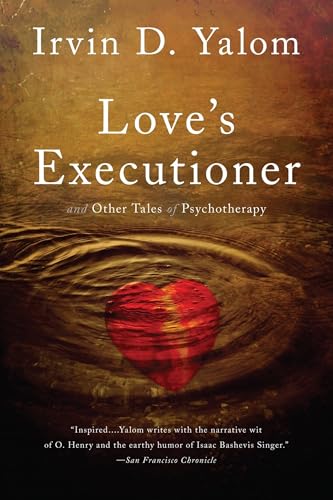 Irvin D. YalomLove's ExecutionerRadically honest case studies on existential dread and changeListen Free On Audible
- 2
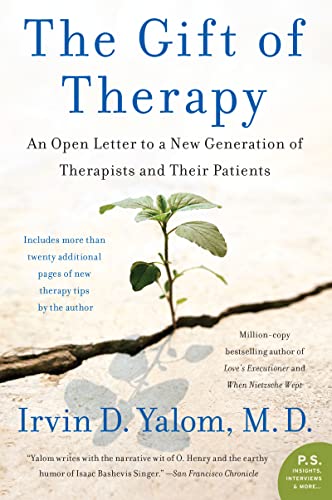 Irvin D. YalomThe Gift of Therapy85 practical, warm clinical insights from a master therapistListen Free On Audible
- 3
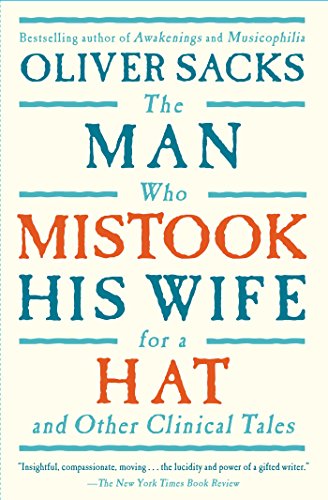 Oliver SacksThe Man Who Mistook His Wife for a HatUnforgettable clinical case studies on perception and identityListen Free On Audible
When you cry, they call you spoiled. When you get angry they tell you it’s to get attention. When you fail, they take it personally. When you screw up, they get mad at you. When you try to be strong they bully you. When you don’t do anything extraordinary or feel vulnerable, they put you down. In short, it seems like you are a burden and then a huge disappointment.
Consequences of two childhoods
Early childhood is possibly the best gift you can receive. It serves as a basis for creating satisfactory relationships, good self-esteem, having ambition without perfectionism and facing adversity with resilience.
But second childhood can be a big problem: it undermines relationships, creates self-esteem problems, anxiety, self-hatred and shame.
What to do when you have had a bad childhood?
The second person seems doomed, however, there are certain things he can do:
- He can understand the mark they have left on him. It may help you to read different perspectives on it or do psychotherapy.
- You may be suspicious and cautious of your learned responses: impulsive and automated.
- You can learn to be careful when you think or do something that self-sabotages you.
- You can also share what you have been through and invite others to understand you rather than condemning you for being so complicated.
And finally you can feel, not hurt, but compassion for yourself and what happened.
Use this citation format to reference the article clearly and help readers find the original source.
PsychologyFor. (2024). Good and Bad Childhoods: the Mark That Remains. PsychologyFor. https://psychologyfor.com/good-and-bad-childhoods-the-mark-that-remains/