

See more of our articles in your search results.
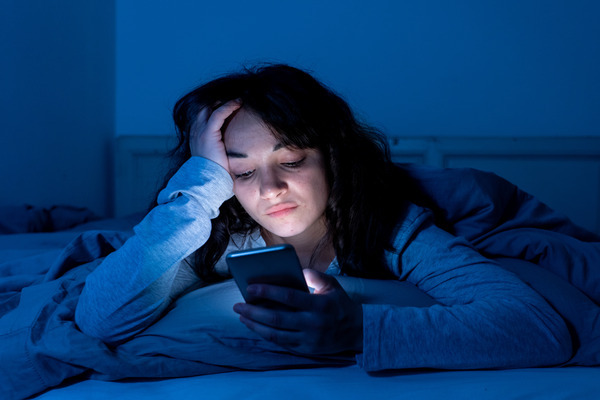
The smartphone buzzes with a notification. Within seconds, the hand reaches for it, unlocking the screen before conscious thought even registers. Scrolling through Instagram, then switching to TikTok, then checking Twitter, then back to Instagram—a loop that continues for two hours despite intentions to check “just for a minute.” This scene plays out millions of times daily across the globe as social media platforms have become so integrated into modern life that many people struggle to imagine existence without them.
Social media addiction, while not yet officially recognized as a disorder in the DSM-5, represents a growing concern among mental health professionals, researchers, and individuals experiencing its consequences. The term describes a behavioral pattern where social media use becomes compulsive, excessive, and difficult to control despite negative impacts on mental health, relationships, productivity, and overall wellbeing. Unlike substance addictions involving chemical dependence, social media addiction represents a behavioral addiction where the activity itself—checking feeds, posting content, seeking engagement—becomes the compulsive behavior.
Research into social media addiction has accelerated as platforms have become increasingly sophisticated at capturing and maintaining attention. The average person now spends approximately 2.5 hours daily on social media, with younger demographics often exceeding 4-6 hours. While not everyone who uses social media extensively is addicted, a significant minority experiences problematic use meeting criteria for addiction. Studies suggest that 5-10% of social media users may meet thresholds for addiction, though rates vary depending on demographic factors and specific platforms examined.
The distinction between heavy use and addiction matters because many people engage extensively with social media without experiencing negative consequences. Professional social media managers, content creators, and digital marketers use platforms for hours daily as part of their careers without addiction. The difference lies in whether the behavior is controlled and functional versus compulsive and harmful. Addiction involves loss of control, continuation despite harm, and functional impairment across life domains.
What makes social media particularly addictive compared to earlier forms of digital communication involves several design features that platforms deliberately incorporate. Variable ratio reinforcement schedules—where likes, comments, and shares arrive unpredictably—create powerful conditioning effects. Social comparison mechanisms trigger both positive feelings when comparing favorably and negative feelings when comparing unfavorably, both of which drive continued engagement. Infinite scroll features eliminate natural stopping points, while autoplay videos prevent conscious decisions about whether to continue watching. These features aren’t accidental but rather represent deliberate application of psychological principles to maximize user engagement and time on platform.
How many of these have you been "meaning to read" for months?
- 1
 Lori GottliebMaybe You Should Talk to SomeoneA bestselling memoir on the shared humanity of therapist and clientListen Free On Audible
- 2
 Oliver SacksThe Man Who Mistook His Wife for a HatUnforgettable clinical case studies on perception and identityListen Free On Audible
- 3
 Irvin D. YalomLove's ExecutionerRadically honest case studies on existential dread and changeListen Free On Audible
Sign 1: Compulsive Checking and Loss of Control

The first and most recognizable sign of social media addiction involves compulsive checking behavior where the person feels driven to access social media repeatedly throughout the day, often without conscious decision-making. This manifests as reaching for the phone immediately upon waking, checking social media dozens or hundreds of times daily, interrupting other activities to check feeds, and experiencing difficulty concentrating on tasks without frequently checking platforms. The behavior becomes automatic and habitual rather than purposeful and controlled.
Loss of control represents the hallmark of addiction across all types. With social media addiction, this means the person cannot reliably regulate their usage despite intentions to do so. They might promise themselves to check social media only during breaks but find themselves scrolling during meetings, classes, or important conversations. They set time limits that are consistently exceeded. They delete apps intending to reduce usage but reinstall them within hours. These repeated failed attempts to control behavior despite genuine motivation to change indicate that the behavior has become compulsive rather than voluntary.
The compulsion often involves specific patterns and triggers. Morning checking before even getting out of bed establishes social media as the first daily activity, prioritizing it above everything else. Checking during transitional moments—waiting in lines, riding elevators, sitting at red lights—fills every moment of potential boredom with social media rather than allowing mental rest. Checking during social interactions with physically present people signals that online connection has become more compelling than face-to-face interaction.
Many people with social media addiction don’t realize how frequently they’re checking until they attempt to track it. Studies using smartphone tracking show that people dramatically underestimate their social media usage, often by factors of two to three. Self-monitoring exercises where people count each time they open social media apps reveal usage patterns that surprise and sometimes alarm the user. This disconnect between perceived and actual usage indicates that much checking occurs below conscious awareness.
The inability to tolerate periods without checking represents another control-related indicator. Brief separations from the phone—forgetting it at home, having it die, being in settings where phone use is prohibited—create disproportionate anxiety and preoccupation. Rather than experiencing these phone-free periods as relief or opportunity for presence, the person feels anxious, disconnected, and focused on when they can next access social media. Some people describe feeling “phantom vibrations” where they believe their phone buzzed when it didn’t, reflecting how hypervigilant their attention has become to potential notifications.
Sign 2: Withdrawal Symptoms When Access Is Prevented
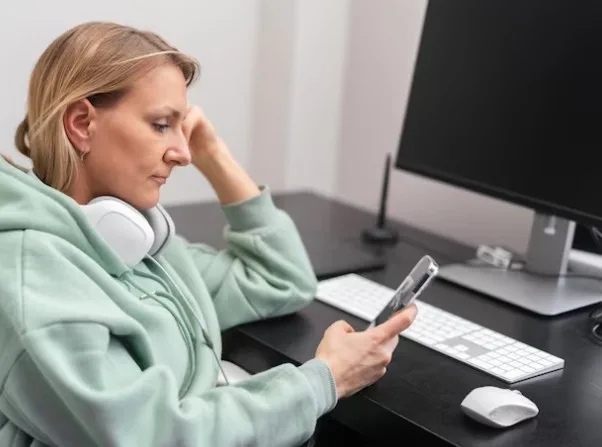
Withdrawal symptoms emerging when social media access is prevented or dramatically reduced provide strong evidence of addiction. These symptoms primarily involve psychological and emotional responses including anxiety, irritability, restlessness, sadness, and intense preoccupation with social media. The severity ranges from mild discomfort to genuine distress that significantly impairs functioning. Unlike substance withdrawal that involves physiological symptoms, social media withdrawal operates primarily through psychological mechanisms, though some people report physical manifestations like tension headaches or sleep disturbances.
Anxiety represents the most commonly reported withdrawal symptom. When prevented from accessing social media, the person experiences mounting unease, worry about what they’re missing, concern about how long until they can check again, and general nervousness that feels disproportionate to the situation. This anxiety often fixates specifically on social media rather than being generalized—the person isn’t anxious about life circumstances but specifically about being disconnected from social platforms.
Irritability and mood disturbance accompany withdrawal, with the person becoming short-tempered, easily frustrated, or emotionally volatile when unable to access social media. Family members often notice that attempts to limit social media use result in arguments, defiance, or hostile responses. This mood dysregulation suggests that social media has become a primary method of emotional regulation, and without access, the person lacks alternative coping strategies for managing negative emotions.
Preoccupation intensifies during withdrawal periods. Rather than the absence of social media allowing focus on present activities, the person’s thoughts repeatedly drift to social media. They imagine what’s happening on their feeds, mentally compose posts they want to make, wonder about notifications they’re missing, and calculate how long until they can access platforms again. This mental preoccupation prevents genuine engagement with whatever activities are occurring, making enforced breaks from social media feel like deprivation rather than liberation or relief.
Some people experience sleep disturbances during social media withdrawal, with difficulty falling asleep without the usual pre-bed scrolling routine, waking during the night with urges to check social media, or experiencing anxiety-disrupted sleep related to being disconnected. These sleep issues reflect how deeply integrated social media has become into daily routines and wind-down rituals.
The duration and intensity of withdrawal symptoms vary by individual and addiction severity. For some, symptoms peak within 24-48 hours before gradually improving over a week or two. For others, particularly those with more severe addiction or longer duration of problematic use, symptoms may persist for weeks or even months before fully resolving. The presence of withdrawal symptoms when attempting to reduce or stop social media use represents one of the clearest indicators that usage has progressed from heavy hobby to addiction.
Sign 3: Neglecting Real-Life Responsibilities and Relationships

When social media use begins displacing essential life activities and responsibilities, addiction becomes evident through concrete functional impairment. Academic or work performance deteriorates as social media distracts from studying or working, with assignments completed late or poorly, productivity declining, and attention fragmenting across multiple platforms. Students might scroll through feeds during lectures rather than listening, employees might spend hours on social media during work time, and quality of output suffers as focused attention becomes increasingly difficult to sustain.
Relationships suffer as social media competes with in-person interaction for time and attention. Physical presence doesn’t equate to psychological presence when someone is simultaneously engaged with social media during family dinners, conversations with partners, or time with children. Partners report feeling ignored, unimportant, or secondary to online connections. Children notice when parents are more engaged with screens than with them. Friendships become strained when plans are frequently canceled to stay home scrolling feeds, or when in-person gatherings involve everyone on their phones rather than actually interacting.
Sleep patterns deteriorate as late-night social media use delays bedtime, with people intending to check briefly before sleep but continuing for hours. Morning scrolling prevents timely waking and starting the day. The blue light from screens disrupts circadian rhythms, and the stimulating content activates rather than calms the mind before bed. Chronic sleep deprivation from social media use creates cascading negative effects on mood, cognition, health, and functioning across all life domains.
Physical health declines through multiple mechanisms. Sedentary time increases dramatically as hours spent scrolling replace physical activity. Posture problems develop from hunching over phones. Eye strain emerges from extended screen time. Nutrition suffers as meals are skipped or consist of convenient snacks eaten while scrolling. Some people report repetitive strain injuries in thumbs and hands from excessive scrolling and typing. The displacement of health-promoting activities by social media creates cumulative physical consequences.
Self-care and hygiene may be neglected as social media takes priority over basic activities. Showers are delayed or skipped to continue scrolling. Dental care, grooming, and general hygiene become minimal as the person resents time away from social media. The home environment deteriorates as cleaning and organization seem like interruptions to social media engagement. These basic self-care neglects signal that social media has begun dominating life to the exclusion of fundamental needs.
Hobbies and interests outside social media often disappear as it consumes recreational time. Reading, creative pursuits, sports, outdoor activities, and other leisure activities that previously brought enjoyment are abandoned because social media occupies all available time. The person’s identity increasingly centers around their social media presence rather than real-world activities and accomplishments. This narrowing of interests and activities represents a significant loss even when not immediately recognized.
Sign 4: Using Social Media Primarily for Emotional Escape
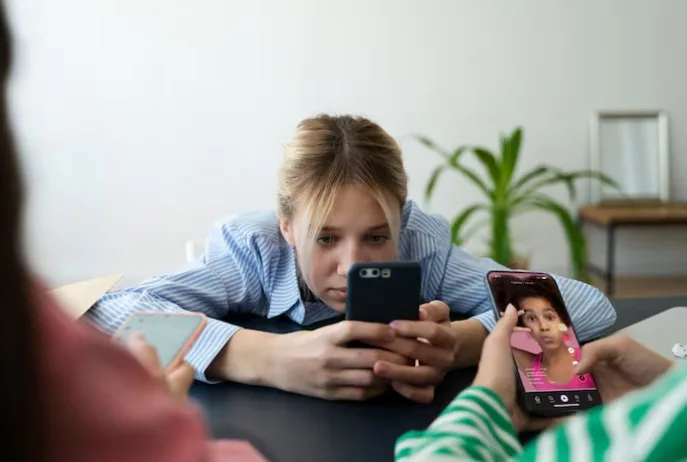
The fourth sign involves using social media primarily as escape from negative emotions rather than for connection, information, or entertainment. This represents a shift from positive reinforcement (using social media because it’s enjoyable) to negative reinforcement (using social media to avoid unpleasant feelings). The person turns to social media automatically when experiencing anxiety, sadness, loneliness, boredom, or stress, finding temporary relief that reinforces the behavior without addressing underlying issues.
This escapist pattern often develops gradually. Initially, social media might genuinely provide enjoyment and connection. Over time, it becomes the default coping mechanism for any uncomfortable emotion. Feeling anxious? Scroll Instagram. Feeling lonely? Check notifications. Feeling bored? Watch TikToks. Feeling sad? Browse Facebook. The automatic nature of this response means the person doesn’t consciously choose social media as a coping strategy—it simply becomes the reflexive response to emotional discomfort.
The problem with using social media for emotional escape is that it prevents development of healthier coping strategies and doesn’t address underlying issues causing negative emotions. Anxiety temporarily decreases while scrolling but returns when scrolling stops, often intensified by awareness of time wasted or exposure to anxiety-inducing content. Loneliness feels briefly alleviated by online interaction but persists because social media connection doesn’t fully satisfy the need for deep human connection. The cycle of using social media to escape negative feelings that are partly caused or worsened by excessive social media use becomes self-perpetuating.
Many people with social media addiction report that they no longer even enjoy using the platforms—they continue compulsively despite deriving little pleasure because social media has become the only way they know to manage uncomfortable emotions. The behavior persists not because it provides positive experiences but because it provides temporary escape from negative experiences.
This escapist use often intensifies during particularly difficult life periods. When facing major stressors—relationship problems, work difficulties, health issues, grief—the person may dramatically increase social media use as avoidance of facing painful realities. While brief distraction during difficult times can be adaptive, chronic avoidance through social media prevents processing emotions, problem-solving, and seeking appropriate support. The escape becomes a prison that isolates the person from resources and relationships that could actually help.
Sign 5: Fear of Missing Out and Anxiety About Disconnection

The fifth sign involves experiencing significant anxiety about being disconnected from social media or missing what’s happening online. This “fear of missing out” (FOMO) creates a compulsion to stay constantly connected to avoid missing important posts, trends, conversations, or events in others’ lives. The anxiety isn’t proportionate to actual consequences of being temporarily offline—no genuine emergency is likely to be missed—but feels intensely real and drives compulsive checking behavior.
FOMO manifests as constantly checking for updates even when just recently checked, anxiety when away from the phone or in areas without connectivity, worry about missing posts from specific people or about specific topics, and feeling distressed when seeing posts about events or activities the person wasn’t included in. The constant comparison and awareness of what others are doing creates a pervasive sense of being left out or missing something important.
This anxiety about disconnection often prevents the person from engaging in activities where phone use is limited or prohibited. They avoid movies, concerts, or events where they’d need to put the phone away. They resist travel to areas with poor connectivity. They experience significant distress during flights, medical procedures, or other situations requiring device surrender. The inability to tolerate brief periods of disconnection without significant anxiety indicates that social media has become essential to psychological equilibrium.
The flip side of FOMO involves anxiety about one’s own posts and online presence. This includes obsessively checking for likes and comments after posting, feeling distressed when posts don’t receive expected engagement, comparing one’s engagement metrics to others’, and experiencing significant mood impacts based on online validation. Self-worth becomes increasingly tied to online reception rather than internal values or real-world accomplishments.
Some people describe feeling they don’t fully experience events unless they document and share them on social media. Concerts, meals, travel, and personal moments are experienced primarily through the lens of how they’ll appear online rather than being present in the actual experience. This represents a concerning disconnect where life becomes about creating content rather than living authentically, and experiences derive value from online validation rather than inherent meaning.
When Does Heavy Use Become Addiction?
Distinguishing between heavy but healthy social media use and addiction requires examining several factors beyond just time spent. Functional impairment represents the clearest distinction—does social media use create significant problems in relationships, work, school, health, or other important life domains? People can use social media extensively while maintaining healthy functioning, but when usage causes consistent problems across multiple areas, addiction becomes likely.
Control represents another crucial factor. Can the person modulate their usage when necessary, or do they experience loss of control despite motivation to limit use? Trying a voluntary break reveals whether usage is chosen or compulsive. If the person cannot maintain even a brief period of reduced usage despite genuine effort, this suggests addictive patterns.
The quality of the relationship with social media matters more than quantity alone. Does social media enhance life by providing valuable connection, information, and entertainment, or has it become a compulsive escape from reality that isolates rather than connects? Is usage primarily for positive reasons or to avoid negative emotions? Does the person feel good about their social media use or guilty and conflicted? These qualitative distinctions help differentiate passionate engagement from problematic addiction.
Continuation despite negative consequences strongly indicates addiction. When the person recognizes that social media is harming their relationships, health, work, or mental health yet continues or increases usage, this parallels the persistence seen in substance addictions. The inability to stop despite awareness of harm and motivation to change reveals that usage has progressed beyond voluntary hobby to compulsive addiction.
FAQs About Social Media Addiction
Can you really be addicted to social media, or is it just a bad habit?
Social media addiction is real and involves neurobiological, psychological, and behavioral patterns that mirror established addictions. Brain imaging research shows that social media activates reward circuitry similarly to substances and gambling. People with social media addiction experience genuine withdrawal symptoms including anxiety and irritability when access is prevented. They demonstrate loss of control despite repeated attempts to moderate usage. Functional impairment occurs across life domains. These patterns meet criteria for behavioral addiction even though social media addiction isn’t yet formally recognized in the DSM-5. The distinction from “bad habit” lies in the compulsive quality, loss of control, continuation despite harm, and functional impairment that characterize addiction. Bad habits can be changed through willpower and conscious effort, while addiction requires more intensive intervention. That said, not everyone who overuses social media is addicted—many people have problematic patterns that don’t reach addiction severity but still benefit from reduction.
Which social media platforms are most addictive?
Platforms incorporating certain design features show higher addiction potential. Instagram, TikTok, Snapchat, and Twitter tend to rank highest in addiction-related problems, likely because they use infinite scroll, autoplay, variable reinforcement through likes and shares, and social comparison features. TikTok’s algorithm is particularly effective at serving highly engaging content tailored to individual preferences, making it extremely difficult to stop watching. Instagram’s emphasis on curated perfection drives comparison and validation-seeking. Snapchat’s streak features create obligations to use daily. However, any platform can become addictive depending on how individuals use it and their personal vulnerabilities. Some people develop problematic relationships with Facebook, LinkedIn, or Reddit despite these platforms having different features. Gaming-focused platforms, dating apps, and messaging platforms can also become addictive. The common thread is platforms that provide unpredictable rewards, enable social comparison, and eliminate natural stopping points.
Is social media addiction worse for teenagers, or can adults be equally affected?
Adolescents show higher vulnerability to social media addiction due to developmental factors. Their reward systems are highly active while regulatory brain regions are still maturing, creating susceptibility to addictive behaviors. Identity formation during adolescence makes them particularly sensitive to social comparison and peer validation that social media provides. However, adults absolutely can and do develop social media addiction, often with equally severe consequences. Adults may have more competing responsibilities making functional impairment more immediately obvious. They might use social media to escape work stress, relationship problems, or existential concerns. Some research suggests that addiction severity doesn’t differ dramatically by age once addiction develops, though triggers and specific patterns may vary. Older adults are using social media increasingly, and addiction rates in older populations are rising. The key point is that while adolescents face particular vulnerabilities, social media addiction doesn’t discriminate by age.
Can I overcome social media addiction without completely quitting all platforms?
Complete abstinence isn’t necessary for everyone, though some people benefit from it. Many people successfully achieve controlled, moderate social media use after addressing addiction. This involves setting strict time limits using apps or built-in phone features, deleting the most problematic platforms while keeping less addictive ones, disabling notifications to reduce checking compulsion, designating phone-free times and spaces, and regularly monitoring usage to prevent relapse. However, moderation requires genuine ability to control usage once starting—if you cannot reliably stop after predetermined time limits, abstinence may be necessary. Some people find that certain platforms trigger uncontrollable use while others can be used moderately, allowing selective abstinence. Starting with complete break (30-90 days) before attempting moderation helps reset patterns and reveals whether controlled use is possible. If moderation repeatedly fails, accepting that abstinence is necessary represents realistic assessment rather than failure. Like people with alcohol addiction who cannot safely drink in moderation, some people cannot use social media without triggering problematic patterns.
What should I do if I recognize these signs in myself?
Recognition represents the crucial first step toward change. Begin by tracking actual usage using phone settings or apps that monitor screen time—seeing objective data often reveals patterns worse than perceived. Set specific, measurable goals for reduction rather than vague intentions. Try a voluntary break from social media for a defined period (start with 24 hours, work up to a week or month) to assess how difficult this is and what feelings emerge. Delete apps from your phone, requiring intentional effort to reinstall and access platforms. Disable notifications to reduce checking compulsion. Find alternative activities to fill time previously spent on social media—exercise, hobbies, face-to-face socializing. Seek professional help if self-help attempts fail—therapists specializing in technology addiction can provide structured support. Cognitive-behavioral therapy effectively addresses social media addiction. Support groups, both online and in-person, connect you with others managing similar struggles. Address underlying issues like anxiety, depression, or loneliness that may be driving escapist social media use. Be patient with yourself—addiction develops over time and recovery requires time too. Setbacks are normal; what matters is overall trajectory toward healthier relationship with technology.
Use this citation format to reference the article clearly and help readers find the original source.
PsychologyFor. (2025). 5 Signs of Social Media Addiction: When Is It a Problem?. PsychologyFor. https://psychologyfor.com/5-signs-of-social-media-addiction-when-is-it-a-problem/