

What is oxytocin for? Are their functions different in women and men? Discover why your role is so important to our relationships with others.

See more of our articles in your search results.
The oxytocin It is a hormone and neurotransmitter that is involved in both childbirth and breastfeeding. Additionally, it is often known as the ‘love hormone’ due to its involvement in feelings of empathy, trust, as well as sexual activity and even relationship building. But where is oxytocin produced and what is it for?
What is oxytocin?
The oxytocin It is a neurotransmitter that also acts as a hormone that is produced in the hypothalamus. Its main role is to play a very significant role in female reproductive functions, from those related to sexuality to those involved in motherhood such as childbirth and breastfeeding. This neurotransmitter and hormone also influences our social interactions, creating greater trust with others, as well as a closer bond.
Why is it known as the ‘love hormone’?
Research has shown that people secrete higher levels of oxytocin during the early stages of romantic attachment, lasting for at least six months. In fact, studies also suggest that sexual activity also stimulates oxytocin release, and also has a role in erection and orgasm. Although there is no concrete explanation as to why this happens, there is evidence that it can help sperm reach their destination.
It is also known as the infatuation hormone or love hormone because this hormone has an impact on behaviors that stimulate socialization with others, as well as emotional responses that contribute to confidence and psychological stability. This also means that it can reduce our response to stress and anxiety.
How many of these have you been "meaning to read" for months?
- 1
 Lori GottliebMaybe You Should Talk to SomeoneA bestselling memoir on the shared humanity of therapist and clientListen Free On Audible
- 2
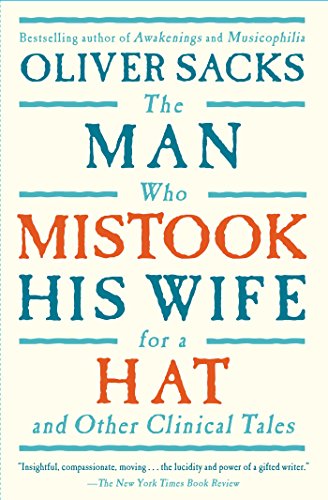 Oliver SacksThe Man Who Mistook His Wife for a HatUnforgettable clinical case studies on perception and identityListen Free On Audible
- 3
 Irvin D. YalomLove's ExecutionerRadically honest case studies on existential dread and changeListen Free On Audible
Where is oxytocin produced?
The hormone oxytocin is produced in the hypothalamus and pituitary gland. Mainly, its secretion depends on the electrical activity of the neurons in the hypothalamus, since it allows it to be released into the blood when these cells are excited. The oxytocin in the brain It acts as a chemical messenger and plays an important role in many human behaviors.
Oxytocin in men
Women tend to have higher levels of oxytocin than men because it is a key hormone in both childbirth and breastfeeding. In the men, oxytocin It usually involves an improvement in the ability to identify competitive relationships and increase the ‘fight or flight’ response. For their part, women usually lack this function of oxytocin. Furthermore, on the other hand, oxytocin in men also implies an improvement in feelings of kinship. Despite these differences, the ‘falling in love hormone’ is usually experienced the same in men and in women for everything else.
Another of the functions of oxytocin in men It is in the transport of sperm and the production of testosterone by the testicles.

Oxytocin in women
Peptide hormones such as oxytocin and vasopressin are closely linked to a wide variety of social behaviors, especially those related to maternal care, bonding with a partner, and affiliation relationships.
The oxytocin in women It is a very relevant hormone since its effects are strongly regulated by estrogen (more present in women than in men). The two main actions that oxytocin has in a woman’s body are the contraction of the womb (uterus) during childbirth and breastfeeding. In fact, oxytocin stimulates the contraction of the uterine muscles and also increases the production of prostaglandins, which further increase contractions.
What is oxytocin for?
Some of the main functions of oxytocin are the following:
- Link with others: Research shows that oxytocin draws our attention to salient cues in the environment, both positive and negative. In fact, in conditions with a low level of stress, people usually have a greater perception of well-being thanks to this hormone. On the other hand, under conditions of high stress, it could make a person tend to seek more social contact. That is, the way oxytocin affects you is due to how you interact with your environment.
- Sexuality: Oxytocin not only makes us feel good when we hug others, when we have physical contact, a hug, caress, that is neither family nor friendship, but it also plays a crucial role in our reproductive system due to that sex stimulates the release of this hormone.
- Birth: Another oxytocin trigger is childbirth. In fact, this hormone is involved in contractions, which helps the baby move.
- Breast-feeding: The connection between babies and their mothers does not end at birth. Oxytocin also stimulates lactation, facilitating the flow of milk.
- Appetite: The effects of oxytocin also play a role in our eating behavior, as well as our metabolism. In this way, oxytocin reduces activity in the hypothalamus, an area of our brain responsible for controlling hunger, and also increases activity in parts of our brain associated with controlling our impulses.
- Dream: Oxytocin can counteract the effects of cortisol, also called the stress hormone. One of the consequences of having high cortisol is precisely having insomnia or poor quality of our sleep.
Can oxytocin levels be raised?
For increase our oxytocin levels We must have good connections with others. In addition, hugs and caresses also imply an increase in this hormone.
Use this citation format to reference the article clearly and help readers find the original source.
PsychologyFor. (2024). What is Oxytocin? 6 Functions of the ‘love Hormone’. PsychologyFor. https://psychologyfor.com/what-is-oxytocin-6-functions-of-the-love-hormone/