


See more of our articles in your search results.
You catch yourself before a job interview already rehearsing how it will go wrong. You meet someone new and, within minutes, you’re mentally cataloging every reason the friendship or relationship probably won’t last. A friend shares exciting news and your very first internal reaction is a quiet, almost automatic “but what if it doesn’t work out,” even before you consciously register how deflating that thought is. If this pattern feels painfully familiar, you’ve probably wondered, more than once, whether you’re simply a pessimistic person, someone wired to expect the worst rather than hope for the best.
Carrying this mindset is genuinely exhausting, and it rarely stays contained to just one area of life. Chronic pessimism tends to seep into decision-making, relationships, career risks, and even physical health, since research consistently links a persistently negative outlook to higher stress reactivity and poorer long-term wellbeing. It’s also isolating, because friends and family sometimes respond to your worry with frustration rather than understanding, leaving you feeling both anxious about the future and guilty for feeling that way in the first place. What makes this even harder is that pessimism often masquerades as realism, convincing you that expecting disappointment is simply being smart or prepared, when in reality it’s a learned thought pattern that can be genuinely reshaped with the right tools.
So how do you actually know if you’re dealing with genuine pessimism, and more importantly, what can you actually do about it?
This article helps you recognize the signs of a pessimistic mindset and walks through ten evidence-informed tricks for building a more balanced, hopeful outlook.
What Does It Actually Mean to Be a Pessimistic Person?
Being a pessimistic person means consistently expecting negative outcomes and interpreting ambiguous situations through a lens of doubt, worry, or anticipated failure. Psychologists describe this as a stable, generalized expectation that bad things are more likely to happen than good ones, distinct from a single bad mood or a realistic concern about a genuinely risky situation.
How many of these have you been "meaning to read" for months?
- 1
 MajostaDon't Believe Everything You ThinkWhy Your Thinking Is The Beginning & End Of Suffering (Beyond Suffering)Listen Free On Audible
 - 2
 Saad, NadimHappy Confident MeDaily JOURNAL - Gratitude and Growth Mindset Journal that boosts children's happiness, self-estee...Listen Free On Audible
 - 3
 HarperPOPSelf-LoveGirl Therapy Coloring Book: A Cozy Coloring Book full of Girl Power and Self-CareListen Free On Audible
Psychologist Martin Seligman’s extensive research on explanatory style, the habitual way people interpret the causes of events in their lives, found that pessimists tend to explain negative events as permanent, pervasive, and personal, believing setbacks will last forever, affect everything, and are their own fault. Optimists, by contrast, tend to view negative events as temporary, specific, and often externally caused, which Seligman’s research linked directly to greater resilience, better physical health, and lower rates of depression over time.
It’s worth distinguishing pessimism from healthy caution or genuine risk assessment; preparing thoughtfully for a real possible setback isn’t the same as habitually assuming failure regardless of actual circumstances. The defining feature of a truly pessimistic mindset is its consistency across unrelated situations, showing up in your career, relationships, and health concerns alike, rather than being tied to one specific, justified worry.
Recognizing pessimism as a learned explanatory pattern, rather than a fixed personality trait, is genuinely important, since patterns that were learned can also be intentionally unlearned with consistent practice.
How Do You Know If You’re a Pessimistic Person? Key Signs
Recognizing genuine pessimism starts with noticing recurring patterns in how you interpret everyday events, not just occasional negative thoughts everyone experiences. Several specific, well-documented signs distinguish chronic pessimism from ordinary worry.
- Automatic negative predictions appear before new situations even begin, assuming failure or disappointment as the default outcome.
- Catastrophizing turns minor setbacks into evidence of larger, permanent problems rather than isolated, temporary events.
- Difficulty accepting compliments or good news often shows up alongside a tendency to wait for “the other shoe to drop.”
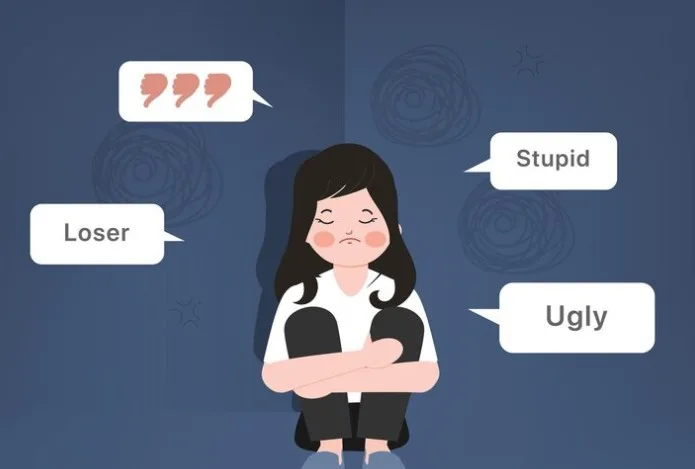
- Chronic self-criticism frames mistakes as proof of personal inadequacy rather than normal, correctable errors.
- Avoidance of new opportunities stems from an underlying belief that trying will likely lead to failure or embarrassment.
Beyond these cognitive patterns, chronic pessimism often produces measurable physical symptoms as well, including persistent low energy, disrupted sleep, and heightened stress reactivity, since the body responds to anticipated threats similarly to actual ones. Researcher and psychologist Christopher Peterson’s extensive work building on Seligman’s explanatory style framework found that people scoring high in pessimistic explanatory style also reported significantly worse physical health outcomes over decades of longitudinal follow-up, underscoring that this isn’t purely a mental or emotional issue.
A practical takeaway: for one week, simply track how often you notice an automatic negative prediction before something has actually happened, since this kind of honest self-observation often reveals the true scope of the pattern more clearly than reflecting on it abstractly.

What Causes Someone to Become a Pessimistic Person?
Pessimism typically develops through a combination of early learning experiences, temperament, and repeated life circumstances, rather than emerging from any single cause. Understanding these roots helps replace self-blame with genuine insight into how the pattern actually formed.
Children who grow up around caregivers with a persistently negative explanatory style often absorb that same interpretive pattern through modeling, learning to explain setbacks as permanent and pervasive simply because that’s what they consistently observed. Psychologist Aaron Beck’s foundational cognitive theory identified that early experiences of criticism, instability, or unpredictable caregiving can create deeply held negative core beliefs about oneself, others, and the future, beliefs that later filter how ambiguous situations get interpreted throughout adulthood.
Repeated exposure to genuinely difficult circumstances, including chronic stress, financial hardship, or a history of significant disappointment, can also reasonably shape a more guarded, pessimistic outlook, since the pattern may have originally served as a protective adaptation to real adversity. Temperament plays a role too; some research suggests a modest genetic component to general disposition and emotional reactivity, though environment and learned thinking patterns appear to exert considerably more influence over long-term outlook than inherited traits alone.
- Modeled negative explanatory style from caregivers shapes how children learn to interpret setbacks.
- Early negative core beliefs formed through criticism or instability continue filtering adult perception.
- Repeated genuine hardship can create a protective, if ultimately limiting, guarded outlook.
- Temperament and genetics contribute modestly, though learned patterns remain more influential overall.
Trick 1: Practice Cognitive Reframing to Challenge Negative Thoughts
Cognitive reframing means deliberately examining a negative thought and replacing it with a more balanced, evidence-based interpretation. This technique sits at the core of cognitive behavioral therapy and remains one of the most extensively researched tools for reducing habitual pessimism.
Psychiatrist Aaron Beck’s pioneering work on cognitive therapy established that thoughts, rather than events themselves, largely determine emotional response, meaning the same setback can feel catastrophic or manageable depending entirely on how it’s interpreted. Practicing reframing involves noticing an automatic negative thought, asking whether it reflects genuine evidence or an assumption, and then consciously generating a more accurate, balanced alternative interpretation.
For example, replacing “I always mess up important things” with “I made a mistake this time, and that doesn’t define my overall ability” directly counters the permanent, pervasive explanatory pattern Seligman identified as central to pessimism. This isn’t about forcing false positivity; it’s about correcting genuinely distorted, overly negative interpretations with more realistic ones.
A practical takeaway: keep a simple two-column log, writing the automatic negative thought on one side and a more balanced reframe on the other, since consistent written practice tends to produce more lasting change than mental reframing alone.

Trick 2: Build a Consistent Gratitude Practice
A gratitude practice involves regularly and deliberately noticing specific things you appreciate, which research consistently shows can meaningfully shift baseline mood and outlook over time. This simple technique directly counters the selective attention to negativity that characterizes chronic pessimism.
Psychologist Robert Emmons’s extensive research on gratitude found that people who regularly recorded things they were thankful for showed measurably greater life satisfaction and lower rates of depressive symptoms compared to control groups, even when their actual life circumstances hadn’t changed. The mechanism appears to involve deliberately redirecting attention; pessimism thrives on selectively noticing negative details while overlooking positive ones, and gratitude practice actively trains the opposite habit.
Effective gratitude practice tends to work best with specificity rather than vague generalities; writing “I’m grateful my coworker covered my shift so I could see my daughter’s recital” carries more psychological impact than a generic “I’m grateful for my job.” Consistency also matters more than duration, since brief daily practice tends to outperform occasional, longer sessions for building lasting change in outlook.
A practical takeaway: write down three specific things you’re grateful for each night before bed, focusing on genuine, concrete details rather than broad categories, since this specificity meaningfully strengthens the technique’s effectiveness.
Trick 3: Reframe Setbacks as Temporary Rather Than Permanent Failures
Reinterpreting setbacks as temporary, specific events rather than permanent, defining failures directly targets pessimism’s core explanatory pattern. This distinction, drawn directly from Seligman’s research, may be the single most powerful lever for genuinely shifting a pessimistic outlook.
When something goes wrong, pessimistic thinking tends to generalize the failure across time and context, concluding “this will always happen” or “I’m bad at everything” rather than accurately recognizing the setback as isolated and specific to a particular situation. Practicing the opposite interpretation, consciously identifying a setback as time-limited and situation-specific, has been shown in controlled research to measurably improve resilience and reduce the likelihood of depression following difficult events.
This doesn’t mean minimizing genuine problems or avoiding accountability; it means accurately locating a setback within its actual scope rather than allowing it to expand into a sweeping, permanent judgment about your worth or capability. A missed deadline reflects a specific, correctable circumstance, not evidence that you’re fundamentally unreliable across every area of life.
A practical takeaway: the next time you experience a setback, explicitly ask yourself three questions: is this permanent or temporary, does this affect everything or just this one situation, and is this entirely my fault or influenced by circumstances beyond my control, since this structured reflection directly interrupts the pessimistic explanatory pattern in real time.

Trick 4: Practice Acts of Kindness to Shift Self-Perception
Deliberately performing small acts of kindness toward others has a measurable, well-documented effect on reducing negative self-focus and improving overall mood. This trick works partly by interrupting the internal, self-critical rumination that often fuels pessimistic thinking.
Research on prosocial behavior consistently shows that helping others activates reward-related brain circuitry and reliably improves the helper’s own mood and sense of self-worth, creating what researchers sometimes describe as a “helper’s high.” This effect appears to work independently of whether the kind act is reciprocated, suggesting the benefit comes primarily from the act of giving itself rather than external validation.
For someone caught in a pessimistic thought spiral, shifting attention outward toward another person’s needs can provide genuine relief from the exhausting internal loop of anticipated failure and self-doubt. This isn’t about ignoring your own struggles; it’s about creating brief, meaningful breaks from rumination that also happen to build genuine connection and positive self-regard.
A practical takeaway: commit to one small, specific act of kindness each day this week, such as genuinely complimenting a colleague’s work or helping a neighbor with a task, and notice whether your overall mood shifts even modestly afterward.
Trick 5: Find a Healthy Outlet for Negative Emotions
Finding a constructive outlet for negative emotions means channeling difficult feelings into productive activity rather than suppressing them or letting them spiral unchecked. Suppression, counterintuitively, tends to intensify negative emotion over time rather than resolving it.
Physical exercise remains one of the most well-researched outlets for processing stress and negative emotion, with numerous studies demonstrating that regular aerobic activity measurably reduces symptoms of both depression and anxiety, conditions closely intertwined with chronic pessimism. Creative expression, including writing, art, or music, offers another well-documented outlet, allowing difficult emotions to be processed and externalized rather than remaining trapped in unproductive internal rumination.
The key distinction between a healthy outlet and unhealthy venting lies in whether the activity actually processes and releases the emotion or simply rehearses and intensifies it; repeatedly complaining about the same grievance without any resolution or new perspective, for instance, tends to reinforce negative thinking patterns rather than relieve them. Choosing an outlet that engages your body or creativity, rather than purely verbal rumination, tends to produce more genuine relief.
A practical takeaway: identify one physical or creative outlet you can turn to specifically when negative thoughts feel overwhelming, whether that’s a short walk, journaling, or playing an instrument, and use it proactively rather than waiting until distress becomes unmanageable.

Trick 6: Practice Self-Compassion Instead of Harsh Self-Talk
Practicing self-compassion means treating yourself with the same understanding and patience you’d naturally extend to a friend facing a similar struggle. This directly counters the harsh, critical inner voice that frequently accompanies chronic pessimism.
Psychologist Kristin Neff’s extensive research on self-compassion demonstrated that people who treat themselves kindly during moments of perceived failure show measurably better emotional resilience and lower rates of anxiety and depression compared to those who respond with harsh self-criticism. Her research specifically found that self-compassion, unlike simple positive self-esteem, doesn’t depend on constant success or external validation, making it a more stable, sustainable foundation for improving outlook over time.
A practical way to build this skill involves noticing your internal dialogue during a setback and consciously asking whether you’d speak to a close friend the way you’re currently speaking to yourself; the gap between these two responses often reveals just how disproportionately harsh self-talk tends to be. Over time, deliberately practicing this friendlier internal voice can meaningfully soften the automatic negativity that fuels pessimistic thinking.
A practical takeaway: the next time you catch yourself in harsh self-criticism, pause and rewrite the exact same thought as though you were comforting a friend experiencing the identical situation, then say that revised version to yourself instead.
Trick 7: Stop Labeling Yourself as “a Pessimist”
Releasing the fixed identity label of “pessimist” opens genuine psychological space for change, since believing a trait is a permanent, unchangeable part of your identity tends to reinforce the very pattern you’re trying to shift. This trick addresses the story you tell about yourself, not just individual thoughts.
Psychologist Carol Dweck’s influential research on growth mindset demonstrated that believing personal traits and abilities are fixed and unchangeable significantly reduces motivation to actually attempt change, while believing traits are malleable and improvable measurably increases resilience and effort following setbacks. Applied directly to pessimism, continuing to identify yourself as “a pessimistic person” as though it were an immutable fact can inadvertently discourage the very effort needed to build a more balanced outlook.
Reframing this internal narrative from “I am a pessimist” to “I’ve developed some pessimistic thinking patterns that I’m actively working to change” creates meaningful psychological distance between your core identity and a specific, changeable habit. This subtle linguistic shift genuinely matters, since it transforms an apparently fixed trait into a workable, temporary pattern.
A practical takeaway: consciously replace any internal or spoken statement like “I’m just a negative person” with “I’m working on shifting some negative thinking patterns,” since language shapes belief, and belief shapes the effort you’re willing to invest in genuine change.
Trick 8: Surround Yourself With Optimistic, Supportive People
Deliberately spending more time around genuinely optimistic, supportive people can measurably influence your own outlook through a well-documented psychological phenomenon called emotional contagion. Social environment plays a far larger role in shaping outlook than most people initially assume.
Research on social networks and emotional influence has found that mood and outlook can spread measurably through social connections, meaning consistent exposure to people who model resilience, hope, and balanced thinking genuinely shapes your own patterns over time, just as consistent exposure to chronic negativity can reinforce pessimism. This doesn’t mean avoiding people going through genuinely difficult times; it means being intentional about your broader social environment and limiting excessive time with relationships built primarily around shared complaint and negativity.
Building or strengthening relationships with people who demonstrate healthy coping and realistic hope offers a genuinely practical, low-effort way to support your own developing outlook, since their modeled responses to setbacks provide concrete examples you can learn from and gradually internalize.
A practical takeaway: identify one relationship in your life that consistently reinforces negative thinking and one that consistently models balanced, hopeful coping, then deliberately increase time spent in the latter while setting reasonable boundaries around the former.
Trick 9: Build a Support System You Can Lean On
Having someone trustworthy to talk to during difficult moments provides genuine psychological relief and helps interrupt isolated rumination before it spirals into deeper pessimism. Social support remains one of the most consistently documented protective factors across all mental health research.
Sharing difficult thoughts and feelings with a trusted friend, family member, or therapist allows for external perspective that’s often impossible to access while caught inside your own anxious thinking, since other people can more easily spot cognitive distortions like catastrophizing or overgeneralization than you can while experiencing them yourself. This external check functions similarly to the cognitive reframing discussed earlier, but with the added benefit of genuine human connection and validation.
For some people, this support comes through existing relationships; for others, particularly when pessimism feels deeply entrenched or connected to broader anxiety or depression, working with a licensed therapist offers more structured, consistent support specifically designed to address these patterns. Seeking this kind of help reflects genuine self-awareness and strength, not an inability to manage things independently.
A practical takeaway: identify one specific person you trust enough to share difficult thoughts with regularly, and if no such relationship currently feels available or sufficient, consider this a genuine signal worth discussing with a mental health professional.

Trick 10: Include Regular Movement and Present-Moment Practices in Your Routine
Incorporating regular physical movement and mindfulness-based present-moment practices directly targets both the physiological and cognitive dimensions of chronic pessimism. This combined approach addresses the whole-body experience of negative thinking, not just its mental content.
Extensive research consistently links regular physical activity to reduced symptoms of anxiety and depression, conditions that frequently accompany and reinforce chronic pessimistic thinking, likely through mechanisms including improved stress hormone regulation and increased production of mood-supporting neurotransmitters. Separately, mindfulness practices, which involve deliberately focusing attention on present-moment sensations rather than future-oriented worry, have been shown in numerous controlled studies to reduce rumination, one of the specific cognitive habits most strongly associated with pessimistic thinking.
Pessimism thrives heavily on anticipating future negative outcomes, which makes present-moment awareness practices particularly well-suited as a direct countermeasure, since they interrupt the mental habit of projecting worry forward in time. Even brief, consistent practice, rather than occasional lengthy sessions, tends to produce more meaningful, lasting change in overall thought patterns.
A practical takeaway: pair a short daily walk with five minutes of focused breathing or present-moment awareness immediately afterward, combining the physiological benefits of movement with the cognitive benefits of mindfulness in one consistent, sustainable daily habit.
FAQs about Being a Pessimistic Person
How can I tell if I’m actually pessimistic or just being realistic?
The key distinction lies in consistency and evidence: genuine pessimism shows up as a habitual pattern across unrelated situations, regardless of actual circumstances, while realistic caution responds proportionately to genuine, specific risk factors. If you notice yourself automatically predicting failure before new situations even begin, consistently interpreting setbacks as permanent and pervasive, or struggling to accept good news without immediately anticipating something going wrong, these patterns point toward pessimism rather than accurate realism. Tracking your predictions against actual outcomes over a few weeks can also help clarify whether your expectations reflect genuine evidence or an ingrained negative bias.
Can a pessimistic person actually become more optimistic?
Yes, psychological research consistently supports that explanatory style and outlook are genuinely changeable through consistent practice, not fixed personality traits set in stone. Techniques like cognitive reframing, gratitude practice, and challenging permanent or pervasive interpretations of setbacks have all demonstrated measurable effectiveness in shifting habitual thought patterns over time. Change typically requires sustained, deliberate effort rather than a single insight, similar to building any new skill, but genuine, lasting improvement in outlook is well within reach for most people willing to practice these evidence-based techniques consistently.
Is pessimism linked to depression or anxiety?
Yes, chronic pessimism shares a significant, well-documented relationship with both depression and anxiety, though experiencing pessimistic thinking doesn’t automatically mean you have a diagnosable condition. Pessimistic explanatory style, particularly the tendency to view setbacks as permanent, pervasive, and personal, has been specifically linked in research to increased vulnerability to depressive episodes. If pessimistic thinking is accompanied by persistent low mood, excessive worry, or significant interference with daily functioning, these additional symptoms may indicate an underlying condition warranting professional evaluation rather than pessimism alone.
Why do I feel like I need to prepare for the worst all the time?
This pattern often develops as a protective mechanism, sometimes originating from earlier experiences of genuine disappointment, instability, or unpredictable circumstances where anticipating negative outcomes felt like a reasonable way to stay prepared and avoid being caught off guard. While understandable as an origin story, this constant anticipation of worst-case scenarios typically creates more chronic stress and anxiety than it actually prevents, since the body responds to anticipated threats similarly to real ones. Working on reframing setbacks as temporary and specific, rather than assuming disaster is always imminent, can help gradually reduce this exhausting, constant vigilance.
Does surrounding myself with optimistic people really make a difference?
Yes, research on emotional contagion demonstrates that mood and outlook genuinely spread through social connections, meaning consistent time spent around people who model resilience and balanced thinking can measurably influence your own patterns over time. This doesn’t mean avoiding people experiencing genuine hardship, but it does suggest being intentional about relationships built primarily around shared complaint or chronic negativity. Deliberately strengthening connections with people who demonstrate healthy coping provides concrete, observable examples of balanced thinking that you can gradually internalize into your own outlook.
When should I seek professional help for pessimistic thinking?
Professional support becomes particularly valuable when pessimistic thinking significantly interferes with daily functioning, relationships, or career decisions, or when it’s accompanied by persistent low mood, excessive worry, or other symptoms of depression or anxiety. A therapist trained in cognitive behavioral therapy can help identify specific, ingrained thought patterns and provide structured, personalized strategies for addressing them more effectively than self-help techniques alone in more entrenched cases. Seeking this kind of support reflects genuine self-awareness and strength, and it’s a reasonable step if pessimistic thinking has persisted despite consistent effort using strategies like the ones outlined here.
Bibliography
- Seligman, M. E. P. (2006). Learned Optimism: How to Change Your Mind and Your Life. Vintage Books.
- Peterson, C., & Seligman, M. E. P. (1988). Explanatory style and illness. Journal of Personality.
- Beck, A. T. (1976). Cognitive Therapy and the Emotional Disorders. International Universities Press.
- Emmons, R. A., & McCullough, M. E. (2003). Counting blessings versus burdens: An experimental investigation of gratitude and subjective well-being in daily life. Journal of Personality and Social Psychology.
- Neff, K. D. (2011). Self-Compassion: The Proven Power of Being Kind to Yourself. William Morrow.
- Dweck, C. S. (2006). Mindset: The New Psychology of Success. Random House.
- American Psychological Association. Cognitive Behavioral Therapy Fact Sheet.
Use this citation format to reference the article clearly and help readers find the original source.
PsychologyFor. (2026). Am I a Pessimistic Person? 10 Tricks to End Your Dark Side. PsychologyFor. https://psychologyfor.com/am-i-a-pessimistic-person-10-tricks-to-end-your-dark-side/