


See more of our articles in your search results.
Vacations are normally understood as a period dedicated to rest, in which we can disconnect from the daily hustle and bustle and immerse ourselves in moments of rest and fun. However, there always comes a time when these end, and the clock once again marks the beginning of a stage: the return to studies. These changes of pace can be overwhelming, as it means leaving behind the comfort of doing nothing and recommitting to learning and discipline.
Tips to perform again in studies after the holidays
In this article, we are going to propose six tips for guitar in the process of resuming your studies after the holidays, promoting you to do so with renewed energy and focus after this well-deserved break. Through planning strategies, effective study habits, and self-care, you will discover how to turn this challenge into an opportunity to grow both academically and personally.
1. Strategic planning
Planning plays a crucial role in the transition from vacation to study. Before diving into books and notes, it is essential spend time drawing up a strategic plan that establishes the foundations for your return to the academic routine This involves creating a calendar that distributes your study hours in a balanced manner throughout the week, as well as setting short and medium-term goals.
A well-designed calendar will not only allow you to visualize your academic commitments, but also your extracurricular activities and moments of rest. This orderly distribution of your time will prevent burnout and help you maintain a balanced perspective between your responsibilities and your moments of relaxation.
2. Revive your routines
One of the fundamental pillars to reestablish your routines is to establish regular times to wake up, eat and sleep During the holidays, it’s common for sleeping and eating schedules to become more flexible, which can affect your internal clock and energy level. When returning to your studies, it is crucial to set a wake-up time that allows you to start your day with enough time to prepare and stay alert during your study sessions.
How many of these have you been "meaning to read" for months?
- 1
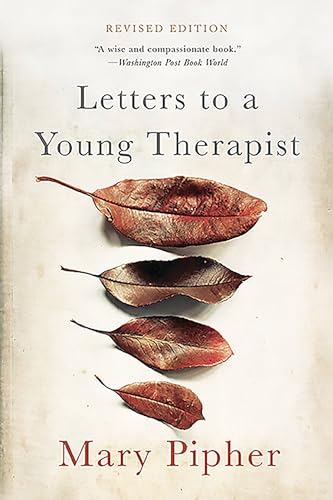 Mary PipherLetters to a Young TherapistWarm wisdom on boundaries, longevity, and clinical self-careListen Free On Audible
- 2
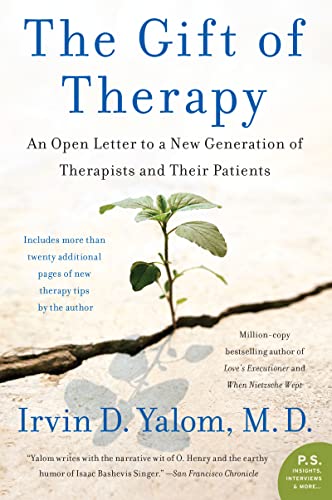 Irvin D. YalomThe Gift of Therapy85 practical, warm clinical insights from a master therapistListen Free On Audible
- 3
 Lori GottliebMaybe You Should Talk to SomeoneA bestselling memoir on the shared humanity of therapist and clientListen Free On Audible
Also, keep consistent times for your main meals. Proper nutrition directly influences your ability to concentrate and your energy level. Avoid heavy meals before studying and opt for balanced options that give you the energy necessary to maintain optimal performance.
3. Adequate study space
A neat and organized study space is key to maintaining concentration and focus. Before resuming your studies, spend time organizing your materials. Organize your books, notes and writing tools so that they are within reach and do not become an obstacle during your study sessions A clear desk reduces the temptation to be distracted by irrelevant objects and helps you keep a clear mind.
4. Review and recap
After a period of rest, it is normal for certain details to fade from your memory. Before diving into new content, spend time reviewing your notes and previous materials This will refresh your memory and help you make connections between what you already know and what you are about to learn. Revision puts you in a receptive state of mind, which improves the assimilation of new information.
Recapitulation not only means reviewing, but also deepening your knowledge. As you review your notes, try to summarize the concepts in your own words. This reframing technique forces you to really understand what you are studying and internalize it. You can create schematics or concept maps that visualize the structure and relationships between concepts, which will make them easier to remember in the future.
5. Set realistic goals
One of the common mistakes when returning to school is wanting to make up for lost time immediately. However, trying to tackle all the backlogged tasks at once can be overwhelming. Instead, break your goals into smaller, more manageable steps. Set daily or weekly goals that allow you to progress gradually. This approach will give you a constant sense of accomplishment and motivate you to keep going
Setting realistic goals allows you to celebrate achievements along the way to your ultimate goal. Every time you reach a milestone, take a moment to celebrate your success. This reinforces your motivation and reminds you that you are moving in the right direction. It is important to recognize that goals are not rigid. If you realize that a goal is too ambitious or doesn’t fit your current situation, don’t be afraid to adjust it. Adapting your goals as you progress helps you maintain a realistic approach and allows you to make corrections based on your experiences and progress.
6. Incorporate breaks and self-care
Mental fatigue is a common obstacle when studying for long periods. Instead of fighting it, embrace it with strategic breaks. Schedule short, regular breaks during your study sessions. Get up, stretch your legs, drink water, or do a short activity that relaxes you. These breaks help recharge your mind and improve your concentration when you return to your tasks
Technology can be a valuable tool for studying, but it can also be a source of distraction. Set times of the day when you will disconnect from social networks and notifications. This will allow you to focus on your studies without interruptions and prevent technology from becoming an obstacle to your productivity.
Sustainable academic performance is based on the balance between study and leisure. Don’t underestimate the importance of spending time on activities that relax you and make you happy. Free time well spent helps you recharge your batteries and reduce the stress accumulated from studying. Enjoying your hobbies and spending time with friends and family also contributes positively to your mental health.
Use this citation format to reference the article clearly and help readers find the original source.
PsychologyFor. (2024). 6 Tips to Perform Again in Studies After Vacation. PsychologyFor. https://psychologyfor.com/6-tips-to-perform-again-in-studies-after-vacation/