


See more of our articles in your search results.
The hardest part is that anxiety often creates the exact habits that keep it going. You avoid the call, check the lock again, search a symptom one more time, or postpone the situation until you feel ready. Relief arrives briefly. Then the fear returns stronger, because the brain has learned that avoidance was necessary for safety. Books cannot replace therapy, medication, diagnosis, or emergency support, but the right evidence-based book can help you understand anxiety cycles and practice useful skills alongside professional care.
So which books offer genuine tools for handling worry, panic, and avoidance?
This guide reviews 21 books to overcome and conquer anxiety, including clinical workbooks, neuroscience, memoir, mindfulness, and practical self-help.
21 Books to Overcome and Conquer Anxiety
Verified Top Picks- 1
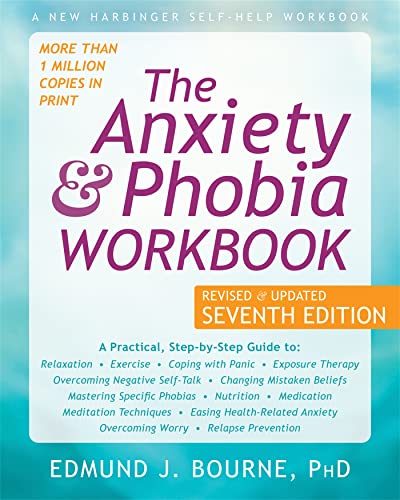 Edmund J. Bourne The Anxiety and Phobia Workbook A comprehensive guide offering practical worksheets, relaxation techniques, and exposure exercisesCHECK TODAY'S PRICE
 - 2
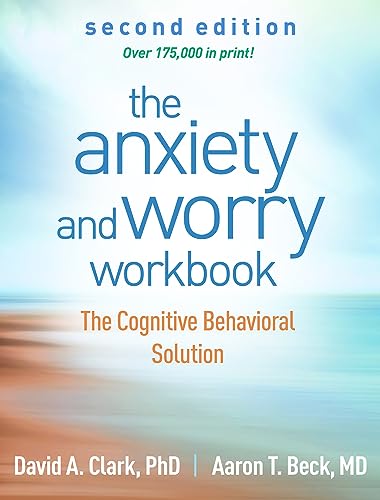 David A. Clark & Aaron T. Beck The Anxiety and Worry Workbook Applying cognitive behavioral therapy directly to chronic worry and catastrophic thinkingCHECK TODAY'S PRICE
 - 3
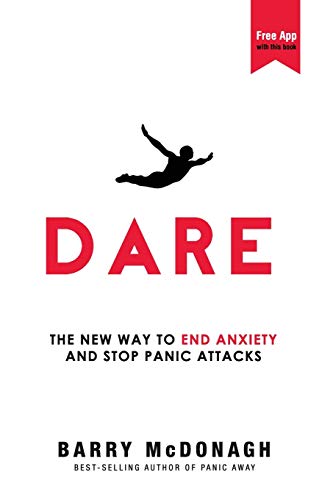 Barry McDonagh DARE: The New Way to End Anxiety and Stop Panic Attacks A fast-acting 4-step framework to face fear, overcome panic, and stop reassurance loopsCHECK TODAY'S PRICE
 - 4
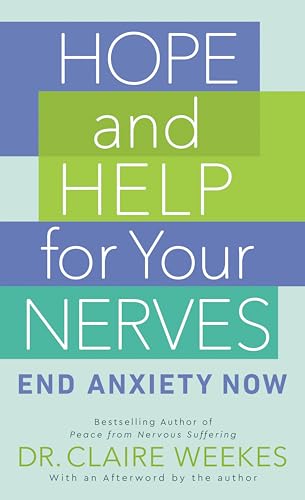 Claire Weekes Hope and Help for Your Nerves The classic compassionate guide for accepting bodily sensations and overcoming nervous exhaustionCHECK TODAY'S PRICE
 - 5
 David A. Carbonell The Worry Trick Unmasking how repetitive catastrophic thinking tricks the mind into endless worry cyclesCHECK TODAY'S PRICE
 - 6
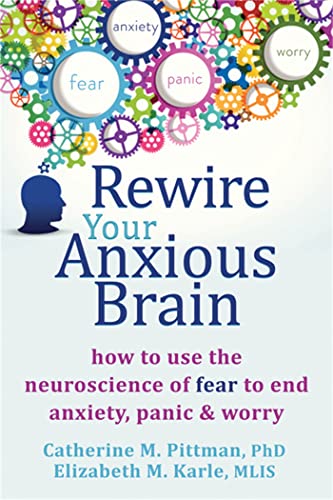 Catherine M. Pittman & Elizabeth M. Karle Rewire Your Anxious Brain A neuroscience guide explaining amygdala versus cortex-based anxiety pathways and conditioningCHECK TODAY'S PRICE
 - 7
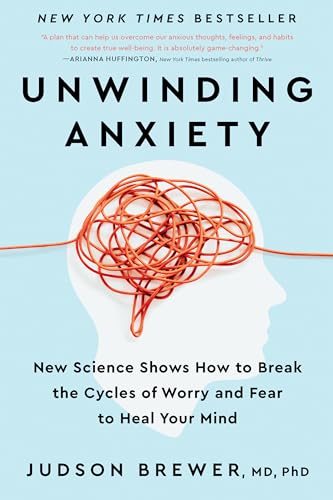 Judson Brewer Unwinding Anxiety Breaking the habit loops of worry, compulsive checking, and reassurance using mindfulnessCHECK TODAY'S PRICE
 - 8
 Alice Boyes The Anxiety Toolkit Practical, flexible behavioral strategies targeting perfectionism, avoidance, and overthinkingCHECK TODAY'S PRICE
 - 9
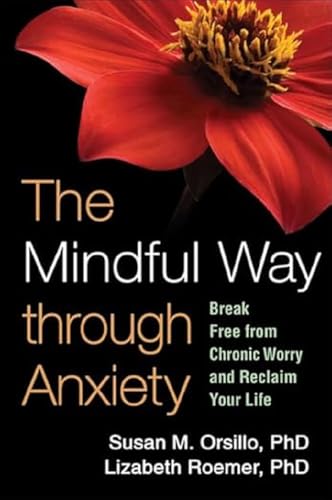 Susan M. Orsillo & Lizabeth Roemer The Mindful Way Through Anxiety Integrating mindfulness with acceptance-based behavioral therapy to live a values-guided lifeCHECK TODAY'S PRICE
 - 10
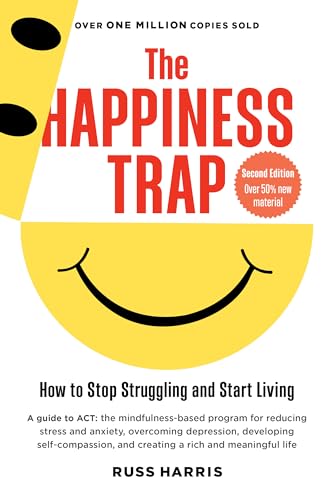 Russ Harris The Happiness Trap Acceptance and Commitment Therapy (ACT) skills and cognitive defusion to stop fighting emotionsCHECK TODAY'S PRICE
 - 11
 David D. Burns Feeling Good: The New Mood Therapy Pioneering cognitive distortion reframing, thought records, and evidence testing for anxietyCHECK TODAY'S PRICE
 - 12
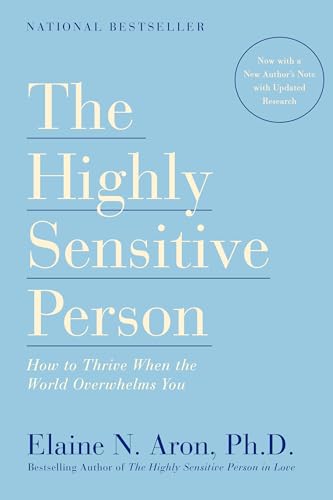 Elaine N. Aron The Highly Sensitive Person Distinguishing sensory-processing sensitivity and high sensitivity from chronic anxiety disordersCHECK TODAY'S PRICE
 - 13
 Sarah Wilson First, We Make the Beast Beautiful A deeply personal, validating memoir exploring anxiety as a companion rather than a lifelong enemyCHECK TODAY'S PRICE
 - 14
 Suzanne Jessee Dare to Be You Practical boundary-setting and self-permission tools to break people-pleasing and self-doubtCHECK TODAY'S PRICE
 - 15
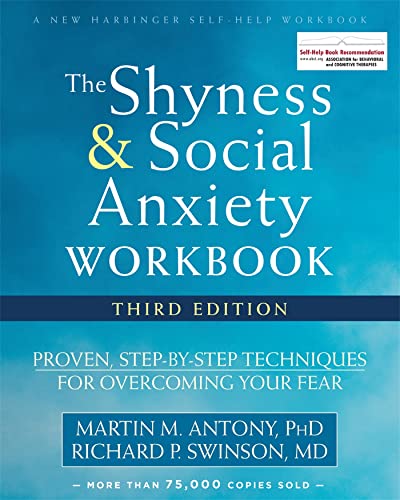 Martin M. Antony & Richard P. Swinson The Shyness and Social Anxiety Workbook Structured CBT exercises and gradual exposure hierarchies for social avoidance and fear of judgmentCHECK TODAY'S PRICE
 - 16
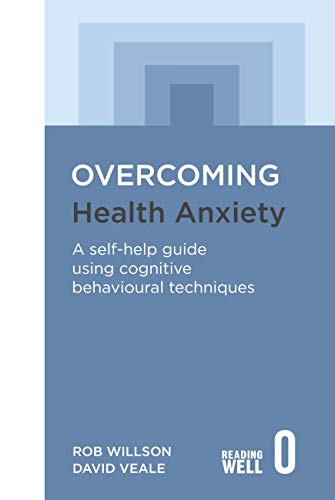 Rob Willson & David Veale Overcoming Health Anxiety Targeting compulsive symptom checking, cyberchondria, and health-related reassurance seekingCHECK TODAY'S PRICE
 - 17
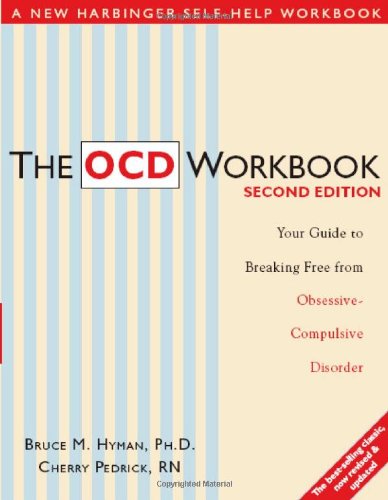 Elena A. Eadie & Michael D. MacKinnon Overcoming Panic and Agoraphobia A structured program focusing on desensitization to bodily sensations and overcoming agoraphobiaCHECK TODAY'S PRICE
 - 18
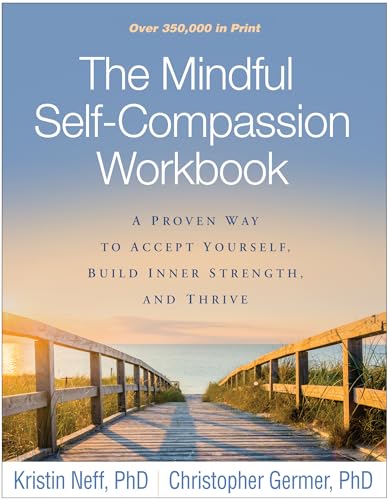 Kristin Neff & Christopher Germer The Mindful Self-Compassion Workbook Practical exercises to dismantle harsh internal self-criticism and reduce secondary anxiety shameCHECK TODAY'S PRICE
 - 19
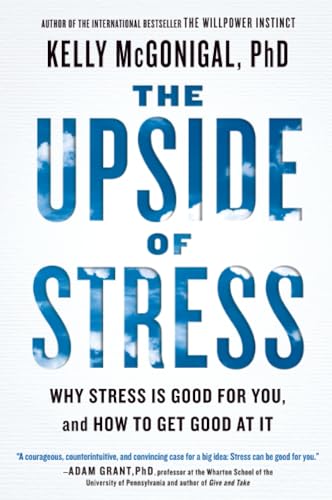 Kelly McGonigal The Upside of Stress Transforming your relationship with stress by adopting a flexible, empowering physiological mindsetCHECK TODAY'S PRICE
 - 20
 Jennifer Shannon The Anxiety Survival Guide for Teens Adapting CBT and acceptance skills specifically for adolescents facing perfectionism and social pressureCHECK TODAY'S PRICE
 - 21
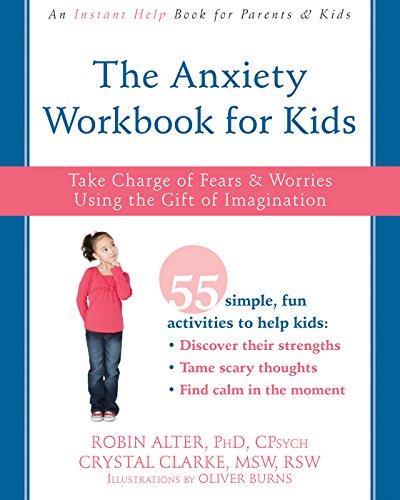 Robin Alter & Crystal Clarke The Anxiety Workbook for Kids Age-appropriate activities and body-awareness exercises to help children understand worryCHECK TODAY'S PRICE
What Makes an Anxiety Book Actually Helpful?
Helpful anxiety books explain the mechanisms behind fear while offering structured, repeatable practices such as cognitive restructuring, gradual exposure, mindfulness, or behavioral activation. They do not promise that worry will disappear overnight.
The most useful titles acknowledge that different anxiety problems require different approaches. Cognitive behavioral therapy may help someone challenge catastrophic thinking, while exposure-based work targets avoidance, and acceptance-based approaches help people stop fighting ordinary uncertainty. A good book gives language to your experience without inviting you to self-diagnose.
- Look for books grounded in evidence-based therapy, not vague reassurance
- Choose a workbook if you want exercises and a memoir if you need validation
- Use books as a complement to, not a substitute for, professional mental health care
The 21 Best Books to Understand and Overcome Anxiety
These books cover generalized anxiety, panic, phobias, obsessive worry, health anxiety, social anxiety, and the practical psychology of calming an overactive threat system.
1. The Anxiety and Phobia Workbook — Edmund J. Bourne
The Anxiety and Phobia Workbook by psychologist Edmund J. Bourne is a comprehensive, structured guide covering panic, phobias, worry, relaxation, exposure, and lifestyle factors that can affect anxiety.
It is practical rather than literary. Readers who want worksheets, self-assessments, and a broad menu of anxiety-management techniques will find it especially useful.
- Covers panic, phobias, and generalized anxiety
- Includes structured self-assessments
- Offers evidence-informed exercises for daily practice
2. The Anxiety and Worry Workbook — David A. Clark and Aaron T. Beck
The Anxiety and Worry Workbook by David A. Clark and Aaron T. Beck applies cognitive behavioral therapy directly to chronic worry, helping readers identify assumptions that turn uncertainty into catastrophe.
The exercises focus on testing anxious predictions rather than simply repeating positive thoughts. That distinction matters because cognitive restructuring works through evidence, not forced optimism.
- Uses established CBT principles
- Targets catastrophic predictions and excessive worry
- Includes practical thought-record exercises
3. DARE: The New Way to End Anxiety and Stop Panic Attacks — Barry McDonagh
DARE by Barry McDonagh encourages readers to respond to anxious sensations with less resistance, using a four-step framework that emphasizes facing fear rather than endlessly seeking reassurance.
Its style is direct and accessible. Readers with panic symptoms may find the focus on allowing sensations rather than fighting them a useful complement to exposure-based practice.
- Uses a concise four-step anxiety framework
- Targets panic-related avoidance and reassurance-seeking
- Encourages a less fearful response to body sensations
4. Hope and Help for Your Nerves — Claire Weekes
Hope and Help for Your Nerves by physician Claire Weekes remains a classic guide to panic and nervous exhaustion, centered on accepting anxious sensations rather than escalating the fight against them.
Weekes’s language is reassuring without becoming dismissive. Her approach helped shape later acceptance-focused work on panic recovery.
- Explains panic symptoms in compassionate language
- Promotes acceptance of anxious sensations
- Offers a classic framework for nervous exhaustion
5. The Worry Trick — David A. Carbonell
The Worry Trick by psychologist David A. Carbonell explains how anxiety convinces people that repetitive thinking is protective, even when that thinking is making the problem worse.
Carbonell distinguishes useful problem-solving from compulsive worry, offering tools for recognizing when the mind has started performing its familiar anxiety trick.
- Separates productive planning from compulsive worry
- Explains why reassurance can maintain anxiety
- Useful for chronic overthinking
6. Rewire Your Anxious Brain — Catherine M. Pittman and Elizabeth M. Karle
Rewire Your Anxious Brain by Catherine M. Pittman and Elizabeth M. Karle explains anxiety through the relationship between the amygdala, cortex, conditioning, and learned threat responses.
It is especially useful for readers who want a neuroscience-based explanation of why fear can feel immediate even when they know logically that they are safe.
- Explains the role of the amygdala in fear
- Connects conditioning to anxiety habits
- Offers brain-based tools for changing responses
7. Unwinding Anxiety — Judson Brewer
Unwinding Anxiety by psychiatrist Judson Brewer focuses on anxiety as a habit loop, using mindfulness and curiosity to weaken the cycle of trigger, behavior, short relief, and repeated worry.
Brewer’s model is especially relevant for people who find themselves trapped in compulsive checking, avoidance, or reassurance-seeking.
- Frames anxiety as a learned habit loop
- Uses mindfulness and curiosity practices
- Targets compulsive checking behaviors
8. The Anxiety Toolkit — Alice Boyes
The Anxiety Toolkit by psychologist Alice Boyes provides short, practical strategies for perfectionism, overthinking, avoidance, and social discomfort.
Its strengths are specificity and flexibility. Rather than presenting one solution for all anxiety, Boyes gives readers a collection of behavioral tools to test in their own lives.
- Targets perfectionism and avoidance
- Offers concise, flexible strategies
- Useful for everyday social discomfort
9. The Mindful Way Through Anxiety — Susan M. Orsillo and Lizabeth Roemer
The Mindful Way Through Anxiety by Susan M. Orsillo and Lizabeth Roemer integrates mindfulness with acceptance-based behavioral therapy, helping readers make room for discomfort while acting according to their values.
The aim is not to eliminate every anxious thought. It is to reduce anxiety’s control over daily choices.
- Integrates mindfulness with acceptance-based practice
- Focuses on values-guided action
- Reduces anxiety’s influence over daily choices
10. The Happiness Trap — Russ Harris
The Happiness Trap by physician Russ Harris introduces acceptance and commitment therapy, showing how the struggle to eliminate unpleasant thoughts can often make them stronger.
Harris offers defusion exercises that help readers see thoughts as passing mental events, not commands or facts requiring immediate obedience.
- Introduces acceptance and commitment therapy
- Teaches cognitive defusion skills
- Focuses on values rather than constant emotional control
11. Feeling Good: The New Mood Therapy — David D. Burns
Feeling Good by psychiatrist David D. Burns is primarily associated with depression, but its cognitive behavioral worksheets are also useful for anxious thinking patterns such as catastrophizing and mind reading.
It teaches readers to test automatic thoughts against evidence rather than accepting every fearful prediction as reality.
- Explains common cognitive distortions
- Uses structured thought records
- Helpful for catastrophic thinking
12. The Highly Sensitive Person — Elaine N. Aron
The Highly Sensitive Person by psychologist Elaine N. Aron explores sensory-processing sensitivity, helping readers distinguish between anxiety and a temperament marked by deeper processing and environmental sensitivity.
For some readers, understanding this difference reduces shame and supports more effective self-care boundaries.
- Explores sensory-processing sensitivity
- Distinguishes temperament from anxiety disorder
- Supports practical self-care boundaries
13. First, We Make the Beast Beautiful — Sarah Wilson
First, We Make the Beast Beautiful by Sarah Wilson combines memoir, interviews, and research on living with anxiety, framing it as an experience to understand rather than simply defeat.
Its personal style may be especially validating for readers who need reassurance that they are not alone in their anxiety experience.
- Combines memoir with research and interviews
- Normalizes living alongside anxiety
- Offers a validating personal perspective
14. Dare to Be You — Suzanne Jessee
Dare to Be You by therapist Suzanne Jessee addresses anxiety, self-doubt, and people-pleasing through practical reflection and boundary-setting exercises.
It is particularly relevant for readers whose anxiety appears through excessive responsibility for other people’s reactions and a weak sense of personal permission.
- Targets people-pleasing and self-doubt
- Includes boundary-setting reflection
- Supports stronger personal permission
15. The Shyness and Social Anxiety Workbook — Martin M. Antony and Richard P. Swinson
The Shyness and Social Anxiety Workbook by psychologists Martin M. Antony and Richard P. Swinson offers cognitive behavioral exercises specifically for fear of judgment, social avoidance, and performance anxiety.
Its structured format works well for readers who want gradual exposure plans instead of broad self-help advice.
- Targets social avoidance and fear of judgment
- Includes gradual exposure exercises
- Uses a structured CBT workbook format
16. Overcoming Health Anxiety — Rob Willson and David Veale
Overcoming Health Anxiety by Rob Willson and David Veale addresses repeated symptom checking, internet searching, reassurance-seeking, and fear of undetected illness.
The book helps readers distinguish reasonable healthcare behavior from compulsive patterns that keep the health anxiety cycle active.
- Targets symptom checking and online reassurance-seeking
- Uses evidence-based CBT methods
- Distinguishes care-seeking from compulsive checking
17. Overcoming Panic and Agoraphobia — Elena A. Eadie and Michael D. MacKinnon
Overcoming Panic and Agoraphobia offers a structured program for panic attacks, fear of bodily sensations, and avoidance of places where escape feels difficult.
Its focus on gradual practice can help readers understand why avoiding feared situations creates temporary relief while maintaining long-term panic.
- Targets panic attacks and agoraphobia
- Explains fear of bodily sensations
- Uses gradual exposure practice
18. The Mindful Self-Compassion Workbook — Kristin Neff and Christopher Germer
The Mindful Self-Compassion Workbook by psychologist Kristin Neff and Christopher Germer offers exercises for responding to anxiety and self-criticism with care rather than harsh internal judgment.
For many anxious people, reducing the secondary layer of shame about feeling anxious is a meaningful part of emotional recovery.
- Builds practical self-compassion skills
- Targets harsh internal self-criticism
- Supports emotional recovery through mindfulness
19. The Upside of Stress — Kelly McGonigal
The Upside of Stress by health psychologist Kelly McGonigal challenges the assumption that every stress response is harmful, exploring how beliefs about stress can shape its effects.
The book does not claim severe anxiety is beneficial. Instead, it offers a more flexible framework for interpreting ordinary stress responses.
- Explores beliefs about stress and health
- Distinguishes ordinary stress from clinical anxiety
- Encourages a more flexible stress mindset
20. The Anxiety Survival Guide for Teens — Jennifer Shannon
The Anxiety Survival Guide for Teens by therapist Jennifer Shannon adapts cognitive behavioral and acceptance skills specifically for adolescents experiencing worry, panic, perfectionism, and social pressure.
Its direct style avoids talking down to young people while giving them a usable language for anxious thoughts and avoidance.
- Designed specifically for teenagers
- Addresses perfectionism and social pressure
- Offers accessible tools for anxious thoughts
21. The Anxiety Workbook for Kids — Robin Alter and Crystal Clarke
The Anxiety Workbook for Kids by Robin Alter and Crystal Clarke uses age-appropriate exercises to help children identify worry, body sensations, coping skills, and supportive adults.
It can be useful as a conversation starter for families, though significant symptoms should always be discussed with a qualified child mental health professional.
- Uses child-friendly activities and language
- Helps identify body signs of anxiety
- Supports conversations with a trusted adult
Why Does Anxiety Keep Returning?
Anxiety persists because avoidance, checking, reassurance-seeking, and escape behaviors produce immediate relief, teaching the brain that the feared situation was dangerous even when it was not.
This is called negative reinforcement: a behavior becomes more likely because it removes discomfort in the short term. Avoiding a crowded shop can relieve panic for an hour, for example, but it also prevents the brain from learning that the shop was survivable.
Books grounded in exposure and cognitive behavioral therapy target this cycle directly. They encourage gradual, supported contact with feared sensations or situations so the threat system can update its predictions.
- Avoidance creates short relief but maintains anxiety
- Reassurance can become a compulsive habit
- Gradual exposure helps update threat predictions
What Is the Difference Between Worry, Panic, and Phobia?
Worry usually involves repeated future-focused thinking, panic involves sudden surges of intense fear and body sensations, and phobias involve persistent fear of a specific object, setting, or situation.
These experiences can overlap. Someone with generalized anxiety may worry about many areas of life, while someone with panic disorder may become afraid of the sensations of panic itself. A person with a phobia may avoid flying, driving, needles, or social situations because the anticipated fear feels unbearable.
Different books are useful for different patterns. The Anxiety and Worry Workbook focuses more on chronic worry, while the Anxiety and Phobia Workbook and panic-focused guides emphasize exposure-based techniques.
- Worry focuses on future uncertainty
- Panic involves intense body sensations
- Phobias center on specific feared situations
How Does Cognitive Behavioral Therapy Help With Anxiety?
Cognitive behavioral therapy helps people identify the relationship between situations, thoughts, emotions, body sensations, and behavior, then practice new responses that weaken anxiety-maintaining cycles.
CBT does not require pretending everything is safe or easy. Instead, it asks more precise questions: What evidence supports this feared prediction? What evidence does not? What would happen if I stayed with uncertainty without performing my usual safety behavior?
Books by Clark, Beck, Bourne, and Burns give readers structured versions of these tools. They are most effective when approached patiently, repeatedly, and ideally alongside professional guidance where symptoms are severe.
- CBT maps the connection between thoughts and behavior
- It tests catastrophic predictions against evidence
- Practice matters more than simply reading about the method

How Can Mindfulness Help Without Becoming Another Task?
Mindfulness does not mean forcing the mind to become blank. It means noticing thoughts, sensations, and urges without immediately obeying them or treating them as urgent facts.
Books by Russ Harris, Judson Brewer, Neff, and Germer use this principle differently, but all encourage a less combative relationship with anxiety. Rather than asking, “How do I make this feeling disappear?” mindfulness asks, “Can I make room for this feeling while continuing a values-guided action?”
This is subtle. It can be difficult. Yet learning to stop fighting every anxious sensation often reduces the secondary fear that turns ordinary stress into a full anxiety spiral.
- Mindfulness is not forced relaxation
- It changes the relationship to anxious thoughts
- Values-guided action can continue even with discomfort present
What Common Mistakes Keep Anxiety Going?
Common mistakes include trying to eliminate every uncertain thought, constantly monitoring the body, seeking reassurance repeatedly, and waiting to feel confident before taking action.
These strategies make sense in the moment. They are attempts to feel safe. But they can teach the brain that uncertainty itself is intolerable, making the need for reassurance stronger the next time anxiety appears.
Books such as DARE, The Worry Trick, and Overcoming Health Anxiety encourage readers to identify these safety behaviors gently rather than judging themselves for having them.
- Repeated reassurance can strengthen anxiety
- Body checking can maintain health anxiety
- Waiting for perfect confidence often prolongs avoidance
When Should Reading Be Paired With Professional Help?
Books can provide tools and validation, but anxiety that disrupts work, sleep, relationships, school, self-care, or safety deserves professional assessment and support.
If you are experiencing panic attacks, compulsions, self-harm thoughts, severe avoidance, substance misuse, or persistent inability to function, contact a qualified therapist, doctor, or mental health professional. If you are in the United States and feel at risk of harming yourself, call or text 988 for the Suicide and Crisis Lifeline.
Seeking help reflects strength and self-awareness, not failure. The books on this list can accompany treatment, but they should not replace an individualized care plan.
- Severe symptoms warrant professional assessment
- Self-harm thoughts require immediate support
- Books complement, but do not replace, clinical care
FAQs about Books to Overcome Anxiety
What is the best anxiety book for a complete beginner?
The Anxiety and Phobia Workbook by Edmund Bourne is one of the broadest starting points because it covers panic, worry, phobias, relaxation, lifestyle, and practical exercises in one place. Readers who mainly struggle with chronic overthinking may prefer The Anxiety and Worry Workbook by David Clark and Aaron Beck, which has a more focused cognitive behavioral approach. If you want something shorter and less workbook-like, DARE or The Worry Trick can be more approachable. The right choice depends on whether you want comprehensive structure, focused CBT exercises, or a direct, conversational introduction.
Can books really help with anxiety disorders?
Books can be genuinely helpful for learning evidence-based skills, understanding symptoms, and reducing the isolation that anxiety often creates. Clinical workbooks based on cognitive behavioral therapy have research support as guided self-help tools, especially for mild to moderate symptoms. However, they work best as a complement to professional treatment when symptoms are severe, persistent, or significantly impair everyday life. Reading a workbook is not the same as receiving assessment or therapy, but it can provide useful language and practices to bring into conversations with a clinician.
Which book is best for panic attacks?
Hope and Help for Your Nerves by Claire Weekes is a classic choice because it directly explains the fear of bodily sensations that can keep panic attacks recurring. DARE by Barry McDonagh is also popular for its direct focus on changing your response to panic symptoms rather than escalating the fight against them. The Anxiety and Phobia Workbook provides a broader approach if panic occurs alongside phobias or chronic worry. If panic attacks are frequent, new, severe, or medically unexplained, seeking medical evaluation is important before assuming that all symptoms are anxiety-related.
What should I read for social anxiety?
The Shyness and Social Anxiety Workbook by Martin Antony and Richard Swinson is the most targeted option on this list for fear of judgment, embarrassment, speaking, meeting people, and social avoidance. It offers cognitive behavioral exercises and gradual exposure methods designed specifically for social situations. The Anxiety Toolkit by Alice Boyes may also help with related perfectionism and overthinking. Social anxiety often improves through repeated, gradual practice rather than waiting for confidence to appear first, and a qualified therapist can help tailor exposures safely if fear is significantly limiting work, school, or relationships.
Are mindfulness books good for anxiety, or can meditation make it worse?
Mindfulness-based books can help many people, especially when they emphasize acceptance and self-compassion instead of demanding that anxiety disappear. The Mindful Way Through Anxiety and The Happiness Trap are strong examples. However, some people with trauma histories, panic symptoms, or dissociation find certain meditation practices uncomfortable or temporarily activating. If mindfulness repeatedly increases distress, intrusive memories, or a sense of disconnection, pause the practice and consult a qualified mental health professional. Mindfulness should be adaptable, not another rigid standard you feel pressured to meet perfectly.
How long should I give an anxiety workbook before deciding if it helps?
Most evidence-based workbooks require consistent practice over several weeks rather than producing an immediate change after a few pages. A reasonable approach is to work through one chapter or exercise at a time, repeat the skills in real situations, and track what happens. If you find the material confusing, overwhelming, or ineffective after sustained effort, that does not mean anxiety is untreatable. It may mean the approach is not the best fit for your specific symptoms, or that professional support would make the exercises more effective and manageable.
Bibliography
- Beck, A. T., and Clark, D. A. (2023). The Anxiety and Worry Workbook: The Cognitive Behavioral Solution (2nd ed.). Guilford Press.
- Bourne, E. J. (2020). The Anxiety and Phobia Workbook (7th ed.). New Harbinger Publications.
- Brewer, J. (2021). Unwinding Anxiety. Avery.
- Carbonell, D. A. (2016). The Worry Trick. New Harbinger Publications.
- Harris, R. (2008). The Happiness Trap. Trumpeter.
- McGonigal, K. (2015). The Upside of Stress. Avery.
- Neff, K., and Germer, C. (2018). The Mindful Self-Compassion Workbook. Guilford Press.
- Orsillo, S. M., and Roemer, L. (2011). The Mindful Way Through Anxiety. Guilford Press.
- Pittman, C. M., and Karle, E. M. (2015). Rewire Your Anxious Brain. New Harbinger Publications.
- Weekes, C. (1990). Hope and Help for Your Nerves. Signet.
Use this citation format to reference the article clearly and help readers find the original source.
PsychologyFor. (2026). 21 Books to Overcome and Conquer Anxiety. PsychologyFor. https://psychologyfor.com/21-books-to-overcome-and-conquer-anxiety/