

No matter how hard we try, things don’t always turn out the way we want. Being aware of this is the first step to not get stuck in repetition and exhaustion.
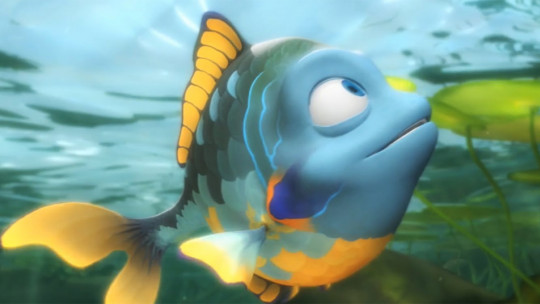
Precisely, this is the message that the animated short called “Hooked” sends us. Thanks to the Institute Institute of Psychological and Psychiatric Assistance Mensalus we present you an interesting reflection on failed attempts.
Are there efforts in vain? A short film explains it
Before you start, you can watch the video below:
What message can we extract after seeing the protagonist’s attempts?
Sometimes our efforts have the opposite effect; The short film reflects it from a sense of humor. Be that as it may, learning emerges from every experience.
In relation to this, today we focus special attention on one of the conclusions of the story: the result of the solutions attempted is what will guide us towards the next action: change or continue (what will the fish do after having multiplied the number of hooks?).
In order to carry out a good analysis, it is useful to assess the initial objective (swim calmly through the sea) and quantify the level of satisfaction obtained (0% satisfaction: now there are 20 more hooks), to decide if we want to persist in the same solution (I’m still looking for ways to fool the bait) or change strategy.
Well then. Although it may seem strange, sometimes we ignore this analysis, we get stuck in the first attempt at a solution and stop considering the rest of the options.
Why is this happening?
Flexibility and mental creativity are two elements that make it easier to see ourselves in new scenarios and find a way to feel satisfied in them. When these capabilities are not involved, stagnation occurs: attempted solutions proliferate despite not obtaining successful results.
As we mentioned, in this case it would be great if the fish stopped approaching the hooks and chose to go deeper into the seabed in search of the desired tranquility. Who knows. Perhaps, after the ring strategy, he did so.
Even if we see the new options, we may not move towards action, why?
Good. We may appear to see other options but, in reality, we have not developed in-depth knowledge about them. To what extent have we thought about what its mechanism/benefit is? To give the opportunity to a new option, full, conscious observation is necessary. Only in this way will we find usefulness and meaning.
What else influences the ability to devise new paths to solutions?
People get stuck in repeating a single solution also due to a lack of permissiveness (“I must solve it this way”) and out of fear of what might happen and/or how we might feel if we leave the “known zone.”
Seeing ourselves in new roles and contexts can be associated with beliefs that raise unnecessary alarms. Those irrational thoughts that are related to the loss of privileges (“until now I have and then maybe I don’t”) and the fracture of our identity (“I am like this, can I/know how to be otherwise?”), feed immobility.
What can we do to be more permissive with ourselves?
To begin with, empathize with our person while connecting with our rights. What we would say to a good friend is a good preamble.
Phrases like: “slow down and rest”, “take the time you need to think”, “if you don’t arrive, you don’t arrive”, “you’ve already done enough today. Leave it here and recover energy for tomorrow”, “why should it go wrong?”, “you can do it”, etc., are examples of messages that we easily communicate to those we love…Do we do the same with ourselves?
Being our own friendly voice is the first step to exploring and not getting HOOKED in repetition and exhaustion.
It is very funny when the protagonist tries to trick the hook with a ring and generates an explosive effect. What other message can we extract from this anecdotal fishing?
What for the fish has not the slightest value, for the fishermen is a treasure.
In real life the same thing happens a bit. Each of us gives value to what is in line with our beliefs and needs (that is when we find meaning).
Continuing along the line of reflection, below we propose four questions to connect with our value system:
This is a good exercise to promote thoughts that connect with the elements that give meaning to our lives.
Perhaps, when we seek well-being and personal balance, remembering what makes us happy will redirect the steps we decide to take. Of course, without getting… hooked.
Use this citation format to reference the article clearly and help readers find the original source.
PsychologyFor. (2024). Hooked: a Short Film About the Value of Effort. PsychologyFor. https://psychologyfor.com/hooked-a-short-film-about-the-value-of-effort/