


See more of our articles in your search results.
Your phone buzzes and your entire body reacts before your brain even registers whose name flashed on the screen, hoping, dreading, hoping again. That involuntary lurch is not weakness or drama. Heartbreak activates the same neural pathways as physical pain, which is exactly why “just get over it” has never once worked for anyone going through it. The ache is real, measurably real, even when nothing about the loss shows up on a scan or a bruise.
The isolation makes it worse. Friends grow tired of hearing about the same relationship after a few weeks, even when your own nervous system is still very much stuck in the middle of processing it. Society tends to treat breakups as minor inconveniences you should shake off quickly, while treating other losses, a death, a job, as legitimate grief deserving real time and space. That double standard leaves a lot of genuinely heartbroken people feeling both devastated and quietly ashamed for still being devastated. Neither reaction is unreasonable, whatever the timeline someone else expects of you.
So which books actually help you move through heartbreak, rather than just telling you to move on?
This guide reviews 10 books that will help you overcome heartbreak, covering the research, frameworks, and named experts behind each one.
10 Books That Will Help You Overcome Heartbreak
Verified Top Picks- 1
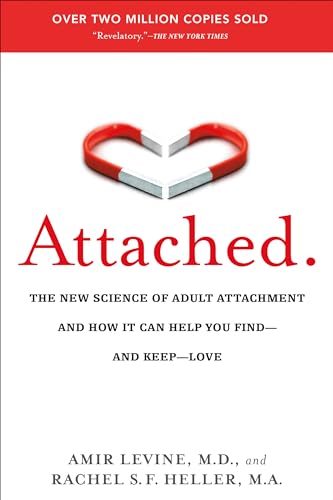 Amir Levine, MD & Rachel Heller, MA Attached: The New Science of Adult Attachment Understanding adult attachment styles to decode breakup patterns and navigate relationship lossCHECK TODAY'S PRICE
- 2
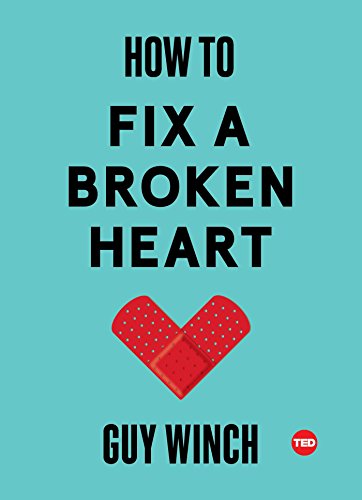 Guy Winch, PhD How to Fix a Broken Heart Practical emotional first aid techniques for managing intrusive thoughts and acute heartbreakCHECK TODAY'S PRICE
- 3
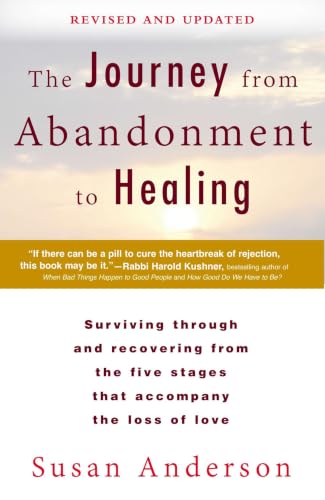 Susan Anderson The Journey from Abandonment to Healing A five-stage therapeutic roadmap navigating abandonment grief, shattering, and liftingCHECK TODAY'S PRICE
- 4
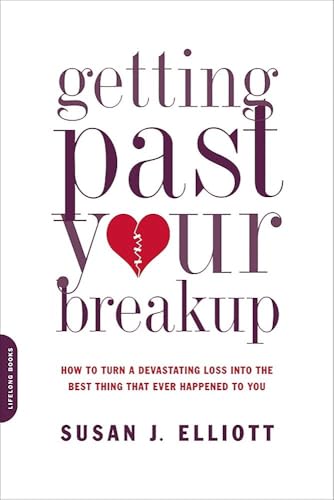 Susan J. Elliott, JD, MEd Getting Past Your Breakup A structured, no-contact approach to breakup recovery and rebuilding self-worthCHECK TODAY'S PRICE
- 5
 Florence Williams Heartbreak: A Personal and Scientific Journey Investigative science journalism proving that heartbreak activates physical pain pathways in the brainCHECK TODAY'S PRICE
- 6
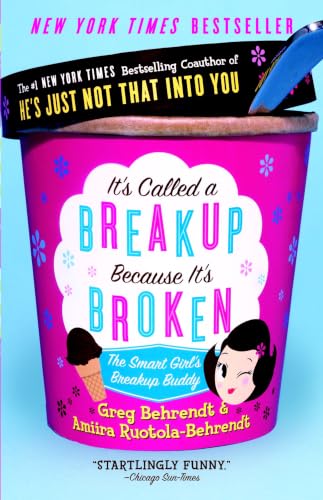 Greg Behrendt & Amiira Ruotola-Behrendt It's Called a Breakup Because It's Broken A witty, candid guide cutting through denial, bargaining, and social media stalking after a splitCHECK TODAY'S PRICE
- 7
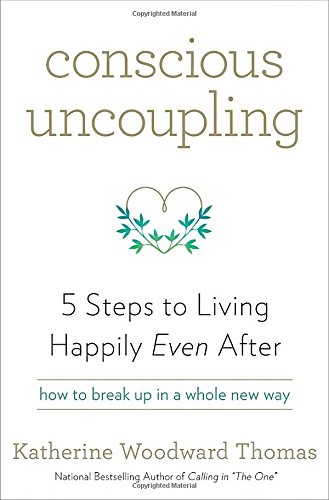 Katherine Woodward Thomas Conscious Uncoupling: 5 Steps to Living Happily Even After A five-step framework for navigating relationship endings with mutual respect and minimal reactivityCHECK TODAY'S PRICE
- 8
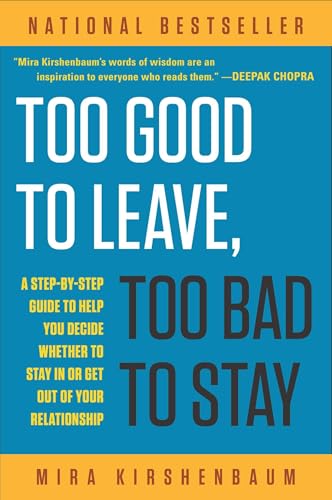 Mira Kirshenbaum Too Good to Leave, Too Bad to Stay A diagnostic guide providing concrete questions to overcome relationship ambivalence and indecisionCHECK TODAY'S PRICE
- 9
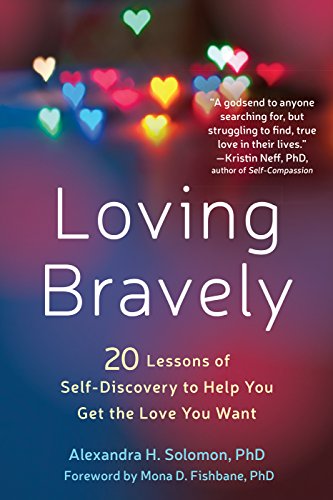 Alexandra Solomon, PhD Loving Bravely: Twenty Lessons of Self-Discovery Self-reflection exercises to understand personal relational patterns and build self-awarenessCHECK TODAY'S PRICE
- 10
 John W. James & Russell Friedman The Grief Recovery Handbook Action-oriented exercises for completing unfinished emotional business after relationship lossCHECK TODAY'S PRICE
What Makes a Book About Heartbreak Actually Help You Heal?
The strongest books in this genre share a specific quality: they validate that heartbreak causes genuine, measurable distress, then offer concrete steps rather than vague reassurance that time alone will fix everything.
Some books focus on the immediate emotional first aid needed right after a breakup. Others focus on understanding the deeper attachment patterns that shaped the relationship in the first place, useful for preventing similar pain in future relationships. Guy Winch‘s work sits closer to that first, immediate-relief category, while Amir Levine and Rachel Heller’s attachment research sits closer to the second, longer-term understanding category. Most readers benefit from both angles rather than choosing only one.
- Look for books that validate genuine emotional pain rather than dismissing heartbreak as minor.
- Match immediate-relief titles to acute crisis needs, and pattern-focused titles to long-term growth.
- Expect honest books to acknowledge that healing from heartbreak rarely follows a tidy timeline.
The 10 Best Books to Help You Overcome Heartbreak
The following selection spans attachment science, grief psychology, and practical breakup recovery, covering distinct angles on heartbreak worth understanding as you move through it.
1. Attached: The New Science of Adult Attachment and How It Can Help You Find—and Keep—Love — Amir Levine, MD, and Rachel Heller, MA
Attached by psychiatrist Amir Levine and psychologist Rachel Heller explains how early attachment patterns, anxious, avoidant, or secure, shape how intensely someone experiences heartbreak and how they behave in its aftermath.
Understanding your own attachment style, and your ex-partner’s, often reframes a confusing breakup considerably. An anxiously attached person’s frantic need for reassurance and an avoidant partner’s sudden withdrawal are not random cruelty; they follow predictable, well-documented patterns.
- Explains anxious, avoidant, and secure attachment styles in adult relationships.
- Reframes confusing breakup behavior as predictable rather than random cruelty.
- Grounded in decades of attachment theory research rather than pop psychology speculation.
2. How to Fix a Broken Heart — Guy Winch, PhD
How to Fix a Broken Heart by psychologist Guy Winch argues that romantic heartbreak deserves the same deliberate emotional first aid as a physical injury, rather than being dismissed as something to simply push through.
Winch, known for his TED talk on the same subject, offers specific techniques for managing the intrusive thoughts and loneliness that follow a breakup, treating emotional pain as genuinely treatable rather than something you just wait out.
- Treats heartbreak as deserving deliberate emotional first aid, not passive endurance.
- Offers specific techniques for managing intrusive thoughts after a breakup.
- Based on Winch’s widely viewed TED talk on emotional pain.
3. The Journey from Abandonment to Healing — Susan Anderson
The Journey from Abandonment to Healing by psychotherapist Susan Anderson maps five distinct stages of abandonment grief, shattering, withdrawal, internalizing, rage, and lifting, that many people experience after a significant breakup.
Anderson’s framework helps readers recognize which stage they are currently in, rather than feeling like their reactions are simply excessive or irrational. Naming the stage itself often reduces the shame that compounds an already painful breakup experience.
- Maps five specific stages of abandonment grief after a breakup.
- Helps readers recognize their current stage rather than feeling irrational.
- Reduces shame by normalizing intense reactions to significant relationship loss.
4. Getting Past Your Breakup: How to Turn a Devastating Loss into the Best Thing That Ever Happened to You — Susan J. Elliott, JD, MEd
Getting Past Your Breakup by grief counselor Susan J. Elliott combines her professional training with her own experience surviving a difficult divorce, offering a structured, no-contact-focused approach to breakup recovery.
Elliott is notably direct about the importance of cutting off contact with an ex during early recovery, arguing that partial contact, checking social media, occasional texts, meaningfully slows the entire healing process down.
- Combines professional grief counseling training with personal divorce experience.
- Advocates strict no-contact as essential during early breakup recovery.
- Argues partial contact meaningfully slows down the overall healing process.
5. Heartbreak: A Personal and Scientific Journey — Florence Williams
Heartbreak by science journalist Florence Williams investigates the physiology of heartbreak directly, drawing on research showing that social rejection activates brain regions overlapping with physical pain.
Williams wrote the book following her own divorce, and the personal narrative gives the neuroscience real emotional weight. Learning that heartbreak is measurably, physically painful, not merely dramatic language, validates an experience many people feel pressured to minimize.
- Documents how social rejection activates brain regions linked to physical pain.
- Combines rigorous science journalism with a personal divorce narrative.
- Validates heartbreak as measurably painful rather than merely dramatic exaggeration.
6. It’s Called a Breakup Because It’s Broken: The Smart Girl’s Break-Up Buddy — Greg Behrendt and Amiira Ruotola-Behrendt
It’s Called a Breakup Because It’s Broken by Greg Behrendt and Amiira Ruotola-Behrendt takes a blunt, occasionally funny approach, insisting that a broken relationship generally cannot, and should not, be patched back together through sheer willpower.
The humor is deliberate. Behrendt and Ruotola-Behrendt use it to cut through the denial and bargaining that often keep people stuck checking an ex’s social media at 2 a.m. rather than actually moving forward.
- Argues most broken relationships cannot be patched back together by willpower.
- Uses deliberate humor to cut through denial and bargaining after a breakup.
- Addresses the specific habit of monitoring an ex’s social media obsessively.
7. Conscious Uncoupling: 5 Steps to Living Happily Even After — Katherine Woodward Thomas
Conscious Uncoupling by therapist Katherine Woodward Thomas offers a five-step framework for ending a relationship with intention rather than pure reactive pain, particularly useful for breakups involving children or ongoing shared responsibilities.
Thomas’s approach does not deny the real grief involved. It reframes the ending as a genuine transition to be navigated deliberately, rather than a failure to be survived, which resonates especially with readers seeking a more amicable separation.
- Offers a five-step framework for intentional, less reactive relationship endings.
- Particularly useful for breakups involving children or shared responsibilities.
- Reframes endings as deliberate transitions rather than failures to survive.
8. Too Good to Leave, Too Bad to Stay: A Step-by-Step Guide to Help You Decide Whether to Stay In or Get Out of Your Relationship — Mira Kirshenbaum
Too Good to Leave, Too Bad to Stay by therapist Mira Kirshenbaum addresses the specific agony of relationship ambiguity, helping readers actually decide whether to end things rather than only offering recovery advice after the fact.
Kirshenbaum’s diagnostic questions cut through the exhausting back-and-forth many people experience before a breakup even happens, which makes this book unusually useful for readers still stuck in indecision rather than already grieving.
- Helps readers decide whether to leave, not just recover afterward.
- Provides diagnostic questions to cut through exhausting relationship ambiguity.
- Uniquely useful for readers stuck in indecision before a breakup occurs.
9. Loving Bravely: Twenty Lessons of Self-Discovery to Help You Get the Love You Want — Alexandra Solomon, PhD
Loving Bravely by relationship psychology professor Alexandra Solomon focuses less on the immediate aftermath of heartbreak and more on the self-reflection needed to break destructive relationship patterns going forward.
Solomon encourages readers to examine their own contributions to a relationship’s dynamics, not to assign blame, but to genuinely understand patterns that might otherwise repeat in the next relationship without conscious awareness.
- Focuses on self-reflection rather than immediate breakup crisis management.
- Helps readers identify relationship patterns likely to repeat unconsciously.
- Written by an academic relationship psychology professor with clinical training.
10. The Grief Recovery Handbook: The Action Program for Moving Beyond Death, Divorce, and Other Losses — John W. James and Russell Friedman
The Grief Recovery Handbook by John W. James and Russell Friedman treats relationship loss as a genuine grief process comparable to bereavement, rather than a lesser category of pain that should resolve faster.
The authors’ action-based program includes structured exercises for completing unfinished emotional business with an ex-partner, even when reconciliation is neither possible nor desired, which many breakup-specific books do not address directly.
- Treats breakup grief as comparable to bereavement, not lesser pain.
- Provides structured exercises for completing unfinished emotional business.
- Applies broadly across divorce, breakup, and other significant relationship losses.
Why Does Heartbreak Hurt So Much, Neurologically and Emotionally?
Heartbreak activates regions of the brain closely overlapping with those involved in processing physical pain, which is exactly why the phrase “it hurts” feels so literally accurate to anyone experiencing it.
Science journalist Florence Williams‘s research documents this overlap directly, drawing on neuroimaging studies showing that social rejection lights up brain areas also activated by physical injury. That is not metaphor. It is measurable neurological reality, which helps explain why over-the-counter pain relievers have shown modest effects on emotional distress in some studies, an odd but genuinely documented finding.
Beyond the neurological overlap, heartbreak also disrupts the brain’s reward system, since a partner’s presence often becomes deeply tied to dopamine release over months or years together. Losing that source of reward suddenly functions similarly to withdrawal, complete with intrusive thoughts and cravings to reconnect. Understanding this mechanism does not eliminate the pain, but it does explain why willpower alone rarely resolves it quickly.
- Social rejection activates brain regions overlapping with physical pain processing.
- Heartbreak disrupts the brain’s reward system similarly to substance withdrawal.
- Understanding the neuroscience does not eliminate pain but explains why willpower alone rarely resolves it.
How Does Attachment Style Shape the Way You Experience a Breakup?
Not everyone experiences the same breakup the same way, and much of that difference traces back to attachment patterns formed long before the relationship even began.
Amir Levine and Rachel Heller’s research distinguishes anxious, avoidant, and secure attachment styles, each producing a distinct breakup pattern. An anxiously attached person often experiences intense, prolonged distress and a strong urge to seek reassurance or reconciliation, sometimes well past the point where reconciliation makes sense. An avoidantly attached person may seem to move on unusually quickly, though that apparent calm often masks suppressed rather than absent grief.
Recognizing your own pattern reframes a confusing reaction considerably. Feeling desperate to check an ex’s social media is not a personal failing; it is a predictable behavior for someone with an anxious attachment style under acute stress. Naming the pattern is often the first step toward interrupting it deliberately rather than acting on it automatically.
- Anxious attachment often produces prolonged distress and reassurance-seeking after a breakup.
- Avoidant attachment can mask genuine grief behind apparent calm and quick moving-on.
- Recognizing your own pattern helps interrupt automatic behavior rather than acting on impulse.

What Is the Grief Process, and How Does It Apply to Relationship Loss?
Breakup grief closely resembles bereavement grief in structure, even though society often treats the two as entirely different categories of loss.
John W. James and Russell Friedman’s grief recovery framework applies specifically to this overlap, treating a significant breakup as a genuine loss deserving the same structured emotional processing as a death. Susan Anderson’s five-stage abandonment model, shattering, withdrawal, internalizing, rage, and lifting, maps a similar arc specifically for relationship endings, giving readers language for reactions that might otherwise feel simply excessive.
Both frameworks agree on something important: unprocessed grief tends to resurface later, sometimes in a subsequent relationship, rather than simply disappearing with time. Completing the emotional business directly, even without contacting the ex-partner, tends to produce more durable relief than waiting passively for the feeling to fade on its own.
- Breakup grief closely resembles bereavement grief in structure and intensity.
- Susan Anderson’s five stages give language to reactions that feel excessive.
- Unprocessed grief often resurfaces later rather than disappearing on its own.
Should You Try to Stay Friends, or Go No Contact After a Breakup?
For most people recovering from a genuinely painful breakup, maintaining contact with an ex-partner slows recovery considerably more than it helps, at least during the initial months.
Grief counselor Susan J. Elliott is direct on this point, arguing that partial contact, occasional texts, checking social media, liking old photos, keeps the emotional wound open rather than allowing it to close. Each small contact reactivates the same reward-and-loss cycle described earlier, resetting recovery closer to the beginning rather than letting it progress. That said, no-contact is not always practical or appropriate, particularly when children, shared property, or professional overlap require ongoing communication.
Katherine Woodward Thomas’s conscious uncoupling framework addresses exactly this complication, offering structure for relationships that cannot simply cut off entirely. The goal in these cases shifts from total separation to establishing clear, limited boundaries around contact rather than pretending complete separation is realistic when it genuinely is not.
- Partial contact after a breakup generally slows recovery more than it helps.
- Each small contact can reset the emotional recovery process closer to the beginning.
- When full no-contact is impossible, establishing clear limited boundaries becomes the realistic goal.
Common Misconceptions About Heartbreak These Books Correct
Popular advice about breakups contains a fair amount of oversimplification, and several books on this list directly push back against the most persistent myths.
The most common misconception assumes heartbreak should resolve within a fixed, predictable timeline, weeks for a casual relationship, a few months for something longer. Susan Anderson’s research complicates this considerably, since abandonment grief follows an individual arc shaped by attachment history, not a universal calendar. A second myth assumes staying friends with an ex is always the mature, healthy choice. Susan Elliott’s work directly counters this, arguing that forced friendship often just delays necessary grieving rather than demonstrating genuine emotional maturity.
A third misconception treats heartbreak as “just emotional,” implying it is somehow less legitimate than physical injury. Florence Williams’s neuroscience research dismantles that framing directly, documenting measurable overlap between emotional and physical pain processing in the brain. Dismissing heartbreak as merely emotional ignores genuinely documented biology.
- Heartbreak follows an individual timeline, not a universal, predictable calendar.
- Staying friends immediately after a breakup can delay necessary grieving rather than reflect maturity.
- Heartbreak involves measurable brain changes, not merely subjective emotional exaggeration.
How Can You Rebuild a Sense of Self After a Breakup?
Long relationships often reshape identity considerably, merging routines, social circles, and even personal preferences, which is exactly why a breakup can feel like losing a part of yourself, not just losing a partner.
Relationship psychology professor Alexandra Solomon‘s work encourages readers to examine which parts of their identity genuinely belong to them versus which parts formed in reaction to, or in accommodation of, the relationship itself. This is not about assigning blame for the breakup. It is about noticing patterns clearly enough to avoid repeating them automatically in whatever relationship comes next.
Practically, rebuilding often starts small: reconnecting with a friendship that faded during the relationship, returning to an interest set aside, or simply noticing preferences you had quietly suppressed to avoid conflict. None of this needs to happen quickly. Solomon’s twenty-lesson structure treats this rebuilding as gradual, deliberate work rather than something achieved in a single weekend of journaling.
- Long relationships reshape identity, which is why breakups feel like losing part of yourself.
- Examining which identity elements are genuinely yours prevents repeating patterns unconsciously.
- Rebuilding starts small, through faded friendships or suppressed preferences, not one dramatic overhaul.
When Should Heartbreak Be Discussed With a Therapist?
Most heartbreak resolves gradually with time, support, and the kinds of frameworks these books offer, but some situations genuinely warrant professional support rather than continued self-guided reading alone.
If a breakup triggers thoughts of self-harm, an inability to function at work or in basic self-care, or grief that shows no signs of easing after many months, that pattern deserves a conversation with a licensed therapist. Breakups involving domestic abuse or coercive control carry additional complexity that a general self-help book cannot adequately address, and specialized support matters considerably in those specific situations. Several authors on this list, including Guy Winch and Susan J. Elliott, are themselves clinicians who explicitly frame their books as complements to, not replacements for, professional support.
There is no shame in needing both these books and a therapist’s guidance. Reaching out for professional help after a devastating breakup is a sign of genuine self-awareness, not evidence that you are handling the loss poorly compared to someone who never asks for help at all.
- Thoughts of self-harm or inability to function warrant immediate professional support.
- Breakups involving abuse or coercive control require specialized care beyond general self-help.
- Seeking therapy after heartbreak reflects genuine self-awareness, not personal failure.
FAQs about Books That Will Help You Overcome Heartbreak
What is the best book for someone in the immediate aftermath of a breakup?
Guy Winch’s How to Fix a Broken Heart works well for the immediate aftermath, since it offers specific, actionable techniques for managing intrusive thoughts and acute emotional pain rather than requiring deep reflection you may not have energy for yet. Susan Elliott’s Getting Past Your Breakup is another strong early option, particularly for its clear stance on no-contact, which many people find genuinely relieving to hear stated directly rather than left as a vague suggestion. Deeper, more reflective titles like Loving Bravely tend to land better once the acute crisis has settled somewhat.
How long does it typically take to get over a serious breakup?
There is no universal timeline, and research on heartbreak recovery consistently shows wide individual variation depending on relationship length, attachment style, and the circumstances of the ending. Some people notice significant relief within a few months, while others, particularly those with an anxious attachment pattern or a very long relationship, take considerably longer. Susan Anderson’s five-stage model suggests recovery moves through distinct phases rather than a single steady decline in pain, meaning setbacks partway through are normal rather than a sign that something is going wrong.
Is it ever healthy to stay friends with an ex right after a breakup?
Immediately after a breakup, most experts recommend against it, since ongoing contact tends to reactivate attachment and reward systems that need time to settle before healthy friendship becomes realistic. Susan Elliott’s research specifically warns that partial contact often functions as a way of avoiding full grief rather than genuinely moving forward. That said, circumstances involving children, shared property, or professional overlap sometimes require maintained contact regardless, in which case establishing clear boundaries matters more than achieving complete separation.
Can understanding attachment theory actually change how future relationships go?
It can, according to research summarized in Amir Levine and Rachel Heller’s work on adult attachment. Recognizing your own attachment pattern, anxious, avoidant, or secure, helps you notice automatic reactions before acting on them impulsively, whether that is excessive reassurance-seeking or premature emotional withdrawal. This awareness does not eliminate attachment patterns instantly, since they typically formed early in life, but consistent awareness and, often, therapy focused specifically on attachment can genuinely shift patterns over time with deliberate effort.
Why does heartbreak sometimes feel like actual physical pain?
Because it genuinely activates overlapping brain regions, according to neuroimaging research described in Florence Williams’s book on the subject. Social rejection and physical pain share processing pathways in the brain, which explains why heartbreak produces real physical sensations, chest tightness, appetite changes, sleep disruption, rather than purely abstract sadness. This overlap is one reason some research has found modest benefit from over-the-counter pain relievers on emotional distress, though this finding remains preliminary and is not a recommended treatment on its own.
Should I read a self-help book, or just go straight to therapy?
Both can genuinely help, and they are not mutually exclusive choices. Books provide frameworks and language for understanding what you are experiencing, often at low cost and on your own schedule, which makes them a reasonable starting point for many people. Therapy offers personalized guidance, particularly valuable if grief feels unusually intense, prolonged, or complicated by prior trauma or a history of difficult relationships. If reading alone does not provide meaningful relief after a reasonable period, or if functioning is significantly impaired, adding professional support is a sensible next step rather than an admission of failure.
Bibliography
- Anderson, S. (2014). The Journey from Abandonment to Healing (Revised and Updated Edition). Berkley.
- Behrendt, G., and Ruotola-Behrendt, A. (2006). It’s Called a Breakup Because It’s Broken: The Smart Girl’s Break-Up Buddy. Harmony.
- Elliott, S. J. (2009). Getting Past Your Breakup: How to Turn a Devastating Loss into the Best Thing That Ever Happened to You. Da Capo Lifelong Books.
- James, J. W., and Friedman, R. (2017). The Grief Recovery Handbook: The Action Program for Moving Beyond Death, Divorce, and Other Losses (20th Anniversary Expanded Edition). William Morrow Paperbacks.
- Kirshenbaum, M. (1997). Too Good to Leave, Too Bad to Stay: A Step-by-Step Guide to Help You Decide Whether to Stay In or Get Out of Your Relationship. Plume.
- Levine, A., and Heller, R. (2012). Attached: The New Science of Adult Attachment and How It Can Help You Find—and Keep—Love. TarcherPerigee.
- Solomon, A. (2017). Loving Bravely: Twenty Lessons of Self-Discovery to Help You Get the Love You Want. New Harbinger Publications.
- Thomas, K. W. (2015). Conscious Uncoupling: 5 Steps to Living Happily Even After. Harmony.
- Williams, F. (2022). Heartbreak: A Personal and Scientific Journey. W. W. Norton & Company.
- Winch, G. (2018). How to Fix a Broken Heart. Simon & Schuster/TED.
Use this citation format to reference the article clearly and help readers find the original source.
PsychologyFor. (2026). 10 Books That Will Help You Overcome Heartbreak. PsychologyFor. https://psychologyfor.com/10-books-that-will-help-you-overcome-heartbreak/