

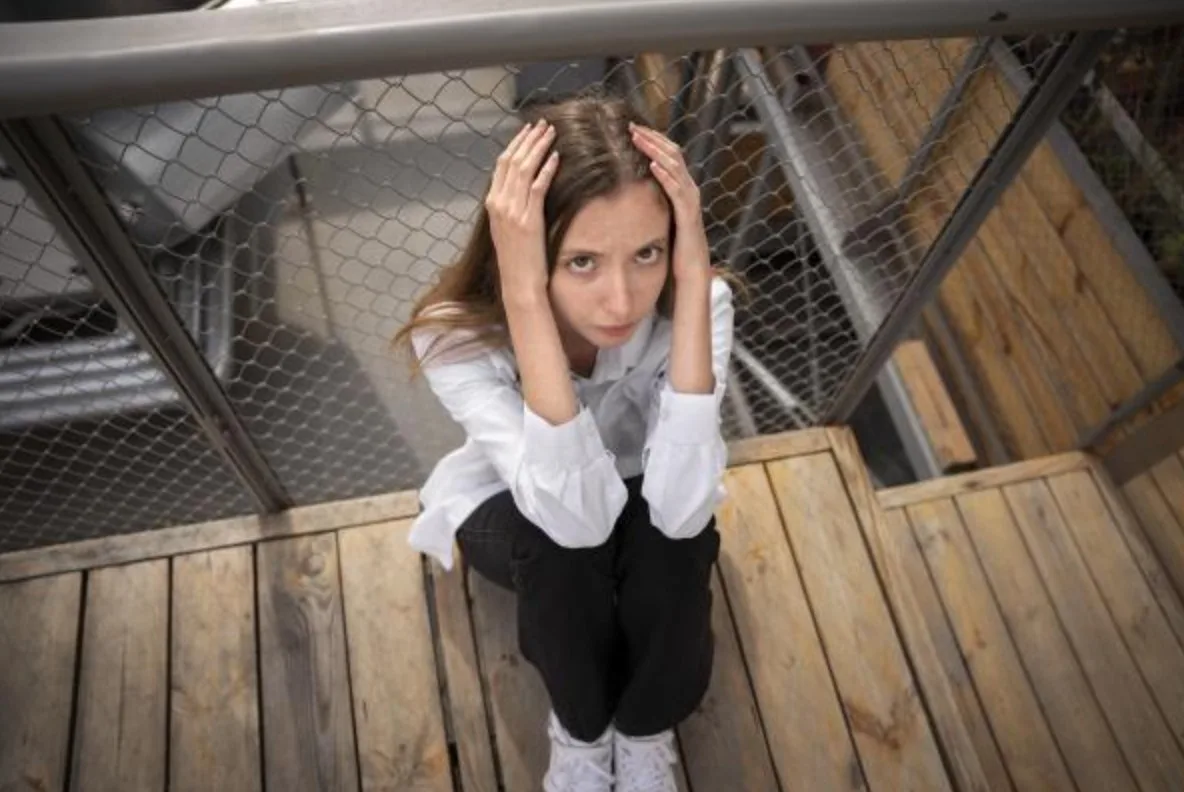
Almost everyone has felt uneasy standing on the edge of a high place—whether on a tall building, a cliff, or even a glass floor—but for some people, this fear becomes so overwhelming that it interferes with their daily lives. This intense, irrational fear of heights is known as acrophobia, one of the most common specific phobias in the world.
Understanding acrophobia is more than just labeling someone as afraid of heights. It involves exploring the psychological roots, physiological reactions, and behavioral impacts of this fear. While it can be deeply distressing, acrophobia is treatable, and many people are able to manage or overcome it with the right support.
What is Acrophobia?
Acrophobia is defined as an intense, persistent fear of heights. It is categorized as a specific phobia, which means the fear is focused on a particular object or situation—in this case, high places. Unlike a normal fear of falling, acrophobia triggers extreme anxiety even in relatively safe high places like balconies, escalators, or staircases.
People with acrophobia may experience distress simply from imagining being in a high place or seeing images of heights. The fear can be so powerful that it leads to avoidance behavior, disrupting everyday activities like walking on bridges, hiking, or entering tall buildings.
Common Situations That Trigger Acrophobia
Those who suffer from acrophobia may become anxious or panic in situations such as:
- Looking out a window from a tall building
- Standing on a ladder or rooftop
- Crossing a high bridge or overpass
- Using an escalator in a shopping mall
- Hiking on steep terrain
- Watching aerial footage on television
Even environments that pose no actual danger can provoke fear, especially when the individual perceives the possibility of falling, regardless of reality.
https://www.youtube.com/watch?v=14TTEUPMuTY
What Causes Acrophobia?
Like most phobias, acrophobia likely arises from a combination of biological, psychological, and environmental factors.
Evolutionary Perspective
Some researchers believe acrophobia has evolutionary roots. Fear of heights may have been an adaptive trait in our ancestors, helping them avoid dangerous falls and injuries in prehistoric environments. This fear would have increased survival and passed down through generations.
Learned Experiences
Personal experiences also play a significant role. A person may develop acrophobia after:
- A traumatic fall or witnessing someone else fall
- A near-accident in a high place
- Repeated exposure to frightening high places during childhood
Negative reinforcement—where avoiding heights reduces anxiety—can strengthen the phobia over time.
Genetics and Personality
Some people may be more prone to anxiety due to genetic predisposition or certain personality traits. Those with anxious temperaments or a family history of anxiety disorders may be at greater risk of developing acrophobia.
Other Mental Health Conditions
Acrophobia can also co-occur with other conditions such as:
- Panic disorder
- Agoraphobia
- Generalized anxiety disorder (GAD)
- Depression
These coexisting disorders can make symptoms more intense and affect treatment outcomes.

Symptoms of Acrophobia
The symptoms of acrophobia can be both psychological and physical, varying in severity depending on the person and the situation.
Psychological Symptoms:
- Intense fear or panic when confronted with heights
- Anticipatory anxiety (worrying about future exposure to heights)
- Avoidance behavior, such as refusing to go to high places
- Sense of losing control or feeling trapped in high places
- Irrational thoughts (e.g., “I might fall even with barriers in place”)
Physical Symptoms:
- Rapid heartbeat or palpitations
- Shortness of breath
- Sweating
- Dizziness or lightheadedness
- Nausea or stomach discomfort
- Trembling or shaking
- Feeling frozen or paralyzed
These symptoms may appear suddenly and can be intense enough to cause a panic attack in some individuals.
Treatment for Acrophobia
The good news is that acrophobia is treatable, and many people experience significant improvement with therapy. Treatment options include:
Cognitive Behavioral Therapy (CBT)
CBT is the most evidence-based treatment for acrophobia. It helps individuals:
- Identify and challenge irrational thoughts related to heights
- Replace fear-driven beliefs with more realistic perspectives
- Learn coping strategies to manage anxiety in triggering situations
Exposure Therapy
A key component of CBT is exposure therapy, where the person is gradually and safely exposed to the source of their fear. This might start with:
- Looking at pictures of heights
- Watching videos of high places
- Standing on a low stool
- Progressively moving to higher platforms
This process, known as systematic desensitization, helps reduce the intensity of the fear response over time.
Virtual Reality Therapy
Some therapists use virtual reality (VR) to simulate high places in a controlled, safe environment. This modern approach is especially useful when real-life exposure is not practical or safe.
Medication
While not typically the first line of treatment, medications may be prescribed in severe cases. These include:
- Beta-blockers to manage physical symptoms like rapid heartbeat
- Benzodiazepines for short-term anxiety relief (with caution due to dependency risk)
- SSRIs or antidepressants if the phobia is linked to broader anxiety disorders
Medication is often used alongside therapy, not as a standalone solution.
Relaxation and Mindfulness Techniques
Learning how to calm the body and mind during episodes of anxiety can support treatment. Techniques include:
- Deep breathing
- Progressive muscle relaxation
- Guided imagery
- Meditation and mindfulness exercises
These methods help reduce physical arousal and empower individuals to face their fears more calmly.

How Acrophobia Affects Daily Life
For many, acrophobia can significantly interfere with normal activities. People may:
- Avoid traveling by plane
- Refuse to visit observation decks or monuments
- Choose lower floors when renting or buying property
- Struggle with careers that involve heights, such as construction or maintenance
- Miss out on social experiences like hiking, sightseeing, or amusement parks
This avoidance pattern can restrict freedom, reduce quality of life, and in some cases, contribute to social isolation or low self-esteem.
How is Acrophobia Diagnosed?
Acrophobia is typically diagnosed by a mental health professional using clinical interviews and assessments. The diagnosis is based on criteria from the Diagnostic and Statistical Manual of Mental Disorders (DSM-5), which outlines the characteristics of specific phobias, including:
- Marked fear or anxiety about a specific situation (heights)
- The fear is out of proportion to the actual danger
- The phobia has lasted for six months or more
- The fear causes significant distress or impairment
The clinician may use questionnaires or ask detailed questions about the person’s history, triggers, and coping strategies to understand the severity of the condition.
Acrophobia can be a crippling and isolating fear, but it is also highly treatable. Whether you’re struggling yourself or know someone who is, understanding this condition is the first step toward reclaiming a sense of safety and freedom. With patience, professional help, and proven therapeutic techniques, even the most overwhelming fears can be faced—and conquered.
FAQs About Acrophobia
How is acrophobia different from vertigo?
Vertigo is a medical condition that causes a sensation of spinning or dizziness, often due to inner ear issues. Acrophobia is a psychological fear of heights. While they can occur together, they are different in origin and treatment.
Can children have acrophobia?
Yes, children can develop acrophobia, especially if they have experienced a fall or witnessed a frightening event. Early intervention and support can prevent the fear from becoming a long-term phobia.
Is it normal to feel nervous at great heights?
Feeling uneasy or cautious at heights is a normal protective instinct. Acrophobia goes beyond this, involving irrational fear and avoidance that interferes with daily life.
Can acrophobia be cured?
Many people experience complete relief or significant reduction in symptoms with proper treatment, especially using cognitive-behavioral therapy and exposure techniques. The goal is to manage the fear so it no longer controls a person’s life.
How long does treatment for acrophobia take?
Treatment duration varies. Some people respond well in a few sessions, while others may need several months, depending on severity, coexisting conditions, and therapy methods used.
References
- American Psychiatric Association (2013). Diagnostic and Statistical Manual of Mental Disorders (5th edition). Arlington: Panamericana Medical Publishing.
- Álvarez Urueña, FI, Valero Aguayo, L. (2023). Virtual reality for acrophobia: Evaluation of the usability of a Commercial VRBox. Spanish Journal of Health Communication, 14 (1), 62-73.
- Ramírez, A., Benítez, SJ, Gómez, MA (2017). Acrophobia and its treatment through virtual reality. Engineering, Mathematics and Information Sciences Magazine, 4 (7), 77-82.
By citing this article, you acknowledge the original source and allow readers to access the full content.
PsychologyFor. (2025). Acrophobia: What it Is, Causes, Symptoms and Treatment. https://psychologyfor.com/acrophobia-what-it-is-causes-symptoms-and-treatment/