


See more of our articles in your search results.
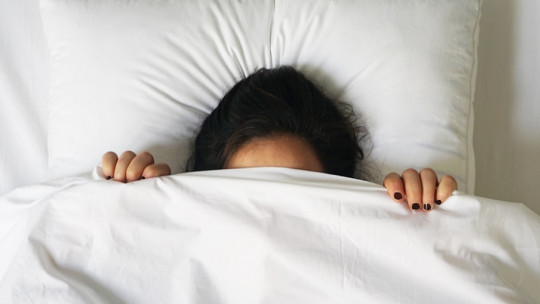
The alarm rings, you wake up, and the thought of sitting up feels disproportionally difficult, almost as if the bed has become the only place where your body and mind can settle. That experience can feel frighteningly heavy. Wanting an occasional slow morning is ordinary. Spending long periods in bed, repeatedly missing work, study, relationships, meals, or basic care because leaving it feels impossible is different and deserves attention.
Terms such as clinomania, clinophilia, and dysania are often used online to describe an intense wish or difficulty getting out of bed. They are not formal diagnoses in major psychiatric manuals, and they should not be used as a shortcut to self-diagnose. The underlying cause matters. Depression, anxiety, burnout, grief, hypersomnia, sleep apnea, chronic pain, medication effects, and medical conditions can all contribute to persistent bed-seeking or morning immobility.
So when is staying in bed a sign that something needs support?
This guide explains clinomania and clinophilia, the symptoms commonly associated with these terms, possible causes, and evidence-based routes to professional assessment and treatment.
What Are Clinomania, Clinophilia, and Dysania?
Clinomania is an informal term for an intense desire to remain in bed for prolonged periods. Clinophilia is sometimes used similarly, while dysania usually refers more narrowly to extreme difficulty getting out of bed after waking.
How many of these have you been "meaning to read" for months?
- 1
 TarcherThe Artist's Way30th Anniversary EditionListen Free On Audible
 - 2
 New Harbinger PublicationsThe Dialectical Behavior Therapy Skills WorkbookPractical DBT Exercises for Learning Mindfulness, Interpersonal Effectiveness, Emotion Regulation...Listen Free On Audible
 - 3
 New Harbinger PublicationsAdult Children of Emotionally Immature ParentsHow to Heal from Distant, Rejecting, or Self-Involved ParentsListen Free On Audible
These terms describe an experience, not a confirmed disorder by themselves. A person may be awake in bed, sleeping excessively, avoiding distressing responsibilities, recovering from illness, or dealing with a sleep-wake condition. Similar behavior can have different causes.
That distinction is important because the right response depends on the pattern. A person who cannot wake refreshed despite sufficient sleep may need sleep-medicine assessment. Someone staying in bed because of hopelessness, guilt, and loss of interest may need mental health support. Someone with sudden weakness, confusion, fever, chest pain, or new neurological symptoms needs urgent medical attention.
Think of clinomania as a signal to investigate, not a final answer. Assessment comes first.
Clinomania Is Not a Formal Medical Diagnosis
Clinomania and clinophilia are common descriptive labels, but they are not standalone diagnoses in the DSM-5-TR or ICD-11. Diagnostic precision matters because persistent time in bed can result from many treatable psychological, sleep-related, and medical conditions.
Online descriptions sometimes present clinomania as an “addiction to bed” or an illness caused by dopamine. Those claims oversimplify a complex problem. A bed can become associated with safety, avoidance, fatigue relief, low mood, or reduced stimulation, but no single brain chemical explains every person’s experience.
A qualified clinician may consider depression, an anxiety disorder, a trauma-related condition, hypersomnia, circadian rhythm disruption, medication side effects, anemia, thyroid disease, chronic pain, or another cause. Whole-person evaluation is more useful than attaching a fashionable label.
This does not make the experience less real. It makes careful support more likely to help.

Common Symptoms Linked to Clinophilia
Clinophilia usually involves more than enjoying rest. The key feature is a persistent pattern of staying in bed that interferes with ordinary life or feels difficult to control. Functional impairment is the most important distinction.
People describe the experience in different ways. Some feel physically exhausted despite sleeping. Others feel emotionally overwhelmed by the day ahead. A few say bed is the only place where anxiety quiets down. Each description gives a clinician different information.
- Spending many waking hours in bed, beyond ordinary sleep or recovery from illness
- Feeling an intense resistance to getting up, even for activities normally valued
- Missing work, classes, appointments, or meals because leaving bed feels unmanageable
- Withdrawing from friends and family while staying isolated in the bedroom
- Feeling more distressed when asked to start the day or leave the home
- Experiencing persistent fatigue or excessive sleepiness, even after a long night of sleep
One difficult week does not necessarily indicate a health condition. A pattern lasting weeks, worsening over time, or disrupting daily functioning is different. Duration and impact are worth tracking.

Clinomania vs Hypersomnia: The Difference Matters
Clinomania and hypersomnia are often confused, but they are not the same experience. Hypersomnia refers to excessive daytime sleepiness or unusually long sleep, while clinophilia can involve remaining in bed even when someone is awake.
A person with hypersomnia may sleep for long periods, struggle to stay awake during the day, nap unintentionally, and still feel unrefreshed. They may want to get up but find sleepiness physiologically overpowering. By contrast, someone with clinophilia may be awake but remain in bed because it feels emotionally safer or because starting the day triggers distress.
| Clinophilia or Clinomania | Hypersomnia |
|---|---|
| Strong desire to remain in bed, sometimes while awake | Persistent excessive sleepiness or prolonged sleep |
| May relate to avoidance, low mood, anxiety, or reduced motivation | May relate to sleep disorders, medications, medical conditions, or mood disorders |
| Assessment focuses on emotional and behavioral context | Assessment often includes sleep history and possible sleep-medicine evaluation |
Some people experience both patterns. That overlap is one reason self-diagnosis can be misleading. Sleep assessment may be appropriate when daytime sleepiness is severe or persistent.
Depression and the Desire to Stay in Bed
Depression is one of the most common conditions associated with spending excessive time in bed. It can cause low energy, sleep changes, reduced pleasure, slowed thinking, hopelessness, and withdrawal from activities that previously mattered. Depressive symptoms can make getting up feel far harder than outsiders realize.
Staying in bed can briefly reduce demands, noise, decisions, and social contact. That relief is real. Yet over time, reduced activity and isolation can intensify low mood, disrupt sleep, and make the next morning even harder. It becomes a loop.
Look beyond tiredness alone. Depression may also include persistent sadness, emptiness, guilt, irritability, appetite changes, trouble concentrating, diminished interest, or thoughts that life is not worth living. Clustered symptoms deserve professional discussion.
If someone has thoughts of self-harm or suicide, feels unable to stay safe, or has a plan to die, seek immediate local emergency help or contact a crisis service. In the United States and Canada, call or text 988. Elsewhere, contact local emergency services or a suicide crisis line. Immediate safety is more important than managing the routine alone.

Anxiety, Avoidance, and the “Safe Place” Effect
Anxiety can also make bed feel like the safest place available. For someone facing panic, social fear, work stress, trauma reminders, or relentless worry, staying under the covers may become a way to postpone the feared day. Avoidance relief is powerful in the short term.
The problem is that avoidance teaches the brain that the avoided situation was dangerous enough to escape. Each time a person stays in bed to avoid an anxiety trigger, the immediate relief can reinforce the behavior, making future avoidance more likely and the outside world feel more threatening.
This pattern does not mean someone is lazy or attention-seeking. It means their nervous system may be treating ordinary demands as overwhelming threats. Compassionate curiosity works better than criticism.
Cognitive behavioral therapy often addresses this cycle through gradual behavioral activation, exposure where appropriate, and practical work on catastrophic thoughts. The aim is not to force someone into distress. It is to build manageable steps toward safety and functioning.
Burnout, Grief, and Chronic Stress Can Look Similar
Not every period of extended bed time indicates a psychiatric disorder. Burnout and grief can drain energy, disrupt sleep, and create a strong need to withdraw temporarily from an overwhelming world.
Burnout often develops after prolonged work strain, caregiving pressure, financial stress, or chronic overload. A person may feel emotionally depleted, detached, irritable, or unable to begin tasks that once felt routine. Rest is necessary, but rest without addressing the underlying strain may not be enough.
Grief can produce fatigue, disrupted sleep, concentration problems, and an urge to retreat. These reactions may be part of a normal adjustment process, especially after a major loss. Still, persistent inability to function, severe hopelessness, or self-harm thoughts warrant added support. Grief support is a strength, not a failure.
The question is not whether someone has earned rest. They have. The question is whether staying in bed is helping them recover or quietly shrinking their life further.

Physical Causes a Clinician May Need to Rule Out
Persistent fatigue or inability to rise should be assessed medically as well as psychologically. Physical health conditions can create symptoms that closely resemble depression, burnout, or a sleep disorder.
A clinician may review sleep quality, snoring or gasping, medication use, alcohol and other substances, pain, menstrual changes, infection symptoms, and changes in weight or appetite. They may also consider blood tests or referral based on individual symptoms and history.
- Sleep apnea can fragment sleep and cause severe daytime tiredness
- Thyroid disorders can affect energy, mood, and concentration
- Anemia or nutritional deficiency can contribute to weakness and fatigue
- Chronic pain can disrupt sleep and make activity feel unattainable
- Medication effects can cause sedation, altered sleep, or reduced alertness
New, sudden, or severe symptoms should not be explained away as clinomania. Medical evaluation is especially important if fatigue is accompanied by fainting, shortness of breath, neurological changes, chest pain, or rapid decline.
How Clinicians Assess Excessive Time in Bed
A good assessment explores the person’s sleep, mood, physical health, medication use, life circumstances, and daily functioning. Contextual assessment avoids assuming that one visible behavior has one obvious explanation.
A clinician may ask what time the person falls asleep and wakes, whether they are sleeping or simply lying awake, how refreshed they feel, what thoughts arise when they consider getting up, and whether there are specific triggers such as school, work, social contact, pain, or traumatic reminders.
They may also screen for depression, anxiety, bipolar symptoms, substance use, trauma responses, and suicide risk. This is not an interrogation. It is a way to build an accurate picture and avoid overlooking urgent concerns. Risk screening is a standard part of responsible care.
Keeping a brief sleep-and-mood diary can help. Note bedtime, wake time, naps, time spent awake in bed, energy level, mood, medications, caffeine or alcohol, and major stressors. Pattern tracking gives a clinician information memory alone may miss.

Treatment Options for Clinomania and Related Symptoms
Treatment depends on the underlying cause, which is why a diagnosis-free label such as clinomania cannot determine the right intervention by itself. Individualized treatment may involve medical care, psychotherapy, sleep-focused intervention, medication review, or several approaches combined.
For depression, clinicians may recommend evidence-based psychotherapy, medication when appropriate, behavioral activation, and support for rebuilding sleep, meals, social contact, and daily routines. For anxiety, therapy may focus on avoidance, worry, panic, trauma, or social fears that make leaving bed feel unsafe.
For hypersomnia or suspected sleep disorder, a primary-care clinician may refer someone to sleep medicine for further assessment. Treating sleep apnea, adjusting sedating medication, or addressing circadian disruption can sometimes substantially improve daytime function. Sleep-wake treatment can be life-changing when sleep is the main driver.
There is no single therapy called “clinomania treatment.” The useful goal is to understand what bed is doing for the person and build safer, more sustainable ways to meet that need.
Practical First Steps That Can Support Recovery
Small, structured changes can help interrupt the stay-in-bed cycle, but they should be gentle and realistic, especially when depression, chronic illness, or exhaustion is severe. Small steps count.
Start with a goal smaller than “fix my routine.” Sit upright, drink water, open curtains, wash your face, or stand near a window for two minutes. These actions are not cures. They are signals to the body that the day has begun.
- Set one consistent wake-up cue, such as opening curtains or drinking water
- Move the phone or alarm away from the bed if checking it keeps you lying down
- Choose one morning task that is brief and concrete, like showering or making tea
- Arrange accountability with a trusted person for difficult mornings
- Book a professional appointment if the pattern persists, worsens, or disrupts life
Do not treat these steps as evidence that you should be able to solve a serious health condition alone. If basic tasks feel impossible, that is information worth sharing with a clinician.
How Loved Ones Can Respond Without Shame or Pressure
Family members and partners often feel frightened or frustrated when someone stays in bed for long periods. A supportive response begins by replacing accusations with curiosity. Shame rarely motivates recovery.
Statements such as “you are lazy” or “just get up” may intensify guilt and withdrawal, especially if the person is depressed or physically unwell. Better opening questions include, “What feels hardest about getting up today?” and “Would it help if I sat with you while you take one small step?”
Support does not mean taking over every responsibility indefinitely. It means helping create a bridge to assessment, treatment, food, hydration, sunlight, and connection while maintaining clear, respectful boundaries. Collaborative support is different from rescuing.
If you hear statements of hopelessness, self-harm, or suicide, ask directly whether the person is thinking of harming themselves and seek immediate professional or crisis help if safety is in question. Direct questions do not cause suicidal thoughts; they can open a lifesaving conversation.
When to Seek Urgent or Emergency Help
Some signs call for prompt professional assessment, while others require emergency action. Safety thresholds should be clear, not vague.
Arrange timely medical or mental health support if prolonged bed time lasts more than two weeks, regularly disrupts work or study, occurs with persistent low mood, severe anxiety, daytime sleepiness, or physical symptoms, or is creating escalating isolation.
- Seek urgent help for thoughts of suicide or self-harm, particularly with intent, planning, or inability to stay safe
- Seek emergency care for confusion, fainting, chest pain, severe weakness, or new neurological symptoms
- Contact a clinician quickly for major changes in sleep, mood, medication effects, or daily functioning
Reaching out early is not overreacting. It is a practical way to reduce suffering and identify a cause while more options are available.
FAQs About Clinomania and Clinophilia
Is clinomania a real medical condition?
Clinomania is a real term people use to describe an intense wish or perceived need to stay in bed, but it is not a formal standalone diagnosis in major psychiatric classification systems. Clinophilia and dysania are also used informally and can describe related experiences. The important issue is not the label alone but what is causing the pattern and whether it is disrupting daily life. Depression, anxiety, burnout, hypersomnia, sleep disorders, medication effects, chronic pain, and medical conditions can all contribute. A healthcare professional can assess the broader picture and recommend support based on the actual cause.
What is the difference between dysania and being lazy?
Dysania is an informal term for severe difficulty getting out of bed, often despite wanting or needing to get up. “Lazy” is a judgment, not a diagnosis, and it often overlooks depression, sleep deprivation, anxiety, disability, chronic illness, medication effects, or other causes of reduced functioning. Someone may appear unmotivated from the outside while experiencing overwhelming fatigue, fear, low mood, pain, or cognitive slowing internally. A more helpful question is what makes getting up difficult and whether the person’s sleep, mood, health, and daily functioning have changed. If the problem is persistent, professional assessment is more useful than self-criticism.
Can depression make you want to stay in bed all day?
Yes. Depression can cause fatigue, sleep changes, reduced motivation, hopelessness, slowed thinking, loss of pleasure, and social withdrawal, all of which can make bed feel like the easiest or safest place to remain. Staying in bed can offer short-term relief from demands, but it may also deepen isolation, disrupt sleep patterns, and reduce activity that could support mood over time. This does not mean a person should force themselves to recover through willpower alone. If low mood, loss of interest, guilt, exhaustion, or suicidal thoughts are present, speaking with a doctor or mental health professional is appropriate. Treatment may include therapy, medical evaluation, medication, routine support, or a combination.
Could excessive time in bed mean I have a sleep disorder?
It could. Conditions such as hypersomnia, sleep apnea, circadian rhythm disorders, restless legs syndrome, and chronic insomnia can cause daytime sleepiness, unrefreshing sleep, or difficulty waking. A sleep disorder is more likely when someone sleeps enough hours but remains persistently sleepy, falls asleep unintentionally, snores loudly, gasps during sleep, wakes with headaches, or feels unrefreshed despite long sleep. Mental health conditions and medical issues can coexist with sleep problems, so it is not always an either-or situation. A primary-care clinician can review symptoms, medications, and medical history and refer to a sleep specialist when needed.
How can I get out of bed when anxiety makes the day feel impossible?
Start smaller than the whole day. Choose one action that takes less than two minutes, such as placing both feet on the floor, opening a curtain, drinking water, or standing near a window. Anxiety often becomes more manageable when a task is reduced to a single concrete step rather than framed as an entire day of demands. If bed has become an avoidance strategy, gradual exposure and behavioral activation with a therapist can help reduce the fear that reinforces the pattern. It is also useful to identify what the anxiety is specifically about, such as work, social contact, panic sensations, or trauma reminders, because the most helpful treatment depends on that trigger.
Should loved ones force someone with clinophilia to get up?
Force, shaming, or angry confrontation generally makes withdrawal worse and can damage trust. A calmer approach involves expressing concern, asking what feels difficult, offering practical support, and helping the person connect with medical or mental health care. It can be reasonable to set respectful boundaries around shared responsibilities, but these should be paired with compassion and a plan for support rather than punishment. If there are signs of serious depression, suicidal thinking, inability to meet basic needs, or severe physical symptoms, do not manage the situation alone. Contact a healthcare professional, crisis service, or emergency service depending on the urgency.
Can I treat clinomania with sleep hygiene alone?
Sleep hygiene can support recovery, but it may not be enough because clinomania-like symptoms can result from depression, anxiety, hypersomnia, sleep apnea, medication effects, chronic pain, or medical conditions. Helpful habits include keeping a regular wake time, getting morning daylight, limiting long daytime naps where appropriate, and using the bed primarily for sleep and rest. However, if someone remains unable to get up, sleeps excessively, feels persistently hopeless, or has significant functional impairment, they should seek professional assessment rather than relying only on routine changes. Sleep habits are a supportive tool, not a substitute for diagnosis and treatment.
When should I contact emergency services?
Contact emergency services or a crisis line immediately if you or someone else has suicidal thoughts with intent or a plan, feels unable to stay safe, has taken an overdose, is experiencing severe confusion, fainting, chest pain, sudden weakness, or new neurological symptoms. In the United States and Canada, call or text 988 for suicide and crisis support; call local emergency services if there is immediate danger. In other countries, use local emergency numbers or crisis resources. Persistent difficulty getting out of bed without immediate danger still deserves timely medical or mental health support, particularly if it is worsening or preventing basic self-care.
Bibliography
- American Psychiatric Association. (2022). Diagnostic and Statistical Manual of Mental Disorders, Fifth Edition, Text Revision. American Psychiatric Association Publishing.
- World Health Organization. (2022). International Classification of Diseases 11th Revision: Mental, Behavioural or Neurodevelopmental Disorders.
- National Health Service. Depression in Adults: Symptoms and Support.
- American Academy of Sleep Medicine. International Classification of Sleep Disorders, Third Edition, Text Revision.
- Sleep Foundation. Dysania: Symptoms, Causes, and Treatments.
- Harvey, A. G. (2008). Insomnia, Psychiatric Disorders, and the Transdiagnostic Perspective. Current Directions in Psychological Science.
- Martell, C. R., Dimidjian, S., & Herman-Dunn, R. (2010). Behavioral Activation for Depression: A Clinician’s Guide. Guilford Press.
Use this citation format to reference the article clearly and help readers find the original source.
PsychologyFor. (2026). Clinomania (or Clinophilia): What it Is, Symptoms, Causes and Treatment. PsychologyFor. https://psychologyfor.com/clinomania-or-clinophilia-what-it-is-symptoms-causes-and-treatment/