Skip to content
Psychology For
  • Psychology
    • Cognitive Psychology
    • Social Psychology
    • Clinical Psychology
    • Personal Growth and Self-Help
    • Educational Psychology
    • Personality
    • Emotions
    • Criminal Psychology
    • Biographies
    • Culture
    • Phrases and Thoughts
    • Meaning of Names
  • Healthy Life
    • Medicine and Health
    • Meditation and Mindfullness
    • Nutrition
    • Sport
  • Couple
    • Sexology
    • Couples Therapy
    • Feelings
  • Neurosciences
    • Drugs and Addictions
    • Psychopharmacology
  • Human Resources
    • Coaching and Leadership

Cognitive Psychology

What is cognitive psychology? Cognitive psychology or cognitivism is a part of psychology that deals with cognition. The object of study of cognitive psychology is the mental processes involved in cognition, such as memory and learning. Cognitive psychology theories aim to explain how information is stored, understood and utilised.

In this section you will find information on the characteristics of cognitive psychology and the theories of representatives of cognitive psychology such as Jerome Bruner, David Ausbel or Jean Piaget. Cognitivist theorists, i.e. the authors of cognitive psychology, argue that behaviour is based on thoughts. You’ll also find examples of cognitive psychology and interesting books on the subject.


What is the Katz Index, How is it Evaluated and What Does it Measure?

What is the Katz Index, How is it Evaluated and

The Operational Stage According to Piaget: Characteristics and Examples

The Operational Stage According to Piaget: Characteristics and Examples

How to Use Your Mind to the Fullest

How to Use Your Mind to the Fullest

Have a Hunch

Have a Hunch

How to Use Reverse Psychology on a Child

How to Use Reverse Psychology on a Child

Theoretical Aspects of Creativity

Theoretical Aspects of Creativity

Cognitive Distortions: Definition and Types

Cognitive Distortions: Definition and Types

The Autobiographical Memory

The Autobiographical Memory

What Does it Take to Be a Good Psychologist?

What Does it Take to Be a Good Psychologist?

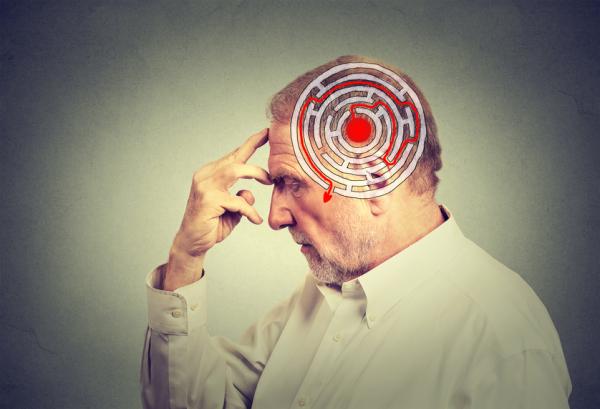
What Does Mild Cognitive Impairment Consist of in the Elderly Population?

What Does Mild Cognitive Impairment Consist of in the Elderly
Older posts
Newer posts
← Previous Page1 … Page27 Page28 Page29 … Page44 Next →
2026 © Psychology For | Legal Notice | Privacy Policy and Terms of Use | About Us | Our Editorial Process