Skip to content
Psychology For
Psychology
Cognitive Psychology
Social Psychology
Clinical Psychology
Personal Growth and Self-Help
Educational Psychology
Personality
Emotions
Criminal Psychology
Biographies
Culture
Phrases and Thoughts
Meaning of Names
Healthy Life
Medicine and Health
Meditation and Mindfullness
Nutrition
Sport
Couple
Sexology
Couples Therapy
Feelings
Neurosciences
Drugs and Addictions
Psychopharmacology
Human Resources
Coaching and Leadership
Cognition
Fluid Intelligence and Crystallized Intelligence: What Are They?
The 12 Types of Language (And Their Characteristics)
Thinking with the Body: Embodied Cognition
“Heuristics”: the Mental Shortcuts of Human Thinking
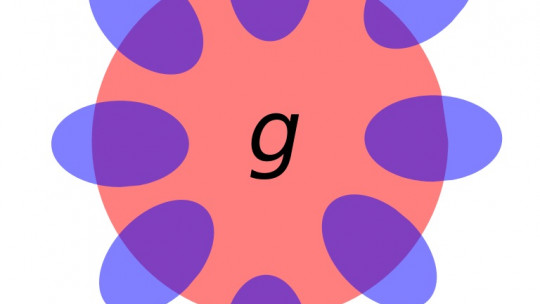
Intelligence: the G Factor and Spearman’s Two-Factor Theory
How to Overcome the Fear of Diseases? 10 Tips
Solomon’s Paradox: Our Wisdom is Relative
Not All Intelligence Declines After the Age of 30
The Use of Sarcasm Could Make Us More Creative
People with a Difficult Character Tend to Be More Intelligent, According to a Study
Older posts
Newer posts
←
Previous
Page
1
…
Page
75
Page
76
Page
77
…
Page
95
Next
→