


See more of our articles in your search results.
You set your alarm for 6:00 a.m. with genuine determination on Sunday evening, yet find yourself hitting snooze three times on Monday morning while your initial enthusiasm dissolves into familiar self-blame. That sudden collapse of willpower is completely predictable. Relying purely on fleeting emotional surges to complete demanding tasks fails because human feelings fluctuate constantly based on sleep, stress, and autonomic arousal. It is not an inherent character defect. Rather, it exposes a critical misunderstanding of how human motivation actually operates in the brain.
For decades, popular self-help culture has promoted the seductive myth that achievement requires boundless inspiration, loud hype, and relentless positive thinking. In reality, empirical behavioral psychology and cognitive neuroscience demonstrate that motivation is not the spark that precedes action; it is the biochemical byproduct of taking small, structured steps that produce visible momentum. When we design supportive environments, clarify internal values, and dismantle the cognitive friction underlying procrastination, goal attainment transitions from an exhausting struggle into a repeatable system. Engaging with evidence-based literature provides you with proven, actionable frameworks to cultivate sustainable intrinsic drive.
How can reading peer-reviewed behavioral science literature help you overcome chronic procrastination and master goal achievement strategies?
This comprehensive guide reviews 10 books about motivation, analyzing foundational treatises on self-determination theory, habit formation, cognitive friction, and executive functioning to help you systematically achieve your personal and professional objectives.
10 Books About Motivation and Achieving Goals
Verified Top Picks- 1
 Daniel H. Pink Drive: The Surprising Truth About What Motivates Us Dismantling carrots and sticks to uncover the 3 pillars of drive: autonomy, mastery, and purposeCHECK TODAY'S PRICE
 - 2
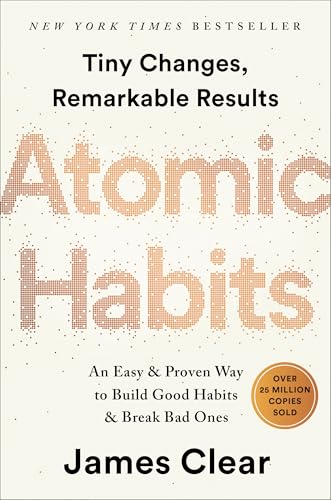 James Clear Atomic Habits The definitive operational guide for identity-based habits, compounding systems, and behavior changeCHECK TODAY'S PRICE
 - 3
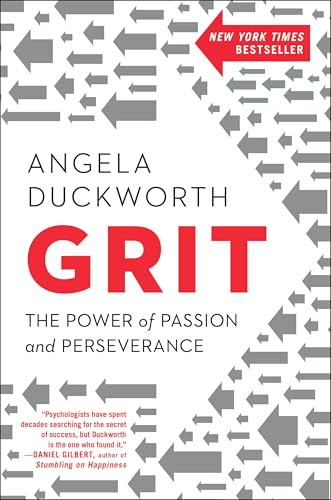 Angela Duckworth Grit: The Power of Passion and Perseverance Proving that long-term effort and focused persistence predict achievement far more reliably than raw talentCHECK TODAY'S PRICE
 - 4
 Carol S. Dweck Mindset: The New Psychology of Success Unlocking the power of a growth mindset to reframe failure, build resilience, and master new skillsCHECK TODAY'S PRICE
 - 5
 Kelly McGonigal The Willpower Instinct Revealing self-control as a biological mind-body response that can be trained and protectedCHECK TODAY'S PRICE
 - 6
 BJ Fogg Tiny Habits: The Small Changes That Change Everything The Stanford behavior design model (B=MAP) for anchoring micro-habits without relying on volatile motivationCHECK TODAY'S PRICE
 - 7
 Cal Newport Deep Work: Rules for Focused Success Rules for cultivating distraction-free, high-intensity focus to master hard tasks and produce elite outputCHECK TODAY'S PRICE
 - 8
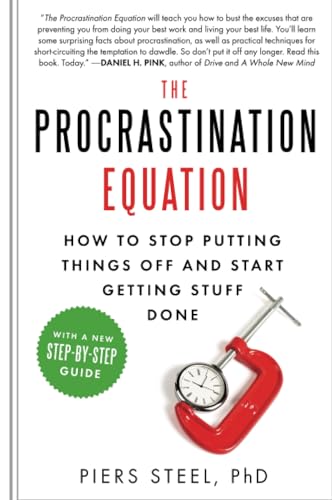 Piers Steel The Procrastination Equation A comprehensive behavioral formula diagnosing task delay, temporal discounting, and actionable fixesCHECK TODAY'S PRICE
 - 9
 Nir Eyal Indistractable Mastering internal emotional discomfort and timeboxing schedules to stop distraction at its rootCHECK TODAY'S PRICE
 - 10
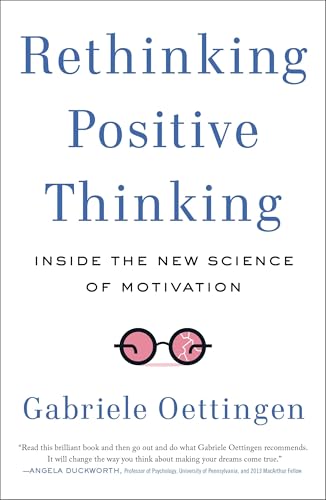 Gabriele Oettingen Rethinking Positive Thinking The evidence-based WOOP protocol (Wish, Outcome, Obstacle, Plan) to turn aspirations into real actionCHECK TODAY'S PRICE
Why Does Relying on Willpower Inevitably Lead to Goal Failure?
Relying exclusively on raw willpower to achieve difficult long-term goals inevitably triggers cognitive fatigue and behavioral relapse. Willpower functions like a biological muscle that draws upon finite prefrontal energy resources, becoming rapidly depleted by stress, complex decision-making, and emotional suppression.
Health psychologist Kelly McGonigal demonstrates through her clinical research that self-control is a physiological capacity deeply tied to heart rate variability and autonomic nervous system regulation. When individuals attempt to force compliance through self-criticism or extreme deprivation, sympathetic stress pathways activate, ironically driving the brain toward impulsive, reward-seeking coping behaviors. Sustainable motivation requires working with your neurobiology by reducing environmental temptation and cultivating mindful self-compassion, transforming raw self-control into durable goal persistence.
Furthermore, behavioral scientist BJ Fogg, founder of the Stanford Behavior Design Lab, proves that behavior occurs only when three elements converge simultaneously: Motivation, Ability, and a Prompt ($B = MAP$). Because motivation is naturally volatile, high-friction tasks predictably fail when energy dips. Designing micro-behaviors that require minimal effort ensures consistent execution regardless of emotional state, establishing an unbreakable foundation for automatic habit execution.
- Prefrontal executive energy depletes under chronic stress, undermining unsupported deliberate willpower.
- Sympathetic nervous system arousal triggers impulsive, short-term coping mechanisms that derail long-term goal progress.
- The Fogg Behavior Model demonstrates that lowering task friction matters far more than increasing temporary motivation levels.
- Replacing punitive self-talk with physiological regulation preserves cognitive bandwidth for focused goal achievement.
10 Essential Books About Motivation and Goal Achievement
The following curated selection represents the definitive academic and clinical canon for mastering self-motivation, overcoming executive dysfunction, and designing systems that translate ambitious intentions into measurable behavioral outcomes.
1. Drive: The Surprising Truth About What Motivates Us — Daniel H. Pink
Drive by behavioral analyst Daniel H. Pink dismantles the traditional “carrots and sticks” approach to human motivation, proving that extrinsic rewards and punitive threats actually crush creativity, problem-solving, and long-term performance. Drawing on landmark research from self-determination theory pioneers Edward L. Deci and Richard M. Ryan, Pink demonstrates that modern knowledge work requires Motivation 3.0.
Pink establishes that genuine, enduring human drive rests upon three psychological pillars: Autonomy (the desire to direct our own lives), Mastery (the urge to improve at something that matters), and Purpose (the yearning to do what we do in service of something larger than ourselves). This transformative text provides an essential blueprint for educators, managers, and individuals striving to foster sustainable intrinsic motivation.
- Exposes how extrinsic financial rewards frequently undermine complex creative problem-solving.
- Defines the three pillars of self-determination: autonomy, mastery, and purpose-driven living.
- Provides actionable toolkits for redesigning workplace incentives and personal daily task architecture.
2. Atomic Habits: An Easy & Proven Way to Build Good Habits & Break Bad Ones — James Clear
Atomic Habits by habit researcher James Clear is the definitive contemporary operational manual for translating ambitious goals into compounding behavioral systems. Clear argues persuasively that you do not rise to the level of your goals; you fall to the level of your systems. By focusing on tiny, one percent daily improvements, individuals bypass the exhausting need for heroic motivation.
Clear translates cognitive neuroscience and behavioral conditioning into the Four Laws of Behavior Change: Make it Obvious, Make it Attractive, Make it Easy, and Make it Satisfying. Emphasizing identity-based habits over outcome-based striving, this monumental volume provides readers with an unmatched framework for mastering automatic behavioral consistency.
- Operationalizes the four-step habit loop: cue, craving, response, and neurochemical reward.
- Demonstrates how shifting core self-identity sustains habits far more effectively than outcome-focused willpower.
- Provides practical strategies like habit stacking and environment design to eliminate task initiation friction.
3. Grit: The Power of Passion and Perseverance — Angela Duckworth
Grit: The Power of Passion and Perseverance by pioneering psychologist Angela Duckworth demonstrates through extensive empirical research that sustained passion and perseverance predict long-term achievement far more reliably than innate talent or raw IQ. Studying West Point cadets, National Spelling Bee finalists, and elite corporate leaders, Duckworth proves that effort counts twice in the achievement equation.
Duckworth deconstructs grit into four psychological assets that can be systematically developed: Interest, Deliberate Practice, Purpose, and Hope. This scientifically rigorous masterpiece empowers individuals to cultivate unshakeable resilience, demonstrating how to maintain high-level commitment through inevitable setbacks and plateaus.
- Demonstrates mathematically why effort counts twice as much as innate cognitive talent.
- Outlines the four psychological assets comprising durable long-term grit development.
- Shows parents, educators, and leaders how to construct an enduring culture of resilient achievement.
4. Mindset: The New Psychology of Success — Carol S. Dweck
Mindset by world-renowned Stanford University psychologist Carol S. Dweck establishes the transformative distinction between a fixed mindset—the belief that intelligence and talent are static traits—and a growth mindset—the understanding that abilities can be cultivated through deliberate effort, feedback, and strategy. This cognitive paradigm shift fundamentally dictates how individuals process challenge, criticism, and failure.
Dweck illustrates how mindset dynamics operate across education, athletics, organizational leadership, and romantic relationships. In a growth mindset, setbacks cease to be indictments of innate worth and become vital sources of neurological feedback, providing readers with concrete tools to overcome perfectionism and cultivate unshakeable achievement resilience.
- Contrasts the defensive limitations of a fixed mindset with an adaptable growth mindset.
- Demonstrates how praising effort rather than innate ability fosters durable intrinsic motivation.
- Provides actionable cognitive frameworks to reframe mistakes as vital learning opportunities.
5. The Willpower Instinct: How Self-Control Works, Why It Matters, and What You Can Do to Get More of It — Kelly McGonigal
The Willpower Instinct by health psychologist Kelly McGonigal translates Stanford University’s wildly popular “Science of Willpower” course into an extraordinarily practical, evidence-based manual. McGonigal reveals that self-control is not a moral virtue, but a biological mind-body response governed by sleep, nutrition, mindfulness, and autonomic stress regulation.
The book exposes the psychological traps that sabotage self-regulation, including the “moral licensing” trap and the “what-the-hell effect,” where minor slip-ups trigger catastrophic indulgence. McGonigal provides ten structured weekly experiments that teach readers how to harness mindfulness and self-compassion to master calm self-regulatory control.
- Explains the neurobiology of self-control as a measurable mind-body physiological state.
- Exposes cognitive traps like moral licensing that quietly sabotage long-term behavioral goals.
- Provides actionable somatic experiments to down-regulate cravings and boost executive prefrontal functioning.
6. Tiny Habits: The Small Changes That Change Everything — BJ Fogg
Tiny Habits by BJ Fogg, the founder of Stanford’s Behavior Design Lab, presents a groundbreaking, counterintuitive behavioral methodology: to create lasting change, you must make the target behavior absurdly small. Fogg dismantles the myth that personal change requires monumental motivation, showing that motivation is fickle, unreliable, and prone to sudden collapse under stress.
Fogg introduces the Fogg Behavior Model ($B = MAP$) and the “Recipe” format: anchoring a new tiny behavior immediately after an existing anchor habit, followed by instant emotional celebration to wire in the dopamine reward loop. This exceptionally clear, actionable manual allows anyone to engineer effortless, compounding behavioral lifestyle transformations.
- Introduces the scientifically proven Fogg Behavior Model balancing motivation, ability, and prompts.
- Teaches how to anchor new micro-actions to established daily physical routines.
- Leverages immediate emotional celebration (“Shine”) to accelerate neurological habit encoding.
7. Deep Work: Rules for Focused Success in a Distracted World — Cal Newport
Deep Work by Georgetown University computer science professor Cal Newport argues that the ability to concentrate intensely without distraction is becoming increasingly rare at the exact same time it is becoming increasingly valuable in our digital economy. Newport distinguishes between shallow work (logistical, low-value tasks easily replicated) and deep work (cognitively demanding activities that push intellectual limits).
Newport outlines four actionable rules for cultivating intense focus: working deeply, embracing boredom, quitting social media, and draining the shallows. By providing a rigorous philosophical and practical defense of sustained concentration, this volume serves as an essential manual for overcoming digital distraction and producing high-value creative output.
- Defines deep work as the superpower required for elite cognitive mastery.
- Details four scheduling philosophies to protect uninterrupted distraction-free focus blocks.
- Provides actionable strategies to reduce attention residue caused by chronic digital multitasking.
8. The Procrastination Equation: How to Stop Putting Things Off and Start Getting Stuff Done — Piers Steel
The Procrastination Equation by organizational psychologist and leading procrastination researcher Piers Steel synthesizes eighty years of behavioral, cognitive, and evolutionary research into a single mathematical formula governing human delay. Steel proves that procrastination is not laziness or poor time management, but an emotional regulation failure driven by how the brain discounts future rewards.
Steel deconstructs the four variables of procrastination: Expectancy, Value, Impulsiveness, and Delay ($\text{Motivation} = \frac{\text{Expectancy} \times \text{Value}}{\text{Impulsiveness} \times \text{Delay}}$). By diagnosing which variable is derailing your progress, this immensely practical book provides targeted clinical interventions to dismantle chronic delay and establish consistent execution momentum.
- Formulates the universal behavioral equation governing procrastination and task delay.
- Identifies high impulsiveness and temporal discounting as core drivers of self-sabotage.
- Delivers targeted cognitive and environmental strategies to boost task expectancy and value.
9. Indistractable: How to Control Your Attention and Choose Your Life — Nir Eyal
Indistractable by behavioral design expert Nir Eyal exposes the root cause of distraction: it is not our digital devices, but our fundamental desire to escape uncomfortable internal sensations like boredom, anxiety, and loneliness. Eyal demonstrates that unless we learn to manage uncomfortable internal triggers, we will simply replace one distraction with another.
Eyal provides a four-part model for becoming indistractable: Master Internal Triggers, Make Time for Traction, Hack Back External Triggers, and Prevent Distraction with Pacts. This highly actionable guide equips modern professionals and students to align daily attention with intention, mastering deliberate time management.
- Identifies internal emotional discomfort as the true catalyst for behavioral distraction.
- Teaches timeboxing techniques to ensure daily schedules reflect authentic personal values.
- Provides actionable protocols for hacking back digital interruptions and establishing precommitment pacts.
10. Rethinking Positive Thinking: Inside the New Science of Motivation — Gabriele Oettingen
Rethinking Positive Thinking by New York University and University of Hamburg psychologist Gabriele Oettingen delivers a paradigm-shifting empirical critique of traditional positive visualization. Oettingen’s two decades of experimental research prove that purely daydreaming about positive future outcomes actually saps physical energy, lowering systolic blood pressure and tricking the brain into feeling as though the goal has already been accomplished.
To solve this, Oettingen developed WOOP (Wish, Outcome, Obstacle, Plan)—a scientifically validated strategy known academically as Mental Contrasting with Implementation Intentions. By pairing positive visioning directly with the realistic identification of internal obstacles, WOOP provides an extraordinarily powerful, four-step tool for unlocking goal-directed energy.
- Demonstrates through laboratory data how pure positive daydreaming drains physiological action energy.
- Introduces the evidence-based WOOP framework (Wish, Outcome, Obstacle, Plan) for practical goal execution.
- Combines mental contrasting with implementation intentions to automate obstacle navigation responses.
Extrinsic Rewards vs. Intrinsic Drive: What Science Proves
Understanding the fundamental distinction between extrinsic incentives and intrinsic drive is vital for sustaining long-term achievement. Extrinsic motivation relies on external contingencies—such as monetary bonuses, grades, public recognition, or fear of punishment. In contrast, intrinsic motivation emerges from within, fueled by genuine curiosity, inherent task enjoyment, and the deep satisfaction of personal competence mastery.
| Dimension of Motivation | Extrinsic Paradigm | Intrinsic Paradigm |
|---|---|---|
| Primary Driver | External rewards, financial compensation, and social approval | Inherent task enjoyment, curiosity, and alignment with values |
| Behavioral Longevity | Collapses rapidly once external incentives or monitoring cease | Sustains high effort over decades without external pressure |
| Impact on Creativity | Narrows cognitive focus, often impairing complex heuristics | Broadens cognitive exploration and enhances novel problem-solving |
| Psychological Risk | High vulnerability to burnout, anxiety, and extrinsic treadmill traps | Fosters psychological well-being, vitality, and resilient self-esteem |
Extensive research conducted by Edward L. Deci and Richard M. Ryan proves the “overjustification effect”: introducing tangible extrinsic rewards for an already enjoyable task often extinguishes an individual’s organic intrinsic interest. When people feel controlled by external incentives, their sense of personal autonomy erodes. Long-term goal achievement requires shifting the motivational architecture away from external validation toward the cultivation of internal psychological autonomy.
How Dopamine and Habit Loops Drive Goal Pursuit
At the neurobiological core of human motivation sits the dopamine neurotransmitter pathway, operating within the brain’s mesolimbic reward system. Contrary to popular misconception, dopamine is not the molecule of sensory pleasure; it is the molecule of anticipation, craving, and goal-directed pursuit.
Neuroscience demonstrates that dopamine spikes not when an individual achieves a goal, but in response to predictive environmental cues that signal an impending reward. This anticipatory dopamine surge generates the physiological energy and focused attention required to overcome task initiation friction. James Clear and BJ Fogg show that by breaking large goals into small, sequential habit loops—Cue, Craving, Response, and Reward—individuals can intentionally harness this dopaminergic circuitry to automate desirable daily behaviors.
Conversely, random or unpredictable digital rewards hijack this exact same neural mechanism, trapping individuals in compulsive distraction cycles. Reclaiming your motivational circuitry requires designing clear, predictable internal rewards while eliminating the hyper-stimulating digital cues that deplete baseline dopaminergic tone.
- Dopamine functions as the neurotransmitter of anticipation and craving rather than passive sensory enjoyment.
- Anticipatory neurochemical spikes supply the biological drive necessary to overcome task initiation resistance.
- Structuring small, immediate behavioral rewards reinforces neural pathways and cements long-term habit loops.
- Protecting baseline dopamine tone requires minimizing exposure to hyper-stimulating, addictive digital distractions.

Why Positive Visualization Alone Saps Action Energy
The cultural obsession with pure positive visualization is not merely ineffective; it is actively counterproductive. Experimental research demonstrates that when individuals fantasize exclusively about achieving their desired goals, the brain experiences an illusory sense of fulfillment, relaxing physiological arousal and reducing the actual effort invested in real-world goal attainment.
Psychologist Gabriele Oettingen’s laboratory studies show that participants who engaged in positive daydreaming exhibited significant drops in systolic blood pressure—a biological indicator of diminished energy readiness. The brain treats passive visualization as a completed task, leaving the individual emotionally satisfied in fantasy while remaining completely stagnant in reality. Authentic motivation requires mental contrasting: holding the positive future outcome in mind while immediately confronting the brutal reality of the internal obstacles blocking it.
Pairing mental contrasting with implementation intentions—Peter Gollwitzer’s “If-Then” planning framework—automates behavioral execution. When an individual predetermines exactly what action they will take when a specific obstacle arises, response time accelerates dramatically, establishing a reliable pathway for overcoming cognitive friction.
- Pure positive daydreaming lowers systolic blood pressure, draining the physiological energy needed for active goal striving.
- Mental contrasting pairs the desired outcome with realistic internal obstacles to generate actionable cognitive tension.
- Formulating “If-Then” implementation intentions automates behavioral execution when encountering anticipated environmental obstacles.
- Deploying the WOOP framework systematically converts vague aspirations into measurable daily behavioral routines.
Daily Protocols to Overcome Procrastination and Build Momentum
Transforming motivational science into daily achievement requires replacing vague willpower with structured, low-friction behavioral routines. Implementing evidence-based protocols each morning bridges the gap between ambitious intentions and lived daily execution. Clinical psychologist Carl R. Rogers consistently emphasized that authentic personal growth requires integrating theoretical insight into experiential daily living habits.
To operationalize the core insights from these ten essential volumes, practice these five evidence-based motivational disciplines:
- Execute the “Two-Minute Rule” by scaling down any new target habit until it takes less than two minutes to perform, eliminating initial task friction.
- Implement the WOOP framework each morning by defining your Wish, Outcome, Obstacle, and an explicit “If-Then” implementation plan.
- Schedule a ninety-minute daily “Deep Work” block in your calendar, eliminating all external digital notifications to achieve uninterrupted cognitive flow.
- Deploy the “Temptation Bundling” strategy by pairing a demanding task you need to complete with an immediate enjoyable rewarding activity.
- Conduct an evening habit audit by checking off completed behaviors on a visual tracker to reinforce your evolving identity-based habits.
When Low Motivation Signals Clinical Depression or Burnout
While behavioral strategies and motivational literature provide exceptional tools for self-improvement, chronic low motivation can sometimes represent an underlying clinical condition rather than a simple productivity deficit. Understanding the diagnostic boundary between transient procrastination and clinical psychiatric illness is an essential mental health literacy competency.
If lack of motivation is accompanied by pervasive anhedonia (the total inability to feel pleasure), profound psychomotor slowing, disruptions in sleep and appetite, feelings of worthlessness, or chronic fatigue lasting more than two consecutive weeks, self-help books are insufficient. These symptoms often reflect major depressive disorder, severe executive burnout, or undiagnosed adult ADHD. In such cases, trying to “force motivation” through extreme discipline only exacerbates feelings of failure. You should schedule a comprehensive diagnostic evaluation with a licensed clinical psychologist or psychiatrist.
Most urgently, if you or someone you know is experiencing acute intrusive thoughts of self-harm, suicidal despair, or a crisis where safety cannot be guaranteed, do not rely on literature. In the United States and Canada, immediately call or text 988 to reach the Suicide & Crisis Lifeline, available twenty-four hours a day, seven days a week, free and completely confidential. Seeking professional clinical care is not a failure of motivation; it is the ultimate act of courageous personal self-advocacy.
- Persistent anhedonia, severe psychomotor fatigue, and chronic hopelessness warrant an evaluation by a licensed mental health professional.
- Executive dysfunction driven by adult ADHD or clinical depression requires tailored, evidence-based psychotherapeutic treatment.
- Acute intrusive thoughts of self-harm or suicidal ideation demand immediate emergency contact with dedicated crisis support services.
FAQs about Books on Motivation and Achieving Goals
What is the single best book on motivation for a complete beginner?
For a complete beginner seeking an evidence-based yet accessible starting point, Atomic Habits by James Clear is universally regarded as the gold standard. Clear deconstructs the science of habit formation into the Four Laws of Behavior Change, proving that small, one percent daily adjustments compound into massive long-term transformations. The book eliminates the exhausting reliance on willpower by focusing on environment design, habit stacking, and identity-based habits. It avoids generic motivational hype, offering practical, step-by-step systems that can be applied immediately to fitness, career, financial, or academic goals.
Can reading books about motivation permanently rewire neural pathways?
Reading books about motivation can stimulate neuroplasticity and alter neural pathways when cognitive insights are paired with consistent behavioral practice. When you understand the dopamine reward loop and implement structured habit routines, repeated action physically strengthens synaptic connections in the brain’s prefrontal cortex while automating basal ganglia habit circuits. However, passive reading without behavioral repetition will not alter baseline neural structures; sustained neuroplastic change requires regular, embodied execution of evidence-based habits over several weeks and months.
What is the core difference between intrinsic and extrinsic motivation?
Intrinsic motivation refers to engaging in an activity purely for its inherent satisfaction, curiosity, and alignment with personal values, such as playing music for joy or reading to learn. Extrinsic motivation involves performing a task to obtain an external reward or avoid punishment, such as working solely for a paycheck or studying to avoid failing. Research in self-determination theory shows that while extrinsic rewards can drive short-term compliance, intrinsic motivation provides durable energy, fosters greater creative problem-solving, and protects against long-term burnout.
Why does positive thinking often fail to produce real motivation?
Positive thinking often fails because pure daydreaming about success tricks the brain into feeling as though the goal has already been achieved, causing systolic blood pressure to drop and draining physiological action energy. Psychologist Gabriele Oettingen’s research shows that without acknowledging the real-world obstacles blocking a goal, positive visualization leads to relaxation rather than action. Authentic motivation requires mental contrasting—pairing a desired positive outcome directly with the realistic internal and external obstacles standing in its way—to generate the cognitive tension necessary for sustained effort.
How does the Fogg Behavior Model explain why we fail to achieve goals?
The Fogg Behavior Model ($B = MAP$) posited by Dr. BJ Fogg states that behavior happens only when Motivation, Ability, and a Prompt converge simultaneously. When people fail to achieve goals, they often mistakenly blame a lack of motivation. However, Fogg demonstrates that motivation is naturally volatile and unreliable. Most failures occur because the target behavior is too difficult (lacking ability) or lacks an effective prompt. By making the behavior tiny and anchoring it to an existing daily routine, actions succeed regardless of fluctuating motivation.
How do I know if I need a therapist instead of a motivation book?
You should seek a licensed therapist when low motivation is accompanied by persistent sadness, total loss of pleasure in previously enjoyed activities, disruptions in sleep and appetite, or feelings of worthlessness lasting more than two weeks. Motivational books are designed to help functional individuals optimize productivity and habits, but they cannot treat clinical depression, unhealed trauma, or neurodevelopmental disorders like ADHD. If your lack of drive feels paralyzing or is accompanied by thoughts of self-harm, professional clinical evaluation is necessary to ensure safety and provide tailored treatment.
Bibliography
- Clear, J. (2018). Atomic Habits: An Easy & Proven Way to Build Good Habits & Break Bad Ones. Avery.
- Duckworth, A. (2016). Grit: The Power of Passion and Perseverance. Scribner.
- Dweck, C. S. (2006). Mindset: The New Psychology of Success. Random House.
- Eyal, N. (2019). Indistractable: How to Control Your Attention and Choose Your Life. BenBella Books.
- Fogg, B. J. (2019). Tiny Habits: The Small Changes That Change Everything. Houghton Mifflin Harcourt.
- Gollwitzer, P. M. (1999). Implementation intentions: Strong effects of simple plans. American Psychologist, 54(7), 493-503.
- McGonigal, K. (2012). The Willpower Instinct: How Self-Control Works, Why It Matters, and What You Can Do to Get More of It. Avery.
- Newport, C. (2016). Deep Work: Rules for Focused Success in a Distracted World. Grand Central Publishing.
- Oettingen, G. (2014). Rethinking Positive Thinking: Inside the New Science of Motivation. Current.
- Pink, D. H. (2009). Drive: The Surprising Truth About What Motivates Us. Riverhead Books.
- Rogers, C. R. (1961). On Becoming a Person: A Therapist’s View of Psychotherapy. Houghton Mifflin.
- Ryan, R. M., & Deci, E. L. (2000). Self-determination theory and the facilitation of intrinsic motivation, social development, and well-being. American Psychologist, 55(1), 68-78.
- Steel, P. (2011). The Procrastination Equation: How to Stop Putting Things Off and Start Getting Stuff Done. HarperCollins.
Use this citation format to reference the article clearly and help readers find the original source.
PsychologyFor. (2026). 10 Books About Motivation: Keys to Achieving Your Goals. PsychologyFor. https://psychologyfor.com/10-books-about-motivation-keys-to-achieving-your-goals/