

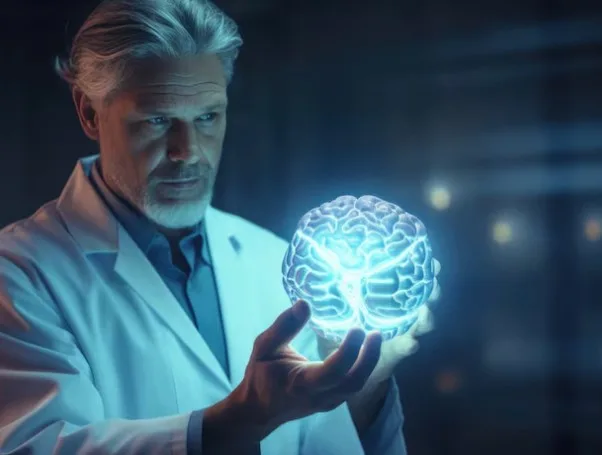
I spent last weekend binge-watching neuroscience documentaries, and I had this moment around 2 AM where I was watching footage of neurons firing and thought, “I’m using my brain to watch my brain explained, and my brain is being changed by learning about itself.” Meta, right? But also kind of beautiful. There’s something uniquely fascinating about documentaries that explore the organ we use to watch documentaries—the three pounds of tissue that creates our entire subjective experience of reality.
Neuroscience documentaries have exploded in popularity over the past decade, and for good reason [web:210][web:215][web:216]. We’re living through a golden age of brain research. Technologies like fMRI, optogenetics, and advanced imaging have revealed more about how the brain works in the last twenty years than in all of previous human history. And documentary filmmakers have gotten really good at translating complex neuroscience into compelling visual narratives that non-scientists can understand and appreciate.
As a psychologist, I find these documentaries invaluable—not just for staying current with neuroscience research, but for helping patients understand their own brains. When someone’s struggling with depression or anxiety or memory problems, showing them how their brain actually works can be profoundly helpful. It transforms abstract psychological concepts into concrete biological realities. Understanding that your depression involves specific neurotransmitter systems, that your anxiety has identifiable neural circuits, that your memory works through particular mechanisms—this knowledge can be both comforting and empowering.
So I’ve compiled twelve of the best neuroscience and neuropsychology documentaries available—a mix of accessible introductions for beginners and deeper dives for people already fascinated by the brain. Some focus on cutting-edge research, others on personal stories of brain injury or illness, and some explore the philosophical implications of neuroscience for consciousness, free will, and what it means to be human. Whether you’re a student, a professional, or just someone curious about how your brain works, there’s something here for you.
1. The Brain with David Eagleman (2015)
This six-part PBS series hosted by neuroscientist David Eagleman is one of the most accessible and visually stunning introductions to neuroscience available [web:211]. Eagleman takes viewers through the fundamental questions about how the brain works—how it perceives reality, how it develops, who we are, how we decide, and whether we need our bodies at all. What makes this documentary exceptional is Eagleman’s ability to explain complex concepts through clever demonstrations and real-world examples that anyone can understand.
Each episode explores a different aspect of brain function [web:212]. The first episode, “What Is Reality?” demonstrates how your brain constructs your subjective experience of the world rather than passively receiving it. Eagleman shows how sensory information is interpreted, filtered, and constructed into the coherent reality you experience. The series continues through topics like neuroplasticity, consciousness, decision-making, and the future of brain enhancement.
From a psychology perspective, what I love about this series is how it bridges neuroscience and everyday experience. Eagleman constantly connects brain mechanisms to relatable experiences—why you can’t tickle yourself, why time seems to slow down during accidents, why teenagers take risks. The production values are excellent, with beautiful graphics that visualize neural processes. If you’re only going to watch one general neuroscience documentary, this should probably be it.
2. My Beautiful Broken Brain (2014)
This Netflix documentary is fundamentally different from most neuroscience films—it’s not explaining science from the outside but documenting the lived experience of brain injury from the inside [web:218]. Director Sophie Robinson suffered a massive stroke at age 34, and this film chronicles her recovery and her struggle to understand what happened to her brain and identity.
What makes this documentary so powerful is its experiential approach. Rather than clinically explaining stroke and recovery, Robinson uses abstract imagery, sounds, and fragmented narrative to convey what it actually feels like when your brain stops working normally. Colors are more vivid. Time feels distorted. Language becomes difficult. Simple tasks become impossibly complex. The documentary doesn’t just tell you about these experiences—it makes you feel them.
From a neuropsychology standpoint, this film is invaluable for understanding the subjective experience of brain injury. As clinicians, we assess deficits, track recovery, and recommend therapies. But this documentary reminds us what it’s like to be the person living through that process—the frustration, the fear, the gradual rediscovery of abilities you took for granted. It’s deeply personal and honest about the emotional and identity challenges that come with brain injury. Filmmaker David Lynch served as executive producer, which explains the film’s artistic, dreamlike quality.
3. The Mind, Explained (2019)
This Netflix series produced by Vox takes a deep dive into specific aspects of how minds work, with each episode focusing on one topic—memory, dreams, anxiety, mindfulness, and psychedelics in the first season, with creativity, brainwashing, and other topics in season two [web:216]. The format allows for focused exploration of single topics rather than trying to cover everything about the brain superficially.
What distinguishes this series is its combination of cutting-edge neuroscience research with personal stories and cultural context. The anxiety episode, for example, doesn’t just explain the amygdala and stress responses—it explores why anxiety disorders are increasing, how modern life triggers ancient fear circuits, and what evidence-based treatments actually work. The psychedelics episode covers the neuroscience of how these substances affect the brain while also discussing their potential therapeutic applications.
The production is slick and modern, with excellent graphics, animations, and a relatively quick pace that keeps things engaging. Each episode is only about 20 minutes, making this perfect for people with limited attention spans or for showing specific episodes in educational settings. The series succeeds at being both entertaining and informative without dumbing down the science.
4. Fantastic Fungi (2019)
You might wonder why a documentary about mushrooms is on a neuroscience list, but this film devotes significant attention to how psilocybin and other psychoactive compounds from fungi affect the brain [web:220]. More broadly, it explores the network intelligence of fungal systems and draws fascinating parallels to neural networks. The film makes the case that understanding fungal networks helps us understand brain networks.
The neuroscience content focuses particularly on research into psilocybin for treating depression, anxiety, and PTSD. The documentary features interviews with researchers like Roland Griffiths from Johns Hopkins who are conducting clinical trials on psychedelic therapy. It explains how psilocybin affects the default mode network in the brain, potentially “resetting” rigid patterns associated with depression and addiction.
Beyond the specific neuroscience, the film is visually stunning—the time-lapse footage of mushrooms growing is mesmerizing. The broader themes about interconnected networks, whether fungal or neural, raise interesting questions about consciousness, intelligence, and how complex systems process information. It’s an unusual entry on this list but valuable for understanding an emerging area of neuroscience research with significant therapeutic potential.
5. The Creative Brain (2019)
Another documentary featuring David Eagleman, this Netflix film specifically explores the neuroscience of creativity [web:213]. How do brains generate new ideas? What’s happening neurologically during creative breakthroughs? Can we enhance creativity by understanding its neural basis? Eagleman interviews artists, musicians, and inventors while explaining what neuroscience reveals about how creativity actually works.
The documentary covers topics like how the brain combines existing concepts in novel ways, the role of constraints in enhancing creativity, how different brain regions contribute to creative thinking, and why some people seem more creative than others. Eagleman explains concepts like “conceptual blending” and demonstrates how creativity often comes from connecting distant ideas rather than generating truly original thoughts from nothing.
From a psychology perspective, this documentary is particularly useful for debunking myths about creativity—that it’s purely right-brained, that it requires special talent, that it strikes like lightning. Instead, Eagleman presents creativity as something that can be understood, practiced, and enhanced through specific techniques that leverage how brains naturally work. It’s both inspiring and practical.
6. Alive Inside (2014)
This documentary follows social worker Dan Cohen as he brings personalized music to dementia patients in nursing homes, documenting the remarkable effects music has on people who seem otherwise unreachable [web:225]. Patients who haven’t spoken in years suddenly sing along. People who don’t recognize family members light up when hearing songs from their youth. The film demonstrates the power of music to access memories and emotions even when dementia has destroyed most other cognitive functions.
While not strictly a neuroscience documentary, “Alive Inside” raises profound questions about memory, identity, and the brain. Why does musical memory persist when other memories vanish? How does music access emotional and autobiographical memories that seem lost? The film features neuroscientists and doctors explaining what’s happening neurologically, but the real power comes from witnessing the transformations.
As a psychologist who works with aging populations, this documentary always moves me to tears. It challenges assumptions about dementia patients being “gone” and demonstrates that personhood persists even when conventional communication fails. The film sparked a broader movement to bring individualized music therapy to nursing homes, showing how understanding neuroscience can lead to practical interventions that improve quality of life.
7. In Search of Memory (2008)
This documentary profiles Nobel Prize-winning neuroscientist Eric Kandel, who revolutionized our understanding of how memory works at the cellular and molecular level [web:226]. The film interweaves Kandel’s personal history—including his childhood in Vienna, his family’s escape from the Nazis, and his journey to becoming one of the most important neuroscientists of the 20th century—with explanations of his groundbreaking research on memory formation in sea slugs.
What makes this documentary compelling is how it shows the human side of neuroscience research—the decades of painstaking work, the dead ends, the breakthrough moments. Kandel chose to study sea slugs because their simple nervous systems made it possible to understand memory mechanisms at the cellular level. His discoveries about how synaptic connections strengthen with learning provided the foundation for modern neuroscience’s understanding of memory.
The film also explores profound questions about memory and identity. Kandel’s interest in memory was partly driven by his own experiences—he wanted to understand how traumatic memories persist and how identity is stored in the brain. The documentary demonstrates how personal experience can drive scientific inquiry and how understanding brain mechanisms illuminates human experience.
8. Brainwashed: Sex-Camera-Power (2022)
This more recent documentary examines how neuroscience and brain imaging are increasingly used in legal contexts—to assess criminal responsibility, predict recidivism, determine truthfulness, and make decisions about punishment. The film raises critical questions about whether we’re ready to use neuroscience this way and what the ethical implications are.
The documentary challenges the seductive appeal of brain scans—the idea that neuroimaging gives us objective truth about mental states, intentions, and responsibility. It features neuroscientists, legal scholars, and ethicists debating whether brain-based evidence should be admissible in court, whether neuroscience can determine if someone is lying or likely to reoffend, and what happens to concepts like free will and moral responsibility when we understand behavior as brain states.
From a neuropsychology perspective, this documentary is important because it highlights the gap between what neuroscience actually shows and what people think it shows. Brain scans can reveal certain things, but they’re often over-interpreted. The film warns against “neuro-realism”—the tendency to treat brain images as more real or truthful than other forms of evidence. It’s a thoughtful examination of where neuroscience meets law, philosophy, and ethics.
9. Human Nature (2019)
This documentary explores CRISPR gene-editing technology and its potential applications, including neurological and psychiatric conditions. While not exclusively about neuroscience, it devotes significant attention to how gene editing might be used to alter brain development, treat genetic brain disorders, and potentially enhance cognitive abilities.
The film raises profound ethical questions about whether we should edit the human brain and what the consequences might be. It features interviews with scientists developing CRISPR technology, patients with genetic conditions that might be treatable, and ethicists concerned about unintended consequences. The neuroscience content focuses on genetic factors in conditions like Huntington’s disease, Alzheimer’s, and potentially intelligence.
What makes this documentary valuable is its balanced presentation of both potential benefits and serious risks. Gene editing could eliminate devastating brain diseases, but it could also create new forms of inequality, have unintended effects on brain development, or be used for enhancement rather than treatment. The film doesn’t provide easy answers but presents the questions we’ll need to grapple with as neuroscience and genetic technology advance.
10. The Secret Life of the Brain (2002)
This five-part PBS series traces brain development across the lifespan, from prenatal development through infancy, childhood and adolescence, adulthood, and finally aging. While older than most documentaries on this list, it remains valuable for its comprehensive coverage of how the brain changes throughout life and its accessible explanations of developmental neuroscience.
Each episode covers a different life stage with remarkable footage—including unprecedented imaging of fetal brain development—and interviews with neuroscientists studying how genes, environment, and experience shape brain development. The series emphasizes neuroplasticity and how experience literally sculpts the developing brain.
From a developmental psychology perspective, this series is excellent for understanding critical periods, how early experiences affect brain architecture, why adolescent brains take risks, and what happens to brains as they age. While some specific research findings have been updated since 2002, the fundamental principles covered remain relevant. The series is particularly good for parents, educators, and anyone working with children or elderly populations.
11. My Beautiful Stutter documentary trailer (2019)
This documentary follows five kids who stutter as they prepare for and attend a speech therapy camp. While not explicitly a neuroscience film, it explores stuttering as a neurological condition and the psychological impact of a brain-based communication disorder. The film shows how stuttering isn’t just a speech problem but involves differences in brain structure and function.
The documentary features interviews with researchers studying the neuroscience of stuttering, explaining how differences in brain areas involved in speech planning and motor control contribute to the condition. But the real power comes from the kids’ stories—their frustration, their isolation, their fear of speaking, and their gradual development of confidence through therapy and community.
As a psychologist, I find this documentary valuable for illustrating the connection between neuroscience and lived experience. Stuttering has a neurological basis, but its impact is deeply psychological and social. The film demonstrates how understanding the neuroscience can reduce shame (it’s not your fault, it’s how your brain is wired) while therapy and support can improve function and quality of life despite neurological differences.
12. The Brain That Changes Itself (2008)
Based on psychiatrist Norman Doidge’s groundbreaking book, this documentary explores neuroplasticity—the brain’s ability to reorganize itself by forming new neural connections throughout life. The film profiles people who’ve recovered from supposedly irreversible brain damage through intensive therapy that leverages neuroplasticity.
Cases include a woman who was born with half a brain but developed normally, a woman who regained balance after vestibular damage through specialized exercises, and people who recovered from strokes through constraint-induced therapy. Each case demonstrates that the brain is far more adaptable than previously believed. The documentary explains the neuroscience behind why these recoveries are possible—how the brain can recruit different regions to take over lost functions.
This documentary was revolutionary when released because it challenged the long-held belief that adult brains were fixed and unchangeable. It provided hope for people with brain injuries, learning disabilities, and neurological conditions by showing that intensive, targeted interventions could produce remarkable improvements. The principles of neuroplasticity it explores have since been integrated into rehabilitation practices worldwide.
Why These Documentaries Matter
Beyond just being interesting, neuroscience documentaries serve important functions. They democratize knowledge that was once locked away in academic journals and specialist textbooks. Understanding how your brain works—how you perceive, remember, decide, feel, and think—is fundamentally empowering. It helps you understand yourself, make better choices about your health, and appreciate the remarkable complexity of the organ that creates your entire subjective experience.
These films also humanize neuroscience. Behind every research finding are real people—scientists driven by curiosity, patients struggling with conditions, families seeking answers. The best documentaries show both the science and the human stories, helping viewers connect emotionally with material that might otherwise feel abstract.
For people dealing with neurological or psychiatric conditions, these documentaries can provide hope, understanding, and practical information. Seeing others who’ve recovered from strokes, managed anxiety, or adapted to brain differences can be incredibly validating and motivating. Understanding the neuroscience behind your condition can reduce stigma and self-blame.
Finally, these documentaries raise important ethical questions about how we should use our growing understanding of the brain. Should we enhance cognition? How should neuroscience inform law and policy? What happens to concepts like free will and personal responsibility when we understand behavior as brain states? These aren’t just academic questions—they’ll shape our future as neuroscience continues advancing.
FAQs About Neuroscience Documentaries
Do I need a science background to understand these documentaries?
No. Most of these documentaries were specifically created for general audiences and assume no scientific background. They’re designed to make neuroscience accessible and engaging for anyone curious about how the brain works. Filmmakers use visual demonstrations, analogies, personal stories, and clear explanations to convey complex concepts without requiring technical knowledge. Some documentaries are more accessible than others—”The Brain with David Eagleman” and “The Mind, Explained” are particularly good starting points for beginners, while “In Search of Memory” assumes slightly more familiarity with scientific concepts. But all of them can be understood and appreciated without a science degree.
Are the neuroscience findings in these documentaries still accurate?
Mostly yes, though neuroscience is a rapidly evolving field and some specific details may have been updated or refined since filming. The fundamental principles covered—neuroplasticity, how neurotransmitters work, basic brain anatomy and function—remain accurate. More recent documentaries naturally reflect more current research. Some older documentaries like “The Secret Life of the Brain” (2002) contain information that’s been updated, but their core content remains valuable. When watching older documentaries, it’s worth checking if specific claims have been superseded by more recent research, but the broad strokes generally hold up well. Neuroscience advances but rarely completely overturns previous understanding.
Can watching these documentaries help with my own mental health or neurological issues?
Potentially, in several ways. Understanding the neuroscience behind conditions like depression, anxiety, or brain injury can reduce stigma and self-blame by showing they have biological bases. This knowledge can be empowering and help you make informed decisions about treatment. Documentaries showing others’ recovery stories can provide hope and motivation. Learning about neuroplasticity might inspire you to engage more fully in rehabilitation or therapy. However, documentaries aren’t substitutes for professional treatment. They can complement therapy and medical care but shouldn’t replace it. If you’re struggling with mental health or neurological issues, these films might be helpful educational tools alongside proper professional support, but they’re not treatment themselves.
Are these documentaries appropriate for showing to students or in educational settings?
Generally yes, though it depends on the age and context. Most are appropriate for high school and college students interested in psychology, neuroscience, or biology. “The Brain with David Eagleman” and “The Mind, Explained” work particularly well in classroom settings. Some documentaries deal with mature themes—”My Beautiful Broken Brain” shows the disorienting effects of stroke, “Brainwashed” discusses criminal justice, “Fantastic Fungi” discusses psychedelics. Review content before showing to younger students. Many documentaries have episode formats making it easy to show specific relevant segments rather than entire films. They can spark excellent discussions about brain function, consciousness, ethics, and how neuroscience intersects with other disciplines. Most streaming services allow educational use with appropriate licenses.
Where can I watch these documentaries?
Availability varies, but many are on major streaming platforms. Netflix hosts “My Beautiful Broken Brain,” “The Mind, Explained,” “The Creative Brain,” and “Fantastic Fungi.” PBS documentaries including “The Brain with David Eagleman” are sometimes available on PBS.org or through PBS streaming apps. “Alive Inside” is available on various platforms including Amazon Prime. Some documentaries can be rented or purchased through services like iTunes, Google Play, or Amazon. Availability changes over time and varies by region. Some are available free on YouTube or through library streaming services. PBS and educational documentaries in particular are often made available for free or low-cost educational access. Check multiple platforms as availability shifts.
Are there neuroscience documentaries that focus specifically on consciousness?
While several documentaries on this list touch on consciousness, there aren’t many mainstream documentaries devoted entirely to the neuroscience of consciousness, partly because it’s such a philosophically and scientifically complex topic. “The Brain with David Eagleman” has episodes exploring consciousness and reality. Some documentaries about psychedelics like “Fantastic Fungi” touch on altered states of consciousness. There are more academic/philosophical documentaries about consciousness like “Flight from Death” (about death anxiety and consciousness) and various shorter educational films, but fewer polished mainstream documentaries specifically about consciousness neuroscience. This is an area where books and podcasts might be better resources than documentaries given the abstract nature of the topic.
Do any of these documentaries cover controversial or pseudoscientific topics?
The documentaries listed here generally stick to mainstream neuroscience and clearly identify speculation versus established findings. “Fantastic Fungi” discusses psychedelics, which were long taboo but are now legitimate research subjects. “Human Nature” covers gene editing which raises ethical concerns but is real science. “Brainwashed” actually critiques overreach in neuroscience applications. These films avoid pseudoscience like the “10% of your brain” myth or exaggerated claims about brain training. However, viewers should always maintain healthy skepticism—even good documentaries can oversimplify, overstate findings, or present preliminary research as more certain than warranted. If something sounds too good to be true (“rewire your brain in 7 days!”), it probably is. These films are generally reliable but shouldn’t be your only source—complement them with reading and critical thinking.
Are there good neuroscience documentaries about specific conditions like Alzheimer’s or autism?
While this list includes documentaries touching on various conditions, there are additional documentaries focusing specifically on conditions. For Alzheimer’s, “Alzheimer’s Project” (HBO) is comprehensive. For autism, “Life, Animated” explores autism through one family’s story. “Lennox” is a Netflix series about a boy with cerebral palsy. “Speechless” covers communication disorders. “The Reason I Jump” explores autism from inside the autistic experience. For mental health, “The Mind, Explained” covers anxiety, and numerous documentaries explore depression and other conditions. These condition-specific films often combine neuroscience with personal narratives, showing both brain mechanisms and lived experience. They can be particularly valuable for people affected by these conditions, families, and professionals. Research specific conditions you’re interested in as there are documentaries covering most major neurological and psychiatric diagnoses.
Use this citation format to reference the article clearly and help readers find the original source.
PsychologyFor. (2025). 12 Documentaries About Neuroscience and Neuropsychology. PsychologyFor. https://psychologyfor.com/12-documentaries-about-neuroscience-and-neuropsychology/