

See more of our articles in your search results.
If you want to understand how the brain works but do not know where to start, these are the 13 best neuroscience books for beginners — selected not because they appear on every generic list, but because they actually work: they make complex brain science accessible, engaging, and genuinely relevant to real human experience, without requiring a medical degree to follow along.
Neuroscience has a reputation problem. The moment people encounter words like “hippocampus,” “synaptic plasticity,” or “dopaminergic pathways,” something in the brain — ironically — shuts down. It sounds like a language only specialists are permitted to speak. And some neuroscience texts are indeed written that way, as though accessibility were a form of intellectual compromise. Those books are not on this list.
The books here do something different: they translate without dumbing down. They use real case studies, patient stories, research narratives, and human curiosity to explain how your brain creates perception, memory, emotion, identity, and behavior. Some are written by clinicians. Others by Nobel laureates. A few by communicators who happen to also be world-class scientists. All of them will leave you understanding your own brain better than you did before you opened them.
Why does this matter beyond intellectual curiosity? Because neuroscience and psychology are inseparable — mental processes are carried out by the brain, and understanding the biology underneath behavior changes how you relate to your own experiences. When someone understands that depression is not a failure of attitude but a measurable brain state involving altered neural connectivity, something shifts. When someone learns that anxiety responses bypass conscious awareness through circuits that are faster than thought, the self-blame that typically accompanies anxiety begins to loosen. Knowledge, in this field, is not just interesting — it is often therapeutic.
Mental health challenges are not signs of weakness. They are common human experiences with real neurological underpinnings, and understanding those underpinnings is a form of self-awareness that takes genuine courage to pursue. These books support that pursuit, whether you are a curious general reader, a psychology student building foundational knowledge, a clinician wanting to ground your practice in brain science, or someone trying to make sense of their own mental experience.
What follows is a curated selection organized by theme — books about brain function and consciousness, books that illuminate the brain through unusual neurology, books focused on specific systems like memory and emotion, and books about neuroplasticity and the brain’s capacity for change. Start wherever your curiosity is strongest. There is no wrong entry point.
Top 13 Brain & Neuroscience Books
Verified Top Picks- 1
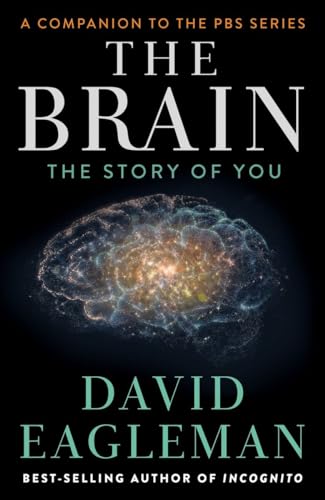 David Eagleman The Brain: The Story of You A vivid tour of how your brain builds realityCHECK TODAY'S PRICE
 - 2
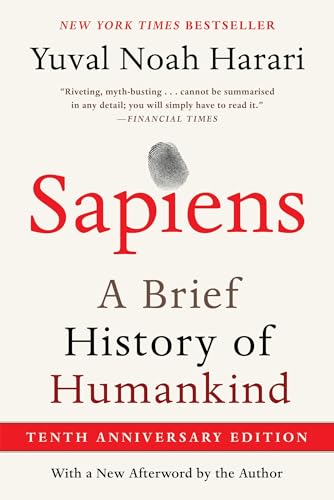 Yuval Noah Harari Sapiens How humans came to dominate the worldCHECK TODAY'S PRICE
 - 3
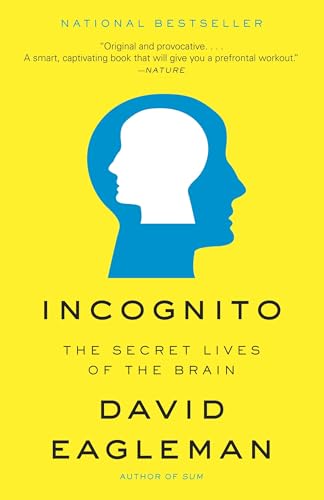 David Eagleman Incognito The hidden life of the unconscious brainCHECK TODAY'S PRICE
 - 4
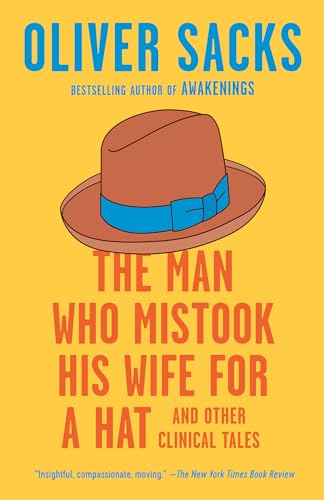 Oliver Sacks The Man Who Mistook His Wife for a Hat Clinical tales of neurological disorderCHECK TODAY'S PRICE
 - 5
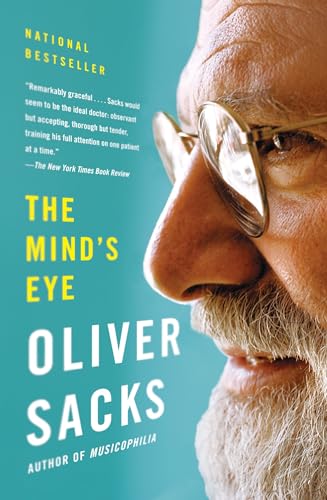 Oliver Sacks The Mind's Eye Vision, perception, and the adapting brainCHECK TODAY'S PRICE
 - 6
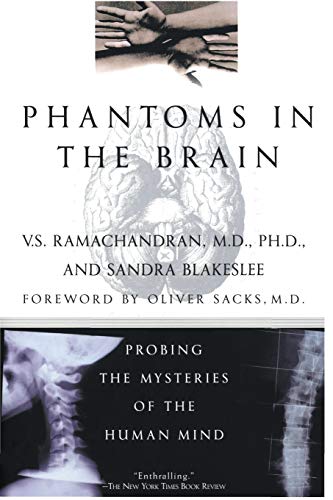 V.S. Ramachandran Phantoms in the Brain Probing the mysteries of the human mindCHECK TODAY'S PRICE
 - 7
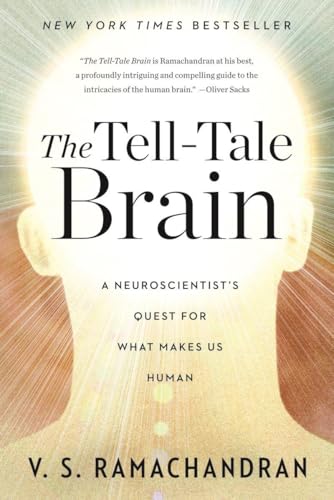 V.S. Ramachandran The Tell-Tale Brain A neuroscientist's quest for what makes us humanCHECK TODAY'S PRICE
 - 8
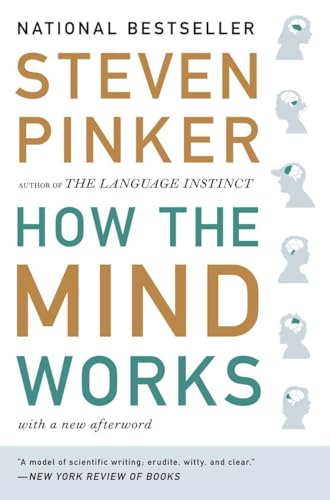 Steven Pinker How the Mind Works An evolutionary account of the human mindCHECK TODAY'S PRICE
 - 9
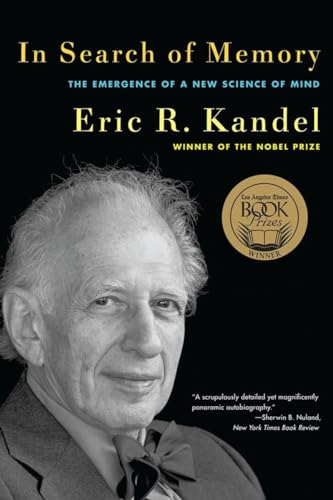 Eric Kandel In Search of Memory A Nobel laureate's science of memoryCHECK TODAY'S PRICE
 - 10
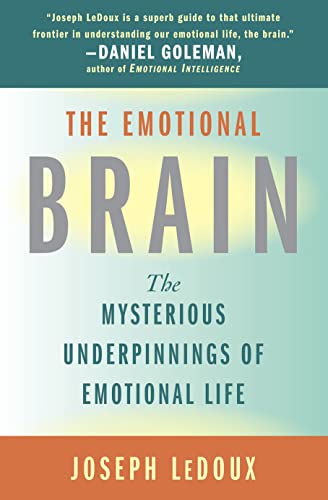 Joseph E. LeDoux The Emotional Brain The neuroscience of emotional lifeCHECK TODAY'S PRICE
 - 11
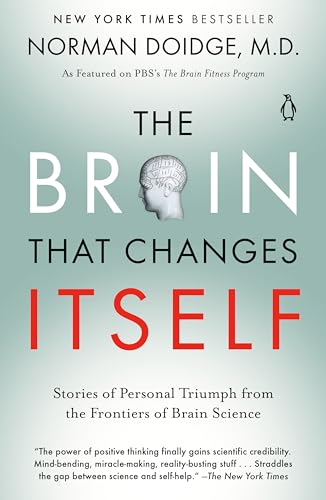 Norman Doidge The Brain That Changes Itself Stories of personal triumph from neuroplasticityCHECK TODAY'S PRICE
 - 12
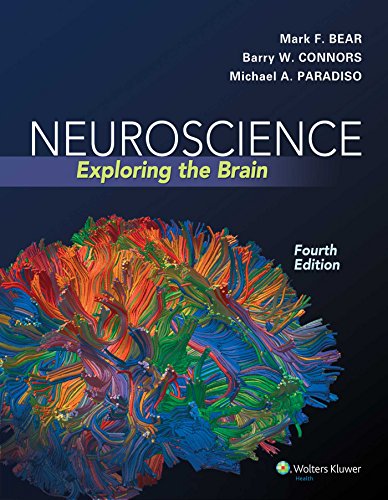 Bear, Connors, Paradiso Neuroscience: Exploring the Brain The definitive neuroscience textbookCHECK TODAY'S PRICE
 - 13
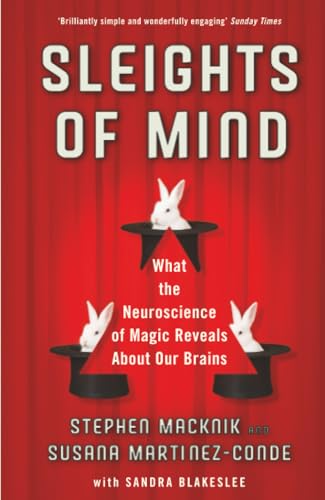 Macknik & Martinez-Conde Sleights of Mind What magic tricks reveal about the brainCHECK TODAY'S PRICE
Why Neuroscience Books Matter for Anyone Interested in Psychology
You can study psychology without knowing much neuroscience. Plenty of effective clinicians practice with limited neuroscience knowledge, and that is perfectly legitimate. But here is what changes when you add neuroscience to your understanding: the explanations get deeper, the treatments make more sense, and the conversations with people in distress become more honest and more grounded.
Take depression. I can describe the symptoms, the diagnostic criteria, the evidence-based interventions. But when I also understand that depression involves altered connectivity between the prefrontal cortex and the limbic system, that it disrupts neurotransmitter function in specific and measurable ways, that chronic stress physically reshapes brain structure over time — that knowledge fundamentally changes how I explain what is happening to someone sitting across from me. And it changes how they hear it.
When someone tells me they cannot “just think positively” their way out of depression, neuroscience backs that up completely. Depression is not a failure of willpower or attitude. It is a brain state involving multiple neural systems that require real, sustained intervention. That is not just theoretical reassurance — it is accurate biological information that can meaningfully reduce shame and help people engage with treatment more honestly.
Same with anxiety. Same with trauma, addiction, personality, development. All of these have neural correlates — biological realities underneath the psychological descriptions — and understanding even the broad outlines of those realities makes you better at working with them, whether you are a professional or a person navigating them in your own daily life. Neuroscience does not replace psychological understanding. It anchors it.
The books on this list approach the brain from different angles. Some focus on specific domains like memory or emotion. Others provide broader overviews of how the whole system works. Some are written by clinicians telling patient stories. Others are by researchers explaining decades of discovery. But all of them make neuroscience accessible and relevant to real human experience — which is exactly what beginners need.
Books About Brain Function and What Makes Us Human
These are the books that tackle the largest question available: how does the brain create consciousness, identity, perception, and everything we experience as “being a person”? They are the best entry points for anyone new to neuroscience because they organize everything around questions people actually care about, rather than around anatomical categories or laboratory methods.
1. “The Brain: The Story of You” by David Eagleman
If you are completely new to neuroscience and want to read one book that gives you the foundations without overwhelming you, this is the one. David Eagleman is a Stanford neuroscientist who is also one of the most gifted science communicators working today — a combination that is genuinely rare. “The Brain: The Story of You” was developed alongside a PBS documentary series, which means it was designed from the start to be engaging and visual rather than dense and academic.
What distinguishes Eagleman’s approach is how he organizes the material. Not around brain regions or neurotransmitter systems, but around questions that keep people up at night. How do we make decisions? Why do we need other people to feel fully human? What is reality, and how much of it is constructed by the brain rather than received from the outside world? Each chapter explores these questions through neuroscience, using case studies and experiments that illustrate concepts in ways that stick.
The chapter on neuroplasticity alone is worth the price of the book. Eagleman dismantles one of the most persistent myths in popular neuroscience — that the brain reaches a fixed state in early adulthood and changes little after that. The reality is almost the opposite. Your brain rewires itself continuously in response to experience, throughout your entire life. For anyone who has convinced themselves they are permanently “wired this way” and cannot change, this is not just interesting information. It is evidence worth taking seriously.
2. “Sapiens: A Brief History of Humankind” by Yuval Noah Harari
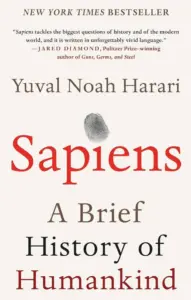
“Sapiens” is not a neuroscience book in the strict sense — it is anthropology, history, philosophy, and cultural analysis woven together into one of the most readable works of nonfiction published this century. But Harari’s account of the cognitive revolution — the evolutionary turning point when human brains developed the capacity for abstract thought, symbolic language, and the ability to believe in things that do not physically exist — is essential for anyone trying to understand what makes human brains genuinely distinctive.
The question that makes this book relevant here is a foundational one: why do our brains work the way they do? Why are we tribal, prone to specific cognitive biases, capable of both extraordinary cooperation and extraordinary cruelty? Harari’s answer involves evolution — specifically, the growing mismatch between brains that developed for small hunter-gatherer groups and the massive, complex, abstract societies those same brains are now asked to navigate.
Understanding the evolutionary context of brain architecture explains a great deal about why modern humans struggle with specific things — chronic stress, social comparison, the difficulty of sustained delayed gratification, the pull of in-group loyalty. These are not character flaws. They are ancient adaptations operating in an environment radically different from the one that produced them. Read “Sapiens” as context before diving into books about individual neural mechanisms, and the mechanisms will make considerably more sense.
3. “Incognito: The Secret Lives of the Brain” by David Eagleman
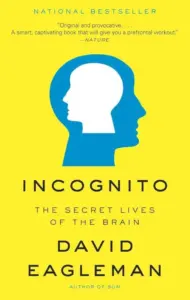
Eagleman’s second appearance on this list takes a different angle from “The Brain: The Story of You.” Where that book asks what the brain does, “Incognito” asks something more unsettling: who is actually in charge?
The answer, backed by substantial evidence, is that consciousness — the part of your mental life you are aware of — is something like the public face of a government whose actual governance is carried out by millions of invisible processes operating entirely without your knowledge. The vast majority of brain activity happens outside conscious awareness. Your conscious mind is less the author of your behavior than a narrator constructing a plausible story about decisions that were already made elsewhere.
This is not just philosophically interesting. It is practically essential for anyone trying to understand human behavior — including their own. When patients ask me why they keep doing things they consciously know are harmful, why they react in ways they would prefer not to, why willpower alone seems so consistently insufficient, “Incognito” provides a neurologically grounded answer to all of those questions. Changing behavior requires working with unconscious processes, not simply deciding to override them. That is the neural basis for why therapy works the way it does, and why it takes the time it takes.
Books About Brain Disorders and Unusual Neurology
Some of the most illuminating neuroscience does not come from typical brains functioning normally. It comes from what happens when specific systems break down — revealing, in sharp relief, the processes that healthy brains perform so seamlessly we never notice them until they are gone. These books use neurological case studies to make visible what invisibility usually conceals.
4. “The Man Who Mistook His Wife for a Hat” by Oliver Sacks

Oliver Sacks was a neurologist who treated patients with conditions so rare and so strange they sound, at first encounter, like fiction — and then, as you read, become something far more profound: windows into how the brain constructs reality, identity, perception, and the entire interior architecture of what it means to be a person.
The title patient cannot recognize faces — including his wife’s, reaching out to take her head as he leaves, as though her head were his hat. Another patient retains no new memories since 1945, living in an eternal present he must reconstruct fresh every few minutes. A woman with no proprioception — no sense of her body’s position in space — who must watch her own hands to move them. A musician who hears constant involuntary music that never stops. Each case is a natural experiment in brain function, revealing through its specific failure what the healthy brain silently and constantly provides.
What makes Sacks irreplaceable is not only the cases but how he writes about the people within them. He never treats his patients as curiosities. He sees them as whole human beings navigating extraordinary neurological terrain with dignity, creativity, and resilience — people whose adaptations to their conditions reveal as much about human strength as about brain vulnerability. You learn neuroscience through stories that stay with you for years, not through dry anatomical taxonomy. For anyone working in mental health, or anyone interested in the intersection of brain science and human experience, this book is essential.
5. “The Mind’s Eye” by Oliver Sacks
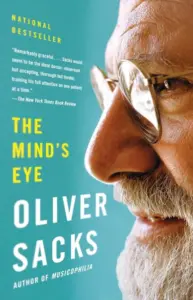
“The Mind’s Eye” is Sacks at his most personal. The book focuses on vision — specifically on the brain’s extraordinary role in constructing visual experience from raw sensory data — and includes a section that is among the most moving things he ever wrote: his own account of progressive visual impairment in later life.
Having spent decades studying patients who had lost specific aspects of visual processing, Sacks found himself experiencing from the inside what he had documented from the outside. A clinician who had written about the loss of reading ability, of face recognition, of stereoscopic vision, now navigated his own visual deterioration with the same precise, unflinching curiosity he had brought to every patient he ever treated. His firsthand account of losing sight while retaining vivid visual imagination and memory is among the most genuinely illuminating things he ever produced.
The central distinction the book draws — between sight as a mechanical function of the eyes and vision as an active creative achievement of the brain — is one of those ideas that, once encountered, permanently reshapes how you think about perception. Read “The Man Who Mistook His Wife for a Hat” first. Then come to this one.
6. “Phantoms in the Brain” by V.S. Ramachandran and Sandra Blakeslee
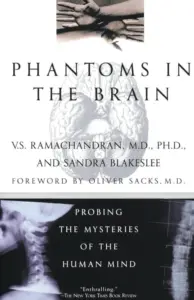
V.S. Ramachandran has a particular genius for designing experiments that are almost embarrassingly simple — a mirror, a rubber hand, a few carefully placed cotton swabs — and extracting from them insights that genuinely rewrite textbooks. “Phantoms in the Brain” begins with phantom limb syndrome, the phenomenon where people who have lost limbs continue to feel them — sometimes vividly, sometimes painfully — for years or decades afterward, and uses it as a launchpad into some of the deepest questions in all of neuroscience.
How does the brain create a coherent map of the body? Why can a mirror box — literally a cardboard box with a mirror — alleviate pain that years of medication have not touched? What does it mean for the brain to construct a sense of “self,” and how robust is that construction? Ramachandran answers these questions through clinical case studies and experiments of remarkable elegance, never losing sight of the human beings at the center of each story.
The book is also a quiet argument for scientific creativity. Ramachandran shows that profound insights do not always require expensive brain imaging equipment — they sometimes require only a willingness to ask unusual questions and observe carefully what patients actually experience. He is not afraid to explore the philosophical implications of his findings while remaining grounded in actual data, which is a balance very few scientists achieve and even fewer communicate to non-specialists.
7. “The Tell-Tale Brain” by V.S. Ramachandran
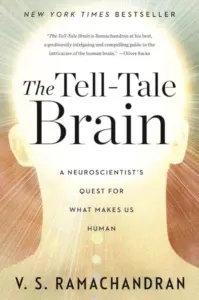
Ramachandran’s follow-up to “Phantoms in the Brain” takes a broader organizing question: what makes human brains unique? Not just different from other animals in degree, but different in kind — capable of art, metaphor, language, self-reflection, and the particular form of social cognition that allows one person to genuinely understand what another is experiencing without any direct sensory access to their inner life.
The chapter on mirror neurons is particularly important for anyone with a background or interest in psychology. Mirror neurons — cells that fire both when you perform an action and when you observe someone else performing the same action — may be the biological substrate of empathy itself, the neural mechanism through which we simulate others’ mental states inside our own brains. The implications for social development, for the neural basis of compassion, and for conditions like autism where social understanding is affected, are both profound and ongoing in the research literature.
“The Tell-Tale Brain” is slightly more technically demanding than “Phantoms in the Brain,” which is why reading that one first is recommended. But if the question of what specifically distinguishes the human brain from every other brain that evolution has produced interests you — and it should, because the answer turns out to be extraordinary — this book explores it with characteristic depth and accessibility.
Books About Specific Brain Functions
These books do not attempt to cover everything. They go deep into particular domains of brain function — cognition, memory, emotion — and in doing so, provide richer understanding of those specific areas than any general overview could match. Choose the one that connects most directly to your current questions.
8. “How the Mind Works” by Steven Pinker
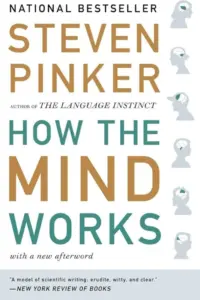
Fair warning before you pick this one up: it is over six hundred pages and it is genuinely dense. Pinker draws on cognitive science, evolutionary psychology, neuroscience, artificial intelligence, linguistics, and philosophy to construct a comprehensive account of how the human mind — understood as a system of computational organs shaped by natural selection — produces everything from visual perception to social behavior to humor. It is a serious intellectual commitment, and it is worth every page.
“How the Mind Works” provides the most thorough grounding available in how cognitive scientists actually think about the mind — not just the accessible highlights that appear in popular summaries, but the underlying frameworks, debates, and evidence. Pinker covers perception, reasoning, emotion, consciousness, music, humor, and the arts, approaching everything from an evolutionary perspective that asks not just what the brain does but why it evolved to do it that way.
Not everyone shares Pinker’s confidence in the adaptationist framework — he can be more certain in some areas than the evidence strictly warrants — but even when you find yourself pushing back, the intellectual friction is productive. He makes arguments that demand real engagement, and real engagement with this material is what builds genuine understanding rather than mere familiarity. Do not rush this book. Sit with it.
9. “In Search of Memory” by Eric R. Kandel
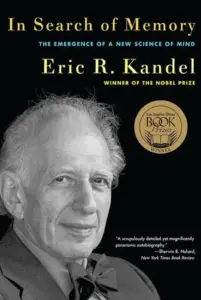
Eric Kandel won the Nobel Prize in Physiology or Medicine in 2000 for discovering the molecular and cellular mechanisms through which memories are formed and stored in the brain. “In Search of Memory” is part autobiography, part scientific history — the account of Kandel’s life from childhood in Vienna and escape from Nazi Austria, through decades of research that transformed our fundamental understanding of how learning happens at the most basic biological level.
The core discovery Kandel describes — that memory involves physical changes in the strength of synaptic connections between neurons — is one of the most important findings in the history of neuroscience. He demonstrated this using sea slugs, whose nervous systems are simple enough to study at the cellular level with the tools available in the 1960s and 70s. The elegance of the scientific reasoning that connected sea slug neurons to human memory consolidation to a Nobel Prize is something worth experiencing directly rather than having summarized.
What makes the book accessible despite its scientific ambition is the autobiographical structure. You are following a person’s life and curiosity, and the science emerges organically from the questions he found himself unable to stop asking. For anyone interested in memory — how it forms, why it fails, how trauma alters it, what happens to it across the lifespan — this book provides foundational understanding from one of the people most responsible for producing that understanding.
10. “The Emotional Brain” by Joseph E. LeDoux
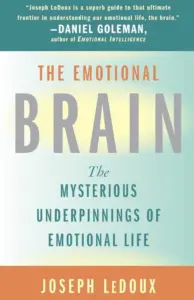
Joseph LeDoux spent decades mapping the neural circuits that underlie fear and anxiety, and what he found changed how both neuroscience and clinical psychology understand emotional experience. The central discovery is this: emotional processing frequently bypasses conscious awareness entirely. The amygdala receives sensory information through a fast subcortical route and triggers an emotional response before the cortex has even completed its processing of what is happening.
This is why you flinch at a shape in the grass before you consciously register “snake.” It is why a particular smell can trigger grief before you have identified what the smell is. It is why someone with a phobia can simultaneously recognize that their fear is disproportionate and be unable to stop feeling it — because the fear circuit and the rational evaluation circuit are not the same circuit. They run in parallel, and the fear circuit is faster.
For clinicians working with anxiety disorders, PTSD, or panic, this book provides the neural foundation for understanding why exposure therapy works the way it does — repeated safe exposure literally reconditions those fast emotional circuits, not just persuades someone cognitively that their fear is irrational. For anyone who has experienced an anxiety response they could not reason their way out of, it offers something more valuable than reassurance: an accurate explanation that removes the grounds for self-blame.
Books About Brain Change and Neuroplasticity
One of the most clinically consequential discoveries of recent neuroscience is that the brain does not stop changing after development. Its structure and function remain responsive to experience throughout life — a property called neuroplasticity that has profound implications for treatment, recovery, and what it means to believe that people can change.
11. “The Brain That Changes Itself” by Norman Doidge
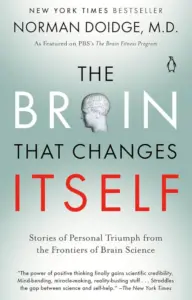
Norman Doidge is a psychiatrist who spent years tracking down the researchers and patients working at the frontier of neuroplasticity science. “The Brain That Changes Itself” is probably the most widely read book on neuroplasticity for general audiences, and it earns that status: it is gripping, humane, scientifically grounded, and genuinely hopeful without ever sliding into false optimism or self-help oversimplification.
The profiles in this book are remarkable: a woman born with half a brain who developed near-normal function because the remaining hemisphere reorganized to compensate. A man who recovered almost completely from a stroke that conventional medicine had declared permanent. Adults who overcame learning disabilities that had defined and constrained their entire lives. Elderly individuals who demonstrably improved cognitive function through targeted engagement with specific types of mental challenge. Each story illustrates a specific neuroplasticity mechanism, grounding the concept in human experience rather than just biological theory.
Doidge is careful about what he claims. He does not suggest neuroplasticity can fix everything, and he does not reduce complex interventions to simple tricks or optimistic slogans. What he shows — compellingly, case by case — is that the brain has considerably more capacity for reorganization and recovery than the scientific consensus believed for most of the twentieth century. For patients dealing with brain injury, cognitive difficulties, or any condition whose neural foundations they want to understand more honestly, this book offers something genuinely useful: accurate hope, backed by evidence.
Textbooks for the Motivated and Serious Beginner
These final two books are more demanding than everything above them on this list. They are what you would study — not just read — if you were taking a formal introductory neuroscience course. They require real cognitive effort and will not yield their value to casual skimming. But if you are serious about building genuine knowledge rather than just familiarity, they are where that knowledge lives.
12. “Neuroscience: Exploring the Brain” by Bear, Connors, and Paradiso
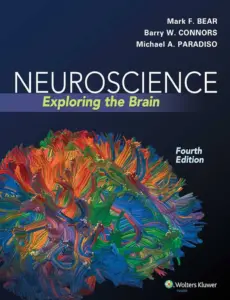
This is the standard introductory neuroscience textbook used in many undergraduate and graduate programs, and it remains the standard for good reason. “Neuroscience: Exploring the Brain” covers the full landscape of the discipline — from the molecular biology of neurons and synaptic transmission, through neuroanatomy and sensory systems, to the neural bases of memory, emotion, language, and complex behavior. It is comprehensive, clearly organized, and considerably better written than most textbooks of equivalent scope.
This is not a book you read through once and put away. It is a book you study: you take notes, use the review questions at the end of each chapter, return to sections that did not fully resolve on first pass, and allow the understanding to accumulate layer by layer. Neuroscience concepts build on each other in ways that make gaps in foundational knowledge increasingly costly as you progress, which is why taking the time to genuinely understand each chapter before moving to the next is worth it.
I recommend this book for people who are serious about learning neuroscience at a depth that narrative popular science books cannot provide — graduate students, professionals who want comprehensive biological grounding for their clinical work, or any committed self-educator willing to work for what they want to understand.
13. “Anatomy of the Mind” by M. B. Harald
Where most neuroscience textbooks treat psychology as a downstream application of brain science, “Anatomy of the Mind” positions the two disciplines as genuine equal partners. Harald examines how neurobiological processes relate to psychological phenomena — consciousness, mental illness, personality, emotion, social behavior — with the explicit aim of building bridges between the two fields rather than establishing hierarchies between them.
The book covers neuroanatomy, neurotransmitter systems, and the contributions of different brain regions to cognition and behavior, but all of that material is contextualized within psychological questions that practitioners actually grapple with in daily clinical work. For clinical psychology students or practicing therapists who want to ground their psychological understanding in neuroscience without abandoning the psychological frame, this book occupies exactly the right position between the two disciplines.
It assumes some basic familiarity with either neuroscience or psychology — it is not a first book for someone with no background in either field — but it explains each concept carefully as it introduces it. Its integration of both perspectives makes it particularly useful for anyone whose professional identity, like that of most clinicians, lives at the intersection of brain and mind.
FAQs About Neuroscience Books for Beginners
What is the single best neuroscience book for an absolute beginner?
“The Brain: The Story of You” by David Eagleman is the best starting point if you have no prior neuroscience background. It covers essential concepts in an engaging, accessible way, uses real case studies, and organizes everything around questions people genuinely care about — why do we make the decisions we do, what is consciousness, how does experience shape who we become — without requiring any scientific prerequisite. If you prefer something more narrative and clinical, Oliver Sacks’ “The Man Who Mistook His Wife for a Hat” is an equally brilliant but different kind of entry point, built around patient stories rather than conceptual questions. Either one will orient you well for everything else on this list.
Which books use personal stories to explain neuroscience?
Several are built almost entirely around narrative. Oliver Sacks’ books — “The Man Who Mistook His Wife for a Hat” and “The Mind’s Eye” — use clinical case studies as the primary vehicle for explaining how the brain works, with “The Mind’s Eye” adding Sacks’ own experience of progressive vision loss. “The Brain That Changes Itself” by Norman Doidge profiles individuals and researchers at the frontier of neuroplasticity, making each chapter as much a human story as a scientific one. “In Search of Memory” by Eric Kandel weaves autobiography through the science, so you follow his life and career as the discoveries unfold. All three approaches make complex neuroscience not just comprehensible but genuinely memorable.
I am dealing with anxiety or trauma — which book would help me understand what is happening neurologically?
“The Emotional Brain” by Joseph LeDoux is the most directly relevant book on this list for anyone experiencing anxiety, phobias, panic, or trauma-related symptoms — whether as a clinician or as someone navigating these experiences personally. LeDoux discovered the neural circuits underlying fear and anxiety, and his central finding — that emotional responses often bypass conscious awareness through fast subcortical pathways — provides the neurological explanation for why anxiety feels so physical, why it is so resistant to rational override, and why “just calm down” is genuinely not how the brain works. Understanding this can meaningfully reduce the self-blame that often accompanies anxiety. Seeking support for mental health challenges is a sign of strength and self-awareness, not weakness — and understanding the neuroscience can make that step easier to take.
Is there a comprehensive textbook for someone who wants systematic, rigorous knowledge?
Yes. “Neuroscience: Exploring the Brain” by Bear, Connors, and Paradiso is the standard introductory textbook used in many undergraduate and graduate neuroscience programs. It covers molecular neurobiology, neuroanatomy, sensory and motor systems, and the neural bases of cognition and emotion — comprehensively, clearly, and with considerably better writing than most textbooks of equivalent scope. Be realistic about what it requires: this is a book you study, not one you skim. Use the review questions, take your time with unfamiliar material, and allow understanding to build progressively. The investment is genuinely worth it if systematic knowledge is your actual goal.
Do I need a science background to read these books?
For most of them, no. The narrative books — Sacks, Eagleman, Doidge, Ramachandran — are written explicitly for general audiences and introduce every concept they use. Pinker’s “How the Mind Works” and Kandel’s “In Search of Memory” assume some basic comfort with scientific reasoning but not specific neuroscience knowledge. Start with the accessible narrative books, build your conceptual vocabulary, and then the more technical books become considerably more approachable. Fear of the science is the main thing that stops people from engaging with this material — and it is a fear worth examining, because the writers on this list are exceptionally skilled at making genuinely difficult things clear.
Which book is most useful for mental health professionals specifically?
All of them add something to clinical understanding, but the most directly relevant are LeDoux’s “The Emotional Brain” for work with anxiety and trauma, Doidge’s “The Brain That Changes Itself” for understanding the neurobiological basis of therapeutic change, Eagleman’s “Incognito” for understanding why conscious intention is rarely sufficient for lasting behavioral change, and Kandel’s “In Search of Memory” for the molecular basis of how new experience produces lasting neural change. Neuroscience knowledge does not replace clinical training or supervision — it deepens and enriches the conceptual framework that makes clinical work more informed and more honest. The goal is not neuroscience-based practice but neuroscience-informed practice, and these books are the most accessible path to that kind of integration.
Which book should I read if I am specifically interested in how the brain changes and adapts?
“The Brain That Changes Itself” by Norman Doidge is entirely organized around neuroplasticity — the brain’s capacity to reorganize and adapt throughout life. It covers recovery from brain injury, overcoming learning disabilities, and cognitive adaptation in aging, all through profiles of specific individuals and the researchers who worked with them. Eagleman’s books also discuss plasticity throughout, but as one component of broader explorations of brain function rather than as the central theme. Doidge’s book is the right choice if neuroplasticity specifically is what you want to understand.
Are these books useful for understanding depression or mental illness neurologically?
Yes, significantly so. Understanding the neural correlates of depression, anxiety, and related conditions changes how people — both clinicians and those experiencing them — relate to those conditions. Depression is not a failure of attitude or willpower; it is a brain state involving altered connectivity between neural systems, disrupted neurotransmitter function, and sometimes structural changes produced by chronic stress. Anxiety is not irrationality or weakness; it is a fast neural circuit doing exactly what evolution designed it to do, in conditions that did not exist when it was designed. Eagleman’s “The Brain: The Story of You,” Doidge’s “The Brain That Changes Itself,” and LeDoux’s “The Emotional Brain” are all particularly relevant for this purpose. If you are navigating mental health challenges yourself, these books can provide context and reduce self-blame — but they are not a substitute for professional support, which remains the most effective path toward genuine change.
How long will it take to read all of these books?
Vary enormously. The shorter narrative books — Sacks’ case studies, Eagleman’s overviews — can realistically be read in a weekend of engaged attention. The comprehensive textbooks like “How the Mind Works” or “Neuroscience: Exploring the Brain” might take weeks or months if you are actually absorbing and processing the material rather than moving words past your eyes. Do not rush them — neuroscience concepts build on each other, and it is consistently worth taking time to genuinely understand foundational ideas before moving forward. One book read thoroughly will do more for your understanding than five books skimmed and half-retained.
Use this citation format to reference the article clearly and help readers find the original source.
PsychologyFor. (2026). 13 Neuroscience Books for Beginners (Highly Recommended). PsychologyFor. https://psychologyfor.com/13-neuroscience-books-for-beginners-highly-recommended/