

See more of our articles in your search results.
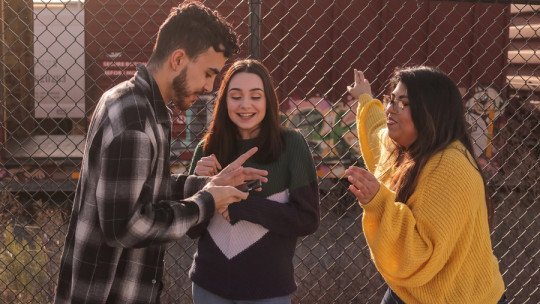
Walk into any high school cafeteria and you’ll see it immediately: teenagers sitting in tight clusters, some laughing loudly, others hunched over phones, a few sitting alone pretending not to care. The social landscape of adolescence looks deceptively simple from the outside, but anyone who’s been a teenager—or raised one—knows the truth. These years are socially and emotionally complex in ways that can shape the rest of a person’s life. How young people learn to navigate groups, communicate with peers, manage conflict, and develop their identity within a social context matters profoundly.
That’s where group dynamics activities come in. These aren’t just games to kill time or keep teenagers busy—though they certainly can be fun. When designed thoughtfully, these activities create structured opportunities for young people to practice essential skills they’ll use throughout their lives: collaboration, communication, empathy, leadership, creative problem-solving, and emotional regulation. Research consistently shows that teenagers who participate in regular team-building exercises demonstrate improved social skills, higher emotional intelligence, and greater resilience when facing challenges.
The beauty of well-designed group activities is that they create a safer space for social risk-taking than everyday life typically offers. In a structured activity with clear rules and expectations, a shy teenager might find it easier to speak up. Someone who usually dominates conversations might learn to listen. Young people who struggle with trust can practice relying on others in lower-stakes situations. And perhaps most importantly, teenagers who feel isolated or different can discover connection and belonging—something that’s psychologically essential during this developmental stage but often feels frustratingly out of reach.
But not all group activities are created equal. Forced icebreakers that feel awkward or infantilizing can backfire, making teenagers more self-conscious and resistant. Activities that are too competitive can reinforce unhealthy social hierarchies rather than building community. And exercises that don’t account for different personality types, comfort levels, and cultural backgrounds can exclude the very young people who might benefit most from participation. The most effective activities for this age group balance structure with flexibility, challenge with support, and fun with genuine psychological benefit.
Whether you’re a teacher trying to build classroom community, a youth group leader planning activities, a therapist facilitating group therapy sessions, a camp counselor working with new campers, or a parent hoping to help your teenager develop stronger social skills, having a repertoire of effective group dynamics makes all the difference. The fifteen activities outlined here have been selected based on their psychological benefits, adaptability to different settings and group sizes, and proven effectiveness with the teenage population. Some focus on building trust, others on creative collaboration, still others on emotional expression or problem-solving. Together, they offer a comprehensive toolkit for helping young people develop the social and emotional competencies they’ll carry into adulthood.
How many of these have you been "meaning to read" for months?
- 1
 Workman PublishingNo More Mr Nice GuyA Proven Plan for Getting What You Want in Love, Sex, and LifeListen Free On Audible
 - 2
 Sounds TrueNo Bad PartsHealing Trauma and Restoring Wholeness with the Internal Family Systems ModelListen Free On Audible
 - 3
 New Harbinger PublicationsThe Dialectical Behavior Therapy Skills WorkbookPractical DBT Exercises for Learning Mindfulness, Interpersonal Effectiveness, Emotion Regulation...Listen Free On Audible
Why Group Dynamics Matter for Adolescent Development
Before diving into specific activities, it’s worth understanding why this kind of structured social interaction is so valuable during the teenage years. Adolescence represents a critical developmental period when young people are working out fundamental questions about identity, belonging, and their place in the world. The brain is undergoing significant changes, particularly in areas related to social cognition, emotional regulation, and executive function. Teenagers are neurologically wired to care intensely about peer relationships and social status—this isn’t shallow or immature, it’s developmentally appropriate.
Research shows that positive peer relationships during adolescence predict better mental health, academic achievement, and life satisfaction well into adulthood. Conversely, social isolation, peer rejection, or inability to navigate group dynamics can contribute to anxiety, depression, and other mental health challenges. Studies examining the impact of structured group activities for teens have found measurable improvements in multiple areas: emotional intelligence scores increase by up to 22% with regular participation in collaborative problem-solving activities, social anxiety can decrease by 26% through consistent improvisation and drama exercises, and teens who engage in structured self-reflection activities show 22% greater self-concept clarity.
Group dynamics activities work because they provide what developmental psychologists call “scaffolding”—structured support that helps young people practice skills slightly beyond their current comfort zone. In a well-facilitated group activity, teenagers can experiment with different social roles, receive immediate feedback on their interpersonal effectiveness, observe peers modeling various approaches to challenges, and experience the satisfaction of collaborative achievement. These experiences build what researchers call social competence—the ability to effectively navigate social situations, understand and respond to social cues, manage emotions in group contexts, and build positive relationships.
Perhaps most importantly, quality group experiences combat the isolation and disconnection that have become increasingly common among young people. Despite being more “connected” than ever through technology, many teenagers report feeling lonely and struggling to form meaningful relationships. Structured activities create opportunities for authentic connection that social media can’t replicate—shared laughter, collaborative problem-solving, vulnerability and support, nonverbal communication, and the simple experience of being fully present with others.

The 15 Most Effective Activities for Teen Groups
1. Two Truths and a Lie
This classic icebreaker game remains popular because it’s simple, adaptable, and psychologically effective. Each person shares three statements about themselves—two true and one false—and the group tries to identify the lie. The twist? Require that none of the statements involve technology or social media, forcing tech-focused teenagers to share other aspects of their lives. This encourages identity expansion beyond digital interests, and research shows that teens with diversified self-concepts demonstrate 41% greater resilience when facing challenges. The activity naturally generates conversation, reveals surprising information that builds connection, and creates a low-pressure way for quiet group members to participate.
2. Theatre Improvisation
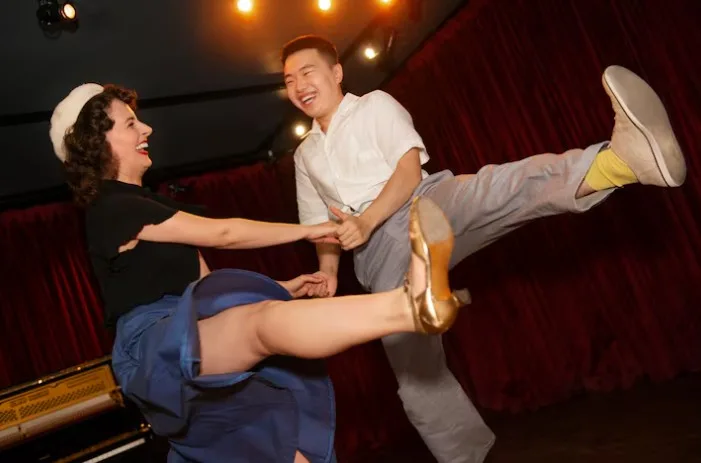
Improvisation exercises have gained prominence in education for good reason—they deliver multiple psychological benefits simultaneously. Without requiring any acting experience, teens can work in pairs where one person proposes a situation and the other must respond spontaneously, or they might move according to music or behave like an animal that represents them. This builds creativity, self-knowledge, oral and physical expression, empathy, and understanding of others while reducing embarrassment about self-expression. Studies indicate that regular improv activities can reduce social anxiety by up to 26%. The beauty of improvisation is that there’s no wrong answer—the point is spontaneity and accepting whatever your partner offers, which teaches flexibility and collaboration.
3. Marshmallow Challenge
Give small teams 20 sticks of spaghetti, one yard of tape, one yard of string, and one marshmallow. Their task? Build the tallest freestanding structure possible in 18 minutes, with the marshmallow on top. This deceptively simple engineering challenge reveals fascinating group dynamics. Some teams plan extensively before building; others dive right in. Some designate clear roles; others work chaotically. The activity teaches iterative problem-solving (teams that prototype and test perform better than those who plan perfectly then build once), exposes different leadership styles, requires communication and compromise, and creates a memorable shared experience. Interestingly, kindergarteners typically outperform business school students at this task because they prototype rather than overthink—a valuable lesson for teenagers about perfectionism.
4. Trust Walk
One partner wears a blindfold while the other verbally guides them through an obstacle course or around a space. Then they switch roles. This activity requires vulnerability from the blindfolded person and responsibility from the guide. It builds trust in concrete, experiential ways that talking about trust never can. The exercise teaches that clear communication is essential when someone depends on you, that trusting others requires managing anxiety and letting go of control, and that different people need different types of guidance. Discussion afterward should explore how it felt to be in each role, what communication strategies worked best, and how this relates to trust in everyday relationships.
5. Talent Show
Ask each teenager to prepare a brief demonstration of something they’re good at or passionate about—playing an instrument, discussing a favorite book or game, showing a sport technique, teaching a skill, or sharing knowledge about an interest. This activity has profound effects on adolescent self-esteem. Receiving positive recognition from peers for something they genuinely care about reinforces confidence and identity. Teens cultivate presentation and synthesis skills while losing embarrassment about showing their authentic interests. The activity also helps group members see each other as whole people with diverse talents and interests beyond their social role in the group. It’s particularly powerful for teenagers who don’t excel academically or athletically but have other strengths that rarely get celebrated in school settings.
6. Collaborative Drawing
The group creates a single piece of art together, with each person adding to it in turns or sections. Variations include: everyone draws simultaneously on one large paper, each person adds one element before passing it on, or teams create murals representing shared values or experiences. This creative collaboration removes the pressure of individual artistic skill while building collective ownership of the outcome. Non-verbal communication becomes important as people negotiate space and build on each other’s contributions. The activity works well for teens who find verbal communication challenging and creates a concrete representation of what the group can create together that can be displayed afterward.
7. Human Knot
The group stands in a circle, reaches across to grab two different people’s hands (not the person next to them), then works together to untangle themselves without releasing hands. This classic team-building exercise requires physical problem-solving, clear communication about what’s working, patience when progress is slow, and literally supporting each other through awkward positions. The shared laughter and occasional frustration create bonding, and the eventual success (or agreed-upon “cutting” of the knot if it’s truly impossible) provides satisfaction. It works best with groups of 8-15 people and requires enough physical comfort with peers to hold hands and navigate close proximity.
8. Feelings Jenga
Write prompts or questions on Jenga blocks related to emotions, experiences, and values. When someone pulls a block, they respond to the prompt before placing it on top. Prompts might include: “Share a time you felt proud of yourself,” “Describe your biggest fear,” “What makes you feel calm?” or “Tell about someone who inspires you.” This adaptation of a familiar game creates a structured way to practice emotional expression and vulnerability. The game element reduces the intensity of sharing personal information, while hearing peers’ responses normalizes a range of experiences and feelings. It’s particularly effective in therapeutic settings but works well in any context where building emotional awareness and connection is a goal.
9. Scavenger Hunt with Teamwork Challenges
Design a scavenger hunt where items can only be obtained by completing team challenges—taking a creative group photo, solving a puzzle together, performing a silly task, or helping strangers. Unlike individual scavenger hunts, this version requires coordination, role distribution (navigator, photographer, spokesperson, etc.), and collective decision-making about strategy. The activity gets teenagers moving and energized while practicing collaboration under time pressure. It works well for larger groups by creating multiple competing teams and can be adapted to virtually any setting from school campuses to neighborhoods to camps.
10. Emotion Thermometer Check-In
Draw a thermometer numbered 1-10 on a board. Teens place themselves on the scale for feelings like stress, motivation, confidence, or happiness. They explain why they chose that number and what might help them move a point or two in a positive direction. This simple activity builds emotional awareness and vocabulary while normalizing that everyone experiences different emotional states. Hearing peers describe their feelings and coping strategies provides modeling and reduces isolation. It works well as a regular opening or closing ritual for ongoing groups, helping the facilitator gauge the group’s emotional state and identify individuals who might need additional support.
11. Community Playlist
Create a shared playlist where each person adds a song that matches their current mood or expresses something they want to communicate. Teens then share why they selected their song. This leverages music’s power for emotional expression, which is particularly accessible for young people who might struggle with verbal articulation. Symbol-based expression activities like this have been shown to increase emotional articulation by 29% among teenagers. The playlist becomes a group artifact that members can revisit, and discovering shared musical taste often sparks connection. It works especially well for groups that meet regularly, with the playlist growing over time.
12. The Ups and Downs Jar
Each week, teenagers write one “up” (a small win or positive experience) and one “down” (a challenge or difficulty) on slips of paper. These go into a jar anonymously. During group time, draw some at random and discuss them without identifying whose is whose unless the person chooses to reveal themselves. This activity normalizes that life includes both positive and negative experiences, provides practice with perspective-taking as teens consider challenges that might be different from their own, and creates emotional processing opportunities without putting anyone on the spot. It’s particularly effective for ongoing groups and can help identify patterns or common struggles that the group might address together.
| Activity Type | Primary Psychological Benefit |
| Icebreakers (Two Truths, Name Games) | Reducing social anxiety, building initial connection |
| Trust exercises (Trust Walk, Human Knot) | Developing interpersonal trust, practicing vulnerability |
| Creative collaboration (Drawing, Improvisation) | Non-verbal communication, collective creativity |
| Problem-solving (Marshmallow Challenge, Scavenger Hunt) | Teamwork, strategic thinking, role distribution |
| Emotional expression (Feelings Jenga, Playlist, Thermometer) | Emotional awareness, vocabulary development, normalization |
13. Alignment Chart Self-Placement
Using the classic gaming alignment chart (lawful good to chaotic evil), teens place themselves on the grid and explain their positioning. Then form groups based on alignment to complete a simple collaborative challenge. This playful self-categorization activity encourages identity exploration without being too serious or heavy. Research shows teens who engage in structured self-reflection like this demonstrate 22% greater self-concept clarity. The activity works particularly well with young people familiar with gaming culture and creates interesting discussions about values, decision-making, and how we see ourselves versus how others might perceive us.
14. Build a Container Challenge
Small teams receive identical materials—12 straws and 18 inches of masking tape—and ten minutes to build a container that will catch a golf ball dropped from a height. This engineering challenge requires creativity within constraints, quick decision-making with limited time, and physical collaboration to construct the container. Teams must negotiate different ideas, divide responsibilities, and test their design before time runs out. The specific constraint of identical materials means success depends entirely on the team’s approach rather than having better resources. Discussing afterward which strategies worked and why provides insights into group process and decision-making.
15. Identity Collage
Using magazines, markers, printed images, or digital tools, teenagers create collages representing different aspects of themselves—interests, values, personality traits, future goals, important relationships, or experiences that shaped them. When they share their collages, they explain the meaning behind their choices. This activity supports self-awareness and identity development, which are central psychological tasks of adolescence. Creating something visual makes abstract identity concepts more concrete, while sharing with the group builds understanding and often reveals surprising commonalities. It works well as a longer activity and creates artifacts that teens can keep as representations of themselves at this point in their development.

Facilitating Group Dynamics Effectively with Teens
Even the best-designed activity can fall flat without skilled facilitation. Working effectively with teenage groups requires understanding their developmental needs and social sensitivities. Unlike children, who generally enjoy adult-led activities, teenagers are often skeptical of structured exercises and acutely aware of anything that feels forced or artificial. They’re also highly attuned to peer judgment, which means creating psychological safety is paramount.
Start by establishing clear norms and expectations. Co-create group agreements about confidentiality, respect, participation, and how to handle disagreement. When teens have input into the rules, they’re more likely to follow them. Make explicit that different participation styles are acceptable—not everyone needs to be equally vocal to be contributing meaningfully. This helps introverted or anxious young people feel less pressured while still encouraging engagement.
Frame activities in terms of skill development rather than games. Teenagers respond better when they understand the purpose behind what they’re doing. Explain that these activities build specific competencies like communication skills, creative problem-solving, or emotional awareness that they’ll use in school, work, and relationships. Avoid talking down or being overly enthusiastic in ways that feel fake—teens have excellent radar for inauthentic adult energy.
Build in choice and autonomy wherever possible. Let teams decide their own approach to challenges. Offer options for how to participate in activities. Allow teens to pass on sharing if they’re not ready, with the option to come back later. Adolescents are developmentally focused on autonomy and independence, so structures that feel controlling will trigger resistance even if the activity itself is engaging.
Debrief thoughtfully after activities. The learning happens as much in reflection as in the activity itself. Ask open-ended questions: What did you notice about how your team worked together? What was challenging? What surprised you? How might this relate to other situations in your life? Create space for multiple perspectives and avoid forcing a single interpretation or lesson. Sometimes the most powerful insights come from teenagers themselves rather than from the facilitator’s predetermined teaching points.
Watch for and address exclusion or problematic dynamics. Even in structured activities, existing social hierarchies and cliques can reassert themselves. Pay attention to who speaks, who gets listened to, who gets left out. Intervene when necessary—mix up teams, explicitly invite quieter members to share, redirect when someone dominates. Part of your role is creating more equity than might naturally occur, giving all young people opportunities to contribute and be valued.
Be aware of trauma and mental health considerations. Some activities involving physical touch, darkness, or vulnerability might be triggering for young people with trauma histories or certain mental health conditions. Offer alternatives when possible and never force participation in activities that cause genuine distress. Building trust over time means respecting boundaries and allowing teens to engage at their own pace.
Adapting Activities for Different Settings and Needs
The fifteen activities outlined here are designed to be adaptable, but they’ll need modification based on your specific context, group size, available time, and participants’ needs. A classroom icebreaker looks different from a therapeutic group activity, which differs from a youth group team builder or a camp program.
For classroom settings with 20-35 students and limited time, focus on activities that can accommodate large groups and provide clear learning connections. Icebreakers like Two Truths and a Lie work well at the beginning of a semester to build class community. Collaborative challenges like the Marshmallow activity can be tied to curriculum content—science classes might extend it to discuss engineering principles, while English classes could have teams present their process as a narrative. The key is integrating dynamics into learning objectives rather than treating them as separate from academic work.
For therapeutic group settings with 6-10 participants meeting regularly, prioritize activities that build emotional awareness and safety over time. Start with lower-risk activities and gradually introduce more vulnerable sharing as trust develops. Feelings Jenga, Emotion Thermometer, and the Ups and Downs Jar work well for ongoing therapy groups. Build in more processing time than you would in other settings—the activity itself might be brief, but discussing feelings, reactions, and insights is where therapeutic change happens.
For youth groups, camps, or recreational settings with variable group sizes and the goal of building community, choose activities that are genuinely fun and create shared positive experiences. Scavenger hunts, talent shows, improvisation games, and physical challenges like the Human Knot tend to work well. You can afford to be more playful and energetic in these settings compared to classroom or therapeutic contexts. The learning can be lighter—you’re primarily building belonging and positive peer relationships rather than academic or therapeutic goals.
For leadership development programs working with motivated teens, select activities that explicitly develop transferable skills and allow for reflection on leadership styles and team roles. The Marshmallow Challenge, Build a Container, and alignment activities work well. Incorporate more sophisticated debriefing that helps young people connect experiences to broader concepts like communication styles, conflict management, or distributed leadership.
Consider cultural context as well. Activities that work beautifully with one group might need significant adaptation for another based on cultural norms about physical contact, self-disclosure, competition, or authority. Be willing to modify activities based on your participants’ backgrounds and comfort levels. The goal is never perfect execution of an activity as designed—it’s creating an experience that serves your specific group’s development.
Measuring Impact and Long-Term Benefits
How do you know if these activities are actually working? Beyond the immediate energy and engagement you observe during the activities themselves, several indicators suggest that group dynamics work is having meaningful impact on adolescent development.
Watch for changes in group interaction patterns over time. Do previously quiet members begin contributing more? Do teens start building on each other’s ideas rather than just waiting for their turn to talk? Are conflicts handled more constructively? Does the group show increased capacity to self-regulate without adult intervention? These shifts suggest developing social competence and group cohesion.
Pay attention to individual changes in confidence and self-expression. Do you notice teenagers taking social risks they wouldn’t have attempted earlier—volunteering to lead, sharing personal experiences, trying new roles? This indicates growing psychological safety and self-assurance. Conversely, decreased anxiety-related behaviors like excessive fidgeting, avoidance of eye contact, or reluctance to participate suggests increasing comfort.
Listen for how young people talk about themselves and each other. Increased emotional vocabulary, more nuanced understanding of interpersonal dynamics, greater empathy in discussing peers’ experiences, and more complex self-reflection all indicate developing emotional and social intelligence. Research shows these competencies predict success across multiple life domains well beyond adolescence.
Formal assessment can supplement observation. Simple pre- and post-surveys measuring self-reported social anxiety, sense of belonging, communication confidence, or emotional awareness can document change over a semester or program. Qualitative feedback through journaling or exit interviews often reveals impact that numbers can’t capture—teenagers articulating how an experience changed their perspective or helped them make a friend.
Perhaps most importantly, the relationships that form through these shared experiences often persist beyond the structured group. When you see teenagers who met through your program continuing to interact, support each other, or reference shared experiences, you know the activities succeeded in creating genuine connection. That’s ultimately the goal—not perfect execution of exercises, but building the relationships and skills young people need to thrive.
FAQs About Group Dynamics for Teenagers
What if some teenagers refuse to participate in group activities?
Resistance to participation is common and rarely personal—it usually reflects social anxiety, self-consciousness about peer judgment, past negative experiences with forced participation, or general adolescent skepticism toward adult-directed activities. Never force participation, as this increases anxiety and damages trust. Instead, offer options: observing without participating initially, taking a less visible role like timekeeper, or participating in a modified way. Explain the purpose behind activities so teens understand the benefit rather than feeling manipulated. Build relationship and trust first before expecting full engagement. Often, resistant teenagers become most engaged once they see peers having positive experiences and realize activities aren’t as scary or stupid as they feared. Some young people simply need more time and safety before taking social risks, and that’s okay. Creating space for gradual engagement respects their autonomy and often leads to eventual participation on their own terms.
How do I adapt group dynamics for teens with social anxiety or autism?
Many standard activities can be modified to accommodate different neurotypes and anxiety levels. Provide clear advance information about what will happen so anxious teens can mentally prepare rather than being surprised. Offer alternative participation options that feel less exposing—written responses instead of verbal sharing, working with a familiar partner rather than random grouping, or taking a behind-the-scenes role. For teenagers with autism spectrum disorder, be explicit about implicit social rules, avoid activities that rely heavily on reading subtle social cues without instruction, and be aware that some common team-building elements like sustained eye contact or physical proximity might be uncomfortable. Consider sensory sensitivities—activities in loud, chaotic environments or involving unexpected touch may be distressing. Most importantly, ask teens themselves what accommodations would help them participate successfully. They’re often the best experts on their own needs, and including them in problem-solving builds self-advocacy skills while ensuring activities are actually accessible.
What’s the ideal group size for these activities?
Optimal group size varies by activity type and purpose. For icebreakers and discussion-based activities, smaller groups of 8-12 work best because everyone gets airtime and connection feels more personal. For competitive team challenges like scavenger hunts or building exercises, 16-24 divided into teams of 4-6 creates good energy and allows multiple teams to interact. For large classroom settings with 25-35 students, structure activities with small group components—even if the whole class participates, break into smaller teams for the actual work. Very small groups of 4-6 require different approaches since dynamics are more intimate and there’s less anonymity, which can be good for deep work but intimidating for initial connection. Very large groups of 40+ need activities specifically designed for that scale or subdivision into multiple simultaneous smaller groups. Consider your goals too: trust-building requires smaller groups, while high-energy community building can work with larger numbers. When in doubt, smaller is usually better for psychological depth, while larger works for energy and fun.
How often should I do group dynamics activities with the same teenagers?
Frequency depends on context and purpose. In ongoing groups like classes, therapy groups, or youth programs that meet regularly, incorporate relationship-building activities frequently early on—perhaps 10-15 minutes of each session for the first month—to establish safety and connection. Once the group is cohesive, reduce frequency but use activities strategically when energy is low, after breaks or holidays when reconnection is needed, or when introducing new members. For time-limited programs like week-long camps, front-load activities in the first 2-3 days to accelerate bonding, then decrease as relationships solidify. Avoid overdoing it—too many structured activities can feel exhausting and prevent organic relationship development. Leave space for unstructured social time where teens apply skills practiced in activities to natural interactions. The goal is supporting relationship development, not replacing it with constant facilitation. Pay attention to the group’s needs: if they’re requesting more connection activities, they’re telling you something. If they’re groaning when you announce another exercise, you may have reached saturation point.
Can group dynamics replace individual therapy or counseling for teens?
No, group activities serve different purposes than individual therapeutic work and one doesn’t replace the other. Group dynamics are excellent for building social skills, creating peer connection, normalizing common experiences, providing opportunities to practice interpersonal skills in real time, and developing group belonging. These are valuable and address needs that individual therapy can’t fully meet. However, individual therapy provides personalized attention to specific mental health concerns, safety for disclosure without peer judgment, deeper exploration of personal history and family dynamics, and targeted treatment for conditions like depression, trauma, or severe anxiety. Many teenagers benefit from both—individual therapy addresses personal healing and growth, while group experiences provide social skill practice and connection. In fact, teens often make faster progress when participating in both because they can process group experiences in individual therapy and apply insights from individual work in group settings. If a teenager is struggling with significant mental health challenges, individual assessment and treatment should be prioritized, with group dynamics as a supplement rather than substitute. Group activities are preventive and developmental—they support healthy growth for all teens—while therapy is treatment for specific difficulties.
What should I do if conflicts or bullying emerge during group activities?
Address problems immediately and directly—ignoring bullying behavior or interpersonal cruelty during activities communicates that it’s acceptable. Pause the activity if necessary to address what’s happening. Name the behavior specifically without attacking character: “I noticed that several people interrupted Sarah when she was talking. In this group, everyone gets to finish their thoughts.” For serious issues like exclusion or put-downs, have a direct conversation with involved individuals separately from the larger group. Some conflict is normal and even valuable—learning to navigate disagreement is an important skill. But there’s a difference between productive conflict (disagreeing about strategy, negotiating different ideas) and destructive conflict (personal attacks, exclusion, power plays). Use group agreements established early on as reference points: “Remember we agreed that everyone’s ideas deserve consideration. What’s a way to disagree with Jordan’s suggestion that respects that agreement?” Sometimes conflicts reveal deeper issues in group dynamics that need addressing through discussion rather than just continuing activities. Consider whether your activity design might inadvertently encourage negative dynamics—overly competitive structures can bring out ugly behavior in some teenagers. The facilitator’s response to conflict sets the tone for the entire group’s culture, so respond consistently and prioritize psychological safety over activity completion.
Use this citation format to reference the article clearly and help readers find the original source.
PsychologyFor. (2025). 15 Group Dynamics for Teenagers and Young People. PsychologyFor. https://psychologyfor.com/15-group-dynamics-for-teenagers-and-young-people/