


See more of our articles in your search results.
You finish a movie, close a book, or scroll past a couple laughing together in public, and something in your chest tightens with a longing you cannot quite name. That ache is not silly, and it is certainly not unusual. Romantic love occupies a genuinely unique place in human psychology, activating brain regions tied to motivation and reward with an intensity few other experiences match. Wanting to feel that pull again, or simply to understand it better, is a completely reasonable thing to want.
The pull toward romance stories runs deeper than simple escapism. Reading about love, whether through a sweeping historical romance or a research-backed psychology book, offers something a single lived relationship rarely can: a wide-angle view across many different ways love can look, struggle, and endure. That perspective matters, particularly for anyone feeling disconnected from their own romantic side after a difficult breakup, a long dry spell, or simply years spent focused elsewhere. Fiction, poetry, and psychological research each offer a different angle on the same universal human longing.
So which books actually help you reconnect with your own romantic side?
This guide reviews 15 love books to explore your romantic side, spanning fiction, poetry, and the psychology of romantic connection itself.
15 Love Books to Explore Your Romantic Side
Verified Top Picks- 1
 Jane Austen Pride and Prejudice The classic slow-burn romance overcoming mutual misjudgment, pride, and societal expectationsCHECK TODAY'S PRICE
 - 2
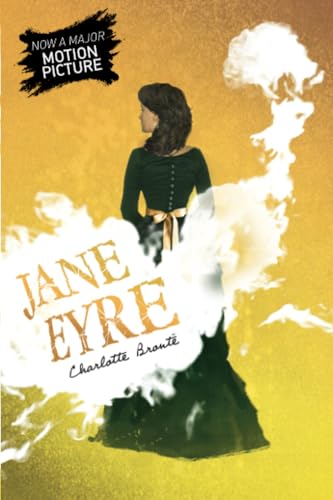 Charlotte Brontë Jane Eyre A fiercely independent heroine insisting on equality, self-respect, and moral agency in loveCHECK TODAY'S PRICE
 - 3
 Nicholas Sparks The Notebook A dual-timeline story exploring how passionate young love matures into quiet, lifelong devotionCHECK TODAY'S PRICE
 - 4
 Jojo Moyes Me Before You An unlikely bond formed through caregiving that raises profound questions about love and autonomyCHECK TODAY'S PRICE
 - 5
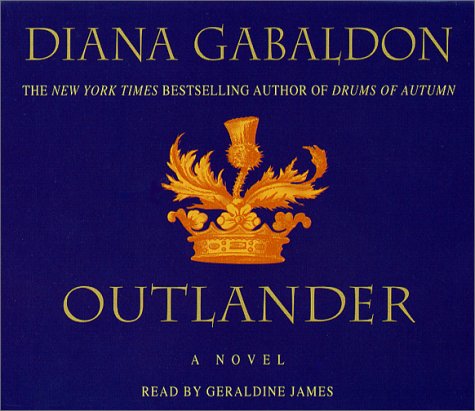 Diana Gabaldon Outlander A sweeping historical adventure blending time travel, high emotional stakes, and deep romantic passionCHECK TODAY'S PRICE
 - 6
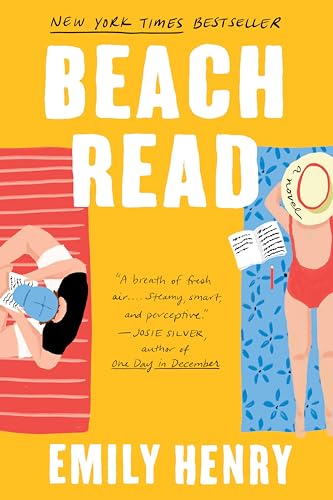 Emily Henry Beach Read Two rival writers swap genres during a summer challenge, exploring grief and creative vulnerabilityCHECK TODAY'S PRICE
 - 7
 Casey McQuiston Red, White & Royal Blue A high-profile romance between a presidential son and a British prince balancing love and dutyCHECK TODAY'S PRICE
 - 8
 André Aciman Call Me by Your Name A lyrical, sensory coming-of-age romance set on the Italian Riviera exploring desire and longingCHECK TODAY'S PRICE
 - 9
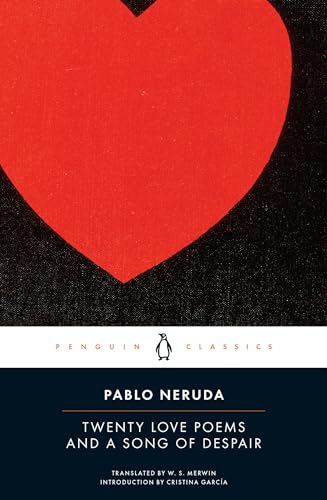 Pablo Neruda Twenty Love Poems and a Song of Despair One of the most celebrated collections of love poetry, giving abstract passion physical sensory imageryCHECK TODAY'S PRICE
 - 10
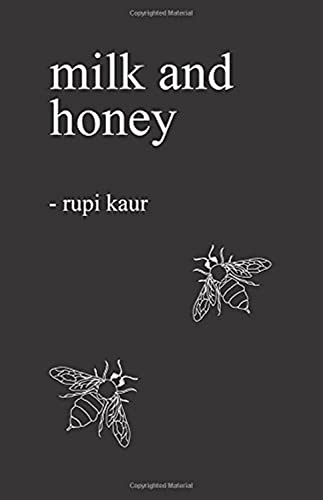 Rupi Kaur Milk and Honey Accessible, direct free verse moving through cycles of hurting, loving, breaking, and healingCHECK TODAY'S PRICE
 - 11
 John M. Gottman & Nan Silver The Seven Principles for Making Marriage Work Evidence-based couples research distilling daily habits that predict long-term relationship successCHECK TODAY'S PRICE
 - 12
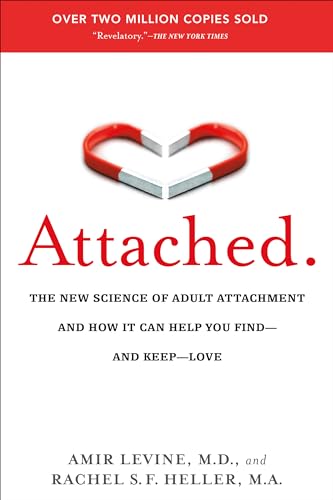 Amir Levine & Rachel Heller Attached: The New Science of Adult Attachment How anxious, avoidant, and secure attachment styles shape adult romantic partner selectionCHECK TODAY'S PRICE
 - 13
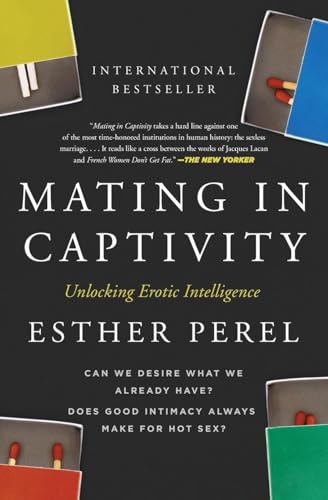 Esther Perel Mating in Captivity: Unlocking Erotic Intelligence Exploring the paradoxical tension between security and desire in committed relationshipsCHECK TODAY'S PRICE
 - 14
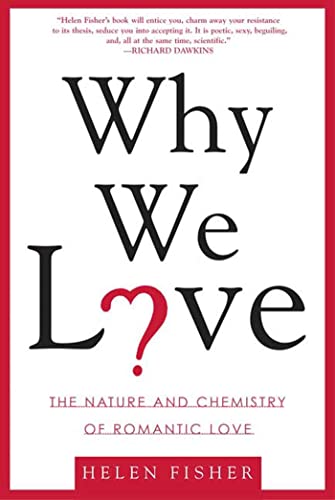 Helen Fisher Why We Love: The Nature and Chemistry of Romantic Love Brain imaging research demonstrating that romantic passion is an evolved neurochemical driveCHECK TODAY'S PRICE
 - 15
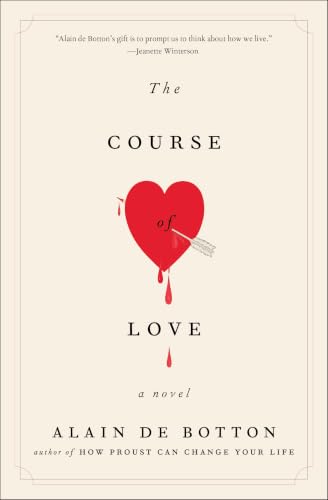 Alain de Botton The Course of Love: A Novel A philosophical exploration of marriage, ordinary relationship challenges, and ongoing commitmentCHECK TODAY'S PRICE
Why Do Love Stories Resonate So Deeply With Us?
Love stories tap into universal psychological patterns, longing, uncertainty, vulnerability, connection, that transcend the specific plot details of any single narrative, which is exactly why the same basic story keeps getting retold successfully across centuries.
Biological anthropologist Helen Fisher‘s research suggests romantic passion functions as an evolved drive rather than a purely cultural invention, which helps explain why love stories from wildly different eras and cultures still resonate so strongly with contemporary readers. Watching characters navigate the same uncertainty and vulnerability we recognize from our own experience offers a strange comfort. Someone else, even a fictional someone, has felt this exact ache before.
- Love stories tap into universal psychological patterns beyond specific plot details.
- Romantic passion functions as an evolved drive, not purely a cultural invention.
- Recognizing familiar longing in fictional characters offers genuine, if strange, comfort.
The 15 Best Love Books to Explore Your Romantic Side
The following selection spans classic and contemporary romance fiction, poetry, and evidence-based relationship psychology, covering the many different ways romantic love shows up in both literature and research.
1. Pride and Prejudice — Jane Austen
Pride and Prejudice by Jane Austen follows Elizabeth Bennet and Mr. Darcy as they overcome mutual misjudgment and social pressure, remaining one of the most beloved slow-burn romances in English literature.
Austen’s sharp wit keeps the novel genuinely funny rather than purely sentimental, and her characters grow through honest self-reflection rather than sudden, unearned transformation.
- Follows a slow-burn romance built on overcoming mutual misjudgment.
- Uses sharp wit to balance genuine sentiment with real humor.
- Remains a defining influence on romantic fiction centuries later.
2. Jane Eyre — Charlotte Brontë
Jane Eyre by Charlotte Brontë centers on a fiercely independent heroine who insists on equality and self-respect within her relationship, refusing to accept love that requires diminishing herself.
This makes the novel feel remarkably modern despite its Victorian setting, since Jane’s insistence on mutual respect resonates with contemporary conversations about healthy relationship boundaries.
- Centers on a heroine who insists on equality within love.
- Explores refusing relationships that require diminishing one’s own identity.
- Feels genuinely modern despite its Victorian-era setting.
3. The Notebook — Nicholas Sparks
The Notebook by Nicholas Sparks follows a lifelong love story bridging youthful passion and the quiet devotion of old age, framed through a husband reading their story aloud to his wife.
The novel’s structure, moving between young romance and elderly commitment, illustrates how genuine love evolves rather than simply fading once the initial intensity settles.
- Bridges youthful passion with the quiet devotion of old age.
- Illustrates how love evolves rather than fading over decades.
- Uses a dual timeline structure to frame lifelong commitment.
4. Me Before You — Jojo Moyes
Me Before You by Jojo Moyes follows an unlikely connection between a caregiver and the man she assists after a life-altering injury, raising genuine questions about love, autonomy, and sacrifice.
Moyes resists easy resolution, forcing readers to sit with the tension between wanting a happy ending and respecting a character’s own difficult, autonomous choices.
- Explores an unlikely connection formed through caregiving and vulnerability.
- Raises genuine questions about autonomy within a loving relationship.
- Resists easy resolution in favor of honoring difficult choices.
5. Outlander — Diana Gabaldon
Outlander by Diana Gabaldon combines historical adventure with a passionate romance spanning centuries, following a modern nurse transported into eighteenth-century Scotland who falls for a Highland warrior.
Gabaldon blends genuine historical research with the emotional stakes of a sweeping romance, appealing to readers who want adventure and passion combined rather than separate genres.
- Combines historical adventure with a passionate, time-spanning romance.
- Blends genuine historical research with real emotional stakes.
- Appeals to readers wanting adventure and romance combined.
6. Beach Read — Emily Henry
Beach Read by Emily Henry follows two blocked writers, a romance novelist who no longer believes in love and a literary author skeptical of happy endings, who swap genres for a summer challenge.
Henry uses genuine humor and sharp dialogue to explore grief and creative burnout alongside romance, making this considerably deeper than a typical lighthearted rom-com.
- Follows two writers who swap genres during a summer challenge.
- Balances genuine humor with real grief and creative burnout.
- Offers more emotional depth than a typical lighthearted rom-com.
7. Red, White & Royal Blue — Casey McQuiston
Red, White & Royal Blue by Casey McQuiston follows the son of the U.S. president falling for a British prince, blending political rivalry, family pressure, and genuine emotional vulnerability into a contemporary romance.
McQuiston balances genuine political stakes with warmth and humor, offering a romance that takes both the relationship and the characters’ public responsibilities seriously.
- Follows a presidential son falling for a British prince.
- Blends political stakes with genuine emotional vulnerability and humor.
- Takes both the romance and public responsibility seriously.
8. Call Me by Your Name — André Aciman
Call Me by Your Name by André Aciman captures a summer romance between a teenager and an older visiting scholar in Italy, written with lyrical, sensory prose that lingers on longing itself.
Aciman’s writing dwells patiently in anticipation and uncertainty, capturing the specific ache of desire before it resolves into either fulfillment or loss.
- Captures a summer romance through lyrical, sensory prose.
- Dwells patiently in longing and anticipation before resolution arrives.
- Explores desire’s specific ache before fulfillment or loss.
9. Twenty Love Poems and a Song of Despair — Pablo Neruda
Twenty Love Poems and a Song of Despair by Pablo Neruda, written when the poet was only nineteen, remains one of the most widely read love poetry collections ever published in any language.
Neruda’s nature-based imagery, bodies compared to landscapes, love compared to weather, gives abstract longing a physical, sensory vocabulary that translates across generations.
- Written when Neruda was only nineteen, remarkably mature nonetheless.
- Uses nature-based imagery to give longing a physical vocabulary.
- Remains among the most widely read love poetry collections globally.
10. Milk and Honey — Rupi Kaur
Milk and Honey by Rupi Kaur moves through cycles of hurting, loving, breaking, and healing using short, direct free verse accompanied by simple illustrations, resonating especially with younger readers new to poetry.
Kaur’s accessible, unadorned style makes poetry feel immediate and personal rather than intimidating, which helped introduce an entirely new audience to contemporary poetry as a genre.
- Moves through cycles of hurting, loving, and healing directly.
- Uses short, accessible free verse alongside simple illustrations.
- Introduced an entirely new audience to contemporary poetry.
11. The Seven Principles for Making Marriage Work — John M. Gottman and Nan Silver
The Seven Principles for Making Marriage Work by psychologist John M. Gottman and journalist Nan Silver distills decades of couples research into specific, actionable habits that predict long-term relationship success.
Gottman’s research famously predicts divorce with high accuracy by observing how couples handle conflict, making this considerably more evidence-based than typical relationship advice.
- Distills decades of couples research into specific, actionable habits.
- Predicts relationship outcomes based on how couples handle conflict.
- Offers evidence-based guidance rather than typical relationship advice.
12. Attached: The New Science of Adult Attachment and How It Can Help You Find—and Keep—Love — Amir Levine and Rachel Heller
Attached by psychiatrist Amir Levine and psychologist Rachel Heller explains how early attachment patterns, anxious, avoidant, or secure, shape adult romantic behavior and partner selection.
Understanding your own attachment style often reframes confusing relationship dynamics considerably, turning seemingly irrational patterns into predictable, well-documented behavior.
- Explains how early attachment patterns shape adult romantic behavior.
- Helps readers understand their own partner selection tendencies.
- Reframes confusing dynamics as predictable, documented patterns.
13. Mating in Captivity: Unlocking Erotic Intelligence — Esther Perel
Mating in Captivity by psychotherapist Esther Perel examines why sustained desire becomes difficult within long-term, domesticated relationships, and what couples can deliberately do to keep passion genuinely alive.
Perel argues that security and excitement pull in somewhat opposite directions, requiring couples to actively cultivate mystery and separateness rather than assuming closeness alone sustains desire.
- Examines why sustained desire struggles within domesticated relationships.
- Argues security and excitement require deliberate, active balancing.
- Challenges the assumption that closeness alone sustains desire.
14. Why We Love: The Nature and Chemistry of Romantic Love — Helen Fisher
Why We Love by biological anthropologist Helen Fisher uses brain imaging research to argue that romantic passion functions as a genuine, evolved drive comparable to hunger, not simply an emotion.
Fisher’s research on newly-in-love brains found consistent activation in reward-related regions, offering hard neurological evidence for why early romantic obsession feels so consuming.
- Uses brain imaging to argue passion functions as an evolved drive.
- Found consistent neural activation patterns in newly-in-love participants.
- Explains the neurological basis of consuming romantic obsession.
15. The Course of Love: A Novel — Alain de Botton
The Course of Love by philosopher Alain de Botton follows a couple past the wedding into decades of ordinary married life, interweaving narrative with direct philosophical commentary on what sustains love.
De Botton deliberately rejects the fairy-tale ending, arguing that genuine love requires ongoing, unglamorous work rather than a single dramatic moment of romantic destiny.
- Follows a couple past the wedding into ordinary married life.
- Interweaves narrative with direct philosophical commentary on love.
- Rejects fairy-tale endings in favor of ongoing relational work.
What Does the Science of Attachment Teach Us About Falling in Love?
How you fall in love, and how you behave once you are there, often traces back to attachment patterns formed early in life, long before your current relationship ever began.
Psychiatrist Amir Levine and psychologist Rachel Heller’s research distinguishes anxious, avoidant, and secure attachment styles, each producing distinct patterns in how someone experiences romantic longing and closeness. An anxiously attached person might crave intense, constant reassurance; an avoidant partner might feel suffocated by that same closeness and instinctively pull back. Neither pattern reflects a character flaw. Both simply follow predictable, well-documented behavioral scripts shaped by early experience.
Recognizing your own pattern can genuinely reshape how you approach romantic connection going forward. A secure attachment style, the research suggests, can actually be learned over time through consistent, trustworthy relationships, meaning your current pattern is not a permanent romantic destiny.
- Attachment patterns formed early in life shape adult romantic behavior significantly.
- Anxious and avoidant patterns reflect predictable scripts, not character flaws.
- Secure attachment can develop over time through consistent, trustworthy relationships.
How Do Long-Term Couples Sustain Desire and Connection?
Sustaining desire over years, sometimes decades, requires deliberate effort that goes well beyond the effortless intensity most people experience during a relationship’s early infatuation phase.
Psychotherapist Esther Perel‘s research argues that security and excitement often pull in genuinely opposite directions; the same closeness and predictability that make a relationship feel safe can also quietly erode the mystery that fuels desire. Perel encourages couples to deliberately cultivate some separateness and unpredictability, rather than assuming that total merging and constant togetherness automatically sustains passion indefinitely.
Psychologist John M. Gottman’s decades of couples research adds a complementary piece, showing that couples who consistently turn toward each other during ordinary daily moments, not just grand romantic gestures, build the kind of trust that makes sustained desire genuinely possible. Small, repeated gestures matter more than occasional dramatic ones.
- Security and excitement often pull in genuinely opposite directions within relationships.
- Deliberately cultivated mystery and separateness can help sustain long-term desire.
- Small, consistent daily gestures matter more than occasional dramatic ones.
What Can Classic Literature Teach Us About Modern Relationships?
Classic romance novels often address relationship dynamics that remain strikingly relevant, despite the considerable social distance between their original historical settings and contemporary dating culture.
Jane Austen‘s Pride and Prejudice explores how initial misjudgment and pride can obscure genuine compatibility, a pattern that still derails modern relationships built on early assumptions rather than accurate understanding. Charlotte Brontë’s Jane Eyre pushes further, insisting on equality and self-respect within love long before those concepts became standard relationship advice, making Jane a surprisingly modern heroine despite her Victorian context.
These novels endure specifically because they treat romantic love as something requiring genuine character growth, not simply mutual attraction resolving itself effortlessly. That insight applies just as directly to relationships today as it did in nineteenth-century England.
- Classic novels address dynamics, misjudgment, pride, that still derail modern relationships.
- Jane Eyre‘s insistence on equality feels surprisingly modern despite its era.
- Enduring novels treat love as requiring genuine character growth, not effortless attraction.
Genre romance today, from historical adventure to contemporary comedy, still borrows heavily from these foundational patterns. Diana Gabaldon‘s Outlander, for instance, echoes the slow-burn tension Austen perfected, just relocated to a wildly different historical setting with higher physical stakes attached.
Why Does Poetry Capture Emotions Prose Often Cannot?
Poetry compresses emotional experience into concentrated, sensory language, often capturing the specific texture of longing or heartbreak more precisely than a full narrative arc ever manages.
Pablo Neruda‘s nature-based imagery, comparing bodies to landscapes and love to weather, gives abstract romantic longing a physical vocabulary that translates across languages and generations. Rupi Kaur’s more contemporary, minimalist style achieves something similar through radical simplicity rather than elaborate metaphor, proving that emotional precision does not require dense, difficult language to land powerfully.
Both poets demonstrate that a single, well-chosen image can convey what pages of explanatory prose sometimes cannot. That compression is exactly why poetry remains a genuinely useful tool for processing romantic emotion, not merely a decorative literary form reserved for special occasions.
- Poetry compresses emotional experience into concentrated, sensory language.
- Neruda’s nature imagery gives longing a physical vocabulary across generations.
- Kaur’s minimalist style proves precision does not require elaborate metaphor.
André Aciman’s prose in Call Me by Your Name arguably borrows from this same poetic sensibility, slowing narrative pace to linger on sensory detail the way a poem lingers on a single image rather than rushing toward plot resolution.
Common Misconceptions About Romantic Love These Books Correct
Popular culture surrounds romantic love with a fair amount of oversimplification, and several books on this list directly push back against the most persistent myths.
The most common misconception assumes genuine love should feel effortless once you find the “right” person, with conflict signaling incompatibility rather than a normal relationship stage. John M. Gottman’s research directly contradicts this, showing that all couples experience conflict; what distinguishes lasting relationships is how partners handle disagreement, not whether disagreement exists at all. A second myth assumes passionate desire should remain constant and automatic throughout a relationship’s lifespan. Esther Perel’s work complicates this considerably, arguing that sustained desire actually requires deliberate cultivation rather than passive expectation.
A third misconception treats romantic love as purely emotional, disconnected from biology entirely. Helen Fisher’s brain imaging research pushes back on this directly, demonstrating that romantic passion involves measurable neurological activity comparable to other powerful drives.
- All couples experience conflict; lasting relationships differ in how they handle it.
- Sustained desire requires deliberate cultivation, not passive, automatic expectation.
- Romantic passion involves measurable neurological activity, not purely abstract emotion.
How Can Reading About Love Improve Your Own Relationships?
Reading about love genuinely translates into practical insight when you actively connect a book’s specific ideas to your own relationship patterns, rather than simply enjoying the story passively.
After finishing Attached, consider honestly which attachment style, anxious, avoidant, or secure, best describes your own typical behavior in relationships, and notice how that pattern shows up in specific situations rather than treating the label abstractly. After reading The Seven Principles for Making Marriage Work, try applying just one of Gottman’s specific practices, turning toward your partner during small daily moments, rather than attempting to implement all seven principles simultaneously.
Alain de Botton’s The Course of Love offers a different kind of application entirely: permission to release the fantasy that love should feel effortless once you find the right person. Real love, de Botton argues, is built through ongoing, sometimes unglamorous daily choices, not one dramatic moment of destined connection.
- Identify your own attachment style honestly after reading Attached.
- Apply one specific Gottman principle at a time rather than all seven at once.
- Release the fantasy of effortless love in favor of ongoing, deliberate choices.
FAQs about Love Books to Explore Your Romantic Side
What is the best love book for someone who feels disconnected from romance right now?
Beach Read by Emily Henry works well for readers feeling burned out on romance specifically, since it directly addresses a character who no longer believes in love while still delivering genuine warmth and humor. For readers wanting a more research-grounded reconnection, Why We Love by Helen Fisher explains the biological basis of romantic feeling, which some readers find genuinely reassuring during a period of emotional numbness. Poetry collections like Milk and Honey also work well in small doses, since their short format does not require sustained emotional investment the way a full novel might during a difficult period.
Are relationship psychology books actually useful, or just entertaining to read?
Books grounded in genuine research, like Attached or The Seven Principles for Making Marriage Work, offer practical frameworks beyond pure entertainment. John Gottman’s research specifically has been validated through decades of longitudinal studies predicting relationship outcomes, giving his recommendations real empirical weight rather than generic advice. That said, reading alone rarely changes behavior without deliberate practice, so treating these books as a starting framework for reflection, rather than a complete solution, tends to produce more meaningful results than passive reading alone.
Is it worth reading books about love if I am not currently in a relationship?
Absolutely, and many readers find this period particularly useful for reflection without the emotional pressure of an active relationship complicating the process. Understanding your own attachment style through Attached, for instance, can genuinely shape how you approach future relationships before you are already emotionally invested in a specific person. Fiction and poetry also offer value independent of your current relationship status, since exploring romantic themes through story and verse can feel emotionally nourishing on its own terms, regardless of whether you are currently partnered.
Why do old classic romance novels still feel relevant today?
Classic novels like Pride and Prejudice and Jane Eyre address enduring psychological patterns, misjudgment, pride, the need for mutual respect, that persist regardless of specific cultural context or historical era. The social customs surrounding courtship have changed considerably, but the underlying emotional dynamics these novels explore remain recognizable to contemporary readers navigating their own relationships. That durability is part of why these books remain widely read and adapted centuries after their original publication, rather than feeling like purely historical curiosities.
Can reading poetry actually help me process a breakup or heartbreak?
Many readers find poetry genuinely helpful during heartbreak, since its compressed, sensory language can articulate feelings that feel difficult to name in ordinary conversation. Collections like Milk and Honey specifically move through cycles of hurting and healing, which can feel validating for someone in a similar emotional place. Poetry’s short format also makes it accessible during periods when concentration feels difficult, since you can absorb a single poem in a few minutes rather than needing to sustain focus across an entire novel.
What is the difference between reading romance fiction and reading relationship psychology books?
Romance fiction offers emotional experience through story, letting you feel alongside characters navigating love, conflict, and connection without direct instruction. Relationship psychology books like Mating in Captivity or The Seven Principles for Making Marriage Work offer explicit frameworks and research-backed strategies you can apply directly to your own relationship. Neither approach is superior, and many readers benefit from combining both, using fiction for emotional resonance and psychology books for practical, actionable understanding of how healthy relationships actually function over time.
Bibliography
- Aciman, A. (2017). Call Me by Your Name: A Novel. Picador.
- Austen, J. (2002). Pride and Prejudice. Penguin Classics.
- Brontë, C. (2011). Jane Eyre. Puffin Books.
- de Botton, A. (2017). The Course of Love: A Novel. Simon & Schuster.
- Fisher, H. (2005). Why We Love: The Nature and Chemistry of Romantic Love. Holt Paperbacks.
- Gabaldon, D. (2001). Outlander. Dell.
- Gottman, J. M., and Silver, N. (2015). The Seven Principles for Making Marriage Work (Revised ed.). Harmony.
- Henry, E. (2020). Beach Read. Berkley.
- Kaur, R. (2014). Milk and Honey. Andrews McMeel Publishing.
- Levine, A., and Heller, R. (2012). Attached: The New Science of Adult Attachment and How It Can Help You Find—and Keep—Love. TarcherPerigee.
- McQuiston, C. (2019). Red, White & Royal Blue: A Novel. St. Martin’s Griffin.
- Moyes, J. (2013). Me Before You. Penguin Books.
- Neruda, P. (2006). Twenty Love Poems and a Song of Despair (Bilingual ed.). Penguin Classics.
- Perel, E. (2007). Mating in Captivity: Unlocking Erotic Intelligence. Harper Paperbacks.
- Sparks, N. (1998). The Notebook. Vision.
Use this citation format to reference the article clearly and help readers find the original source.
PsychologyFor. (2026). 15 Love Books to Explore Your Romantic Side. PsychologyFor. https://psychologyfor.com/15-love-books-to-explore-your-romantic-side/