


See more of our articles in your search results.
You sit in a quiet room after a long, exhausting social interaction, feeling the overwhelming weight of sensory exhaustion and wondering why everyday environments feel so intensely overwhelming. That deep, isolating exhaustion is deeply valid. For decades, medical textbooks and public discourse framed autism almost exclusively as a tragic deficit, a behavioral pathology to be eradicated, or an affliction defined entirely from an outside observer’s lens. It is not an accurate perspective. Rather, it exposes how poorly our society has historically understood the profound complexity of human neurodivergent cognitive diversity.
Today, a transformative shift led by autistic researchers, self-advocates, and neurodiversity-affirming clinicians is permanently dismantling outdated pathologizing paradigms. We are finally moving away from clinical models that prioritize behavioral compliance, forced masking, and eye contact toward compassionate frameworks that honor sensory needs, communication differences, and internal emotional well-being. Navigating the vast sea of autism literature can feel daunting, especially when trying to distinguish outdated diagnostic manuals from empowering, authentic memoirs and evidence-based guides. Sourcing the premier literature written by autistic authors and affirming clinicians equips you with the validation, practical coping strategies, and systemic insights necessary to build an authentic, neurodiversity-affirming life.
How can reading foundational autism literature reshape your understanding of neurodiversity and deepen your clinical and personal empathy?
This comprehensive guide details 20 recommended books about autism, reviewing celebrated historical treatises, lived-experience autistic memoirs, late-diagnosis guides, parenting resources, and clinical handbooks that celebrate autistic identity, agency, and acceptance.
20 Recommended Books About Autism
Verified Top Picks- 1
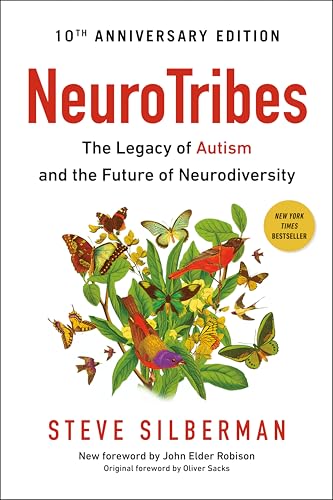 Steve Silberman NeuroTribes: The Legacy of Autism A landmark history of autism research, the neurodiversity movement, and autistic self-advocacyCHECK TODAY'S PRICE
 - 2
 Temple Grandin & Richard Panek The Autistic Brain Exploring neuroimaging, visual thinking styles, and building on neurodivergent cognitive strengthsCHECK TODAY'S PRICE
 - 3
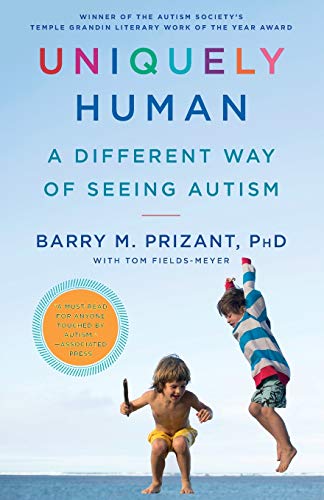 Barry M. Prizant Uniquely Human: A Different Way of Seeing Autism Reframing autistic behaviors as meaningful coping strategies and supporting emotional regulationCHECK TODAY'S PRICE
 - 4
 Eric Garcia We're Not Broken: Changing the Autism Conversation A powerful policy analysis exploring adult autistic housing, healthcare, employment, and civil rightsCHECK TODAY'S PRICE
 - 5
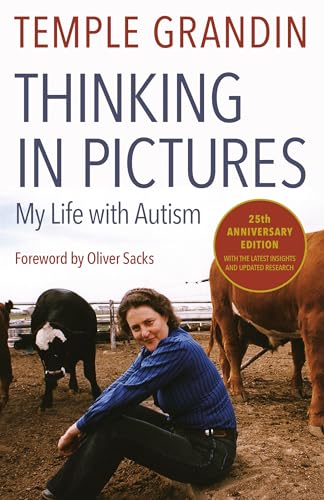 Temple Grandin Thinking in Pictures A seminal classic providing one of the first detailed internal descriptions of visual cognitive processingCHECK TODAY'S PRICE
 - 6
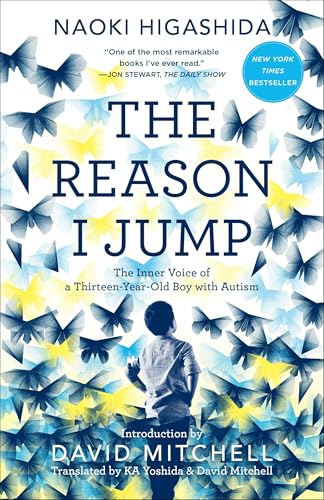 Naoki Higashida The Reason I Jump A poetic, intimate memoir by a non-speaking autistic teenager explaining motor stims and inner thoughtsCHECK TODAY'S PRICE
 - 7
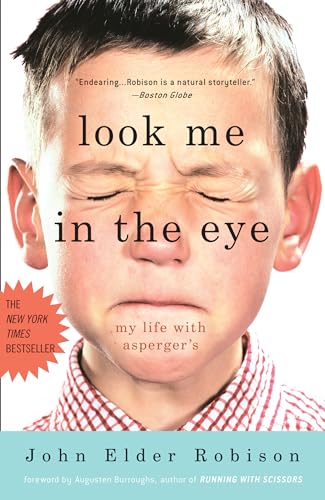 John Elder Robison Look Me in the Eye: My Life with Asperger's A candid, funny memoir of growing up undiagnosed and finding clarity and purpose in adulthoodCHECK TODAY'S PRICE
 - 8
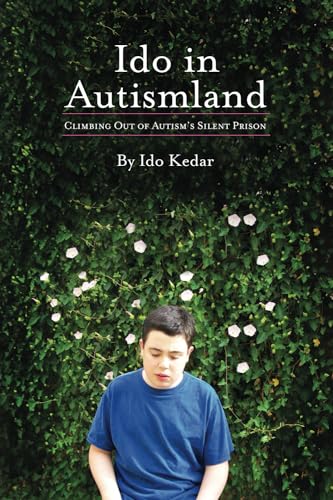 Ido Kedar Ido in Autismland A powerful collection of essays by a non-speaking autistic author advocating for presumed competenceCHECK TODAY'S PRICE
 - 9
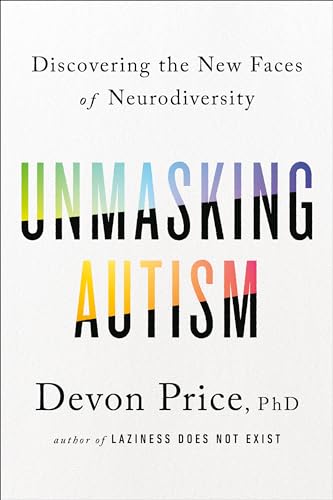 Devon Price Unmasking Autism A transformative guide to healing from chronic masking, internalized ableism, and autistic burnoutCHECK TODAY'S PRICE
 - 10
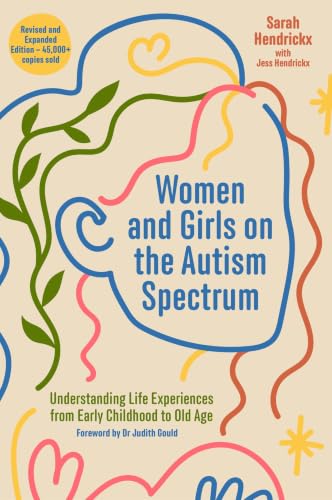 Sarah Hendrickx Women and Girls on the Autism Spectrum A comprehensive lifespan overview of female autistic profiles, masking, and accurate diagnostic recognitionCHECK TODAY'S PRICE
 - 11
 Rudy Simone Aspergirls: Empowering Females with Asperger Syndrome An empowering handbook validating sensory, emotional, and social experiences for autistic womenCHECK TODAY'S PRICE
 - 12
 Laura James Odd Girl Out: An Autistic Woman in a Neurotypical World A moving memoir exploring late diagnosis, sensory exhaustion, and self-discovery in mid-lifeCHECK TODAY'S PRICE
 - 13
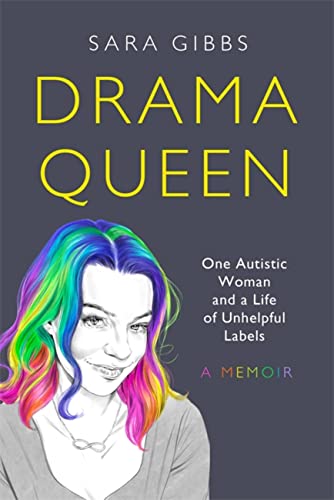 Sara Gibbs Drama Queen: One Autistic Woman and a Life of Unhelpful Labels A laugh-out-loud funny and honest memoir dismantling unhelpful childhood labels through comedyCHECK TODAY'S PRICE
 - 14
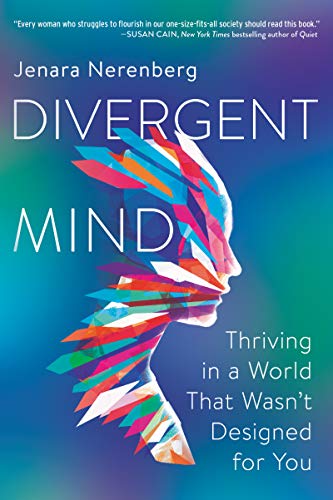 Jenara Nerenberg Divergent Mind: Thriving in a World That Wasn't Designed for You Exploring the intersections of autism, ADHD, synesthesia, and sensory sensitivity in womenCHECK TODAY'S PRICE
 - 15
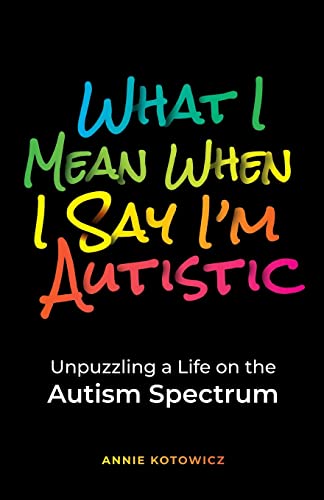 Annie Kotowicz What I Mean When I Say I'm Autistic A concise, gentle guide explaining internal autistic thinking, monotropism, and sensory energyCHECK TODAY'S PRICE
 - 16
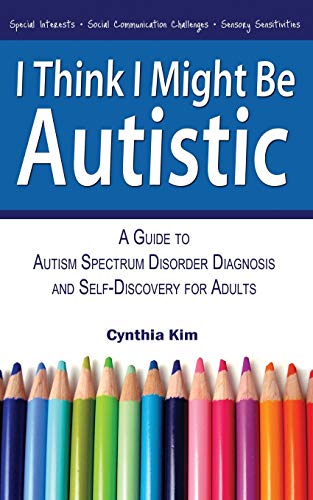 Cynthia Kim I Think I Might Be Autistic A practical diagnostic self-discovery guide for adults preparing for clinical assessment or self-identificationCHECK TODAY'S PRICE
 - 17
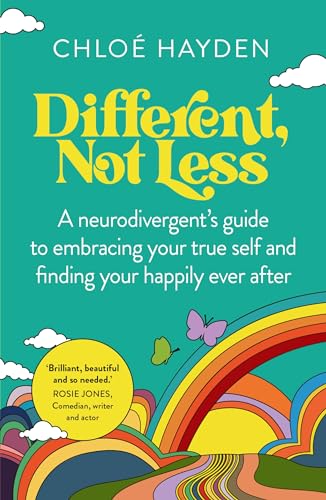 Chloé Hayden Different, Not Less An empowering guide for neurodivergent youth on managing meltdowns, dating, and celebrating authenticityCHECK TODAY'S PRICE
 - 18
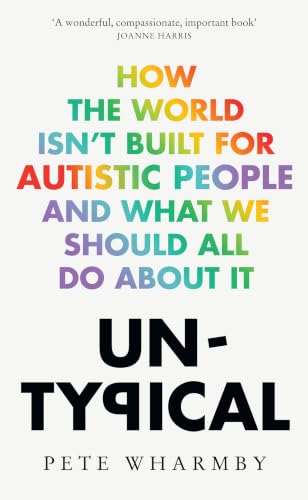 Pete Wharmby Untypical: How the World Isn't Built for Autistic People Analyzing sensory barriers in offices, transport, and schools, offering actionable neuro-inclusive solutionsCHECK TODAY'S PRICE
 - 19
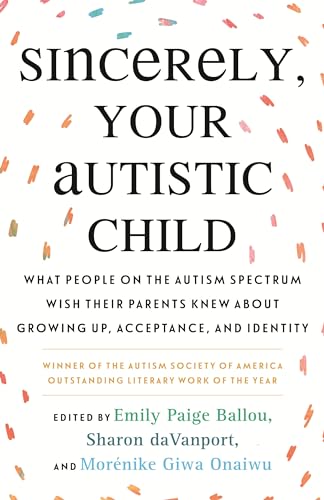 Autistic Women & Nonbinary Network Sincerely, Your Autistic Child A compassionate anthology from autistic adults sharing essential parenting insights and acceptanceCHECK TODAY'S PRICE
 - 20
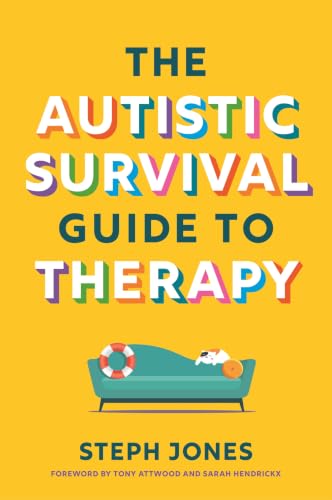 Steph Jones The Autistic Survival Guide to Therapy Equipping autistic clients and clinicians with neuro-affirming tools to avoid harm and heal burnoutCHECK TODAY'S PRICE
What Is the Neurodiversity Paradigm and Why Does It Matter?
The neurodiversity paradigm represents a fundamental philosophical and scientific shift that frames neurological differences—such as autism, ADHD, dyslexia, and synesthesia—as natural, valuable variations of the human genome rather than biological errors. Coined by Australian sociologist Judy Singer in the late 1990s, neurodiversity challenges the medical deficit model by asserting that human brains naturally vary in how they process sensory input, communicate, and experience reality.
Psychological and sociological research confirms that viewing autism through the social model of disability creates significantly better mental health outcomes for neurodivergent individuals. Rather than demanding that autistic people expend immense cognitive energy masking their natural traits to mimic neurotypical standards, affirming approaches focus on modifying sensory environments, respecting alternative communication modalities, and preventing autistic burnout. Internalizing neurodiversity principles dismantles internalized ableism, fostering profound self-acceptance and emotional safety.
Clinical psychologist Barry M. Prizant emphasizes that autistic behaviors are not random, purposeless pathologies; they are adaptive responses to sensory overload, emotional dysregulation, and communication barriers. When clinicians, educators, and families understand the underlying emotional meaning behind behaviors like stimming and routine preservation, support shifts from behavioral suppression to genuine connection, cultivating authentic relational trust.
- The neurodiversity paradigm recognizes neurological variation as a natural, valuable aspect of human biological diversity.
- The social model of disability identifies environmental barriers as the primary source of autistic functional impairment.
- Respecting stimming and sensory accommodations prevents cognitive exhaustion and severe autistic burnout.
- Affirming clinical support prioritizes emotional regulation and autonomy over forced behavioral compliance.
20 Recommended Books About Autism Categorized by Theme
The following curated directory presents twenty of the most authoritative, insightful, and empowering books on autism, categorized systematically to help autistic adults, parents, educators, and mental health professionals find the ideal literary resources.
| Category / Core Focus | Recommended Premier Books |
|---|---|
| History, Theory & Foundational Science | NeuroTribes, The Autistic Brain, Uniquely Human, We’re Not Broken |
| Lived Experience & Classic Autistic Memoirs | Thinking in Pictures, The Reason I Jump, Look Me in the Eye, Ido in Autismland |
| Late Diagnosis, Masking & Female Autistic Profiles | Unmasking Autism, Women and Girls on the Autism Spectrum, Aspergirls, Odd Girl Out, Drama Queen |
| Neurodivergent Life, Thriving & Practical Self-Discovery | Divergent Mind, What I Mean When I Say I’m Autistic, I Think I Might Be Autistic, Different Not Less, Untypical |
| Parenting, Advocacy & Community Empowerment | Sincerely Your Autistic Child, Ten Things Every Child with Autism Wishes You Knew, Loud Hands, The Autistic Survival Guide to Therapy |
History, Theory, and Foundational Science of Autism
These essential books trace the historical evolution of autism research, dismantling clinical misconceptions and presenting evidence-based neurodiversity frameworks.
1. NeuroTribes: The Legacy of Autism and the Future of Neurodiversity — Steve Silberman
NeuroTribes by investigative journalist Steve Silberman is the monumental, award-winning history that transformed the modern autism conversation. Silberman meticulously excavates the forgotten history of autism research, revealing how Leo Kanner’s narrow diagnostic criteria obscured the pioneering, compassionate work of Hans Asperger and erased generations of autistic individuals from public awareness.
Silberman chronicles the rise of the autistic self-advocacy movement and the birth of the neurodiversity concept, celebrating the unique contributions of autistic minds throughout history. It is an indispensable masterpiece of historical science journalism.
- Exposes how mid-twentieth-century psychiatric dogma created the myth of an autism epidemic.
- Documents the origins of the neurodiversity movement and autistic self-advocacy history.
- Celebrates the cognitive strengths and technological innovations driven by neurodivergent thinkers.
2. The Autistic Brain: Helping Different Kinds of Minds Succeed — Temple Grandin & Richard Panek
The Autistic Brain by renowned animal scientist Temple Grandin and science writer Richard Panek combines personal neuroimaging scans with cutting-edge neurobiology. Grandin explores how neurological structural variations correlate with distinct cognitive thinking styles: visual object thinkers, visual spatial thinkers, and verbal pattern thinkers.
Grandin passionately advocates for educational and vocational systems that build upon autistic strengths rather than fixating on deficits. It is a vital, empowering guide to cognitive neurodiversity.
- Explores cutting-edge neuroimaging research revealing structural variations in autistic brain connectivity.
- Identifies three distinct cognitive processing styles: object visualizers, spatial visualizers, and verbal pattern thinkers.
- Provides actionable strategies to tailor education and employment to individual cognitive strengths.
3. Uniquely Human: A Different Way of Seeing Autism — Barry M. Prizant
Uniquely Human by speech-language pathologist and autism researcher Barry M. Prizant offers a revolutionary clinical paradigm that reframes autistic behavior. Prizant demonstrates that behaviors labeled as “problematic” (such as stimming, echolalia, or meltdowns) are natural coping strategies for dealing with sensory overload and emotional dysregulation.
Filled with compassionate clinical stories, this book shifts the therapeutic goal from eliminating symptoms to supporting emotional regulation and communication. It is a foundational text of affirming clinical psychology.
- Reframes autistic symptoms as meaningful, adaptive responses to sensory and emotional stress.
- Introduces the SCERTS model focusing on social communication and emotional regulation support.
- Advocates for moving beyond behavioral compliance toward empathetic human connection.
4. We’re Not Broken: Changing the Autism Conversation — Eric Garcia
We’re Not Broken by journalist Eric Garcia delivers a sharp, deeply researched policy analysis of how contemporary systems fail autistic adults. Drawing on his own experience as an autistic Latino man alongside interviews with diverse autistic individuals across the country, Garcia examines housing, healthcare, employment, and policy barriers.
Garcia demonstrates that autistic people do not need a cure; they need affordable housing, workplace accommodations, healthcare access, and political representation. It is a vital, groundbreaking contribution to disability justice and policy reform.
- Exposes systemic policy failures in healthcare, employment, and adult autistic housing.
- Highlights the intersectional experiences of autistic people of color, LGBTQ+ individuals, and low-income populations.
- Shifts the public conversation from searching for cures to providing tangible community support.
Lived Experience and Classic Autistic Memoirs
These landmark memoirs written by autistic authors provide profound, firsthand insights into sensory processing, non-verbal communication, and internal cognitive experiences.
5. Thinking in Pictures: And Other Reports from My Life with Autism — Temple Grandin
Thinking in Pictures by Temple Grandin is a seminal classic that provided the world with one of the first detailed, internal descriptions of visual thinking. Grandin explains how her mind functions like a full-motion video library, converting abstract concepts into specific, photorealistic mental images.
Grandin details her invention of the “squeeze machine” for deep pressure therapy, her emotional development, and how her autistic traits enabled her to revolutionize humane livestock handling equipment worldwide. It is a timeless masterpiece of autistic self-advocacy literature.
- Delivers a groundbreaking firsthand explanation of photorealistic visual cognitive processing.
- Describes the therapeutic mechanics of deep touch pressure and sensory regulation devices.
- Demonstrates how autistic hyperfocus and visual thinking can drive world-class professional innovation.
6. The Reason I Jump: The Inner Voice of a Thirteen-Year-Old Boy with Autism — Naoki Higashida
The Reason I Jump by Japanese author Naoki Higashida, written when he was just thirteen years old using an alphabet grid, is a poetic, intimate memoir that dismantles widespread assumptions about non-speaking autism. Higashida answers dozens of common questions about why he jumps, avoids eye contact, and repeats phrases.
Higashida reveals a rich, highly perceptive, and deeply compassionate inner world, proving that motor apraxia and communication barriers do not reflect a lack of emotional depth or intellectual capacity. It is an extraordinary work of neurodivergent communication advocacy.
- Provides an unprecedented window into the internal perceptions of a non-speaking autistic teenager.
- Explains the sensory and neurological reasons behind motor stims, pacing, and visual fixation behaviors.
- Challenges the harmful misconception that non-speaking individuals lack complex emotional and intellectual depth.
7. Look Me in the Eye: My Life with Asperger’s — John Elder Robison
Look Me in the Eye by John Elder Robison is a hilarious, touching, and candid memoir recounting his journey growing up undiagnosed in the 1960s and 1970s. Labeled a social deviant and troublemaker, Robison’s extraordinary mechanical and electronic aptitude eventually led him to design flaming guitars for the rock band KISS and engineer electronic games for Milton Bradley.
Receiving an autism diagnosis at age forty brought immense clarity, self-forgiveness, and a deeper understanding of his social differences. It is an engaging, beautifully written classic of adult autism self-discovery.
- Chronicles the humor and pain of growing up undiagnosed before modern autism awareness.
- Details how autistic mechanical hyperfixations led to high-level careers in sound engineering and automotive restoration.
- Illustrates the transformative psychological impact of receiving an accurate adult autism diagnosis.
8. Ido in Autismland: Climbing Out of Autism’s Silent Prison — Ido Kedar
Ido in Autismland by Ido Kedar is an astonishing collection of essays written by a non-speaking autistic young man who spent the first half of his childhood trapped in remedial educational programs that assumed he was intellectually incapacitated. After learning to communicate using a letterboard and iPad, Ido revealed a brilliant, intact mind.
Ido passionately advocates for the presumption of competence and critiques behavioral therapies that focus on compliance while ignoring motor planning challenges. It is an essential, eye-opening manifesto for presuming competence in non-speaking individuals.
- Exposes the devastating psychological damage caused by assuming non-speaking individuals lack cognitive comprehension.
- Differentiates between motor apraxia (movement planning challenges) and underlying intellectual ability.
- Advocates passionately for augmentative and alternative communication (AAC) and educational inclusion.
Late Diagnosis, Masking, and Female Autistic Profiles
For decades, autism was under-diagnosed in women, girls, and marginalized individuals due to gender bias and masking. These books illuminate the late-diagnosed neurodivergent experience.
9. Unmasking Autism: Discovering the New Faces of Neurodiversity — Devon Price
Unmasking Autism by social psychologist Devon Price is a groundbreaking, definitive guide exploring the phenomenon of autistic masking—the exhausting practice of suppressing natural traits to survive in a neurotypical world. Price highlights “masked autism,” which disproportionately affects women, LGBTQ+ individuals, and people of color.
Packed with psychological exercises and practical frameworks, Price guides readers through the process of unlearning shame, unmasking safely, and building sensory-friendly lives. It is a vital roadmap for healing from autistic burnout.
- Analyzes the severe mental health consequences of chronic autistic masking and internalized ableist shame.
- Explores the intersection of neurodiversity with gender identity, sexual orientation, and racial marginalization.
- Provides structured psychological exercises to facilitate safe unmasking and authentic identity reclamation.
10. Women and Girls on the Autism Spectrum — Sarah Hendrickx
Women and Girls on the Autism Spectrum by autism specialist Sarah Hendrickx is a comprehensive, lifespan overview of how autism manifests in females. Combining academic research with hundreds of clinical and personal interviews, Hendrickx traces experiences across childhood, education, employment, relationships, motherhood, and aging.
Hendrickx explains why traditional diagnostic criteria frequently miss autistic females, who often present with advanced social imitation skills and internalizing anxiety. It is the gold standard for understanding female autistic profiles.
- Synthesizes academic research and clinical case studies across the complete female autistic lifespan.
- Examines how social masking leads to misdiagnoses of borderline personality disorder, bipolar disorder, and anorexia nervosa.
- Provides actionable guidance for mental health clinicians, educators, and autistic women navigating adulthood.
11. Aspergirls: Empowering Females with Asperger Syndrome — Rudy Simone
Aspergirls by Rudy Simone is an empowering, foundational handbook that broke new ground by validating the unique traits, sensory sensitivities, and emotional lives of autistic girls and women. Simone explores social dynamics, friendships, career challenges, sensory overload, and romantic relationships.
Filled with practical advice and quotes from dozens of autistic women, Simone reframes autistic traits as unique strengths that deserve celebration. It remains a comforting, affirming guide for newly diagnosed autistic women.
- Validates the distinct emotional, sensory, and cognitive experiences of autistic females.
- Offers practical advice on navigating romantic relationships, workplace dynamics, and sensory overwhelm.
- Empowers readers to embrace their unique neurodivergent identity with pride and self-confidence.
12. Odd Girl Out: An Autistic Woman in a Neurotypical World — Laura James
Odd Girl Out by British journalist Laura James is a beautifully written, candid memoir chronicling the year following her late autism diagnosis in her mid-forties. As a successful journalist, wife, and mother, James appeared to have it all together, yet internally struggled with crippling sensory overload, social confusion, and exhaustion.
James reflects on her childhood, marriage, and career through her newly discovered autistic lens, demonstrating how receiving an adult diagnosis brings immense relief, clarity, and self-compassion. It is an intimate portrait of late-life autistic self-realization.
- Documents the emotional stages of receiving a transformative late autism diagnosis in adulthood.
- Explores the hidden daily struggle of balancing professional success with severe sensory exhaustion.
- Illustrates how diagnostic clarity fosters self-compassion and stronger family relationships.
13. Drama Queen: One Autistic Woman and a Life of Unhelpful Labels — Sara Gibbs
Drama Queen by comedy scriptwriter Sara Gibbs is a witty, laugh-out-loud funny, and emotionally vulnerable memoir about spending thirty years labeled as “dramatic,” “oversensitive,” and “difficult” before discovering she was autistic. Gibbs recounts her school struggles, workplace meltdowns, and intense special interests.
Gibbs uses humor to de-stigmatize autism, showing that receiving a diagnosis is not a tragedy, but the missing puzzle piece that allows an individual to finally make sense of their life. It is an uplifting celebration of autistic humor and resilience.
- Deconstructs harmful childhood labels of being “oversensitive” or a “drama queen” through an autistic lens.
- Uses sharp comedic storytelling to highlight the absurdity of neurotypical social expectations.
- Celebrates autistic special interests as vital sources of joy, connection, and creative professional fulfillment.
Neurodivergent Life, Thriving, and Practical Self-Discovery
These practical guides provide actionable strategies for navigating sensory overload, workplace accommodations, relationships, and everyday autistic living.
14. Divergent Mind: Thriving in a World That Wasn’t Designed for You — Jenara Nerenberg
Divergent Mind by journalist Jenara Nerenberg explores the overlapping traits of neurodivergence—including autism, ADHD, sensory processing sensitivity, and synesthesia—with a special focus on women. Nerenberg investigates why traditional psychiatry historically ignored sensory processing differences and high sensitivity.
Nerenberg provides practical tools for designing sensory-friendly living environments and cultivating workplace boundaries. It is an essential, holistic guide to neurodivergent sensory well-being.
- Investigates the intersection of autism, ADHD, synesthesia, and sensory processing sensitivity.
- Explores the historical psychiatric biases that left neurodivergent women overlooked and misdiagnosed.
- Provides practical frameworks for designing sensory-friendly workspaces and sustainable daily routines.
15. What I Mean When I Say I’m Autistic: Unpuzzling a Life on the Autism Spectrum — Annie Kotowicz
What I Mean When I Say I’m Autistic by Annie Kotowicz (creator of the blog Neurobeautiful) is a concise, beautifully crafted guide that explains how autistic cognition works from the inside out. In short, accessible chapters, Kotowicz demystifies sensory processing, executive functioning, social energy, and monotropism.
Written with immense clarity and gentle warmth, this book is an ideal tool for newly diagnosed adults to share with partners, parents, and friends to foster mutual neurodivergent understanding.
- Translates complex cognitive neuroscience into clear, accessible descriptions of internal autistic thinking.
- Explores monotropism, executive dysfunction, sensory overload, and social communication differences.
- Serves as an indispensable communication bridge between autistic individuals and their non-autistic loved ones.
16. I Think I Might Be Autistic: A Guide to Autism Spectrum Disorder Diagnosis and Self-Discovery for Adults — Cynthia Kim
I Think I Might Be Autistic by Cynthia Kim is a concise, highly practical handbook designed specifically for adults who suspect they may be on the autism spectrum. Kim breaks down the formal DSM diagnostic criteria into relatable, everyday adult experiences, providing helpful self-reflection worksheets.
Kim guides readers through the pros and cons of seeking a formal diagnosis versus self-identifying, offering practical advice for preparing for a clinical assessment. It is the premier starting guide for adult autism self-discovery.
- Translates clinical diagnostic criteria into clear, relatable adult behavioral indicators.
- Provides structured self-assessment worksheets to evaluate sensory, social, and communication patterns.
- Offers practical guidance for navigating the formal adult assessment process with clinical professionals.
17. Different, Not Less: A Neurodivergent’s Guide to Embracing Your True Self — Chloé Hayden
Different, Not Less by autistic actor and disability activist Chloé Hayden (star of Netflix’s Heartbreak High) is a vibrant, empowering guide for neurodivergent youth and young adults. Hayden shares her journey navigating school bullying, severe anxiety, and late diagnosis alongside practical advice for managing meltdowns, sensory needs, and dating.
Hayden celebrates neurodivergent traits as superpowers of passion and creativity, encouraging readers to create their own “happily ever after.” It is an inspiring manifesto for neurodivergent youth empowerment.
- Provides practical strategies for managing school bullying, sensory overload, and autistic meltdowns.
- Empowers young neurodivergent readers to embrace their special interests with unapologetic enthusiasm.
- Offers advice for navigating romantic relationships, boundaries, and mental health challenges.
18. Untypical: How the World Isn’t Built for Autistic People and What We Should All Do About It — Pete Wharmby
Untypical by educator and autism speaker Pete Wharmby examines how modern society—from open-plan offices and noisy classrooms to unpredictable public transport—is built exclusively for neurotypical comfort, leaving autistic people in a state of chronic sensory and social exhaustion.
Wharmby provides practical, actionable recommendations for how workplaces, schools, and public spaces can be redesigned to be truly inclusive. It is an indispensable guide for allies and professionals seeking to create accessible sensory environments.
- Analyzes the physical and sensory barriers built into modern workplaces, schools, and public social environments.
- Explains the neurobiology of autistic exhaustion, executive dysfunction, and chronic burnout.
- Offers concrete blueprints for creating neuro-inclusive spaces that benefit all human beings.
Parenting, Advocacy, and Community Empowerment
These vital books empower parents, educators, and therapists to support autistic children through autistic-led perspectives and neuro-affirming care.
19. Sincerely, Your Autistic Child — Emily Paige Ballou, Sharon daVanport, & Morénike Giwa Onaiwu (Eds.)
Sincerely, Your Autistic Child, edited by the Autistic Women & Nonbinary Network (AWN), is an extraordinary anthology where diverse autistic adults share what they wish their parents had known while raising them. Topics include sensory accommodation, communication, school accommodations, stimming, gender identity, and mental health.
This book serves as a compassionate, invaluable love letter from the autistic community to parents, offering guidance on how to raise children who feel unconditionally accepted, valued, and safe. It is an indispensable guide to neurodiversity-affirming parenting.
- Collects diverse essays from autistic adults sharing insights on growing up on the autism spectrum.
- Provides parents with practical advice on supporting sensory needs and alternative communication tools.
- Emphasizes the vital psychological importance of unconditional acceptance in preventing childhood trauma.
20. The Autistic Survival Guide to Therapy — Steph Jones
The Autistic Survival Guide to Therapy by autistic psychotherapist Steph Jones tackles the systemic barriers and therapeutic misunderstandings autistic individuals face in mental health treatment. Jones critiques traditional cognitive behavioral therapy (CBT), which often misinterprets autistic sensory distress and alexithymia as cognitive distortions.
Jones provides practical tools for finding neurodivergent-affirming therapists, setting therapeutic boundaries, and adapting psychological care to autistic neurology. It is an essential clinical resource for neuro-affirming mental health therapy.
- Critiques traditional psychotherapy models that inadvertently promote harmful autistic masking.
- Explores alexithymia, interoception challenges, and sensory-based emotional processing differences.
- Equips autistic clients and therapists with tools to co-create safe neuro-affirming clinical spaces.
Understanding Autistic Burnout, Masking, and Sensory Overload
A core clinical challenge highlighted across contemporary autism literature is the devastating triad of masking, sensory overload, and autistic burnout. Understanding these mechanisms is essential for recognizing why many autistic individuals experience severe mental health crises despite appearing “high-functioning” on the surface.
| Autistic Phenomenon | Clinical Definition & Daily Manifestation | Affirming Support & Recovery Strategy |
|---|---|---|
| Autistic Masking | Conscious or unconscious suppression of autistic traits to pass as neurotypical in social settings. | Creating safe, unmasked environments and practicing self-compassion and boundaries. |
| Sensory Overload | Neurological overwhelm caused by hypersensitivity to lights, sounds, textures, or smells. | Using noise-canceling headphones, dimming lights, and taking sensory retreats. |
| Autistic Burnout | Severe chronic exhaustion resulting in temporary loss of executive function, speech, and skills. | Radical rest, reducing social demands, and eliminating non-essential obligations. |
| Alexithymia | Difficulty identifying, distinguishing, and verbally expressing internal emotional states. | Using somatic emotion wheels, visual emotion charts, and body-based grounding. |
| Monotropism | Cognitive tendency to allocate intense, focused attention to a single interest or task at a time. | Protecting uninterrupted flow states and structuring transitions gradually. |
As outlined in the comparative table above, autistic burnout is not regular occupational fatigue; it is a profound neurological shutdown resulting from chronic sensory overload and relentless masking. Supporting an autistic person requires removing environmental stressors and honoring their natural neurological rhythms.
Evidence-Based Coping Strategies and Everyday Affirming Accommodations
Translating the insights from these twenty recommended books into daily life requires implementing structured, practical accommodations that support sensory regulation, executive functioning, and emotional well-being. Humanistic psychologist Carl R. Rogers emphasized that authentic personal healing occurs when an individual experiences unconditional positive regard and safety.
To establish a sustainable, neurodiversity-affirming daily routine, practice these four evidence-based self-advocacy disciplines:
- Create a dedicated “Sensory Sanctuary” in your home equipped with dim lighting, weighted blankets, noise-canceling headphones, and preferred stimming tools.
- Schedule non-negotiable “Low-Demand Days” following high-intensity social or professional events to prevent debilitating autistic burnout.
- Utilize visual schedules, external timers, and digital task managers to support working memory and executive functioning transitions.
- Establish clear boundaries around sensory limits and communication preferences, requesting written communication over unexpected phone calls to reduce social cognitive processing fatigue.
When Sensory Distress and Burnout Transition into Mental Health Crises
While autism is a natural neurological variation and not a mental illness, navigating a world unequipped for neurodivergent needs places autistic individuals at significantly higher risk for co-occurring clinical depression, severe anxiety disorders, obsessive-compulsive traits, and suicidal ideation. Recognizing when sensory exhaustion and burnout transition into clinical distress is a vital mental health literacy competency.
If you or a loved one is experiencing persistent feelings of hopeless despair, severe panic attacks, complete inability to feed or care for oneself, or thoughts of self-harm for more than two consecutive weeks, books alone are insufficient. You should schedule an evaluation with a licensed, neurodiversity-affirming clinical psychologist or psychiatrist. Modalities such as Acceptance and Commitment Therapy (ACT), modified somatic therapies, and neurodiversity-affirming psychotherapy provide supportive environments to heal from burnout without forcing harmful behavioral masking.
Most critically, if you or someone you know is experiencing acute suicidal ideation, intrusive thoughts of self-harm, or an overwhelming emotional crisis where safety cannot be guaranteed, do not hesitate. In the United States and Canada, immediately call or text 988 to reach the Suicide & Crisis Lifeline, available twenty-four hours a day, seven days a week, free and completely confidential. In the United Kingdom, call 111 or text SHOUT to 85258. Seeking professional mental health care during moments of crisis is not a defeat; it is the ultimate act of courageous personal self-advocacy.
- Autistic burnout and severe sensory overload warrant compassionate evaluation by a neurodiversity-affirming mental health professional.
- Neuro-affirming therapies like modified ACT help manage co-occurring anxiety without pathologizing autistic traits.
- Acute suicidal ideation and crisis demand immediate emergency contact with dedicated crisis support services.
FAQs about Books About Autism and Neurodiversity
What is the single best book to read first about autism?
For general readers, educators, and family members seeking a comprehensive, compassionate, and beautifully written introduction, NeuroTribes by Steve Silberman or Uniquely Human by Dr. Barry M. Prizant are universally considered the gold standard starting points. NeuroTribes provides the essential historical context of how autism was discovered and how the neurodiversity movement was born, while Uniquely Human offers an immensely practical, empathetic clinical guide to understanding autistic behavior as meaningful human communication. Both books permanently dismantle outdated medical deficit stereotypes.
What is the best book for an adult who was recently diagnosed with autism?
For newly diagnosed adults, Unmasking Autism by Dr. Devon Price and What I Mean When I Say I’m Autistic by Annie Kotowicz are the premier recommendations. Devon Price’s book provides a transformative, compassionate roadmap for understanding how years of masking caused chronic burnout, offering practical exercises to heal from internalized shame and safely unmask. Annie Kotowicz’s book offers a short, accessible, and affirming guide to how autistic cognition works, making it the perfect tool for personal validation and for sharing with family and friends.
Why is autistic masking so dangerous for mental health?
Autistic masking—suppressing natural stims, forcing uncomfortable eye contact, and scripting social interactions—requires immense metabolic and cognitive effort from the prefrontal cortex. Chronic masking over years disconnects individuals from their authentic needs, leading to severe autistic burnout, clinical depression, chronic anxiety, loss of executive functioning, and dramatically increased rates of suicidal ideation. Neurodiversity-affirming literature emphasizes that safe unmasking and environmental accommodations are essential for long-term psychological survival.
What is the core message of the neurodiversity movement?
The core message of the neurodiversity movement is that neurological variations like autism, ADHD, and dyslexia are natural, normal expressions of human diversity rather than diseases to be cured or eradicated. While acknowledging the genuine challenges that disability brings, the movement shifts the primary focus from attempting to “fix” or normalize autistic people to removing societal and sensory barriers, providing accessible communication tools, respecting bodily autonomy, and ensuring full human rights.
Are there autism books specifically written for parents of autistic children?
Yes, Sincerely, Your Autistic Child (edited by the Autistic Women & Nonbinary Network) is widely considered one of the finest resources for parents. Unlike traditional parenting manuals written exclusively by non-autistic doctors, this anthology features essays from autistic adults sharing what helped them thrive as children and what caused trauma. It provides parents with invaluable, firsthand guidance on supporting sensory needs, fostering communication, and raising confident children through unconditional acceptance.
How do I know if an autism therapist is truly neurodiversity-affirming?
A neurodiversity-affirming therapist does not view autism as a pathology to be eliminated, does not use behavioral compliance goals like forcing eye contact or stopping non-harmful stimming, and does not push traditional CBT that treats sensory distress as irrational thoughts. Instead, an affirming therapist validates sensory needs, respects alternative communication modalities, collaborates on pacing, understands autistic burnout and alexithymia, and focuses on helping you design a supportive, unmasked life on your own terms.
Bibliography
- Ballou, E. P., daVanport, S., & Onaiwu, M. G. (Eds.). (2021). Sincerely, Your Autistic Child: What People on the Autism Spectrum Wish Their Parents Knew About Growing Up, Acceptance, and Identity. Beacon Press.
- Garcia, E. (2021). We’re Not Broken: Changing the Autism Conversation. Houghton Mifflin Harcourt.
- Gibbs, S. (2021). Drama Queen: One Autistic Woman and a Life of Unhelpful Labels. Headline.
- Grandin, T. (1995). Thinking in Pictures: And Other Reports from My Life with Autism. Doubleday.
- Grandin, T., & Panek, R. (2013). The Autistic Brain: Helping Different Kinds of Minds Succeed. Houghton Mifflin Harcourt.
- Hayden, C. (2022). Different, Not Less: A Neurodivergent’s Guide to Embracing Your True Self and Finding Your Happily Ever After. Murdoch Books.
- Hendrickx, S. (2015). Women and Girls on the Autism Spectrum: Understanding Life Experiences from Early Childhood to Old Age. Jessica Kingsley Publishers.
- Higashida, N. (2013). The Reason I Jump: The Inner Voice of a Thirteen-Year-Old Boy with Autism (K. A. Yoshida & D. Mitchell, Trans.). Random House.
- James, L. (2017). Odd Girl Out: An Autistic Woman in a Neurotypical World. Bluebird.
- Jones, S. (2024). The Autistic Survival Guide to Therapy. Jessica Kingsley Publishers.
- Kedar, I. (2012). Ido in Autismland: Climbing Out of Autism’s Silent Prison. Sharon Kedar.
- Kim, C. (2013). I Think I Might Be Autistic: A Guide to Autism Spectrum Disorder Diagnosis and Self-Discovery for Adults. Narrow Gauge Press.
- Kotowicz, A. (2022). What I Mean When I Say I’m Autistic: Unpuzzling a Life on the Autism Spectrum. Neurobeautiful.
- Nerenberg, J. (2020). Divergent Mind: Thriving in a World That Wasn’t Designed for You. HarperOne.
- Price, D. (2022). Unmasking Autism: Discovering the New Faces of Neurodiversity. Harmony Books.
- Prizant, B. M. (2015). Uniquely Human: A Different Way of Seeing Autism. Simon & Schuster.
- Robison, J. E. (2007). Look Me in the Eye: My Life with Asperger’s. Crown Publishing Group.
- Rogers, C. R. (1961). On Becoming a Person: A Therapist’s View of Psychotherapy. Houghton Mifflin.
- Silberman, S. (2015). NeuroTribes: The Legacy of Autism and the Future of Neurodiversity. Avery.
- Simone, R. (2010). Aspergirls: Empowering Females with Asperger Syndrome. Jessica Kingsley Publishers.
- Wharmby, P. (2023). Untypical: How the World Isn’t Built for Autistic People and What We Should All Do About It. Mudlark.
Use this citation format to reference the article clearly and help readers find the original source.
PsychologyFor. (2026). 20 Recommended Books About Autism. PsychologyFor. https://psychologyfor.com/20-recommended-books-about-autism/