


See more of our articles in your search results.
You wake up at 4 AM with your mind racing through cash runway projections, unresolved client deliverables, and an overwhelming fear that your venture is one unexpected crisis away from collapse. That quiet, solitary exhaustion is universal among builders. Entrepreneurship is celebrated in modern culture as a glamorous pursuit of freedom and wealth, yet real venture building involves brutal emotional highs and lows, relentless decision fatigue, and chronic uncertainty that can paralyze even the most resilient leaders. It is not an individual inadequacy. Rather, it exposes the intense psychological and operational complexity of building an enterprise from nothing.
Navigating this treacherous journey without structured guidance is an expensive, unnecessary gamble. While business schools teach theoretical financial models and social media promotes superficial hustle aphorisms, the world’s most enduring founders rely on a curated canon of foundational literature that extracts decades of hard-won wisdom across strategy, psychology, operations, and risk management. Reading the right books does not simply supply tactical shortcuts; it permanently upgrades your cognitive frameworks, expands your emotional resilience, and equips you to anticipate operational bottlenecks before they threaten your company’s survival. Building an intentional founder library transforms isolated anxiety into a disciplined, strategic entrepreneurial mindset.
Which foundational business masterworks actually separate struggling operators from visionary, high-growth entrepreneurs?
This comprehensive guide details 30 books for entrepreneurs that are totally essential for scaling ventures, navigating psychological burnout, mastering financial leverage, and leading high-performing teams through radical uncertainty.
30 Essential Books for Entrepreneurs
Verified Top Picks- 1
 Eric RiesThe Lean StartupThe build-measure-learn feedback loop and validated learning to test MVPs before burning scarce capitalCHECK TODAY'S PRICE
 - 2
 Peter ThielZero to One: Notes on StartupsUncovering secret truths and building unique monopolies that create entirely new market categoriesCHECK TODAY'S PRICE
 - 3
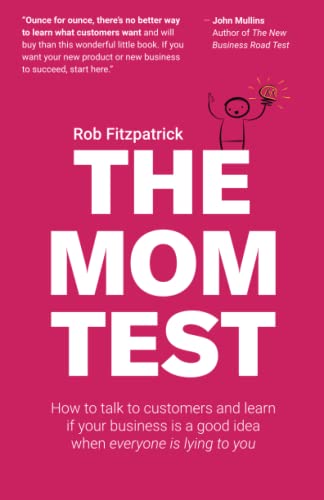 Rob FitzpatrickThe Mom TestTactical customer discovery interview techniques to extract genuine evidence and avoid polite liesCHECK TODAY'S PRICE
 - 4
 Ben HorowitzThe Hard Thing About Hard ThingsUnflinching executive wisdom on managing crises, layoffs, firings, and tough founder decisionsCHECK TODAY'S PRICE
 - 5
 Michael E. GerberThe E-Myth RevisitedWorking on your business rather than just in it, building systematic processes for scalabilityCHECK TODAY'S PRICE
 - 6
 Jim CollinsGood to GreatLevel 5 leadership, disciplined execution, the Hedgehog Concept, and the compounding flywheelCHECK TODAY'S PRICE
 - 7
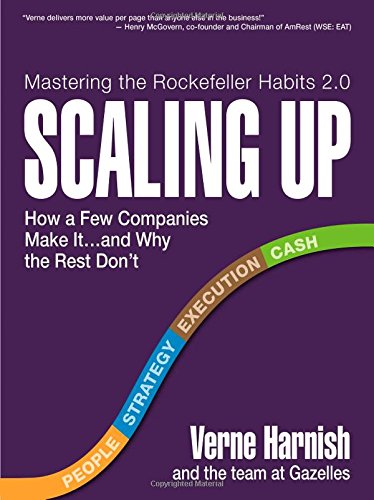 Verne HarnishScaling UpPractical tools and one-page strategic planning across people, strategy, execution, and cashCHECK TODAY'S PRICE
 - 8
 John DoerrMeasure What MattersHow Objectives and Key Results (OKRs) drive hyper-growth through radical organizational alignmentCHECK TODAY'S PRICE
 - 9
 Andrew S. GroveHigh Output ManagementThe legendary operational manual treating managerial leverage, 1-on-1s, and workflows as engineeringCHECK TODAY'S PRICE
 - 10
 Gino WickmanTraction: Get a Grip on Your BusinessThe Entrepreneurial Operating System (EOS) to align vision, discipline, and healthy team executionCHECK TODAY'S PRICE
 - 11
 Robert B. CialdiniInfluence: The Psychology of PersuasionSix universal principles driving decision-making, ethical persuasion, and customer conversionCHECK TODAY'S PRICE
 - 12
 Al Ries & Jack TroutPositioning: The Battle for Your MindClaiming a distinct, defensible category in the consumer's mind amidst commercial noiseCHECK TODAY'S PRICE
 - 13
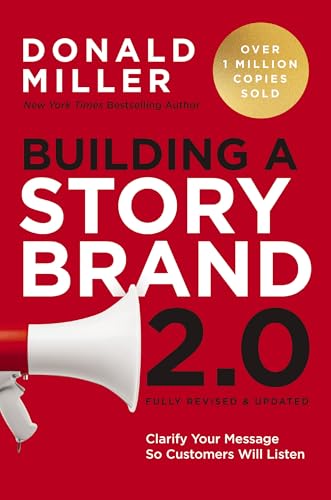 Donald MillerBuilding a StoryBrand 2.0A 7-part narrative framework positioning the customer as the hero and the company as the guideCHECK TODAY'S PRICE
 - 14
 Geoffrey A. MooreCrossing the ChasmTransitioning high-tech startups from early visionary adopters into mainstream commercial dominanceCHECK TODAY'S PRICE
 - 15
 Nir EyalHooked: How to Build Habit-Forming ProductsThe 4-step Hook Model (trigger, action, variable reward, investment) for high customer retentionCHECK TODAY'S PRICE
 - 16
 Daniel KahnemanThinking, Fast and SlowDual-process cognitive architecture (System 1 vs System 2) to mitigate overconfidence and biasesCHECK TODAY'S PRICE
 - 17
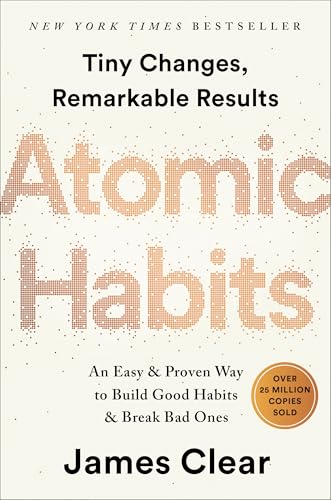 James ClearAtomic HabitsBuilding identity-based systems and 1% compounding behavioral improvements to replace willpowerCHECK TODAY'S PRICE
 - 18
 Carol S. DweckMindset: The New Psychology of SuccessFostering a growth mindset to view operational failures and market setbacks as vital diagnostic dataCHECK TODAY'S PRICE
 - 19
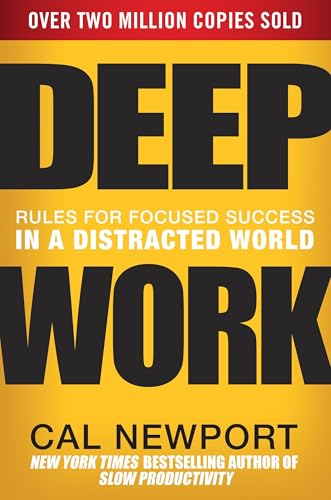 Cal NewportDeep WorkScheduling distraction-free, high-intensity focus blocks to produce high-value intellectual outputCHECK TODAY'S PRICE
 - 20
 Angela DuckworthGrit: The Power of Passion and PerseveranceEmpirical evidence showing long-term passion and perseverance outperform natural IQ in achievementCHECK TODAY'S PRICE
 - 21
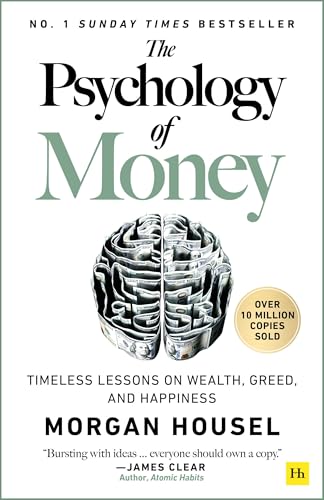 Morgan HouselThe Psychology of Money19 timeless lessons on how ego, emotions, and margins of safety govern real financial outcomesCHECK TODAY'S PRICE
 - 22
 Ray DalioPrinciples: Life and WorkRadical transparency, idea meritocracy, and systematic decision rules from Bridgewater AssociatesCHECK TODAY'S PRICE
 - 23
 Mike MichalowiczProfit FirstA behavioral cash management system (Sales - Profit = Expenses) to build permanently profitable businessesCHECK TODAY'S PRICE
 - 24
 Brad Feld & Jason MendelsonVenture DealsDemystifying VC term sheets, liquidation preferences, cap tables, and investment negotiationsCHECK TODAY'S PRICE
 - 25
 Nassim Nicholas TalebThe Black SwanUnmasking human blindness to extreme randomness and building antifragile businesses that gain from chaosCHECK TODAY'S PRICE
 - 26
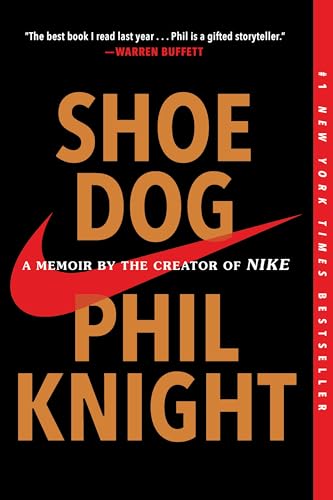 Phil KnightShoe Dog: A Memoir by the Creator of NikeA raw, vulnerable memoir capturing the cash flow struggles, legal battles, and perseverance behind NikeCHECK TODAY'S PRICE
 - 27
 Ed CatmullCreativity, Inc.Leadership lessons and feedback mechanisms from Pixar Animation Studios to build psychological safetyCHECK TODAY'S PRICE
 - 28
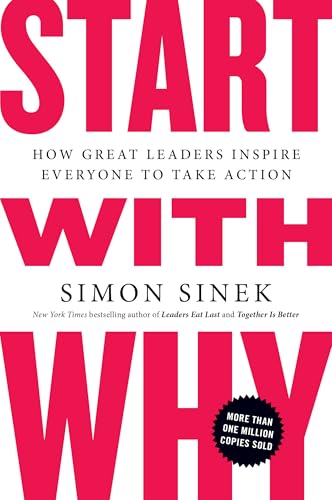 Simon SinekStart with WhyThe Golden Circle framework demonstrating that transformative companies articulate purpose before productsCHECK TODAY'S PRICE
 - 29
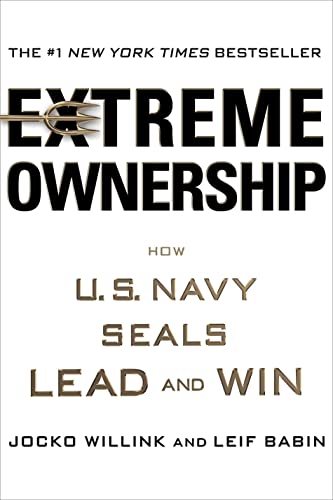 Jocko Willink & Leif BabinExtreme Ownership: How U.S. Navy SEALs Lead and WinTranslating combat leadership into business management: eliminating excuses and owning every outcomeCHECK TODAY'S PRICE
 - 30
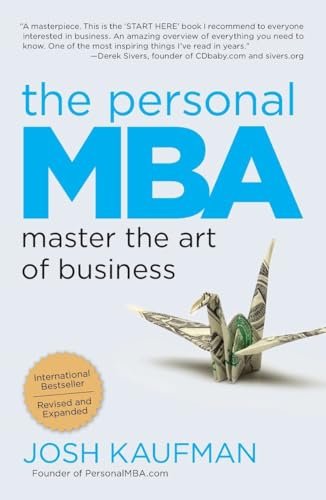 Josh KaufmanThe Personal MBA: Master the Art of BusinessA practical, debt-free distillation of marketing, sales, value creation, finance, and operationsCHECK TODAY'S PRICE
The Entrepreneurial Mindset: Why Psychological Resilience Precedes Business Success
Entrepreneurial psychological resilience represents the foundational prerequisite for commercial survival. Before a founder can successfully execute marketing funnels, optimize capital allocation, or manage complex executive hierarchies, they must master their own cognitive self-regulation under conditions of chronic ambiguity.
Cognitive psychologist Daniel Kahneman demonstrated that human decision-making is severely distorted by evolutionary heuristics, particularly the availability heuristic and loss aversion. In high-stakes startup environments, these cognitive shortcuts lead to overconfidence bias, premature scaling, and catastrophic sunk-cost fallacies. Reading rigorous psychology literature trains founders in metacognitive awareness, allowing them to decouple emotional panic from objective analytical reasoning.
Psychologist Carol S. Dweck established that an individual’s implicit theory of intelligence fundamentally dictates their response to failure. Founders who cultivate a growth mindset perceive market rejections, product bugs, and financial downturns as vital diagnostic feedback rather than personal indictments. Integrating psychological frameworks protects entrepreneurs from debilitating imposter syndrome, fostering enduring strategic adaptability.
- Psychological resilience protects founders from the cognitive paralysis caused by chronic startup uncertainty.
- Metacognitive awareness mitigates cognitive biases and optimizes critical executive decision-making.
- Cultivating a growth mindset transforms operational failures into vital diagnostic data.
- Emotional self-regulation prevents founder burnout and sustains long-term leadership clarity.
Startup Strategy, Ideation, and Product Validation
The foundation of any successful venture lies in validating real customer demand before burning finite financial capital. These five masterworks provide rigorous methodologies for testing hypotheses, eliminating false positives, and discovering sustainable product-market fit.
1. The Lean Startup — Eric Ries
The Lean Startup by Eric Ries introduces the build-measure-learn feedback loop, encouraging founders to test hypotheses with a minimum viable product before burning scarce capital.
By replacing guesswork with validated learning, Ries created the foundational playbook for modern tech entrepreneurship.
- Provides a structured, field-tested framework for mastering the lean startup principles.
- Helps founders navigate complex operational challenges through disciplined execution methods.
- Equips leadership teams with practical tools to accelerate sustainable venture growth.
2. Zero to One — Peter Thiel
Zero to One by Peter Thiel argues that true innovation moves the world from zero to one by building unique monopolies rather than competing in crowded commodity markets.
Thiel challenges founders to uncover secret truths about the world that others miss, establishing a masterclass in defensible technological innovation.
- Provides a structured, field-tested framework for mastering zero to one principles.
- Helps founders navigate complex operational challenges through disciplined execution methods.
- Equips leadership teams with practical tools to accelerate sustainable venture growth.
3. The Mom Test — Rob Fitzpatrick
The Mom Test by Rob Fitzpatrick teaches entrepreneurs how to conduct customer discovery interviews without receiving polite, misleading lies from friends, family, and prospective buyers.
Fitzpatrick provides a concise, tactical framework for extracting genuine evidence about real customer problems to achieve authentic product-market validation.
- Provides a structured, field-tested framework for mastering the mom test principles.
- Helps founders navigate complex operational challenges through disciplined execution methods.
- Equips leadership teams with practical tools to accelerate sustainable venture growth.
4. The Hard Thing About Hard Things — Ben Horowitz
The Hard Thing About Hard Things by Ben Horowitz delivers an unvarnished look at the emotional brutality, executive hiring mistakes, and existential crises inherent in running a scaling technology startup.
Horowitz offers invaluable wartime CEO wisdom for navigating organizational chaos when there are no easy management solutions.
- Provides a structured, field-tested framework for mastering the hard thing about hard things principles.
- Helps founders navigate complex operational challenges through disciplined execution methods.
- Equips leadership teams with practical tools to accelerate sustainable venture growth.
5. The E-Myth Revisited — Michael E. Gerber
The E-Myth Revisited by Michael E. Gerber explains why most small businesses fail because technicians open businesses without understanding the distinct roles of the entrepreneur and the manager.
Gerber teaches founders to work on their business rather than just in it, building systematic processes that ensure sustainable operational scalability.
- Provides a structured, field-tested framework for mastering the e-myth revisited principles.
- Helps founders navigate complex operational challenges through disciplined execution methods.
- Equips leadership teams with practical tools to accelerate sustainable venture growth.
Organizational Scaling, Execution, and Management Systems
Scaling an enterprise from a scrappy founding team into an enduring market leader requires building systematic operational rhythms. These five definitive manuals teach founders how to manage people, align strategic priorities, and maintain high-output executive discipline.
6. Good to Great — Jim Collins
Good to Great by Jim Collins presents rigorous empirical research into why certain companies make the leap to enduring excellence through Level 5 leadership and the Hedgehog Concept.
Collins provides a timeless strategic blueprint for building organizational discipline and accelerating the powerful business growth flywheel.
- Provides a structured, field-tested framework for mastering good to great principles.
- Helps founders navigate complex operational challenges through disciplined execution methods.
- Equips leadership teams with practical tools to accelerate sustainable venture growth.
7. Scaling Up — Verne Harnish
Scaling Up by Verne Harnish provides practical tools and one-page strategic planning documents for navigating the complex growth phase across people, strategy, execution, and cash.
Harnish equips leadership teams with actionable execution rhythms that turn chaotic growth into predictable, scalable corporate performance.
- Provides a structured, field-tested framework for mastering scaling up principles.
- Helps founders navigate complex operational challenges through disciplined execution methods.
- Equips leadership teams with practical tools to accelerate sustainable venture growth.
8. Measure What Matters — John Doerr
Measure What Matters by John Doerr details how Objectives and Key Results (OKRs) helped tech giants like Google, Intel, and Amazon achieve hyper-growth through radical alignment.
Doerr demonstrates how transparent goal-setting bridges visionary ambition with disciplined accountability to drive high-output organizational execution.
- Provides a structured, field-tested framework for mastering measure what matters principles.
- Helps founders navigate complex operational challenges through disciplined execution methods.
- Equips leadership teams with practical tools to accelerate sustainable venture growth.
9. High Output Management — Andrew S. Grove
High Output Management by Andrew S. Grove is the legendary operational manual written by the former CEO of Intel, treating managerial leverage, meeting structures, and production workflows as engineering disciplines.
Grove’s classic remains required reading for founders transitioning from scrappy makers into effective executive leaders.
- Provides a structured, field-tested framework for mastering high output management principles.
- Helps founders navigate complex operational challenges through disciplined execution methods.
- Equips leadership teams with practical tools to accelerate sustainable venture growth.
10. Traction — Gino Wickman
Traction by Gino Wickman introduces the Entrepreneurial Operating System (EOS), helping leadership teams eliminate common operational frustrations and achieve organizational traction.
Wickman provides practical tools to align vision, discipline, and team health, transforming founder-dependent chaos into systematized operational mastery.
- Provides a structured, field-tested framework for mastering traction principles.
- Helps founders navigate complex operational challenges through disciplined execution methods.
- Equips leadership teams with practical tools to accelerate sustainable venture growth.
Marketing, Strategic Positioning, and Customer Acquisition
Superior products regularly fail if companies cannot capture customer attention and articulate a compelling value proposition. These essential books deconstruct consumer psychology, strategic positioning, and the science of predictable customer acquisition.
11. Influence: The Psychology of Persuasion — Robert B. Cialdini
Influence: The Psychology of Persuasion by Robert B. Cialdini identifies the six universal psychological principles—reciprocity, commitment, social proof, authority, liking, and scarcity—that drive human decision-making.
Cialdini equips entrepreneurs with ethical behavioral science tools to refine marketing messaging, negotiate effectively, and maximize customer conversion rates.
- Provides a structured, field-tested framework for mastering influence: the psychology of persuasion principles.
- Helps founders navigate complex operational challenges through disciplined execution methods.
- Equips leadership teams with practical tools to accelerate sustainable venture growth.
12. Positioning: The Battle for Your Mind — Al Ries & Jack Trout
Positioning: The Battle for Your Mind by Al Ries & Jack Trout explains how to claim a distinct, defensible mental category in the consumer’s mind amidst an oversaturated commercial landscape.
Ries and Trout establish the fundamental principles of strategic branding, teaching founders how to achieve unrivaled market differentiation.
- Provides a structured, field-tested framework for mastering positioning: the battle for your mind principles.
- Helps founders navigate complex operational challenges through disciplined execution methods.
- Equips leadership teams with practical tools to accelerate sustainable venture growth.
13. Building a StoryBrand — Donald Miller
Building a StoryBrand by Donald Miller uses classic storytelling frameworks to clarify brand messaging, positioning the customer as the hero and the company as the trusted guide.
Miller provides a seven-part narrative formula that eliminates marketing confusion, enabling companies to communicate with irresistible narrative clarity.
- Provides a structured, field-tested framework for mastering building a storybrand principles.
- Helps founders navigate complex operational challenges through disciplined execution methods.
- Equips leadership teams with practical tools to accelerate sustainable venture growth.
14. Crossing the Chasm — Geoffrey A. Moore
Crossing the Chasm by Geoffrey A. Moore focuses on the perilous transition high-tech startups face when attempting to move from early visionary adopters into the mainstream pragmatic market.
Moore outlines beachhead invasion strategies that allow innovative products to gain mainstream market adoption and establish sustainable competitive dominance.
- Provides a structured, field-tested framework for mastering crossing the chasm principles.
- Helps founders navigate complex operational challenges through disciplined execution methods.
- Equips leadership teams with practical tools to accelerate sustainable venture growth.
15. Hooked: How to Build Habit-Forming Products — Nir Eyal
Hooked: How to Build Habit-Forming Products by Nir Eyal details the four-step Hook Model—trigger, action, variable reward, and investment—that drives customer retention and organic product engagement.
Eyal offers product designers and founders an actionable behavioral psychology framework for engineering habit-forming digital experiences.
- Provides a structured, field-tested framework for mastering hooked: how to build habit-forming products principles.
- Helps founders navigate complex operational challenges through disciplined execution methods.
- Equips leadership teams with practical tools to accelerate sustainable venture growth.
Founder Psychology, High Performance, and Habit Architecture
A company’s growth ceiling is ultimately determined by its founder’s cognitive capacity, attentional discipline, and daily habits. These five psychological treatises provide evidence-based frameworks for optimizing executive mental performance.
16. Thinking, Fast and Slow — Daniel Kahneman
Thinking, Fast and Slow by Daniel Kahneman explores the dual-process architecture of human thought, contrasting fast intuitive heuristics (System 1) with deliberate analytical reasoning (System 2).
Kahneman equips founders with cognitive self-monitoring tools to avoid overconfidence bias and optimize strategic financial decision-making.
- Provides a structured, field-tested framework for mastering thinking, fast and slow principles.
- Helps founders navigate complex operational challenges through disciplined execution methods.
- Equips leadership teams with practical tools to accelerate sustainable venture growth.
17. Atomic Habits — James Clear
Atomic Habits by James Clear presents a comprehensive behavioral psychology system for building positive habits and eliminating destructive routines through 1% incremental improvements.
Clear demonstrates that enduring professional success is the product of daily systems and identity-based habit architecture.
- Provides a structured, field-tested framework for mastering atomic habits principles.
- Helps founders navigate complex operational challenges through disciplined execution methods.
- Equips leadership teams with practical tools to accelerate sustainable venture growth.
18. Mindset: The New Psychology of Success — Carol S. Dweck
Mindset: The New Psychology of Success by Carol S. Dweck establishes the transformative difference between a fixed mindset that fears failure and a growth mindset that views obstacles as opportunities for learning.
Dweck provides founders with essential psychological tools to build organizational resilience, embrace feedback, and foster high-performing creative cultures.
- Provides a structured, field-tested framework for mastering mindset: the new psychology of success principles.
- Helps founders navigate complex operational challenges through disciplined execution methods.
- Equips leadership teams with practical tools to accelerate sustainable venture growth.
19. Deep Work — Cal Newport
Deep Work by Cal Newport makes the compelling case that the ability to focus without distraction on cognitively demanding tasks has become rare and exceptionally valuable in the modern economy.
Newport provides actionable scheduling and digital hygiene practices that protect executive attention, fostering unmatched professional productivity.
- Provides a structured, field-tested framework for mastering deep work principles.
- Helps founders navigate complex operational challenges through disciplined execution methods.
- Equips leadership teams with practical tools to accelerate sustainable venture growth.
20. Grit: The Power of Passion and Perseverance — Angela Duckworth
Grit: The Power of Passion and Perseverance by Angela Duckworth proves through extensive empirical research that long-term stamina, passion, and perseverance predict success far more reliably than natural talent or IQ.
Duckworth offers entrepreneurs a scientific foundation for cultivating mental toughness and sustaining effort through prolonged venture uncertainty.
- Provides a structured, field-tested framework for mastering grit: the power of passion and perseverance principles.
- Helps founders navigate complex operational challenges through disciplined execution methods.
- Equips leadership teams with practical tools to accelerate sustainable venture growth.
Financial Intelligence, Capital Allocation, and Risk Management
Cash flow is the lifeblood of business survival, and mismanaging capital allocation is the primary killer of early-stage startups. These five landmark volumes teach entrepreneurs how to navigate financial psychology, venture capital, and antifragile risk management.
21. The Psychology of Money — Morgan Housel
The Psychology of Money by Morgan Housel delivers nineteen timeless lessons on how human ego, emotions, and personal history influence financial behavior far more than mathematical spreadsheets.
Housel teaches founders how to balance risk, preserve cash margins of safety, and cultivate enduring financial resilience.
- Provides a structured, field-tested framework for mastering the psychology of money principles.
- Helps founders navigate complex operational challenges through disciplined execution methods.
- Equips leadership teams with practical tools to accelerate sustainable venture growth.
22. Principles: Life and Work — Ray Dalio
Principles: Life and Work by Ray Dalio outlines the radical transparency, idea meritocracy, and systematic decision-making rules that built Bridgewater Associates into the world’s largest hedge fund.
Dalio provides a structured operating framework for confronting painful realities, eliminating ego, and achieving objective strategic clarity.
- Provides a structured, field-tested framework for mastering principles: life and work principles.
- Helps founders navigate complex operational challenges through disciplined execution methods.
- Equips leadership teams with practical tools to accelerate sustainable venture growth.
23. Profit First — Mike Michalowicz
Profit First by Mike Michalowicz transforms traditional business accounting by introducing a behavioral cash management formula: Sales minus Profit equals Expenses.
Michalowicz enables small business owners to eradicate cash flow crises, enforce operational frugality, and build permanently profitable enterprises.
- Provides a structured, field-tested framework for mastering profit first principles.
- Helps founders navigate complex operational challenges through disciplined execution methods.
- Equips leadership teams with practical tools to accelerate sustainable venture growth.
24. Venture Deals — Brad Feld & Jason Mendelson
Venture Deals by Brad Feld & Jason Mendelson demystifies venture capital term sheets, liquidation preferences, governance structures, and fundraising negotiations from both sides of the table.
Feld and Mendelson equip founders with the legal and financial literacy needed to negotiate fair investments and protect equity ownership stakes.
- Provides a structured, field-tested framework for mastering venture deals principles.
- Helps founders navigate complex operational challenges through disciplined execution methods.
- Equips leadership teams with practical tools to accelerate sustainable venture growth.
25. The Black Swan — Nassim Nicholas Taleb
The Black Swan by Nassim Nicholas Taleb explores the massive impact of rare, unpredictable events and human blindness to systemic randomness in scalable economic environments.
Taleb teaches entrepreneurs how to build antifragile business models that survive catastrophic market shocks and capitalize on positive asymmetric upside.
- Provides a structured, field-tested framework for mastering the black swan principles.
- Helps founders navigate complex operational challenges through disciplined execution methods.
- Equips leadership teams with practical tools to accelerate sustainable venture growth.
Leadership Culture, Team Dynamics, and Enduring Vision
Enduring companies are built upon transparent mission-driven cultures that attract and retain world-class talent. These five masterworks explore how iconic leaders navigate crises, inspire extreme ownership, and cultivate thriving corporate ecosystems.
26. Shoe Dog — Phil Knight
Shoe Dog by Phil Knight is the candid, vulnerable memoir by the founder of Nike, chronicling decades of chronic cash flow shortages, legal battles, and relentless hustle.
Knight’s honest narrative captures the grueling reality of early entrepreneurship, providing deep inspiration for enduring founder perseverance.
- Provides a structured, field-tested framework for mastering shoe dog principles.
- Helps founders navigate complex operational challenges through disciplined execution methods.
- Equips leadership teams with practical tools to accelerate sustainable venture growth.
27. Creativity Inc — Ed Catmull
Creativity Inc by Ed Catmull reveals the leadership, candid feedback mechanisms, and team dynamics that allowed Pixar Animation Studios to produce historic creative masterpieces.
Catmull outlines how to protect creative talent from corporate bureaucracy and build a culture of psychological safety.
- Provides a structured, field-tested framework for mastering creativity management principles.
- Helps founders navigate complex operational challenges through disciplined execution methods.
- Equips leadership teams with practical tools to accelerate sustainable venture growth.
28. Start with Why — Simon Sinek
Start with Why by Simon Sinek demonstrates that transformative organizations inspire loyalty and action by clearly articulating their foundational purpose before explaining what they do.
Sinek offers leaders the Golden Circle framework to rally teams, attract loyal customers, and build enduring mission-driven companies.
- Provides a structured, field-tested framework for mastering start with why principles.
- Helps founders navigate complex operational challenges through disciplined execution methods.
- Equips leadership teams with practical tools to accelerate sustainable venture growth.
29. Extreme Ownership — Jocko Willink & Leif Babin
Extreme Ownership by Jocko Willink & Leif Babin translates elite military combat leadership principles into high-stakes business management, emphasizing that leaders must take total responsibility for every outcome.
Willink and Babin show how eliminating excuses and empowering subordinates produces disciplined, resilient executive leadership.
- Provides a structured, field-tested framework for mastering extreme ownership principles.
- Helps founders navigate complex operational challenges through disciplined execution methods.
- Equips leadership teams with practical tools to accelerate sustainable venture growth.
30. The Personal MBA — Josh Kaufman
The Personal MBA by Josh Kaufman distills the fundamental principles of business, value creation, marketing, sales, value delivery, and finance into an accessible single volume.
Kaufman provides a comprehensive, practical alternative to expensive business schools, giving entrepreneurs an essential foundation in holistic business acumen.
- Provides a structured, field-tested framework for mastering the personal mba principles.
- Helps founders navigate complex operational challenges through disciplined execution methods.
- Equips leadership teams with practical tools to accelerate sustainable venture growth.
Core Thematic Frameworks Across the 30 Essential Books
To help you navigate this extensive thirty-book canon efficiently, the following comparative table categorizes the core operational domains, primary methodologies, and foundational business competencies covered across the library.
| Entrepreneurial Domain | Key Methodological Focus & Core Takeaway |
|---|---|
| Startup Strategy & Validation | Lean hypothesis testing, customer discovery, and building defensible technological monopolies |
| Scaling & Execution Systems | Implementing OKRs, the Entrepreneurial Operating System (EOS), and managerial leverage |
| Marketing & Positioning | StoryBrand narrative messaging, behavioral influence triggers, and habit-forming loops |
| Psychology & Performance | Cultivating growth mindsets, deep focus scheduling, and overcoming cognitive heuristics |
| Finance & Risk Allocation | Behavioral cash management (Profit First), venture capital negotiation, and antifragility |
| Leadership & Company Culture | Extreme ownership accountability, inspiring purpose with Why, and psychological safety |
As illustrated in the comparison table above, true entrepreneurial mastery requires synthesizing multiple disciplines rather than relying on a single playbook. Combining operational rigor with psychological self-awareness produces the highest probability of venture success.
How to Build an Actionable Entrepreneurial Reading Habit
Reading thirty business books produces meaningful commercial transformation only when abstract concepts are translated into daily operational habits. Simply collecting volumes on an office shelf creates an illusion of progress without improving business metrics. Humanistic psychologist Carl R. Rogers consistently emphasized that authentic personal growth requires integrating intellectual insight into experiential living practices.
To convert theoretical insights from these thirty masterworks into measurable enterprise value, implement these four disciplined founder reading habits:
- Dedicate the first thirty minutes of every workday to uninterrupted reading before opening email or checking communication channels, protecting your peak cognitive focus.
- Maintain a dedicated “Executive Learning Journal” to record one immediately actionable initiative from every chapter you complete, ensuring direct operational implementation.
- Establish a monthly leadership book club with your executive team to discuss shared frameworks and align on strategic organizational priorities.
- Conduct quarterly “Theory Audits” where you evaluate whether your company’s operating systems align with proven principles from foundational management literature.
When Startup Stress Becomes Clinical Burnout: Seeking Help
While building an enterprise is an exhilarating pursuit of innovation, the chronic stress, financial instability, and isolation inherent in entrepreneurship can severely compromise a founder’s mental health. High-performing builders frequently normalize chronic insomnia, severe panic attacks, and emotional exhaustion under the guise of commitment. Recognizing when entrepreneurial stress transitions into clinical depression is an essential mental health literacy competency.
If you experience persistent feelings of hopeless despair, severe panic attacks, emotional detachment from family, or an inability to function for more than two consecutive weeks, books alone are insufficient. You should schedule an evaluation with a licensed clinical psychologist or psychiatrist. Evidence-based modalities such as Cognitive Behavioral Therapy (CBT) and Acceptance and Commitment Therapy (ACT) provide safe environments to process founder stress without succumbing to debilitating executive burnout.
Most critically, if you or a founder you know is experiencing acute suicidal ideation, intrusive thoughts of self-harm, or an overwhelming emotional crisis where safety cannot be guaranteed, do not rely on literature. In the United States and Canada, immediately call or text 988 to reach the Suicide & Crisis Lifeline, available twenty-four hours a day, seven days a week, free and completely confidential. Seeking professional clinical care is not a failure of leadership; it is the ultimate act of courageous personal self-advocacy.
- Persistent executive distress, severe anxiety, and anhedonia warrant evaluation by a licensed mental health professional.
- Evidence-based modalities like ACT and CBT provide structured support for managing acute founder burnout.
- Acute suicidal ideation and crisis demand immediate emergency contact with dedicated crisis support services.
FAQs about Books for Entrepreneurs
What is the single best book for a first-time entrepreneur to read first?
The Lean Startup by Eric Ries is universally regarded as the premier starting point for first-time founders. Ries provides a systematic, scientific methodology for developing and managing startups during a time when companies face extreme uncertainty. By teaching founders how to create minimum viable products, test customer assumptions with real data, and pivot before running out of money, this book prevents the most common startup mistake: building products nobody wants.
Do I need an MBA to succeed as an entrepreneur if I read these books?
No, an MBA is not required to build a successful enterprise. In The Personal MBA, author Josh Kaufman demonstrates that the fundamental principles of business—value creation, marketing, sales, operations, and finance—can be mastered independently through curated self-study. Reading foundational business books combined with real-world execution provides practical, up-to-date business acumen without accumulating hundreds of thousands of dollars in academic debt.
How does understanding psychology help founders scale businesses?
Business is fundamentally an enterprise of human behavior, negotiation, and decision-making. Founders who understand cognitive psychology (such as Daniel Kahneman’s research on cognitive biases and Robert Cialdini’s principles of persuasion) make more objective strategic decisions, hire better talent, design more engaging products, and build healthier corporate cultures. Mastering psychology prevents founders from falling victim to their own emotional blind spots.
What is the core difference between The Lean Startup and Zero to One?
While both books are tech startup classics, they offer complementary philosophical perspectives. Eric Ries’s The Lean Startup focuses on tactical execution, emphasizing incremental iteration, rapid prototyping, and customer feedback loops to discover product-market fit. In contrast, Peter Thiel’s Zero to One focuses on visionary differentiation, arguing that great founders must build unique, non-commodity monopolies that create entirely new market categories from scratch.
How can founders avoid reading books without actually implementing the advice?
To avoid passive reading, founders should follow the “One Action Rule”: never finish a business book without committing to one specific, measurable change in your company within fourteen days. Additionally, maintaining a structured executive learning journal, highlighting key takeaways, and sharing insights during team meetings ensures that theoretical concepts are operationalized into daily workflows and strategic initiatives.
How do I know if my startup stress requires professional therapy?
Startup stress requires professional therapy when anxiety, insomnia, irritability, or emotional numbness interferes with your daily functioning, health, or relationships for more than two consecutive weeks. If you find yourself experiencing panic attacks, feeling hopeless about the future, or relying on unhealthy coping mechanisms to numb work-related stress, consulting with a licensed therapist specializing in executive mental health can provide essential clinical support.
Bibliography
- Catmull, E. (2014). Creativity, Inc.: Overcoming the Unseen Forces That Stand in the Way of True Inspiration. Random House.
- Cialdini, R. B. (2006). Influence: The Psychology of Persuasion (Revised ed.). Harper Business.
- Clear, J. (2018). Atomic Habits: An Easy & Proven Way to Build Good Habits & Break Bad Ones. Avery.
- Collins, J. (2001). Good to Great: Why Some Companies Make the Leap… and Others Don’t. HarperBusiness.
- Dalio, R. (2017). Principles: Life and Work. Simon & Schuster.
- Doerr, J. (2018). Measure What Matters: How Google, Bono, and the Gates Foundation Rock the World with OKRs. Portfolio.
- Duckworth, A. (2016). Grit: The Power of Passion and Perseverance. Scribner.
- Dweck, C. S. (2006). Mindset: The New Psychology of Success. Random House.
- Eyal, N. (2014). Hooked: How to Build Habit-Forming Products. Portfolio.
- Feld, B., & Mendelson, J. (2019). Venture Deals: Be Smarter Than Your Lawyer and Venture Capitalist (4th ed.). Wiley.
- Fitzpatrick, R. (2013). The Mom Test: How to Talk to Customers & Learn If Your Business Is a Good Idea When Everyone Is Lying to You. CreateSpace.
- Gerber, M. E. (1995). The E-Myth Revisited: Why Most Small Businesses Don’t Work and What to Do About It. HarperBusiness.
- Grove, A. S. (1995). High Output Management. Vintage Books.
- Harnish, V. (2014). Scaling Up: How a Few Companies Make It… and Why the Rest Don’t. Gazelles.
- Horowitz, B. (2014). The Hard Thing About Hard Things: Building a Business When There Are No Easy Answers. HarperBusiness.
- Housel, M. (2020). The Psychology of Money: Timeless Lessons on Wealth, Greed, and Happiness. Harriman House.
- Kahneman, D. (2011). Thinking, Fast and Slow. Farrar, Straus and Giroux.
- Kaufman, J. (2010). The Personal MBA: Master the Art of Business. Portfolio.
- Knight, P. (2016). Shoe Dog: A Memoir by the Creator of Nike. Scribner.
- Michalowicz, M. (2017). Profit First: Transform Your Business from a Cash-Eating Monster to a Money-Making Machine. Portfolio.
- Miller, D. (2017). Building a StoryBrand: Clarify Your Message So Customers Will Listen. HarperCollins Leadership.
- Moore, G. A. (2014). Crossing the Chasm: Marketing and Selling Disruptive Products to Mainstream Customers (3rd ed.). HarperBusiness.
- Newport, C. (2016). Deep Work: Rules for Focused Success in a Distracted World. Grand Central Publishing.
- Ries, A., & Trout, J. (2001). Positioning: The Battle for Your Mind (20th Anniversary ed.). McGraw-Hill.
- Ries, E. (2011). The Lean Startup: How Today’s Entrepreneurs Use Continuous Innovation to Create Radically Successful Businesses. Crown Business.
- Rogers, C. R. (1961). On Becoming a Person: A Therapist’s View of Psychotherapy. Houghton Mifflin.
- Sinek, S. (2009). Start with Why: How Great Leaders Inspire Everyone to Take Action. Portfolio.
- Szalavitz, M. (2016). Unbroken Brain: A Revolutionary New Way of Understanding Addiction. St. Martin’s Press.
- Taleb, N. N. (2007). The Black Swan: The Impact of the Highly Improbable. Random House.
- Thiel, P., & Masters, B. (2014). Zero to One: Notes on Startups, or How to Build the Future. Crown Currency.
- Wickman, G. (2011). Traction: Get a Grip on Your Business. BenBella Books.
- Willink, J., & Babin, L. (2015). Extreme Ownership: How U.S. Navy SEALs Lead and Win. St. Martin’s Press.
Use this citation format to reference the article clearly and help readers find the original source.
PsychologyFor. (2026). 30 Books for Entrepreneurs (Totally Essential). PsychologyFor. https://psychologyfor.com/30-books-for-entrepreneurs-totally-essential/