

See more of our articles in your search results.
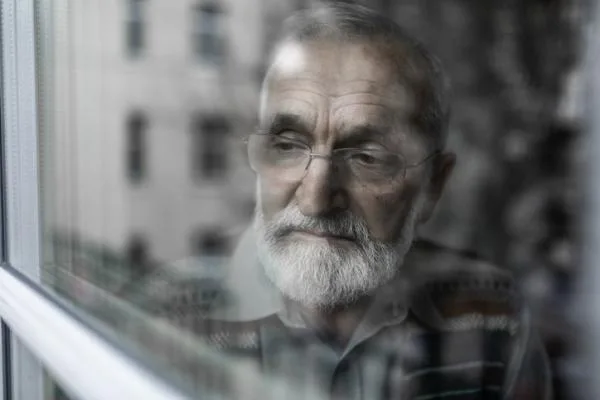
Social isolation refers to a state where an individual has minimal contact with others, lacking meaningful social connections and experiencing limited interaction with family, friends, or broader community networks. This condition affects approximately one in six people worldwide and carries consequences that extend far beyond simple loneliness—it fundamentally impacts mental health, physical wellbeing, cognitive functioning, and daily behavior patterns. Unlike chosen solitude, which can be restorative and voluntary, social isolation often occurs involuntarily or becomes prolonged beyond what’s healthy, creating a cascade of negative effects that touch nearly every aspect of human functioning.
Understanding social isolation has become increasingly urgent in our paradoxically connected yet disconnected modern world. We live in an era of unprecedented digital connectivity—smartphones keep us linked to networks of hundreds or thousands of contacts, social media promises constant connection, and video calls allow face-to-face conversation across continents. Yet despite these technological bridges, rates of social isolation and loneliness have climbed steadily. The COVID-19 pandemic dramatically intensified this issue, forcing physical distancing that left millions experiencing profound isolation. But the problem existed long before the pandemic and persists after restrictions lifted, affecting people across all ages, backgrounds, and circumstances.
Why does isolation harm us so profoundly? Humans evolved as intensely social creatures. Our survival as a species depended on cooperation, communication, and community. Our brains are literally wired for social connection—neural circuits dedicated to processing social information, reading facial expressions, interpreting tone of voice, and experiencing empathy demonstrate that connection isn’t optional; it’s fundamental to human functioning. When we’re cut off from regular social interaction, we’re not just missing pleasant experiences; we’re depriving our brains and bodies of essential inputs they evolved to require. The consequences manifest across multiple systems—psychological, physical, cognitive, and behavioral—each reinforcing the others in ways that can create devastating cycles.
This article explores four major consequences of social isolation: the profound mental health impacts including depression and anxiety; the surprising physical health effects that increase risk of serious medical conditions; the cognitive decline that impairs memory, attention, and decision-making; and the behavioral changes that further compound isolation’s harms. Understanding these consequences isn’t meant to create fear but rather awareness. Social isolation is addressable—recognizing its effects is the first step toward taking action to reconnect, seek support, and protect both your wellbeing and that of vulnerable people in your life. Whether you’re experiencing isolation yourself, concerned about someone you know, or simply wanting to understand this growing public health concern, these insights offer both knowledge and pathways toward healing and connection.
Mental Health Deterioration
Perhaps the most immediately noticeable consequence of social isolation involves mental health. Research consistently demonstrates strong links between isolation and increased rates of depression, anxiety disorders, and suicidal ideation. When humans lack regular, meaningful social contact, psychological distress often follows. This isn’t weakness or individual failing—it reflects the fundamental human need for connection and the psychological toll when that need goes unmet.
How many of these have you been "meaning to read" for months?
- 1
 TarcherThe Artist's Way30th Anniversary EditionListen Free On Audible
 - 2
 New Harbinger PublicationsThe Dialectical Behavior Therapy Skills WorkbookPractical DBT Exercises for Learning Mindfulness, Interpersonal Effectiveness, Emotion Regulation...Listen Free On Audible
 - 3
 New Harbinger PublicationsAdult Children of Emotionally Immature ParentsHow to Heal from Distant, Rejecting, or Self-Involved ParentsListen Free On Audible
Depression emerges frequently among socially isolated individuals. Think about what social connection provides: validation that you matter, distraction from rumination, purposes beyond yourself, pleasure in shared experiences, and perspective when your own thoughts become distorted. Without these protective factors, isolated individuals often sink into pervasive sadness, feelings of worthlessness, and loss of interest in activities that once brought joy. The isolation itself creates conditions ripe for depression—excessive time alone with negative thoughts, lack of external feedback to challenge distorted thinking, and absence of positive experiences that might lift mood. The relationship becomes bidirectional: isolation increases depression risk, and depression often leads people to withdraw further, creating vicious cycles difficult to escape without intervention.
Anxiety intensifies during prolonged isolation as well. Social skills require practice—when we regularly interact with others, we maintain comfort and competence navigating social situations. But extended isolation can make even basic interactions feel overwhelming. People describe experiencing heightened anxiety about social encounters after periods of isolation, sometimes developing social anxiety where none existed previously. The mere thought of returning to social situations can trigger panic, creating another destructive cycle where anxiety about socializing reinforces continued isolation. Stress hormones remain chronically elevated when isolated, as the body interprets lack of social connection as a threat to survival, keeping you in persistent states of hyperarousal.
The suicide risk associated with isolation deserves serious attention. Lacking social connection removes crucial protective factors against suicidal thoughts and attempts. When people struggle, social ties often provide reasons to persist—knowing others care, not wanting to hurt loved ones, having responsibilities to others, or simply knowing someone would notice and intervene. Isolation strips away these protective layers, leaving individuals alone with their distress and without external perspective that might offer hope or alternative viewpoints. Studies show significantly elevated rates of suicidal ideation and attempts among socially isolated populations, particularly adolescents and older adults.
The mental health impacts of isolation extend beyond diagnosed disorders to affect overall psychological wellbeing. Isolated individuals report lower life satisfaction, diminished sense of meaning and purpose, reduced self-esteem, and greater difficulty regulating emotions. Small stressors feel overwhelming without social support to buffer them. Joy becomes harder to access when you have no one to share it with. The psychological richness that relationships provide—humor, intellectual stimulation, emotional depth, shared meaning—simply withers in isolation’s absence.

Physical Health Consequences
While mental health effects might seem obvious, social isolation’s impact on physical health surprises many people. Yet research reveals profound connections between social isolation and serious medical conditions. Studies analyzing data from hundreds of thousands of adults found that social isolation increases risk of premature death from all causes, with effects comparable to smoking, obesity, and physical inactivity. This isn’t metaphorical harm—isolation literally affects bodily systems in ways that increase disease risk and reduce lifespan.
Cardiovascular health suffers significantly from isolation. Research links social isolation with increased risk of heart disease, heart attacks, and stroke. The mechanisms involve multiple pathways. Chronic stress from isolation keeps stress hormones like cortisol elevated, which over time damages blood vessels and increases inflammation throughout the body. Blood pressure often rises in isolated individuals, straining the cardiovascular system. One study found that socially isolated individuals had approximately 29% increased risk of heart disease and 32% increased risk of stroke—risks substantial enough that medical professionals increasingly screen for social isolation alongside traditional cardiovascular risk factors like cholesterol and blood pressure.
The immune system weakens under conditions of prolonged isolation. Your body’s ability to fight off infections, viruses, and even cancer cells depends partly on healthy immune functioning, which social connection supports and isolation undermines. Isolated individuals show higher rates of inflammation, reduced immune response to vaccines, and increased susceptibility to infectious diseases. The biological explanation involves stress responses—when your body perceives isolation as threat (which our evolved systems do), it triggers inflammatory responses meant to protect against physical injury. Short-term, this helps survival; chronically activated, it damages tissues and organs while depleting immune resources needed to fight actual threats.
Sleep quality deteriorates during isolation, creating cascading physical health effects. Socially isolated people report more sleep disturbances, difficulty falling asleep, frequent waking, and non-restorative sleep. Poor sleep then affects virtually every bodily system—metabolism, hormone regulation, tissue repair, cognitive function, and immune response. The relationship between isolation and sleep appears bidirectional: isolation disrupts sleep, and poor sleep increases feelings of social disconnection and reduces capacity for social engagement.
Even mortality risk increases with social isolation. Multiple large-scale studies demonstrate that socially isolated individuals die younger than those with strong social connections, with some research suggesting isolation increases mortality risk by 25-30%. To put this in perspective, the World Health Organization estimates that loneliness and isolation contribute to approximately 871,000 deaths globally each year—roughly 100 deaths every hour. This mortality risk operates through multiple mechanisms: direct physiological effects on cardiovascular and immune systems, increased rates of risky health behaviors among isolated individuals, reduced likelihood of seeking medical care or adhering to treatment, and fewer people noticing warning signs of medical emergencies.
| Physical Health Impact | Key Effects |
|---|---|
| Cardiovascular System | Increased risk of heart disease (29%), stroke (32%), high blood pressure, and vascular inflammation |
| Immune Function | Weakened immunity, increased inflammation, greater susceptibility to infections and slower recovery |
| Sleep Quality | Difficulty falling asleep, frequent waking, non-restorative sleep affecting overall health |
| Mortality Risk | 25-30% increased risk of premature death from all causes comparable to smoking and obesity |
Cognitive Decline and Brain Function
Social isolation doesn’t just affect mood and body—it directly impacts how your brain works. Research reveals that prolonged isolation is associated with accelerated cognitive decline, impaired executive function, memory deficits, and difficulty with attention and concentration. The brain requires stimulation to maintain optimal functioning, and social interaction provides particularly rich and complex cognitive challenges that keep neural pathways active and healthy.
Executive function—the high-level cognitive processes that help you plan, make decisions, solve problems, control impulses, and shift attention—deteriorates with isolation. These mental capacities require regular exercise through complex social situations that demand reading social cues, considering others’ perspectives, navigating conflicts, and adjusting behavior based on context. When deprived of these cognitive workouts, executive function systems weaken, making even routine decisions feel exhausting and complex problem-solving increasingly difficult. People emerging from prolonged isolation often describe feeling mentally foggy or having trouble organizing their thoughts—this reflects actual changes in brain function, not imagination.
Memory suffers during extended isolation. Both short-term working memory (holding information temporarily while using it) and long-term memory (storing and retrieving information over time) show impairment in socially isolated individuals. Social interaction naturally reinforces memory—storytelling, shared reminiscence, discussing events, and engaging in conversation all exercise memory systems. Without these activities, memory encoding and retrieval become less efficient. Studies with older adults show particularly striking effects: socially isolated seniors experience cognitive decline at rates significantly faster than their socially connected peers, with some research suggesting isolation doubles the risk of developing dementia.
Attention and concentration capacity shrinks under isolation. The ability to focus on tasks, maintain attention over time, and filter out distractions all depend partly on overall cognitive health, which social connection supports. Isolated individuals frequently report difficulty concentrating on work, reading, or other activities requiring sustained mental effort. The constant low-level stress of isolation consumes cognitive resources, leaving fewer available for focused attention. Additionally, when you’re alone excessively, you might lack external structure and accountability that normally help maintain focus.
Brain structure itself may change with prolonged isolation. Neuroimaging studies reveal differences in brain regions associated with social processing, emotion regulation, and cognition among chronically isolated individuals. The brain demonstrates remarkable plasticity—it physically changes based on how we use it. Just as learning new skills builds neural connections, lack of social engagement may lead to weakening of neural pathways dedicated to social cognition and general cognitive functioning. While research continues exploring these structural changes, the implications are clear: protecting cognitive health requires maintaining social connection throughout life, particularly as we age.
Behavioral and Lifestyle Changes
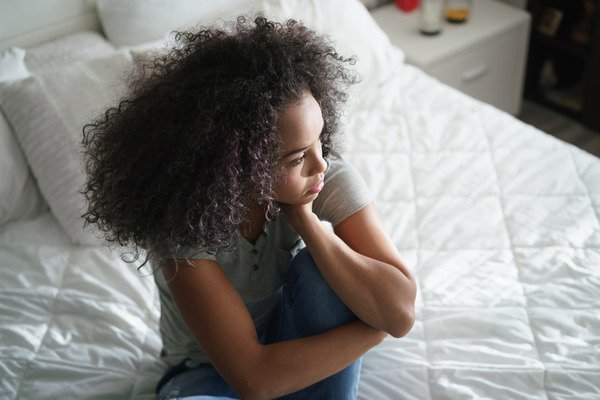
Social isolation triggers behavioral changes that often worsen both the isolation itself and its consequences. Understanding these behavioral patterns is crucial because they represent potentially modifiable factors—areas where intervention can interrupt destructive cycles and support recovery. When people become isolated, they often develop habits and behaviors that compound the problem, creating self-reinforcing patterns difficult to escape without deliberate effort or support.
Substance use increases among socially isolated individuals. Alcohol, drugs, and other substances may be used to cope with painful feelings of loneliness, anxiety, or depression that isolation creates. Without social connection to provide alternative sources of pleasure, meaning, or distraction, substances become more appealing. Additionally, social connections often provide informal monitoring and accountability that discourage excessive substance use—when isolated, these protective factors disappear. Studies show higher rates of alcohol misuse, drug use, and addiction among socially isolated populations across age groups. The temporary relief substances provide reinforces their use, even as they ultimately worsen mental health, physical health, and the isolation itself.
Physical activity typically declines during isolation. Exercise often has social components—going to gyms, playing team sports, walking with friends, or attending fitness classes. When isolated, people lose these social motivations and structures for physical activity. Combined with depression or low energy that isolation frequently causes, this results in increasingly sedentary lifestyles. Reduced physical activity then worsens both mental and physical health, creating another vicious cycle where isolation leads to inactivity, which increases depression and health problems, which further reduces capacity and motivation for both exercise and social engagement. The body needs movement for physical health, and research shows exercise particularly benefits mental health—losing this protective factor compounds isolation’s harms.
Eating patterns often become disordered during isolation. Some people lose interest in eating, skipping meals or consuming inadequate nutrition. Others turn to food for comfort, particularly high-fat, high-sugar options that provide temporary mood boosts. The social aspects of eating—sharing meals, cooking for others, having regular meal schedules aligned with others’ routines—disappear when isolated. Nutrition significantly affects both physical and mental health, so dietary changes during isolation can accelerate health deterioration. Additionally, eating alone removes opportunities for conversation, connection, and the psychological benefits of shared meals that humans have valued throughout history.
Sleep schedules become irregular without social structure. When you’re isolated, external demands and social rhythms that normally regulate sleep-wake cycles diminish. You might stay up all night and sleep during the day, or have chaotic, unpredictable sleep patterns. While this might seem like freedom, irregular sleep damages health significantly. The body’s circadian rhythms—internal biological clocks governing numerous physiological processes—function optimally with consistent sleep-wake timing. Disrupting these rhythms affects mood, cognitive function, metabolism, immune response, and overall health. Social connection naturally provides temporal structure through work schedules, social commitments, and shared activities that help maintain healthy sleep patterns.
Social skills themselves atrophy with disuse, creating one of isolation’s cruelest traps. Like any skill, social competence requires practice. Extended isolation leads to losing comfort and fluency in social interaction. People describe feeling awkward, anxious, or uncertain about basic social behaviors after prolonged isolation. They might avoid eye contact, struggle with conversation, or feel overwhelmed by group interactions. This social skill deterioration then makes reconnection more difficult and anxiety-provoking, potentially leading people to avoid social opportunities even when available, thus maintaining the isolation. Breaking this pattern often requires gradual, supported reentry into social situations with patience for rebuilding comfort and competence.

Breaking the Cycle: Practical Steps Forward
Understanding social isolation’s consequences can feel overwhelming, but this knowledge enables action. Social isolation is not a permanent sentence—people can and do reconnect, rebuild social networks, and recover from isolation’s effects. Whether you’re experiencing isolation yourself or concerned about someone else, specific strategies can help interrupt destructive patterns and move toward healthier social connection.
Start small and build gradually. If you’ve been isolated, diving immediately into intensive social activity may feel overwhelming and lead to retreat. Instead, take manageable steps. Smile at a neighbor. Make small talk with a cashier. Send a text to an old friend. Attend a low-pressure community event. Each small social interaction exercises your social muscles, builds confidence, and moves you incrementally toward greater connection. Progress doesn’t require dramatic transformation overnight—steady, small steps accumulate into meaningful change.
Here are actionable strategies for addressing social isolation:
– Identify barriers keeping you isolated and problem-solve specific solutions—if transportation is an issue, explore rideshares or public transit; if social anxiety is a barrier, consider therapy before pushing yourself into situations that feel impossible
– Join structured groups or activities where interaction happens naturally around shared interests—hobby clubs, fitness classes, volunteer organizations, religious communities, or educational courses
– Prioritize quality over quantity in social connection—one genuine friendship provides more protection against isolation’s harms than dozens of superficial acquaintances
– Use technology intentionally to facilitate real connection rather than replacing it—video calls that allow face-to-face interaction offer more benefit than passive social media scrolling
– Establish regular social commitments that provide structure and accountability—weekly coffee with a friend, monthly book club, or regular volunteer shift
– Reach out to others who might be isolated—many people want connection but hesitate to initiate; your invitation might be exactly what they need
– Consider pets as sources of connection—animals provide companionship and often facilitate social interaction with other pet owners
– Seek professional support when needed—therapists can help address underlying issues like social anxiety or depression that maintain isolation
For those concerned about someone else’s isolation, gentle persistence matters. Isolated individuals often decline invitations initially, but continued, non-pressuring outreach communicates that you care and provides opportunities when they’re ready. Simple check-ins—texts asking how they’re doing, brief phone calls, invitations with no pressure to accept—maintain connection threads even when face-to-face contact isn’t happening. If you notice warning signs of serious mental health crisis like suicide risk, direct intervention becomes necessary despite discomfort about overstepping.
Healthcare providers increasingly recognize social isolation as a health risk requiring screening and intervention. Don’t hesitate to discuss isolation with your doctor—it’s as relevant to your health as diet, exercise, or substance use. Many communities offer resources specifically addressing isolation: senior centers for older adults, support groups for various life circumstances, community mental health services, and organizations connecting volunteers with isolated individuals. Seeking help isn’t weakness; it’s taking active responsibility for a significant health issue. The consequences of ignoring isolation can be severe, but with attention and action, reconnection and recovery are genuinely possible.
FAQs about Consequences of Social Isolation
What is the difference between social isolation and loneliness?
Social isolation refers to the objective state of having minimal social contact and few meaningful relationships or connections with others. It’s a measurable condition based on the quantity and frequency of social interactions. Loneliness, in contrast, is the subjective feeling of being alone or disconnected regardless of how much social contact you actually have. You can be socially isolated without feeling lonely if you prefer solitude, and you can feel intensely lonely even when surrounded by people if those connections feel superficial or unfulfilling. Both conditions can negatively impact health, but they’re distinct experiences that sometimes overlap and sometimes occur independently.
Can social isolation cause permanent brain damage?
While prolonged social isolation can lead to cognitive decline and changes in brain structure and function, characterizing this as permanent damage oversimplifies the situation. The brain demonstrates remarkable plasticity—the ability to change and reorganize throughout life. Research shows that cognitive impairments associated with isolation often improve when people reconnect socially and engage in mentally stimulating activities. However, severe or prolonged isolation, particularly in older adults, may contribute to accelerated cognitive decline and increased dementia risk that might not be fully reversible. The key is that earlier intervention generally leads to better outcomes, and the brain retains capacity for recovery and improvement when isolation ends and healthy social engagement resumes.
How long does it take for social isolation to affect mental health?
The timeline varies significantly between individuals based on factors like previous mental health, resilience, personality, circumstances of the isolation, and whether any social contact remains. Some people experience noticeable mental health effects within days or weeks of isolation, particularly if it’s sudden or involuntary. Others might manage well for months before significant symptoms emerge. Research suggests that the quality of social connections matters more than mere duration of isolation—someone with one strong relationship can withstand longer periods of limited social contact better than someone with many superficial connections. Generally, mental health professionals become concerned when isolation extends beyond several weeks, particularly if accompanied by signs of depression, anxiety, or behavioral changes.
Are certain age groups more vulnerable to social isolation consequences?
Yes, research indicates that adolescents and older adults face particularly elevated risks from social isolation. Adolescents are in critical developmental periods for identity formation, social skill development, and brain maturation, making isolation during these years especially harmful with potential long-term effects on mental health and social functioning. Studies show higher rates of depression and suicidal ideation among isolated adolescents compared to isolated adults. Older adults face increased vulnerability due to age-related changes in cognitive reserve, higher baseline health risks, and circumstances like retirement, mobility limitations, or loss of peers that increase isolation likelihood. However, social isolation can harm people at any age, and no age group is immune to its consequences.
Does social media use help or worsen social isolation?
The relationship between social media and isolation is complex and depends on how it’s used. Social media can help maintain connections across distances, facilitate community building around shared interests, and provide support for people with mobility limitations or stigmatized conditions. These uses can reduce isolation when they facilitate genuine interaction and emotional connection. However, passive social media consumption—endless scrolling, comparing yourself to others, accumulating superficial connections without depth—often increases feelings of isolation and loneliness while providing an illusion of connection. Research suggests that interactive social media use with close ties generally benefits wellbeing, while passive consumption and time spent on platforms replacing rather than supplementing face-to-face interaction tends to worsen isolation’s effects.
Can you recover fully from extended social isolation?
Many people do recover substantially from extended social isolation, though the process requires time, effort, and often support. The brain’s plasticity means cognitive effects can improve with renewed social engagement and mental stimulation. Mental health symptoms like depression and anxiety often respond to treatment combining therapy, social reconnection, and sometimes medication. Physical health markers typically improve when people reconnect socially and adopt healthier behaviors that social connection supports. However, recovery isn’t always complete or immediate—severe or prolonged isolation may have lasting effects, particularly on older adults or those who experienced isolation during critical developmental periods. The earlier intervention begins and the more comprehensive the support, the better the recovery outcomes typically are.
What are signs that someone I know is socially isolated?
Warning signs of social isolation include frequent cancellation of plans or declining invitations consistently, rarely mentioning social activities or relationships in conversation, appearing withdrawn or avoiding previously enjoyed social situations, lack of meaningful connections visible in their life, physical signs like neglected appearance or home environment, and increased substance use or other concerning behavioral changes. Isolated individuals might express feelings of loneliness directly, or communicate disconnection through comments about not mattering to anyone or having no one to turn to. Changes in communication patterns—suddenly going silent, not responding to messages, or alternatively reaching out more desperately—can signal isolation. Trust your instincts if someone seems increasingly disconnected, and reach out with compassionate, non-judgmental concern.
How does social isolation differ from choosing to be alone?
Choosing solitude is voluntary, temporary, and generally restorative, while social isolation typically involves involuntary disconnection or voluntary withdrawal that becomes unhealthy and prolonged. Healthy solitude involves people who maintain social connections but periodically choose alone time for reflection, creativity, rest, or personal pursuits, then return to social engagement feeling refreshed. These individuals feel capable of socializing when desired and maintain relationships despite valuing alone time. Social isolation, conversely, involves lack of choice about disconnection, inability to access desired social contact, or withdrawal driven by mental health issues, anxiety, or circumstances rather than genuine preference. Isolated individuals typically experience distress about their disconnection rather than contentment, and their alone time depletes rather than restores them.
Does volunteering help reduce social isolation?
Yes, volunteering represents one of the most effective interventions for social isolation. It provides structured opportunities for regular social interaction around meaningful shared activities, creating natural contexts for connection without the pressure of purely social situations. Volunteering offers sense of purpose and contribution that isolation often strips away, builds self-esteem through helping others, and creates communities of like-minded people with shared values. Research consistently shows that volunteers experience better mental health, greater life satisfaction, and stronger social connections than non-volunteers. For isolated individuals specifically, volunteering can provide gentle reentry into social engagement with built-in conversation topics and purposes beyond socializing itself, making initial interactions feel less awkward or overwhelming.
When should someone seek professional help for social isolation?
Seek professional help when social isolation is accompanied by significant mental health symptoms like persistent depression, severe anxiety, suicidal thoughts, or inability to function in daily life. If isolation results from underlying conditions like social anxiety disorder, depression, or trauma that require treatment, professional support becomes essential. When attempts to reconnect independently haven’t succeeded after reasonable effort, therapists can help identify barriers and develop strategies. If isolation has led to concerning behavioral changes like substance abuse, self-harm, or complete withdrawal from all responsibilities, immediate professional intervention is necessary. Don’t wait for crisis—early consultation with mental health professionals can prevent escalation and provide tools for reconnection before consequences become severe. Remember that seeking help demonstrates strength and self-care, not weakness.
Use this citation format to reference the article clearly and help readers find the original source.
PsychologyFor. (2026). 4 Consequences of Social Isolation. PsychologyFor. https://psychologyfor.com/4-consequences-of-social-isolation/