


See more of our articles in your search results.
Online psychology—also called teletherapy, telehealth, or virtual therapy—involves receiving mental health services through digital platforms like video calls, phone sessions, or messaging, and it’s proven to be as effective as traditional in-person therapy for most conditions while offering unique advantages like convenience, accessibility, and flexibility. If you’re curious about whether online therapy works, what to expect during sessions, how privacy is protected, or whether it’s the right choice for you, this comprehensive guide answers the seven most common questions people have about receiving psychological services online. Understanding these fundamentals helps you make informed decisions about accessing mental health support in ways that fit your life, schedule, and comfort level.
The landscape of mental health care has transformed dramatically in recent years. What was once considered a novel alternative to traditional therapy has become a mainstream, widely accepted form of treatment. The shift accelerated during the COVID-19 pandemic when in-person sessions became difficult or impossible, forcing both therapists and clients to rapidly adapt to virtual formats. What many discovered surprised them: online therapy wasn’t just a temporary substitute—for many people, it was actually preferable to in-person sessions.
Yet questions and concerns persist, which is completely understandable. Therapy is inherently personal and vulnerable work. You’re sharing your deepest struggles, fears, and experiences with another person, and the idea of doing that through a screen rather than face-to-face naturally raises questions. Will it feel authentic? Can you really build a connection with someone through a computer? Is it private and secure? Will insurance cover it? What happens if the technology fails mid-session? These are not only valid questions—they’re important ones that deserve thorough, honest answers.
Perhaps you’ve been considering therapy for a while but barriers have held you back—distance from providers, transportation challenges, scheduling conflicts with traditional office hours, anxiety about sitting in waiting rooms, or simply the time commitment of commuting to and from appointments. Maybe you’re already in therapy but wondering if switching to online sessions might work better for your lifestyle. Or possibly you’re skeptical about whether therapy through a screen can possibly be as effective as traditional face-to-face sessions.
Whatever brings you to explore online psychology, you’re asking important questions at an opportune time. Mental health challenges are normal human experiences, and seeking support—whether online or in person—is a sign of strength, self-awareness, and commitment to your wellbeing. The fact that technology now allows people to access quality mental health care from their homes, offices, or anywhere with internet connection represents a significant advancement in making psychological services more accessible to people who previously faced barriers to treatment.
How many of these have you been "meaning to read" for months?


This article addresses seven fundamental questions about online psychology, providing detailed, practical answers based on current research, professional guidelines, and the experiences of thousands of people who’ve engaged in teletherapy. You’ll learn what online therapy actually involves, how it compares to in-person treatment, what technical and practical requirements you need, how privacy and security work, what conditions it can effectively treat, how to choose a provider, and whether it’s the right option for your specific situation. By the end, you’ll have the information needed to decide whether online psychology might be a valuable resource for your mental health journey.
Is Online Therapy Actually Effective?
This is perhaps the most fundamental question, and fortunately, the research provides a clear answer: yes, online therapy is genuinely effective for most mental health conditions and for most people. Numerous studies over the past two decades have compared outcomes between traditional in-person therapy and various forms of teletherapy, and the consistent finding is that they produce equivalent results for the majority of conditions and clients.
A comprehensive review of research examining online cognitive-behavioral therapy (CBT) found that it produces outcomes comparable to face-to-face CBT for conditions including depression, anxiety disorders, panic disorder, social anxiety, generalized anxiety disorder, obsessive-compulsive disorder, and post-traumatic stress disorder. Similar findings emerge for other therapeutic approaches delivered online, including psychodynamic therapy, interpersonal therapy, and acceptance and commitment therapy.
Why does online therapy work as well as in-person therapy? Several factors contribute to its effectiveness:
The Therapeutic Relationship Still Forms: Initially, many clinicians and clients worried that meaningful therapeutic relationships couldn’t develop through screens. Experience has proven otherwise. Most people report feeling genuine connection, trust, and rapport with their online therapists. The elements that make therapy work—empathy, understanding, non-judgmental acceptance, collaborative goal-setting—can all occur effectively through video or phone sessions. Some clients even report feeling more comfortable being vulnerable from their own homes than in an office setting.
Therapeutic Techniques Translate Well: The actual interventions used in therapy—cognitive restructuring, behavioral experiments, exposure exercises, emotion regulation skills, communication techniques, insight-oriented exploration—can be taught, practiced, and implemented just as effectively online. Therapists have adapted methods to work within virtual formats, and many techniques actually translate seamlessly or even benefit from the online environment.
Consistency and Accessibility Matter: One reason online therapy produces strong outcomes is that it eliminates many barriers that interfere with consistent treatment. When you don’t have to commute, find parking, sit in waiting rooms, or take extended time away from work or childcare, you’re more likely to attend sessions consistently. This consistency—showing up regularly for therapy—is one of the strongest predictors of positive outcomes.
Comfort of Familiar Environment: Being in your own space during therapy can actually enhance openness and engagement for many people. You’re in control of your environment, you can have meaningful objects around you, and there’s no anxiety about who might see you entering a therapist’s office. This comfort can facilitate deeper therapeutic work.
That said, online therapy isn’t universally effective for every person or every condition. Some limitations and exceptions exist:
- Severe mental health crises requiring immediate intervention may need in-person or hospital-based care
- Certain populations, including young children or individuals with severe cognitive impairment, may benefit more from in-person services
- Some specific therapeutic approaches that rely heavily on physical presence or body-based interventions may be more challenging online
- Individuals without reliable internet access, appropriate private space, or basic technology skills may struggle with virtual formats
- Some people simply prefer in-person interaction and don’t connect as well through screens
The effectiveness of online therapy also depends on factors like the therapist’s competence in delivering services virtually, the quality of the therapeutic relationship regardless of format, your engagement and commitment to the process, and whether the specific approach being used matches your needs and preferences.
Research continues to emerge, and the consensus remains strong: for most people seeking treatment for common mental health concerns, online therapy is a legitimate, effective option that produces outcomes comparable to traditional in-person treatment while offering unique advantages in terms of accessibility and convenience.
How Does Online Therapy Actually Work?

Understanding the practical mechanics of online therapy helps demystify the process and prepare you for what to expect. Online therapy, also called teletherapy, telehealth, or virtual therapy, involves receiving mental health services through digital communication technologies rather than meeting in person. Here’s how it typically unfolds:
Initial Contact and Scheduling:
The process usually begins similarly to traditional therapy—you contact a therapist or therapy practice expressing interest in services. This might be through a phone call, email, website contact form, or online scheduling system. During initial contact, you’ll typically discuss:
- What brings you to therapy and what you’re hoping to address
- Whether the therapist provides online services and what platforms they use
- Scheduling options and session frequency
- Fees, insurance coverage, and payment arrangements
- Technical requirements and how to access sessions
Many therapists offer a brief initial phone consultation to determine if they’re a good fit for your needs before scheduling the first full session.
Technology Platforms:
Online therapy happens through various technological formats, each with distinct characteristics:
Video sessions are the most common format, conducted through videoconferencing platforms. These simulate face-to-face interaction—you see your therapist, they see you, and you communicate in real-time. Most therapists use HIPAA-compliant platforms specifically designed for healthcare, ensuring your privacy and security. These might be dedicated telehealth platforms like Doxy.me, SimplePractice, TherapyNotes, or other secure videoconferencing systems.
Phone sessions involve audio-only communication, which some people prefer for privacy reasons, technology limitations, or personal comfort. While you miss the visual cues of video, phone therapy can still be highly effective and offers maximum flexibility.
Messaging or chat-based therapy involves asynchronous communication through secure messaging platforms or therapy apps. You write to your therapist, they respond, creating an ongoing written dialogue. This format works differently from real-time sessions and is less common for traditional therapy but is used by some platforms.
Session Structure:
An online therapy session follows a structure similar to in-person therapy. A typical session might look like this:
- You log into the platform at your scheduled time from a quiet, private location
- Your therapist joins the session (they might be in their office or, in some cases, their own home)
- Sessions typically last 45-60 minutes, just like traditional therapy
- You discuss what’s been happening since your last session, current challenges, progress on goals, and anything else relevant
- Your therapist listens, asks questions, offers insights, teaches skills, and collaboratively works with you toward your goals
- You might work through specific exercises, practice techniques, or explore patterns and emotions
- Near the end, you might discuss homework, between-session practice, or plans before the next meeting
- The session ends at the scheduled time, and you log off
The content of sessions—what you talk about, what interventions your therapist uses, what skills you learn—remains essentially the same as in-person therapy. The primary difference is the medium through which communication happens.
Between-Session Communication:
Policies vary by therapist and practice, but many online therapy services include or allow for some between-session communication through secure messaging. This might involve checking in, asking brief questions, reporting on homework completion, or requesting schedule changes. The extent of between-session contact should be clarified during your initial sessions.
Documentation and Records:
Your therapist maintains the same professional documentation for online sessions as for in-person sessions—clinical notes, treatment plans, progress tracking—all secured according to privacy laws. Some platforms integrate record-keeping directly into the telehealth system; others use separate electronic health record systems.
What Do I Need to Participate in Online Therapy?

One of the appeals of online therapy is its relative simplicity—you don’t need elaborate technology or technical expertise. However, some basic requirements ensure smooth, effective sessions.
Technology Requirements:
A device with internet connection: You can participate in online therapy using a smartphone, tablet, laptop, or desktop computer. Any modern device capable of accessing the internet and running videoconferencing applications should work. Smartphones are sufficient for most people, though some prefer larger screens.
Camera and microphone: For video sessions, you need a device with a working camera and microphone so you and your therapist can see and hear each other. Most modern devices have these built in. For phone sessions, obviously just a phone is sufficient.
Reliable internet connection: Video sessions require stable internet with adequate bandwidth. You don’t need extremely fast speeds, but connections should be strong enough to support video calling without constant freezing or disconnection. If your internet is unreliable, phone sessions might be more appropriate.
Headphones or earbuds (optional but recommended): While not required, using headphones or earbuds enhances privacy if you’re in a space where others might overhear, and they often improve audio quality.
Environmental Requirements:
Private, quiet space: You need a location where you can talk openly without being overheard or interrupted. This might be your bedroom, home office, car (parked safely), or any space where you have privacy during your session time. Background noise should be minimal so you can focus and communicate clearly.
Good lighting: For video sessions, position yourself where your face is well-lit so your therapist can see you clearly. Natural light from a window works well, or use room lighting positioned in front of you rather than behind you.
Stable seating: You’ll want a comfortable place to sit where your device can be positioned at a good angle. Avoid situations where you’re constantly adjusting your device or struggling with uncomfortable positioning.
Minimal distractions: Turn off notifications on your device, close unnecessary applications, and let others in your household know you need uninterrupted time. Creating a distraction-free environment helps you engage fully in the session.
Practical Preparation:
Before your first session, you’ll typically need to:
- Download any required apps or software for the specific platform your therapist uses
- Create an account or patient portal access if applicable
- Complete intake paperwork, consent forms, and privacy agreements (often done electronically)
- Test your technology—many platforms allow you to do test connections to ensure everything works
- Set up payment information if paying out-of-pocket, or provide insurance details
Most therapists and platforms provide clear instructions for setup, and technical support is usually available if you encounter difficulties. Don’t let technology concerns prevent you from trying online therapy—the technical aspects are usually more straightforward than people anticipate.
What If You Lack These Resources?
If you don’t have reliable internet, a private space, or appropriate devices, online therapy becomes challenging but not necessarily impossible. Some options include:
- Using phone-only therapy, which requires less technology
- Accessing sessions from a library, community center, or other location with computers and private rooms
- Looking into sliding-scale therapy practices that might help with technology access
- Exploring community mental health centers that may offer on-site technology for telehealth
- Considering in-person therapy if online format isn’t feasible
How Are Privacy and Confidentiality Protected Online?

Privacy concerns represent one of the most common hesitations about online therapy, and rightfully so—therapy involves sharing sensitive, personal information that deserves protection. Understanding how privacy works in teletherapy helps you make informed decisions and take appropriate precautions on your end.
Legal and Professional Standards:
Online therapists are bound by the same privacy laws and ethical standards as in-person therapists. In the United States, this primarily means compliance with HIPAA (Health Insurance Portability and Accountability Act), which establishes national standards for protecting sensitive patient health information. HIPAA requires that healthcare providers, including therapists, implement appropriate safeguards to protect your information from unauthorized access or disclosure.
Additionally, therapists must follow their professional licensing board’s ethics codes, which mandate confidentiality regardless of whether services are delivered in person or online. Violating confidentiality can result in loss of licensure and legal consequences.
Secure Platforms and Encryption:
Reputable online therapists use HIPAA-compliant telehealth platforms specifically designed for secure healthcare communication. These platforms include:
- End-to-end encryption: Your video and audio communications are encrypted, meaning they’re scrambled into code that only you and your therapist can decode, preventing interception by third parties
- Secure data storage: Any recordings, notes, or information stored on the platform are protected with robust security measures
- Business Associate Agreements: HIPAA-compliant platforms sign agreements accepting responsibility for protecting your health information
- Authentication and access controls: Requiring passwords and sometimes two-factor authentication to access sessions and records
Your therapist should not use consumer platforms like Skype, FaceTime, Zoom’s free version, or social media for sessions, as these don’t meet HIPAA requirements for healthcare communication.
Your Role in Maintaining Privacy:
While your therapist is responsible for platform security, you also play a crucial role in protecting your privacy:
- Use a private location: Ensure you’re in a space where others can’t overhear your conversation
- Use headphones: This prevents audio from being overheard if others are nearby
- Secure your device: Use password protection and keep your devices secure so others can’t access your therapy portal or session history
- Use secure internet: Avoid public Wi-Fi when possible; if you must use public Wi-Fi, consider using a VPN (virtual private network) for added security
- Log out after sessions: Don’t leave portals or platforms open where others might access them
- Be mindful of who’s home: If others share your space, schedule sessions when you have privacy or use a location where interruption is unlikely
Limitations and Exceptions to Confidentiality:
Online therapy follows the same confidentiality limitations as in-person therapy. Your therapist must break confidentiality in specific circumstances:
- If you express serious intent to harm yourself or others
- If child abuse or elder abuse is suspected or disclosed
- If a court order requires disclosure of records
- In some jurisdictions, if certain communicable diseases are diagnosed
These limitations should be explained in the informed consent documents you review before beginning therapy.
Insurance and Records:
If you use insurance for online therapy, your insurance company will have access to certain information—your diagnosis, dates of service, and sometimes treatment plans—just as with in-person therapy. The content of what you discuss in sessions remains confidential.
Questions to Ask About Privacy:
Before beginning online therapy, don’t hesitate to ask your potential therapist:
- What platform do you use and is it HIPAA-compliant?
- How is my information stored and protected?
- What happens to recordings if sessions are recorded?
- How do you communicate between sessions and is that communication secure?
- What should I do to protect my privacy on my end?
A competent, ethical therapist will be transparent about privacy protections and will welcome these questions as signs of appropriate caution and self-advocacy.
What Mental Health Issues Can Online Therapy Address?

A common misconception is that online therapy works only for mild concerns or “talk therapy” and isn’t suitable for serious mental health conditions. In reality, teletherapy can effectively address nearly all the conditions treated in traditional in-person therapy, from common challenges to severe clinical disorders.
Conditions Successfully Treated Through Online Therapy:
Depression: Major depressive disorder, persistent depressive disorder, and depression related to life circumstances respond well to online therapy. Cognitive-behavioral therapy, interpersonal therapy, and other evidence-based approaches for depression translate effectively to virtual formats.
Anxiety Disorders: Generalized anxiety disorder, social anxiety disorder, panic disorder, specific phobias, and health anxiety are all highly treatable through teletherapy. Even exposure-based treatments for anxiety can be adapted for online delivery.
Trauma and PTSD: Post-traumatic stress disorder and complex trauma can be addressed through online trauma-focused therapies including EMDR (Eye Movement Desensitization and Reprocessing), which has been successfully adapted for virtual delivery, and trauma-focused cognitive-behavioral therapy.
OCD: Obsessive-compulsive disorder responds to exposure and response prevention therapy, which can be effectively conducted online with appropriate planning and between-session work.
Stress and Life Transitions: Managing work stress, relationship difficulties, major life changes, grief and loss, identity exploration, and general life challenges all fit well within online therapy formats.
Eating Disorders: Many eating disorder treatments, particularly outpatient therapy for bulimia, binge eating disorder, and anorexia nervosa, can occur online, though severe cases may require in-person medical monitoring alongside teletherapy.
Relationship Issues: Individual therapy for relationship problems, couples therapy, and family therapy can all be conducted virtually. Some therapists even find that couples therapy works particularly well online as partners can participate from the same location but with separate devices if needed for individual sessions.
ADHD: Adult ADHD responds well to online therapy focused on skill-building, organization strategies, emotional regulation, and addressing secondary impacts of ADHD on self-esteem and relationships.
Substance Use: Outpatient treatment for substance use disorders, recovery support, relapse prevention, and motivational interviewing all work effectively through teletherapy, though severe addiction may require in-person intensive programs.
Chronic Illness and Pain: Therapy addressing the psychological aspects of living with chronic medical conditions, chronic pain management, and health behavior change translates well to online formats.
Personality Patterns: While severe personality disorders may benefit from comprehensive programs including in-person components, many people working on personality-related patterns find online therapy helpful and accessible.
Situations Where In-Person Care May Be Preferred:
Some circumstances may warrant in-person treatment or make online therapy challenging:
- Acute crisis situations: Active suicidal crisis, severe psychotic episodes, or immediate safety concerns often require in-person emergency services or hospitalization
- Severe eating disorders: When medical monitoring of weight and vital signs is necessary, in-person care provides essential oversight
- Young children: Very young children may struggle with the attention and communication requirements of video therapy, though adolescents and teens often do well online
- Severe cognitive impairment: Conditions significantly affecting memory, comprehension, or reality testing may make virtual engagement difficult
- Court-mandated treatment: Some legal requirements specify in-person treatment, though this is changing
- Specific assessments: Comprehensive psychological testing or evaluations requiring specific instruments may need in-person administration
That said, even in these situations, online therapy may serve as a supplement to in-person care or provide continuity during periods when in-person services aren’t accessible.
Hybrid Approaches:
Many therapists and clients find that combining online and in-person sessions works well—perhaps meeting in person monthly while conducting weekly sessions online, or starting in person to establish rapport then transitioning to primarily virtual sessions. This flexibility allows you to benefit from both formats as needs and circumstances change.
How Do I Choose an Online Therapist?

Finding the right therapist is crucial for successful therapy outcomes, and this remains true whether you’re seeking in-person or online services. The process of choosing an online therapist involves many of the same considerations as choosing any therapist, plus some specific factors related to virtual practice.
Licensing and Credentials:
Your therapist must be licensed in the state where you’re located during sessions, not just where they practice. This is a legal requirement—therapists can only provide services to clients in states where they hold active licenses. Verify that any potential online therapist:
- Holds an active, unrestricted license (as a psychologist, licensed clinical social worker, licensed professional counselor, licensed marriage and family therapist, or other recognized mental health professional)
- Is licensed in your state of residence
- Has no disciplinary actions or sanctions on their license (you can check this through your state’s professional licensing board website)
Specialization and Experience:
Look for therapists with relevant experience treating the specific issues you’re facing. Some questions to consider:
- Do they specialize in the concerns you want to address (anxiety, depression, trauma, relationships, etc.)?
- What therapeutic approaches do they use, and do those align with your preferences?
- Do they have experience with populations you identify with (your age group, cultural background, gender identity, etc.)?
- How long have they been practicing?
- How long have they been providing online therapy specifically?
Practical Considerations:
Availability and scheduling: Do their available appointment times work with your schedule? How far in advance do they book? What’s their cancellation policy?
Cost and insurance: What are their fees? Do they accept your insurance? If not, do they provide documentation for out-of-network reimbursement? Do they offer sliding scale fees?
Platform and technology: What platform do they use? Is it HIPAA-compliant and user-friendly? Do they offer phone sessions as an alternative to video?
Communication style: Many therapists offer brief initial consultations where you can get a sense of their communication style and whether you feel comfortable with them.
Where to Find Online Therapists:
Several pathways can connect you with online therapists:
Psychology Today directory: Searchable database where you can filter by location, specialties, insurance accepted, and whether providers offer online therapy
Insurance provider directories: Your insurance company’s website lists in-network providers, many of whom offer teletherapy
Teletherapy platforms: Companies like BetterHelp, Talkspace, and similar services connect clients with licensed therapists specifically for online therapy
Professional associations: Organizations like the American Psychological Association or state counseling associations often have referral services
Personal referrals: Recommendations from doctors, friends, or family members who’ve had positive experiences
Red Flags to Watch For:
Be cautious of providers who:
- Are not licensed or won’t provide license verification
- Use non-secure platforms for sessions
- Make unrealistic promises about treatment outcomes or timelines
- Have no clear professional website or limited information about their practice
- Are unwilling to answer questions about their credentials, approach, or policies
- Pressure you to commit to long-term contracts immediately
Assessing Fit After Starting:
Even after careful selection, you won’t fully know if a therapist is right for you until you’ve had a few sessions. Good indicators of appropriate fit include:
- You feel heard and understood
- The therapist responds to your concerns and adjusts based on your feedback
- You feel comfortable being vulnerable and honest
- You sense the therapist is competent and knowledgeable
- Sessions feel collaborative rather than directive or dismissive
- You’re noticing some progress or insight, even if gradual
If therapy doesn’t feel right after 3-4 sessions, it’s appropriate to discuss your concerns with the therapist or consider finding someone else. Therapeutic fit matters enormously for outcomes, and finding the right match is worth the effort.
Is Online Therapy Right for Me?
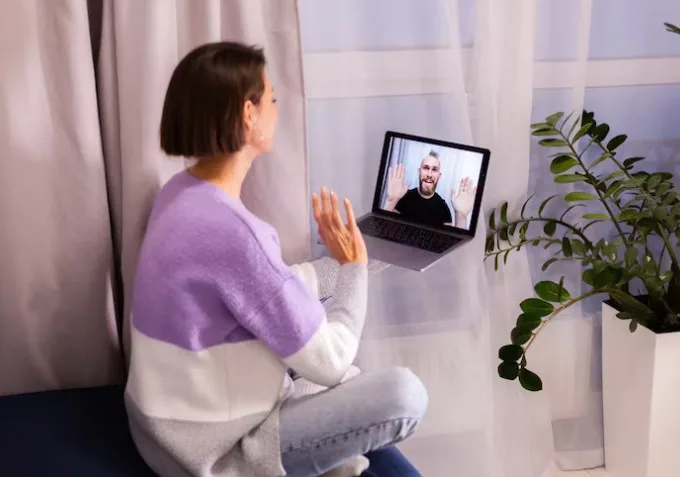
The final question—whether online therapy is appropriate for your specific situation—depends on multiple factors including your preferences, circumstances, the nature of your concerns, and practical considerations. Here’s a framework for thinking through this decision.
Online Therapy May Be Especially Well-Suited If You:
- Have transportation challenges, live far from mental health providers, or have mobility limitations
- Have scheduling constraints that make traditional office hours difficult (shift work, caregiving responsibilities, etc.)
- Experience social anxiety about waiting rooms or in-person interactions
- Travel frequently for work and need flexibility to attend sessions from different locations
- Feel more comfortable in your own environment than in clinical settings
- Want to access specialists who aren’t available locally
- Have mild to moderate symptoms that don’t require crisis intervention
- Are comfortable with technology and have reliable internet access
- Have a private space for sessions
- Prefer the convenience and time savings of eliminating commutes
You Might Prefer In-Person Therapy If You:
- Feel you connect better with people face-to-face without technology mediation
- Don’t have reliable technology or internet access
- Lack private space for confidential conversations
- Are working on issues where physical presence feels important
- Find the ritual of going to a therapist’s office helpful for creating boundaries between therapy and daily life
- Have very severe symptoms requiring close monitoring
- Prefer body-based or experiential therapies that are harder to adapt virtually
- Simply have a strong preference for in-person interaction
Questions to Ask Yourself:
- What barriers have prevented me from accessing therapy in the past, and would online therapy remove those barriers?
- Am I comfortable with video calls or phone conversations for personal discussions?
- Do I have the technology and environment needed for private, uninterrupted sessions?
- What feels more important to me: the convenience of online therapy or the traditional format of in-person sessions?
- Would I be willing to try online therapy for a few sessions to see if it works for me?
The Try-It-and-See Approach:
You don’t have to make a permanent decision. Many people try online therapy for several sessions to see how it feels. If it works well, great. If it doesn’t quite fit, you can switch to in-person therapy or try a different online therapist. The format is less important than finding effective support for your mental health.
Hybrid Options:
Remember that online and in-person therapy aren’t mutually exclusive. You might start online, transition to in-person, or maintain a hybrid schedule. The flexibility to adapt your therapy format to changing needs and circumstances is actually one of the advantages of having multiple options available.
Ultimately, the best therapy format is the one you’ll actually use consistently. If online therapy makes treatment more accessible and sustainable for you, those practical benefits may outweigh any theoretical advantages of in-person sessions. What matters most is engaging in therapy that helps you address your concerns, develop skills, gain insight, and move toward the life you want to live.
FAQs About Online Psychology
Will my insurance cover online therapy?
Insurance coverage for online therapy has expanded significantly, particularly since 2020. Many insurance plans now cover teletherapy at the same rate as in-person therapy, though specifics vary by insurer, plan, and state regulations. To determine your coverage, contact your insurance company directly and ask specifically about telehealth or teletherapy benefits for mental health services. Questions to ask include: Does my plan cover online therapy sessions? Are copays or coinsurance the same for telehealth as in-person visits? Do I need pre-authorization? Are there any limitations on number of sessions or types of providers? Additionally, ask potential therapists whether they accept your specific insurance and whether they’re in-network or out-of-network. Some therapists who don’t accept insurance directly can provide documentation (called superbills) that you submit to your insurance for out-of-network reimbursement, though you typically pay upfront and receive partial reimbursement later. If insurance doesn’t cover online therapy or you don’t have insurance, ask about sliding scale fees or payment plans that make treatment more affordable. Many therapists offer reduced rates based on income, and some online therapy platforms have lower-cost options compared to traditional in-person private practice fees.
What happens if my internet connection fails during a session?
Technology glitches happen occasionally in online therapy, and therapists have protocols for handling them. If your connection drops during a session, your therapist will typically wait a few minutes for you to reconnect, knowing that brief disconnections are common. If you can’t reconnect quickly, they’ll usually call you on the phone (make sure your therapist has your phone number) to check what happened and determine next steps. You might continue the session by phone, reschedule if significant time was lost, or reconnect via video once the issue is resolved. Most therapists don’t charge you for time lost due to technology problems beyond your control, though policies vary. To minimize disruptions, test your connection before sessions, close unnecessary applications that use bandwidth, position yourself near your router if using Wi-Fi, and have your therapist’s phone number accessible as backup. If you experience frequent connection issues, discuss alternatives with your therapist such as switching to phone sessions, adjusting your technology setup, or scheduling sessions at times when your internet is more reliable. Most people find that technology problems are infrequent and easily manageable, and they don’t significantly interfere with the therapeutic process over time. Your therapist has likely dealt with these issues many times and can help troubleshoot or adapt as needed.
Can I do online therapy from anywhere, even while traveling?
This depends on licensing regulations and your therapist’s policies. Therapists must be licensed in the state where you’re physically located during sessions, which creates complications for therapy while traveling. If you’re traveling within your home state, sessions can usually continue normally. If you’re traveling to a different state, you can only have sessions if your therapist is licensed in that state as well. Some therapists hold licenses in multiple states, particularly neighboring states or states where they have many clients, which provides flexibility. However, many therapists are only licensed in one or two states, limiting where you can be located during sessions. Before traveling, discuss this with your therapist. Options might include scheduling sessions before you leave and after you return, your therapist obtaining temporary licensure in your travel state if you’ll be there for extended periods, taking a therapy break during travel, or in some cases doing phone check-ins that aren’t considered formal therapy sessions. Some people work with therapists who specifically maintain multi-state licensure to accommodate clients who travel frequently. If you travel internationally, regulations become even more complex, and most therapists cannot provide sessions while you’re outside the United States. This licensing limitation exists to protect both clients and therapists, ensuring that practitioners meet the regulatory standards of the jurisdiction where services are provided.
How do I ensure my family members don’t overhear my sessions?
Privacy in shared living spaces requires planning and communication. Start by scheduling sessions at times when others are typically out of the house if possible—while kids are at school, during work hours when roommates are gone, or when partners are occupied elsewhere. If scheduling around others isn’t feasible, have a direct conversation with household members about needing private, uninterrupted time during specific hours each week, without necessarily disclosing that it’s for therapy if you prefer privacy. Choose the room in your home that offers the most privacy—bedrooms work well, and you can add a white noise machine outside the door to muffle sound. Using headphones ensures others can’t hear your therapist even if they’re nearby, though you’ll still need to speak, so a closed door and distance from others matters. Some people sit in their cars for sessions, parked somewhere safe and private. Others use a quiet corner of a library or rent office space or private rooms in coworking spaces for session times. If you’re concerned about sudden interruptions, put a “do not disturb” sign on your door, lock it if that feels appropriate, and silence your phone and other devices except the one you’re using for therapy. Discuss privacy concerns with your therapist—they may have creative solutions or can help you develop strategies for managing shared space. Remember that your household members don’t need to know you’re in therapy, but they do need to respect your need for private time, which many people frame as work calls, meetings, or simply time they need undisturbed.
Is online therapy appropriate for children and teenagers?
Yes, online therapy can be highly effective for children and adolescents, with some age-related considerations. Teenagers often do very well with teletherapy and may actually be more comfortable with online formats than in-person therapy, given their familiarity with digital communication. Many teens report feeling less self-conscious on camera than in an office, and the home environment can feel less intimidating. For school-age children (roughly ages 7-12), online therapy works well when adapted appropriately—sessions might be shorter, include more interactive activities or games conducted virtually, and involve parents more actively. Therapists working with children online often use shared screens to do drawing activities, play therapeutic games, or use other engaging tools. Very young children (under 6-7) may struggle with the attention and communication requirements of video therapy, though some specialized therapists successfully work with younger children online using highly play-based, parent-involved approaches. For all minors, parents typically need to be involved to some degree—providing consent, participating in parts of sessions, or receiving periodic updates, depending on the child’s age and the treatment approach. Parents should ensure their child has a private space for sessions, especially teenagers who need confidentiality for honest communication. Discuss with potential therapists their experience working with your child’s age group online and how they adapt their approach for virtual delivery. Many families discovered during the pandemic that children and teens adapted remarkably well to online therapy and often prefer its convenience and comfort to in-person sessions.
What should I do if online therapy isn’t working for me?
If you’ve tried online therapy and it’s not feeling effective or comfortable, several options exist before giving up on treatment entirely. First, discuss your concerns directly with your current therapist. Sometimes adjustments can make a significant difference—changing the time of day you meet, switching from video to phone sessions or vice versa, modifying the therapeutic approach, or addressing specific aspects that aren’t working. Good therapists welcome this feedback and will work collaboratively to improve your experience. If after making adjustments it still doesn’t feel right, consider whether the issue is the therapist, the online format, or both. You might try a different online therapist—sometimes it’s about fit rather than format, and a different practitioner might work better for you online. You could also try in-person therapy to see if face-to-face interaction feels more effective. Some people discover they need a hybrid approach—perhaps in-person sessions bi-weekly with brief online check-ins between, or starting in person to build rapport then transitioning to online for maintenance. If you’ve determined that online therapy definitely doesn’t suit you, don’t let that experience prevent you from seeking help—in-person therapy remains widely available and may be what works best for your needs. What’s most important is finding some form of support that helps you address your concerns. Not every treatment format works for every person, and discovering what doesn’t work for you is valuable information that guides you toward what does.
Can online therapy help with serious mental health conditions?
Yes, online therapy can effectively treat serious mental health conditions including major depression, severe anxiety disorders, PTSD, OCD, bipolar disorder (when stable), and many other significant diagnoses. Research demonstrates that teletherapy produces comparable outcomes to in-person treatment for these conditions when delivered by qualified professionals using evidence-based approaches. However, some situations require additional considerations or integrated care. Severe depression with active suicidal ideation may need in-person crisis services or hospitalization for safety, though many people with significant depression successfully receive ongoing treatment online once immediate crisis has passed. Bipolar disorder can be treated online when symptoms are relatively stable, often in combination with psychiatric medication management, though acute manic episodes typically require more intensive in-person intervention. Severe PTSD responds well to trauma-focused therapies adapted for online delivery, including EMDR and prolonged exposure therapy. Eating disorders at severe levels may require in-person medical monitoring alongside online therapy for the psychological components. Psychotic disorders or severe dissociative disorders might be more challenging to treat exclusively online but can sometimes incorporate teletherapy as part of comprehensive treatment. The key factors are whether you’re medically stable, whether you can engage meaningfully in online communication, and whether your therapist has the appropriate training and experience with both your diagnosis and teletherapy delivery. Many people with serious mental health conditions find that online therapy actually improves their access to care, allows more frequent check-ins than they could manage with in-person appointments, and provides crucial continuity during periods when leaving home feels overwhelming. Discuss your specific situation openly with potential therapists to determine whether online treatment is appropriate or whether a combination of online therapy and other in-person services would serve you best.
When should I seek professional help through online therapy?
Consider online therapy when you’re experiencing symptoms or struggles that impact your quality of life, functioning, relationships, work, or sense of wellbeing; when you’ve been thinking about seeking help but barriers like distance, time, transportation, or anxiety about in-person appointments have prevented you from accessing care; when you’re going through major life transitions, losses, or stressful situations that feel overwhelming; when patterns in your relationships, mood, or behavior concern you or when others have expressed worry about changes they’ve observed; or when you want support in developing better coping skills, understanding yourself more deeply, or working toward personal growth goals. You don’t need to wait until you’re in crisis—early intervention typically produces better outcomes and prevents difficulties from intensifying. Online therapy is appropriate for the full range of concerns from everyday stress and life challenges to diagnosable mental health conditions. Seeking help is a sign of strength, self-awareness, and commitment to your wellbeing, not an indication of failure or weakness. If you’re unsure whether your concerns warrant professional support, consider that if something is bothering you enough to wonder whether you should seek help, that’s probably sufficient reason to reach out. An initial consultation can help determine whether therapy would be beneficial. The information in this article is educational only and not a substitute for professional diagnosis, therapy, or emergency care. If you’re in crisis, having thoughts of harming yourself or others, or experiencing a mental health emergency, contact emergency services (911 in the US), go to your nearest emergency room, call the National Suicide Prevention Lifeline (988), or use the Crisis Text Line (text HOME to 741741). Immediate help is available, and your life matters.
Use this citation format to reference the article clearly and help readers find the original source.
PsychologyFor. (2026). 7 Answers to Your Questions About Online Psychology. PsychologyFor. https://psychologyfor.com/7-answers-to-your-questions-about-online-psychology/