

See more of our articles in your search results.
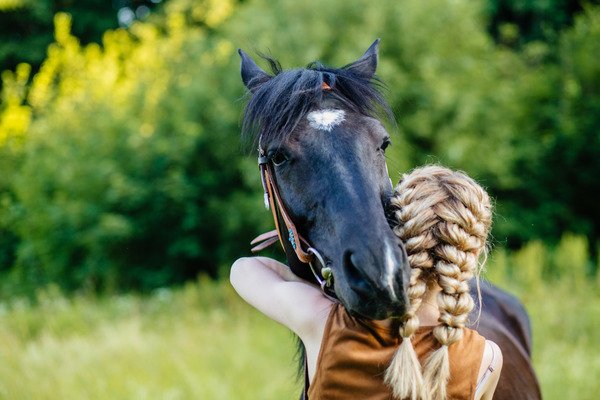
You sit in another therapy session describing your anxiety in words that feel increasingly hollow, like you’re narrating a feeling rather than actually releasing it. Then you stand next to a horse for the first time, and something shifts almost immediately: your breathing slows without you consciously deciding to slow it, because the animal in front of you simply won’t tolerate the tension you’ve been carrying for weeks. Equine therapy works precisely because it bypasses the endless verbal loop many people get stuck in during traditional talk therapy, offering something more immediate and harder to fake. It’s not magic. It’s a structured, increasingly researched approach built on the horse’s extraordinary sensitivity to human emotion.
If you’ve ever felt like your mental health struggles live somewhere your words can’t quite reach, that frustration is entirely legitimate, not a sign that therapy has failed you. Many people carry anxiety, depression, or old trauma primarily in the body, tension in the shoulders, a racing heart, a stomach that never fully settles, and purely cognitive approaches sometimes leave that physical layer largely untouched. Horses, prey animals wired for millions of years to detect the smallest shifts in tone, posture, and energy, offer a kind of instant, honest feedback that many people describe as genuinely different from anything talk-based treatment alone has given them.
So what does the research actually say these sessions do for the mind and body?
This article breaks down seven well-documented benefits of horse therapy for mental health, drawing on clinical research and established psychological frameworks to show exactly how working with these animals supports emotional healing.
What Is Equine Therapy and How Does It Support Mental Health?
Equine therapy, also called horse therapy or equine-assisted psychotherapy, uses structured interaction with horses, typically without riding, to support psychological healing under the guidance of trained mental health and equine professionals working together.
How many of these have you been "meaning to read" for months?


Most clinical programs follow ground-based models, keeping clients off the horse entirely and focused instead on activities like leading, grooming, or simply standing calmly near the animal. This structure isn’t accidental. It reflects a deliberate emphasis on the relational and emotional dynamics between person and horse, rather than physical riding skill or exercise, as the primary therapeutic mechanism.
A licensed therapist typically works alongside a certified equine specialist during each session, observing how a client’s internal state, anxiety, distraction, hesitation, shows up in real time through the horse’s behavior. This dual-professional structure, central to models like the widely used EAGALA approach (Equine Assisted Growth and Learning Association), ensures both psychological safety and horse welfare stay protected throughout.
Human-animal bond researcher James Serpell, whose work at the University of Pennsylvania has extensively examined how animals affect human psychological wellbeing, has noted that animals often provide a uniquely nonjudgmental relational presence that can lower defenses faster than human interaction alone. Horses, given their size and heightened sensitivity, arguably intensify this effect beyond what smaller companion animals typically produce.
What Are the 7 Key Benefits of Horse Therapy for Mental Health?
Horse therapy offers seven well-documented mental health benefits: reduced anxiety and stress, improved mood, increased self-esteem, better emotional regulation, enhanced mindfulness, support for trauma recovery, and stronger social and communication skills, each reinforced by the horse’s honest, nonverbal feedback.
- Reduced anxiety and physiological stress, often measurable through lower cortisol levels during structured equine sessions.
- Improved mood and reduced depressive symptoms, supported by increased engagement and a genuine sense of accomplishment.
- Increased self-esteem and confidence, built through successfully navigating a relationship with a large, powerful animal.
- Stronger emotional regulation skills, practiced directly through the horse’s immediate reactions to a client’s internal state.
- Greater mindfulness and present-moment awareness, since horses require full attention and quick adaptability from participants.
- Support for trauma and PTSD recovery, offering a body-based, nonthreatening avenue toward rebuilding safety and trust.
- Improved social and communication skills, especially nonverbal awareness, that often generalize to human relationships.
These seven benefits rarely operate in isolation from one another. A client working on emotional regulation, for instance, is almost always simultaneously practicing mindfulness and building the kind of self-esteem that comes from successfully managing a difficult moment with the horse rather than avoiding it.
Understanding this interconnected structure matters for setting realistic expectations. Equine therapy tends to work as a genuinely holistic intervention, touching multiple dimensions of mental health simultaneously, rather than isolating a single symptom the way some more narrowly targeted treatments are designed to do.
How Does Horse Therapy Reduce Anxiety and Stress?
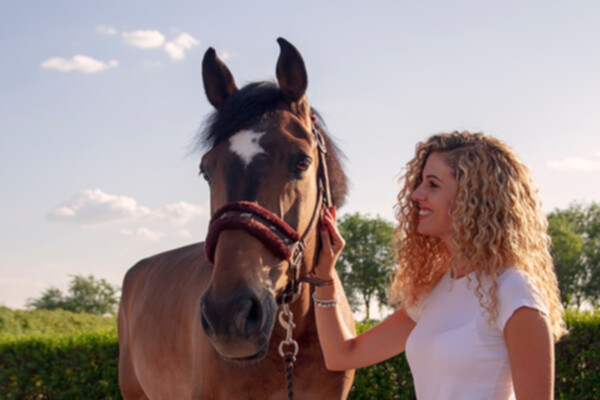
Horse therapy reduces anxiety and stress by requiring clients to regulate their physiological state in order to interact successfully with the horse, creating a direct, embodied practice loop that measurably lowers stress hormones like cortisol in some controlled studies.
Researcher Patricia Pendry, whose randomized studies at Washington State University have examined structured equine programs, found that participants showed significantly lower afternoon cortisol levels compared to a waitlisted control group following a multi-week equine-facilitated program. That reduction wasn’t simply a subjective feeling of calm; it reflected an actual, measurable shift in the body’s stress hormone system.
This physiological effect likely stems from the horse’s own sensitivity. Horses respond quickly to tension, hesitation, or erratic movement, sometimes by becoming skittish or unresponsive, which gives clients immediate, tangible feedback about their own anxiety levels. Learning to calm down enough to earn the horse’s cooperation becomes a genuinely embodied lesson in self-regulation, not just an abstract concept discussed in a therapist’s office.
Over repeated sessions, many clients report that this calming skill generalizes beyond the arena. Learning to slow their breathing and settle their nervous system around a horse can translate into a more reliable, practiced ability to do the same thing during ordinary, everyday stressful moments outside of therapy altogether.
Can Equine Therapy Help With Depression and Low Mood?
Yes, equine therapy has shown promise for improving mood and reducing depressive symptoms, largely through increased engagement, structured accomplishment, and meaningful connection, three factors closely tied to depression recovery across multiple therapeutic modalities.
Depression often involves withdrawal, low motivation, and a persistent sense that effort rarely pays off in any meaningful way. Equine sessions offer a structured, achievable goal, successfully leading a horse through an obstacle, calming an anxious animal, building trust over several sessions, that provides genuine, felt accomplishment rather than an abstract therapeutic milestone.
This sense of achievement matters more than it might initially seem. Behavioral activation, a well-established approach to treating depression, emphasizes that engaging in meaningful activity, even when motivation is low, tends to improve mood more reliably than waiting to feel motivated first. Equine therapy essentially operationalizes this principle in a uniquely engaging, embodied format.
Clients also frequently describe a specific, hard-to-replicate emotional lift from connecting with an animal that responds honestly and without judgment. That relational warmth, paired with the sense of accomplishment sessions provide, appears to offer a genuinely complementary avenue for addressing depressive symptoms alongside more established treatments like medication or cognitive behavioral therapy.

How Does Horse Therapy Build Self-Esteem and Confidence?
Horse therapy builds self-esteem and confidence by giving clients repeated opportunities to successfully influence and connect with a large, powerful animal, an accomplishment that often feels more concrete and self-evident than progress made purely through conversation.
Successfully leading a fifteen-hundred-pound animal, or earning its calm cooperation despite initial hesitation, produces a specific, embodied sense of capability that many clients describe as unlike anything they’ve experienced in more traditional therapeutic settings. This isn’t hollow praise from a therapist; it’s tangible proof, demonstrated by the horse’s own behavior, that the client did something genuinely difficult and succeeded.
For people whose self-esteem has been eroded by chronic mental health struggles, addiction, or difficult life circumstances, this kind of concrete evidence of competence can carry significant psychological weight. Author Leif Hallberg, whose clinical writing on equine-assisted psychotherapy has shaped how many programs approach this work, has described these moments of earned trust and cooperation as producing a form of embodied confidence that talk therapy alone often struggles to generate as directly.
This confidence-building effect tends to compound over multiple sessions rather than appearing all at once. Early sessions might involve considerable hesitation or difficulty, while later sessions often show visibly smoother interactions, giving clients a literal, observable timeline of their own growing capability to reflect on. Many clients describe this progression as one of the more concrete, trackable forms of evidence they’ve encountered in any therapeutic setting, precisely because the horse’s behavior offers such an unambiguous record of change over time.
What Role Does Mindfulness Play in Equine-Assisted Therapy?
Mindfulness plays a central role in equine-assisted therapy, since working safely and effectively with a horse requires full present-moment attention, making sessions a naturally embodied form of mindfulness practice rather than an abstract meditation technique clients must learn separately.
Horses respond instantly to shifts in attention, distraction, or emotional preoccupation, meaning a client who’s mentally elsewhere, replaying an argument or worrying about tomorrow, often finds the horse becoming unpredictable or disengaged almost immediately. This creates a genuinely powerful incentive to stay present, one considerably more immediate than simply being told to focus during a traditional mindfulness exercise.
Animal behaviorist Temple Grandin, whose extensive research on animal sensory processing and behavior has informed much of modern animal welfare science, has written about how animals like horses process the world moment to moment without the layered, ruminative thinking that characterizes much human distress. Working alongside an animal that exists entirely in the present can offer clients a kind of relational modeling for their own present-focused awareness.
This mindfulness component doesn’t require any prior meditation experience or particular spiritual framework. It emerges naturally from the practical demands of the interaction itself, making equine therapy a genuinely accessible entry point into present-moment awareness for clients who might otherwise find seated meditation difficult or unappealing.
How Does Horse Therapy Support Trauma and PTSD Recovery?
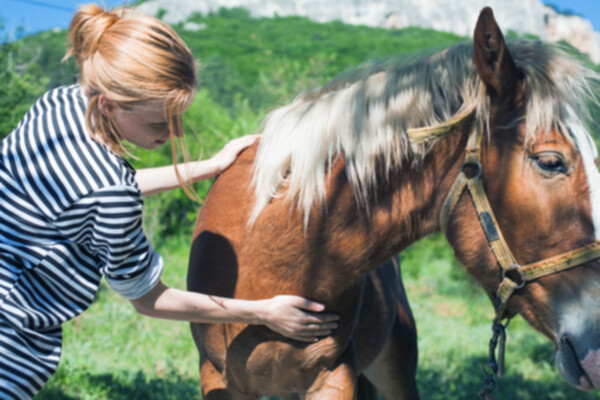
Horse therapy supports trauma and PTSD recovery by offering a nonthreatening, body-based relational experience where clients can practice safety, trust, and regulation gradually, without the direct verbal confrontation that trauma-focused talk therapy sometimes requires before a client feels ready.
Psychiatrist Bessel van der Kolk, whose extensive research on trauma’s physical effects on the body has shaped modern trauma treatment broadly, has emphasized that healing from trauma frequently requires interventions engaging the body directly, since trauma often gets stored somatically in ways purely cognitive or verbal processing struggles to reach fully. Equine therapy fits squarely within this body-based treatment category.
Building trust with a horse, gradually, through consistent, predictable interaction, can mirror many of the same relational elements central to trauma recovery: safety, consistency, and repair after moments of disconnection or miscommunication. This happens without requiring clients to verbally revisit specific traumatic memories before they feel psychologically ready to do so.
This approach doesn’t replace trauma-focused therapies with strong evidence bases of their own, like EMDR or trauma-focused cognitive behavioral therapy. It functions best as a complementary bridge, potentially helping clients build enough embodied safety and trust to engage more fully with deeper trauma processing later in treatment.
Can Equine Therapy Improve Social Skills and Communication?
Yes, equine therapy can improve social skills and communication, particularly nonverbal awareness, since horses respond almost entirely to body language and energy, teaching clients to become more conscious of the signals they’re sending, often unconsciously, to the people around them too.
- Clients often become more aware of their own body language after noticing how directly it affects the horse’s behavior.
- Sessions can improve patience and pacing in communication, since rushing or forcing interaction typically backfires with horses.
- Group equine sessions offer opportunities to practice cooperative communication with peers while working toward a shared goal involving the horse.
- Increased comfort reading nonverbal cues in horses often generalizes to improved social perceptiveness with other people.
Human-animal bond researcher Alan Beck, whose work at Purdue University has extensively examined the psychological effects of animal companionship, has noted that interacting with animals can serve as a genuinely low-pressure training ground for social skills, since animals don’t carry the same social evaluation anxiety that human interaction often triggers directly.
This makes equine therapy particularly relevant for clients who struggle with social anxiety, autism spectrum traits, or other conditions affecting interpersonal communication. Practicing attentiveness and clear, calm signaling with a horse offers a genuinely transferable skill set, one that many clients find easier to build in this lower-stakes context before applying it more broadly.
What Does a Typical Equine Therapy Session Involve?
A typical equine therapy session for mental health generally takes place in an arena or paddock, involves no riding, and centers on structured, ground-based activities like leading, grooming, or simply calmly approaching the horse under professional guidance.
- Establish a specific session goal, often tied to a particular emotional or relational theme the client is working on.
- Engage in a structured activity with the horse, such as guiding it through an obstacle or practicing calm, steady handling.
- Observe the horse’s live response to the client’s behavior and emotional state throughout the activity.
- Process the experience together afterward, connecting specific in-session moments to broader patterns in the client’s mental health.
Sessions typically last 45 minutes to an hour, occurring weekly or biweekly as part of a broader treatment plan that may also include individual counseling or group therapy. No prior horse experience is needed, and safety protocols are generally thorough, given the physical size of the animals involved.
The debriefing conversation afterward carries genuine clinical weight, translating an embodied, nonverbal experience into language clients can carry into daily life. A skilled facilitator connects specific observations, hesitation, breakthrough moments of calm, to broader mental health patterns, turning the session into usable therapeutic insight rather than simply a pleasant activity.
What Does the Research Say About Equine Therapy’s Effectiveness?
Current research on equine therapy for mental health shows genuinely promising results across several outcome areas, though systematic reviews consistently note that small sample sizes and inconsistent study designs limit how confidently these findings can be generalized to all populations.
| Outcome Studied | General Research Finding |
| Cortisol and physiological stress | Significant reductions in several controlled studies |
| Anxiety and depressive symptoms | Consistent improvement reported across multiple populations |
| Self-reported wellbeing and engagement | Strong, consistent qualitative support |
These findings hold across diverse populations, including adolescents, veterans, and adults managing anxiety or depression, suggesting the underlying mechanism, embodied, nonverbal, present-focused interaction, has fairly broad relevance rather than working narrowly for one specific diagnosis or demographic.
Still, the field genuinely needs larger, more rigorously controlled trials before equine therapy can be considered as thoroughly validated as more established interventions like cognitive behavioral therapy. That gap doesn’t undermine the real, observed benefits many clients experience; it simply means enthusiasm should stay proportionate to where the evidence currently stands.
Treating equine therapy as a genuinely valuable complementary approach, rather than either a proven standalone cure or an unproven fad, reflects the most honest reading of the current research landscape available to clinicians and clients alike. As more rigorously designed studies accumulate over the coming years, that overall picture will likely become considerably clearer, and expectations should be allowed to shift accordingly as new evidence emerges.
Who Can Benefit Most From Horse Therapy for Mental Health?
People who respond well to experiential, body-based learning, including those managing anxiety, depression, trauma, or social communication challenges, tend to benefit most from horse therapy, though individual comfort with animals and physical accessibility both meaningfully shape suitability.
Clients who feel stuck in purely verbal processing, describing the same struggles repeatedly without feeling genuine emotional movement, often respond particularly well to equine therapy’s more embodied, nonverbal structure. The same holds for people managing social anxiety or trauma, where a gentler, animal-mediated relational entry point can feel considerably safer than direct human interaction initially.
That said, this approach isn’t universally ideal. People with significant animal allergies, certain physical mobility limitations, or an intense pre-existing fear of large animals may find equine settings genuinely impractical or counterproductive, at least without careful, gradual introduction. Thoughtful programs screen for these factors before enrolling clients in equine-based components.
The most sensible approach treats horse therapy as one genuinely valuable option to discuss with a mental health provider, weighing personal preferences, specific symptoms, and any physical considerations, rather than assuming it’s either universally beneficial or unnecessary. Different people respond to different combinations of treatment, and having more evidence-informed options available generally strengthens a well-rounded mental health plan. Ultimately, the goal is finding whatever combination of approaches helps someone feel genuinely, sustainably better, and for a meaningful number of people, horses turn out to be part of that answer.
FAQs about Equine Therapy for Mental Health
Is equine therapy considered a legitimate mental health treatment?
Equine therapy is increasingly recognized as a legitimate complementary mental health approach, supported by a growing body of research showing benefits for anxiety, depression, trauma recovery, and social skills. It’s generally not considered a standalone replacement for established treatments like medication or evidence-based psychotherapy, but rather an additional tool that can enhance a broader treatment plan. Reputable programs typically involve licensed mental health professionals working alongside certified equine specialists, following structured clinical models rather than offering unsupervised time with animals. The evidence base, while promising, still includes relatively small studies compared to more established interventions, so it’s reasonable to view equine therapy as a genuinely valuable complementary option rather than a fully validated primary treatment on its own.
Do I need to know how to ride horses to try equine therapy?
No, most therapeutic equine programs, particularly those using ground-based models like the EAGALA approach, involve no riding at all and require zero prior experience with horses. Sessions typically focus on activities like approaching, grooming, or leading a horse while remaining on the ground, guided closely by trained professionals throughout. The therapeutic benefit comes from the relational and emotional dynamics of the interaction itself, not from any equestrian skill or riding technique. This accessibility is intentional, since requiring specialized riding ability would significantly limit who could participate and would shift focus away from the psychological and emotional work that ground-based equine therapy is specifically designed to support.
How quickly can someone expect to feel benefits from horse therapy?
Timelines vary considerably based on individual circumstances, the specific mental health concern being addressed, and how consistently someone attends sessions. Some clients report noticing a calming effect or a sense of connection within their very first session, while deeper changes in self-esteem, emotional regulation, or trauma-related symptoms typically develop more gradually over several weeks or months of consistent engagement. Programs that combine equine therapy with other established treatments, like individual counseling, often show more consistent progress than equine sessions used in complete isolation. As with most therapeutic approaches, regular attendance and integration with a broader treatment plan tend to matter more than any specific number of sessions.
Can equine therapy help with anxiety even if I’m afraid of horses?
A significant, pre-existing fear of horses can complicate participation, though it doesn’t automatically rule someone out, since thoughtful programs often begin with very gradual, low-pressure introductions specifically designed to build comfort slowly over time. That said, someone with an intense phobia might find the initial exposure genuinely distressing rather than therapeutic, at least without careful pacing and professional support throughout the process. It’s worth discussing this concern directly with a program before beginning, so facilitators can adjust the pace of introduction appropriately or help determine whether a different therapeutic approach might currently be a better fit. Forcing exposure before someone feels ready rarely produces the calming, confidence-building benefits equine therapy is generally designed to offer.
Is equine therapy suitable for children and teenagers?
Yes, equine therapy is commonly used with children and adolescents, and several studies specifically examining younger populations have reported benefits for anxiety, self-esteem, and social skills. The nonverbal, experiential nature of the work often suits younger clients particularly well, since children and teens sometimes struggle to fully engage with purely talk-based therapeutic approaches. Programs working with younger populations typically include additional safety protocols and age-appropriate session structuring, given both the physical size of horses and the developmental considerations involved in working with children. As with adult clients, equine therapy for younger populations works best as part of a broader, professionally guided treatment plan rather than as an isolated activity.
What’s the difference between equine therapy and just riding lessons?
Equine therapy and riding lessons differ significantly in both structure and purpose, even though both involve horses. Riding lessons focus primarily on developing equestrian skill, balance, and technique, typically taught by a riding instructor without any specific psychological or therapeutic framework guiding the sessions. Equine-assisted psychotherapy, by contrast, is guided by a licensed mental health professional working alongside an equine specialist, uses structured activities specifically designed to reveal and address psychological patterns, and includes therapeutic debriefing after each session connecting the experience to broader mental health goals. While recreational riding can certainly offer general wellbeing benefits, it isn’t designed or delivered as a clinical mental health intervention the way structured equine-assisted therapy is.
Does insurance typically cover equine therapy for mental health?
Coverage varies considerably depending on location, insurance provider, and how a specific program bills for equine-assisted components within broader mental health treatment. Some programs include equine sessions as part of a bundled treatment fee that insurance partially covers under general outpatient or residential mental health services, while standalone equine therapy billed separately may face more inconsistent coverage. Given this variability, it’s worth contacting both an insurance provider and the specific program directly to clarify costs and potential coverage before committing. Some programs also offer sliding-scale fees or grant-funded components specifically aimed at improving financial accessibility for clients who might otherwise be unable to participate.
Can equine therapy be combined with medication for anxiety or depression?
Yes, equine therapy is generally intended to complement, not replace, established treatments like medication for anxiety or depression. Many clients use equine-assisted sessions alongside psychiatric medication management and other forms of therapy, and there’s no inherent conflict between the two approaches. If anything, the embodied, present-focused nature of equine therapy may help some clients process therapeutic work more fully alongside the mood-stabilizing effects of appropriate medication. Anyone currently taking medication for anxiety or depression should still discuss adding equine therapy with their prescribing provider and treatment team, simply to ensure the overall treatment plan remains well-coordinated and appropriately tailored to individual needs.
Bibliography
- Pendry, P., & Roeter, S. (2013). Experimental Trial Demonstrates Positive Effects of Equine Facilitated Learning on Adolescent Social Competence. Human-Animal Interaction Bulletin, 1(1), 1-19.
- Van der Kolk, B. (2014). The Body Keeps the Score: Brain, Mind, and Body in the Healing of Trauma. Viking.
- Hallberg, L. (2008). Walking the Way of the Horse: Exploring the Power of the Horse-Human Relationship. iUniverse.
- Serpell, J. A. (1996). In the Company of Animals: A Study of Human-Animal Relationships. Cambridge University Press.
- Beck, A. M., & Katcher, A. H. (1996). Between Pets and People: The Importance of Animal Companionship. Purdue University Press.
- Grandin, T., & Johnson, C. (2005). Animals in Translation: Using the Mysteries of Autism to Decode Animal Behavior. Scribner.
- Equine Assisted Growth and Learning Association. (2023). The EAGALA Model. EAGALA.
- American Psychological Association. (2022). The Role of Animal-Assisted Interventions in Mental Health Treatment. APA.
Use this citation format to reference the article clearly and help readers find the original source.
PsychologyFor. (2026). 7 Benefits of Equine Therapy or Horse Therapy for Our Mental Health. PsychologyFor. https://psychologyfor.com/7-benefits-of-equine-therapy-or-horse-therapy-for-our-mental-health/