

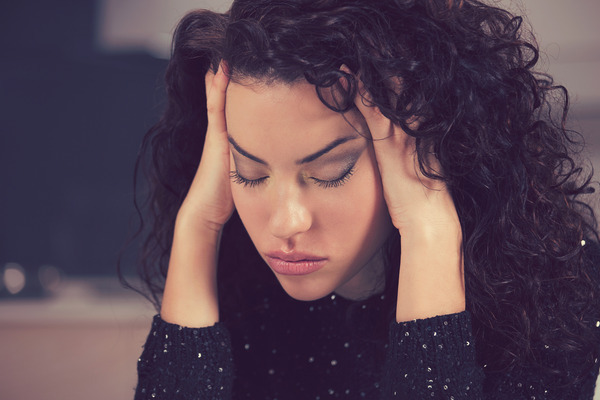
You’re sitting at your desk when suddenly your heart starts racing. Your chest tightens, your breathing becomes shallow, and anxious thoughts spiral out of control. Or perhaps you’re lying in bed, exhausted but unable to sleep because your mind won’t stop replaying the day’s stressors and tomorrow’s worries. These moments of overwhelming anxiety and stress are universal human experiences, yet many people don’t realize they possess powerful tools for immediate relief.
Anxiety and stress activate the body’s fight-or-flight response—an ancient survival mechanism designed to protect us from immediate physical threats. When you perceive danger, whether real or imagined, your sympathetic nervous system releases stress hormones including cortisol and adrenaline. Your heart rate increases, breathing quickens, muscles tense, digestion slows, and blood flow redirects to major muscle groups preparing for action. This response served our ancestors well when facing predators, but in modern life, it activates in response to emails, traffic, deadlines, and social situations where neither fighting nor fleeing represents appropriate responses.
The problem isn’t the stress response itself—it’s that chronic activation damages both physical and mental health. Prolonged stress contributes to cardiovascular disease, weakened immune function, digestive problems, sleep disturbances, anxiety disorders, depression, and cognitive impairment. Many people live in states of chronic stress activation, their bodies constantly preparing for threats that never materialize, never fully returning to relaxed baseline states.
Fortunately, just as the nervous system can activate the stress response, it can also activate the relaxation response—a state of deep rest that reverses the physiological effects of stress. The parasympathetic nervous system, sometimes called the “rest and digest” system, counterbalances the fight-or-flight response by lowering heart rate, deepening breathing, relaxing muscles, and promoting digestion and healing. The seven techniques presented here all activate this relaxation response quickly, providing immediate relief from anxiety and stress symptoms.
What makes these techniques particularly valuable is their accessibility and speed. Unlike long-term stress management strategies that take weeks or months to show effects, these interventions work within minutes or even seconds. They require no special equipment, can be practiced anywhere, and remain effective with repeated use. Mastering even a few of these techniques provides a toolkit for managing anxiety and stress whenever and wherever they arise.
Technique 1: Deep Diaphragmatic
Breathing represents the most direct and powerful method for instantly shifting from stress to relaxation because it’s the only autonomic function we can consciously control. Most people breathe shallowly into their chest, particularly when anxious, which actually reinforces the stress response. Deep diaphragmatic breathing—breathing fully into the belly—activates the vagus nerve, the main nerve of the parasympathetic nervous system, triggering immediate relaxation responses.
The technique is simple yet profoundly effective. Sit or lie comfortably with one hand on your chest and one on your abdomen. Breathe in slowly through your nose for a count of four, allowing your belly to expand while your chest remains relatively still. The hand on your abdomen should rise significantly while the hand on your chest moves minimally. Hold the breath briefly for a count of two, then exhale slowly through your mouth for a count of six to eight, feeling your belly fall as air releases. The exhalation should be longer than the inhalation—this extended exhale particularly activates the relaxation response.
Why this works physiologically: shallow chest breathing activates stress responses because it mimics the rapid breathing pattern of panic and exertion. Deep belly breathing sends signals to the brain that the body is safe and relaxed. The extended exhale stimulates the vagus nerve, which runs from the brainstem through the chest and abdomen. Vagal stimulation slows heart rate, lowers blood pressure, reduces cortisol levels, and shifts the nervous system from sympathetic (stress) to parasympathetic (relaxation) dominance.
Practice this technique for just two to three minutes to experience noticeable effects. Your heart rate will slow, muscle tension will decrease, and mental clarity will improve. With regular practice, you can calm anxiety symptoms within 30-60 seconds. Some people find it helpful to place a light book on their abdomen while lying down, watching it rise and fall to ensure they’re breathing correctly. Others prefer the 4-7-8 variation: inhale for four counts, hold for seven, exhale for eight, which creates an even stronger relaxation effect.
Many meditation and mindfulness practices center on breathwork because controlled breathing serves as an anchor to the present moment while simultaneously regulating the nervous system. Unlike trying to empty your mind or force yourself to relax, breathing gives you something concrete to focus on while naturally producing the physiological changes that create calm.
Technique 2: Progressive Muscle Relaxation (PMR)
Progressive muscle relaxation involves systematically tensing and then releasing different muscle groups throughout the body, creating deep physical and mental relaxation. This technique was developed in the 1930s by physician Edmund Jacobson, who discovered that physical tension and anxiety are intimately connected—when muscles relax, the mind follows.
Begin by finding a quiet space where you can sit or lie comfortably. Starting with your feet, tense the muscles as tightly as you can for five to ten seconds. Curl your toes, tighten your arches, create maximum tension throughout your feet. Then suddenly release the tension completely, letting your feet go limp and heavy. Notice the difference between tension and relaxation. Spend 15-20 seconds experiencing the sensation of release before moving to the next muscle group.
Progress systematically upward through your body: calves, thighs, buttocks, abdomen, chest, back, hands, forearms, biceps, shoulders, neck, face, and scalp. For each area, create significant tension without causing pain, hold for 5-10 seconds, then release suddenly and completely. Pay particular attention to areas where you hold chronic tension—many people carry stress in their shoulders, jaw, or forehead without realizing it until they consciously tense and release those areas.
The technique works through multiple mechanisms. First, the deliberate tensing tires muscles, making subsequent relaxation deeper than simple resting would achieve. Second, the stark contrast between tension and release heightens awareness of what relaxation feels like, training you to recognize and release tension throughout the day. Third, the systematic progression through the body functions as a body scan, directing attention away from anxious thoughts and toward physical sensations.
A complete PMR session takes 15-20 minutes, but abbreviated versions focusing on major muscle groups can provide relief in five minutes. Some people practice PMR as a nightly ritual before sleep, finding it particularly effective for calming racing thoughts and physical restlessness. Others use it during the day when they notice tension building. The more regularly you practice, the more quickly and deeply you can relax on command, eventually learning to release muscle tension instantly without the preliminary tensing phase.
PMR is particularly effective for people whose anxiety manifests physically through muscle tension, headaches, or jaw clenching. It’s also helpful for those who struggle with traditional meditation because it provides concrete physical actions rather than requiring mental stillness. The technique is safe for almost everyone, though people with muscle injuries or chronic pain conditions should consult healthcare providers before tensing injured areas and may need to modify the technique to avoid exacerbating pain.
Technique 3: The 5-4-3-2-1 Grounding Technique
When anxiety strikes, your mind often races to future catastrophes or past regrets, completely disconnecting from present reality. The 5-4-3-2-1 grounding technique interrupts this mental spiral by anchoring awareness firmly in the present moment through the five senses. This cognitive-behavioral strategy works instantly to reduce anxiety by shifting attention from internal worry to external reality.
The technique is remarkably simple. Begin by taking a deep breath, then identify five things you can see around you. Name them mentally or aloud: the blue pen on your desk, the tree outside the window, the pattern on the wall, your shoes, the door handle. Really look at each item, noticing details you might normally overlook. This visual attention engages the logical, observational part of your brain rather than the anxious emotional regions.
Next, identify four things you can physically touch. Actually touch each item, noticing texture, temperature, and sensation: the smooth surface of your phone, the soft fabric of your shirt, the cool metal of a chair leg, the rough texture of carpet. Physical touch activates sensory processing areas of the brain while the deliberate touching action creates a sense of control and active engagement.
Continue with three things you can hear. This might include distant traffic, birds chirping, the hum of electronics, your own breathing, footsteps in another room. Close your eyes briefly to enhance auditory focus if helpful. Listening actively shifts attention outward and can reveal ambient sounds anxiety had completely blocked from awareness.
Identify two things you can smell. If you can’t detect ambient scents immediately, you might need to move—smell hand lotion, coffee, a piece of fruit, the pages of a book. Smell powerfully connects to emotional and memory centers of the brain, and focusing on scent can shift emotional states. Finally, name one thing you can taste, whether it’s lingering flavor from a meal, mint from toothpaste, or the neutral taste of your own mouth.
This entire exercise takes only two to three minutes but effectively interrupts anxiety spirals by engaging the present-focused, rational brain rather than the fear-focused, reactive brain. The technique works so well for anxiety and panic attacks because it’s impossible to simultaneously focus intently on present sensory experience while maintaining catastrophic future-focused thoughts. Your attention can only fully occupy one place at a time, and deliberately directing it to immediate sensory reality disrupts anxious rumination.
Many therapists teach this technique to clients with anxiety disorders, panic disorder, or PTSD because it provides a portable, discreet intervention usable anywhere. You can practice it in a meeting, on public transportation, or during a sleepless night without anyone noticing. Some people find it helpful to reverse the order (1-2-3-4-5) or to create their own variations. The key is engaging multiple senses systematically to ground awareness in present reality.
Technique 4: Guided Imagery and Visualization
The brain doesn’t always distinguish clearly between vividly imagined experiences and real ones—a phenomenon that guided imagery exploits for relaxation. By deliberately creating detailed mental images of peaceful, safe places or experiences, you can trigger the same relaxation responses that actual restful environments produce. This technique harnesses imagination as a tool for immediate stress relief and emotional regulation.
Begin by closing your eyes and taking several deep breaths to settle into a comfortable position. Create a detailed mental image of a place where you feel completely safe, peaceful, and relaxed. This might be a real place you’ve visited—a beach, forest, mountain meadow, comfortable room—or an entirely imaginary location. The key is that this place represents complete safety and peace to you personally.
Engage all your senses in constructing this mental environment. If imagining a beach, see the blue water and golden sand, hear the rhythmic waves and calling seagulls, feel warm sun on your skin and soft sand between your toes, smell the salt air and sunscreen, taste the salt on your lips. The more sensory details you include, the more completely your brain engages with the imagery and the stronger the relaxation response becomes.
Spend several minutes exploring this peaceful place in your imagination. Notice small details—the way light reflects on water, the texture of tree bark, the temperature of a breeze. Allow yourself to feel the emotions this place evokes—safety, peace, contentment, freedom. Your nervous system responds to these imagined positive emotions as it would to real experiences, shifting from stress to relaxation.
Some people prefer guided imagery recordings where a calm voice describes peaceful scenes, providing structure and detail that helps maintain focus. Others create personal imagery scripts they mentally rehearse until they can access them instantly during stressful moments. With practice, you can shift into your peaceful place within seconds simply by closing your eyes and recalling key details.
Guided imagery works through several mechanisms. First, focused imagination occupies the mind with peaceful content, leaving no space for anxious thoughts. Second, visualizing peaceful scenes activates neural networks associated with actual relaxation, triggering physiological calm responses. Third, imagery provides a sense of control and escape when you feel trapped by stressful circumstances. Fourth, regular practice builds association between the imagined place and relaxation, making the technique more effective over time through classical conditioning.
This technique particularly helps people who are visual thinkers or who find physical relaxation techniques difficult. It’s excellent for situations where physical movement is impossible or inappropriate—during medical procedures, while traveling, or during insomnia. Imagery can be combined with other techniques like deep breathing or progressive muscle relaxation for enhanced effects. Some research suggests that regular guided imagery practice can reduce chronic stress, improve immune function, and decrease pain perception through mechanisms involving the mind-body connection.
Technique 5: The Physiological Sigh
Stanford neuroscientist Andrew Huberman has popularized the physiological sigh—a specific breathing pattern that represents the fastest way to reduce stress and anxiety in real-time. This isn’t just deep breathing; it’s a precise pattern that leverages how the respiratory system regulates the nervous system. The technique takes only seconds but produces immediate, measurable reductions in physiological stress indicators.
The physiological sigh involves two inhales through the nose followed by an extended exhale through the mouth. Here’s the specific pattern: take a deep breath in through your nose, filling your lungs about two-thirds full. Without exhaling, take a second sharp inhale through your nose, topping off your lungs completely. This second inhale reinflates the alveoli—tiny air sacs in the lungs that can collapse during stress. Then, exhale slowly and completely through your mouth, taking longer for the exhale than the combined two inhales.
This pattern occurs naturally during spontaneous sighs throughout the day and during crying. Your body uses physiological sighs to offload carbon dioxide that accumulates during shallow breathing and to maintain lung health. By deliberately performing this breathing pattern, you trigger the same regulatory mechanisms, but more powerfully and under conscious control.
The mechanism is elegant: during stress, breathing becomes rapid and shallow, causing carbon dioxide to build up in the bloodstream. This triggers feelings of air hunger and further anxiety. The double inhale maximally expands lung volume and reinflates collapsed alveoli, increasing the surface area available for gas exchange. The extended exhale eliminates accumulated carbon dioxide more efficiently than normal breathing. Together, these actions rapidly restore optimal blood gas balance, which signals the nervous system that danger has passed.
Research shows that just one or two physiological sighs can measurably reduce heart rate, lower blood pressure, and decrease subjective stress within seconds. Three to five sighs in succession create even stronger effects. This makes the technique ideal for moments of acute anxiety—before giving a presentation, during a panic attack, after receiving stressful news, or when lying awake anxious. Unlike longer relaxation practices requiring dedicated time and space, physiological sighs can be performed anywhere instantly.
Some practitioners use physiological sighs as a reset throughout the day, performing several whenever they notice stress building. Others use it as a transitional practice—sighing several times when moving between work tasks, when arriving home, or before sleep. The technique requires no training or practice to be effective, though like all breathing exercises, familiarity makes it feel more natural and increases voluntary control.
The simplicity and speed of this technique make it particularly valuable for people who find longer practices difficult to maintain or who need immediate anxiety relief in situations where other techniques aren’t practical. It’s also useful for children and adolescents because it’s easy to learn and doesn’t require sustained attention.
Technique 6: Body Scan Meditation
Body scan meditation systematically moves attention through the entire body, observing sensations without judgment or attempt to change them. While similar to progressive muscle relaxation, body scans emphasize awareness rather than muscle manipulation. This mindfulness-based technique reduces anxiety by shifting attention from worried thoughts to neutral body sensations, creating immediate mental relief while building long-term stress resilience.
Find a comfortable position, typically lying down but sitting works too. Close your eyes and take several deep breaths to settle. Begin by bringing awareness to your feet. Without moving or changing anything, simply notice whatever sensations exist—temperature, tingling, pressure where feet contact the floor or bed, or perhaps no particular sensation. Observe with curiosity rather than judgment. If your mind wanders to thoughts or worries, gently redirect attention back to body sensations.
Spend 20-30 seconds with your feet before moving attention to your ankles, then calves, knees, thighs, and so on, systematically progressing through your entire body. Notice areas of tension without trying to relax them—the simple act of nonjudgmental awareness often releases tension naturally. Notice areas that feel neutral or comfortable, giving equal attention to pleasant and unpleasant sensations. The practice is about observing whatever is present without preference or resistance.
When you notice tension, pain, or discomfort, approach it with gentle curiosity. What exactly does this sensation feel like? Is it sharp or dull, constant or changing, located precisely or diffuse? Breathing into areas of tension—imagining breath flowing to that body part—can help release holding patterns. If sensations feel overwhelming, you can move attention to a more neutral area or expand awareness to include your whole body at once.
A complete body scan typically takes 10-20 minutes, though shorter versions focusing on major body regions can provide benefits in five minutes. The practice works for anxiety through several mechanisms. First, deliberately directing attention to body sensations anchors awareness in the present moment where anxiety cannot exist—anxiety always involves future-focused worry or past-focused regret, never present-moment awareness. Second, observing bodily sensations without reacting to them builds tolerance for discomfort and reduces reactivity to physical anxiety symptoms like rapid heartbeat or muscle tension.
Third, body scans reveal unconscious tension patterns—many people hold chronic tension in shoulders, jaw, stomach, or other areas without awareness until they systematically scan the body. Awareness itself often releases this tension. Fourth, regular practice builds the skill of metacognition—observing your own experience without being overwhelmed by it—which transfers to observing anxious thoughts without being controlled by them.
Research on body scan meditation shows it reduces anxiety, improves sleep, decreases chronic pain, and enhances overall wellbeing. It’s a core practice in Mindfulness-Based Stress Reduction (MBSR), an evidence-based program with extensive research support for anxiety and stress management. Body scans can be practiced independently or guided by recordings, apps, or live instruction. Many people practice body scans at bedtime, finding they facilitate the transition to sleep by quieting mental activity and releasing physical tension.
Technique 7: Cold Water Exposure
Exposing your face, wrists, or entire body to cold water triggers the mammalian dive reflex—an ancient physiological response that immediately slows heart rate and shifts the nervous system toward parasympathetic dominance. While it might seem counterintuitive that cold exposure could reduce stress (since cold is itself a stressor), brief cold water application actually provides rapid anxiety relief through specific neurological mechanisms.
The simplest application involves splashing cold water on your face or immersing your face in a bowl of cold water for 15-30 seconds. The trigeminal nerve, which supplies sensation to the face, connects directly to the vagus nerve. Cold stimulation of facial nerves triggers the dive reflex—a protective mechanism in mammals that slows heart rate and redirects blood flow to vital organs when diving underwater. This reflex activates within seconds, making cold water one of the fastest anxiety interventions available.
For more intense effects, immerse your wrists under cold running water for one to two minutes. Wrists contain superficial blood vessels and nerve clusters that, when cooled, send strong signals to the brain’s thermoregulation centers, which interface with stress-regulation systems. Alternatively, take a cold shower or, for the brave, a cold plunge. Start with lukewarm water and gradually decrease temperature to avoid shock. Even 30 seconds of cold exposure can reset the nervous system and interrupt anxiety spirals.
The mechanisms behind cold water’s anxiety-reducing effects are multiple. The dive reflex directly activates parasympathetic nervous system pathways, overriding sympathetic fight-or-flight activation. Cold exposure releases norepinephrine, a neurotransmitter that enhances focus and mood while reducing inflammation. The intense physical sensation of cold demands immediate attention, pulling awareness from anxious thoughts to present-moment physical experience. The controlled discomfort of cold exposure also builds stress resilience over time—practicing voluntary discomfort in safe situations teaches the nervous system that discomfort doesn’t equal danger.
Some people keep cold packs in their freezer, holding them against their face or wrists when anxiety strikes. Others use cold showers as a daily practice, finding that regular cold exposure reduces baseline anxiety levels and improves stress resilience over time. Athletes and biohackers have popularized cold plunge practices for recovery and performance enhancement, but even brief, accessible cold water applications provide anxiety relief.
Cold water exposure is generally safe for most people but should be used cautiously by those with cardiovascular conditions, Raynaud’s disease, or cold sensitivity. The shock of cold water can temporarily spike blood pressure and heart rate before the dive reflex activates, so people with heart conditions should consult physicians before using this technique. Start conservatively with cool rather than icy water and brief rather than extended exposure, gradually building tolerance if you wish to incorporate cold exposure as a regular practice.
This technique particularly helps during acute anxiety or panic attacks when you need immediate physiological intervention. The strong physical sensation can interrupt dissociation or depersonalization experiences sometimes accompanying severe anxiety. It’s also useful when other techniques haven’t worked or when you need to rapidly shift mental state before an important event.
Integrating Relaxation Techniques Into Daily Life
Learning these techniques provides value only when you actually use them. Many people learn relaxation strategies during calm moments but forget them during actual stress and anxiety. Building these practices into daily routines and developing the habit of using them during early stress rather than waiting until anxiety peaks dramatically increases their effectiveness.
Start by selecting one or two techniques that resonate most with you and practice them daily, even when you’re not particularly stressed. This serves two purposes: it makes the techniques familiar so you can access them automatically during anxiety, and it builds baseline resilience that reduces overall anxiety levels. Consider scheduling specific practice times—five minutes of deep breathing each morning, a body scan before bed, or physiological sighs during work transitions.
Create environmental cues that remind you to practice. You might place a sticky note on your computer monitor reminding you to take three deep breaths every hour. Set phone alarms for brief relaxation check-ins throughout the day. Associate techniques with existing routines—practice breathing while waiting for your morning coffee to brew, do a quick body scan while brushing your teeth, or perform grounding exercises during your commute.
Learn to recognize early warning signs of stress building. Most people have physical indicators—jaw tightening, shoulders rising, stomach clenching, breathing shallowing—that appear before anxiety becomes overwhelming. By noticing these early signals and immediately applying a relaxation technique, you can prevent full-blown anxiety rather than trying to reverse it later.
Experiment with combining techniques for enhanced effects. You might pair deep breathing with guided imagery, progressive muscle relaxation with body scans, or physiological sighs with the 5-4-3-2-1 grounding technique. Different situations may call for different approaches—breathing and grounding work well in public settings where you need to be discreet, while progressive muscle relaxation or body scans work better when you have privacy and time for longer practices.
Track what works for you by keeping a brief anxiety journal. Note your anxiety level on a 0-10 scale before and after using techniques, which interventions you tried, and how effective they were. Over time, patterns emerge showing which techniques work best for which situations in your life. This data-driven approach helps you develop a personalized toolkit rather than relying on generic advice about what “should” work.
Remember that no technique works 100% of the time for everyone. If one approach doesn’t help during a particular anxiety episode, try another without judging yourself or the technique as failures. Anxiety is complex and multiply determined, and sometimes it requires professional intervention beyond self-help techniques. These tools supplement rather than replace therapy, medication, or other treatments when anxiety is severe or persistent.
FAQs About Relaxation Techniques for Anxiety and Stress
How quickly should I expect these techniques to work?
The timeline varies by technique and individual, but most of these interventions produce noticeable effects within seconds to minutes when practiced correctly. Physiological sighs and cold water exposure work fastest—often within 5-30 seconds you’ll notice heart rate slowing and subjective anxiety decreasing. Deep breathing typically shows effects within one to three minutes of focused practice. The 5-4-3-2-1 grounding technique provides relief within two to three minutes by interrupting anxious thought patterns. Body scans and progressive muscle relaxation take longer—typically 5-20 minutes for full practice—but you’ll notice relaxation beginning within the first few minutes. Guided imagery varies depending on how quickly you can engage with the mental visualization. It’s important to understand that “instant” relief doesn’t mean anxiety disappears completely and permanently in one session. Rather, these techniques reduce the intensity of anxiety symptoms quickly enough to prevent escalation and provide meaningful relief during acute episodes. Over time, with regular practice, the techniques work faster and more effectively as your nervous system learns to recognize and respond to the relaxation cues. Some people experience dramatic immediate relief while others notice more gradual improvement. If you’re not experiencing any relief after giving a technique a fair trial—practicing correctly for several sessions—try a different approach, as individual responses vary.
Can I use these techniques if I’m on medication for anxiety?
Yes, these relaxation techniques are generally safe and beneficial to use alongside anxiety medications. In fact, most mental health professionals recommend combining medication with behavioral techniques like these for optimal anxiety management. Medications help regulate the neurochemical imbalances contributing to anxiety, while relaxation techniques give you active coping skills for managing symptoms as they arise. The techniques can enhance medication effectiveness and may help some people eventually reduce medication doses under medical supervision. However, never change your medication regimen without consulting your prescribing physician. Some people find that as they develop strong relaxation skills and build lifestyle changes that support mental health, they can work with their doctors to gradually reduce medication, while others benefit from continuing both approaches long-term. These techniques don’t replace medical treatment for clinical anxiety disorders but rather complement it. If you’re experiencing severe anxiety, panic attacks, or anxiety that significantly impairs your functioning despite self-help techniques, professional evaluation is important. Some anxiety requires therapy, medication, or both for effective management. These relaxation techniques work best as part of comprehensive anxiety management that might also include professional treatment, lifestyle changes like exercise and sleep improvement, social support, and addressing sources of stress in your life.
Why do some relaxation techniques make me feel more anxious instead of less?
Some people experience increased anxiety when attempting certain relaxation practices, a phenomenon sometimes called “relaxation-induced anxiety.” This can happen for several reasons. First, slowing down and turning attention inward makes previously ignored anxiety symptoms more noticeable—you’re not becoming more anxious, you’re just becoming aware of anxiety that was already present. This typically improves as you continue practice and learn to observe sensations without reacting to them. Second, some people feel vulnerable or out of control when relaxing, particularly if they use constant activity or hypervigilance as anxiety management strategies. Relaxation requires temporarily letting go of vigilance, which can feel threatening. Third, certain techniques may trigger trauma responses in people with PTSD or past trauma—for example, closing eyes during meditation might feel unsafe, or body scans might bring awareness to areas holding trauma. Fourth, focusing on breathing sometimes creates hyperawareness of breathing patterns that can trigger panic in people prone to panic attacks. If a specific technique increases anxiety, try a different approach. Some people do better with eyes-open rather than eyes-closed practices, active techniques like progressive muscle relaxation rather than passive meditation, or shorter practices building up to longer ones gradually. If multiple relaxation approaches increase anxiety, this might indicate underlying anxiety that requires professional treatment before self-help techniques become accessible. Working with a therapist can help you develop anxiety tolerance and find relaxation approaches that work for your specific needs.
How often should I practice these techniques to see lasting benefits?
For building long-term stress resilience and reducing baseline anxiety levels, daily practice is ideal, even if brief. Just 5-10 minutes of deliberate relaxation practice daily produces measurable benefits in stress reactivity, anxiety levels, and overall wellbeing within a few weeks. However, the practice pattern matters less than consistency—practicing five minutes daily works better than 30 minutes once weekly. Start with whatever frequency feels sustainable for your schedule and lifestyle. Even practicing a few times weekly provides benefits, though daily practice yields stronger and faster results. Many people benefit from practicing specific techniques at scheduled times—morning breathing practice, body scan before bed, or grounding exercises during lunch breaks—while also using techniques responsively when anxiety arises. Different practice goals require different frequencies. If you’re using these techniques primarily for acute anxiety management, practice them regularly during calm periods so they’re familiar and accessible during actual anxiety. If you’re working on reducing chronic stress and baseline anxiety, daily practice becomes more important for achieving lasting neurological changes. The nervous system responds to repeated patterns, so consistent practice literally rewires neural pathways related to stress and relaxation, making calm states more accessible over time. Some research suggests that 8-12 weeks of daily practice produces optimal benefits, but many people notice improvements within 2-4 weeks. Remember that even occasional use during acute stress provides immediate benefit even without regular practice, though regular practice makes the techniques more effective when you need them most.
Are these techniques safe for everyone, or are there situations where they shouldn’t be used?
These techniques are generally safe for most people, but certain situations warrant caution or modification. Cold water exposure should be used carefully by people with cardiovascular conditions, very high or low blood pressure, Raynaud’s disease, or cold sensitivity, as the initial shock can temporarily affect heart rate and blood pressure. People with respiratory conditions like asthma should be cautious with breathing exercises, starting gently and consulting with physicians if techniques trigger breathing difficulties. Those with PTSD or significant trauma histories might find that body scans, imagery, or practices requiring closed eyes trigger trauma responses; working with a trauma-informed therapist can help develop safe modifications. People with certain dissociative disorders might find that some meditative practices worsen dissociation; again, professional guidance helps. Pregnant women should consult healthcare providers before practices involving breath-holding or significant position changes. For most healthy adults, these techniques are safe, but listening to your body remains important. If any technique causes dizziness, significant discomfort, or increased distress beyond initial awkwardness with a new practice, stop and try a different approach. Never force practices that feel wrong for your body or mental state. The goal is relief and healing, not adherence to specific techniques regardless of your response. If you have any medical or mental health conditions, discussing these practices with your healthcare providers ensures they’re appropriate for your situation and can be modified as needed for your safety.
Use this citation format to reference the article clearly and help readers find the original source.
PsychologyFor. (2025). 7 Relaxation Techniques to End Anxiety and Stress Instantly. PsychologyFor. https://psychologyfor.com/7-relaxation-techniques-to-end-anxiety-and-stress-instantly/