

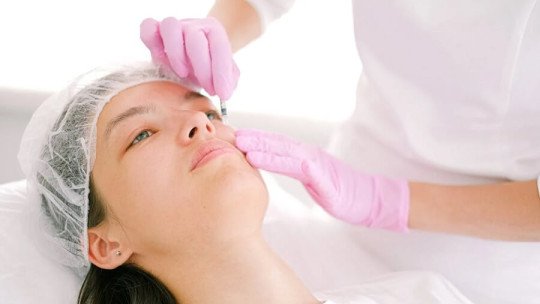
Botulinum toxin, commonly known as BOTOX, has gained popularity in recent decades, mainly in the field of aesthetics for the treatment of wrinkles and expression lines. However, its influence goes beyond mere aesthetic improvement. The facial feedback hypothesis suggests that our facial expressions are not only reflections of our internal emotions, but can also affect our emotional experience.
This has led researchers to explore the relationship between BOTOX and emotions, analyzing how temporary paralysis of certain facial muscles can influence emotional perception and expression. Recent studies have revealed that the application of BOTOX can alter brain activity in key regions related to emotional processing.
This connection has led to growing interest in the therapeutic use of BOTOX to treat emotional disorders, such as depression and anxiety. However, it also raises important ethical questions about the authenticity of human emotions and interactions. This article will explore these dynamics, shedding light on the complex relationship between BOTOX and our emotions.
The facial feedback hypothesis
The facial feedback hypothesis suggests that facial expressions are not the result of internal emotions, but can also influence our emotional experience. According to this theory, by contracting certain facial muscles, we can intensify or modify our emotions. For example, by smiling, even if we don’t feel happy, we may begin to experience an improvement in our mood. This interaction between facial expression and emotion is based on the premise that the signals we send to our brain through our facial expressions can affect our emotional well-being.
The evidence supporting this hypothesis comes from various psychological and neuroscientific studies. Research has shown that when looking at faces showing different emotions, people tend to mimic those expressions, which in turn can lead to a corresponding emotional response. This process is not only limited to observation; Our own facial expressions can act as a mirror for our internal emotions, affecting how we feel and how we perceive other people’s emotions.
In this context, the use of botulinum toxin, also known as BOTOX, raises interesting questions. By temporarily paralyzing the facial muscles responsible for certain expressions, such as frowning or smiling, can modify a person’s ability to express and potentially experience their emotions. This highlights the importance of the relationship between facial physiology and emotional experience.
How many of these have you been "meaning to read" for months?
- 1
 American GirlThe Care and Keeping of You 1The Body Book for Younger Girls (American Girl® Wellbeing)Listen Free On Audible
 - 2
 A Better You Everyday PublicationsThe Ancient Herbalist & Healer Natural Remedies. 4 Books in 1 The Mega Apothecary Encyclopedia500+ Remedies for Daily Wellness, Beauty, Hormonal ... Home, Inspired by Natural Health TeachingsListen Free On Audible
 - 3
 &HPete the CatI Love My White Shoes: A Groovy Story About Pete the Cat and His Colorful Shoes on a School Day A...Listen Free On Audible
The mechanism of action of BOTOX
BOTOX, whose active component is botulinum toxin type A, is a neurotoxin that acts by blocking the release of acetylcholine, a neurotransmitter crucial for muscle contraction. By inhibiting communication between nerves and muscles, BOTOX induces temporary paralysis in the areas in which it is injected, resulting in the relaxation of the muscles responsible for certain facial expressions.
The injection process is relatively simple and is carried out in a clinical and even surgical setting. A medical professional evaluates the treatment areas and uses fine needles to inject small amounts of BOTOX into targeted muscles. Depending on the area and amount injected, the effects can begin to be visible within a few days and usually last between three and six months. This temporality allows patients to enjoy the aesthetic and therapeutic benefits of BOTOX without a long-term commitment.
The most common use of BOTOX in aesthetic medicine is to reduce wrinkles and expression lines. n, especially on the forehead, around the eyes and between the eyebrows. However, its action has also been explored in the treatment of various medical conditions, such as chronic migraine and hyperhidrosis – excessive sweating.
The impact of BOTOX on emotions may be especially relevant, as paralysis of the muscles that facilitate expressions such as frowning can alter the way we experience and communicate our emotions, prompting growing interest in its application beyond the aesthetics.
Research on BOTOX and emotions
In recent years, different studies have explored the relationship between the use of BOTOX and emotional perception and expression, which has led to a growing interest in understanding how manipulating facial muscles can affect our emotions. One of the most notable studies used injections of botulinum toxin to temporarily paralyze the glabellar muscles, responsible for frowning, and analyzed brain activity in response to faces with different emotional expressions.
In this study, ten women looked at images of happy and angry faces during two functional magnetic resonance imaging (fMRI) sessions; one before receiving the BOTOX and one after the injection. The results showed that Activity in the amygdala, a key brain region involved in emotional processing, was significantly modulated after BOTOX injection. This indicates that frown inhibition altered the way emotions were processed in the brain.
In addition, a change was observed in the activity of the fusiform gyrus, which is also involved in the perception of faces and emotions. This finding suggests that BOTOX not only affects the ability to express emotions through the face, but may also influence the way we interpret the emotions of others. When the glabellar muscles cannot contract, the visual information we receive from faces can be processed differently, altering our understanding of emotions in general.
Other studies have documented effects similar to those described, suggesting that the use of BOTOX could have an impact on the emotional well-being of those who use it. Some research indicates that patients who receive BOTOX to treat wrinkles may report improvements in their mood and reductions in symptoms of depression and anxiety. This raises the hypothesis that the elimination of wrinkles associated with expressions of tension or sadness can positively influence self-image and, consequently, the general emotional state.
However, The relationship between BOTOX and emotions has also sparked ethical debates. Some critics argue that using the toxin to manipulate emotions can lead to emotional disconnection and suppression of genuine emotional responses, raising questions about the authenticity of social interactions in those who regularly use BOTOX. In short, research in this field suggests that BOTOX has a more profound impact on our emotions and the way we relate to others than previously thought.
Implications in therapy and mental health
The use of BOTOX has transcended its aesthetic application, opening the door to new opportunities in the field of mental health. The ability of botulinum toxin to modify facial expressions and, therefore, emotional perception has led to investigate its potential in the treatment of emotional disorders, such as depression and anxiety.
Several studies have also indicated that BOTOX could provide significant relief from the symptoms of depression. Patients who receive injections in areas that typically show expressions of tension or sadness, such as frowning, often report improvements in their mood. This phenomenon can be explained, in part, by the facial feedback hypothesis: by inhibiting the expression of negative emotions, the brain could experience a reduction in sadness or anxiety.
However, the use of BOTOX for therapeutic purposes raises important ethical dilemmas. Some experts warn that manipulating facial expressions could lead to emotional disconnection and the suppression of the natural and authentic experience of feelings. Authenticity in interpersonal relationships and self-expression is essential for mental health, and the use of BOTOX could interfere with a person’s ability to genuinely express and process their emotions.
As research in this field progresses, It is crucial to balance the potential benefits of BOTOX in the treatment of emotional disorders with the ethical considerations that arise around its use. Understanding this relationship may open new avenues in emotional therapy, but must be done with caution and attention to the broader implications for mental health.
The relationship between BOTOX and emotions highlights the complexity of the interaction between facial expression and emotional experience. Studies indicate that inhibition of certain facial muscles can alter the perception and processing of emotions, suggesting promising therapeutic applications in the treatment of emotional disorders. However, it is essential to consider the ethical implications of manipulating facial expressions, as this could affect emotional authenticity and social interactions. Continued research in this area can offer valuable results, but must be carried out with a balanced and responsible approach.
Use this citation format to reference the article clearly and help readers find the original source.
PsychologyFor. (2024). Does BOTOX Influence How We Experience Our Emotions?. PsychologyFor. https://psychologyfor.com/does-botox-influence-how-we-experience-our-emotions/