


See more of our articles in your search results.
When chronic stress, unhelpful mental loops, and strained relationships make daily life feel like an uphill battle, finding the right 36 psychology books that will help you improve your life provides an evidence-based roadmap toward lasting clarity. Many people spend years navigating emotional exhaustion, self-doubt, and reactive behavioral patterns without realizing that modern cognitive science and depth psychology have already mapped out practical solutions to these exact struggles. You might find yourself setting ambitious personal goals only to abandon them weeks later, feeling bewildered by why willpower alone fails to break ingrained emotional habits.
The internal friction you experience is rarely a flaw in your character; rather, it reflects a fundamental disconnect between how the human brain evolved to survive and how our modern environment operates. When unresolved emotional wounds, cognitive distortions, and dysregulated nervous systems dictate your daily decisions, the innate drive for psychological flourishing and resilience becomes stifled beneath chronic anxiety and burnout. Exploring peer-reviewed psychological literature bridges this critical gap, equipping you with actionable clinical frameworks to understand your cognitive architecture, reframe destructive beliefs, and construct a grounded sense of emotional well-being.
How can reading evidence-based clinical psychology transform your everyday behavioral decision-making and long-term mental health?
Discovering transformative psychology books for personal growth empowers you to rewire automatic thoughts, regulate stress responses, and cultivate meaningful interpersonal connections across every area of life.
Top 36 Psychology & Self-Development Books
Verified Top Picks- 1
 Daniel Kahneman Thinking, Fast and Slow Nobel-winning insights into the two systems that drive human thoughtCHECK TODAY'S PRICE
 - 2
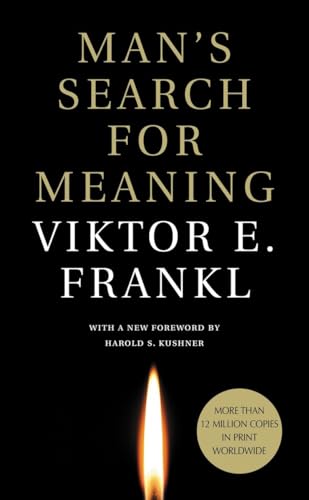 Viktor E. Frankl Man's Search for Meaning The classic memoir and introduction to logotherapy and human purposeCHECK TODAY'S PRICE
 - 3
 Bessel van der Kolk The Body Keeps the Score Brain, mind, and body in the healing of psychological traumaCHECK TODAY'S PRICE
 - 4
 Mihaly Csikszentmihalyi Flow: The Psychology of Optimal Experience The classic investigation into optimal experience and deep focusCHECK TODAY'S PRICE
 - 5
 Dan Ariely Predictably Irrational The hidden forces that shape our everyday decisionsCHECK TODAY'S PRICE
 - 6
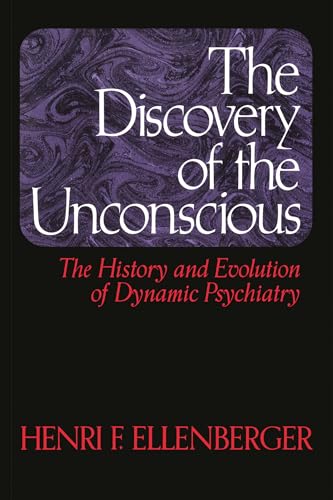 Henri F. Ellenberger The Discovery of the Unconscious The monumental history and evolution of dynamic psychiatryCHECK TODAY'S PRICE
 - 7
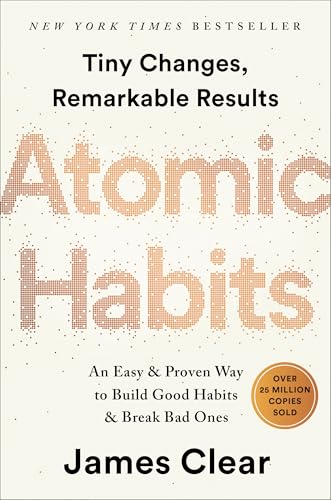 James Clear Atomic Habits An easy and proven way to build good habits and break bad onesCHECK TODAY'S PRICE
 - 8
 Charles Duhigg The Power of Habit Why we do what we do in life and business and how to change itCHECK TODAY'S PRICE
 - 9
 Kelly McGonigal The Willpower Instinct How self-control works, why it matters, and what you can do to get more of itCHECK TODAY'S PRICE
 - 10
 Angela Duckworth Grit: The Power of Passion and Perseverance Why passion and long-term perseverance matter more than talentCHECK TODAY'S PRICE
 - 11
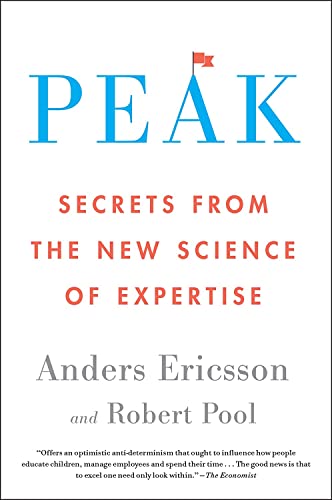 Anders Ericsson & Robert Pool Peak: Secrets from the New Science of Expertise The science of deliberate practice and world-class performanceCHECK TODAY'S PRICE
 - 12
 Greg McKeown Essentialism: The Disciplined Pursuit of Less How to achieve the highest point of contribution by doing lessCHECK TODAY'S PRICE
 - 13
 David D. Burns Feeling Good: The New Mood Therapy The clinically proven cognitive therapy handbook for overcoming depressionCHECK TODAY'S PRICE
 - 14
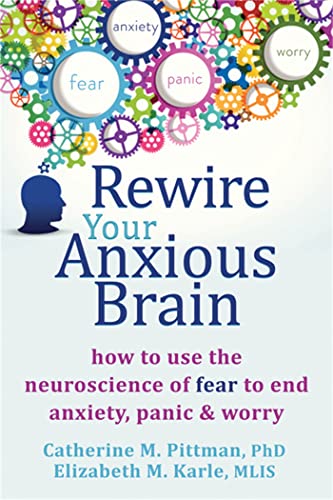 Pittman & Karle Rewire Your Anxious Brain How to use the neuroscience of fear to end anxiety and panicCHECK TODAY'S PRICE
 - 15
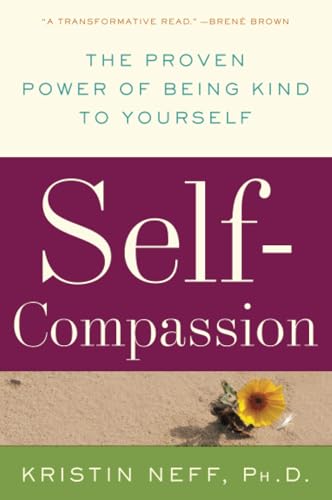 Kristin Neff Self-Compassion The proven power of being kind to yourself instead of overly criticalCHECK TODAY'S PRICE
 - 16
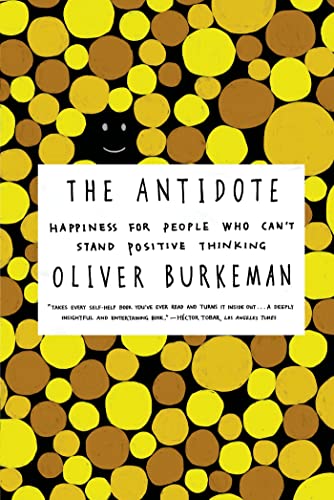 Oliver Burkeman The Antidote Happiness for people who can't stand positive thinkingCHECK TODAY'S PRICE
 - 17
 Daniel Goleman Emotional Intelligence Why emotional intelligence can matter more than IQCHECK TODAY'S PRICE
 - 18
 Pete Walker Complex PTSD: From Surviving to Thriving A practical guide and map for recovering from childhood traumaCHECK TODAY'S PRICE
 - 19
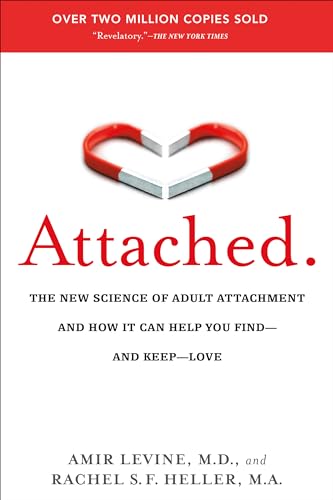 Amir Levine & Rachel Heller Attached The new science of adult attachment and finding romantic loveCHECK TODAY'S PRICE
 - 20
 John M. Gottman & Nan Silver The Seven Principles for Making Marriage Work A practical guide from the country's foremost relationship expertCHECK TODAY'S PRICE
 - 21
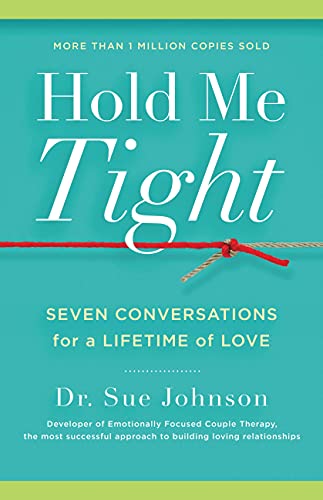 Sue Johnson Hold Me Tight Seven conversations for a lifetime of love and emotional connectionCHECK TODAY'S PRICE
 - 22
 Marshall B. Rosenberg Nonviolent Communication A language of life for empathetic connection and conflict resolutionCHECK TODAY'S PRICE
 - 23
 Brené Brown Daring Greatly How the courage to be vulnerable transforms the way we live and leadCHECK TODAY'S PRICE
 - 24
 Susan Cain Quiet: The Power of Introverts The power of introverts in a world that can't stop talkingCHECK TODAY'S PRICE
 - 25
 Carol S. Dweck Mindset: The New Psychology of Success How our beliefs about our abilities dramatically shape our livesCHECK TODAY'S PRICE
 - 26
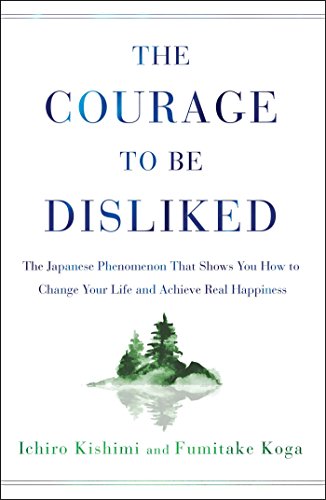 Kishimi & Koga The Courage to Be Disliked The Japanese phenomenon that shows you how to free yourself and find happinessCHECK TODAY'S PRICE
 - 27
 Carl R. Rogers On Becoming a Person A therapist's view of human growth, therapy, and personal potentialCHECK TODAY'S PRICE
 - 28
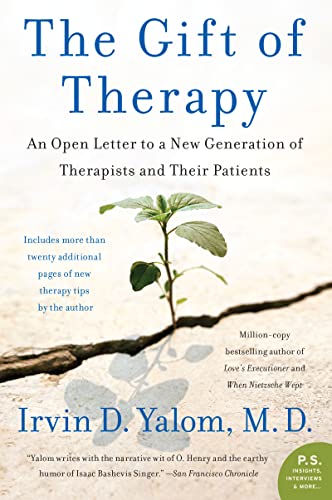 Irvin D. Yalom The Gift of Therapy An open letter to a new generation of therapists and their patientsCHECK TODAY'S PRICE
 - 29
 Daniel H. Pink Drive: The Surprising Truth About What Motivates Us The secret to high performance in our need to direct our own livesCHECK TODAY'S PRICE
 - 30
 Lori Gottlieb Maybe You Should Talk to Someone A therapist, HER therapist, and our lives revealed with candorCHECK TODAY'S PRICE
 - 31
 Martin E. P. Seligman Authentic Happiness Using the new positive psychology to realize your potential for lasting fulfillmentCHECK TODAY'S PRICE
 - 32
 Daniel Gilbert Stumbling on Happiness Why our brains consistently mispredict what will make us happyCHECK TODAY'S PRICE
 - 33
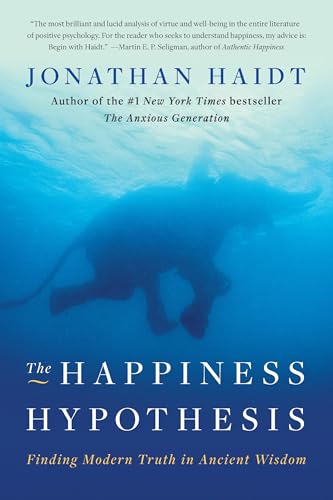 Jonathan Haidt The Happiness Hypothesis Finding modern truth in ancient wisdom and moral psychologyCHECK TODAY'S PRICE
 - 34
 Robert B. Cialdini Influence: The Psychology of Persuasion The foundational classic on the psychology of why people say yesCHECK TODAY'S PRICE
 - 35
 Chip Heath & Dan Heath Switch: How to Change Things When Change Is Hard How to unite the rational and emotional mind to lead lasting changeCHECK TODAY'S PRICE
 - 36
 Paul Kalanithi When Breath Becomes Air A profound memoir on life, mortality, and what makes existence meaningfulCHECK TODAY'S PRICE
How Psychological Literature Enhances Cognitive Habits and Daily Well-Being
Transforming personal habits and emotional responses begins with understanding the neurological and cognitive mechanisms that govern human behavior. Pioneering cognitive psychologist Daniel Kahneman revealed that our mental lives are divided between fast, automatic reactions and slow, deliberate reasoning, showing how unconscious biases shape daily choices. By engaging with evidence-based psychological texts, readers learn to identify cognitive distortions, question automatic assumptions, and implement metacognitive awareness strategies that interrupt reactive emotional spirals before they escalate.
Furthermore, reading psychology provides the conceptual scaffolding needed to translate theoretical insights into consistent behavioral changes. Clinical psychologist Aaron Beck demonstrated that systematic cognitive restructuring directly alleviates depressive and anxious symptoms by replacing maladaptive core beliefs with realistic appraisals. When you understand the underlying psychological drivers of your actions, self-improvement shifts from an exhausting exercise in self-discipline to an intuitive alignment with evidence-based behavioral principles.
To maximize the transformative benefits of psychological reading, readers should focus on three foundational cognitive objectives:
- Developing cognitive flexibility to challenge maladaptive automatic thinking patterns.
- Understanding emotional regulation to maintain autonomic nervous system balance under acute stress.
- Building self-efficacy by applying structured behavioral activation techniques to daily routines.
Mastering these foundational mechanisms allows you to approach personal development not as random trial-and-error, but as a deliberate practice grounded in contemporary behavioral science.
Foundational Classics for Mental Clarity, Decision-Making, and Meaning
The foundational cornerstones of psychological literature explore why humans think, feel, and make choices the way they do under conditions of uncertainty and adversity. These seminal texts establish the essential mental models required to understand cognitive biases, existential purpose, and somatic trauma recovery.
1. Thinking, Fast and Slow — Daniel Kahneman
Thinking, Fast and Slow stands as a monumental achievement in behavioral economics and cognitive psychology. Nobel laureate Daniel Kahneman synthesizes decades of collaborative research with Amos Tversky, dissecting the dual-system architecture of the human mind: System 1, which operates automatically and intuitively, and System 2, which governs slow, deliberate, and effortful analytical thought. Kahneman exposes how cognitive heuristics, loss aversion, and overconfidence subtly distort financial, professional, and personal judgments, providing readers with indispensable tools for rational decision-making processes.
- Exposes systematic cognitive biases including the availability heuristic and anchoring effect.
- Explains the psychological dynamics of loss aversion and framing effects in choices.
- Teaches readers how to engage deliberate analytical thinking to avoid intuitive cognitive errors.
2. Man’s Search for Meaning — Viktor E. Frankl
Man’s Search for Meaning chronicles psychiatrist Viktor Frankl’s harrowing survival in Nazi concentration camps and the subsequent development of logotherapy. Frankl argues that humanity’s primary psychological drive is not the pursuit of pleasure or power, but the discovery of personal meaning even amidst unimaginable suffering. By demonstrating that individuals always retain the freedom to choose their attitude in any circumstance, Frankl provides an enduring foundation for existential psychological resilience.
- Identifies the discovery of meaning as the primary human motivational force.
- Introduces logotherapy as a clinical framework for overcoming existential neurosis.
- Emphasizes the unconditional freedom to choose an empowered internal psychological stance.
3. The Body Keeps the Score — Bessel van der Kolk
The Body Keeps the Score revolutionized contemporary psychiatry by establishing how traumatic experiences physically alter the brain’s wiring and somatic memory systems. Psychiatrist Bessel van der Kolk integrates cutting-edge neuroscience with clinical case studies to demonstrate that trauma is held in the visceral body rather than purely verbal narratives. Van der Kolk outlines evidence-based somatic therapies, neurofeedback, and mindfulness interventions that restore safety and agency to dysregulated autonomic nervous systems.
- Details how developmental and acute trauma impairs prefrontal cortex emotional regulation.
- Explains why purely cognitive talk therapy often fails visceral somatic trauma responses.
- Advocates for integrative modalities like EMDR and body-centered mindfulness therapies.
4. Flow: The Psychology of Optimal Experience — Mihaly Csikszentmihalyi
Flow: The Psychology of Optimal Experience introduces Mihaly Csikszentmihalyi’s legendary research on peak human performance and deep satisfaction. Csikszentmihalyi reveals that true happiness occurs during states of flow—moments when high challenge seamlessly meets high skill, leading to total immersion and effortless concentration. This classic volume outlines practical steps to design professional and creative endeavors that cultivate intrinsic motivational engagement.
- Defines the precise conditions required to achieve optimal psychological flow states.
- Contrasts fleeting sensory pleasures with deep, enduring psychological enjoyment and mastery.
- Provides actionable strategies to transform mundane daily tasks into rewarding autotelic activities.
5. Predictably Irrational — Dan Ariely

Predictably Irrational by behavioral economist Dan Ariely demonstrates that human irrationality is neither random nor senseless, but systematic and predictable. Through ingenious experiments, Ariely shows how social norms, decoy effects, and the emotional power of free offers lead individuals to make counterproductive financial and personal choices. Understanding these behavioral blind spots helps readers establish protective boundaries against manipulative economic pricing tactics.
- Reveals how invisible social forces compromise objective economic cost-benefit calculations.
- Explains why the allure of free items triggers irrational consumer decision patterns.
- Offers behavioral nudges to align daily actions with long-term financial goals.
6. The Discovery of the Unconscious — Henri F. Ellenberger
The Discovery of the Unconscious is Henri Ellenberger’s encyclopedic masterpiece on the origins of dynamic psychiatry. Ellenberger traces the evolutionary lineage of depth psychology from early healing rituals to the clinical systems of Sigmund Freud, Carl Jung, Alfred Adler, and Pierre Janet. This monumental scholarly work provides an unparalleled contextual understanding of the historical roots of psychoanalysis.
- Traces the conceptual evolution of dynamic psychiatry and depth psychological exploration.
- Examines the socio-cultural contexts that birthed modern clinical psychotherapy models.
- Provides exhaustive biographical analyses of the founders of contemporary unconscious theory.
Essential Books on Habit Formation, Willpower, and Self-Mastery
Sustainable personal transformation relies not on fleeting bursts of motivation, but on the systematic engineering of automatic routines. These acclaimed titles draw on cognitive neuroscience and behavioral psychology to explain how habits form, how willpower operates, and how small incremental shifts yield massive compounding growth over time.
7. Atomic Habits — James Clear
Atomic Habits provides a comprehensive, practical manual on how tiny changes in daily behavior produce extraordinary compound results. James Clear synthesizes behavioral psychology into a simple four-step framework: make it obvious, attractive, easy, and satisfying. By shifting the focus from outcome-oriented goals to identity-based habit systems, Clear teaches readers how to overcome friction and engineer an environment that makes positive behavioral routines automatic.
- Outlines the four laws of behavior change for seamless habit loop execution.
- Emphasizes the power of identity-based habits over fragile outcome-focused resolutions.
- Demonstrates how environmental design eliminates reliance on depletable personal willpower reserves.
8. The Power of Habit — Charles Duhigg
The Power of Habit by investigative journalist Charles Duhigg explores the neurology of habit formation in individuals, organizations, and societies. Duhigg breaks down the habit loop into cue, routine, and reward, explaining how the basal ganglia automates repetitive behaviors to save mental energy. By identifying keystone habits that trigger widespread positive change, this book equips readers to systematically dismantle destructive neurological habit patterns.
- Deconstructs the neurological anatomy of the cue-routine-reward habit loop.
- Explains how keystone habits create compounding positive cascades across multiple life domains.
- Provides a golden rule of habit change to modify maladaptive behavioral routines.
9. The Willpower Instinct — Kelly McGonigal
The Willpower Instinct by Stanford health psychologist Kelly McGonigal bridges neurobiology and behavioral economics to demystify self-control. McGonigal reveals that willpower is not an immutable character trait, but a mind-body response influenced by stress, sleep, exercise, and mindfulness. Rather than advocating harsh self-reproach, she presents evidence-based interventions like self-compassion to counteract the what-the-hell effect and build enduring executive self-control.
- Explains the physiological basis of the pause-and-plan stress response.
- Reveals how moral licensing and guilt sabotage long-term self-discipline efforts.
- Provides daily mindfulness exercises that strengthen prefrontal cortex willpower circuits.
10. Grit: The Power of Passion and Perseverance — Angela Duckworth
Grit: The Power of Passion and Perseverance by psychologist Angela Duckworth proves that sustained passion and perseverance trump raw talent in predicting high achievement. Drawing on extensive empirical research at West Point and in competitive academic settings, Duckworth demonstrates that deliberate practice and a growth-oriented mindset cultivate the tenacity required to master complex endeavors. This book provides a clear framework for developing long-term goal commitment.
- Demonstrates through data that effort counts twice as much as innate cognitive talent.
- Outlines the four psychological assets of grit: interest, practice, purpose, and hopeful perseverance.
- Shows parents, educators, and leaders how to foster a culture of resilient achievement.
11. Peak: Secrets from the New Science of Expertise — Anders Ericsson and Robert Pool
Peak: Secrets from the New Science of Expertise by psychologist Anders Ericsson summarizes thirty years of groundbreaking research on world-class performers. Ericsson dismantles the myth of natural gifts, showing that elite performance results from deliberate practice—focused training pushed just beyond current competence with immediate feedback and mental representation refinement. This work provides an actionable blueprint for mastery in any skill domain.
- Distinguishes purposeful and deliberate practice from mindless repetitive task execution.
- Explains how high-level experts construct complex and effective domain-specific mental representations.
- Provides principles for designing self-directed feedback loops to achieve continuous professional skill mastery.
12. Essentialism: The Disciplined Pursuit of Less — Greg McKeown
Essentialism: The Disciplined Pursuit of Less by Greg McKeown applies cognitive psychology and time-management principles to help readers escape the trap of chronic overcommitment. McKeown outlines a systematic discipline for discerning what is absolutely vital, eliminating the non-essential, and removing execution friction. By learning to say graceful noes, readers reclaim their attention, focus, and energy for high-impact personal priorities.
- Teaches a structured methodology to filter out trivial non-essential professional demands.
- Emphasizes the psychological courage required to establish firm interpersonal boundaries.
- Provides frameworks for creating execution routines that make meaningful progress effortless.
Core Texts for Cognitive Restructuring, Anxiety, and Emotional Regulation
Managing mood disorders, chronic worry, and debilitating anxiety requires evidence-based clinical tools that dismantle cognitive distortions and soothe autonomic reactivity. These authoritative books offer practical frameworks derived from Cognitive Behavioral Therapy principles, Acceptance and Commitment Therapy (ACT), and neuroscience to foster lasting emotional stability.
13. Feeling Good: The New Mood Therapy — David D. Burns
Feeling Good: The New Mood Therapy by psychiatrist David D. Burns popularized Cognitive Behavioral Therapy into one of the most clinically verified self-help manuals in medical history. Burns explains that negative moods do not result from objective external events, but from cognitive distortions like all-or-nothing thinking, overgeneralization, and emotional reasoning. By practicing structured triple-column techniques, readers learn to systematically refute irrational thoughts and achieve rapid depressive symptom relief.
- Identifies the ten most common cognitive distortions driving anxious and depressive states.
- Provides daily written exercises to challenge and replace destructive automatic thoughts.
- Offers evidence-based behavioral activation strategies to overcome procrastination and depressive paralysis.
14. Rewire Your Anxious Brain — Catherine M. Pittman and Elizabeth M. Karle
Rewire Your Anxious Brain by clinical psychologist Catherine M. Pittman and Elizabeth M. Karle translates neuroscience into practical anxiety management. The authors explain that anxiety follows two distinct neurological pathways: the cortex pathway (conscious worry, rumination, catastrophizing) and the amygdala pathway (rapid physiological panic, rapid heart rate, fight-or-flight triggers). By matching specific therapeutic tools to each pathway, readers learn to calm acute somatic anxiety responses.
- Distinguishes between top-down cortex-driven worry and bottom-up amygdala panic responses.
- Teaches diaphragmatic breathing and progressive relaxation to modulate sympathetic nervous system arousal.
- Provides cognitive reframing tools to halt catastrophic cortical thought spirals.
15. Self-Compassion: The Proven Power of Being Kind to Yourself — Kristin Neff
Self-Compassion by pioneering researcher Kristin Neff establishes that self-compassion, rather than fragile self-esteem, is the true engine of emotional resilience and psychological health. Neff breaks self-compassion into three essential pillars: self-kindness versus self-judgment, common humanity versus isolation, and mindfulness versus over-identification. This book provides clinically validated practices to quiet the harsh inner critic and cultivate a nurturing internal emotional dialogue.
- Contrasts the stability of self-compassion with the narcissistic pitfalls of self-esteem.
- Outlines the three core components of self-compassion for daily emotional regulation.
- Provides guided somatic and meditative exercises to navigate intense shame and self-criticism.
16. The Antidote: Happiness for People Who Can’t Stand Positive Thinking — Oliver Burkeman
The Antidote by journalist Oliver Burkeman explores the negative path to happiness, drawing on Stoic philosophy, Buddhist mindfulness, and modern clinical psychology. Burkeman challenges the toxic positivity of the self-help industry, arguing that the desperate effort to avoid negative emotions, uncertainty, and failure directly magnifies psychological suffering. By learning to embrace vulnerability, mortality, and insecurity, readers discover an authentic, grounded mental tranquility.
- Critiques the counterproductive psychological mechanisms of forced positive affirmations.
- Revitalizes ancient Stoic premeditatio malorum to reduce catastrophic future anxiety.
- Advocates for non-judgmental acceptance of uncertainty and inevitable human vulnerability.
17. Emotional Intelligence: Why It Can Matter More Than IQ — Daniel Goleman
Emotional Intelligence by psychologist and journalist Daniel Goleman revolutionized our understanding of human competence by showing that emotional intelligence (EQ) outweighs cognitive intelligence (IQ) in predicting relationship satisfaction and professional success. Goleman explores the neurobiology of emotional hijacking, demonstrating how self-awareness, self-regulation, empathy, and social skill can be cultivated across the lifespan. This foundational text provides a roadmap for emotional and social mastery.
- Details the neural pathways involved in amygdala hijacking and prefrontal emotional control.
- Defines the five essential dimensions comprising practical emotional intelligence competence.
- Demonstrates how emotional literacy enhances personal relationships and collaborative leadership performance.
18. Complex PTSD: From Surviving to Thriving — Pete Walker
Complex PTSD: From Surviving to Thriving by psychotherapist Pete Walker is the definitive clinical guide for understanding and healing childhood relational trauma. Walker provides compassionate, practical explanations of emotional flashbacks, the four trauma responses (fight, flight, freeze, fawn), and the toxic inner critic installed by developmental neglect. This indispensable resource guides adult survivors through reparenting themselves and rebuilding a secure internal attachment system.
- Identifies and categorizes the four primary trauma responses: fight, flight, freeze, and fawn.
- Provides a 13-step emergency management protocol to halt overwhelming emotional flashbacks.
- Outlines therapeutic grieving practices to dissolve internalized toxic shame and self-blame.
Transformative Works on Relationships, Attachment, and Communication
Human beings are fundamentally relational creatures whose mental health depends heavily on the quality of their interpersonal bonds. These essential books combine developmental psychology, attachment theory, and evidence-based couples therapy to help you cultivate secure relationships, resolve conflicts constructively, and communicate with authentic vulnerability.
19. Attached: The New Science of Adult Attachment — Amir Levine and Rachel Heller
Attached by psychiatrist Amir Levine and psychologist Rachel Heller translates John Bowlby’s adult attachment theory into an accessible guide for modern romantic partnerships. The authors delineate the three primary adult attachment styles—anxious, avoidant, and secure—revealing why anxious and avoidant individuals frequently lock into painful, dysregulating dynamics. Readers learn practical communication strategies to express emotional needs and transition toward earned secure attachment patterns.
- Identifies behavioral signs of anxious, avoidant, and secure adult attachment styles.
- Decodes the toxic push-pull dynamics of the classic anxious-avoidant relationship trap.
- Provides clear scripts for direct, non-defensive effective romantic communication.
20. The Seven Principles for Making Marriage Work — John M. Gottman and Nan Silver
The Seven Principles for Making Marriage Work summarizes decades of rigorous longitudinal research conducted by relationship expert John Gottman in his famous Love Lab. Gottman can predict relationship breakdown with over 90% accuracy by identifying the Four Horsemen of the Apocalypse: criticism, contempt, defensiveness, and stonewalling. This definitive couples manual provides practical exercises to build emotional bank accounts and maintain enduring relational stability.
- Identifies the Four Horsemen of marital destruction, highlighting contempt as the most lethal.
- Teaches couples how to nurture fondness, admiration, and deep shared emotional meaning.
- Provides step-by-step frameworks for de-escalating conflict and repairing relational ruptures.
21. Hold Me Tight: Seven Conversations for a Lifetime of Love — Sue Johnson
Hold Me Tight by clinical psychologist Sue Johnson introduces Emotionally Focused Therapy (EFT), the gold-standard evidence-based treatment for distressed couples. Johnson demonstrates that adult romantic partnerships are fundamentally attachment bonds where partners seek reassurance of safety, responsiveness, and emotional accessibility. Through seven transformative conversations, couples learn to step out of negative protest polka cycles and foster deep emotional vulnerability and connection.
- Applies attachment science to romantic relationships through Emotionally Focused Therapy principles.
- Helps partners identify and disarm unconscious demon dialogue conflict cycles.
- Guides couples through seven structured conversations that establish safe emotional responsiveness.
22. Nonviolent Communication: A Language of Life — Marshall B. Rosenberg
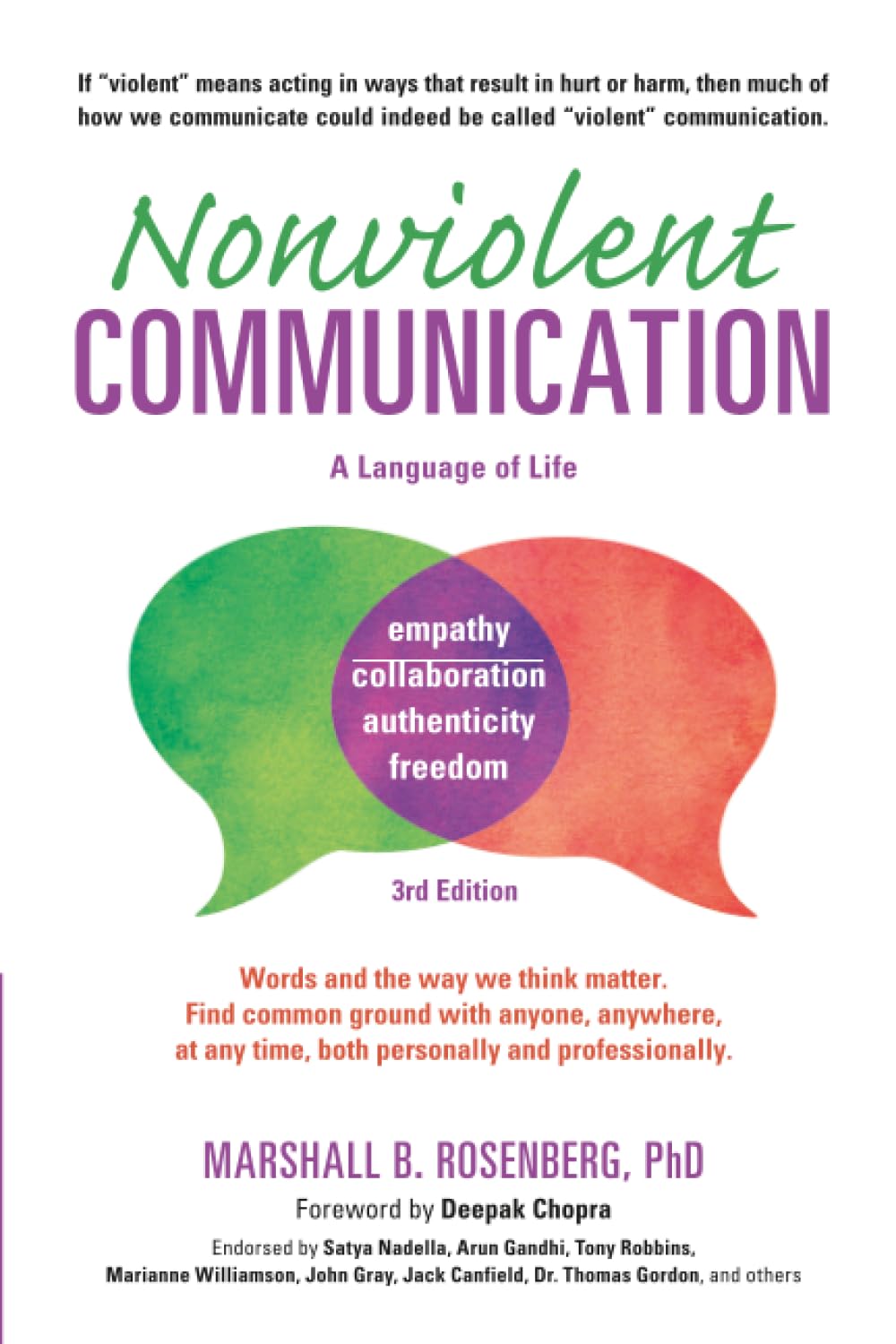
Nonviolent Communication by clinical psychologist Marshall B. Rosenberg provides a transformative framework for resolving interpersonal conflict with radical empathy and honesty. Rosenberg replaces moralistic judgments, demands, and blame with a four-part communication model: observations, feelings, needs, and concrete requests. This powerful interpersonal methodology allows readers to de-escalate hostility and achieve compassionate relational harmony.
- Differentiates objective behavioral observations from subjective and inflammatory moralistic judgments.
- Connects difficult emotional reactions to unmet, universal core human psychological needs.
- Teaches readers how to make clear, actionable, and empathic interpersonal requests.
23. Daring Greatly — Brené Brown
Daring Greatly by qualitative researcher Brené Brown dispels the cultural myth that vulnerability is a sign of weakness, demonstrating instead that it is the accurate measure of human courage. Based on twelve years of research on shame, empathy, and authenticity, Brown reveals that guarding against vulnerability produces social disconnection, perfectionism, and numbing behaviors. By practicing wholehearted living and shame resilience, readers discover the courage to build deep, authentic interpersonal trust.
- Exposes perfectionism as a defensive shield against underlying shame and unworthiness.
- Outlines the ten guideposts for cultivating wholehearted daily living practices.
- Demonstrates that vulnerability serves as the birthplace of creativity, love, and belonging.
24. Quiet: The Power of Introverts in a World That Can’t Stop Talking — Susan Cain
Quiet by Susan Cain combines cultural history, personality psychology, and neuroscience to challenge the dominant Extrovert Ideal of Western society. Cain illuminates how the nervous systems of introverts are more reactive to external stimulation, explaining their need for quiet environments, deep contemplation, and solo creative work. This empowering volume provides introverts and extroverts alike with strategies to leverage introverted leadership strengths.
- Explores the biological and neurochemical basis of introverted nervous system reactivity.
- Challenges corporate and educational models that overvalue extroverted superficial charisma.
- Offers practical advice for introverts to navigate networking, public speaking, and interpersonal collaboration.
Books on Mindset, Growth, and Existential Philosophy
How we frame our capabilities, embrace personal agency, and confront existential limits fundamentally determines our psychological development. These influential works combine empirical psychology, Adlerian psychotherapy, and humanistic psychological philosophy to help you build an enduring growth mindset and live with authentic purpose.
25. Mindset: The New Psychology of Success — Carol S. Dweck
Mindset: The New Psychology of Success by Stanford psychologist Carol S. Dweck introduces the transformative distinction between a fixed mindset and a growth mindset. Dweck shows that believing abilities are fixed traits creates defensiveness, risk aversion, and fear of failure, whereas understanding that intelligence can be developed through effort and learning fosters resilience. This book provides practical tools to cultivate a growth-oriented personal mindset.
- Distinguishes between a fixed mindset and an adaptable, resilient growth mindset orientation.
- Shows how praising effort rather than intelligence fosters sustained educational perseverance.
- Provides actionable strategies for reframing mistakes as vital catalysts for cognitive growth.
26. The Courage to Be Disliked — Ichiro Kishimi and Fumitake Koga
The Courage to Be Disliked by Ichiro Kishimi and Fumitake Koga translates the profound clinical theories of 19th-century psychologist Alfred Adler into a compelling philosophical dialogue between a philosopher and a youth. Adlerian psychology asserts that all problems are interpersonal relationship problems, and that emotional freedom requires the separation of tasks—refusing to live to satisfy others’ expectations. This liberating text equips readers to embrace radical personal responsibility and autonomy.
- Introduces Adlerian psychology’s separation of tasks to eliminate unnecessary social anxiety.
- Rejects past trauma determinism in favor of an empowered teleological life view.
- Explains why the courage to be disliked is essential for authentic individual freedom.
27. On Becoming a Person: A Therapist’s View of Psychotherapy — Carl R. Rogers
On Becoming a Person is the definitive work of humanistic psychologist Carl Rogers, the father of person-centered therapy. Rogers outlines the core conditions necessary for positive therapeutic change: unconditional positive regard, empathic understanding, and congruence. By showing how safe, accepting therapeutic relationships allow individuals to shed rigid protective masks, Rogers illustrates the path toward becoming a fully functioning human being.
- Outlines the core therapeutic conditions of empathy, congruence, and unconditional positive regard.
- Describes the characteristics and self-trust of the fully functioning personality type.
- Provides a profound philosophy of human growth based on the innate actualizing tendency.
28. The Gift of Therapy — Irvin D. Yalom
The Gift of Therapy by master psychiatrist and existential psychotherapist Irvin D. Yalom offers eighty-five concise, compassionate clinical reflections for therapists and self-reflective readers. Yalom highlights the primacy of the therapeutic relationship, the here-and-now focus of dialogue, and the ultimate concerns of human existence: death, freedom, existential isolation, and meaninglessness. This wise and generous book illuminates how genuine human encounter fosters deep psychological healing.
- Emphasizes the therapeutic alliance as the primary vehicle of transformative clinical change.
- Examines how confronting mortality and existential isolation enriches daily emotional vitality.
- Encourages honest, here-and-now interpersonal communication to dissolve habitual defensive posturing.
29. Drive: The Surprising Truth About What Motivates Us — Daniel H. Pink
Drive: The Surprising Truth About What Motivates Us by Daniel H. Pink examines the science of human motivation, dismantling the traditional carrot-and-stick approach of extrinsic rewards. Drawing on self-determination theory established by Edward Deci and Richard Ryan, Pink demonstrates that sustainable high performance and creativity are driven by three intrinsic psychological needs: autonomy (the desire to direct our own lives), mastery (the urge to get better at something that matters), and purpose (the yearning to do what we do in service of something larger than ourselves). This book provides an essential framework for cultivating intrinsic motivation.
- Exposes the hidden costs and limitations of traditional extrinsic carrot-and-stick incentives.
- Defines the three pillars of intrinsic motivation: autonomy, mastery, and purpose.
- Provides actionable tools to redesign workplaces, learning environments, and personal growth routines.
30. Maybe You Should Talk to Someone — Lori Gottlieb
Maybe You Should Talk to Someone by psychotherapist Lori Gottlieb offers a candid, witty, and moving backstage pass into the psychotherapy room. Gottlieb weaves together the stories of four diverse patients with her own experience of entering therapy following a sudden romantic crisis. By humanizing the therapeutic process, Gottlieb demystifies mental healthcare, showing that our common human vulnerabilities and defenses are shared by clinicians and patients alike.
- Demystifies the psychotherapeutic process through engaging and empathetic clinical storytelling.
- Examines common defense mechanisms that individuals use to evade underlying emotional pain.
- Illustrates how courageous self-examination leads to profound interpersonal and emotional growth.
Books on Positive Psychology, Well-Being, and Happiness Science
Modern psychology has expanded beyond the alleviation of mental pathology to explore what makes life genuinely flourishing, joyful, and fulfilling. These evidence-based volumes investigate the scientific foundations of happiness, cognitive forecasting, and positive psychology research to help you construct a rich, resilient life.
31. Authentic Happiness — Martin E. P. Seligman
Authentic Happiness by Martin E. P. Seligman, the father of positive psychology, outlines a scientific approach to cultivating lasting well-being. Seligman argues that happiness is not a fleeting emotional state, but the result of identifying and utilizing signature character strengths like curiosity, gratitude, and integrity. By distinguishing between the pleasant life, the good life, and the meaningful life, Seligman provides validated exercises to elevate your enduring psychological well-being.
- Establishes the scientific foundation and empirical methods of positive clinical psychology.
- Provides self-assessment tools to identify and deploy individual signature character strengths.
- Delineates pathways to move beyond temporary pleasure toward deep existential fulfillment.
32. Stumbling on Happiness — Daniel Gilbert

Stumbling on Happiness by Harvard psychologist Daniel Gilbert explores affective forecasting—the science of how poorly humans predict what will make them happy in the future. Gilbert reveals how cognitive illusions, memory distortions, and the brain’s tendency to fill in imaginary details lead us to misjudge our future emotional reactions. Understanding these forecasting errors helps readers make wiser choices and avoid misguided hedonic pursuits.
- Explains the cognitive mechanisms behind affective forecasting and emotional prediction errors.
- Reveals how the psychological immune system rationalizes outcomes and restores emotional baseline.
- Offers empirical insights to align daily expectations with genuine emotional satisfaction.
33. The Happiness Hypothesis — Jonathan Haidt
The Happiness Hypothesis by social psychologist Jonathan Haidt examines ten great ancient philosophical truths through the lens of contemporary psychological science. Haidt introduces his famous metaphor of the divided self: the conscious, rational mind as a rider attempting to guide the much larger, instinctual elephant of emotions. By exploring the roles of virtue, attachment, adversity, and transcendence, Haidt reveals how happiness emerges from harmony between rider and elephant.
- Introduces the influential divided mind metaphor of the rider and the instinctual elephant.
- Examines the psychological benefits and limits of the ancient philosophical reciprocity norm.
- Demonstrates how cultivating meaningful work and loving relationships creates vital human engagement.
34. Influence: The Psychology of Persuasion — Robert B. Cialdini
Influence: The Psychology of Persuasion by behavioral scientist Robert B. Cialdini is the seminal work on social psychology and compliance. Cialdini identifies the six universal principles of ethical and unethical persuasion: reciprocity, commitment and consistency, social proof, liking, authority, and scarcity. This foundational text not only teaches readers how to communicate persuasively, but also serves as an essential defense manual against manipulative social engineering tactics.
- Deconstructs the six universal psychological principles governing human social compliance.
- Explains how automatic behavioral compliance triggers operate in marketing and negotiation.
- Provides practical strategies to identify and defend against deceptive persuasion attempts.
35. Switch: How to Change Things When Change Is Hard — Chip Heath and Dan Heath
Switch: How to Change Things When Change Is Hard by Chip Heath and Dan Heath synthesizes behavioral psychology and organizational dynamics into a practical framework for personal and institutional change. Building on Jonathan Haidt’s rider and elephant framework, the Heath brothers show that successful change requires directing the rational Rider, motivating the emotional Elephant, and shaping the external Path. This pragmatic guide empowers readers to implement frictionless behavioral transformations.
- Provides a three-part framework to direct the rational Rider and motivate the emotional Elephant.
- Demonstrates how environmental adjustments shape the Path for effortless habit execution.
- Shares real-world case studies of overcoming deeply ingrained behavioral and organizational inertia.
36. When Breath Becomes Air — Paul Kalanithi
When Breath Becomes Air is the unforgettable posthumous memoir of neurosurgeon Paul Kalanithi, who was diagnosed with stage IV lung cancer at the pinnacle of his medical training. Navigating the profound transition from treating dying patients to facing his own mortality, Kalanithi investigates the intersection of neuroscience, existential philosophy, and literature. This deeply moving book challenges readers to reflect on what makes human life meaningful in the face of inevitable existential mortality.
- Explores the philosophical and medical intersection of neuroscience, meaning, and human mortality.
- Reflects on the transition from clinical physician to a vulnerable existential patient.
- Provides profound insights on living with courage, purpose, and deep philosophical authenticity.
How to Select the Best Psychology Books for Your Goals
With dozens of exceptional psychology books available, choosing where to begin your reading journey requires identifying your immediate emotional needs and intellectual objectives. Selecting books that directly target your current developmental challenges ensures that reading yields actionable behavioral insights rather than passive information consumption. Clinical psychologist Carl Rogers consistently noted that therapeutic progress accelerates when individuals engage with concepts that mirror their active internal questions.
To help you determine the optimal starting point, consider this structured reading diagnostic overview:
| Primary Self-Improvement Goal | Top Recommended Titles |
|---|---|
| Mastering decision-making and cognitive biases | Thinking, Fast and Slow; Predictably Irrational |
| Building positive habits and sustained willpower | Atomic Habits; The Power of Habit; Grit |
| Healing trauma and managing anxiety | The Body Keeps the Score; Rewire Your Anxious Brain |
| Improving relationships and communication | Attached; The Seven Principles; Nonviolent Communication |
| Cultivating growth mindset and self-worth | Mindset; The Courage to Be Disliked; Daring Greatly |
| Discovering meaning and flourishing | Man’s Search for Meaning; Authentic Happiness; Flow |
By tailoring your reading list to your specific emotional and cognitive goals, you will build an evidence-based foundation to transform psychological theory into tangible personal growth.
Evidence-Based Practices to Apply Psychological Insights Daily
Reading psychology creates lasting life improvement only when conceptual understanding translates into structured, daily behavioral practices. Translating scientific insights into everyday habits requires deliberate routines that bridge the gap between cognitive comprehension and visceral implementation. Psychiatrist Viktor Frankl emphasized that self-transcendence and intentional action are necessary to turn psychological knowledge into sustainable life transformation.
To integrate the core lessons from these 36 volumes into your daily routine, practice these five evidence-based psychological disciplines:
- Keep a daily thought record to identify and dispute automatic cognitive distortions.
- Implement environmental design strategies to support frictionless positive habit loops.
- Engage in daily somatic down-regulation exercises to soothe autonomic nervous system hyperarousal.
- Practice non-defensive communication scripts to nurture secure interpersonal attachment bonds.
- Conduct weekly values alignment audits to ensure your actions reflect intrinsic motivational goals.
Consistently practicing these psychological disciplines helps you overcome emotional reactivity, cultivate deep resilience, and achieve long-term psychological flourishing.
FAQs about Psychology Books That Improve Your Life
What is the best psychology book for a complete beginner?
For individuals new to the study of psychology, Atomic Habits by James Clear and Man’s Search for Meaning by Viktor Frankl serve as the most accessible and transformative entry points. Clear’s work distills complex cognitive and behavioral research into a highly practical four-step system for building positive routines and eliminating self-sabotage without requiring background knowledge. Frankl’s timeless memoir introduces profound existential concepts through an unforgettable personal narrative, teaching readers how to discover resilience, dignity, and purpose in any life circumstance. Both titles provide immediate, practical insights that resonate deeply with general readers and academic students alike.
Can reading psychology books replace professional psychotherapy?
While reading evidence-based psychology books provides powerful psychoeducation, self-reflection tools, and cognitive strategies, it is not a substitute for professional mental health diagnosis, clinical psychotherapy, or emergency psychiatric care. Books offer generalized frameworks and self-directed exercises that can significantly enhance daily functioning, emotional literacy, and habit formation. However, personalized clinical therapy provides an attuned therapeutic relationship, immediate corrective emotional experiences, and individualized trauma processing that books alone cannot replicate. If you are experiencing severe depression, debilitating panic, PTSD, or relationship crises, working with a licensed clinician remains essential.
How does Cognitive Behavioral Therapy (CBT) work in self-help reading?
Cognitive Behavioral Therapy operates on the empirically verified premise that our thoughts, feelings, and behaviors are inextricably interconnected. Books like David Burns’s Feeling Good teach readers to identify automatic cognitive distortions—such as catastrophizing, mind reading, and emotional reasoning—and subject them to rational, evidence-based inquiry. By writing down negative automatic thoughts and formulating objective, balanced alternative thoughts, readers structurally modify their neural appraisal pathways. This self-directed cognitive restructuring helps alleviate acute emotional distress, reduces depressive rumination, and fosters adaptive behavioral choices across daily life situations.
What is the difference between pop psychology and evidence-based psychology books?
Pop psychology books frequently rely on anecdotal stories, simplistic life hacks, unverified claims, and exaggerated promises of overnight transformation without empirical scientific validation. In contrast, evidence-based psychology books are authored by credentialed clinicians, researchers, and rigorous science communicators who base their insights on peer-reviewed longitudinal studies, neuroimaging data, and established clinical frameworks like CBT, ACT, and attachment theory. Evidence-based works acknowledge the complexity of human behavior, present nuanced perspectives on mental health challenges, and offer realistic, empirically tested methodologies for sustainable personal growth rather than superficial quick fixes.
How can I ensure I retain and apply what I read in psychology books?
To retain and effectively implement psychological insights, approach reading as an active study and application process rather than passive consumption. Keep a dedicated growth journal where you summarize core concepts in your own words, note immediate emotional reactions, and complete the practical exercises outlined in each chapter. Choose one specific behavioral intervention or communication technique from the book to test in your daily routine for two full weeks before moving on to new material. Reviewing your written notes periodically and discussing the concepts with a partner or therapist significantly enhances long-term cognitive integration.
Which psychology book is best for improving romantic relationships?
The two most universally recommended volumes for transforming romantic relationships are Attached by Amir Levine and Rachel Heller, and The Seven Principles for Making Marriage Work by John Gottman and Nan Silver. Attached provides a clear roadmap to understanding your own and your partner’s attachment styles, explaining why certain relational dynamics trigger chronic anxiety or emotional withdrawal. Gottman’s book delivers practical, research-backed exercises derived from decades of observing couples in clinical laboratories, showing you exactly how to de-escalate destructive conflicts, eliminate contempt, and foster lasting emotional fondness and mutual trust.
Bibliography
- Ariely, D. (2008). Predictably Irrational: The Hidden Forces That Shape Our Decisions. HarperCollins.
- Beck, A. T. (1979). Cognitive Therapy of Depression. Guilford Press.
- Brown, B. (2012). Daring Greatly: How the Courage to Be Vulnerable Transforms the Way We Live, Love, Parent, and Lead. Gotham Books.
- Burns, D. D. (1980). Feeling Good: The New Mood Therapy. William Morrow and Company.
- Cialdini, R. B. (1984). Influence: The Psychology of Persuasion. William Morrow and Company.
- Clear, J. (2018). Atomic Habits: An Easy & Proven Way to Build Good Habits & Break Bad Ones. Avery.
- Csikszentmihalyi, M. (1990). Flow: The Psychology of Optimal Experience. Harper & Row.
- Duckworth, A. (2016). Grit: The Power of Passion and Perseverance. Scribner.
- Duhigg, C. (2012). The Power of Habit: Why We Do What We Do in Life and Business. Random House.
- Dweck, C. S. (2006). Mindset: The New Psychology of Success. Random House.
- Ellenberger, H. F. (1970). The Discovery of the Unconscious: The History and Evolution of Dynamic Psychiatry. Basic Books.
- Ericsson, A., & Pool, R. (2016). Peak: Secrets from the New Science of Expertise. Eamon Dolan/Houghton Mifflin Harcourt.
- Frankl, V. E. (1959). Man’s Search for Meaning. Beacon Press.
- Gilbert, D. (2006). Stumbling on Happiness. Alfred A. Knopf.
- Goleman, D. (1995). Emotional Intelligence: Why It Can Matter More Than IQ. Bantam Books.
- Gottman, J. M., & Silver, N. (1999). The Seven Principles for Making Marriage Work. Crown Publishers.
- Haidt, J. (2006). The Happiness Hypothesis: Finding Modern Truth in Ancient Wisdom. Basic Books.
- Johnson, S. (2008). Hold Me Tight: Seven Conversations for a Lifetime of Love. Little, Brown and Company.
- Kahneman, D. (2011). Thinking, Fast and Slow. Farrar, Straus and Giroux.
- Kishimi, I., & Koga, F. (2013). The Courage to Be Disliked. Diamond, Inc./Atria Books.
- Levine, A., & Heller, R. (2010). Attached: The New Science of Adult Attachment and How It Can Help You Find—and Keep—Love. TarcherPerigee.
- McGonigal, K. (2012). The Willpower Instinct: How Self-Control Works, Why It Matters, and What You Can Do to Get More of It. Avery.
- Neff, K. (2011). Self-Compassion: The Proven Power of Being Kind to Yourself. William Morrow.
- Pittman, C. M., & Karle, E. M. (2015). Rewire Your Anxious Brain: How to Use the Neuroscience of Fear to End Anxiety, Panic, and Worry. New Harbinger Publications.
- Rogers, C. R. (1961). On Becoming a Person: A Therapist’s View of Psychotherapy. Houghton Mifflin.
- Rosenberg, M. B. (1999). Nonviolent Communication: A Language of Life. PuddleDancer Press.
- Seligman, M. E. P. (2002). Authentic Happiness: Using the New Positive Psychology to Realize Your Potential for Lasting Fulfillment. Free Press.
- van der Kolk, B. (2014). The Body Keeps the Score: Brain, Mind, and Body in the Healing of Trauma. Viking.
- Walker, P. (2013). Complex PTSD: From Surviving to Thriving. Azure Coyote Publishing.
- Yalom, I. D. (2002). The Gift of Therapy: An Open Letter to a New Generation of Therapists and Their Patients. HarperCollins.
Use this citation format to reference the article clearly and help readers find the original source.
PsychologyFor. (2026). 36 Psychology Books That Will Help You Improve Your Life. PsychologyFor. https://psychologyfor.com/36-psychology-books-that-will-help-you-improve-your-life/