


See more of our articles in your search results.
You stand in front of a crowded bookstore display in mid-December, staring at endless rows of generic self-help guides, wondering what on earth you could possibly buy for a professional psychologist that they haven’t already read during graduate school. That gift-buying anxiety is completely justified. Mental health practitioners spend their working days immersed in complex human suffering, diagnostic criteria, and therapeutic literature, which makes standard inspirational titles feel superficial or patronizing. It is not an impossible task. Rather, it requires choosing literature that honors the emotional reality of clinical psychological practice.
The best gifts for psychologists are not dry academic manuals or basic pop-psychology listicles. Instead, they are deeply humane, beautifully written masterworks that explore the art of therapy, the vulnerability of the practitioner, the astonishing intricacies of the human brain, and the enduring search for meaning. Therapists carry an immense emotional load throughout the year, navigating client trauma, systemic barriers, and the quiet weight of holding other people’s pain without judgment. Giving a book that validates their clinical calling, recharges their empathy, and celebrates human resilience offers a profoundly meaningful gesture of care. Selecting the right volume provides a restorative, intellectually enriching holiday gift.
Which books genuinely resonate with practicing psychologists rather than repeating superficial clinical clichés?
This comprehensive guide details 5 books to give to a psychologist for Christmas, reviewing celebrated memoirs, existential psychotherapy masterworks, narrative clinical neurology tales, and compassionate professional reflections that every mental health practitioner will treasure.
5 Books to Give to a Psychologist for Christmas
Verified Top Picks- 1
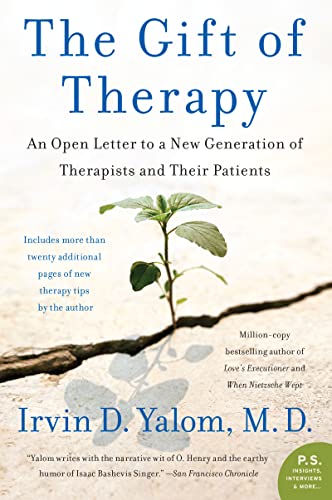 Irvin D. YalomThe Gift of Therapy85 practical, warm clinical insights from a master therapist on presence, transparency, and the here-and-nowCHECK TODAY'S PRICE
 - 2
 Lori GottliebMaybe You Should Talk to SomeoneA hilarious, deeply vulnerable bestselling memoir exploring the shared humanity of therapist and clientCHECK TODAY'S PRICE
 - 3
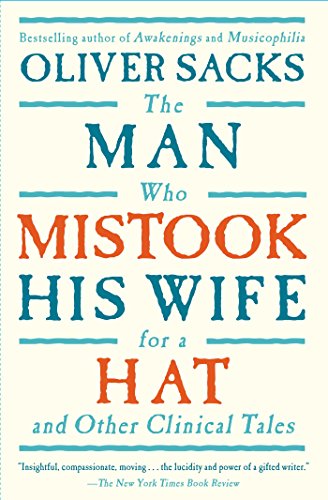 Oliver SacksThe Man Who Mistook His Wife for a HatUnforgettable, empathetic clinical neurology case studies exploring human dignity, perception, and identityCHECK TODAY'S PRICE
 - 4
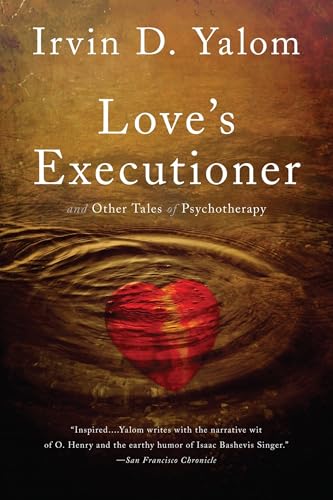 Irvin D. YalomLove's Executioner: & Other Tales10 gripping, radically honest case studies examining existential dread, countertransference, and changeCHECK TODAY'S PRICE
 - 5
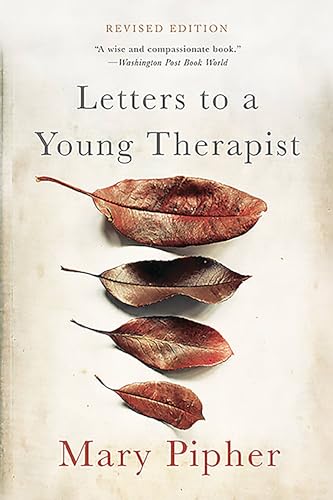 Mary PipherLetters to a Young TherapistWarm, nurturing epistolary wisdom on secondary trauma, boundaries, longevity, and clinical self-careCHECK TODAY'S PRICE
Why Gifting Books to Mental Health Professionals Requires Thoughtful Curation
Gifting books to psychologists requires moving beyond surface-level self-help because trained clinicians evaluate literature through a sophisticated diagnostic and theoretical lens. A book that promises instant happiness through positive affirmations will likely be met with polite skepticism from someone who treats severe clinical depression daily.
Humanistic psychologist Carl R. Rogers demonstrated that genuine therapeutic healing depends on authentic relational presence, empathy, and congruence rather than mechanical technique alone. Practicing clinicians deeply appreciate literature that reflects this relational truth—works that honestly portray the doubts, breakthroughs, and emotional vulnerabilities of sitting in the therapist’s chair. Books that capture this humanistic depth serve as nourishing companions for busy clinical practitioners.
Furthermore, psychologists frequently experience vicarious traumatization and emotional depletion after months of intensive casework. A thoughtfully chosen book should offer psychological renewal, inviting the practitioner to step back from administrative demands and reconnect with the profound beauty of their calling. High-quality clinical literature acts as a gentle sanctuary, restoring empathetic professional vitality.
Moreover, gifting literature that speaks directly to a psychologist’s interior world validates the silent, invisible labor of clinical practice. While clients frequently express gratitude at the conclusion of successful treatment, therapists rarely receive intentional acknowledgement from friends and family regarding the sheer emotional weight they carry throughout the year. Presenting a beautifully bound edition of a psychological classic communicates deep respect, signaling that you recognize and appreciate the profound emotional devotion required by professional mental health practice.
- Trained psychologists require literature that respects clinical nuance rather than oversimplified self-help slogans.
- Clinicians value memoirs and essays that honestly depict the vulnerabilities of the therapeutic chair.
- Thoughtfully selected books provide restorative relief against compassion fatigue and burnout.
- Literary narratives celebrating human resilience renew a therapist’s passion for clinical healing.
The 5 Best Books to Gift a Psychologist for the Holidays
The following five selections represent the premier literary masterworks that combine intellectual rigor, literary brilliance, and deep clinical empathy, making them the ultimate holiday gifts for practicing psychologists and therapists.
1. The Gift of Therapy: An Open Letter to a New Generation of Therapists and Their Patients — Irvin D. Yalom
The Gift of Therapy by Irvin D. Yalom distills eighty-five practical, warm, and transparent insights from a lifetime of existential clinical practice into an intimate mentorship for practitioners.
Stanford psychiatrist Irvin D. Yalom explores the vital importance of the here-and-now therapeutic relationship, therapist self-disclosure, and addressing existential anxieties directly in session. He strips away clinical jargon, demonstrating how authentic human connection catalyzes genuine psychological change.
This classic volume serves as a comforting, empowering mentorship guide that rejuvenates a therapist’s dedication to clinical authenticity.
For mental health practitioners navigating the isolation of private practice, this volume operates as a rejuvenating supervision session with a wise, generous mentor. Yalom encourages therapists to discard rigid procedural pretenses and embrace spontaneous, authentic encounters that validate the patient’s existential agency. Gifting this book offers both reassurance and practical clinical wisdom for deepening the therapeutic alliance.
- Delivers an intimate, masterfully written exploration of clinical psychological practice.
- Validates the emotional and relational realities of professional therapeutic care.
- Provides clinicians with enduring inspiration, insight, and rejuvenating professional perspective.
2. Maybe You Should Talk to Someone: A Therapist, HER Therapist, and Our Lives Revealed — Lori Gottlieb
Maybe You Should Talk to Someone by Lori Gottlieb is a hilarious, deeply vulnerable, and bestselling memoir that chronicles a psychotherapist’s journey when a sudden personal crisis leads her to seek therapy herself.
Lori Gottlieb weaves the stories of four diverse clients alongside her own sessions with an eccentric therapist named Wendell. The book brilliantly captures the universal truth that therapists are human beings navigating the same grief, heartbreak, and uncertainty as their clients, illustrating the transformative power of vulnerable relational therapy.
Written with extraordinary wit and empathy, this memoir provides psychologists with an entertaining, validating portrait of everyday therapeutic humanity.
Beyond its comedic brilliance, Gottlieb’s narrative offers profound clinical insight into the universal defenses, blind spots, and rationalizations that humans use to avoid emotional pain. Clinicians will appreciate the nuanced depictions of client breakthroughs, the exploration of therapeutic boundaries, and the reminder that healing occurs within relationship. It serves as an uplifting celebration of the empathetic human connection in therapy.
- Delivers an intimate, masterfully written exploration of clinical psychological practice.
- Validates the emotional and relational realities of professional therapeutic care.
- Provides clinicians with enduring inspiration, insight, and rejuvenating professional perspective.
3. The Man Who Mistook His Wife for a Hat: And Other Clinical Tales — Oliver Sacks
The Man Who Mistook His Wife for a Hat by Oliver Sacks is the timeless classic of narrative neurology that explores the extraordinary, poetic, and bizarre worlds of individuals living with perceptual and cognitive neurological conditions.
Neurologist Oliver Sacks recounts twenty-four clinical case studies of patients with visual agnosia, Tourette’s syndrome, amnesia, and phantom limbs. Rather than treating patients as clinical curiosities, Sacks portrays each person with immense dignity, exploring how the human psyche adapts creatively to profound neurological deficits to preserve individual human identity.
This literary masterpiece remains an essential gift that celebrates the profound mystery and resilience of the human cognitive architecture.
Sacks’s compassionate neurological portraits demonstrate that clinical practice is fundamentally an act of human witness and empathetic curiosity. Practitioners reading these classic case studies are reminded to look beyond diagnostic symptom checklists to discover the resilient individual adapting to neurological disorganization. It is an extraordinary gift that inspires holistic clinical empathy.
- Delivers an intimate, masterfully written exploration of clinical psychological practice.
- Validates the emotional and relational realities of professional therapeutic care.
- Provides clinicians with enduring inspiration, insight, and rejuvenating professional perspective.
4. Love’s Executioner: & Other Tales of Psychotherapy — Irvin D. Yalom
Love’s Executioner by Irvin D. Yalom delivers ten gripping, honest, and unforgettable case histories exploring how patients and therapists alike grapple with the four ultimate existential concerns: death, freedom, isolation, and meaninglessness.
Yalom writes with radical candor about his own clinical countertransference, initial biases, and internal struggles during therapy sessions. By exposing the therapist’s internal world alongside the patient’s breakthroughs, Yalom creates a masterclass in clinical empathy, demonstrating how confronting existential dread enables profound psychological transformation.
This gripping volume is widely cherished by mental health professionals as one of the most compelling works of narrative existential psychotherapy ever written.
This masterwork provides practicing psychologists with a rare, invaluable glimpse into the raw internal conflicts that seasoned therapists experience during challenging sessions. Yalom’s willingness to examine his own countertransference encourages practitioners to cultivate profound self-honesty, transforming personal vulnerabilities into instruments for transformative clinical insight.
- Delivers an intimate, masterfully written exploration of clinical psychological practice.
- Validates the emotional and relational realities of professional therapeutic care.
- Provides clinicians with enduring inspiration, insight, and rejuvenating professional perspective.
5. Letters to a Young Therapist — Mary Pipher
Letters to a Young Therapist by Mary Pipher offers a series of warm, wise, and comforting epistolary essays from a seasoned psychologist sharing thirty years of clinical wisdom with the next generation of practitioners.
Mary Pipher explores the emotional hazards of the profession—including secondary trauma, moral exhaustion, and boundary maintenance—while providing grounding advice on cultivating hope, balancing personal life, and creating sanctuary spaces for healing. Her gentle, maternal voice reminds therapists to tend to their own well-being while holding space for others, modeling sustainable clinical self-care.
This nurturing handbook makes the quintessential holiday gift, offering weary clinicians a heartfelt source of enduring professional encouragement.
Pipher’s essays offer essential guidance on navigating the complex emotional boundaries, moral distress, and secondary trauma inherent in community mental health and private practice. Her grounding reflections provide weary therapists with practical strategies for sustaining empathy, avoiding cynicism, and protecting their own mental well-being. It is a nurturing, indispensable volume for sustaining lifelong clinical passion.
- Delivers an intimate, masterfully written exploration of clinical psychological practice.
- Validates the emotional and relational realities of professional therapeutic care.
- Provides clinicians with enduring inspiration, insight, and rejuvenating professional perspective.
Comparative Overview of the 5 Recommended Holiday Book Gifts
To help you select the ideal gift tailored to your recipient’s specific clinical interests and career stage, the following comparative table outlines the primary themes, emotional tone, and ideal practitioner audience for each volume.
| Book Title & Author | Core Theme & Narrative Tone | Ideal Practitioner Recipient |
|---|---|---|
| The Gift of Therapy (Irvin D. Yalom) | Practical clinical mentorship, therapist transparency, and existential focus | Early-career therapists, counseling students, and private practitioners |
| Maybe You Should Talk to Someone (Lori Gottlieb) | Humorous, vulnerable memoir exploring the therapist’s own humanity | Practicing clinicians seeking comedic validation, empathy, and relatable storytelling |
| The Man Who Mistook His Wife for a Hat (Oliver Sacks) | Poetic clinical neurology case studies exploring human dignity and identity | Neuropsychologists, cognitive scientists, and lovers of medical literature |
| Love’s Executioner (Irvin D. Yalom) | Radically honest existential case studies deconstructing countertransference | Experienced psychotherapists, psychoanalytic clinicians, and existential thinkers |
| Letters to a Young Therapist (Mary Pipher) | Warm, nurturing epistolary wisdom on professional longevity and self-care | Burnt-out practitioners, recent graduates, and community mental health workers |
As outlined in the comparative table above, each book serves a distinct emotional and professional purpose. Choosing a volume that aligns with a clinician’s current career stage transforms a simple holiday present into a deeply meaningful gesture of professional recognition.
Why Clinicians Need Restorative Literature: Mitigating Vicarious Trauma
Psychologists and clinical social workers operate in high-intensity professional environments where daily exposure to traumatic narratives places them at severe risk for secondary traumatic stress. Psychiatrist Bessel van der Kolk demonstrated that bearing witness to human trauma produces somatic and emotional strain that accumulates silently within the practitioner’s nervous system over time.
When clinicians spend forty hours each week holding space for acute grief, abuse, and psychiatric crises, their internal capacity for empathy can become severely depleted. Reading restorative literature that portrays the therapeutic journey with warmth, wit, and vulnerability serves as a vital protective buffer, preventing compassion fatigue from turning into chronic clinical burnout.
Gifting a book that speaks to the shared humanity of the profession reminds psychologists that they are part of an enduring lineage of healers. It validates the silent struggles of the consulting room, providing a safe cognitive space to process professional vulnerability and cultivate sustainable emotional groundedness.
- Secondary traumatic stress accumulates unconsciously when holding space for severe client trauma.
- Restorative literature provides a cognitive sanctuary that mitigates compassion fatigue and burnout.
- Reading reflective memoirs validates the hidden emotional challenges of professional clinical practice.
- Engaging with masterworks of therapeutic empathy recharges a clinician’s empathetic nervous system.
Creative Gift Pairing Ideas to Accompany a Book for a Psychologist
Pairing a thoughtfully selected book with sensory, restorative items creates a complete holiday self-care package that encourages a busy clinician to unplug and recharge during the winter break. Therapists spend their days attending to others; giving them tools for personal comfort honors their daily emotional labor.
Consider pairing Lori Gottlieb’s witty memoir with high-quality artisanal herbal teas and a temperature-controlled ceramic mug, creating an inviting atmosphere for quiet winter afternoon reading. For a psychologist receiving Oliver Sacks’s neurological classic, pairing the volume with an elegant fountain pen and a leather-bound journal encourages reflective writing and clinical thought processing.
Furthermore, pairing Mary Pipher’s nurturing essays with an organic aromatherapy candle or a weighted relaxation neck wrap provides physical comfort that counteracts the somatic tension therapists frequently carry in their shoulders after long clinical days. A holistic gift bundle transforms reading into a dedicated restorative mindfulness practice.
- Pair clinical memoirs with calming herbal teas and thermal drinkware to create a cozy reading sanctuary environment.
- Combine narrative case studies with archival notebooks and fountain pens for reflective clinical journaling.
- Include soothing aromatherapy candles or weighted neck wraps to support somatic nervous system relaxation.
- Add a heartfelt handwritten note acknowledging and appreciating the recipient’s dedicated healing work.
The Historical Legacy of Narrative Medicine and Clinical Case Writing
The tradition of narrative clinical writing occupies a prestigious place in the history of psychology and neurology, tracing its lineage from Sigmund Freud’s psychoanalytic case studies to Oliver Sacks’s compassionate medical portraits. Understanding this literary heritage helps gift-givers appreciate why clinicians treasure narrative works over sterile clinical summaries.
In contemporary evidence-based practice, clinical training is increasingly dominated by standardized diagnostic checklists, manualized treatment protocols, and insurance reimbursement paperwork. While empirical rigor is essential for patient safety, overemphasizing bureaucratic metrics can strip clinical work of its narrative soul. Great clinical literature resurrects the rich, subjective depth of human suffering, reminding psychologists that every symptom emerges within a complex individual life story.
When psychologists read masterworks of clinical storytelling, they engage in a specialized form of professional replenishment. These books demonstrate how seasoned masters navigate ethical dilemmas, manage countertransference, and maintain therapeutic humility when facing intractable suffering. Gifting narrative psychology literature honors the therapist’s intellectual heritage, providing an inspiring reminder of the artistry within clinical science.
- Narrative case writing preserves the subjective, humanistic depth of clinical psychological practice.
- Literary case studies counterbalance the sterile reductionism of bureaucratic diagnostic checklists.
- Masterful clinical storytelling models ethical maturity, empathy, and practitioner therapeutic humility.
- Reading narrative medicine reconnects psychologists with the rich intellectual lineage of psychotherapy.
How Holiday Reading Promotes Therapist Self-Compassion and Rest
The winter holidays often coincide with heightened clinical demand, as clients navigate seasonal depression, complex family dynamics, and year-end grief. Consequently, psychologists frequently arrive at the holiday break in a state of profound emotional exhaustion, needing deliberate practices to restore their internal emotional reserves.
Psychologist Kristin Neff demonstrated through extensive empirical research that self-compassion—treating oneself with kindness, recognizing common humanity, and maintaining mindful awareness of suffering—is essential for sustaining empathy and preventing professional burnout. Thoughtfully selected holiday books serve as concrete instruments of self-compassion, giving therapists permission to step out of their analytical professional role and receive comforting intellectual nourishment.
Reading reflective memoirs during the holiday break creates a gentle psychological transition from exhausting clinical responsibility to restorative personal solitude. When a psychologist curls up by a fireplace with a wise, warm volume like Letters to a Young Therapist, the narrative acts as a comforting mentor, normalizing the clinician’s doubts and fostering deep psychological restoration.
- Year-end holiday stressors place heightened demands on a therapist’s empathic listening capacity.
- Self-compassion practices protect mental health professionals against chronic emotional depletion.
- Restorative holiday reading facilitates a gentle transition from clinical work to nourishing personal rest.
- Comforting clinical memoirs provide weary practitioners with validation, hope, and restored professional joy.
When Clinical Burnout Requires Professional Mental Health Care
While engaging with inspiring psychology literature provides profound validation and comfort, self-directed reading cannot substitute for professional mental health care when a clinician is experiencing severe depression, unmanaged secondary trauma, or clinical impairment. Psychologists frequently struggle to seek help for themselves due to professional stigma and the false belief that therapists must remain infinitely emotionally resilient.
If you or a mental health professional you care about is experiencing persistent emotional numbness, chronic dread before seeing clients, intrusive trauma imagery, or severe depressive symptoms lasting more than two consecutive weeks, professional consultation is essential. Specialized modalities like Acceptance and Commitment Therapy (ACT) and Eye Movement Desensitization and Reprocessing (EMDR) provide confidential, evidence-based environments for therapists to process vicarious professional trauma.
Most critically, if a clinician is in acute psychological crisis, experiencing debilitating despair, or having thoughts of self-harm, immediate emergency intervention is vital. In the United States and Canada, immediately call or text 988 to reach the Suicide & Crisis Lifeline, available twenty-four hours a day, seven days a week, completely confidential. Seeking professional therapy during moments of clinical exhaustion is not an admission of professional failure; it is the ultimate act of courageous personal self-advocacy.
- Mental health practitioners face unique barriers when seeking support for professional clinical burnout.
- Confidential modalities like ACT and EMDR help clinicians process accumulated secondary traumatic stress.
- Acute crisis and self-harm ideation demand immediate contact with dedicated crisis support resources.
FAQs about Books to Give to a Psychologist for Christmas
What is the single best book to give a newly graduated psychology student for Christmas?
The Gift of Therapy by Dr. Irvin D. Yalom is universally considered the premier gift for newly graduated psychology students and early-career clinicians. Written as an open letter to the next generation of therapists, Yalom distills decades of clinical wisdom into eighty-five concise, practical, and deeply encouraging chapters. It bridges the gap between sterile academic textbook theory and the messy, human reality of private practice, offering young clinicians immense reassurance, guidance, and inspiration as they begin seeing patients independently.
Is it appropriate to give a clinical psychology textbook as a holiday gift?
Generally, it is best to avoid gifting standard diagnostic manuals (like the DSM-5-TR) or dense clinical textbooks for Christmas unless the recipient has explicitly requested a specific reference text. Textbooks feel like required homework and lack the warmth, narrative engagement, and emotional replenishment appropriate for a holiday present. Instead, choose beautifully written clinical memoirs, narrative case histories, or reflective essays (such as works by Oliver Sacks, Lori Gottlieb, or Irvin Yalom) that celebrate the human art of therapy.
What makes Maybe You Should Talk to Someone such a popular gift for therapists?
Maybe You Should Talk to Someone by Lori Gottlieb is extraordinarily popular among therapists because it humorously and authentically strips away the myth of the “flawless clinician.” By detailing her own experiences sitting on the patient’s couch alongside stories of her clients, Gottlieb validates the universal truth that therapists are ordinary human beings navigating their own grief, relationships, and vulnerabilities. It is warm, funny, moving, and provides clinicians with deep emotional validation.
How do I know if a psychologist already owns these famous books?
Because titles like The Gift of Therapy and The Man Who Mistook His Wife for a Hat are celebrated classics, some experienced psychologists may already own copies. If you are unsure, discreetly check their bookshelf, ask a colleague, or consider gifting a newer acclaimed work like Maybe You Should Talk to Someone or an elegant anniversary edition. Alternatively, pairing the book with a gift receipt ensures your recipient can easily exchange it if they already have it in their library.
Can non-psychologists also enjoy reading these recommended books?
Yes, all five books recommended in this guide were written for broad general readers as well as mental health professionals. Authors like Oliver Sacks, Lori Gottlieb, and Irvin Yalom write with exceptional narrative flair, compelling storytelling, and accessible prose that requires no prior medical or psychological training. Anyone interested in human behavior, emotional resilience, relationship dynamics, and the mysteries of the mind will find these volumes deeply engaging and transformative.
Why do psychologists enjoy reading narrative case histories like Oliver Sacks’s work?
Psychologists love narrative case histories because they illustrate the complexity of human experience far more vividly than statistical research studies. Oliver Sacks approached neurological and psychological conditions with the heart of a poet and the precision of a scientist, treating patients not as diagnostic labels, but as complete human beings creatively adapting to perceptual challenges. His work reminds clinicians why they entered the healing profession, celebrating human dignity and the infinite adaptability of the psyche.
Bibliography
- Neff, K. (2011). Self-Compassion: The Proven Power of Being Kind to Yourself. William Morrow.
- Gottlieb, L. (2019). Maybe You Should Talk to Someone: A Therapist, HER Therapist, and Our Lives Revealed. Houghton Mifflin Harcourt.
- Pipher, M. (2003). Letters to a Young Therapist: Stories of Hope and Healing. Basic Books.
- Rogers, C. R. (1961). On Becoming a Person: A Therapist’s View of Psychotherapy. Houghton Mifflin.
- Sacks, O. (1985). The Man Who Mistook His Wife for a Hat and Other Clinical Tales. Summit Books.
- van der Kolk, B. (2014). The Body Keeps the Score: Brain, Mind, and Body in the Healing of Trauma. Viking Press.
- Yalom, I. D. (1989). Love’s Executioner: & Other Tales of Psychotherapy. Basic Books.
- Yalom, I. D. (2002). The Gift of Therapy: An Open Letter to a New Generation of Therapists and Their Patients. HarperCollins.
Use this citation format to reference the article clearly and help readers find the original source.
PsychologyFor. (2026). 5 Books to Give to a Psychologist for Christmas. PsychologyFor. https://psychologyfor.com/5-books-to-give-to-a-psychologist-for-christmas/