


See more of our articles in your search results.
You touch a pan that’s hotter than expected and your hand yanks back before you’ve even consciously registered the pain — a reaction so fast it feels like it happened to you rather than something you did. Or you notice your heart pounding and your palms sweating before a difficult conversation, even though nothing dangerous is actually happening in the room. Maybe you’ve watched someone recovering from a stroke relearn how to move an arm that once obeyed instantly and effortlessly, and wondered how something so automatic could become so difficult. All of these moments, big and small, trace back to one astonishingly fast, intricate communication network: the nervous system.
It’s easy to take this system for granted precisely because it works so well most of the time, quietly managing everything from your heartbeat to your ability to read this sentence without you ever having to think about it directly. That invisibility becomes a source of real confusion and anxiety when something goes wrong, whether it’s chronic pain with no obvious cause, unexplained fatigue, or the disorienting aftermath of a neurological injury. People often describe feeling betrayed by their own body when nervous system function is disrupted, since so much of daily life depends on signals we never consciously notice until they stop working properly. Understanding the basic architecture of this system can transform that sense of confusion into a grounded, practical understanding of what’s actually happening beneath the surface.
So how does a network of cells you’ll never see or feel manage to run your entire body, moment to moment, without you lifting a finger?
This article breaks down exactly how the nervous system works, from individual neurons to the major systems that control movement, sensation, and the body’s automatic stress response.
What Is the Nervous System and What Does It Do?
The nervous system is the body’s primary communication and control network, made up of billions of specialized cells that transmit electrical and chemical signals throughout the body. Its core job is straightforward to state but staggeringly complex in execution: gather information from inside and outside the body, process it, and generate an appropriate response.
How many of these have you been "meaning to read" for months?
- 1
 TarcherThe Artist's Way30th Anniversary EditionListen Free On Audible
 - 2
 New Harbinger PublicationsThe Dialectical Behavior Therapy Skills WorkbookPractical DBT Exercises for Learning Mindfulness, Interpersonal Effectiveness, Emotion Regulation...Listen Free On Audible
 - 3
 New Harbinger PublicationsAdult Children of Emotionally Immature ParentsHow to Heal from Distant, Rejecting, or Self-Involved ParentsListen Free On Audible
This process unfolds in three broad stages. First, sensory input arrives through specialized receptors detecting light, sound, touch, temperature, pain, and the body’s internal chemical state. Second, integration occurs as this raw information travels to the brain and spinal cord, where it gets processed, compared against stored memories and learned patterns, and evaluated for an appropriate response. Third, motor output carries the resulting instructions back out to muscles and glands, producing everything from a reflexive flinch to a carefully planned conversation.
The nervous system divides into two major structural components that work together seamlessly: the central nervous system, consisting of the brain and spinal cord, and the peripheral nervous system, consisting of all the nerves branching out from that central hub to the rest of the body. This division allows for both centralized, coordinated decision-making and rapid, localized responses throughout the body simultaneously.
Because this system underlies virtually every physical and mental function, understanding its basic organization offers genuinely useful context for making sense of everyday experiences, from why stress produces physical symptoms to why an injury in one specific location can affect such a narrow, predictable set of abilities.
How Are Neurons Structured and How Do They Communicate?
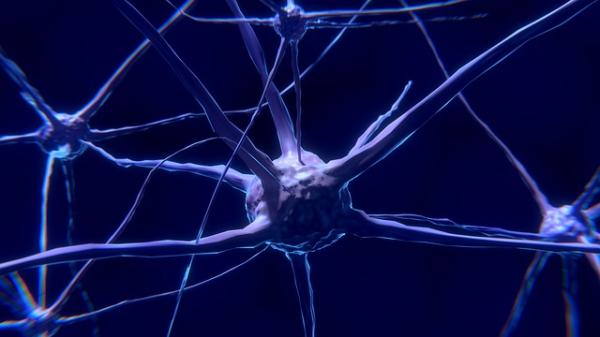
Neurons are the specialized cells that make up the functional core of the nervous system, each one built specifically to receive, process, and transmit electrical and chemical signals. A typical neuron has three main parts: dendrites that receive incoming signals, a cell body that integrates them, and an axon that carries the resulting signal onward to the next cell.
Neuroscientist Santiago Ramón y Cajal’s pioneering microscopy work in the late nineteenth century established what became known as the neuron doctrine, demonstrating that the nervous system is made up of discrete, individual cells rather than one continuous, fused network, a finding that earned him the Nobel Prize and laid the foundation for all of modern neuroscience. Neurons do not physically touch one another; instead, they communicate across tiny gaps called synapses, a concept named and extensively studied by physiologist Charles Sherrington, whose research on reflexes and synaptic transmission clarified how signals pass, and are sometimes blocked or amplified, between one neuron and the next.
At the synapse, an electrical signal triggers the release of chemical messengers called neurotransmitters, which cross the gap and bind to receptors on the next neuron, either encouraging or discouraging that neuron from firing its own signal. Pharmacologist Otto Loewi’s classic experiments in the 1920s provided the first direct evidence that this communication is chemical rather than purely electrical, identifying acetylcholine as one of the nervous system’s key chemical messengers.
A helpful way to think about this: each neuron functions like a tiny decision-maker, constantly weighing thousands of incoming chemical signals before deciding whether to pass a message forward, which is part of why nervous system communication is so remarkably precise and adaptable.
What Is an Action Potential and How Do Nerve Signals Travel?
An action potential is the rapid electrical signal that travels down a neuron’s axon, allowing information to move quickly across distances that would otherwise be too slow to cover through chemical diffusion alone. This electrical event is the fundamental unit of nervous system communication.
At rest, a neuron maintains a slight electrical charge difference across its cell membrane, with the inside more negatively charged than the outside. When a neuron receives enough stimulation, tiny channels in its membrane open, allowing charged particles to rush in and rapidly reverse this charge, a change that propagates like a wave down the length of the axon. This all-or-nothing electrical event, once triggered, always fires at full strength, which is why the intensity of a sensation depends on how frequently neurons fire rather than how strongly any single signal travels.
Many axons are wrapped in a fatty insulating substance called myelin, produced by specialized support cells, which dramatically speeds up signal transmission by allowing the electrical impulse to jump between small gaps in the insulation rather than traveling continuously along the entire length of the fiber. This is why conditions that damage myelin, such as multiple sclerosis, can cause such significant disruption to movement and sensation, since nerve conduction velocity slows dramatically once this insulation breaks down.
Understanding this electrical mechanism helps explain why nerve damage from injuries, certain medications, or metabolic conditions like diabetes can cause tingling, numbness, or weakness; the underlying electrical signaling itself has been disrupted, even when no visible injury is present.
What Is the Central Nervous System and What Does It Control?
The central nervous system, made up of the brain and spinal cord, functions as the body’s command and processing center. It receives sensory information from throughout the body, integrates it with memory and ongoing needs, and issues the instructions that drive behavior.
The brain itself contains billions of neurons organized into specialized regions responsible for everything from basic survival functions to complex reasoning and emotion. The spinal cord, meanwhile, serves two essential roles: it acts as the primary communication highway carrying signals between the brain and the rest of the body, and it independently manages certain rapid, automatic responses called spinal reflexes without needing to involve the brain at all.
Both the brain and spinal cord are protected by three layers of connective tissue called the meninges, along with a cushioning layer of cerebrospinal fluid, reflecting just how critical and vulnerable this central processing hub is. Damage to the central nervous system, whether from stroke, traumatic injury, or disease, tends to produce effects that are often permanent or only partially reversible, since neurons within the brain and spinal cord have a much more limited capacity for regeneration compared to nerves in the peripheral nervous system.
- The brain processes sensory information, generates thought and emotion, and coordinates voluntary movement.
- The spinal cord relays signals between the brain and body while also managing certain automatic reflexes independently.
- The meninges and cerebrospinal fluid provide essential physical protection for these highly sensitive structures.

What Is the Peripheral Nervous System and How Does It Connect the Body?
The peripheral nervous system includes every nerve outside the brain and spinal cord, forming the vast communication network that links the central nervous system to muscles, organs, and sensory receptors throughout the body. Without it, the brain and spinal cord would have no way to gather information or issue commands to the rest of the body.
This system is often described using an electrical grid analogy: if the central nervous system is the powerhouse generating and processing information, the peripheral nervous system represents the cables carrying that power and information out to distant locations and back again. Sensory, or afferent, nerves carry information from the body toward the central nervous system, while motor, or efferent, nerves carry instructions from the central nervous system out to muscles and glands.
The peripheral nervous system further divides into two major branches: the somatic nervous system, which handles voluntary, conscious control of skeletal muscles, and the autonomic nervous system, which manages involuntary functions like heart rate, digestion, and breathing without requiring conscious effort. This division allows the body to handle countless automatic processes simultaneously, freeing conscious attention for tasks that genuinely require deliberate thought.
A practical implication of this structure: because peripheral nerves have a somewhat greater capacity for repair than central nervous system tissue, conditions like peripheral neuropathy sometimes show meaningful improvement with treatment and time, even though recovery can still be slow and incomplete depending on the severity and cause of the nerve damage.
How Do the Somatic and Autonomic Nervous Systems Differ?
The somatic and autonomic nervous systems represent two fundamentally different modes of nervous system control: one voluntary and conscious, the other automatic and largely outside awareness. Understanding this distinction clarifies why some bodily functions respond to conscious effort while others simply don’t.
The somatic nervous system governs voluntary movement, carrying signals from the brain to skeletal muscles whenever you decide to walk, type, or speak. It also carries sensory information from the skin, muscles, and joints back to the central nervous system, supporting conscious awareness of touch, temperature, and body position. The autonomic nervous system, by contrast, manages the body’s essential background processes, including heart rate, digestion, breathing rate, and pupil dilation, adjusting these functions automatically based on the body’s needs without requiring any conscious decision-making.
| Feature | Somatic vs Autonomic Nervous System |
| Control type | Somatic: voluntary; Autonomic: involuntary |
| Primary targets | Somatic: skeletal muscles; Autonomic: organs, glands, smooth muscle |
| Example function | Somatic: reaching for a cup; Autonomic: regulating heart rate |
This division matters clinically because conditions affecting each branch present very differently: somatic nervous system damage often produces noticeable weakness or loss of voluntary movement, while autonomic nervous system dysfunction can cause less obvious but equally significant symptoms, like unexplained changes in heart rate, blood pressure, or digestion, that are sometimes harder for patients and clinicians alike to immediately connect back to the nervous system.

How Do the Sympathetic and Parasympathetic Systems Manage Stress and Rest?
The autonomic nervous system itself splits into two complementary branches: the sympathetic nervous system, which mobilizes the body for action, and the parasympathetic nervous system, which promotes rest and recovery. Together, they maintain a dynamic balance suited to the body’s ever-changing demands.
Physiologist Walter Cannon’s early twentieth-century research described the sympathetic nervous system’s role in producing the well-known fight-or-flight response, a rapid physiological shift that increases heart rate, redirects blood flow toward muscles, and heightens alertness in response to a perceived threat. The parasympathetic nervous system works in the opposite direction, often summarized as “rest and digest,” slowing heart rate, stimulating digestion, and supporting the body’s recovery and repair processes once a perceived threat has passed.
Endocrinologist Hans Selye’s influential research on stress physiology expanded on this framework, describing how repeated or prolonged activation of the sympathetic stress response, without adequate parasympathetic recovery, can contribute to a wide range of physical health problems over time, a pattern he termed the general adaptation syndrome. This helps explain why chronic stress produces such real, measurable physical symptoms rather than being purely psychological in nature.
A genuinely practical takeaway: deliberately engaging the parasympathetic nervous system through techniques like slow, diaphragmatic breathing can measurably reduce heart rate and physiological arousal, offering a concrete, evidence-supported tool for managing acute stress in the moment.
How Do Reflexes Work Without Conscious Thought?
Reflexes are rapid, automatic responses to specific stimuli that occur without requiring input from the brain, allowing the body to react to potential danger far faster than conscious thought would allow. This speed can be genuinely life-protective in situations requiring an immediate response.
A classic example is the withdrawal reflex, in which touching something painfully hot triggers an immediate signal that travels to the spinal cord, gets processed there, and sends a motor command back to pull the hand away, all before the pain signal has even reached the brain for conscious awareness. This circuit, called a reflex arc, involves a sensory neuron detecting the stimulus, an interneuron in the spinal cord processing the information, and a motor neuron carrying the response back to the muscle, bypassing the higher brain centers responsible for conscious decision-making entirely.
Reflexes serve as an important diagnostic tool in medicine as well; physicians test reflexes like the knee-jerk response specifically because a reflex that is too weak, too strong, or entirely absent can point toward specific types of nervous system dysfunction, from nerve damage to spinal cord injury to certain metabolic conditions.
Understanding that reflexes are hardwired, involuntary responses rather than conscious choices can be genuinely reassuring for people who feel embarrassed or confused by an unexpected physical reaction, such as flinching or jumping, since these responses reflect the nervous system doing exactly what it evolved to do.

What Happens When the Nervous System Is Damaged or Dysregulated?
Nervous system damage or dysregulation can produce an enormous range of symptoms, depending on which structures and pathways are affected. Common causes include traumatic injury, stroke, infection, autoimmune conditions, chronic disease like diabetes, and neurodegenerative disorders.
Damage to the central nervous system often produces effects related to the specific brain region or spinal segment involved, ranging from movement and sensory changes to disruptions in language, memory, or personality, and recovery potential is generally more limited compared to peripheral nerve injuries. Damage to the peripheral nervous system frequently causes numbness, tingling, weakness, or pain in a specific, traceable distribution corresponding to the affected nerve, a pattern that helps clinicians pinpoint the exact location of the problem. Neuroscientist Eric Kandel’s Nobel Prize-winning research on the neural basis of learning and memory also demonstrated that nervous system connections remain adaptable throughout life, a property called neuroplasticity, which underlies much of the meaningful recovery seen after certain types of nervous system injury.
- Peripheral neuropathy often produces numbness, tingling, or pain in a specific nerve distribution.
- Autonomic dysfunction can disrupt heart rate, blood pressure, or digestion without obvious external symptoms.
- Central nervous system injury frequently produces effects tied closely to the specific brain or spinal cord region involved.
- Neuroplasticity supports meaningful functional recovery after injury, though the extent varies by individual and injury type.
Because nervous system symptoms can be so varied and sometimes subtle, persistent or unexplained numbness, weakness, or changes in automatic bodily functions deserve a thorough medical evaluation rather than being dismissed as ordinary stress or fatigue.
How Does the Nervous System Change Across the Lifespan?
The nervous system develops rapidly before birth and continues maturing well into early adulthood, while also undergoing predictable, gradual changes in later life. Understanding this trajectory helps distinguish typical development and aging from patterns that warrant closer medical attention.
In early childhood, the nervous system undergoes an extraordinary period of neuron growth followed by extensive pruning and myelination, refining neural pathways to become faster and more efficient as children develop increasingly complex motor skills, language, and reasoning abilities. This developmental process continues into adolescence and early adulthood, particularly within pathways supporting executive function and impulse control, which matures more slowly than basic sensory and motor pathways.
In older adulthood, gradual changes in nerve conduction speed and myelin integrity can contribute to slower reflexes and a modestly increased risk of falls, distinct from any specific disease process. Certain conditions become more common with age, including peripheral neuropathy related to diabetes, and neurodegenerative diseases affecting both the central and peripheral nervous systems. Maintaining physical activity, managing chronic health conditions like diabetes and hypertension, and staying cognitively and socially engaged all support healthier nervous system function throughout this later stage of life.
Recognizing that some nervous system change is a normal part of aging, distinct from a more serious underlying condition, can help reduce unnecessary worry while still supporting timely medical evaluation for any sudden or rapidly progressing symptoms.
FAQs about How the Nervous System Works
What is the main function of the nervous system?
The nervous system’s core function is to gather sensory information, process and integrate it, and generate an appropriate motor or physiological response. It coordinates virtually every bodily function, from voluntary movement and conscious thought to automatic processes like heart rate and digestion. This happens through billions of specialized neurons communicating via electrical and chemical signals across a vast network spanning the entire body. Because it underlies nearly every physical and mental process, understanding basic nervous system function provides useful context for a wide range of health and psychological experiences.
What are the two main parts of the nervous system?
The nervous system divides into the central nervous system, consisting of the brain and spinal cord, and the peripheral nervous system, consisting of all the nerves branching out to the rest of the body. The central nervous system acts as the primary processing and decision-making center, while the peripheral nervous system serves as the communication network connecting that center to muscles, organs, and sensory receptors. The peripheral nervous system further divides into the somatic nervous system, controlling voluntary movement, and the autonomic nervous system, managing involuntary functions. These systems work together continuously and seamlessly, even though we rarely notice this coordination happening.
How do nerve cells communicate with each other?
Neurons communicate through a combination of electrical and chemical signaling. An electrical signal called an action potential travels down a neuron’s axon, and when it reaches the end, it triggers the release of chemical messengers called neurotransmitters into a tiny gap called a synapse. These neurotransmitters then bind to receptors on the neighboring neuron, either encouraging or discouraging that neuron from firing its own signal. This process happens with remarkable speed and precision, allowing complex information to travel across vast neural networks in fractions of a second, forming the basis for everything from reflexes to conscious thought.
What is the fight-or-flight response and how does it relate to the nervous system?
The fight-or-flight response is triggered by the sympathetic branch of the autonomic nervous system in reaction to a perceived threat, producing rapid physical changes like an increased heart rate, redirected blood flow, and heightened alertness. This response evolved to help the body react quickly to genuine physical danger, mobilizing energy and focus within seconds. The parasympathetic nervous system works in opposition, promoting relaxation and recovery once the perceived threat has passed. Chronic or repeated activation of this stress response without adequate recovery time can contribute to a range of physical health concerns, making stress management genuinely important for long-term physiological wellbeing.
Can nerve damage heal on its own?
Whether nerve damage heals depends heavily on which part of the nervous system is affected and the severity of the injury. Peripheral nerves have a greater capacity for repair than nerves within the central nervous system, and mild to moderate peripheral nerve injuries sometimes improve meaningfully over weeks to months, particularly with appropriate treatment and rehabilitation. Central nervous system injuries, including those affecting the brain and spinal cord, generally have much more limited natural repair capacity, though the brain’s neuroplasticity can support meaningful functional recovery through rehabilitation in some cases. Any new or worsening symptoms of nerve damage should be evaluated by a healthcare provider promptly.
Why do reflexes happen before you can think about them?
Reflexes bypass the brain entirely, relying instead on a rapid circuit called a reflex arc that processes information directly within the spinal cord. When a sensory neuron detects a potentially harmful stimulus, like touching something hot, the signal travels to the spinal cord, gets processed by an interneuron, and a motor command is sent back to the muscle, all before the sensation has even reached the brain for conscious awareness. This design allows the body to respond to potential danger far faster than would be possible if every signal had to travel to the brain and back first. Reflex testing remains a valuable diagnostic tool for identifying certain types of nervous system dysfunction.
Bibliography
- StatPearls Publishing. (2026). Anatomy, Central Nervous System. National Center for Biotechnology Information Bookshelf.
- Cleveland Clinic. (2022). Peripheral Nervous System (PNS): What It Is & Function.
- Kenhub. (2015). Overview of the Nervous System: Structure and Function.
- Ramón y Cajal, S. (1899). Textura del Sistema Nervioso del Hombre y de los Vertebrados. Nicolás Moya.
- Sherrington, C. S. (1906). The Integrative Action of the Nervous System. Yale University Press.
- Loewi, O. (1921). Über humorale Übertragbarkeit der Herznervenwirkung. Pflügers Archiv für die gesamte Physiologie.
- Cannon, W. B. (1932). The Wisdom of the Body. W.W. Norton & Company.
- Selye, H. (1956). The Stress of Life. McGraw-Hill.
- Kandel, E. R. (2006). In Search of Memory: The Emergence of a New Science of Mind. W.W. Norton & Company.
Use this citation format to reference the article clearly and help readers find the original source.
PsychologyFor. (2026). How Does the Nervous System Work. PsychologyFor. https://psychologyfor.com/how-does-the-nervous-system-work/