


Maybe the gym has quietly become a place you visit out of dread rather than desire, a daily obligation that gnaws at you until it’s completed, no matter how exhausted, sore, or genuinely unwell you feel. Perhaps you’ve noticed a low hum of guilt creeping in whenever a workout gets skipped, an anxious, almost frantic energy that only settles once you’ve pushed through, even against your body’s clearest signals to stop. This is the hidden, often invisible reality of excessive exercise, a pattern where a genuinely healthy habit has quietly transformed into something that feels less like self-care and considerably more like a compulsion you can no longer control.
This experience deserves real compassion, not judgment, because our culture rarely questions someone who exercises “too much,” praising discipline and dedication almost unconditionally, even when that dedication has clearly tipped into harm. Unlike other compulsive behaviors that carry visible social stigma, excessive exercise often hides in plain sight, disguised as admirable willpower or impressive commitment to fitness. Meanwhile, the person caught in this pattern may be quietly battling escalating anxiety, a distorted relationship with their own body, and a growing sense that their entire identity and emotional stability now depend entirely on whether they’ve completed that day’s workout. Left unaddressed, this pattern can erode relationships, damage physical health, and create a profound, exhausting disconnect between what someone’s body actually needs and what their mind insists they must do.
So what is actually happening psychologically when exercise crosses this invisible line?
This article explores how excessive exercise affects us psychologically, examining the underlying mechanisms, warning signs, and paths toward a healthier, more sustainable relationship with movement.
What is excessive exercise, psychologically speaking?
Excessive exercise, sometimes referred to clinically as compulsive exercise or exercise addiction, describes a pattern where physical activity becomes uncontrollable and harmful, continuing despite injury, exhaustion, or clear negative consequences to a person’s relationships, work, and overall wellbeing.
Unlike healthy, regular exercise, which generally supports mood, energy, and physical function, compulsive exercise operates according to a fundamentally different internal logic. Researchers studying this pattern, including those publishing extensive reviews on exercise addiction, describe a cluster of features remarkably similar to substance-related addictions: a growing tolerance requiring increasing amounts of activity to achieve the same psychological effect, withdrawal symptoms like irritability or anxiety when exercise is reduced, and a persistent inability to cut back despite genuinely wanting to. This isn’t simply enthusiasm taken slightly too far; it represents a qualitatively different relationship with physical activity, one where the behavior itself has started controlling the person rather than the other way around.
It’s important to note that exercise addiction isn’t currently recognized as a formal diagnosis within major psychiatric manuals, though researchers have proposed diagnostic criteria closely modeled on established behavioral addictions like gambling disorder. This lack of formal recognition doesn’t diminish the very real psychological burden many people experience; clinical psychologist Attila Szabo, whose extensive research has significantly shaped this field, has consistently emphasized that the subjective distress and functional impairment associated with this pattern warrant serious clinical attention, regardless of its current diagnostic status.
| Healthy Exercise | Compulsive Exercise Pattern |
|---|---|
| Flexible, adjusts to injury or fatigue | Continues despite pain, illness, or clear physical warning signs |
| Enhances mood and daily functioning | Creates anxiety and irritability when missed |
| Coexists with other activities and relationships | Crowds out social life and responsibilities entirely |
What psychological symptoms indicate exercise has become excessive?
Excessive exercise typically produces a recognizable cluster of psychological symptoms, including persistent anxiety when a workout is missed, guilt disproportionate to the situation, and a growing preoccupation with exercise that begins overshadowing other meaningful areas of life.
One of the clearest warning signs involves withdrawal-like symptoms when exercise is interrupted or reduced, even briefly. This might manifest as significant irritability, restlessness, or a genuinely distressing sense of unease that only resolves once physical activity resumes. Unlike the mild disappointment most people feel when skipping a planned workout, this reaction tends to feel disproportionate and difficult to reason away, almost as though something essential has gone missing rather than simply postponed. Alongside this, many people notice an escalating preoccupation with exercise, constantly calculating calories burned, mentally planning the next session even during unrelated activities, or feeling a persistent, nagging sense that they haven’t done quite enough, regardless of how much they’ve actually completed.
Mood disturbances represent another significant psychological marker. Rather than the mood-boosting benefits typically associated with regular physical activity, compulsive exercisers often report feeling low, anxious, or emotionally unstable regardless of how much they exercise, since the underlying psychological need driving the behavior isn’t actually being satisfied by the activity itself. Research examining compulsive exercise has also found meaningful associations with lower self-esteem, reduced life satisfaction, and heightened social physique anxiety, a specific worry about how one’s body appears to others that can intensify rather than ease with additional exercise. This creates a particularly cruel cycle: the more someone exercises to manage these difficult feelings, the more entrenched and severe the underlying psychological distress often becomes.
- Persistent anxiety or irritability when a planned workout is missed or interrupted.
- Constant mental preoccupation with exercise, calories, or training schedules throughout the day.
- Feeling low or anxious despite exercising frequently, rather than experiencing genuine mood improvement.
- Heightened body dissatisfaction that intensifies rather than resolves with additional training.
- A growing sense of identity built almost entirely around exercise performance and appearance.

Why does the brain become dependent on excessive exercise?
Excessive exercise creates a psychological dependence through the same neurochemical reward pathways involved in other behavioral addictions, where the brain begins craving the mood-altering effects of exercise-induced hormones strongly enough to override normal signals of pain, fatigue, or genuine physical need.
Physical activity naturally triggers the release of endorphins, dopamine, and other neurochemicals associated with pleasure and mood elevation, which is part of why exercise generally supports psychological wellbeing. In compulsive exercise, however, the brain’s reward system begins responding to this neurochemical rush much like it responds to other addictive behaviors, gradually requiring more intense or frequent activity to produce the same psychological effect, a process researchers describe as tolerance. Cleveland Clinic psychologist Susan Albers has explained that once the brain repeatedly experiences this hormonal “high,” it begins actively seeking to recreate that feeling, sometimes regardless of the genuine physical cost involved in pursuing it.
This neurochemical dependence often intertwines with deeper psychological needs that exercise has come to serve, sometimes unconsciously. For some people, compulsive exercise functions as a coping mechanism for managing difficult emotions, anxiety, grief, or unresolved trauma, essentially numbing distress through intense physical exertion rather than addressing its actual source. For others, particularly those with perfectionistic tendencies or a history of disordered eating, exercise becomes deeply entangled with body image concerns and a persistent, often unattainable pursuit of physical control. Researcher Heather Hausenblas, who has extensively studied exercise dependence, has noted that this pattern frequently co-occurs with eating disorders, obsessive-compulsive tendencies, and significant performance anxiety, suggesting that excessive exercise rarely exists as an isolated issue but often reflects broader underlying psychological vulnerabilities.
How does excessive exercise affect relationships and daily functioning?
Excessive exercise frequently disrupts relationships, work performance, and everyday responsibilities, as the escalating time and mental energy devoted to physical activity gradually displaces the social connections and obligations that once formed a healthy, balanced life.
This disruption often begins subtly, missing a friend’s dinner because it conflicts with a training schedule, or arriving late to family gatherings because a workout ran longer than planned. Over time, these small compromises tend to accumulate significantly, and loved ones frequently begin noticing the pattern well before the person struggling recognizes it themselves. Partners and family members often report feeling secondary to their loved one’s exercise routine, expressing genuine concern that goes unheard or gets dismissed as simple overreaction to healthy habits. This dynamic can create considerable relational strain, since the compulsive exerciser may feel unfairly criticized for what they perceive as legitimate self-care, while their loved ones experience real, valid hurt from feeling consistently deprioritized.
Professional and academic functioning can suffer similarly, particularly when exercise begins encroaching on work hours, sleep needed for cognitive performance, or the mental energy required to engage fully with responsibilities outside of training. Some individuals begin secretly rearranging schedules, hiding the true extent of their exercise habits from employers or family members, a behavior pattern that closely mirrors the secrecy commonly observed in substance-related addictions. This secrecy itself often signals that the person recognizes, at some level, that their behavior has crossed a line that others might not readily accept, even if they haven’t yet been able to acknowledge that recognition consciously or change the underlying pattern.

Today's Top Picks
Updated Daily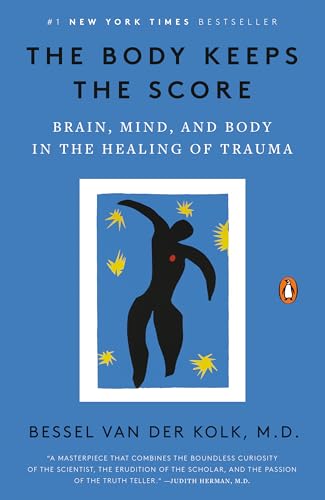


What underlying mental health conditions often accompany excessive exercise?
Excessive exercise frequently co-occurs with other significant mental health conditions, particularly eating disorders, anxiety disorders, and obsessive-compulsive tendencies, suggesting that compulsive exercise rarely functions as an isolated behavioral pattern but rather as one visible symptom within a broader psychological picture.
The connection to disordered eating is especially well-documented and clinically significant. Compulsive exercise commonly appears alongside anorexia nervosa and bulimia nervosa, functioning as a method of purging calories or exerting rigid control over body shape and weight. Eating disorder specialists frequently note that excessive exercise in this context isn’t really about fitness at all; it’s about managing overwhelming anxiety related to body image and control, using physical activity as a tool for emotional regulation rather than genuine health improvement. This overlap matters enormously for treatment, since addressing the exercise behavior alone, without also treating the underlying eating disorder and its associated body image distortions, tends to produce incomplete and often temporary results.
Anxiety disorders and obsessive-compulsive patterns also show meaningful overlap with excessive exercise, particularly regarding the rigid, rule-bound thinking that often characterizes both conditions. Someone with obsessive-compulsive tendencies might develop highly specific, inflexible exercise rituals, needing to complete an exact number of repetitions or a precise duration, experiencing genuine, significant distress if that exact ritual is disrupted for any reason. Psychiatrist Bessel van der Kolk’s research on trauma and the body also offers relevant insight here, since some individuals unconsciously use intense physical exertion as a way to manage or discharge unprocessed traumatic stress stored in the nervous system, essentially using exercise as an unconscious, physical coping mechanism for psychological pain that hasn’t yet been directly addressed through appropriate treatment.
What helps someone recover a healthier relationship with exercise?
Recovering a balanced, healthy relationship with exercise typically requires professional support addressing the underlying psychological drivers, alongside practical strategies for gradually reducing compulsive behavior patterns and rebuilding a more flexible, sustainable approach to physical activity.
Cognitive behavioral therapy, a framework closely associated with psychiatrist Aaron Beck, often forms a central component of treatment, helping individuals identify and challenge the distorted beliefs driving compulsive exercise, such as assuming that missing a single workout will inevitably lead to significant weight gain or a complete loss of physical fitness. Rather than eliminating exercise entirely, which can feel overwhelming and counterproductive, treatment generally focuses on rebuilding a more flexible relationship with physical activity, one that can accommodate rest, illness, and life’s unpredictable demands without triggering severe psychological distress. This often involves structured, gradual exposure to reduced or modified exercise, allowing the nervous system to build tolerance for the discomfort of not exercising exactly as compulsively as before.
When excessive exercise co-occurs with an eating disorder, integrated treatment addressing both patterns simultaneously tends to produce considerably better outcomes than treating either issue in isolation. This often involves collaboration between mental health professionals, registered dietitians, and sometimes physicians monitoring physical health during the recovery process. Building a support network also matters significantly, since isolation frequently intensifies compulsive patterns, while genuine connection with people who understand and support the recovery process, and don’t simply reinforce fitness culture pressures, tends to provide meaningful protective benefit throughout what is often a genuinely difficult, non-linear healing journey.
- Seek professional evaluation from a therapist familiar with exercise addiction and co-occurring conditions.
- Identify the emotional function exercise currently serves, rather than focusing exclusively on the behavior itself.
- Gradually introduce rest days, building tolerance for the discomfort that initially accompanies reduced activity.
- Address any co-occurring eating disorder simultaneously, since treating exercise alone often proves insufficient.
- Build a support network that understands recovery, rather than reinforcing intense fitness culture pressures.
FAQs about Excessive Exercise and Psychological Health
How much exercise is considered “excessive” in psychological terms?
There isn’t a single universal number of hours or sessions that definitively marks exercise as excessive, since the psychological definition centers more on function and control than on raw quantity. Research examining heavy exercisers has found that beyond a certain point, additional exercise correlates with more mental health issues and stress rather than continued benefit, suggesting a genuine optimal point rather than simply “more is always better.” The clearer marker involves whether exercise feels genuinely optional, adjustable based on injury, illness, or fatigue, or whether it has become a rigid, non-negotiable compulsion accompanied by significant anxiety or distress whenever it’s reduced, regardless of the specific hours or intensity involved.
Is exercise addiction officially recognized as a mental health diagnosis?
Not currently, at least not within major diagnostic manuals like the DSM-5-TR, which means exercise addiction lacks the formal diagnostic status held by conditions like substance use disorders or gambling disorder. Researchers have proposed specific diagnostic criteria modeled closely on established behavioral addictions, and many clinicians recognize and treat the pattern clinically despite its absence from formal diagnostic categories. This lack of official recognition doesn’t diminish the very real psychological distress and functional impairment many people experience; it simply means that treatment often occurs under related diagnoses, such as an eating disorder or anxiety disorder, when compulsive exercise appears alongside these more formally recognized conditions.
Can excessive exercise cause depression, or does depression cause excessive exercise?
The relationship appears genuinely bidirectional rather than moving in a single clear direction. Some individuals develop compulsive exercise patterns as an unconscious attempt to manage pre-existing depressive symptoms, using intense physical activity to temporarily boost mood through neurochemical changes. However, research also shows that excessive exercise itself, particularly when combined with inadequate rest and recovery, can contribute to mood disturbances, fatigue, and depressive symptoms through a process sometimes called overtraining syndrome. This means the relationship often becomes cyclical, where depression drives excessive exercise, and excessive exercise then worsens depressive symptoms, creating a pattern that typically requires professional support to interrupt effectively.
How can I tell if my loved one has an exercise addiction versus just being very dedicated to fitness?
The key distinction generally involves flexibility, emotional reaction, and life impact rather than the sheer volume of exercise itself. A dedicated fitness enthusiast can typically adjust their routine around illness, injury, or important life events without significant distress, while someone with a compulsive pattern often experiences genuine anxiety or irritability when unable to exercise as planned. Watch for signs like exercising despite clear injury, secrecy around actual training habits, missing important social or family obligations repeatedly for exercise, and mood that seems to depend entirely on whether a workout has occurred. If these patterns appear consistently, expressing concern gently, without judgment, and encouraging professional support tends to be more effective than direct confrontation about the behavior itself.
Does excessive exercise always involve trying to lose weight or change appearance?
No, while body image concerns and weight control frequently drive compulsive exercise, this isn’t universally the case. Some individuals develop excessive exercise patterns primarily as a coping mechanism for managing anxiety, stress, or difficult emotions, using intense physical activity to numb or discharge psychological distress rather than specifically pursuing appearance-related goals. Others develop the pattern within a broader context of perfectionism or performance anxiety, particularly competitive athletes who feel an escalating, compulsive need to train beyond what’s healthy in pursuit of continually improved performance metrics, regardless of any specific concern about physical appearance itself.
What is overtraining syndrome, and how does it relate to psychological symptoms?
Overtraining syndrome describes a physical and psychological condition resulting from excessive exercise without adequate rest and recovery, producing symptoms including persistent fatigue, disrupted sleep, decreased performance despite continued or increased training, and notable mood disturbances like irritability, anxiety, or depression. This condition illustrates clearly how excessive exercise’s psychological effects are deeply intertwined with its physical consequences, since inadequate recovery disrupts hormonal balance and nervous system regulation in ways that directly affect emotional stability. Recognizing overtraining syndrome often requires professional evaluation, since the temptation to push through these symptoms by exercising even more can worsen the underlying pattern rather than resolving it, requiring a structured, supported reduction in training intensity instead.
Bibliography
- Szabo, A., Griffiths, M. D., de La Vega Marcos, R., Mervo, B., & Demetrovics, Z. (2015). Methodological and conceptual limitations in exercise addiction research. Yale Journal of Biology and Medicine.
- Hausenblas, H. A., & Downs, D. S. (2002). Exercise dependence: A systematic review. Psychology of Sport and Exercise.
- Beck, A. T. (1979). Cognitive Therapy of Depression. Guilford Press.
- Van der Kolk, B. (2014). The Body Keeps the Score: Brain, Mind, and Body in the Healing of Trauma. Viking Press.
- Cleveland Clinic. (2023). Do You Have an Exercise Addiction? Cleveland Clinic.
- Mind (UK). (2023). Over-Exercising and Exercise Addiction. Mind.
- American Psychiatric Association (APA). (2022). Diagnostic and Statistical Manual of Mental Disorders (DSM-5-TR). American Psychiatric Association Publishing.
Use this citation format to reference the article clearly and help readers find the original source.
PsychologyFor. (2026). How Does Excessive Exercise Affect Us Psychologically?. PsychologyFor. https://psychologyfor.com/how-does-excessive-exercise-affect-us-psychologically/