
You stand in the gift aisle again, phone in hand, scrolling through generic candle sets and mugs that say something vaguely encouraging, and none of it feels like it actually says anything about the person you are buying for. A candle burns out in a week. A good book can sit on someone’s shelf for years, occasionally getting picked back up during exactly the season of life it was meant for. That difference matters more than most gift-givers realize.
The pressure to choose well intensifies when the occasion actually matters, a friend going through a breakup, a career change, a loss, a milestone birthday that feels heavier than the last one. Generic gifts can feel almost dismissive in these moments, as though you did not take the time to consider what this specific person is actually carrying. A thoughtfully chosen book, on the other hand, communicates something a greeting card rarely manages: that you were paying attention to their actual life, not just the calendar date.
So which books actually work as meaningful gifts rather than well-intentioned clutter?
This guide reviews 14 essential books to give to a friend, organized by the specific life moments each one fits best.
14 Essential Books to Give to a Friend
Verified Top Picks- 1
 Viktor E. Frankl Man's Search for Meaning A psychiatrist's timeless memoir on logotherapy, endurance, and finding purpose through hardshipCHECK TODAY'S PRICE
 - 2
 Mitch Albom Tuesdays with Morrie Weekly conversations with a dying mentor sharing profound reflections on love and life's prioritiesCHECK TODAY'S PRICE
 - 3Brené Brown The Gifts of Imperfection Ten research-backed guideposts for letting go of perfectionism and embracing wholehearted livingCHECK TODAY'S PRICE
- 4Elizabeth Gilbert Big Magic: Creative Living Beyond Fear Practical inspiration showing that creative fear is universal and encouraging creative courageCHECK TODAY'S PRICE
- 5Paul Kalanithi When Breath Becomes Air A young neurosurgeon's profound reflections on identity, mortality, and what makes life meaningfulCHECK TODAY'S PRICE
- 6James Clear Atomic Habits A practical, motivating framework using small identity shifts to build lasting good habitsCHECK TODAY'S PRICE
- 7The Dalai Lama, Desmond Tutu & Douglas Abrams The Book of Joy: Lasting Happiness in a Changing World A warm, week-long dialogue showing how authentic joy coexists with real human sufferingCHECK TODAY'S PRICE
- 8Paulo Coelho The Alchemist A classic fable following a shepherd's journey toward discovering his Personal LegendCHECK TODAY'S PRICE
- 9Robin Wall Kimmerer Braiding Sweetgrass: Indigenous Wisdom & Plant Science Weaving Indigenous ecological knowledge with botanical science around reciprocity and gratitudeCHECK TODAY'S PRICE
- 10Fredrik Backman A Man Called Ove: A Novel A heartwarming story blending humor and quiet reflection on grief, community, and connectionCHECK TODAY'S PRICE
- 11Don Miguel Ruiz The Four Agreements: A Practical Guide to Personal Freedom Four concise behavioral commitments drawn from Toltec wisdom for personal peaceCHECK TODAY'S PRICE
- 12Glennon Doyle Untamed A candid, empowering memoir on dismantling external expectations and reclaiming authentic identityCHECK TODAY'S PRICE
- 13Cheryl Strayed Wild: From Lost to Found on the Pacific Crest Trail A raw, physically demanding solo hike along the Pacific Crest Trail to heal from compounding griefCHECK TODAY'S PRICE
- 14Matt Haig The Midnight Library: A Novel Exploring alternate life choices to gently challenge regret and 'what if' thinking patternsCHECK TODAY'S PRICE
What Makes a Book a Genuinely Meaningful Gift?
The best books to gift share a specific quality: they speak directly to a particular emotional experience, grief, transition, self-doubt, joy, rather than offering generic inspiration that could apply to anyone.
Some books work through direct, research-grounded psychological insight, like Brené Brown‘s work on shame and vulnerability. Others work through memoir and narrative, letting a reader draw their own conclusions from someone else’s lived experience rather than direct instruction. Matching the format to your friend’s personality, whether they prefer practical frameworks or reflective storytelling, matters as much as matching the theme to their current situation.
- Look for books that speak to a specific emotional experience, not generic inspiration.
- Match the format, practical framework versus memoir, to your friend’s reading preferences.
- Consider timing carefully; even a wonderful book can land poorly at the wrong moment.
The 14 Best Books to Give to a Friend
The following selection spans memoir, psychology, fiction, and philosophy, covering a genuinely wide range of life moments worth honoring with a thoughtful gift.
1. Man’s Search for Meaning — Viktor E. Frankl
Man’s Search for Meaning by psychiatrist Viktor E. Frankl, who survived multiple Nazi concentration camps, argues that finding meaning, even in suffering, is what allows people to endure genuinely unbearable circumstances.
Frankl developed logotherapy directly from this experience, a therapeutic approach centered on meaning rather than pleasure or power. Give this to a friend facing genuine hardship; it rarely feels like empty comfort.
- Introduces logotherapy, a meaning-centered approach developed from Holocaust survival.
- Argues that finding purpose helps people endure genuinely unbearable circumstances.
- Works especially well as a gift during a friend’s difficult chapter.
2. Tuesdays with Morrie: An Old Man, a Young Man, and Life’s Greatest Lesson — Mitch Albom

Tuesdays with Morrie by journalist Mitch Albom recounts his weekly visits with his dying former professor, Morrie Schwartz, who shares reflections on love, work, and mortality during his final months.
The book’s short chapters and gentle tone make it an approachable gift even for friends who rarely read, while its themes of presence and priorities resonate regardless of someone’s current life stage.
- Documents weekly conversations with a dying mentor about life’s true priorities.
- Uses short, accessible chapters ideal for reluctant or busy readers.
- Encourages reflection on presence and connection rather than career achievement alone.
3. The Gifts of Imperfection: Let Go of Who You Think You’re Supposed to Be and Embrace Who You Are — Brené Brown

The Gifts of Imperfection by researcher Brené Brown distills her studies on shame and vulnerability into ten specific guideposts for what she calls ‘wholehearted living,’ authentic engagement despite imperfection.
This makes a genuinely thoughtful gift for a friend struggling with perfectionism or self-criticism, since Brown grounds her guidance in actual research rather than generic positivity slogans.
- Distills shame and vulnerability research into ten practical guideposts.
- Addresses perfectionism directly, grounded in genuine academic research.
- Suits friends struggling with self-criticism or fear of judgment.
4. Big Magic: Creative Living Beyond Fear — Elizabeth Gilbert

Big Magic by novelist Elizabeth Gilbert argues that creative fear is universal and survivable, offering specific strategies for pursuing creative work without waiting for fear or self-doubt to disappear first.
Gilbert’s warm, conversational tone treats creativity as a birthright rather than a rare talent, making this an ideal gift for a friend who has quietly abandoned a creative project out of fear.
- Treats creative fear as universal, not a sign of insufficient talent.
- Offers specific strategies for creating despite ongoing self-doubt.
- Ideal for friends who have quietly abandoned a creative pursuit.
5. When Breath Becomes Air — Paul Kalanithi
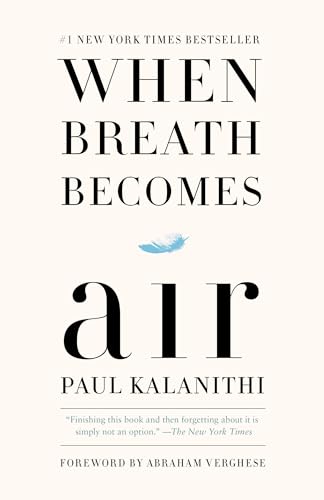
When Breath Becomes Air by neurosurgeon Paul Kalanithi, written while he was dying of lung cancer at thirty-six, reflects on mortality, identity, and what makes life meaningful when time suddenly becomes finite.
This is a genuinely heavy gift, and worth choosing carefully, but for a friend processing mortality or a serious diagnosis, its honesty often lands more deeply than lighter, more reassuring alternatives.
- Written by a neurosurgeon confronting his own terminal diagnosis directly.
- Explores identity and meaning when time becomes suddenly finite.
- Best suited to friends specifically processing mortality or serious illness.
6. Atomic Habits: An Easy & Proven Way to Build Good Habits & Break Bad Ones — James Clear
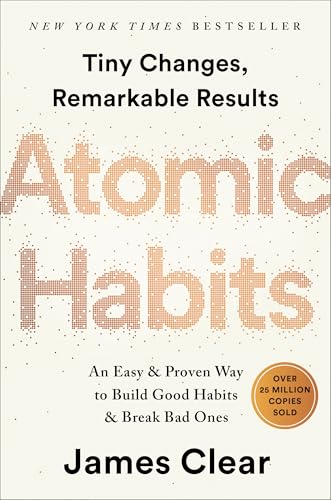
Atomic Habits by habit researcher James Clear breaks behavior change into small, systematic adjustments, arguing that identity shifts, not willpower alone, sustain lasting habit change over time.
This makes a practical, motivating gift for a friend starting a new chapter, a fresh job, a health goal, a move, since Clear’s framework applies to almost any specific behavior change a person wants to make.
- Breaks behavior change into small, systematic, repeatable adjustments.
- Argues identity shifts sustain habits more reliably than willpower alone.
- Works well for friends starting fresh goals or major life changes.
7. The Book of Joy: Lasting Happiness in a Changing World — The Dalai Lama, Desmond Tutu, and Douglas Abrams
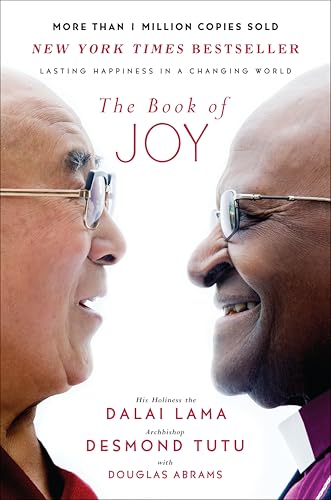
The Book of Joy records a week-long conversation between the Dalai Lama and Archbishop Desmond Tutu, facilitated by writer Douglas Abrams, exploring how genuine joy coexists with real suffering rather than denying it.
Both men lived through profound hardship, exile and apartheid respectively, which gives their reflections on joy considerably more weight than typical happiness advice, making this a meaningful gift for almost any occasion.
- Records a genuine week-long dialogue between two respected spiritual leaders.
- Explores joy as compatible with, not opposed to, real suffering.
- Draws credibility from both men’s lived experience of genuine hardship.
8. The Alchemist: A Fable About Following Your Dream — Paulo Coelho

The Alchemist by novelist Paulo Coelho follows a shepherd’s journey toward his ‘Personal Legend,’ a fable-like narrative about pursuing meaningful ambition despite obstacles and self-doubt along the way.
Its brevity and universal themes make it one of the most widely gifted books in the world, appropriate for a friend at almost any crossroads, career, relationships, or a general sense of searching for direction.
- Follows a fable-like journey toward pursuing meaningful personal ambition.
- Uses accessible, universal themes appropriate for nearly any life stage.
- Remains one of the most widely gifted novels worldwide.
9. Braiding Sweetgrass: Indigenous Wisdom, Scientific Knowledge, and the Teachings of Plants — Robin Wall Kimmerer

Braiding Sweetgrass by botanist Robin Wall Kimmerer weaves Indigenous ecological knowledge together with Western scientific botany, exploring themes of reciprocity, gratitude, and humanity’s relationship with the natural world.
This makes a thoughtful gift for a friend drawn to nature, gratitude practices, or environmental reflection, since Kimmerer’s essays offer genuine intellectual depth alongside a gentle, meditative reading experience.
- Combines Indigenous ecological knowledge with rigorous Western botanical science.
- Centers reciprocity and gratitude as core relational values with nature.
- Suits friends drawn to environmental reflection or meditative reading.
10. A Man Called Ove: A Novel — Fredrik Backman

A Man Called Ove by novelist Fredrik Backman follows a grumpy, grieving widower whose rigid routines are gradually disrupted by new neighbors, blending genuine humor with quiet reflections on loneliness and connection.
It works particularly well as a gift for a friend who appreciates warmth delivered through humor rather than direct sentimentality, since Backman never lectures readers about grief or human connection outright.
- Blends genuine humor with quiet reflection on loneliness and grief.
- Follows a grieving widower gradually reconnecting through new relationships.
- Suits friends who prefer warmth delivered through humor over sentimentality.
11. The Four Agreements: A Practical Guide to Personal Freedom — Don Miguel Ruiz
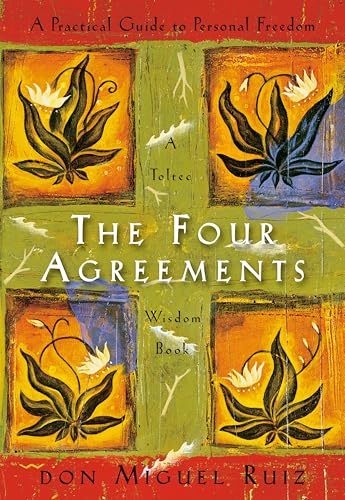
The Four Agreements by Don Miguel Ruiz draws on Toltec wisdom traditions to propose four specific commitments, being impeccable with your word, not taking things personally, avoiding assumptions, always doing your best.
Its short length and direct, practical framing make it an easy gift for a friend interested in personal growth without wanting to commit to a lengthy or academically dense self-help book.
- Draws on Toltec wisdom to propose four specific behavioral commitments.
- Remains short and direct, avoiding dense academic self-help framing.
- Suits friends newly curious about personal growth practices.
12. Untamed — Glennon Doyle

Untamed by writer Glennon Doyle chronicles her own departure from a life she felt pressured into, examining conformity, motherhood, and identity through candid, often unflinching personal narrative.
This resonates strongly as a gift for a friend questioning whether their current life genuinely reflects their own values, particularly around gender expectations and inherited scripts about how a life should look.
- Chronicles a personal departure from an externally pressured life.
- Examines conformity and inherited expectations through candid memoir.
- Resonates with friends questioning whether their life reflects genuine values.
13. Wild: From Lost to Found on the Pacific Crest Trail — Cheryl Strayed

Wild by writer Cheryl Strayed recounts her elevenhundred-mile solo hike undertaken after her mother’s death and the collapse of her marriage, using physical challenge to process compounding grief.
It offers a genuinely honest gift for a friend rebuilding after loss, since Strayed does not present her healing as smooth or linear, matching how grief actually unfolds for most people.
- Documents a solo, physically demanding journey undertaken after compounding loss.
- Presents healing as genuinely nonlinear rather than smoothly resolved.
- Suits friends rebuilding after loss or a difficult life transition.
14. The Midnight Library: A Novel — Matt Haig

The Midnight Library by novelist Matt Haig imagines a library between life and death where a woman explores alternate versions of her own life, each shaped by a single different decision.
The premise offers genuine comfort for a friend wrestling with regret or ‘what if’ thinking, since Haig’s conclusion gently challenges the assumption that any single unlived life would have been meaningfully happier.
- Imagines exploring alternate life paths shaped by single different decisions.
- Directly addresses regret and persistent ‘what if’ thinking patterns.
- Offers comfort without minimizing genuine dissatisfaction with a current life.
Which Books Work Best for a Friend Going Through Grief or Loss?
Grief gifts require particular care, since the wrong book can feel like it minimizes genuine pain, while the right one can feel like being truly seen during an isolating time.
Cheryl Strayed‘s memoir Wild offers one honest approach, documenting physical, demanding action taken in direct response to compounding loss rather than quiet, passive mourning. Fredrik Backman’s A Man Called Ove offers a gentler entry point, using humor and fiction to approach loneliness and grief indirectly, which some readers find easier to absorb than direct memoir. Paul Kalanithi’s When Breath Becomes Air suits a narrower audience specifically, since its direct confrontation with mortality works best for a friend already processing a serious diagnosis or terminal illness themselves.
Avoid gifting grief-related books too early. A friend in acute, fresh grief often needs presence and practical support far more than reading material, and offering a book too soon can inadvertently read as discomfort with their pain rather than genuine support.
- Wild documents physical action taken in direct response to compounding loss.
- Fiction like A Man Called Ove approaches grief indirectly through humor.
- Timing matters; avoid gifting grief books during the most acute early mourning.
Which Books Help a Friend Facing a Major Life Transition?
Life transitions, a new job, a move, a divorce, a diagnosis, often leave people feeling unmoored, and the right book can offer a genuine sense of structure or perspective during that uncertainty.
James Clear‘s Atomic Habits works well for transitions requiring practical behavior change, a new health routine, a career pivot, a fresh start after a move, since it treats identity shift as a gradual, systematic process rather than an overnight transformation. Glennon Doyle’s Untamed suits a different kind of transition, one involving questioning inherited expectations around identity, relationships, or gender roles rather than simply changing daily habits.
Matt Haig’s The Midnight Library occupies a useful middle ground, appealing to friends processing regret about paths not taken during any major transition, without requiring the reader to have already decided exactly what direction they want to move toward next.
- Atomic Habits suits transitions requiring practical, gradual behavior change.
- Untamed addresses transitions involving identity and inherited expectations directly.
- The Midnight Library speaks to regret without requiring a clear decided direction.
Which Books Are Best for a Friend Who Needs Encouragement to Create Again?
A friend who has quietly abandoned a creative project, writing, painting, music, often needs permission more than technical instruction, and the right gift can supply exactly that.
Elizabeth Gilbert‘s Big Magic argues directly that creative fear never fully disappears, even for accomplished professionals, which reframes waiting for confidence before starting as a fundamentally flawed strategy. Paulo Coelho’s The Alchemist approaches the same theme more allegorically, following a shepherd pursuing his ‘Personal Legend’ despite repeated obstacles and self-doubt along the journey.
Both books resist treating creative pursuit as something reserved for a rare, talented few. That reframe alone can genuinely shift how a discouraged friend relates to their own abandoned project, whether it is a novel gathering dust or a business idea shelved out of fear of failure.
- Big Magic normalizes ongoing creative fear even among accomplished professionals.
- The Alchemist frames persistence through allegory rather than direct instruction.
- Both challenge the idea that creativity requires rare, exceptional innate talent.
How Do You Match a Book to the Right Occasion?
Choosing the right book depends less on general popularity and more on understanding what your specific friend is actually navigating right now, which requires paying closer attention than simply picking a bestseller.
For milestone birthdays or graduations, reflective titles like Man’s Search for Meaning or Tuesdays with Morrie work well, since both address larger questions about purpose that resonate during moments of reflection. For a friend actively struggling with self-criticism or perfectionism, Brené Brown’s The Gifts of Imperfection speaks more directly to that specific pattern than broader inspirational titles ever could.
Consider your friend’s reading habits honestly, too. A friend who rarely finishes books benefits more from something short and accessible, like The Four Agreements, than a dense five-hundred-page memoir that will likely sit unread on a shelf, however meaningful its content might otherwise be for that specific person.
| Occasion or Situation | Recommended Book |
|---|---|
| Milestone birthday or graduation | Man’s Search for Meaning or Tuesdays with Morrie |
| Struggling with self-criticism | The Gifts of Imperfection |
| Rarely finishes books | The Four Agreements |
| Processing grief or loss | Wild or A Man Called Ove |
Common Mistakes People Make When Gifting Books
Even a genuinely thoughtful book can land poorly if the gift-giving approach itself misses a few common pitfalls worth avoiding.
The most frequent mistake involves gifting a book that reflects the giver’s own taste rather than the recipient’s actual interests or current situation. A dense philosophical memoir might feel meaningful to you personally while genuinely overwhelming a friend who reads primarily for entertainment and relaxation. A second mistake involves timing; gifting a book about resilience during grief immediately after a loss, before someone has had any space to simply feel the initial shock, can read as rushing them toward recovery rather than respecting their pace.
A third mistake treats the book itself as a complete substitute for actual presence and support. Viktor Frankl‘s own writing on meaning emphasizes that connection with others, not solitary reading, ultimately sustains people through genuine hardship. A book works best as a companion to ongoing support, not a replacement for showing up consistently.
- Avoid choosing a book that reflects your own taste over your friend’s actual interests.
- Consider timing carefully, especially with books touching grief or major life difficulty.
- Remember a book complements, but never replaces, genuine ongoing personal support.
Should You Personalize a Gifted Book, and How?
A brief, genuine handwritten note inside the cover often matters more to a recipient than the book itself, since it captures a specific moment of thoughtfulness that a store-bought card rarely replicates.
Keep the inscription specific rather than generic. Instead of writing something vague like “hope you enjoy this,” reference why you specifically chose this book for this friend, a shared conversation, a situation they mentioned, a quality you admire in them that the book’s themes reflect. Robin Wall Kimmerer‘s Braiding Sweetgrass, for instance, might warrant a note referencing a specific hike you took together or a garden conversation you remember sharing.
Resist over-explaining why you chose the book, though. A short, sincere note works better than a lengthy justification that risks feeling like you are pre-emptively defending the gift rather than simply offering it. Let the book itself do the remaining work once your friend actually opens it.
- Write a brief, specific inscription rather than a generic, forgettable note.
- Reference a shared memory or conversation connecting the book to your friend directly.
- Avoid over-explaining your choice; let the book itself do the remaining work.
FAQs about Books to Give to a Friend
What is the best book to give a friend going through a hard time?
It depends significantly on what specific hardship your friend is facing. Man’s Search for Meaning works broadly for genuine adversity of almost any kind, since Viktor Frankl’s reflections on finding purpose during suffering apply across many different situations. For a friend specifically processing grief or loss, Wild by Cheryl Strayed or A Man Called Ove by Fredrik Backman both offer more targeted comfort, one through honest memoir and the other through gentle fiction. Avoid choosing something overly clinical or prescriptive; memoir and narrative often land more gently than direct advice during genuinely difficult periods.
Is it okay to give a book you have not read yourself?
It is generally fine, though reading at least a summary or a few reviews helps ensure the tone and themes genuinely match your friend’s situation and preferences. Giving a book purely because it appeared on a bestseller list, without any real sense of its content, risks a mismatch between the gift and what your friend actually needs right now. If possible, read at least the introduction or a sample chapter yourself, since that small effort usually reveals whether the tone fits the specific person you have in mind.
What if my friend does not usually read books at all?
Choose something short, accessible, and immediately practical rather than a dense, lengthy memoir that risks going unread. The Four Agreements by Don Miguel Ruiz runs under two hundred pages and delivers its core ideas in direct, uncomplicated language. Tuesdays with Morrie also works well for reluctant readers, since its short chapters and conversational tone make it easy to pick up in small sessions. Pairing the book with a genuine explanation of why you chose it for them specifically often increases the odds they will actually open it.
Should I avoid giving self-help books to friends?
Not necessarily, though the framing matters considerably. Some readers find direct self-help language, however well-intentioned, slightly presumptuous, as though the gift implies something needs fixing about them specifically. Choosing well-researched, credentialed titles, like Brené Brown’s The Gifts of Imperfection, generally lands better than vague inspirational content, since Brown grounds her guidance in actual research rather than assumptions about what your friend personally needs to change. Framing the gift around a shared interest or your own experience with the book often softens any potential presumptuousness.
Is it better to give fiction or nonfiction as a meaningful gift?
Neither format is inherently better, and the right choice depends entirely on your friend’s preferences and the specific message you want the gift to carry. Fiction like A Man Called Ove or The Midnight Library can address difficult themes, grief, regret, loneliness, indirectly through story, which some readers find easier to absorb than direct nonfiction guidance. Nonfiction titles like Atomic Habits or The Gifts of Imperfection offer more explicit, actionable frameworks. Consider whether your friend generally prefers being told directly or discovering meaning gradually through narrative.
How do I know if a book gift might feel intrusive rather than thoughtful?
Pay attention to how directly the book’s theme names your friend’s exact situation. A gift that too explicitly says “this is about your divorce” or “this is about your grief” can occasionally feel presumptuous or overly direct, even when well-intentioned. Books that address a theme more gently, through memoir or fiction rather than direct prescriptive advice, tend to feel less intrusive since they invite reflection rather than insisting on a specific interpretation. When genuinely uncertain, choosing a book you both might enjoy discussing together often feels warmer than one that singles out a struggle too pointedly.
Bibliography
- Albom, M. (2002). Tuesdays with Morrie: An Old Man, a Young Man, and Life’s Greatest Lesson (Anniversary ed.). Crown.
- Backman, F. (2015). A Man Called Ove. Atria Books.
- Brown, B. (2022). The Gifts of Imperfection: 10th Anniversary Edition. Hazelden Publishing.
- Clear, J. (2018). Atomic Habits: An Easy & Proven Way to Build Good Habits & Break Bad Ones. Avery.
- Coelho, P. (1993). The Alchemist. HarperCollins.
- Doyle, G. (2020). Untamed. The Dial Press.
- Frankl, V. E. (1997). Man’s Search for Meaning (Revised ed.). Washington Square Press.
- Gilbert, E. (2016). Big Magic: Creative Living Beyond Fear. Riverhead Books.
- Haig, M. (2020). The Midnight Library: A Novel. Viking.
- His Holiness the Dalai Lama, Tutu, D., and Abrams, D. C. (2016). The Book of Joy: Lasting Happiness in a Changing World. Avery.
- Kalanithi, P. (2016). When Breath Becomes Air. Random House.
- Kimmerer, R. W. (2015). Braiding Sweetgrass: Indigenous Wisdom, Scientific Knowledge, and the Teachings of Plants. Milkweed Editions.
- Ruiz, D. M. (1997). The Four Agreements: A Practical Guide to Personal Freedom. Amber-Allen Publishing.
- Strayed, C. (2013). Wild: From Lost to Found on the Pacific Crest Trail. Vintage.
Use this citation format to reference the article clearly and help readers find the original source.
PsychologyFor. (2026). 14 Books to Give to a Friend (Essential). PsychologyFor. https://psychologyfor.com/14-books-to-give-to-a-friend-essential/