

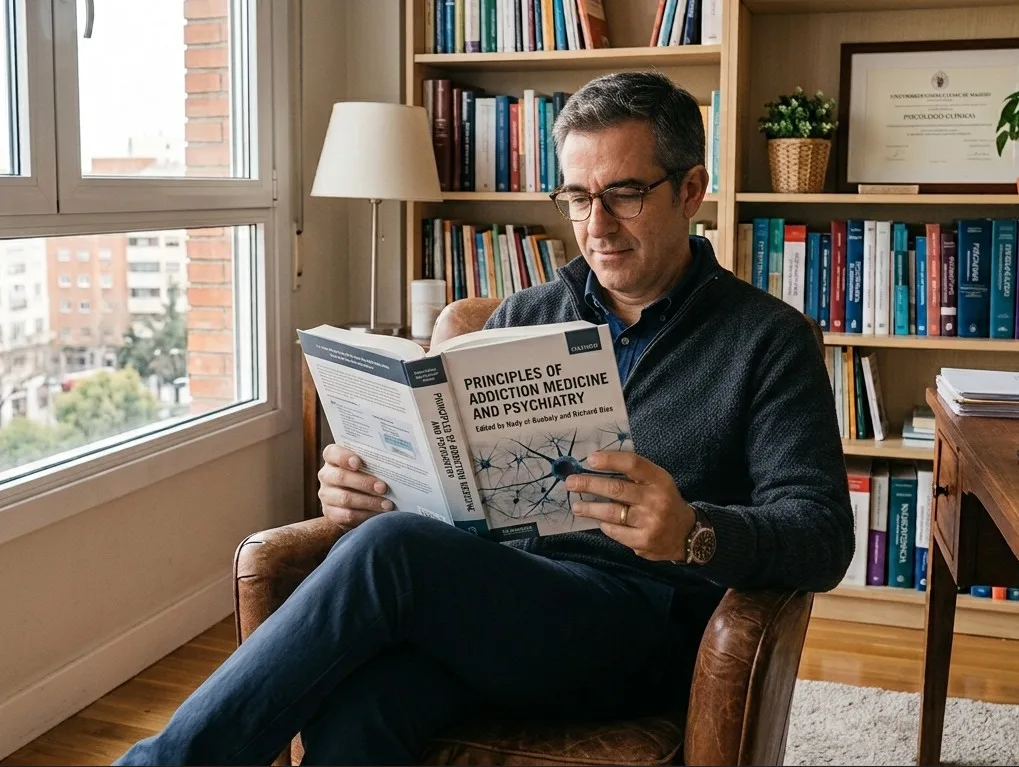
When clinicians encounter complex diagnostic dilemmas, treatment-resistant mood disorders, and delicate psychopharmacological titration challenges in daily clinical practice, they turn to 10 psychiatry books for doctors, psychologists and therapists provides an indispensable foundation for evidence-based care. Mental health professionals across medical and psychological disciplines frequently navigate high-stakes clinical presentations where biological symptoms, characterological vulnerabilities, and systemic stressors intersect in bewildering ways. You might find yourself searching for clarity when standard first-line pharmacotherapies fail or when a therapeutic alliance fractures under intense countertransference, feeling the profound ethical weight of clinical responsibility.
The diagnostic and therapeutic complexity encountered in modern psychiatry is rarely an isolated clinical hurdle; rather, it reflects the intricate biopsychosocial architecture of human psychological distress. Psychiatric disorders are not simple monolithic neurochemical imbalances, but multifaceted conditions shaped by genetic predispositions, neurocircuitry adaptations, early developmental attachments, and cultural environments. Without access to rigorous reference texts that integrate cutting-edge psychopharmacology with deep psychodynamic formulation, clinicians risk adopting fragmented, one-dimensional treatment models that compromise patient outcomes. Engaging with authoritative psychiatric literature equips practitioners with comprehensive mental models to formulate holistic, highly effective treatment interventions.
How can integrating advanced psychiatric treatises into your clinical routine elevate your diagnostic precision and therapeutic efficacy across diverse patient populations?
Exploring foundational clinical psychiatry reference books empowers physicians, clinical psychologists, and psychotherapists to master psychiatric interviewing, optimize psychotropic prescribing, and harmonize biological interventions with deep psychotherapeutic alliance.
10 Psychiatry Books for Doctors, Psychologists and Therapists
Verified Top Picks- 1
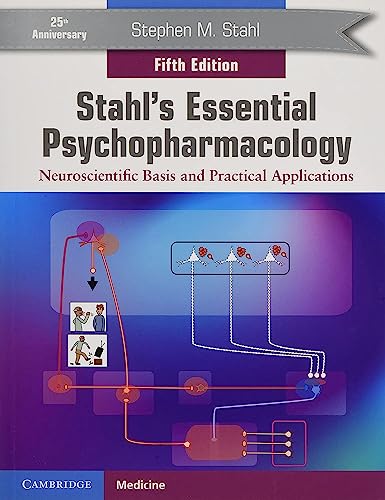 Stephen M. Stahl Stahl's Essential Psychopharmacology The global gold standard for understanding how psychotropic drugs alter brain circuitsCHECK TODAY'S PRICE
 - 2
 Robert Boland, Marcia L. Verduin & Pedro Ruiz Kaplan and Sadock's Synopsis of Psychiatry The premier, internationally acclaimed single-volume encyclopedia of clinical psychiatryCHECK TODAY'S PRICE
 - 3Daniel J. Carlat The Psychiatric Interview Practical interviewing scripts, symptom elicitation strategies, and risk assessmentCHECK TODAY'S PRICE
- 4Glen O. Gabbard Gabbard's Treatments of Psychiatric Disorders Comprehensive treatment algorithms integrating pharmacotherapy with psychotherapiesCHECK TODAY'S PRICE
- 5American Psychiatric Association Diagnostic and Statistical Manual of Mental Disorders (DSM-5-TR) The authoritative global standard diagnostic taxonomy and criteria for clinical practiceCHECK TODAY'S PRICE
- 6David M. Taylor, Thomas R. E. Barnes & Allan H. Young The Maudsley Prescribing Guidelines in Psychiatry The world's leading bedside manual for safe, evidence-based psychotropic prescribingCHECK TODAY'S PRICE
- 7Theodore A. Stern, Maurizio Fava et al. Massachusetts General Hospital Comprehensive Clinical Psychiatry Comprehensive clinical guidance excelling in consultation-liaison hospital psychiatryCHECK TODAY'S PRICE
- 8Glen O. Gabbard Psychodynamic Psychiatry in Clinical Practice Bridging psychoanalytic theory, personality pathology, and biological psychiatryCHECK TODAY'S PRICE
- 9Deborah L. Cabaniss, Sabrina Cherry et al. Psychodynamic Psychotherapy: A Clinical Manual A practical step-by-step training manual on listening, dynamic formulation, and interventionCHECK TODAY'S PRICE
- 10Laura Weiss Roberts The American Psychiatric Association Publishing Textbook of Psychiatry The flagship comprehensive academic reference covering clinical neuroscience and precision careCHECK TODAY'S PRICE
The Evolution of Modern Psychiatry: Integrating Neurobiology and Psychodynamics
Modern clinical psychiatry has undergone a profound paradigm synthesis over recent decades, moving away from ideological divisions between purely biological psychiatry and psychoanalytic psychotherapy toward an integrated biopsychosocial framework. Pioneering psychiatrist George Engel originally articulated the biopsychosocial model in 1977, demonstrating that biological abnormalities cannot be separated from psychological narratives and social contexts. By adopting this integrative perspective, contemporary clinicians recognize that effective mental healthcare requires treating the whole human person rather than isolated categorical symptom clusters.
Neuroscience breakthroughs have illuminated how psychological interventions and pharmacological treatments operate on shared neural circuitry. Functional neuroimaging demonstrates that successful psychodynamic psychotherapy and cognitive behavioral therapy modify prefrontal-limbic connectivity in patterns strikingly similar to antidepressant and mood-stabilizing medications. Psychiatrist Glen Gabbard emphasized that psychodynamic psychiatry does not reject biological interventions, but contextualizes them within the patient’s subjective meaning, transference dynamics, and enduring characterological defensive structures.
To master the multidisciplinary demands of modern mental healthcare, clinicians must cultivate three core psychiatric clinical competencies:
- Mastering neuroscientific psychopharmacology to execute evidence-based psychotropic medication management.
- Conducting nuanced phenomenological psychiatric interviews to achieve accurate categorical and dimensional diagnoses.
- Formulating comprehensive psychodynamic case formulations to navigate complex transference and countertransference dynamics.
Developing these foundational competencies enables doctors, psychologists, and therapists to deliver compassionate, scientifically rigorous care that honors both brain biology and human subjectivity.
Top 10 Psychiatry Books for Clinicians, Doctors, and Mental Health Professionals
The following curated selection represents the definitive clinical psychiatry bibliography, featuring essential psychopharmacology manuals, comprehensive textbooks, interviewing guides, and psychodynamic clinical treatises.
1. Stahl’s Essential Psychopharmacology: Neuroscientific Basis and Practical Applications — Stephen M. Stahl
Stahl’s Essential Psychopharmacology by Dr. Stephen M. Stahl is the undisputed global gold standard for understanding how psychotropic drugs alter brain circuitry and neurotransmission. Stahl translates dense neurochemical concepts into intuitive visual diagrams, conceptualizing psychiatric illness as functional disruptions in specific prefrontal-subcortical circuits. The text covers the pharmacodynamics, pharmacokinetics, and receptor binding profiles of antidepressants, antipsychotics, mood stabilizers, and anxiolytics with unrivaled visual and conceptual clarity.
What makes Stahl’s work indispensable for both prescribing doctors and non-prescribing therapists is its mechanistic approach to symptom management. Rather than matching DSM categories to drug classes blindly, Stahl teaches clinicians to deconstruct a patient’s symptoms into specific dysfunctional brain pathways and target them with precise receptor mechanisms. For clinicians seeking to master psychopharmacology from the molecular synapse to clinical bedside practice, this monumental textbook remains an essential foundation in modern biological psychiatry.
- Deconstructs psychotropic mechanism of action across dopamine, serotonin, and norepinephrine pathways.
- Explains the neurobiological circuit malfunction underlying psychosis, depression, and anxiety disorders.
- Provides actionable guidance on managing receptor-mediated side effects and complex drug-drug metabolic interactions.
2. Kaplan and Sadock’s Synopsis of Psychiatry — Robert Boland, Marcia L. Verduin, and Pedro Ruiz

Kaplan and Sadock’s Synopsis of Psychiatry, edited by Dr. Robert Boland, Dr. Marcia L. Verduin, and Dr. Pedro Ruiz, is the premier, internationally acclaimed single-volume encyclopedia of clinical psychiatry. For over five decades, this comprehensive reference has served as the backbone of psychiatric residency training and mental health board examination preparation worldwide. The text provides exhaustive coverage of clinical phenomenology, epidemiology, etiology, differential diagnosis, and multimodal psychiatric treatment strategies.
The twelfth edition reorganizes clinical chapters around DSM-5 diagnostic criteria while preserving the text’s legendary depth in child psychiatry, geriatric psychiatry, substance use disorders, and psychosomatic medicine. The editors meticulously balance empirical pharmacotherapy guidelines with historical perspectives on psychiatric nosology, ensuring that clinicians understand not only how to treat a condition today, but how modern diagnostic categories evolved over a century of clinical debate. For psychiatric residents, clinical psychologists, and practicing therapists seeking an authoritative desk reference, this volume stands as the definitive compendium of contemporary psychiatric knowledge.
- Provides comprehensive diagnostic criteria, epidemiology, and evidence-based clinical treatment protocols.
- Features detailed sections on child, adolescent, geriatric, and forensic psychiatric practice considerations.
- Integrates biological, psychological, and sociocultural factors across all major psychiatric disorder categories.
3. The Psychiatric Interview — Daniel J. Carlat
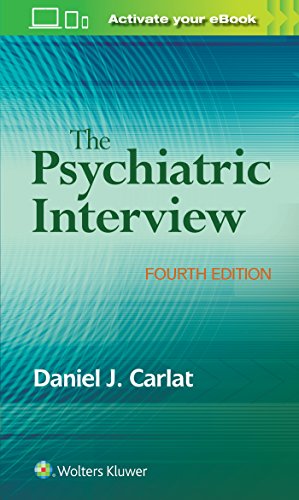
The Psychiatric Interview by Dr. Daniel J. Carlat is the definitive, highly practical clinical manual dedicated to the art and science of the diagnostic psychiatric evaluation. Carlat bridges the divide between open-ended empathic listening and structured diagnostic symptom elicitation, providing clinicians with verbatim phrasing scripts, questioning sequences, and pacing strategies. The text teaches practitioners how to establish rapid therapeutic rapport while systematically screening for complex psychiatric diagnostic criteria.
Carlat provides concrete frameworks for conducting the Mental Status Examination (MSE), assessing suicidal and homicidal risk, uncovering hidden substance abuse, and managing uncooperative, hostile, or disorganized patients. His straightforward, pragmatic advice eliminates clinical ambiguity, helping trainees and seasoned clinicians conduct thorough evaluations within compressed institutional timeframes. This indispensable guide is essential reading for medical students, psychiatric residents, and mental health psychotherapy trainees.
- Provides verbatim clinical interviewing scripts to elicit accurate DSM-5 diagnostic symptoms.
- Outlines systematic protocols for conducting thorough suicide and violence risk assessments.
- Teaches practical techniques for managing uncooperative, guarded, and severely disorganized psychiatric patients.
4. Gabbard’s Treatments of Psychiatric Disorders — Glen O. Gabbard
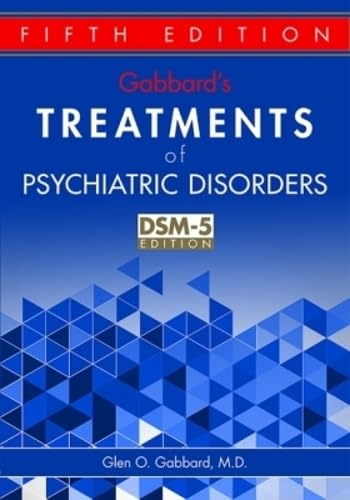
Gabbard’s Treatments of Psychiatric Disorders, edited by renowned psychiatrist Dr. Glen O. Gabbard, is the authoritative clinical treatment textbook published by the American Psychiatric Association. Spanning over nine hundred exhaustive pages, this masterwork convenes leading international experts to provide comprehensive, evidence-based treatment algorithms for every major DSM disorder. Gabbard ensures that every clinical chapter synthesizes pharmacological treatments with empirically validated psychotherapeutic modalities.
The text is renowned for its clinical sophistication, offering detailed guidance on managing treatment resistance, therapeutic alliance ruptures, and complex psychiatric comorbidities. Rather than presenting generic treatment guidelines, the authors explore how to tailor interventions to the unique psychological makeup of the individual patient. For psychiatrists, clinical psychologists, and psychiatric nurse practitioners, this text is an unmatched clinical treatment masterclass.
- Provides comprehensive treatment algorithms integrating pharmacotherapy with specialized psychotherapies.
- Delivers expert clinical consensus guidelines for managing severe treatment-resistant psychiatric illness.
- Features exhaustive chapters on treating personality disorders, trauma-related conditions, and mood disorders.
5. Diagnostic and Statistical Manual of Mental Disorders (DSM-5-TR) — American Psychiatric Association

The Diagnostic and Statistical Manual of Mental Disorders, Fifth Edition, Text Revision (DSM-5-TR) is the foundational, universally recognized diagnostic taxonomy utilized by mental health clinicians, researchers, and healthcare systems across the globe. Published by the American Psychiatric Association, DSM-5-TR provides fully revised diagnostic text, updated criteria sets, and ICD-10-CM coding, incorporating the latest psychiatric research advances and introducing prolonged grief disorder as a distinct formal clinical diagnosis.
DSM-5-TR provides detailed descriptive narratives covering prevalence, risk factors, culture-related diagnostic issues, sex and gender differences, and suicide risk for every recognized mental disorder. It incorporates dimensional assessments and objective cross-cutting symptom measures that enhance diagnostic accuracy. While clinicians must avoid rigid diagnostic reification, owning and mastering this core taxonomic volume is an absolute legal and clinical necessity.
- Establishes the authoritative diagnostic criteria and codes for all recognized mental health disorders.
- Incorporates updated scientific literature regarding cultural, gender, and racial clinical expressions.
- Provides cross-cutting symptom measures and dimensional tools to enhance clinical diagnostic precision.
6. The Maudsley Prescribing Guidelines in Psychiatry — David M. Taylor, Thomas R. E. Barnes, and Allan H. Young
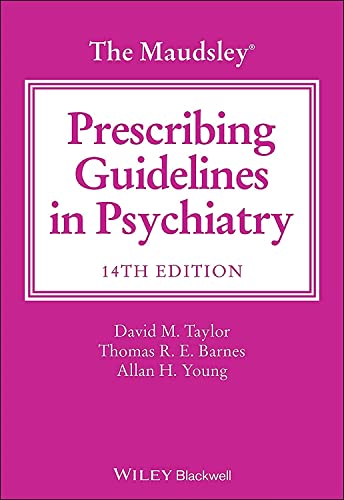
The Maudsley Prescribing Guidelines in Psychiatry by David M. Taylor, Thomas R. E. Barnes, and Allan H. Young is the world’s leading clinical handbook on the safe, evidence-based prescribing of psychotropic medications. Originating from the prestigious Maudsley Hospital and King’s College London, this globally revered guide provides practical, concise solutions for both routine and extraordinarily complex clinical psychopharmacological dilemmas encountered on hospital wards and outpatient clinics.
The guidelines provide exhaustive, evidence-ranked recommendations on drug selection, dosing schedules, switching and cross-tapering protocols, augmenting strategies, and managing rare but lethal adverse reactions like Neuroleptic Malignant Syndrome (NMS) and Serotonin Syndrome. Special sections address prescribing in pregnancy, hepatic impairment, renal failure, and advanced age. For prescribing physicians, psychiatric pharmacists, and clinical therapists who need to understand medication nuances, this volume is an irreplaceable bedside clinical prescribing manual.
- Provides evidence-based prescribing algorithms for schizophrenia, bipolar disorder, and severe depression.
- Delivers detailed drug switching, cross-tapering, and therapeutic drug monitoring protocols.
- Features comprehensive guidance on prescribing psychotropics in pregnancy and physical medical comorbidity.
7. Massachusetts General Hospital Comprehensive Clinical Psychiatry — Theodore A. Stern, Maurizio Fava, Timothy E. Wilens, and Jerrold F. Rosenbaum

Massachusetts General Hospital Comprehensive Clinical Psychiatry, edited by Dr. Theodore A. Stern, Dr. Maurizio Fava, Dr. Timothy E. Wilens, and Dr. Jerrold F. Rosenbaum, synthesizes the clinical wisdom and research excellence of Harvard Medical School’s Department of Psychiatry. This massive, authoritative textbook provides comprehensive, highly accessible guidance on evaluating and managing psychiatric conditions across inpatient, outpatient, and consultation-liaison settings, emphasizing practical evidence-based clinical decision-making.
The text excels in consultation-liaison psychiatry, detailing how medical illnesses (such as cardiovascular disease, cancer, and endocrine disorders) manifest as psychiatric symptoms, and how psychiatric medications interact with medical therapies. Each chapter features key clinical points, bulleted summary tables, and clear treatment algorithms that facilitate rapid review. For hospital-based doctors, consultation psychiatrists, and clinical psychologists, this volume delivers an authoritative masterclass in hospital psychiatry.
- Features comprehensive coverage of consultation-liaison psychiatry and medical-psychiatric comorbidity.
- Provides clear diagnostic algorithms and tables for rapid clinical decision-making in hospitals.
- Details evidence-based psychotherapeutic and biological interventions across inpatient and outpatient settings.
8. Psychodynamic Psychiatry in Clinical Practice — Glen O. Gabbard

Psychodynamic Psychiatry in Clinical Practice by Dr. Glen O. Gabbard is the definitive textbook bridging contemporary psychoanalytic theory with biological psychiatry and DSM diagnostic categories. Gabbard demonstrates that treating psychiatric patients effectively requires looking beyond surface-level symptoms to understand unconscious internal object relations, defense mechanisms, and developmental trauma. He provides an indispensable framework for formulating a comprehensive dynamic biopsychosocial assessment.
Gabbard guides clinicians through the psychodynamic treatment of Axis I and Axis II disorders, offering profound clinical wisdom on managing borderline personality disorder, narcissistic pathology, treatment-resistant depression, and severe trauma. He explores the nuances of countertransference, projective identification, and therapeutic boundaries with unmatched honesty and clarity. For psychiatrists, clinical psychologists, and psychoanalytic therapists, this volume is an enduring masterpiece of psychodynamic clinical wisdom.
- Integrates psychodynamic principles with DSM diagnostic criteria across all major psychiatric conditions.
- Provides master-level clinical guidance on managing projective identification and countertransference.
- Delivers detailed psychotherapeutic treatment frameworks for borderline and narcissistic personality disorders.
9. Psychodynamic Psychotherapy: A Clinical Manual — Deborah L. Cabaniss, Sabrina Cherry, Carolyn J. Douglas, and Anna R. Schwartz
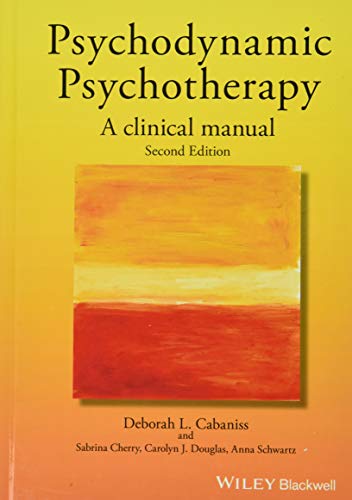
Psychodynamic Psychotherapy: A Clinical Manual by Dr. Deborah L. Cabaniss and colleagues from Columbia University Department of Psychiatry is the ultimate step-by-step practical guide to conducting psychodynamic therapy. While many psychoanalytic texts remain abstract and theoretical, Cabaniss demystifies the clinical process, providing clear, concrete instructions on how to listen, reflect, formulate, and intervene during psychotherapy sessions. This book transforms complex dynamic theory into tangible, highly teachable clinical skills.
The manual is organized around the chronological progression of therapy: establishing the therapeutic frame, forming a psychodynamic formulation, identifying defense mechanisms, interpreting transference, and navigating therapeutic termination. With memorable diagrams, verbatim clinical transcripts, and practical clinical pearls, this book is widely considered the single best introductory manual for psychiatry residents, psychology interns, and mental health psychotherapy trainees.
- Provides concrete, step-by-step instructions on how to listen, formulate, and deliver interventions.
- Teaches clinicians how to construct an accurate psychodynamic case formulation model.
- Outlines techniques for identifying defenses, working with transference, and managing therapeutic endings.
10. The American Psychiatric Association Publishing Textbook of Psychiatry — Laura Weiss Roberts
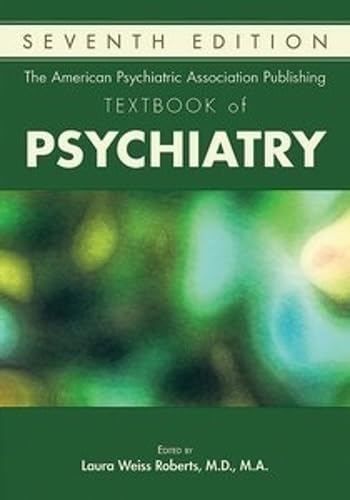
The American Psychiatric Association Publishing Textbook of Psychiatry, edited by Stanford psychiatrist Dr. Laura Weiss Roberts, is a landmark reference text representing the pinnacle of academic scholarship in modern psychiatry. Spanning over thirteen hundred pages, this seventh edition integrates cutting-edge neurobiology, genetics, and clinical therapeutics with social determinants of health, cultural psychiatry, and precision medicine, providing an unrivaled comprehensive clinical reference.
The textbook covers foundational clinical neuroscience, suicide risk assessment, neuroimaging, laboratory testing, and emerging digital therapeutics alongside thorough presentations of all DSM-5 disorders. It provides dedicated chapters on special populations, ethical and legal dimensions of clinical practice, and precision therapeutics. For academic psychiatrists, clinical directors, medical educators, and senior practitioners, this volume is the definitive flagship reference in American psychiatry.
- Delivers comprehensive academic coverage of clinical neuroscience and precision psychiatry.
- Integrates social determinants of health and cultural considerations into clinical psychiatric care.
- Features expert chapters on suicide risk assessment, neuroimaging, and emerging digital health technologies.
The Diagnostic Dilemma: Navigating DSM-5-TR Categorical vs. Dimensional Assessment
A central challenge in contemporary psychiatric practice is navigating the inherent tension between categorical diagnostic systems and dimensional conceptualizations of mental distress. The categorical model embodied in the DSM-5-TR classifies mental disorders as discrete, qualitative entities defined by specific symptom thresholds. Cognitive therapy founder Aaron Beck demonstrated that emotional suffering is perpetuated by automatic cognitive distortions, proving that symptom checklists alone cannot replace nuanced formulation. While categorical classification provides essential standardization for clinical communication, insurance billing, and pharmacological clinical trials, it frequently results in excessive diagnostic comorbidity and fails to capture complex subthreshold clinical presentations.
In contrast, dimensional assessment models conceptualize psychopathology as continuous variations along underlying transdiagnostic domains, such as negative affectivity, detachment, disinhibition, and psychoticism. Drawing upon neuroscientist Lisa Feldman Barrett’s research on constructed emotion and the National Institute of Mental Health (NIMH) Research Domain Criteria (RDoC) initiative, contemporary science demonstrates that neural circuits, genetic vulnerabilities, and behavioral dimensions cut across traditional diagnostic boundaries. Clinicians who rely exclusively on categorical checklists risk missing the underlying dimensional drivers of distress.
To balance categorical utility with dimensional depth, clinicians should implement several integrative diagnostic practices:
- Use DSM-5-TR criteria sets to establish formal standardized diagnostic and administrative baselines.
- Incorporate dimensional severity rating scales to track transdiagnostic symptom changes over time.
- Evaluate characterological traits and personality functioning to understand enduring interpersonal behavioral styles.
- Contextualize diagnostic categories within the patient’s unique developmental and socio-cultural environmental background.
Integrating categorical precision with dimensional nuance allows clinicians to construct diagnostic formulations that are both scientifically standardized and deeply attuned to individual complexity.
Rational Psychopharmacology: Balancing Efficacy, Tolerability, and Deprescribing
Rational psychopharmacology is the clinical discipline of utilizing psychotropic medications with precision, scientific evidence, and profound respect for physiological tolerability. In contemporary psychiatric practice, the clinician must avoid the twin perils of therapeutic nihilism and reckless polypharmacy, grounding every prescribing decision in neurobiological receptor theory and rigorous clinical trials. As Dr. Stephen Stahl emphasizes, prescribing is not a static process of matching a pill to a diagnosis, but a dynamic biochemical dialogue with the patient’s unique neurocircuitry. Clinicians must balance therapeutic efficacy against metabolic, neurological, and cardiovascular adverse effects, avoiding polypharmacy whenever single-agent optimization is achievable.
In addition to initiating treatment, contemporary clinical guidelines increasingly emphasize the critical skill of deprescribing. Deprescribing is not a passive cessation of treatment, but an active, structured clinical process that requires careful risk-benefit analysis, patient psychoeducation, and close therapeutic monitoring. Long-term antipsychotic, sedative-hypnotic, and antidepressant regimens frequently generate cumulative metabolic risks, cognitive blunting, and physiological dependence. Prescribers must continually reassess the clinical necessity of maintenance pharmacotherapy, collaborating with patients to evaluate whether tapering protocols are clinically appropriate.
Practicing rational psychopharmacology requires adhering to several core clinical prescribing principles:
- Establish clear target symptoms and baseline metrics before initiating any new psychotropic medication trial.
- Optimize dosage and allow adequate duration for therapeutic response before initiating complex medication augmentation.
- Monitor metabolic parameters, complete blood counts, and ECGs to prevent severe iatrogenic medical complications.
- Plan structured, gradual tapering schedules to minimize rebound symptoms and psychotropic withdrawal syndromes.
Maintaining a disciplined, cautious approach to psychopharmacology ensures that biological treatments enhance patient vitality while minimizing unnecessary pharmaceutical burdens and risks.
Practical Exercises for Clinicians to Elevate Psychiatric Practice
Developing clinical excellence in psychiatry requires translating theoretical knowledge into consistent daily clinical habits and reflective practices. As psychiatrist Viktor Frankl observed, treating human suffering demands an attitude of profound personal engagement and moral responsibility toward each unique life. By incorporating structured clinical routines into daily practice, clinicians bridge the gap between textbook knowledge and empathic clinical bedside mastery.
To integrate the core lessons from these top 10 psychiatry books into your professional routine, practice these five evidence-based clinical disciplines:
- Construct a comprehensive biopsychosocial case formulation for each new patient, identifying biological predisposing factors, psychological precipitants, and protective internal resilience resources.
- Conduct an intentional countertransference audit after difficult clinical encounters, examining personal emotional reactions to prevent unconscious therapeutic alliance ruptures.
- Utilize the Maudsley cross-tapering protocols when switching psychotropics to ensure safe receptor-mediated transition management.
- Engage in collaborative psychoeducation by explaining neurobiological mechanisms in accessible metaphors, empowering patients in shared medical decision-making.
- Implement structured pre-session chart reviews to identify polypharmacy risks and evaluate potential medication deprescribing opportunities.
Consistently practicing these clinical disciplines empowers doctors, psychologists, and therapists to deliver transformative mental healthcare that fosters enduring healing, recovery, and human flourishing.
FAQs about Psychiatry Books for Clinicians and Therapists
What is the single best psychiatry book for a medical student or new resident?
For medical students and beginning psychiatric residents, Kaplan and Sadock’s Synopsis of Psychiatry by Robert Boland and colleagues serves as the most comprehensive, single-volume introductory compendium. It covers the entire breadth of clinical psychiatry, phenomenology, DSM-5 criteria, and treatment modalities in an organized, readable format. As a companion for practical clinical rounds, The Psychiatric Interview by Daniel Carlat is essential for learning how to structure diagnostic interviews, establish rapid rapport, and elicit symptoms accurately under real-world clinical time constraints.
How does psychodynamic psychiatry fit into modern biological mental healthcare?
Psychodynamic psychiatry provides the vital contextual framework that connects biological neurocircuitry with human subjectivity. As Dr. Glen Gabbard demonstrates, brain biology and psychological meaning are inextricably linked; traumatic experiences alter gene expression and neural connectivity, while psychotherapeutic dialogue physically reshapes brain pathways. Psychodynamic psychiatry equips clinicians to understand transference, countertransference, defense mechanisms, and personality structure, ensuring that pharmacotherapy is delivered within a strong, collaborative therapeutic alliance that respects the patient’s internal experience.
What is the difference between Stahl’s Essential Psychopharmacology and the Maudsley Guidelines?
While both are world-class psychopharmacology references, they serve complementary clinical purposes. Stahl’s Essential Psychopharmacology focuses on the neuroscientific mechanisms of action, illustrating how drugs alter neurotransmission and specific brain circuits through visual diagrams. The Maudsley Prescribing Guidelines is an actionable bedside prescribing manual that provides evidence-based dosing schedules, drug-switching algorithms, clinical trial summaries, and specific protocols for managing complex clinical situations, such as prescribing during pregnancy, renal failure, or medical comorbidities.
Why is psychiatric case formulation preferred over simple categorical diagnosis?
A categorical DSM-5 diagnosis merely provides a descriptive label for a cluster of symptoms, whereas a comprehensive psychiatric case formulation explains why this specific patient developed these symptoms at this particular time. Utilizing the biopsychosocial model, a case formulation integrates genetic predispositions, medical history, early developmental attachment patterns, unconscious psychological defenses, and current psychosocial stressors. This comprehensive formulation allows clinicians to design tailored, multimodal treatment plans combining specific pharmacotherapies and targeted psychotherapies.
Can psychotherapists who do not prescribe medication benefit from reading psychiatry textbooks?
Yes, non-prescribing psychotherapists, clinical psychologists, and social workers benefit immensely from reading psychiatric and psychopharmacological literature. Understanding the neurobiology of mental disorders and the mechanisms of psychotropic medications enables therapists to provide accurate psychoeducation, monitor medication compliance, identify dangerous side effects, and collaborate effectively with prescribing physicians. Furthermore, texts like Gabbard’s Treatments of Psychiatric Disorders provide comprehensive reviews of evidence-based psychotherapies alongside biological interventions.
How does DSM-5-TR address cultural differences in psychiatric diagnosis?
The DSM-5-TR significantly enhances cultural psychiatry by incorporating the Cultural Formulation Interview (CFI) and providing comprehensive sections on culture-related diagnostic issues for every mental disorder. It recognizes that cultural norms, spiritual beliefs, and systemic discrimination directly shape how psychological distress is experienced, conceptualized, and communicated. Clinicians are guided to evaluate how cultural identity, illness explanations, and psychosocial stressors influence symptom presentation, preventing misdiagnosis and fostering culturally responsive mental healthcare.
Bibliography
- American Psychiatric Association. (2022). Diagnostic and Statistical Manual of Mental Disorders (5th ed., text rev.). American Psychiatric Association Publishing.
- Barrett, L. F. (2017). How Emotions Are Made: The Secret Life of the Brain. Houghton Mifflin Harcourt.
- Beck, A. T. (1979). Cognitive Therapy of Depression. Guilford Press.
- Boland, R., Verduin, M. L., & Ruiz, P. (2021). Kaplan and Sadock’s Synopsis of Psychiatry (12th ed.). Wolters Kluwer.
- Cabaniss, D. L., Cherry, S., Douglas, C. J., & Schwartz, A. R. (2016). Psychodynamic Psychotherapy: A Clinical Manual (2nd ed.). Wiley.
- Carlat, D. J. (2016). The Psychiatric Interview (4th ed.). Wolters Kluwer.
- Engel, G. L. (1977). The need for a new medical model: A challenge for biomedicine. Science.
- Frankl, V. E. (1959). Man’s Search for Meaning. Beacon Press.
- Gabbard, G. O. (2014). Gabbard’s Treatments of Psychiatric Disorders (5th ed.). American Psychiatric Publishing.
- Gabbard, G. O. (2014). Psychodynamic Psychiatry in Clinical Practice (5th ed.). American Psychiatric Publishing.
- Roberts, L. W. (2019). The American Psychiatric Association Publishing Textbook of Psychiatry (7th ed.). American Psychiatric Association Publishing.
- Stahl, S. M. (2021). Stahl’s Essential Psychopharmacology: Neuroscientific Basis and Practical Applications (5th ed.). Cambridge University Press.
- Stern, T. A., Fava, M., Wilens, T. E., & Rosenbaum, J. F. (2015). Massachusetts General Hospital Comprehensive Clinical Psychiatry (2nd ed.). Elsevier.
- Taylor, D. M., Barnes, T. R. E., & Young, A. H. (2021). The Maudsley Prescribing Guidelines in Psychiatry (14th ed.). Wiley-Blackwell.
Use this citation format to reference the article clearly and help readers find the original source.
PsychologyFor. (2026). 10 Psychiatry Books for Doctors, Psychologists and Therapists. PsychologyFor. https://psychologyfor.com/10-psychiatry-books-for-doctors-psychologists-and-therapists/