

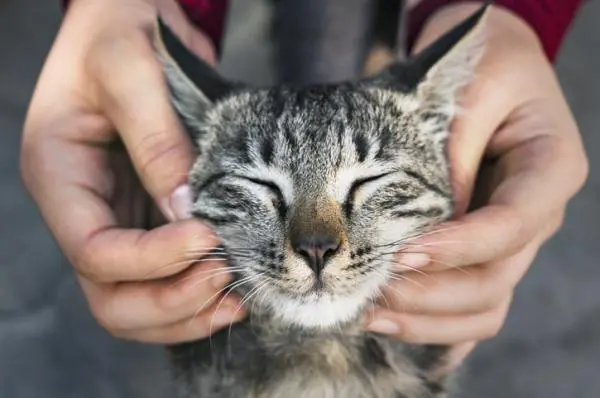
Ailurophilia is the love or deep affection for cats—derived from the Greek words “ailuro” (cat) and “philia” (love)—describing feelings toward felines that range from healthy appreciation to, in rare cases, problematic obsession. If you’ve ever felt genuine peace wash over you while a cat purrs in your lap, found yourself watching cat videos for longer than you’d care to admit, or stopped to greet every neighborhood cat on your evening walks, you’re experiencing ailurophilia in its most common, entirely healthy form. This fondness for cats is widespread, perfectly natural, and increasingly celebrated through social media, literature, art, and the millions of homes worldwide that welcome feline companions as cherished family members.
There’s something almost magical about cats, isn’t there? They offer companionship without overwhelming demands. Their affection arrives on their own terms, which somehow makes it feel more authentic when they choose to curl up beside you. They’re simultaneously independent and cuddly, mysterious and transparent, dignified and absolutely ridiculous when chasing a piece of string. For countless people, cats provide emotional support during difficult times, reduce feelings of loneliness, lower stress levels, and offer unconditional acceptance that human relationships sometimes struggle to match.
Most people who love cats experience ailurophilia as purely positive. They’re the ones whose faces light up discussing their cats’ unique personalities, who have cat-themed mugs scattered throughout their homes, who volunteer at shelters on weekends, or who simply find genuine calm in feline presence. This healthy appreciation enhances wellbeing, creates opportunities for nurturing, and connects people through shared love of these remarkable animals that have lived alongside humans for thousands of years—dating back to ancient Egypt where cats were revered as sacred.
But in relatively rare cases, what begins as genuine affection can develop into concerning patterns. When love for cats transforms into obsessive preoccupation interfering with daily functioning, when it manifests as hoarding behavior ultimately harming the animals someone claims to cherish, or when it crosses into inappropriate territory, ailurophilia shifts from beneficial relationship to condition requiring professional intervention. These pathological manifestations are uncommon, but recognizing the difference between healthy appreciation and concerning obsession matters tremendously.
Perhaps you’re reading this because you adore cats and want to understand that affection on a deeper level. Maybe you’re wondering whether your devotion has crossed some invisible line from normal into concerning territory. You might worry about someone whose cat obsession seems negatively affecting their life or the animals they love. Or possibly you’re curious about the psychology behind one of humanity’s most enduring animal companionships.
Understanding ailurophilia in all its forms helps us appreciate positive aspects of human-animal bonds while recognizing when intervention becomes necessary. Mental health professionals increasingly recognize that relationships with pets, including cats, contribute significantly to psychological wellbeing by providing comfort, purpose, routine, and non-judgmental companionship supporting emotional regulation. Yet like any powerful attachment, these relationships can occasionally become unbalanced in ways requiring support. Seeking help for mental health challenges, including those involving relationships with animals, is a sign of strength and self-awareness, not weakness.
This article explores ailurophilia comprehensively: what it truly means to love cats, how that affection typically manifests in healthy ways, genuine psychological and emotional benefits of feline companionship, when and how cat affection can cross into problematic territory, underlying causes of both healthy and pathological patterns, and evidence-based treatment approaches when love becomes obsession. Whether you’re a devoted cat enthusiast seeking validation, someone concerned about your relationship with cats, or simply curious about this particular form of animal affection, understanding ailurophilia provides insight into both human psychology and our ancient bond with these enigmatic creatures.

What Ailurophilia Really Means
The term ailurophilia doesn’t exactly roll off the tongue in everyday conversation. But the experience it describes is extraordinarily common. At its heart, ailurophilia simply means having genuine fondness for cats—appreciating their presence, enjoying their companionship, finding pleasure in their unique personalities, and feeling drawn to their enigmatic charm.
For most people, ailurophilia enriches life without creating negative consequences. These are folks who rescue cats from shelters, create comfortable homes with cat trees and cozy beds, share amusing cat stories with friends, follow multiple cat accounts on social media, or simply feel their mood lift when a cat enters the room. This normal, healthy form connects to broader research about how animals enhance human wellbeing in measurable ways.
Scientific evidence for cat companionship benefits is robust. Studies consistently show cat owners report reduced stress and anxiety, decreased loneliness, lower blood pressure, and improved mood compared to people without pets. Petting a cat releases oxytocin—the “love hormone”—in both human and feline brains, creating biochemical bonding that feels genuinely calming. It’s not imagination when petting your cat makes you feel better. Your body literally produces chemicals promoting bonding and reducing stress.
Cats offer particular advantages as companions compared to other pets. Unlike dogs requiring extensive time commitment for walks and constant attention, cats are more independent and self-sufficient, making them ideal for people with demanding schedules, limited mobility, chronic health conditions, or smaller living spaces. They provide companionship without overwhelming neediness. They’re there when you want connection, and perfectly content napping in sunbeams when you need to focus elsewhere.
A cat’s purr has been studied for potential therapeutic effects. Research notes that purring frequency (25-150 Hz) may promote healing and reduce pain perception. The cultural celebration of cats has exploded in recent decades, particularly with internet culture embracing feline content as universally appealing. Cat videos, memes, and photos dominate social media, creating shared cultural experiences around cat appreciation. This normalization means loving cats—even intensely—has become socially acceptable and widely understood.
However, ailurophilia exists on a spectrum. While most people experience it at the healthy end—genuine affection enhancing life quality—the term also encompasses more problematic manifestations. Understanding this spectrum helps distinguish between normal enthusiasm and patterns warranting concern.
At the problematic end, ailurophilia can manifest in concerning ways: as obsessive preoccupation where thoughts about cats dominate consciousness, interfering with work, relationships, and daily responsibilities; as hoarding behavior where people accumulate more cats than they can care for, resulting in neglected animals living in unsanitary conditions; and most rarely, as paraphilic disorder involving inappropriate sexual interest—a serious psychological condition requiring immediate professional treatment.
These pathological manifestations are rare. The overwhelming majority of cat lovers never experience anything beyond healthy affection. But acknowledging the full spectrum provides complete understanding of this human-animal relationship.
The Beautiful Benefits of Loving Cats
Before addressing problematic aspects, let’s fully appreciate what healthy ailurophilia offers. Benefits of loving and living with cats extend across psychological, emotional, social, and physical wellbeing dimensions.
Emotional support and companionship rank among the most significant benefits. Cats offer consistent presence combating loneliness without judgment or complications human relationships sometimes bring. They’re there after difficult days. They respond to attention with purrs and head bumps. They offer affection that feels unconditional—they don’t care about career achievements, appearance, or social status.
For people living alone, experiencing social isolation, or navigating difficult life transitions like divorce, job loss, or grief, cats provide steady companionship genuinely supporting mental health. The routine and structure of caring for cats benefits people dealing with depression, anxiety, or trauma particularly. Feeding schedules, litter box maintenance, play sessions, and grooming create daily structure getting people out of bed and engaged with tasks beyond their own struggles.
This externally-imposed routine can be lifesaving for people whose mental health conditions make self-care extraordinarily difficult. When you can’t motivate yourself to eat, you can often still feed your cat. When getting out of bed feels impossible, knowing your cat needs you provides that necessary push.
Stress reduction through cat interaction has been documented extensively. Simply petting a cat lowers cortisol (stress hormone) levels while increasing serotonin and dopamine production—neurotransmitters associated with wellbeing and pleasure. After stressful days, many cat owners instinctively seek their cats for comfort. That instinct is psychologically sound. The calming effect is real and measurable.
Cats provide valuable opportunities for nurturing and caregiving satisfying fundamental human needs. Providing for another living being, ensuring their comfort, and receiving their affection creates profound sense of purpose. For people who can’t have children, who’ve experienced losses, or who enjoy caregiving, cats offer appropriate and fulfilling outlet for nurturing instincts.
The entertainment and joy cats provide shouldn’t be underestimated either. Their playful antics, surprising behaviors, and distinct personalities bring genuine laughter and lightness into daily life. Watching a cat’s curious exploration of a cardboard box or their determination to knock a pen off your desk provides authentic entertainment lifting mood and offering breaks from serious concerns.
Social connection often forms around shared cat love. Cat owners connect with each other, sharing stories, advice, and photos. Online communities dedicated to cat appreciation create belonging among people who might otherwise remain isolated. Volunteering at rescues and shelters provides meaningful social engagement while serving animals in need—a situation benefiting both human mental health and feline welfare.
For many, cats serve as non-judgmental confidants. You can talk to your cat about anything without fear of criticism, breach of confidence, or unwanted advice. This safe outlet for verbal processing supports emotional regulation and provides space to articulate thoughts before sharing them with humans—or sometimes instead of sharing them, which is perfectly fine.
Physical health benefits extend beyond psychological wellbeing. Cat owners show reduced risk of cardiovascular disease and stroke, possibly due to stress-reducing effects of companionship. Immune system benefits of growing up with cats have been studied, with some research suggesting reduced allergy and asthma risk with early cat exposure.
Recognizing When Love Becomes Problematic
While healthy cat love enriches lives, certain patterns signal ailurophilia has crossed into problematic territory requiring professional attention. Understanding warning signs helps distinguish between enthusiasm and obsession.
Obsessive preoccupation with cats represents one concerning pattern. This manifests when thoughts about cats dominate consciousness throughout the day, interfering with ability to focus on work, maintain relationships, or engage in other activities. The person may spend hours researching cat behavior, watching cat videos, or thinking about cats to the exclusion of other interests and responsibilities.
This isn’t occasional enthusiasm or spending a pleasant evening watching cat content—it’s persistent, intrusive preoccupation crowding out other essential life aspects. People experiencing obsessive ailurophilia may show several concerning signs: inability to stop thinking about cats even when trying to focus on important tasks, spending multiple hours daily on cat-related activities beyond basic care, experiencing severe anxiety when separated from cats even briefly, neglecting personal needs or work responsibilities to focus on cats, organizing entire life around cat schedules to unreasonable degree, and experiencing significant distress if unable to interact with cats regularly.
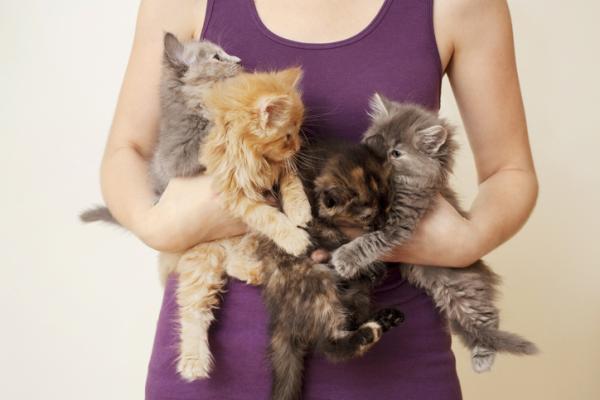
Animal hoarding—sometimes called Noah’s Syndrome—represents another deeply concerning manifestation. This serious condition involves accumulating more cats than one can properly care for, resulting in inadequate nutrition, veterinary care, sanitation, and socialization. Unlike healthy multi-cat households where each animal receives proper care, hoarding situations deteriorate into unhealthy, often dangerous conditions for both animals and humans.
| Healthy Multi-Cat Household | Cat Hoarding Situation |
|---|---|
| Each cat receives individual attention and care | Cats receive minimal individual attention |
| Regular veterinary care for all cats | Little or no veterinary care provided |
| Clean environment with adequate litter boxes | Unsanitary conditions with overwhelming odors |
| Sufficient food and fresh water always available | Inadequate nutrition and water access |
| Owner recognizes and maintains capacity limits | Continually acquiring cats beyond capacity |
| Living space remains clean and functional | Deteriorating living conditions for all |
| Cats appear healthy and well-socialized | Cats show signs of illness and neglect |
| Owner welcomes visitors comfortably | Social isolation due to living conditions |
Warning signs of cat hoarding include: continually acquiring new cats despite lacking capacity to care for existing ones, living conditions deteriorating due to accumulated animal waste with strong odors, inability to provide adequate food, water, veterinary care, or clean litter boxes for all cats, cats showing signs of malnutrition or illness, denial about inadequacy of care despite obvious problems, social isolation as conditions become too embarrassing for visitors, and accumulating deceased animals not properly disposed of.
People engaging in cat hoarding typically don’t recognize harm they’re causing. They genuinely believe they’re helping animals and often resist intervention vigorously, making this pattern particularly difficult to address. The condition frequently co-occurs with other mental health challenges including depression, anxiety disorders, obsessive-compulsive disorder, or attachment disorders.
Paraphilic disorder involving cats represents the rarest and most severe pathological form. This involves inappropriate sexual interest in or attraction to cats—a serious psychological condition causing significant distress and potential animal harm. This is entirely distinct from normal cat affection and represents genuine mental health crisis requiring immediate professional intervention from specialists.
This manifestation is extremely uncommon and should not be confused with typical cat love. The vast majority of cat lovers never experience anything resembling paraphilic interests. However, acknowledging this possibility ensures individuals experiencing such thoughts can seek appropriate help without shame.
Functional impairment serves as the key indicator distinguishing healthy enthusiasm from problematic obsession. Ask these questions honestly: Does cat-related behavior interfere with work performance or career advancement? Has it damaged important relationships or caused social isolation? Does it consume financial resources needed for essential expenses? Does it prevent engagement in other activities or interests? Has it resulted in neglect of personal health, hygiene, or living conditions? If answering yes to multiple questions, ailurophilia has likely crossed into problematic territory.
Why Some People Develop Intense Cat Attachments
Understanding what causes both healthy and problematic ailurophilia requires exploring complex interplay of psychological, social, and biological factors drawing certain people toward particularly intense relationships with cats.
Cats meet very specific psychological needs making them particularly appealing for certain personality types and life situations. Their independent nature appeals to people who value autonomy themselves—you can love a cat while maintaining independence in ways dog ownership doesn’t always permit. Cat affection comes on feline terms, paradoxically making it feel more authentic when offered.
For people skeptical of overly enthusiastic displays, cat companionship feels more genuine and respectful of boundaries. The relatively low-maintenance nature of cat care makes feline companionship accessible to people whose circumstances don’t permit more demanding pets. People with mobility limitations, demanding schedules, mental health challenges affecting energy, or small living spaces can successfully care for cats when other pets would be impractical.
Childhood experiences significantly influence adult animal relationships. People who grew up with beloved cats often seek to recreate those positive experiences in adulthood, attempting to recapture feelings of comfort and security. Conversely, people whose childhoods lacked warmth or secure attachments sometimes find in cats the unconditional acceptance they missed from human caregivers. The cat becomes secure attachment figure providing emotional safety not sufficiently available earlier in life.
For some individuals, early positive experiences with cats created powerful neural associations between felines and feelings of safety, comfort, or happiness. These neural pathways established during childhood continue influencing adult emotional responses decades later. The sight, sound, or touch of a cat automatically triggers those positive associations, explaining why some people feel immediate calm in feline presence.
Social factors and isolation play significant roles in intense ailurophilia development. People experiencing chronic loneliness, social anxiety, or difficulty forming satisfying human relationships may invest heavily in relationships with cats, which feel safer and more manageable. Cats don’t judge harshly, betray confidences, engage in complicated social politics, or make emotionally demanding requests.
For socially isolated individuals, cats may represent primary or sole source of companionship and affection. This isn’t necessarily problematic—many people successfully balance human and feline relationships, with cats supplementing rather than replacing human connection. However, when social difficulties lead to complete withdrawal with cats as sole emotional support source, vulnerability to problematic patterns increases substantially.
Various mental health conditions can influence ailurophilia development, particularly when it becomes obsessive or involves hoarding. Obsessive-compulsive disorder may manifest through ritualistic cat care, excessive worry about cat wellbeing, or inability to stop acquiring cats despite negative consequences. Depression and anxiety can make cat relationships feel safer than human ones, leading to over-reliance on feline companionship for emotional regulation.
Attachment disorders stemming from early childhood might manifest as either anxious clinging to cats or accumulating many cats to avoid vulnerability of deeper bonds with fewer animals. Trauma survivors sometimes develop particularly intense bonds with cats as part of healing. The non-threatening presence, opportunity to practice nurturing in safe context, and unconditional acceptance cats offer can genuinely support trauma recovery. However, this can occasionally tip into problematic dependency without appropriate human support and professional treatment.
Neurobiological factors may predispose some individuals toward stronger animal bonds. Variations in oxytocin system functioning, which regulates bonding and attachment, might make some people particularly responsive to animal companionship. Reward pathways activated by cat interaction—releasing dopamine and feel-good neurotransmitters—may be particularly strong in some brains, making cat companionship especially reinforcing and potentially habit-forming.
For people developing hoarding patterns specifically, executive function difficulties, problems with decision-making and organization, and challenges accurately recognizing deteriorating situations often contribute. These cognitive patterns make it genuinely difficult to assess how many animals one can care for or recognize when living conditions have become unhealthy.

Evidence-Based Treatment Approaches
When ailurophilia crosses into problematic territory—causing functional impairment, harming animals through neglect, or creating significant distress—professional intervention becomes necessary. Treatment approaches depend on specific manifestation and underlying causes.
Cognitive-behavioral therapy (CBT) represents primary evidence-based treatment for obsessive preoccupation with cats. CBT helps identify distorted thought patterns fueling excessive cat focus and develops healthier, more balanced thinking. For example, someone believing “I’m only valuable when caring for cats” would work with their therapist to recognize and challenge that belief, developing more balanced self-concept including multiple sources of worth and meaning.
Behavioral components of CBT address problematic patterns directly and practically. This might involve gradual exposure to separation from cats reducing anxiety, scheduled cat-related activities preventing excessive time spent on cat care or content, and systematic engagement in other activities broadening interests beyond cats. The goal isn’t eliminating cat love but creating balance so cats enhance rather than dominate life.
Treatment for animal hoarding requires multifaceted approach addressing both psychological issues and practical animal welfare concerns simultaneously. Mental health treatment typically involves therapy addressing underlying conditions like OCD, depression, attachment disorders, or trauma. Cognitive work focuses on helping the person recognize and understand harm their behavior causes animals they genuinely believe they’re helping—challenging denial characteristically accompanying hoarding situations.
Practical interventions include working collaboratively with animal control or rescue organizations to reduce animal numbers to manageable levels, ensuring remaining animals receive proper care and veterinary attention, and creating concrete systems preventing future accumulation. This often requires sustained monitoring and ongoing support, as animal hoarding shows high recurrence rates without continued intervention.
Harm reduction approaches recognize that immediately removing all animals may not be realistic or beneficial. Instead, treatment focuses on gradually improving conditions, reducing numbers sustainably, and ensuring animals receive basic care while addressing underlying psychological issues. This approach typically increases cooperation likelihood compared to purely punitive interventions triggering defensiveness.
Medication may be appropriate when underlying mental health conditions significantly contribute to problematic ailurophilia. Selective serotonin reuptake inhibitors (SSRIs) effectively treat obsessive-compulsive symptoms, depression, and anxiety—all potentially relevant to obsessive cat focus or hoarding behaviors. Medication doesn’t specifically target “cat obsession” but addresses underlying psychological vulnerabilities and neurochemical imbalances making obsession possible.
For rare cases of paraphilic disorder involving inappropriate sexual interest, specialized treatment combines intensive psychotherapy with possible medication management. This serious condition requires working with professionals specifically experienced in treating paraphilic disorders. Treatment focuses on understanding underlying causes and trauma, developing appropriate outlets for sexuality with consenting adults, addressing trauma or attachment disruptions, and ensuring animal safety through establishing appropriate boundaries.
Support groups and peer connections benefit people dealing with various forms of problematic ailurophilia. Animal hoarding recovery groups provide understanding and practical strategies from others facing similar challenges. General mental health support groups addressing OCD, anxiety, or depression tackle underlying conditions often driving problematic cat relationships. These peer connections reduce isolation and shame while providing concrete strategies from others navigating similar struggles.
Family and social support play crucial roles in treatment success and sustained recovery. When loved ones understand the problem as genuine mental health issue rather than character flaw, they can provide appropriate support and compassionate accountability. This might include helping monitor animal numbers, encouraging engagement in non-cat activities, accompanying the person to therapy appointments, and recognizing early warning signs of relapse requiring intervention.
However, family involvement requires careful balance. Judgmental or punitive approaches typically backfire, increasing defensiveness and shame. Supportive approaches genuinely validating the person’s cat love while addressing problematic behaviors prove more effective. The message should be “We support your recovery so you can maintain healthy relationships with cats” rather than “You’re wrong for loving cats too much.”
Prevention strategies help people at risk for developing problematic patterns. This includes maintaining diverse interests and relationships rather than focusing exclusively on cats, regularly assessing whether cat-related activities enhance or impair functioning, seeking support for underlying mental health conditions before they manifest in problematic behaviors, and establishing limits on cat numbers based on realistic capacity assessment.

Creating Healthy Balance With Cat Companionship
For the vast majority of cat lovers who never develop problematic patterns, the goal isn’t reducing cat affection. Rather, it’s ensuring cat love remains one valuable aspect of balanced life rather than consuming identity or impairing functioning.
Maintaining realistic perspective on the role cats play supports healthy ailurophilia. Cats can be tremendously important, beloved family members while still being one part of rich life including human relationships, meaningful work or activities, personal interests beyond cats, and consistent self-care. When cats become sole source of meaning, purpose, or companionship, vulnerability to problematic patterns increases.
Ask yourself periodically: Do I maintain relationships and interests beyond my cats? Can I leave my cats for work, travel, or social activities without excessive anxiety? Do I maintain my living space, hygiene, and health alongside cat care? Are my cats receiving proper veterinary care and nutrition within my budget? If answers raise concerns, addressing imbalances early prevents escalation.
Responsible cat ownership demonstrates healthy ailurophilia beautifully. This includes providing proper nutrition and fresh water, regular veterinary care including vaccinations and preventive treatments, environmental enrichment through toys and climbing opportunities, consistently clean living conditions and litter boxes, and appropriate socialization. It means accurately assessing how many cats you can properly care for given your space, time, energy, and financial resources—and not exceeding that number regardless of how much you’d like to help more cats.
Healthy cat love also sometimes involves recognizing when cats’ needs might be better served through rehoming—a heartbreaking but occasionally necessary decision. If life circumstances change dramatically—financial crisis, housing loss, severe allergies, overwhelming caregiving responsibilities—sometimes the most loving choice is finding appropriate new homes for cats rather than keeping them in deteriorating conditions. This is heartbreaking but represents putting animals’ welfare above emotional attachment.
Connecting with other cat lovers in balanced ways supports sustainable ailurophilia. Volunteering at shelters or rescue organizations, participating in cat fancy or show circuits, engaging in online communities dedicated to cat appreciation, or simply sharing cat stories with friends creates social connection around shared interests without isolation. These activities channel cat love into constructive engagement benefiting both cats and humans.
For people recognizing they’re generally vulnerable to obsessive patterns, applying that self-awareness to cat relationships proves protective. If you notice yourself becoming excessively focused on cats to the exclusion of other important areas, applying strategies helping with other obsessive tendencies—like scheduling limited cat time, consciously diversifying activities, or discussing concerns with a therapist—can prevent escalation into more serious problems.
Appreciating what cats teach us represents another healthy expression. Cats model present-moment awareness, healthy boundaries, self-care without guilt, curiosity about their environment, and independence balanced with connection. Observing and learning from these qualities enriches human life beyond simple pet ownership into deeper appreciation of what cat companionship offers philosophically and psychologically.
FAQs About Ailurophilia
Is loving cats intensely a mental disorder?
No, loving cats intensely is absolutely not inherently a mental disorder—the vast majority of devoted cat lovers experience healthy, beneficial affection genuinely enhancing their wellbeing and quality of life. Ailurophilia only becomes clinically concerning when it creates significant functional impairment in daily life, causes marked psychological distress, involves hoarding behavior demonstrably harming animals, or manifests as obsessive preoccupation preventing engagement in essential work, relationships, or self-care activities. Think of ailurophilia as existing on a spectrum: at one end sits casual cat appreciation, in the middle you find devoted cat love that’s completely healthy, and only at the far extreme does it cross into problematic territory requiring professional intervention. Most people who proudly identify as “cat people” or deeply love their feline companions are nowhere near the pathological end. Key indicators that ailurophilia has become problematic include spending excessive time on cat-related activities to serious detriment of responsibilities, experiencing severe anxiety when separated from cats even briefly, accumulating more cats than you can properly care for, or organizing entire existence around cats in ways damaging other important functioning areas. If your cat love brings genuine joy, provides meaningful companionship, and fits within reasonably balanced life including other relationships and activities, you’re experiencing entirely healthy ailurophilia regardless of intensity.
What causes someone to become obsessed with cats rather than just appreciating them?
Multiple interconnected factors can contribute to someone developing obsessive focus on cats rather than maintaining healthy appreciation. Psychological vulnerabilities including underlying obsessive-compulsive tendencies, anxiety disorders, or depression can manifest through excessive cat focus, where cats become primary coping mechanism or emotional regulation source. Social isolation and genuine difficulty forming satisfying human relationships sometimes lead people to invest disproportionately in cat relationships, which understandably feel safer and more manageable than complicated human connections. Childhood experiences matter significantly—people who had powerfully positive early cat experiences may seek recreating those feelings in adulthood, while those lacking secure human attachments might find in cats the unconditional acceptance they missed during formative years. Trauma survivors occasionally develop particularly intense bonds with cats as part of healing, though this can sometimes tip into problematic dependency without appropriate therapeutic support addressing underlying trauma. Neurobiological factors including variations in oxytocin and dopamine systems might make some individuals particularly responsive to bonding and reward aspects of cat interaction, essentially making cat companionship more biochemically reinforcing for their specific brain chemistry. For people developing hoarding patterns specifically, executive function difficulties and problems accurately assessing situations contribute to accumulating more animals than they can realistically care for. Often, obsessive ailurophilia develops gradually through combination of factors—someone might start with genuine cat love, experience social isolation increasing dependence on feline companionship, and have underlying anxiety manifesting as obsessive worry about cat welfare, creating escalating pattern requiring professional intervention to interrupt.
How do I know if I have too many cats?
There’s genuinely no universal number defining “too many cats” because appropriate number depends entirely on your realistic ability to provide proper, consistent care for each individual cat in your home. The question isn’t about hitting arbitrary numerical limits but honestly assessing capacity to meet all animals’ needs adequately. Consider these crucial factors when evaluating whether you have too many cats: Can you comfortably afford proper veterinary care including regular wellness checkups, necessary vaccinations, parasite prevention, and treatment for health issues arising for all cats without financial strain? Do you have sufficient physical space allowing each cat adequate territory, multiple litter boxes following the guideline of one per cat plus one extra, and areas where cats can retreat for solitude when needed? Can you realistically maintain clean, sanitary living conditions including regular litter box cleaning multiple times daily, preventing waste accumulation, and ensuring your home doesn’t develop strong, persistent odors indicating inadequate sanitation? Do you have sufficient time and energy to provide each individual cat appropriate attention, environmental enrichment, play opportunities, and careful monitoring for health or behavioral changes? Are you able to feed all cats adequate nutrition meeting their individual dietary needs without significant financial strain? If honestly struggling with any fundamental areas, you likely have more cats than you can responsibly care for, regardless of specific number. Someone with substantial financial resources, large living space, and considerable free time might successfully care for many cats, while someone with limited resources might struggle properly caring for even two or three. The key warning sign for problematic accumulation isn’t hitting specific numbers but continuing to acquire additional cats when you genuinely can’t adequately care for existing ones, or when living conditions noticeably deteriorate despite sincere efforts.
Can problematic ailurophilia be successfully treated?
Yes, problematic ailurophilia can absolutely be effectively treated through appropriate professional intervention—though it’s crucial clarifying what requires treatment. Healthy cat love doesn’t need curing or reducing—it’s positive life aspect enhancing wellbeing and shouldn’t be eliminated. However, when ailurophilia becomes genuinely obsessive, involves hoarding harming animals, or otherwise creates significant problems, underlying problematic patterns can be successfully addressed through evidence-based interventions. For obsessive preoccupation, cognitive-behavioral therapy helps develop healthier thought patterns and behaviors, reducing excessive focus while allowing appropriate, beneficial cat affection to continue. People can learn balancing cat love with other life aspects through structured therapy, creating healthier cat relationships while improving overall functioning across life domains. For animal hoarding specifically, treatment is more complex and typically requires comprehensive combination of mental health support addressing underlying conditions like OCD or depression, practical interventions working with authorities to reduce animal numbers to genuinely manageable levels, and ongoing monitoring preventing recurrence since hoarding shows relatively high relapse rates without sustained support. Recovery from hoarding is definitely possible but often requires long-term commitment and continued intervention. For paraphilic disorder involving inappropriate sexual interest, specialized treatment addresses underlying condition through intensive psychotherapy and possible medication management by professionals specifically experienced treating these disorders. Treatment goal isn’t eliminating all cat affection—many people receiving treatment for problematic ailurophilia continue having cats post-treatment, but within healthier parameters not impairing functioning or harming animals. Cat love can absolutely remain; problematic manifestations are what treatment specifically targets. Recovery is entirely possible with appropriate professional support, personal commitment to change, and sometimes ongoing maintenance preventing relapse. Mental health challenges are normal human experiences, and seeking help demonstrates strength and self-awareness.
What’s the difference between ailurophilia and just being a cat person?
The terms significantly overlap though they carry slightly different connotations in practice. Being a “cat person” is informal, colloquial expression describing someone who prefers cats to other pets, genuinely enjoys cat companionship, and generally appreciates feline characteristics and behaviors—typical usage doesn’t imply anything clinical, extreme, or pathological. Ailurophilia is more formal term from Greek origins specifically meaning love of cats, and while primarily describing the same healthy cat appreciation, the term technically also encompasses the full spectrum including rare pathological manifestations when used in clinical contexts. In everyday conversation, calling yourself a cat person simply means you like cats and prefer them as companions; it’s straightforward identity marker and preference statement without deeper implications. Ailurophilia means essentially the same thing but carries slightly more clinical or technical connotation since it’s occasionally used in psychological literature describing both normal appreciation and problematic obsession when discussing the full range. Most people who would describe themselves as cat people are experiencing perfectly healthy ailurophilia—the terms essentially mean the same thing in practical usage. The distinction becomes primarily relevant when discussing pathological forms, where “ailurophilia” as clinical term encompasses obsessive patterns that casual phrase “cat person” wouldn’t typically include in common understanding. In mental health contexts, professionals might use “pathological ailurophilia” describing concerning patterns while still acknowledging that regular “ailurophilia” or being a “cat person” is entirely healthy and normal. For practical purposes, if you happily identify as a cat person who loves spending time with cats, has cat-themed belongings scattered around your home, and prioritizes cat welfare in your decisions, you’re experiencing exactly what healthy ailurophilia describes. The terminology difference is largely academic unless specifically discussing problematic extremes in clinical settings.
Can children develop healthy or unhealthy ailurophilia?
Yes, children commonly develop strong affection for cats, and in vast majority of cases this represents completely healthy developmental experience teaching valuable lessons about responsibility, empathy, and caregiving while simultaneously providing companionship and genuine emotional support. Children naturally respond to animals with interest, curiosity, and affection, and loving cats helps them develop important nurturing capabilities and understanding of non-human needs and perspectives. Growing up with cats provides numerous documented benefits including measurably reduced stress and anxiety, increased empathy and emotional intelligence, valuable learning about responsibility through helping with age-appropriate pet care tasks, and comforting companionship during difficult developmental transitions like moving, changing schools, or family stress. For children experiencing loneliness, family conflict, or social difficulties with peers, cats can provide crucial emotional support and non-judgmental acceptance supporting resilience. However, adults should thoughtfully monitor children’s cat relationships ensuring they remain balanced and don’t develop into obsessive patterns, particularly if the child shows concerning signs like social withdrawal where they consistently prefer cat companionship exclusively over human relationships, anxiety or significant distress when separated from cats even briefly, or age-inappropriate intensity of focus on cats noticeably interfering with school performance, peer friendships, or normal development. Teaching children appropriate boundaries with cats—respecting the animal’s autonomy and body language, understanding consent in animal interaction, and recognizing that cats are living beings with their own needs and preferences rather than toys existing for human entertainment—supports healthy ailurophilia development benefiting both child and animal. Most children who love cats simply enjoy positive, age-appropriate relationships benefiting everyone involved. Parents should actively encourage balanced interests where cat love happily coexists with friendships, varied hobbies, and age-appropriate responsibilities rather than consuming the child’s entire focus and social world.
What should I do if someone I care about seems unhealthily obsessed with cats?
If you’re genuinely concerned that someone’s cat-related behavior has crossed into problematic territory, approach the situation with compassion and understanding while recognizing when intervention becomes truly necessary for their wellbeing or animal welfare. First, honestly assess whether the behavior is actually problematic or simply more enthusiastic than you personally prefer—remember that loving cats intensely isn’t automatically concerning unless it’s causing genuine functional impairment or harming animals through neglect. Signs warranting real concern include the person consistently neglecting important responsibilities like work performance or self-care due to cat focus, experiencing severe psychological distress when separated from cats even briefly, accumulating noticeably more cats than they can properly care for with deteriorating living conditions and animal welfare, or experiencing profound social isolation where cats have completely replaced all human relationships. If you decide intervention is genuinely appropriate, approach with empathy rather than judgment or criticism, expressing sincere concern about their wellbeing rather than attacking their cat love. You might say something like “I’ve noticed you seem really stressed about leaving your cats, and I’m genuinely worried about how that’s affecting your overall wellbeing and quality of life” rather than “You’re obsessed with cats and it’s getting weird.” Avoid ultimatums or demands to immediately get rid of cats, which will almost certainly increase defensiveness and damage your relationship. Instead, compassionately encourage them to speak with a mental health professional who can help them maintain their meaningful cat relationship while addressing underlying issues creating problematic patterns. If the situation involves animal hoarding where cats clearly aren’t receiving adequate care and are suffering, intervention becomes more urgent and may unfortunately require contacting animal welfare authorities—this is extremely difficult but necessary when animals are genuinely suffering due to neglect. Offer practical support like helping them connect with appropriate mental health resources, volunteering to help with cat care temporarily if they’re overwhelmed, or accompanying them to initial therapy appointments if they’re nervous. Remember that problematic ailurophilia almost always stems from underlying mental health conditions, trauma, or social isolation—the behavior is a symptom of deeper issues requiring professional support rather than a character flaw requiring criticism.
Does loving cats only affect certain types of people or personalities?
Ailurophilia affects people across all demographics, personality types, genders, cultures, and backgrounds—there’s no single “type” of person who loves cats, though cultural stereotypes sometimes suggest otherwise. Research on pet ownership patterns shows that while women slightly outnumber men among cat owners in some demographic studies, the difference is relatively modest and millions of men are devoted, passionate cat lovers. The pervasive stereotype of “cat ladies” being primarily women likely reflects broader cultural patterns around gender and caregiving expectations rather than actual psychological gender differences in capacity for or expression of cat affection. Men may actually face additional stigma for expressing intense cat love due to rigid cultural norms positioning open affection and caregiving as primarily feminine traits, potentially making men less likely to openly discuss their cat devotion even when it’s equally intense. Animal hoarding specifically shows some gender patterns in research literature, with women somewhat overrepresented among identified clinical cases, though this may reflect detection and reporting biases rather than true underlying gender differences in prevalence. The psychological mechanisms underlying both healthy and pathological ailurophilia—fundamental needs for companionship, valuable opportunities for nurturing, responses to social isolation, underlying mental health conditions—operate similarly across all genders and demographics. People of all personality types can develop intense cat love, from introverts who appreciate cats’ independent nature to extroverts who enjoy their playful social interactions, from highly organized people who appreciate routine cat care to more spontaneous individuals who enjoy cats’ unpredictable antics. Anyone can develop intense cat love regardless of gender identity, personality type, or background, and anyone experiencing problematic patterns deserves appropriate support and compassionate treatment without judgment. Gender stereotypes about cat lovers are cultural constructions rather than reflections of genuine psychological differences in who can or does love cats.
Use this citation format to reference the article clearly and help readers find the original source.
PsychologyFor. (2026). Ailurophilia: What it Is, Symptoms, Causes and Treatment. PsychologyFor. https://psychologyfor.com/ailurophilia-what-it-is-symptoms-causes-and-treatment/