

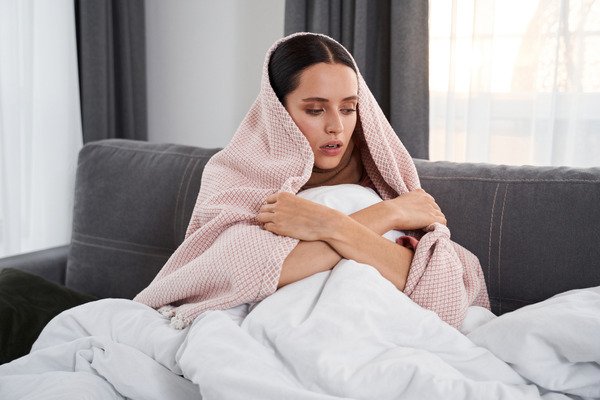
You’re sitting in a meeting, perfectly comfortable one moment, and then it hits—a wave of cold sweeps through your body. Your skin prickles with goosebumps. You might even start shivering slightly, despite the room temperature being just fine. If you’ve experienced this unsettling sensation, you’re not alone. Anxiety chills are one of the lesser-discussed but remarkably common physical manifestations of anxiety, and they can leave you feeling confused, vulnerable, and searching for answers.
Here’s what makes anxiety chills particularly distressing: they seem to come out of nowhere. Unlike the racing heart or sweaty palms we typically associate with nervousness, chills feel disconnected from our mental state. After all, shouldn’t anxiety make you feel hot and flushed? The paradox is enough to make anyone question what’s happening in their body. But there’s actually a fascinating physiological explanation behind this phenomenon, one that connects our ancient survival mechanisms to our modern anxious minds.
Throughout my years working with anxiety patients, I’ve noticed how often this symptom gets overlooked in conversations about anxiety. People mention their rapid heartbeat, their shallow breathing, their digestive troubles—but the chills? Those tend to emerge later in therapy, almost sheepishly, as if they’re somehow less legitimate than other symptoms. Yet understanding why anxiety creates this cold, shivering response is crucial to managing it effectively and recognizing that your body isn’t malfunctioning—it’s actually doing exactly what it was designed to do, just at the wrong time.
The truth is, your body doesn’t distinguish between the presentation you’re about to give and the saber-toothed tiger your ancestors faced. When your brain perceives threat, it initiates a cascade of responses that have kept humans alive for millennia. And yes, sometimes that includes making you feel like you’ve just stepped out into a snowstorm, even when you’re sitting safely at your desk.
The Biological Roots of Cold Sensations During Anxiety
When anxiety strikes, your body becomes a battlefield of competing physiological processes. The sympathetic nervous system activates, flooding your bloodstream with stress hormones like adrenaline and cortisol. This is the famous fight-or-flight response, and it’s remarkably efficient at preparing your body for physical action. But here’s where things get interesting: not all of your body gets the same treatment during this response.
Your blood vessels constrict in certain areas while dilating in others. Blood rushes away from your skin and extremities, redirecting toward your major muscle groups and vital organs. Why? Because if you were actually facing a physical threat, you’d need that blood in your legs to run or in your arms to fight. Your skin, meanwhile, becomes a lower priority. This redistribution of blood flow is what creates that distinctive cold, clammy feeling that accompanies anxiety chills.
Think about it this way: your body is essentially prioritizing survival over comfort. The surface of your skin cools down because it’s not receiving its usual blood flow. Your brain interprets this temperature drop and responds by triggering shivering, which is the body’s natural mechanism for generating heat. It’s a bit like your internal thermostat getting confused signals—your core might actually be warming up from the stress response, but your periphery is cooling down, creating a mixed message that results in those uncomfortable chills.
The process doesn’t stop there. Adrenaline itself can cause what we call piloerection—the scientific term for goosebumps. Those tiny bumps on your skin are caused by small muscles contracting at the base of each hair follicle. In our evolutionary past, this response would have made our ancestors’ body hair stand on end, creating an insulating layer of air and making them appear larger to potential threats. Today, with our relatively hairless bodies, it just gives us that prickly, chilled sensation that seems so incongruous with our racing thoughts.
Why Your Brain Misinterprets Modern Stressors as Physical Threats
Have you ever wondered why your body reacts to an email from your boss the same way it would react to a bear attack? The answer lies in how our brains evolved. The amygdala, our brain’s alarm system, hasn’t received the memo that we’re no longer living in caves. It processes threats quickly—so quickly that it often can’t distinguish between actual physical danger and psychological stress.
When you’re worried about your financial situation, your relationship, or that upcoming presentation, your amygdala sounds the alarm. It doesn’t pause to analyze whether this particular stressor requires a physical response. It simply initiates the cascade of stress hormones and physiological changes that prepare you for action. This is why you might experience anxiety chills while doing something completely sedentary, like reviewing your bank account or reading a difficult text message.
The mismatch between our modern lives and our ancient biology creates a peculiar situation. We’re essentially driving a prehistoric vehicle on a futuristic highway. Your body is ready to sprint away from danger, but you’re sitting still, trying to appear calm in a conference room or on a video call. This internal conflict between activation and suppression can actually intensify physical symptoms, including the chills.
What makes this even more complex is that anxiety about the physical symptoms themselves can create a feedback loop. You feel the chills, which makes you more anxious because you’re not sure what’s happening, which triggers more stress hormones, which intensifies the chills. It’s a self-perpetuating cycle that can leave you feeling trapped in your own body’s responses.
The Connection Between Breathing Patterns and Temperature Changes
Most people don’t realize that how you breathe during anxious moments directly influences whether you experience chills. When anxiety hits, breathing patterns typically change dramatically. You might start taking rapid, shallow breaths—a pattern called hyperventilation—or you might unconsciously hold your breath for extended periods.
Hyperventilation does something fascinating and somewhat counterintuitive to your body. By breathing too quickly, you actually exhale too much carbon dioxide, which changes the pH balance of your blood. This can cause your blood vessels to constrict even further, reducing blood flow to your extremities and intensifying that cold sensation. Additionally, rapid breathing can trigger the release of more stress hormones, perpetuating the entire anxiety response.
I’ve worked with clients who describe feeling like they can’t get enough air, which leads them to breathe even faster, which makes them colder, which increases their panic. Breaking this cycle requires awareness—noticing when your breathing has shifted into this maladaptive pattern. Your breath is one of the few aspects of the autonomic nervous system that you can consciously control, making it a powerful tool for managing anxiety chills.
The temperature of the air you’re breathing matters too. Cold air entering your lungs during rapid breathing can contribute to the overall sensation of being chilled. Combined with the blood flow changes already occurring, this creates a perfect storm of physical discomfort that reinforces the anxious state.
Distinguishing Anxiety Chills from Other Medical Conditions
Here’s where things get tricky, and where I need to be clear about something important: not all chills are caused by anxiety, and it’s crucial to rule out other medical conditions before attributing these symptoms solely to psychological factors. This isn’t about being alarmist—it’s about being thorough and responsible with your health.
Chills can be associated with infections, as anyone who’s had the flu knows well. They can also accompany thyroid disorders, particularly hyperthyroidism, which can mimic anxiety symptoms in numerous ways. Low blood sugar, anemia, and certain medications can all produce sensations of being cold or experiencing chills. Even dehydration can contribute to temperature regulation issues that feel similar to anxiety-induced chills.
So how do you tell the difference? Anxiety chills typically have several distinguishing characteristics. They usually coincide with other anxiety symptoms—racing thoughts, rapid heartbeat, sense of dread, or worry about specific situations. They tend to be triggered by stressful events or thoughts, even if you’re not consciously aware of the connection. Anxiety chills also typically resolve once the anxiety-provoking situation passes or you engage in calming techniques.
Medical chills, on the other hand, often come with additional symptoms like fever, body aches, fatigue, or other signs of illness. They may persist regardless of your mental state or stress level. If you’re experiencing unexplained chills frequently, especially without clear anxiety triggers, or if they’re accompanied by other concerning symptoms, consulting with a healthcare provider is essential. Don’t let the psychological explanation prevent you from getting appropriate medical evaluation.
The Role of Chronic Stress in Sensitizing Your Nervous System
If you’re experiencing anxiety chills regularly, there’s likely a bigger picture at play. Chronic stress fundamentally changes how your nervous system responds to perceived threats. Think of it as constantly living with one foot on the gas pedal—your body never fully returns to a relaxed baseline state.
When you’re under persistent stress, your nervous system becomes hypervigilant. The threshold for triggering the fight-or-flight response lowers dramatically. Events that might not have bothered you before can suddenly set off a cascade of physical symptoms, including chills. It’s like your internal alarm system has become overly sensitive, going off at the slightest provocation.
This sensitization process is both a blessing and a curse. On one hand, it demonstrates your body’s remarkable adaptability. On the other hand, it means you’re more vulnerable to experiencing intense physical symptoms in response to relatively minor stressors. Your body is essentially stuck in survival mode, constantly scanning for threats and ready to respond at a moment’s notice.
The good news? This sensitization is reversible. Just as chronic stress can train your nervous system to be hyperresponsive, consistent practice of relaxation techniques can retrain it to be more balanced. This is why addressing anxiety chills often requires more than just managing the acute symptoms—it requires addressing the underlying patterns of stress and tension in your life.
Practical Strategies for Managing Anxiety Chills in the Moment
When those chills hit, you need tools that work quickly. I’m going to share strategies that I’ve seen make a real difference for people struggling with this symptom, drawn from both clinical research and practical experience.
First, and perhaps most importantly: regulate your breathing deliberately. The moment you notice chills beginning, shift to slow, deep breathing. Count to four as you inhale through your nose, hold for a count of four, exhale for a count of six, and pause for a count of two before the next breath. This specific pattern activates your parasympathetic nervous system—your body’s natural calming mechanism—and helps restore proper carbon dioxide levels in your blood.
Physical warmth can provide both comfort and physiological support. Keep a sweater or blanket nearby if you’re prone to anxiety chills. The act of wrapping yourself in something warm serves a dual purpose: it addresses the actual temperature sensation while also providing a soothing, grounding physical sensation. Some people find that holding a warm beverage helps, as it gives their hands something to do while providing warmth.
Movement, even gentle movement, can help redistribute blood flow and break the cycle of chills. If you can, try progressive muscle relaxation—systematically tensing and releasing different muscle groups. This not only helps improve circulation but also gives your mind something concrete to focus on besides the anxious thoughts. Sometimes the simple act of standing up, stretching, or taking a brief walk can reset your nervous system.
Grounding techniques are invaluable during moments of acute anxiety. The 5-4-3-2-1 method works particularly well: identify five things you can see, four things you can touch, three things you can hear, two things you can smell, and one thing you can taste. This sensory inventory pulls your attention away from internal sensations and anchors you in the present moment.
Long-Term Approaches to Reducing Anxiety and Its Physical Symptoms
Managing anxiety chills isn’t just about what you do in the moment—it’s about building a life that supports nervous system regulation. Consistent sleep patterns form the foundation of anxiety management, yet they’re often the first thing to deteriorate when stress increases. Your body needs adequate rest to properly regulate stress hormones and maintain healthy nervous system function.
Regular physical exercise serves multiple purposes in anxiety management. It helps metabolize excess stress hormones, improves circulation, supports better sleep, and builds resilience to stress over time. You don’t need to become a marathon runner—even moderate activities like walking, swimming, or yoga can make a significant difference. The key is consistency rather than intensity.
Nutrition plays a more significant role than many people realize. Blood sugar fluctuations can trigger or worsen anxiety symptoms, including chills. Eating balanced meals at regular intervals, staying hydrated, and limiting caffeine and alcohol can help stabilize your physiological baseline. Some people find that reducing stimulants alone significantly decreases the frequency of anxiety chills.
Mindfulness practices and meditation aren’t just trendy wellness buzzwords—they’re evidence-based interventions that can fundamentally reshape how your nervous system responds to stress. Regular meditation practice has been shown to reduce amygdala reactivity, essentially retraining your brain’s alarm system to be less hair-trigger. Even just ten minutes daily can create measurable changes over time.
Consider working with a mental health professional who specializes in anxiety disorders. Cognitive-behavioral therapy (CBT) has particularly strong evidence for treating anxiety and its physical symptoms. A therapist can help you identify thought patterns that trigger anxiety, develop more adaptive responses, and create a personalized management plan that addresses your specific triggers and symptoms.
When Anxiety Chills Signal a Need for Professional Help
There’s a line between normal anxiety responses and symptoms that interfere with your daily functioning, and it’s important to recognize when you’ve crossed it. If anxiety chills are occurring frequently enough to impact your work, relationships, or quality of life, that’s a clear signal to seek professional support.
Pay attention to whether you’re starting to avoid situations or activities because you’re worried about experiencing chills or other anxiety symptoms. Avoidance behaviors can seem helpful in the short term—if you don’t go to social gatherings, you won’t have anxiety chills at social gatherings, right? But this creates a shrinking world where your life becomes progressively more limited by fear.
Similarly, if you find yourself constantly preoccupied with worry about when the next episode will occur, or if you’re developing rituals or safety behaviors to prevent chills, these are signs that anxiety is becoming more entrenched. The goal isn’t to never experience anxiety—that’s unrealistic and unnecessary. The goal is to have anxiety that’s proportionate to actual threats and that doesn’t control your choices.
Some people experience anxiety chills as part of panic attacks, which are intense episodes of fear that include multiple physical symptoms. If your chills are accompanied by chest pain, difficulty breathing, feelings of unreality, or intense fear of dying or losing control, you may be experiencing panic disorder. This condition is highly treatable but definitely warrants professional intervention.
Medication can be an appropriate option for some people, particularly when anxiety is severe or hasn’t responded adequately to therapy and lifestyle changes alone. Modern anxiety medications, when prescribed and monitored properly, can provide significant relief while you work on longer-term strategies. Don’t let stigma prevent you from exploring all available treatment options.
The Mind-Body Connection in Anxiety Experiences
One of the most profound realizations in understanding anxiety chills is recognizing that the boundary between “mental” and “physical” symptoms is largely artificial. Your thoughts influence your physiology, and your physiology influences your thoughts, in a constant feedback loop. The chills you experience aren’t somehow less real because they’re triggered by anxiety rather than infection.
This mind-body connection works in both directions, which is actually empowering. Just as anxious thoughts can trigger physical symptoms, addressing physical symptoms can help calm anxious thoughts. When you warm yourself with a blanket or slow your breathing, you’re not just treating symptoms—you’re actually interrupting the anxiety cycle at a physiological level.
Some people find it helpful to conceptualize their anxiety chills as information rather than malfunction. Your body is communicating that your stress response has been activated. Rather than fighting against this message or being frightened by it, you can acknowledge it: “Okay, my nervous system is perceiving threat right now. That’s information. Now, what do I need in this moment?” This shift from resistance to acknowledgment can reduce the secondary anxiety about the symptoms themselves.
The validation of physical symptoms matters tremendously. Too often, people with anxiety are told their symptoms are “just in their head,” which is both inaccurate and unhelpful. Your chills are real physical events with measurable physiological causes. Understanding this doesn’t make them less significant—it makes them more understandable and, therefore, more manageable.
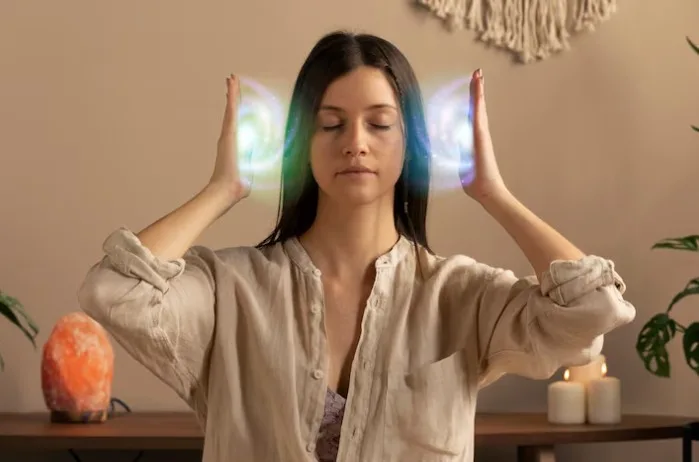
Creating an Anxiety Management Plan That Works for You
Generic advice rarely works for managing something as personal as anxiety. Your experience of anxiety chills is influenced by your unique biology, life circumstances, triggers, and resources. Building an effective management plan requires experimentation, patience, and willingness to adapt.
Start by tracking your experiences. Note when chills occur, what was happening beforehand, what else you were feeling physically and emotionally, and what helped (or didn’t help) in the moment. Patterns will emerge that help you understand your specific triggers and identify early warning signs. Maybe you notice chills are worse when you haven’t slept well, or they tend to occur in specific situations, or they’re more intense in the afternoon.
Develop a toolkit of strategies that you can draw from in different situations. What works when you’re in a meeting might differ from what works when you’re at home. Some people create physical reminder cards with their go-to techniques, while others use phone apps or alarms to prompt regular check-ins with their stress levels before they escalate.
Build in regular nervous system regulation practices, not just crisis management techniques. Prevention is far more effective than intervention. This might mean scheduling daily meditation, weekly therapy sessions, regular exercise, or dedicated time for activities that genuinely relax you. The goal is to keep your baseline stress level lower, which makes you less vulnerable to anxiety spikes and their accompanying physical symptoms.
Don’t underestimate the power of social connection in managing anxiety. Isolation tends to worsen anxiety symptoms, while supportive relationships can buffer against stress. This doesn’t mean you need to talk about your anxiety constantly, but having people in your life who understand what you’re experiencing and can offer support makes a real difference.
FAQs About Anxiety Chills
Can anxiety chills happen without feeling mentally anxious?
Absolutely. Your body can respond to stress before your conscious mind recognizes it. Sometimes anxiety operates below the level of awareness—you might be processing a stressful email, anticipating a difficult conversation, or reacting to subtle environmental triggers without explicitly feeling “anxious.” The physical symptoms, including chills, can emerge before the conscious emotional experience catches up. This is why body awareness and tracking physical sensations can be so valuable in understanding your anxiety patterns.
How long do anxiety chills typically last?
The duration varies considerably depending on the intensity of the anxiety trigger and how you respond. Acute anxiety chills might last anywhere from a few minutes to 30 minutes or more. If the underlying anxiety continues or if you engage in worry about the chills themselves, they can persist longer. Using calming techniques like controlled breathing and progressive muscle relaxation typically shortens the duration. If chills are lasting hours or occurring constantly throughout the day, that suggests chronic high anxiety levels that would benefit from professional evaluation.
Are anxiety chills dangerous?
No, anxiety chills themselves are not dangerous, though they certainly feel uncomfortable and distressing. They’re a normal physiological response to perceived threat, even if that threat isn’t actually dangerous. However, frequent or severe anxiety symptoms can take a toll on your overall health and quality of life, which is why addressing the underlying anxiety is important. Additionally, as mentioned earlier, if you’re experiencing unexplained chills, it’s wise to rule out other medical conditions that could require treatment.
Why do I get chills specifically during panic attacks?
Panic attacks represent an extremely intense activation of your fight-or-flight response. During a panic attack, the surge of adrenaline and other stress hormones is particularly powerful, leading to dramatic changes in blood flow, breathing patterns, and temperature regulation. The rapid shift from normal state to high arousal can create especially pronounced chills, often accompanied by sweating, which creates a hot-and-cold sensation that many people find particularly distressing. Understanding that this is a normal panic attack symptom can help reduce the fear about what’s happening to your body.
Can certain medications cause or worsen anxiety chills?
Yes, some medications can influence temperature regulation or anxiety levels in ways that might contribute to chills. Stimulant medications, some antidepressants (particularly during initial adjustment periods), thyroid medications, and certain blood pressure medications can all affect how your body regulates temperature or your overall anxiety levels. If you noticed anxiety chills starting after beginning a new medication, discuss this with your prescribing doctor. Never stop medications without medical guidance, but do report side effects so adjustments can be made if necessary.
Is there a difference between anxiety chills and cold flashes?
The terms are often used interchangeably, though some people use “cold flashes” to describe more sudden, intense sensations of cold, while “chills” might refer to the accompanying shivering response. In the context of anxiety, both describe the same underlying physiological process of blood flow redistribution and temperature regulation changes. The important distinction is between anxiety-related temperature changes and those caused by hormonal fluctuations (like in menopause), infections, or other medical conditions.
Can children experience anxiety chills?
Children absolutely can experience anxiety chills, though they may have difficulty articulating what they’re feeling. They might describe being cold, complain of goosebumps, or visibly shiver in situations that trigger anxiety for them—like before tests, during social situations, or when facing separation from parents. Children’s anxiety symptoms are often predominantly physical, as they lack the language and cognitive development to express emotional distress verbally. If you notice a child frequently complaining of feeling cold in situations that seem stressful, it’s worth exploring whether anxiety might be a factor.
Do anxiety chills get worse at night?
Many people report more intense or frequent anxiety symptoms at night, including chills. Several factors contribute to this pattern. At night, there are fewer distractions to pull your attention away from physical sensations and worried thoughts. Lying quietly in bed creates ideal conditions for noticing and fixating on bodily sensations. Additionally, cortisol levels naturally fluctuate throughout the day, and for some people, anxiety is worse during the evening hours. Sleep anxiety—worry about not being able to fall asleep—can also trigger physical anxiety symptoms, creating a frustrating cycle.
Can anxiety chills be a symptom of other mental health conditions?
While anxiety chills are most commonly associated with anxiety disorders, they can occur in other mental health conditions that have anxiety as a component. Depression often co-occurs with anxiety and can involve similar physical symptoms. Post-traumatic stress disorder (PTSD) can trigger intense physical responses, including chills, particularly when someone encounters reminders of traumatic experiences. Obsessive-compulsive disorder (OCD) can create significant anxiety that manifests physically. The presence of chills doesn’t diagnose a specific condition—what matters is the overall pattern of symptoms and how they impact your functioning.
Will anxiety chills go away if I treat my anxiety?
For most people, yes. As you address the underlying anxiety through therapy, lifestyle changes, medication if needed, and stress management techniques, physical symptoms typically decrease in frequency and intensity. However, this isn’t always a linear process. You might notice improvements in some symptoms before others, and you may still experience occasional chills during particularly stressful periods even after treatment. The goal is to reduce how often they occur, how intense they are, and how much they disrupt your life. Complete elimination of all anxiety symptoms isn’t realistic or necessary—the aim is management and functioning, not perfection.
Use this citation format to reference the article clearly and help readers find the original source.
PsychologyFor. (2025). Anxiety Chills: Why Do They Happen?. PsychologyFor. https://psychologyfor.com/anxiety-chills-why-do-they-happen/