

Why is anxiety more common in women than in men? What types of anxiety are more typical in women than in men? Discover the most characteristic symptoms of anxiety in women.

Anxiety is a disorder that involves people suffering from very significant worries that are difficult to control. This disorder can affect women, causing them to have trouble thinking clearly, sleeping well, and being present in different areas of their lives. Research shows that although 20% of adults may suffer from anxiety, women are often more prone to this disorder. But why might it be more common? anxiety in women ?
What are the most common symptoms of anxiety in women?
The women who suffer from anxiety They may experience symptoms such as worry, irritability, or difficulty sleeping. In fact, one of the main characteristics of anxiety is that people who suffer from it usually suffer from anxiety that interferes with their ability to fully enjoy their lives. Taking this into account, the most common symptoms of anxiety in women are the following:
- Worry: One of the most characteristic symptoms of anxiety is worry. People who suffer from it may end up feeling excessive fear of certain events, which may not have happened yet.
- Changes in mood and behavior: Women with anxiety may suffer from changes in behavior due to this disorder, which means they may avoid things that cause them anxiety.
- Difficulty concentrating or making decisions: Suffering from anxiety, women may experience difficulties maintaining attention in certain activities, especially those that require a certain concentration.
- Muscle tension and changes in the body: Anxiety activates our body’s fight or flight mechanisms, which means that all our muscles are tense. In the long run, this reaction can cause problems in the body such as difficulties in digestion or a state of continuous nervousness.
- Fatigue: Being constantly under tension, women who suffer from anxiety may end up experiencing constant fatigue or lack of energy.
- Experiencing sleeping problems: The worries and fear that people who suffer from anxiety may experience can cause them to experience different problems or difficulties sleeping.
All people have experienced anxiety symptoms at some point in their lives. But, when we talk about an anxiety disorder, this implies that its symptoms end up interfering with the lives of those who suffer from it.
Types of anxiety in women
Although anxiety is a very common mental health disorder among men and women, women can still face unique experiences that can cause or worsen it. This is because women experience very significant hormonal changes during puberty, pregnancy, and menopause that can put them at greater risk for anxiety during these times. Taking this into account, some types of anxiety exclusive to women are the following:
- Anxiety during puberty: Puberty is a stage where women experience many hormonal changes, which can mean suffering great periods of stress and anxiety.
- Premenstrual dysphoric disorder (PMDD): It implies that women suffer from depression and anxiety during the week before and the first days of menstruation. This disorder can cause women to feel overwhelmed and experience difficulty concentrating, fatigue, changes in sleep and appetite, as well as physical symptoms such as weight gain, pain, and swelling.
- Prenatal anxiety: According to research, 6% of women suffer from anxiety during pregnancy. The reason is that pregnancy involves significant hormonal changes, which can contribute to anxiety during pregnancy.
- Postpartum anxiety: About 10% of women experience anxiety during the first year after giving birth.
- Anxiety during menopause: In the same way as puberty, menopause is another stage that can involve different very significant hormonal changes that can cause women to develop anxiety.
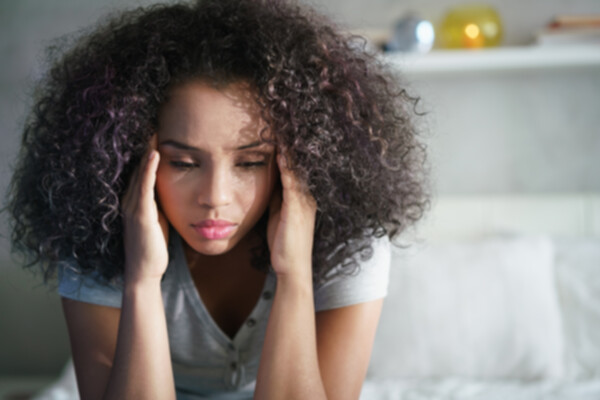
Why is anxiety more common in women than men?
Women are more than twice as likely to experience anxiety at some point in their lives compared to men. In fact, women are more likely than men to suffer from the following anxiety disorders:
- Generalized anxiety disorder
- panic disorder
- Agoraphobia and other specific phobias
- Post-traumatic stress disorder (PTSD)
This tendency for women suffer from anxiety It may be due to hormones. Primarily, changes in estrogen levels during puberty, menstruation, pregnancy, postpartum, and menopause may explain why women are more likely to suffer from anxiety during these periods.
How to manage anxiety?
If you feel that anxiety is influencing your behavior and limiting you, it is important that you keep the following in mind to deal with it:
- Focus on your self-care: Self-care is any type of act that gives you positive feelings. In fact, finding time every day to do at least one positive activity can help you reduce stress, which can make you less likely to feel anxious. This means taking time to exercise, read, or give yourself time to enjoy what you really like.
- Meditation or meditative practices: Meditation techniques, such as mindfulness, or practices such as yoga or tai chi, involve people focusing their attention on the present moment. By doing this practice daily, people can improve their perception of anxiety and stress.
- Exercise daily: Physical activity is very important for our health and is also associated with experiencing lower levels of anxiety. If you feel that your anxiety is influencing you, exercise can help you regulate these feelings.
- Sleep enough: Sleep problems are very common in people who suffer from anxiety. In fact, 50% of people with this disorder experience sleep problems. In fact, insomnia and anxiety often feed off each other. Therefore, if we want to face this disorder, it is important to try to ensure good sleep. This can be done by trying to avoid things that can affect sleep such as caffeine, alcohol and nicotine. Additionally, it is advisable to practice good sleep hygiene.
- Consume caffeine in moderation: One of the tendencies that people who suffer from anxiety have is to consume caffeine to cope with the fatigue typical of this disorder. This ends up being a bad idea since too much caffeine can end up negatively affecting anxiety.
- Talk about it with people you trust: Talking to people close to you can help you change your perspective on different concerns that can increase or cause anxiety. Discussing these problems with people you trust can end up making you see things differently, which will reduce the anguish inherent to this disorder.
If the anxiety symptoms are taking their toll on you, it is important to go to a professional psychologist before it limits more areas of your life. Anxiety is a disorder that can be faced with appropriate treatment.
Use this citation format to reference the article clearly and help readers find the original source.
PsychologyFor. (2024). Anxiety in Women: Why is it More Common?. PsychologyFor. https://psychologyfor.com/anxiety-in-women-why-is-it-more-common/