


A woman in her mid-twenties sits across from me, frustrated and confused. She started taking birth control pills six months ago, and since then, she’s felt off. Not dramatically different—just subtly wrong. Less motivated, more tearful, flatter emotionally. She’s wondering if it’s the pill or if she’s developing depression. Her doctor told her the pill doesn’t cause mood problems, but she’s not convinced.
This conversation happens in my office at least once a week. Women notice changes in their mood, anxiety levels, or emotional responses after starting hormonal contraceptives, but they’re often told these concerns aren’t valid or that the research doesn’t support a connection. The reality is far more complex and honestly, more interesting than either “birth control definitely causes depression” or “birth control has no mental health effects.”
The relationship between birth control pills and mental health is one of the most frustratingly inconsistent areas of women’s health research. Some studies find significant increases in depression and anxiety among pill users. Others find no connection whatsoever. Still others find that birth control actually improves mood for certain women. How can the research be so contradictory about something millions of women use daily?
After spending years reviewing this research and listening to hundreds of women describe their experiences, I’ve come to understand that the question itself is too simple. “Are birth control pills bad for your mental health?” assumes a universal answer when the reality is highly individual. For some women, hormonal contraceptives have minimal mental health impact. For others, they cause significant mood disturbances. And for yet others, they actually improve mental health by stabilizing hormonal fluctuations or reducing anxiety about pregnancy.
The challenge is figuring out which category you fall into—and we’re still learning how to predict that.
What the Research Actually Shows
The evidence on birth control pills and mental health is genuinely mixed, which isn’t a cop-out answer—it’s what the data shows when you look at it comprehensively.
Large observational studies consistently find associations between hormonal contraceptive use and increased rates of depression diagnosis and antidepressant use. A major Danish study following over one million women found that women using hormonal contraceptives, including the pill, were more likely to be diagnosed with depression and prescribed antidepressants for the first time compared to non-users. The risk was particularly elevated for adolescent users—teenage girls on the pill had significantly higher rates of depression than adult users.
Another study from Uppsala University found that women who began using contraceptive pills as teenagers had a 130 percent higher incidence of depression symptoms, while adult users had a 92 percent increase. These aren’t trivial differences—they’re substantial increases that should be taken seriously.
A 2023 population-based cohort study found that oral contraceptive use, particularly during the first two years, increases the risk of depression. The study also suggested that using birth control during adolescence might increase depression risk later in life, even after stopping the pills.
But here’s where it gets complicated: randomized controlled trials—considered the gold standard of research—generally fail to find differences in mood symptoms between women taking birth control pills and those taking placebos. How can observational studies show increased depression while controlled trials don’t?
The answer likely relates to selection bias and individual susceptibility. Women who are already struggling with mood issues might be more likely to seek out and report problems with birth control in real-world settings. Or certain subgroups of women experience significant mood effects while the majority don’t, and averaged-out results in controlled trials miss this variation.
Who Is Most Vulnerable to Mood Side Effects
Not all women respond to birth control pills the same way, and certain factors increase vulnerability to mental health side effects.
Women with a history of depression or mood disorders are at significantly higher risk for mood problems on birth control. Research shows that adverse effects of hormonal contraceptives on mood are most consistent in women with a history of depressive symptoms or previous negative experiences with hormonal contraception. One study found that women with a history of depression before starting birth control were twice as likely to experience premenstrual mood deterioration while using the pill.
Adolescents and young women appear particularly vulnerable. Multiple studies show that teenage girls using hormonal contraceptives have higher rates of depression and antidepressant use than adult users. This may relate to the developing adolescent brain being more sensitive to hormonal influences, or to other vulnerabilities during this life stage.
Women with pre-existing psychiatric conditions face elevated risk. A Swedish study found that combination pill users aged 15-24 with attention-deficit/hyperactivity disorder had a sixfold higher risk of depression compared to pill users without ADHD.
Women who experienced premenstrual dysphoric disorder (PMDD) or severe premenstrual symptoms before starting birth control may respond differently than women without these issues. Interestingly, some women with PMDD actually improve on birth control because it stabilizes hormonal fluctuations, while others worsen.
Younger age at first use appears to increase risk. Starting the pill during teenage years seems to confer higher psychiatric risk than starting in adulthood.
The Type of Birth Control Pill Matters
Not all birth control pills are created equal when it comes to mental health effects.
Progestin-only pills (mini-pills) may confer higher psychiatric risk than combination pills that contain both estrogen and progestin. In the large Danish study, current users of progestin-only pills were more likely to be diagnosed with depression and prescribed antidepressants than non-users, with particularly elevated risk for adolescent users.
Different types of progestins may have different effects. The synthetic progestins in birth control pills vary in their chemical structure and how they interact with hormone receptors in the brain. Some appear more likely to cause mood disturbances than others, though more research is needed to clarify which specific formulations pose the highest risk.
Combination pills containing both estrogen and progestin generally show more mixed evidence regarding mood effects. Some studies find no increased depression risk, while others do. Individual responses vary considerably.
The dosage and cycling pattern also matter. Continuous dosing (skipping the placebo week to avoid monthly withdrawal bleeding) versus traditional cycling may affect mood differently for different women.
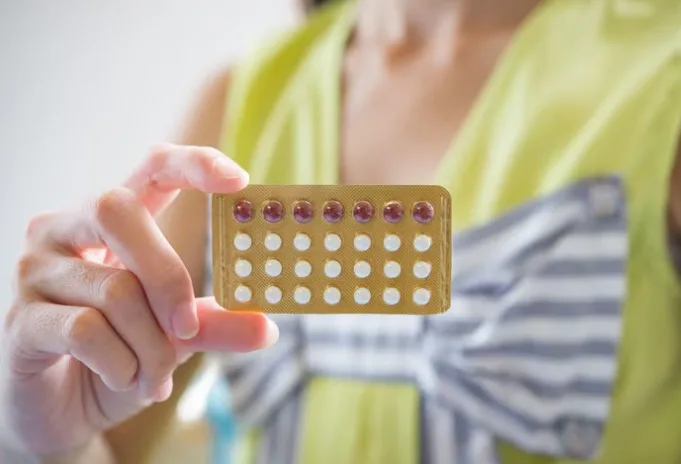
How Birth Control Affects the Brain
Understanding the mechanisms helps explain why birth control pills might affect mood, even though the effects aren’t universal.
Hormonal contraceptives introduce synthetic hormones that alter the brain’s natural hormonal environment. The synthetic estrogen and progestin in birth control pills differ chemically from your body’s natural estrogen and progesterone, and they interact with receptors throughout the brain.
Research suggests several ways hormonal contraceptives might influence mood:
Emotion recognition and reactivity: Some studies find that women using hormonal contraceptives show a “negativity bias” in how they recognize and react to emotions. They may be more likely to interpret neutral expressions as negative or react more strongly to negative emotional stimuli.
Reward processing: There’s evidence suggesting that hormonal contraceptives may blunt the brain’s reward response. This could manifest as reduced pleasure from activities you normally enjoy, similar to anhedonia in depression.
Stress response dysregulation: Some data indicates potential disruption of the stress response system in certain pill users. This could make you more reactive to stress or less able to regulate stress effectively.
Neurotransmitter changes: Synthetic hormones affect neurotransmitter systems involved in mood regulation, including serotonin, dopamine, and GABA. The exact effects depend on the specific hormones and dosages.
The key point: these mechanisms don’t affect everyone equally. Some women’s brain chemistry is more sensitive to hormonal changes, making them more vulnerable to mood disturbances when hormones are altered by contraceptives.
The Natural Cycle Matters
Women who are particularly sensitive to their natural hormonal fluctuations across the menstrual cycle—experiencing significant mood changes premenstrually, for example—may respond differently to birth control than women whose moods are stable across their cycle.
For some sensitive women, birth control stabilizes mood by eliminating the natural ups and downs. For others, the synthetic hormones create problems that didn’t exist with their natural cycle, even if that natural cycle included some mood variation.
When Birth Control Actually Helps Mental Health
The narrative that birth control harms mental health is incomplete because for many women, hormonal contraceptives improve psychological wellbeing.
Women with severe premenstrual symptoms or PMDD often experience significant mood improvement on certain types of birth control that stabilize or suppress hormonal fluctuations. Instead of experiencing dramatic mood drops before each period, they maintain more consistent emotional states.
Anxiety about unintended pregnancy creates genuine mental health burden that effective contraception relieves. For women who would be highly distressed by pregnancy, reliable birth control reduces chronic anxiety and allows more relaxed intimate relationships.
One large study of almost 7,000 women found that using hormonal contraceptives was linked with lower levels of depressive symptoms and suicide attempts. The pill specifically has been associated with decreased depression symptoms and generally improved mental wellbeing in some research.
The explanation for these seemingly contradictory findings likely involves different subpopulations. Women who experience mood improvement on birth control may be those whose natural cycles caused problems, or those for whom pregnancy anxiety was significant. Women who experience mood worsening may be those whose natural cycles were fine and whose brain chemistry reacts poorly to synthetic hormones.

The First Two Years Are Critical
If birth control pills are going to affect your mental health negatively, the risk is highest during the first two years of use. This finding from recent research is important for several reasons.
First, it suggests that if you’re going to experience mood side effects, they’ll likely emerge relatively soon after starting the pill. You don’t need to wonder for five years whether the pill might eventually cause depression—if it’s going to happen, you’ll probably notice within the first couple of years.
Second, it means that monitoring mental health closely when starting birth control is crucial, particularly for adolescents and women with mental health histories. This is the period of highest risk, when extra attention to mood changes is warranted.
Third, it provides information for decision-making. If you’ve been on the same birth control pill for three or four years without mood problems, you’re probably not at high risk for developing them now. The elevated risk period has passed.
The Healthy User Bias Problem
One reason research on this topic is so confusing relates to what’s called “healthy user bias”. Women who are already experiencing depression or other mental health issues may be less likely to start or continue birth control pills. They might discontinue due to side effects, while women without mood problems continue using them.
This creates a selection effect where observational studies comparing pill users to non-users might underestimate the true mental health impact because the most affected women have already stopped taking the pill and moved into the non-user comparison group.
Studies that account for this bias by looking at new users specifically, or by comparing women to themselves before and after starting birth control, tend to find stronger associations between pill use and depression. This suggests the connection may be more robust than some research indicates.
What This Means for You Practically
Given the mixed and individualized nature of birth control’s mental health effects, how should you approach this decision?
Take your own mental health history seriously. If you have a history of depression, anxiety, or other mood disorders, you’re at higher risk for mood side effects from hormonal contraceptives. This doesn’t mean you can’t use the pill, but it means you should monitor your mental health closely and have a plan for what to do if you notice changes.
Consider your age. If you’re a teenager or young woman in your early twenties, research suggests you face higher risk of mood side effects than older users. This is important information for decision-making, though it shouldn’t automatically rule out hormonal contraception if it’s the best option for your situation.
Pay attention to the first two years. This is the highest-risk period for developing depression related to birth control use. Monitor your mood carefully, and if you notice persistent changes in mood, motivation, emotional reactivity, or other mental health symptoms, take them seriously.
Know that different formulations have different risk profiles. If you experience mood problems on one type of pill, switching to a different formulation might help. Progestin-only pills appear to carry higher risk than combination pills for some women.
Don’t dismiss your own experience. If you notice mood changes after starting birth control, trust your perception. The fact that controlled trials don’t always find average mood effects doesn’t mean your individual experience isn’t real. Women’s subjective reports of mood changes should be taken seriously, not dismissed because they don’t align with averaged research findings.
Consider non-hormonal alternatives if you’re at high risk. Copper IUDs, barrier methods, fertility awareness methods, and other non-hormonal options exist. If you have significant mental health vulnerabilities, these might be worth exploring.
Weigh benefits against risks individually. For some women, the mental health risks of unintended pregnancy or severe menstrual symptoms outweigh potential mood side effects from birth control. For others, the calculation differs. This is genuinely individual.

When to Seek Help
If you’re taking birth control pills and experiencing mental health changes, certain signs warrant immediate attention:
Persistent low mood or loss of interest in activities you normally enjoy, lasting more than two weeks. This could indicate depression developing.
Significant anxiety increases—new panic symptoms, constant worry, or anxiety that interferes with daily functioning.
Suicidal thoughts or self-harm urges require immediate professional help, regardless of what might be causing them.
Dramatic personality or mood changes that feel unlike yourself—increased irritability, emotional volatility, or feeling emotionally numb.
Changes severe enough to interfere with work, relationships, or daily life shouldn’t be dismissed as minor side effects to tolerate.
Talk to your healthcare provider about what you’re experiencing. Options include switching to a different birth control formulation, trying non-hormonal contraception, or addressing mood symptoms directly while continuing current contraception.
The Research We Still Need
Despite decades of birth control pill use, we still don’t fully understand their mental health effects. Critical questions remain:
What genetic or biological factors predict who will experience mood side effects? Genomic research may eventually identify markers that indicate higher or lower risk.
Why do different women respond so differently? Understanding the mechanisms underlying individual susceptibility would allow better personalization of contraceptive choices.
What are the long-term mental health effects of adolescent hormonal contraceptive use? Some research suggests effects that persist beyond discontinuation, but more work is needed.
How do different specific formulations compare? We need more head-to-head studies of different pills’ mental health effects, not just comparisons to non-use.
Until we have better answers, the approach must remain individualized, attentive to personal mental health history and risk factors, and responsive to women’s own experiences of mood changes.
FAQs About Birth Control Pills and Mental Health
How quickly would I notice mental health side effects if birth control is going to affect me?
Most women who experience mood side effects from birth control notice changes within the first few months to two years of starting the pill. Some women notice shifts within weeks—increased tearfulness, anxiety, or feeling emotionally flat emerging soon after beginning hormonal contraception. Others develop symptoms more gradually over months. The first two years represent the highest-risk period, so if you’ve been on the same pill for several years without mood problems, you’re less likely to develop them going forward. That said, some women report mood changes even after years of use, particularly if life circumstances change or if they’re approaching perimenopause and their baseline hormones are shifting. Pay attention to your mood during the first several months on any new contraceptive formulation—this is when effects are most likely to emerge. Keep a mood journal if you’re concerned, tracking sleep, energy, mood, anxiety levels, and interest in activities. This gives you concrete data about whether patterns are changing rather than relying solely on subjective impression. If you notice persistent changes in how you feel emotionally—especially if they started after beginning birth control—that temporal relationship matters and shouldn’t be dismissed.
If I had depression before starting birth control, does that mean I definitely shouldn’t take the pill?
Not necessarily, but it does mean you’re at higher risk for mood side effects and should approach the decision carefully with full awareness of that risk. Women with a history of depression or mood disorders are more likely to experience mood worsening on hormonal contraceptives compared to women without such history. However, some women with depression histories tolerate birth control fine, and some even experience mood improvement if their depression was linked to premenstrual hormonal fluctuations or pregnancy anxiety. The key is making an informed decision with your healthcare provider who knows your complete mental health history. Consider starting with close monitoring—more frequent check-ins with your therapist or psychiatrist during the first few months, keeping a mood diary, and having a clear plan for what to do if you notice worsening depression. Make sure your depression is well-managed and stable before adding hormonal contraception if possible. Have a backup contraceptive plan so you’re not forced to stay on the pill if it’s affecting your mood negatively. And know that experiencing mood problems on one formulation doesn’t mean all hormonal contraceptives will affect you the same way—different pills with different hormone combinations may have different effects.
Are progestin-only pills (mini-pills) worse for mental health than combination pills?
Research suggests progestin-only pills may carry higher psychiatric risk than combination pills that contain both estrogen and progestin. The large Danish study found that users of progestin-only pills had higher rates of depression diagnosis and antidepressant use compared to non-users, with particularly elevated risk for adolescent users. However, this doesn’t mean mini-pills cause mood problems for everyone—many women use them without any mental health effects. The increased risk appears most pronounced for women who are already vulnerable—adolescents, those with mental health histories, or those who previously experienced mood side effects from hormonal contraceptives. If you’re considering a progestin-only pill, discuss this research with your provider, especially if you have risk factors for mood problems. On the other hand, some women find that combination pills containing estrogen trigger problems like migraines, and progestin-only options are medically necessary. In these cases, the decision involves weighing different types of risks. Individual responses vary considerably, so what matters most is monitoring your own reaction to whatever formulation you choose rather than assuming one type will definitely cause problems. Some women do perfectly fine on progestin-only pills while others experience mood changes, and the same is true for combination pills.
Could my anxiety or depression be caused by birth control even though my doctor says it’s not?
Yes, it’s possible. The research clearly shows that for some women, birth control pills can contribute to depression and anxiety, even though not all healthcare providers are fully informed about or convinced by this research. The evidence is mixed and individual responses vary greatly, which creates confusion. Some doctors may dismiss mood concerns because randomized controlled trials often don’t show average mood differences, while observational studies consistently find associations between pill use and increased depression. Here’s what helps: Keep detailed records of your mood symptoms and their timing relative to starting birth control. Note when you started the pill and when mood changes began. Track patterns across your pill cycle—do symptoms worsen during certain weeks? Consider a trial off birth control if possible, using alternative contraception temporarily, to see if your mood improves. This is the most definitive way to assess whether the pill is contributing. If your symptoms began or significantly worsened after starting hormonal contraception, that temporal relationship is important information regardless of what research “averages” show. Trust your experience of your own body and mind. Many women report feeling dramatically better within weeks to months of stopping the pill if it was affecting their mood. If your doctor dismisses legitimate concerns, consider seeking a second opinion from a provider more knowledgeable about hormonal contraceptive mental health effects.
Will the mental health effects go away if I stop taking the pill?
For most women who experience mood side effects from birth control, symptoms improve within weeks to a few months after discontinuing the pill. However, the timeline varies. Some women notice mood lifting within days of stopping hormonal contraception. Others take several months for their natural hormonal cycles to re-establish and for mood to stabilize. Research suggests that adolescent pill use might have effects that persist beyond discontinuation—one study found that using birth control during teenage years might increase depression risk later in life, even after stopping. This doesn’t mean the effects are permanent, but it suggests the relationship between hormones and mood is complex and may involve lasting changes in some cases. If you stop birth control and your mood doesn’t improve within three to four months, the pill may not have been the primary cause of your mood symptoms, or you may have developed depression that now exists independently and needs treatment. Stopping birth control should be done thoughtfully with a backup contraceptive plan if pregnancy prevention remains important. Work with your healthcare provider to monitor your mental health during the transition off hormonal contraception, and seek appropriate treatment for any persistent mood symptoms regardless of their origin. Many women describe feeling like themselves again after discontinuing birth control that was affecting their mood—more energy, clearer thinking, more stable emotions, return of libido.
Are there non-hormonal birth control options that won’t affect my mental health?
Yes, several effective non-hormonal contraceptive options exist that won’t introduce synthetic hormones that might affect mood. The copper IUD (ParaGard) is highly effective, lasts up to 10-12 years, and contains no hormones whatsoever. Barrier methods including condoms, diaphragms, and cervical caps are non-hormonal, though less effective than IUDs or pills when used typically. Fertility awareness methods involve tracking your cycle to identify fertile days and avoiding unprotected sex during that time—effectiveness varies considerably based on method and consistent use, but modern apps and tools have improved accuracy. The sponge is a non-hormonal barrier option. Spermicides alone are less effective but contain no hormones. Permanent options like tubal ligation or partner vasectomy are non-hormonal for those certain they don’t want (more) children. Each method has different effectiveness rates, costs, convenience factors, and other considerations beyond hormonal content. If you’re concerned about mental health effects of hormonal contraception, discussing non-hormonal alternatives with your provider is entirely reasonable. Many women successfully prevent pregnancy without hormones and report feeling much better mentally after making the switch. The trade-off is that non-hormonal options other than copper IUDs tend to be either less effective (barrier methods, fertility awareness) or permanent (sterilization). But for women particularly vulnerable to mood effects from hormones, these trade-offs may be worth it.
Should all teenage girls avoid birth control pills given the higher risk of depression in adolescents?
No, this would be an overreaction to the research, though the findings about elevated depression risk in adolescent users should definitely inform conversations about contraceptive choices for teenagers. The research shows adolescents face higher risk of mood side effects than adult users, but it doesn’t show that all or even most teenage pill users develop depression. Many teenagers use hormonal contraception without any mental health problems. What the research should change is how we approach contraceptive counseling for adolescents. Teenagers and their parents should be fully informed about the elevated mental health risks so they can make educated decisions. For teenagers with existing depression, anxiety, or other mental health conditions, the risks warrant particularly careful consideration. Close monitoring during the first months to two years after starting birth control is crucial for adolescent users. Having clear plans for what to do if mood changes emerge—who to contact, when to consider discontinuing—is important. For some teenagers, preventing pregnancy is crucial for their mental health, educational trajectory, and life outcomes, and that benefit may outweigh potential mood risks. For others, non-hormonal options might be preferable. The point isn’t that teenagers should never use the pill, but that the decision should be made with full awareness of age-related risks and with careful mental health monitoring throughout use.
Use this citation format to reference the article clearly and help readers find the original source.
PsychologyFor. (2025). Are Birth Control Pills Bad for Your Mental Health?. PsychologyFor. https://psychologyfor.com/are-birth-control-pills-bad-for-your-mental-health/