


See more of our articles in your search results.
Autism Spectrum Disorder (ASD) is most often portrayed through a male lens. From diagnostic criteria to media representation, the understanding of autism has historically centered on boys and men. This has left many women struggling silently, misunderstood by professionals and misdiagnosed for years. Adult women with autism often experience unique challenges, in part because their symptoms tend to be more internalized or masked, making them harder to detect.
As awareness increases, more women are receiving autism diagnoses later in life. Many discover the truth only after their child is diagnosed or after years of mental health issues that never quite made sense. Recognizing autism in adult women requires a shift in perspective—one that takes into account how gender roles, societal expectations, and internal coping mechanisms influence the way autism manifests.
Understanding the unique presentation of autism in women is essential for proper support, self-awareness, and mental health treatment. The sooner the signs are recognized, the sooner women can access the tools they need to thrive.
The Problem with Traditional Autism Diagnosis
The diagnostic criteria for autism were originally developed by studying boys. Because of this, autistic traits that are more commonly seen in girls and women have often been overlooked. Many adult women who meet the criteria for autism don’t get diagnosed until they reach their 30s, 40s, or even later.
This gender bias in diagnostic frameworks contributes to a higher risk of:
How many of these have you been "meaning to read" for months?
- 1
 Workman PublishingNo More Mr Nice GuyA Proven Plan for Getting What You Want in Love, Sex, and LifeListen Free On Audible
 - 2
 Sounds TrueNo Bad PartsHealing Trauma and Restoring Wholeness with the Internal Family Systems ModelListen Free On Audible
 - 3
 New Harbinger PublicationsThe Dialectical Behavior Therapy Skills WorkbookPractical DBT Exercises for Learning Mindfulness, Interpersonal Effectiveness, Emotion Regulation...Listen Free On Audible
- Misdiagnosis (often as borderline personality disorder, anxiety, ADHD, or depression)
- Self-blame or confusion about one’s identity
- Delayed support or accommodations
- Chronic mental health struggles due to unmet needs
For women, the ability to “mask” or “camouflage” autistic traits is both a coping mechanism and a barrier to diagnosis. They often learn from an early age to imitate social behaviors and hide their confusion, even if doing so causes extreme internal distress.

Common Symptoms of Autism in Adult Women
Social Camouflaging
One of the hallmark characteristics of autistic women is social masking or camouflaging. This involves mimicking the behavior of others, rehearsing conversations, or scripting responses in advance. While it can help them navigate social situations, it often comes at a high emotional cost.
Some signs of social camouflaging include:
- Imitating facial expressions, gestures, or tone
- Forcing eye contact even when uncomfortable
- Memorizing social scripts for different situations
- Exhaustion after social interactions
Women may appear outgoing or socially competent on the surface, while experiencing intense anxiety, confusion, or detachment internally.
Deep Internal Worlds and Intense Interests
Many autistic women have rich inner lives and intense special interests, though these may differ from stereotypical “male” interests like trains or computers. Their passions might focus on animals, art, psychology, literature, languages, or fashion. These interests are often deep, obsessive, and emotionally meaningful, but not always outwardly obvious.
Unlike in boys, whose interests are often visible and encouraged, girls are socialized to hide or downplay obsessive behavior. As a result, many autistic women learn to internalize their interests or present them in more socially acceptable ways.
Sensory Sensitivities
Autistic women frequently experience strong reactions to sensory input—sounds, textures, lights, smells, or tastes. These sensitivities can be both overwhelming and inconsistent, leading to confusion in social environments.
Common sensory-related issues in adult women include:
- Discomfort with certain clothing materials or tags
- Avoidance of loud places like shopping malls or concerts
- Aversion to strong smells, such as perfumes or cleaning products
- A preference for dim lighting or quiet environments
Because women are expected to tolerate discomfort or adapt socially, many suffer in silence rather than express sensory distress.
Emotional Dysregulation
Emotions may feel intense and difficult to manage. Autistic women can experience:
- Meltdowns or shutdowns after prolonged stress
- Difficulty identifying or naming their emotions (alexithymia)
- Sudden mood swings or emotional overwhelm in seemingly minor situations
- A tendency to “bottle things up” until it becomes unmanageable
These symptoms are often mistaken for bipolar disorder, borderline personality disorder, or generalized anxiety, leading to incorrect treatment.
Struggles with Identity and Self-Esteem
Many undiagnosed autistic women spend years feeling “different” without knowing why. This can lead to:
- Chronic imposter syndrome
- People-pleasing behavior and perfectionism
- A fragmented or unstable sense of self
- Difficulty understanding social roles or gender expectations
They may feel like they are “performing” life rather than living it, especially in workplaces or relationships.
Challenges in Relationships
Interpersonal relationships can be a source of both comfort and confusion. Autistic women may:
- Feel socially drained after spending time with others
- Have difficulty setting boundaries
- Struggle to maintain long-term friendships
- Be vulnerable to manipulation or abuse due to a desire to “fit in” or avoid conflict
Romantic relationships can be equally complex. Many autistic women report feeling misunderstood, emotionally overwhelmed, or disconnected in romantic contexts, especially when partners expect them to express affection in neurotypical ways.
Co-occurring Conditions
Autistic women are more likely to experience other mental health conditions, including:
- Anxiety disorders
- Depression
- Obsessive-compulsive tendencies
- Eating disorders (particularly anorexia)
- ADHD
- PTSD from social trauma or bullying
These coexisting diagnoses often become the focus of treatment, while the underlying autism remains undetected.
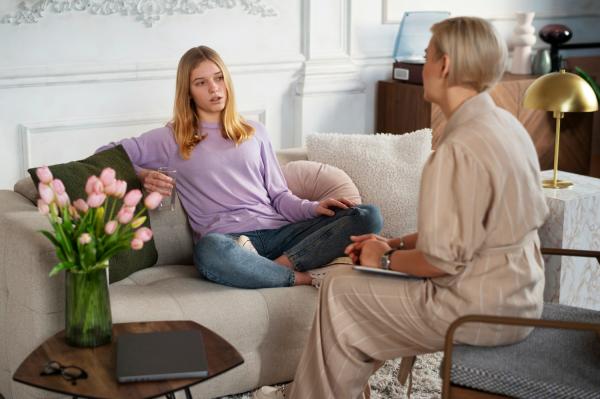
How Is Autism Diagnosed in Adult Women?
Receiving a formal diagnosis as an adult woman can be a validating and life-changing experience, but it requires finding a professional who understands how autism presents differently in women.
The Diagnostic Process
Diagnosis typically involves several steps:
- Clinical Interview – Includes developmental history, behavioral patterns, and challenges across various areas of life.
- Autism Screening Tools – Such as the Autism Spectrum Quotient (AQ), RAADS-R, or the CAT-Q (Camouflaging Autistic Traits Questionnaire).
- Observation and Self-Report – Patterns of behavior and how the person has adapted over time.
- Input from Family or Childhood History – Useful if the individual recalls limited detail about early development.
A neuropsychologist, psychiatrist, or clinical psychologist with experience in autism in adult women is the ideal provider.
Self-Identification and Informal Recognition
While a formal diagnosis is helpful, some women choose to self-identify as autistic after years of research and introspection. Online communities, books, and social media have helped many find clarity and connection.
Self-identification is valid, especially when access to proper healthcare is limited. However, a formal diagnosis can help unlock accommodations at work, access to therapy, or disability-related protections.
Red Flags Often Missed by Professionals
Here are traits that are often ignored or misunderstood during diagnosis:
- Appearing “too empathetic” to be autistic
- Being highly verbal or articulate
- Holding down a job or having a family
- Maintaining eye contact (even if forced or practiced)
- Having friendships, even if they are draining or superficial
- Being socially aware, but still struggling internally
These qualities can make women appear neurotypical on the surface, but a deeper evaluation often reveals the effort behind the performance.
Life After Diagnosis
For many women, diagnosis brings a sense of relief and clarity. It helps them understand past difficulties and gives them permission to live more authentically. Common post-diagnosis experiences include:
- Grief for missed understanding and support
- Joy in discovering community among other autistic women
- Re-evaluating personal and professional goals
- Setting boundaries and redefining relationships
Therapists familiar with neurodiversity can provide support that focuses on acceptance, not fixing. Women can also benefit from occupational therapy, sensory integration techniques, and social skills coaching—on their own terms.
FAQs About Autism in Adult Women
Can autism develop in adulthood?
No, autism is a neurodevelopmental condition present from birth, but many women remain undiagnosed until adulthood due to masking or misdiagnosis.
Is it common for autistic women to be misdiagnosed?
Yes, many autistic women are misdiagnosed with anxiety, depression, borderline personality disorder, or even bipolar disorder before receiving an accurate autism diagnosis.
How can I tell if I’m masking?
If you often feel exhausted after social situations, rehearse conversations in advance, or feel like you’re “performing” in public, you might be masking autistic traits.
Do autistic women show empathy?
Absolutely. In fact, many autistic women experience deep empathy, but they may express it differently. Misunderstandings about how empathy looks often lead to the myth that autistic people lack it.
Is a formal diagnosis necessary?
Not always. While a formal diagnosis can offer benefits, self-identification is valid and often necessary due to cost, accessibility, or lack of specialized professionals.
References
- Cedano, Y., Rivera-Caquías, N., Álvarez-Alvarez, M., Vega-Carrero, M. (2020). Autistic spectrum disorder in females. Caribbean Magazine of Psychology, 4 (3), 281-294.
- García Murillo, L., Díaz de Neira, M., Forti-Buratti, M., Lever Maresca, I. (2020). A not so atypical presentation: autism in women. Magazine of Infant-Uponile Psychiatry, 37 (3), 29-34.
Use this citation format to reference the article clearly and help readers find the original source.
PsychologyFor. (2025). Autism in Adult Women: Symptoms and How to Diagnose it. PsychologyFor. https://psychologyfor.com/autism-in-adult-women-symptoms-and-how-to-diagnose-it/