

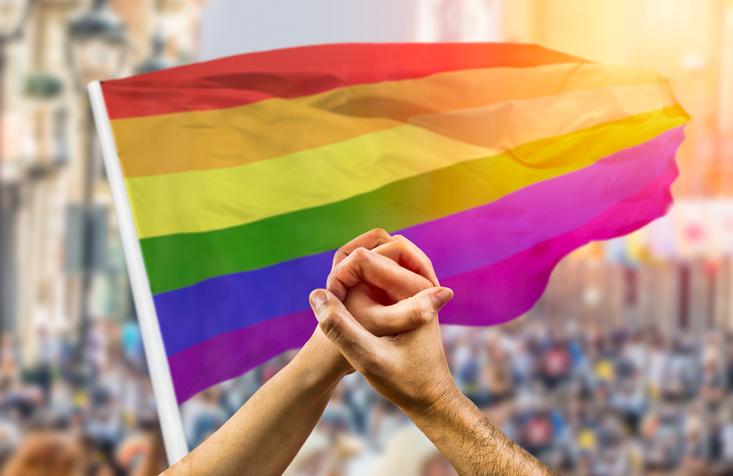
You come out to friends expecting relief, only to be met with a knowing smirk and the words “so you just haven’t picked a side yet.” A partner leaves you the moment they learn you’re bisexual, convinced you’ll inevitably cheat or “end up gay eventually.” Even inside LGBTQ+ spaces, spaces that should feel like home, you’ve been told you’re not queer enough, not gay enough, not straight enough to belong anywhere fully. This particular kind of exhaustion, being disbelieved, sexualized, or erased by people on every side of the sexuality spectrum, has a name: biphobia.
What makes this experience so uniquely isolating is that biphobia rarely comes from just one direction. Unlike other forms of discrimination that primarily come from outside a marginalized community, bisexual people frequently face rejection and disbelief from heterosexual people and from gay and lesbian communities simultaneously, leaving many bisexual individuals feeling like they have nowhere that fully accepts them. This double marginalization has real, measurable consequences; research consistently shows bisexual people report higher rates of anxiety, depression, and suicidality compared to both heterosexual and gay or lesbian populations, a pattern researchers directly connect to the unique, compounding stress of navigating biphobia. Understanding exactly what biphobia looks like, why it persists, and how to address it, whether it’s coming from others or from within yourself, is a genuinely important step toward protecting your mental health and building authentic community.
So what does biphobia actually look like in practice, and how can it be recognized, challenged, and overcome?
This article explains the meaning of biphobia, its key characteristics, real-world examples, and practical, evidence-informed strategies for overcoming it, both externally and within yourself.
What Is Biphobia? A Clear Definition
Biphobia refers to prejudice, discrimination, or aversion directed toward bisexual people or bisexuality as a legitimate sexual orientation. It can manifest as active hostility, but far more commonly it appears as subtler forms of disbelief, dismissal, or erasure of bisexuality’s validity as a genuine, stable identity.
Researcher Kathleen Bennett first introduced the term in 1992, defining it as prejudice specifically directed against bisexuality and the denigration of bisexuality as a legitimate way of living and loving. This distinguishes biphobia from homophobia in a specific, important way: while homophobia targets same-gender attraction generally, biphobia specifically targets the idea that attraction to more than one gender is a valid, coherent orientation, often framing bisexuality instead as confusion, indecision, or a temporary phase on the way to a “real” identity.
Biphobia is sometimes discussed alongside the related, broader concept of monosexism, the assumption that attraction to only one gender, whether exclusively same-gender or exclusively different-gender, is inherently more valid or normal than attraction to multiple genders. This framing helps explain why biphobia can come from heterosexual and gay or lesbian communities alike, since both groups can share an underlying monosexist assumption even while disagreeing about which single-gender attraction is “correct.”
Understanding biphobia through this lens helps clarify why bisexual people so often describe feeling caught between communities rather than fully belonging to either, a genuinely distinct and compounding experience compared to other forms of sexual orientation discrimination.
What Are the Core Characteristics of Biphobia?
Biphobia consistently shows up through several recognizable patterns, even though its specific expression varies across contexts and communities. Recognizing these core characteristics helps distinguish biphobia from more general homophobia or simple ignorance.
- Delegitimization frames bisexuality as a phase, confusion, or convenient choice rather than a stable, valid sexual orientation.
- Bisexual erasure involves ignoring, minimizing, or actively denying the existence of bisexual people in media, history, and everyday social contexts.
- Harmful stereotypes portray bisexual people as inherently promiscuous, indecisive, or incapable of monogamous relationships.
- Distrust and suspicion assumes bisexual people are more likely to be dishonest, unfaithful, or emotionally unstable in relationships.
- Hostility ranges from mocking jokes and harassment to more severe verbal or physical aggression targeting bisexual individuals specifically.
The British Psychological Society has documented how the Royal College of Psychiatrists formally defines bisexual erasure specifically as “ignoring, removing, falsifying evidence of bisexuality from a source,” noting that in its most extreme form, this erasure can extend to denying bisexuality exists at all as a genuine orientation. Psychologist and researcher Julia Hayfield’s work on bisexual identity development has also highlighted how these characteristics don’t only appear in obvious hostility, but frequently manifest through well-meaning but invalidating comments, like assuming a bisexual person in a relationship with someone of a different gender is “basically straight now.”
Recognizing these patterns, especially the subtler ones, helps bisexual individuals name experiences that might otherwise feel confusing or difficult to articulate to others.
What Are Common Examples of Biphobia in Everyday Life?
Biphobia shows up across a wide range of everyday situations, from casual conversation to institutional settings, often so normalized that many people don’t immediately recognize it as discriminatory. Concrete examples make these patterns easier to identify in real time.
| Context | Example of Biphobia |
|---|---|
| Dating and relationships | Refusing to date a bisexual person for fear they’ll “eventually leave for someone else” |
| Family reactions | Insisting a bisexual family member “just pick a side” or is going through a phase |
| Within LGBTQ+ spaces | Excluding bisexual people from queer events as “not queer enough” |
| Media representation | Portraying bisexual characters as inherently unfaithful or hypersexual |
| Workplace or healthcare | Assuming a bisexual patient’s identity is irrelevant once partnered with a specific gender |
A publicly available resource from Cleveland State University lists a number of recognizable examples, including assuming bisexual people are automatically attracted to everyone, believing bisexuals cannot maintain monogamous relationships, or assuming someone identifying as bisexual is “really” gay or lesbian but in denial. Another particularly common example involves what researchers call situational relabeling, where a bisexual person’s identity gets reassigned based on their current partner, described as “gay” when dating someone of the same gender and “straight” when dating someone of a different gender, effectively erasing their actual bisexual identity in either case.
Recognizing these specific, concrete patterns can help bisexual individuals and allies identify biphobia even when it’s disguised as casual conversation or seemingly harmless assumption.
How Does Bisexual Erasure Specifically Work?
Bisexual erasure describes the systematic tendency to question, minimize, or outright deny the existence and legitimacy of bisexuality, whether in individuals, media representation, or historical record. It’s considered one of the most pervasive and psychologically damaging forms of biphobia specifically.
This erasure operates through several distinct mechanisms. Historical erasure involves retroactively labeling bisexual historical figures as exclusively gay or straight, effectively removing bisexuality from public memory and cultural narrative. Media erasure involves the persistent underrepresentation of openly bisexual characters, or the tendency to write characters with attraction to multiple genders while never explicitly naming them as bisexual on screen. Interpersonal erasure, likely the most common form bisexual people encounter directly, involves friends, family, or partners consistently reinterpreting someone’s bisexual identity through a monosexual lens based on convenience or personal discomfort.
Researcher and writer Thomas York’s analysis for the British Psychological Society emphasizes that this erasure contributes directly to what many bisexual people describe as a profound sense of invisibility, a feeling that their actual lived experience of attraction and identity is being actively rewritten by the people around them rather than simply misunderstood.
A practical takeaway: if you notice your own identity being relabeled based on your current partner’s gender, directly and calmly correcting this framing, even briefly, helps counter erasure in the specific relationships and contexts where it happens most.
What Is Internalized Biphobia and How Does It Develop?
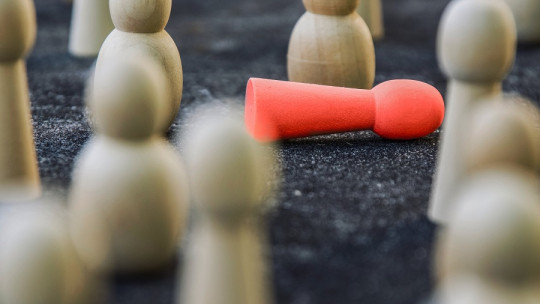
Internalized biphobia occurs when bisexual individuals absorb society’s negative beliefs about bisexuality and apply them to their own sense of self, sometimes without fully realizing it’s happening. This internal process can be just as psychologically damaging as external prejudice, and often compounds it.
This pattern typically develops gradually, through repeated exposure to stereotypes, erasure, and skepticism from multiple directions over time, eventually shaping how a bisexual person privately views their own identity and relationships. Psychologist Julia Hayfield’s research on this specific phenomenon describes internalized biphobia manifesting through self-doubt about the legitimacy of one’s own attraction, feeling guilty or “greedy” for experiencing attraction to more than one gender, or preemptively downplaying one’s bisexuality to avoid anticipated rejection from both heterosexual and gay or lesbian communities.
- Self-doubt about legitimacy can lead bisexual individuals to question whether their own attraction is “real” or simply confusion.
- Preemptive identity minimization involves downplaying bisexuality to avoid anticipated rejection from multiple communities simultaneously.
- Internalized shame around monogamy can create unfounded guilt about being capable of committed, faithful relationships.
- Difficulty seeking community often develops when past rejection from LGBTQ+ spaces discourages further attempts to connect.
Recognizing internalized biphobia as a learned pattern, rather than a personal truth about bisexuality itself, is an important first step toward addressing it, since these beliefs were absorbed from a biased broader culture rather than reflecting anything inherently true about bisexual identity or relationships.
What Are the Mental Health Effects of Experiencing Biphobia?
Biphobia carries genuine, well-documented mental health consequences, distinct in some important ways from the effects of homophobia experienced by gay and lesbian individuals. Research consistently identifies bisexual people as facing elevated rates of specific psychological challenges connected directly to this unique form of discrimination.
Journalist and researcher Zachary Zane, along with researcher Eisner cited in extensive health reporting on the topic, has documented that bisexual people experience higher rates of depression, anxiety, and suicidality compared to both heterosexual and exclusively gay or lesbian populations, a disparity researchers connect directly to the compounding stress of facing rejection from multiple communities rather than a single, more unified source of support. This pattern reflects what researchers sometimes describe as double discrimination, the unique psychological burden of navigating biphobia from heterosexual people while also frequently encountering skepticism or exclusion within LGBTQ+ spaces that might otherwise offer refuge.
Bisexual people also report notably high rates of sexual violence and poverty compared to other sexual orientation groups, disparities researchers link partly to harmful stereotypes that frame bisexual individuals as inherently more sexually available or less deserving of respect and protection within relationships.
A practical takeaway: because isolation from both heterosexual and monosexual LGBTQ+ communities significantly compounds these mental health risks, actively seeking out bisexual-specific support groups or affirming therapists familiar with these unique dynamics can provide genuinely protective, validating community that general LGBTQ+ spaces don’t always fully offer.
How Can You Recognize and Challenge Biphobia in Others?
Challenging biphobia effectively starts with recognizing its subtler, more common forms, since overt hostility represents only a small portion of how this prejudice actually shows up in daily life. Direct, calm correction tends to be more effective than confrontation for shifting everyday attitudes.
- Name the specific stereotype directly and calmly when you hear it, rather than letting it pass unaddressed.
- Correct situational relabeling by gently affirming a bisexual person’s identity regardless of their current partner’s gender.
- Model accurate language by consistently referring to bisexuality as a stable, legitimate orientation rather than a phase or transition.
- Support bisexual visibility by acknowledging bisexual identity explicitly in conversation, rather than defaulting to vaguer terms like “queer” that can inadvertently erase specificity.
- Educate without expecting bisexual people to always do the explaining, taking on some of the emotional labor of addressing misconceptions yourself.
The Choosing Therapy resource on biphobia emphasizes that meaningful allyship requires actively challenging biphobic comments even within LGBTQ+ spaces, since assuming biphobia only comes from outside the community allows it to persist unchallenged within groups that should otherwise offer support and solidarity.
A practical takeaway: when correcting biphobic assumptions in conversation, framing your correction around specific facts, such as clarifying that bisexuality involves attraction to more than one gender rather than confusion about one’s own identity, tends to be more persuasive than a purely emotional appeal.
How Can You Overcome Internalized Biphobia?
Overcoming internalized biphobia involves consciously identifying and challenging the negative beliefs about bisexuality you may have unknowingly absorbed, replacing them with accurate, affirming information and, ideally, genuine community connection. This process takes time and self-compassion rather than a single decisive moment of realization.
Working with a therapist who has specific experience with LGBTQ+ and bisexual-specific concerns can provide a structured, supportive space to identify where internalized biphobic beliefs originated and how they continue to shape self-perception and relationship choices. Connecting with bisexual-specific community spaces, whether in person or online, offers a particularly valuable form of support, since shared experience with others who understand this specific, dual-directional marginalization can meaningfully counter the isolation that often fuels internalized shame.
- Seek affirming therapy specifically experienced with bisexual and broader LGBTQ+ mental health concerns.
- Connect with bisexual-specific communities to counter isolation and access shared understanding.
- Actively challenge internalized stereotypes by examining their origin and consciously replacing them with accurate information.
- Practice self-compassion around the gradual, nonlinear process of unlearning deeply internalized societal messages.
A practical takeaway: keeping a simple journal noting moments when internalized biphobic thoughts arise, along with a brief, factual counter-statement, can help gradually retrain automatic negative self-talk into something more accurate and self-affirming over time.
How Can Institutions and Communities Reduce Biphobia?
Meaningful, lasting reduction in biphobia requires action beyond individual attitude change, extending into how institutions, media, and communities represent and support bisexual people structurally. Individual awareness matters, but systemic change addresses the root causes more directly and sustainably.
Healthcare systems can reduce biphobia by training providers to avoid situational relabeling of patients’ sexual orientation and by collecting more accurate, bisexual-inclusive data in health research and outcome tracking. Media producers can meaningfully reduce erasure by explicitly naming bisexual characters as bisexual rather than leaving their orientation deliberately ambiguous or unstated, a pattern that has historically contributed significantly to public unfamiliarity with genuine bisexual representation. LGBTQ+ organizations themselves can reduce internal biphobia by ensuring bisexual-specific programming and leadership representation, rather than assuming general LGBTQ+ initiatives automatically and adequately serve bisexual community members’ distinct needs.
Educational institutions also play a meaningful role; comprehensive sex education that explicitly and accurately covers bisexuality as a stable, valid orientation, rather than omitting it or treating it only briefly alongside other topics, can help prevent the formation of biphobic beliefs earlier in life, before they become deeply entrenched.
A practical takeaway: if you’re in a position to influence institutional policy, whether in healthcare, education, or workplace diversity initiatives, advocating specifically for bisexual-inclusive language and data collection helps address a frequently overlooked gap in broader LGBTQ+ equity efforts.
FAQs about Biphobia
What exactly is biphobia?
Biphobia is prejudice, discrimination, or aversion specifically directed toward bisexual people or bisexuality as a legitimate sexual orientation. It can involve overt hostility, but more commonly shows up as subtler forms of disbelief, stereotyping, or erasure that question whether bisexuality is a genuine, stable identity. The term was coined by researcher Kathleen Bennett in 1992 and is often discussed alongside the broader concept of monosexism, the assumption that attraction to only one gender is inherently more valid than attraction to multiple genders. Biphobia can come from heterosexual people as well as from gay and lesbian communities.
How is biphobia different from homophobia?
While homophobia targets attraction to the same gender generally, biphobia specifically targets the validity of attraction to more than one gender, often framing bisexuality as confusion, indecision, or a temporary phase rather than a genuine, stable orientation. This means bisexual people can experience rejection from heterosexual people and from gay or lesbian communities simultaneously, a distinct pattern of double marginalization not typically experienced by exclusively gay or lesbian individuals. Both forms of prejudice cause real harm, but biphobia carries this unique compounding quality that contributes to specific, well-documented mental health disparities among bisexual populations.
What are some common examples of biphobia?
Common examples include assuming bisexual people are automatically attracted to everyone, believing they cannot maintain monogamous relationships, or insisting someone is “really” gay or straight but in denial about their true orientation. Another frequent example involves situational relabeling, where a bisexual person’s identity gets reassigned based on their current partner’s gender, described as gay when dating someone of the same gender and straight when dating someone of a different gender. Biphobia also shows up through media representation that portrays bisexual characters as inherently unfaithful or hypersexual, as well as exclusion from LGBTQ+ spaces for not being seen as “queer enough.”
What is internalized biphobia?
Internalized biphobia occurs when bisexual individuals absorb society’s negative beliefs about bisexuality and apply them to their own sense of self, sometimes leading to self-doubt about the legitimacy of their own attraction or feelings of guilt for being attracted to more than one gender. This pattern typically develops gradually through repeated exposure to stereotypes and erasure from multiple directions over time. Addressing internalized biphobia often involves working with an affirming therapist, connecting with bisexual-specific community spaces, and consciously challenging negative beliefs by replacing them with accurate information. This process generally requires time and self-compassion rather than a single moment of realization.
Why do bisexual people report higher rates of mental health struggles?
Research consistently shows bisexual people report higher rates of depression, anxiety, and suicidality compared to both heterosexual and exclusively gay or lesbian populations, a disparity researchers connect to the unique, compounding stress of facing biphobia from multiple directions simultaneously. This pattern reflects what’s sometimes called double discrimination, since bisexual people often navigate rejection from heterosexual communities while also encountering skepticism or exclusion within LGBTQ+ spaces that might otherwise provide support. Bisexual individuals also report notably higher rates of sexual violence and poverty, disparities partly linked to harmful stereotypes framing them as inherently more sexually available. Seeking bisexual-specific support communities and affirming mental health care can help address these unique, compounding challenges.
How can I be a better ally to bisexual people?
Being a genuine ally involves actively recognizing and challenging biphobic comments and assumptions, even within LGBTQ+ spaces, rather than assuming this prejudice only comes from outside the community. This includes correcting situational relabeling by consistently affirming a bisexual person’s identity regardless of their current partner’s gender, modeling accurate language that treats bisexuality as a stable orientation, and taking on some of the emotional labor of educating others rather than expecting bisexual people to always do this work themselves. Supporting explicit bisexual visibility in conversation and media, rather than defaulting only to broader terms like queer, also helps counter erasure. Consistent, everyday advocacy generally matters more for reducing biphobia than occasional, large gestures.
Bibliography
- Royal College of Psychiatrists. (2020). Position statement on bisexuality and mental health. Referenced in Watson, J., & Smith, K.
- York, T. (2025). People erase my existence. The Psychologist, British Psychological Society.
- Healthline Media. Eisner, S. (2022). Biphobia: 11 Things to Know About Being Biphobic.
- Choosing Therapy. (2023). Biphobia: What It Is, Effects, & How to Seek Support.
- Cleveland State University Office of Student Life. Biphobia: Definitions and Examples.
- Hayfield, N. (2020). Bisexual and Pansexual Identities: Exploring and Challenging Invisibility and Invalidation. Routledge.
Use this citation format to reference the article clearly and help readers find the original source.
PsychologyFor. (2026). Biphobia: What it Is, Characteristics, Examples, and How to Overcome it. PsychologyFor. https://psychologyfor.com/biphobia-what-it-is-characteristics-examples-and-how-to-overcome-it/