

IF YOU ARE IN CRISIS: Call or text 988 (Suicide & Crisis Lifeline) or text HOME to 741741 (Crisis Text Line). Help is available 24/7.
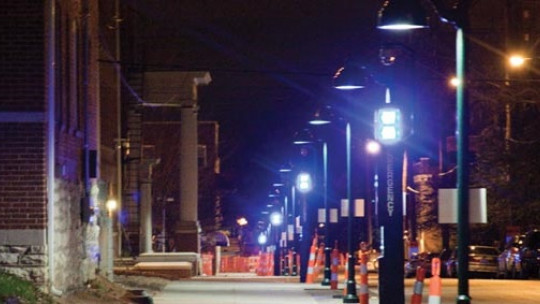
A Japanese railway company swaps out standard white lights for blue LEDs at the edges of a few train platforms, mostly as a modest, low-cost experiment. What happened next genuinely surprised researchers. Suicides at those specific platforms dropped dramatically in the years that followed, dramatically enough that the finding traveled well beyond railway safety journals into mainstream science reporting worldwide. Around the same time, a city council in Scotland tried something conceptually similar in troubled neighborhoods, swapping ordinary streetlights for blue ones, and reported a striking drop in local crime.
These two stories, separated by thousands of miles and entirely different intentions, converged on a genuinely fascinating question: could something as simple as light color meaningfully influence human behavior at moments of crisis or criminal impulse? The idea sounds almost too simple to take seriously, color changing outcomes this serious feels more like folklore than science. And yet peer-reviewed researchers have spent over a decade investigating this specific claim, producing findings that are genuinely significant, genuinely debated, and considerably more nuanced than the viral headlines suggested. Understanding what actually happened, and what subsequent research found when scrutinizing those original claims, matters for anyone evaluating whether this represents genuine public safety innovation or an overstated correlation.
So does the evidence actually support blue lighting as effective prevention?
This guide examines the research behind blue street lighting and its claimed effects on crime and suicide, including the original studies, subsequent scientific scrutiny, and what remains genuinely uncertain.
How many of these have you been "meaning to read" for months?
- 1
 Harriman HouseThe Psychology of MoneyTimeless lessons on wealth, greed, and happinessListen Free On Audible
 - 2
 TyndaleThe Life-Changing Art of Self-Brain SurgeryConnecting Neuroscience and Faith to Radically Transform Your LifeListen Free On Audible
 - 3
 Penguin Random HouseThe Body Keeps the ScoreBrain, Mind, and Body in the Healing of TraumaListen Free On Audible
What Is Blue Street Lighting, and Where Did This Idea Originate?
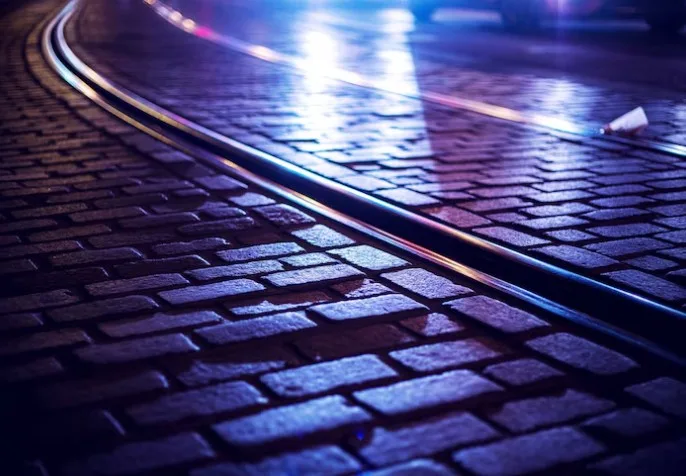
Blue street lighting refers to replacing standard white or yellow outdoor lighting with blue-tinted LED lighting, initially implemented in two entirely separate contexts: urban crime prevention in Scotland and railway suicide prevention in Japan. These two implementations developed independently before researchers began drawing connections between them.
The concept gained international attention through two distinct initiatives occurring around the same period, one focused specifically on reducing street-level crime through ambient lighting changes, and the other focused specifically on preventing suicide attempts at railway platforms, a significant public health concern given Japan’s documented rates of rail-related suicide.
Understanding this dual origin matters for interpreting the research:
- The Glasgow initiative targeted general crime reduction through altered ambient street lighting.
- The Japanese railway initiative targeted specific suicide prevention at identified high-risk platform locations.
- Both approaches share a common, if unproven, theoretical basis: that blue light color itself produces some calming or deterrent psychological effect.
These two contexts deserve separate examination, since the strength and rigor of supporting evidence differs considerably between them.
The Glasgow Experiment: Blue Lights and Crime Reduction
Glasgow City Council installed blue-colored streetlights in several neighborhoods in 2000, initially intending to reduce aggressive behavior rather than crime broadly, and the reported results generated significant local and international attention. This case remains widely cited despite its relatively limited scientific rigor.
Reports from this initiative indicated that Buchanan Street specifically saw a documented forty-two percent reduction in crime during the first year following installation, with crime continuing to decline by roughly five percent annually afterward, eventually roughly halving overall crime in the area by 2003 according to corporate crime database figures. These figures, while genuinely striking, came from municipal crime statistics rather than a controlled, peer-reviewed research design.
Several important considerations apply to interpreting this specific case:
- The reported reduction lacks a rigorous, peer-reviewed research design comparable to later railway studies.
- Other factors, like concurrent policing changes or broader urban renewal, could have contributed to the observed decline.
- The Glasgow case functions more as a compelling anecdote than confirmed, controlled scientific evidence.
This doesn’t mean the Glasgow results are meaningless. It does mean they warrant considerably more caution than the more rigorously studied Japanese railway research that followed.
Japan’s Railway Blue Light Studies: The Original Findings
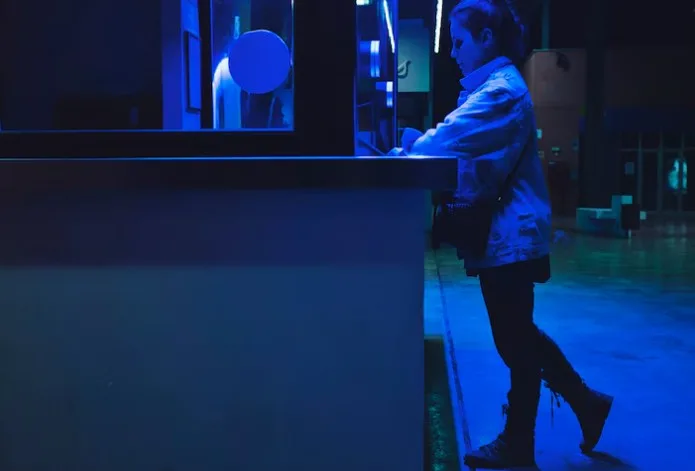
Japan’s railway blue light research represents the most rigorously studied application of this concept, examining suicide rates at stations before and after LED installation using controlled statistical methods. This research carries considerably more scientific weight than the Glasgow anecdote alone.
Researchers Tomoko Matsubayashi, Yasuyuki Sawada, and Michiko Ueda, whose landmark 2013 study first rigorously examined this intervention, analyzed panel data across seventy-one Japanese railway stations between 2000 and 2010, comparing suicide rates at stations where blue LED lights had been installed against comparable stations without the intervention.
Their initial findings were genuinely striking:
- The study found an eighty-four percent decrease in suicides at stations following blue light installation.
- Only one suicide occurred at a blue-light station after installation, and it happened during daytime when lights weren’t illuminated.
- Blue lights were specifically installed at platform edges and activated automatically from sunset to sunrise.
This initial study generated significant international attention, partly because the intervention itself, LED lighting, is dramatically less expensive than alternatives like full platform screen doors.
How Big Was the Reported Effect? Breaking Down the Numbers
Multiple studies examining this same intervention have produced somewhat varying, though consistently significant, effect estimates, worth understanding in specific detail rather than relying on a single headline figure. This variation itself offers useful context.
A follow-up study by Matsubayashi’s team in 2014, expanding the dataset through 2013 and specifically testing whether suicides simply shifted to nearby stations, found a slightly more conservative but still substantial seventy-four percent reduction in suicides at intervention stations, with no evidence of displacement toward neighboring, non-intervention stations on the same railway line.
| Study | Reported Reduction |
|---|---|
| Matsubayashi et al., 2013 | 84% decrease in suicides (CI: 14-97%) |
| Matsubayashi et al., 2014 | 74% decrease, no displacement to nearby stations |
Both figures represent genuinely large effect sizes, even accounting for their fairly wide confidence intervals. This consistency across two separate analyses lent the original findings considerable credibility within suicide prevention research.
The Scientific Pushback: Why Some Researchers Are Skeptical
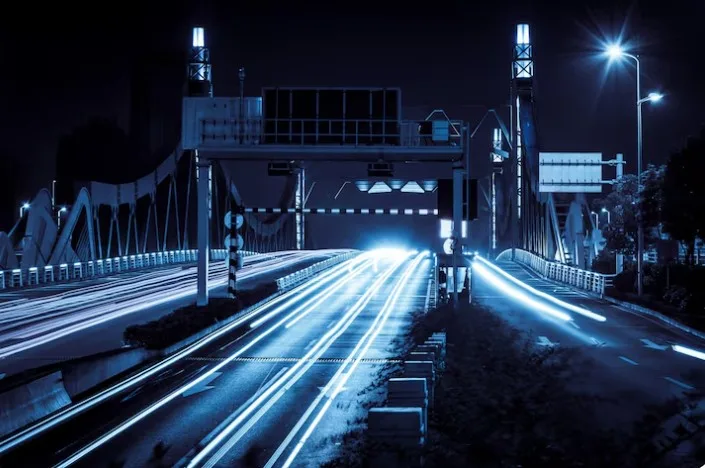
Not every researcher examining this intervention has reached equally optimistic conclusions, and a notable critical follow-up study specifically questioned whether the original effect estimates were meaningfully overstated. This scientific pushback deserves genuine, direct attention.
Researcher Saori Ichikawa, whose 2014 critical analysis specifically examined the proportion of suicide attempts actually occurring where blue lights could plausibly have any effect, found that only roughly fourteen percent of all recorded railway suicide attempts occurred both at station premises and during nighttime hours, when blue lights would actually be illuminated and potentially relevant. This finding suggested the intervention’s real-world impact might be considerably smaller than headline figures implied.
This critical analysis raised several specific concerns:
- The vast majority of railway suicide attempts occur in locations or times where blue lights wouldn’t apply at all.
- The proportion of nighttime attempts at platform ends specifically showed no meaningful change after light installation.
- Original studies may not have adequately controlled for differences between platform locations where suicides actually occurred.
This tension between optimistic original findings and more cautious follow-up analysis reflects genuine, unresolved scientific debate, not a simple case of one study being right and another wrong.
Proposed Psychological Mechanisms Behind Blue Light’s Effect
Assuming blue lighting does produce genuine behavioral effects, researchers have proposed several possible psychological mechanisms, though none has been definitively confirmed through rigorous experimental testing. This mechanistic uncertainty represents a genuine gap in current understanding.
Proposed explanations generally center on blue light’s documented physiological effects on mood and arousal, including its established role in circadian rhythm regulation and some research suggesting calming or sedating psychological associations with blue-toned environments, potentially interrupting acute emotional crisis states long enough for the moment to pass. Alternative theories propose that unusual lighting simply increases perceived visibility or surveillance, deterring criminal behavior through practical rather than purely psychological means.
Proposed mechanisms include:
- A calming psychological association with blue-toned light, potentially interrupting acute crisis states.
- Increased perceived visibility or surveillance, functioning as a practical crime deterrent rather than purely psychological effect.
- Simple novelty or attention-drawing qualities of unusual lighting, briefly interrupting automatic behavioral patterns.
Blue Light vs Other Suicide Prevention Methods at Hotspots
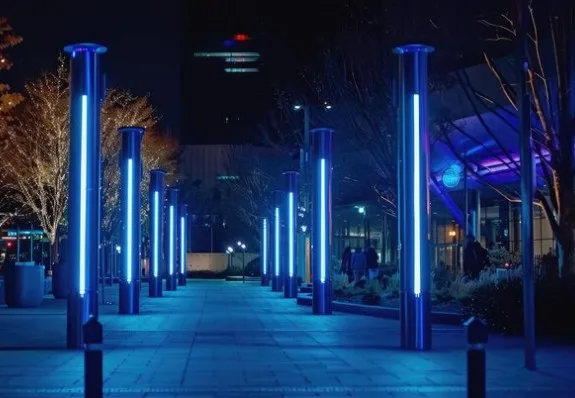
Blue lighting represents just one of several methods used specifically to prevent suicide at identified hotspot locations, and comparing its relative effectiveness and cost against alternatives offers useful practical context. This comparison matters for policymakers weighing prevention investment decisions.
Platform screen doors, physical barriers preventing access to railway tracks entirely, represent the most effective documented intervention at railway stations specifically, though they require substantially greater installation and maintenance costs compared with simple LED lighting changes. Physical barriers at other hotspots, like bridges, have similarly shown strong prevention evidence, though again at considerably higher implementation cost than lighting alone.
Comparing these approaches highlights several practical tradeoffs:
- Platform screen doors offer the strongest prevention evidence but require substantial capital investment.
- Physical barriers at bridges and elevated structures show similarly strong evidence at high installation cost.
- Blue lighting offers a considerably cheaper alternative with more modest, contested evidence of effectiveness.
This cost-effectiveness tradeoff explains much of the continued interest in blue lighting, even amid genuine scientific uncertainty about its actual mechanism and reliability.
Does Blue Lighting Simply Displace Suicides Elsewhere?
A critical question for any location-specific prevention intervention involves whether it genuinely prevents crisis or simply shifts the same outcome to a different, unprotected location. This displacement question received specific research attention within the blue light studies.
Matsubayashi’s 2014 follow-up study specifically tested this displacement hypothesis by examining suicide rates at neighboring stations without blue lights, finding no statistically significant increase at these nearby control locations following intervention at treated stations. This finding, if it holds up under continued scrutiny, would suggest the intervention produces genuine prevention rather than simple relocation of the same underlying crisis.
This displacement analysis found:
- No significant increase in suicides at neighboring, non-intervention stations on the same railway line.
- This pattern suggests genuine crisis interruption rather than simple geographic relocation of risk.
- The finding aligns with broader research suggesting many suicidal crises are genuinely time-limited and impulsive.
Broken Windows Theory and the Crime Reduction Angle
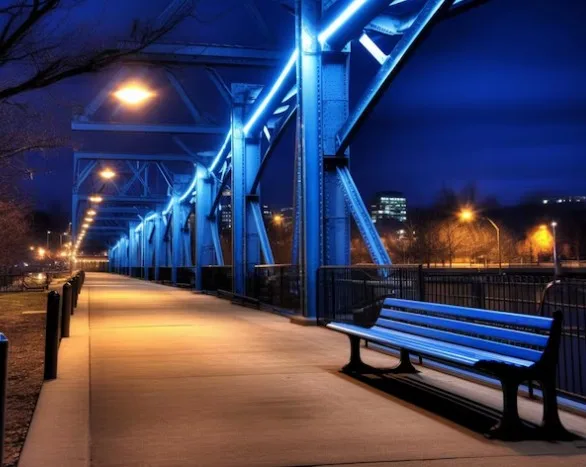
The Glasgow crime reduction findings connect conceptually to broader criminological theory about how environmental cues influence criminal behavior, even though blue lighting itself wasn’t part of the theory’s original formulation. This theoretical connection offers useful interpretive context.
Criminologists James Wilson and George Kelling’s influential broken windows theory proposed that visible signs of disorder and neglect in an environment can encourage further criminal behavior, suggesting that visible environmental changes, potentially including unusual lighting, might signal renewed order and surveillance, discouraging opportunistic crime through altered perception of the environment itself.
This theoretical framework offers a plausible, though speculative, explanation for the Glasgow findings:
- Unusual, deliberately altered lighting may signal active municipal attention to a previously neglected area.
- This perceived attention could discourage opportunistic criminal behavior independent of light color specifically.
- The effect might reflect general environmental change rather than something unique to blue light itself.
What This Research Means for Public Safety Policy
Despite genuine scientific uncertainty about underlying mechanisms, blue lighting’s low cost and generally positive, if contested, evidence has led several transit authorities and municipalities to implement or continue using this intervention. This practical policy dimension deserves direct, balanced consideration.
Given that blue LED lighting costs considerably less than platform screen doors or comprehensive physical barriers, policymakers reasonably view it as a worthwhile, low-risk supplementary intervention, particularly at locations where more expensive alternatives aren’t immediately feasible. The intervention carries essentially no documented negative side effects, making its adoption relatively low-risk even amid ongoing scientific debate about its precise effectiveness.
Practical policy considerations generally include:
- Blue lighting’s low implementation cost makes it reasonable as a supplementary measure alongside other interventions.
- The intervention carries minimal documented downside, supporting adoption even amid effectiveness uncertainty.
- It shouldn’t be treated as a replacement for more robust interventions like physical barriers where feasible.
Limitations and What Future Research Still Needs to Answer
Genuine scientific uncertainty persists regarding blue lighting’s actual mechanism and reliability, and honest evaluation of this research requires acknowledging exactly what remains unresolved rather than overstating current certainty. This final, honest accounting matters for accurate public understanding.
Journalist and researcher coverage, including a widely read BBC Future analysis of Michiko Ueda’s research, has specifically noted that despite the striking initial percentages reported, the overall scientific picture remains genuinely inconclusive, with subsequent analysis suggesting the effect may be considerably smaller or more location-specific than initial headlines suggested.
Key unresolved questions for future research include:
- Whether true experimental designs, rather than observational comparison, would confirm the same effect sizes.
- What specific psychological mechanism, if any, actually explains blue light’s apparent influence.
- Whether findings from Japanese railway contexts would replicate in different cultural or geographic settings.
FAQs about Blue Street Lighting and Prevention
Is there solid scientific proof that blue lights actually prevent suicide?
The evidence is genuinely mixed rather than conclusively proven. Initial studies by researchers Matsubayashi, Sawada, and Ueda found statistically significant reductions of seventy-four to eighty-four percent in suicides at Japanese railway stations following blue light installation, findings that generated considerable scientific and public attention. However, a critical follow-up analysis by researcher Saori Ichikawa found that only about fourteen percent of railway suicide attempts actually occurred in locations and times where blue lights would be relevant at all, suggesting the true effect may be considerably smaller than the original headline figures implied. This means the intervention shows promising, statistically significant associations in controlled analysis, but definitive proof of the mechanism and reliable, consistent effect size remains an open scientific question rather than settled fact.
Why did Glasgow’s blue street lighting reportedly reduce crime so dramatically?
Glasgow’s reported forty-two percent first-year crime reduction, and continued decline afterward, came from municipal crime statistics rather than a rigorous, peer-reviewed research design comparable to the later Japanese railway studies. This means other factors occurring simultaneously, including concurrent policing changes, broader urban renewal efforts, or general crime trends unrelated to lighting, could have contributed to or entirely explained the observed decline, without the light color itself being the actual causal factor. Some researchers have connected this finding conceptually to broken windows theory, proposing that visible environmental change signals renewed order and municipal attention, potentially deterring crime through this signal regardless of the specific light color chosen, rather than something uniquely tied to blue light itself.
What is the proposed psychological mechanism explaining why blue light might affect behavior?
Researchers have proposed several possible explanations, though none has been definitively confirmed through rigorous experimental testing specifically isolating light color as the causal factor. One theory suggests blue light carries a calming psychological association, potentially interrupting an acute emotional crisis state long enough for the intense moment to pass without action being taken. An alternative theory proposes that unusual, deliberately altered lighting increases perceived visibility or surveillance, functioning as a practical deterrent rather than a purely psychological, color-specific effect. A third possibility suggests simple novelty draws attention and briefly interrupts automatic behavioral patterns, regardless of the specific color used, meaning the effect might not be uniquely tied to blue specifically at all.
Did researchers find that suicides simply moved to different stations without blue lights?
No, this is an important and genuinely reassuring finding from the follow-up research. Matsubayashi’s 2014 study specifically tested this displacement hypothesis, examining suicide rates at neighboring stations without blue lights following intervention at treated stations, and found no statistically significant increase at these nearby control locations. This finding suggests, if it holds up under continued scientific scrutiny, that the intervention may produce genuine crisis interruption rather than simply relocating the same underlying suicidal crisis to an unprotected nearby location. This aligns with broader suicide prevention research suggesting that many suicidal crises, particularly impulsive ones, are genuinely time-limited, meaning interrupting the specific moment can prevent the outcome entirely rather than merely delaying it to another time or place.
Is blue lighting considered as effective as physical barriers like platform screen doors?
No, physical barriers like platform screen doors generally show stronger, more consistent prevention evidence than blue lighting, since they create an absolute physical obstacle to access rather than relying on a proposed psychological or perceptual effect. However, platform screen doors require substantially greater capital investment and ongoing maintenance costs compared with simple LED lighting installation, making blue lighting an attractive supplementary option specifically for locations where more comprehensive physical barriers aren’t immediately financially feasible. Most safety experts view blue lighting as a reasonable, low-cost additional measure rather than a replacement for more robust interventions, particularly given that its effectiveness, while promising in some studies, remains less definitively established than physical barrier methods.
Are there any negative side effects or downsides to installing blue street lighting?
Current research hasn’t documented significant negative side effects specifically associated with blue lighting installation, making it a relatively low-risk intervention even amid genuine scientific uncertainty about its precise effectiveness and mechanism. Some general concerns about blue light exposure relate to circadian rhythm disruption in indoor or bedroom settings, but this concern doesn’t directly translate to outdoor street or railway platform lighting in the same way, since the exposure context and duration differ considerably. The primary practical downside involves simply the cost and effort of installation and ongoing maintenance, though these costs remain considerably lower than more comprehensive interventions like physical barriers, making the overall risk-benefit calculation reasonably favorable for municipalities and transit authorities considering this option.
Why do different studies report such different percentage reductions for the same intervention?
These varying figures, ranging from seventy-four to eighty-four percent in the primary studies, partly reflect different specific datasets, time periods, and statistical methodologies used across separate research analyses, even when examining fundamentally the same intervention and railway system. Additionally, the critical follow-up analysis by researcher Saori Ichikawa specifically questioned whether these headline percentage figures accurately captured the intervention’s true overall impact, given that only a small proportion of all suicide attempts occurred in locations and times where blue lights would actually be relevant. This kind of variation across studies examining the same intervention is genuinely common in social science and public health research, reflecting the inherent complexity of isolating one specific causal factor from numerous other simultaneous influences on human behavior.
Could this research be applied to other public safety contexts beyond railways and city streets?
This remains a genuinely open question, since most rigorous research on this specific intervention has focused narrowly on Japanese railway platforms, with the Glasgow street lighting case offering much weaker, less controlled evidence for broader urban crime contexts. Extending this research to other settings, like parking structures, bridges, or other identified crisis or crime hotspots, would require dedicated, rigorous study design specifically testing whether similar effects emerge in those different physical and cultural contexts. Given the genuine scientific uncertainty already present even within the well-studied railway context, applying these findings confidently to entirely different settings without dedicated research would represent a considerable leap beyond what current evidence actually supports.
Bibliography
- Matsubayashi, T., Sawada, Y., & Ueda, M. (2013). Does the Installation of Blue Lights on Train Platforms Prevent Suicide? A Before-and-After Observational Study from Japan. Journal of Affective Disorders.
- Matsubayashi, T., Sawada, Y., & Ueda, M. (2014). Does the Installation of Blue Lights on Train Platforms Shift Suicide to Another Station? Evidence from Japan. Journal of Affective Disorders.
- Ichikawa, S., et al. (2014). Reconsidering the Effects of Blue-Light Installation for Prevention of Railway Suicides. Journal of Affective Disorders.
- Wilson, J. Q., & Kelling, G. L. (1982). Broken Windows: The Police and Neighborhood Safety. The Atlantic Monthly.
- BBC Future. Can Blue Lights Prevent Suicide at Train Stations?
- National Institute for Health and Care Excellence. Evidence Review: Reducing Access to Means of Suicide.
- 988 Suicide and Crisis Lifeline. Crisis resources and prevention information.
Use this citation format to reference the article clearly and help readers find the original source.
PsychologyFor. (2026). Blue Street Lighting Would Reduce Crimes and Suicides. PsychologyFor. https://psychologyfor.com/blue-street-lighting-would-reduce-crimes-and-suicides/