


You’ve probably heard someone joke, half-seriously, about “wicked stepmothers,” as though the fairy tale trope were simply an outdated exaggeration with no basis in reality. But for many blended families, and for the researchers who’ve spent decades studying them, this isn’t a harmless joke at all; it points toward a genuinely documented, unsettling pattern in how some stepparents relate to their partner’s children compared to their own biological offspring. If you’re a stepparent struggling with feelings of emotional distance toward a stepchild, or a biological parent worried about how your new partner treats your children differently than their own, you may already be sensing the edges of what psychologists call the Cinderella effect.
This topic carries genuine emotional weight because it touches something deeply uncomfortable: the possibility that love and protective instinct toward children aren’t automatically extended equally to every child in a household, regardless of biological connection. For stepparents, recognizing an emotional gap between how they feel toward a stepchild versus a biological child can trigger intense guilt and shame, since cultural expectations insist that a “good” stepparent should love all children equally from the start. For biological parents entering a new blended family, watching a partner treat their child with less warmth, patience, or attention than they show their own children can create genuine fear and heartbreak, made worse by not having language to name what’s happening. Understanding the psychological and evolutionary research behind this pattern doesn’t excuse mistreatment, but it does offer a clearer, evidence-based framework for recognizing it, addressing it, and protecting children within blended family structures.
So what exactly is the Cinderella effect, and what does the actual research say about how common and how serious this pattern really is?
This article explains what the Cinderella effect is, the evolutionary psychology theory behind it, what the research actually shows, and what this means for real families today.
What Exactly Is the Cinderella Effect?
The Cinderella effect describes a documented pattern in which stepparents show measurably higher rates of child abuse, neglect, and mistreatment toward stepchildren compared to their biological children. This concept, rooted in evolutionary psychology, takes its name directly from the fairy tale character mistreated by her stepmother and stepsisters, a folk narrative that researchers found reflected a genuine, statistically measurable pattern rather than pure fiction.
Evolutionary psychologists Martin Daly and Margo Wilson, whose extensive research beginning in the 1980s largely established this field of study, proposed that this pattern reflects a byproduct of parental investment theory, the evolutionary principle that natural selection favors parents who preferentially invest care and resources in their own genetic offspring rather than distributing that investment indiscriminately. According to their framework, human child-rearing is so prolonged and biologically costly that a parenting psychology shaped by natural selection would be expected to discriminate, at least somewhat, in favor of genetically related children.
It’s genuinely important to distinguish this concept clearly from the previously discussed Cinderella complex, a completely separate psychological concept describing women’s unconscious fear of independence. Despite sharing the same fairy tale reference, these two terms describe entirely different phenomena, one concerning parent-child relationships in blended families, the other concerning women’s relationship with autonomy and self-reliance.
A practical takeaway: understanding this effect as a documented pattern grounded in evolutionary theory, rather than simply an old folk myth, can help stepparents and biological parents alike take early warning signs of unequal treatment seriously rather than dismissing them as ordinary adjustment difficulties.
What Does the Research Actually Show About Abuse Rates?
The statistical evidence behind the Cinderella effect is genuinely substantial, with multiple independent studies across different countries consistently finding stepchildren at significantly elevated risk of maltreatment compared to children living with two biological parents. Understanding the actual scale of this research helps clarify why the concept has remained a serious subject of study for decades.
Daly and Wilson’s foundational analysis of United States child abuse records found that a child under three years old living with one genetic parent and one stepparent in 1976 was approximately seven times more likely to become a validated child-abuse case compared to a child living with two genetic parents. Their subsequent research examining fatal child abuse specifically found even more dramatic disparities, with some studies finding stepparents responsible for beating very young children to death at rates more than one hundred times higher than the corresponding rates among genetic parents in certain countries and time periods.
| Study Finding | What the Research Documented |
|---|---|
| U.S. child abuse records (1976) | Stepchildren under 3 were about 7 times more likely to be validated abuse cases |
| Fatal child battering (multiple countries) | Rates over 100 times higher among stepparents in some analyses |
| Family investment patterns | Stepparents invest less in education, medical care, and play time |
Beyond severe physical abuse, research has also consistently documented that stepparents invest measurably less in stepchildren across ordinary, everyday domains, including education support, routine medical and dental care, and simple play time, even after statistically controlling for family income and other potential confounding factors. A practical takeaway: recognizing that this research spans multiple countries and decades of consistent findings can help validate concerns raised by biological parents who notice measurable, patterned differences in how their partner treats different children in the household.

What Is the Evolutionary Psychology Explanation Behind This Pattern?
Evolutionary psychologists explain the Cinderella effect through the lens of inclusive fitness theory, the principle that natural selection favors behaviors that promote the survival and reproduction of one’s own genetic material, including through the genes carried by biological offspring specifically. Understanding this theoretical framework helps clarify why researchers believe this pattern emerged, without suggesting it justifies or excuses the resulting behavior in any way.
Daly and Wilson’s theoretical model, drawing on biologist William Hamilton’s foundational work on inclusive fitness, argues that because raising children requires such an enormous investment of time, energy, and resources, natural selection would favor a parental psychology that discriminates, at least somewhat, in favor of children who share one’s genes over those who don’t. From this perspective, a stepchild represents, in cold evolutionary terms, a competitor for finite parental resources that could otherwise be directed toward one’s own genetic offspring, creating an underlying psychological tension that doesn’t exist in the same way toward biological children.
Researcher and psychologist Martin Daly’s more recent work applying sexual selection theory has further suggested that stepparental investment in stepchildren can sometimes function as a form of mating effort, meaning a stepparent may invest in a partner’s children partly as a way of maintaining the relationship with that partner, rather than out of the same instinctive protective drive typically directed toward genetic offspring. This distinction matters because it suggests stepparental investment is often more conditional and negotiable, tied to the health of the adult romantic relationship, compared to the more automatic, less conditional investment biological parents typically direct toward their own children.
A practical takeaway: understanding that evolutionary theory describes underlying psychological tendencies, not moral justification, can help stepparents recognize any emotional distance they notice in themselves as something to actively, consciously work against, rather than an unchangeable biological fact.
Is the Cinderella Effect Controversial Among Researchers?
Yes, despite substantial supporting evidence, the Cinderella effect remains a genuinely debated topic within psychology and family studies, with some researchers challenging both the size of the reported effect and its underlying evolutionary explanation. Understanding this ongoing debate offers a more complete, scientifically honest picture than presenting the concept as entirely settled fact.
A significant 2021 study published in a peer-reviewed biology journal, examining historical family survival data, actually found evidence running counter to the traditional Cinderella effect hypothesis regarding child mortality specifically, discovering that stepchildren in the studied population showed higher survival rates than their half-siblings within the same family, suggesting stepparents in that context provided a protective rather than harmful effect on survival outcomes. This finding illustrates that the strength and consistency of the Cinderella effect can vary considerably depending on the specific outcome measured, the historical period studied, and the particular population examined.
Other researchers have specifically challenged claims about certain national contexts, with critics arguing that some widely cited statistics don’t hold up consistently across all countries when examined closely, prompting ongoing scholarly debate about the effect’s true universality and magnitude. Daly and Wilson themselves have directly responded to these critiques in subsequent publications, defending their overall findings while acknowledging genuine cross-national variation in the size of the observed effect.
A practical takeaway: approaching this concept with appropriate scientific nuance, recognizing genuine debate exists about its precise magnitude and universality, doesn’t mean dismissing the substantial body of evidence supporting elevated risk; it means understanding this as an area of active, evolving research rather than a single, uniformly settled conclusion.

What Specific Types of Maltreatment Show Elevated Rates?
Research on the Cinderella effect has documented elevated rates across several distinct categories of maltreatment, ranging from reduced everyday investment to the most severe forms of physical and sexual abuse. Understanding this full range helps clarify that the effect isn’t limited to only the most extreme, headline-grabbing cases.
- Nonlethal physical abuse occurs at significantly higher rates among stepparents compared to genetic parents across numerous studied countries.
- Sexual abuse has also been documented at elevated rates in step-relationships compared to genetic parent-child relationships in multiple independent studies.
- Reduced everyday investment, including less spending on education, reduced medical and dental care, and less shared play time, represents a more subtle but consistently documented pattern.
- Elevated accidental injury rates, including drowning and other unintentional fatal injuries, have been found among young stepchildren at notably higher rates than genetic children in some national datasets.
Researchers have also documented a striking pattern within mixed families containing both biological and step-children under the same roof: when researchers specifically studied households containing both types of children, stepchildren were found to be the exclusive targets of abuse in the overwhelming majority of cases studied, in some analyses occurring in nine or more out of every ten such households. This within-family comparison is particularly compelling to researchers because it controls for many other explanatory factors, like household income or neighborhood, that might otherwise account for differences between families.
A practical takeaway: recognizing that this pattern extends well beyond severe physical abuse into more subtle, everyday forms of reduced investment can help family members notice warning signs earlier, before they potentially escalate into more serious mistreatment.
Does the Cinderella Effect Mean All Stepparents Mistreat Stepchildren?
No, absolutely not; the Cinderella effect describes a statistical pattern and elevated risk across large populations, not a universal or inevitable outcome for any individual stepparent-stepchild relationship. This distinction matters enormously for how families should interpret and apply this research to their own specific situation.
Even researchers most closely associated with documenting this effect, including Daly and Wilson themselves, have consistently emphasized that having a stepparent represents an elevated statistical risk factor, not a deterministic prediction of individual outcomes, since the overwhelming majority of stepparents never engage in abuse or significant mistreatment toward their stepchildren. Countless blended families successfully build genuinely warm, loving, and equitable relationships between stepparents and stepchildren, demonstrating that conscious effort, healthy communication, and intentional relationship-building can meaningfully counteract whatever underlying evolutionary tendencies this research describes.
Family therapists and researchers studying successful blended families have identified specific factors that support healthier stepparent-stepchild bonds, including the stepparent’s genuine willingness to invest time and emotional energy specifically in building the relationship, rather than assuming warmth would develop automatically, along with clear, consistent communication between both parents about expectations and boundaries within the household. This research on protective factors offers a genuinely hopeful counterbalance to the more concerning statistical patterns, since it demonstrates that awareness and intentional effort can meaningfully shift outcomes.
A practical takeaway: rather than viewing this research as a prediction about your own family’s future, use it as motivation to be especially intentional and consistent about building genuine connection and fairness across every child in a blended household, since conscious effort appears to meaningfully counteract the underlying statistical pattern.
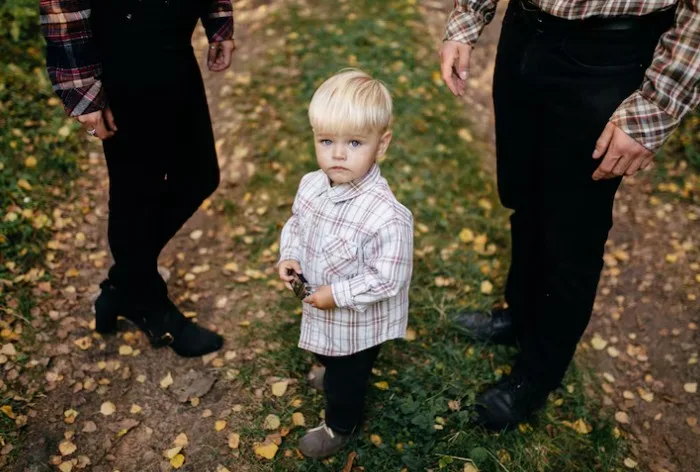
How Can Blended Families Recognize Warning Signs of Unequal Treatment?
Recognizing early warning signs of unequal treatment within a blended family allows for timely intervention before patterns become more entrenched or harmful. Being attentive to specific, observable behaviors offers a more reliable guide than relying on vague impressions alone.
- Compare patience and tone across interactions with different children, noting whether one child consistently receives harsher discipline for identical behavior.
- Track time and attention invested in each child’s activities, school involvement, and individual interests to identify consistent disparities.
- Notice language patterns, paying attention to whether one child is more frequently described in negative terms compared to others in the household.
- Observe physical affection and warmth, since a consistent absence of affectionate gestures toward one particular child can signal an underlying emotional gap.
Family systems researchers emphasize that these warning signs matter most when they form a consistent, repeated pattern rather than appearing as isolated incidents, since occasional friction or adjustment difficulty is a normal part of blended family formation that doesn’t necessarily indicate a deeper, concerning dynamic. If a biological parent notices this pattern persisting despite direct conversation with their partner, or if a stepparent recognizes this gap in their own behavior and feels genuinely troubled by it, these observations warrant serious, proactive attention rather than being dismissed as simply “normal adjustment.”
A practical takeaway: keeping a simple, private log noting specific instances of differential treatment, including dates and concrete details, can help transform a vague, unsettling feeling into concrete, actionable information worth discussing directly with a partner or bringing to a family therapist.
What Can Stepparents Do to Actively Counteract This Pattern?
Stepparents genuinely concerned about noticing emotional distance toward a stepchild can take specific, evidence-informed steps to actively build stronger connection over time, rather than assuming this gap is permanent or unchangeable. Deliberate, sustained effort has been shown to meaningfully improve stepparent-stepchild relationships.
Family therapy specifically focused on blended family dynamics can help stepparents and biological parents openly discuss expectations, address unconscious differential treatment, and develop concrete strategies for building fairness and connection across the entire household. Researchers studying successful blended families have found that stepparents who consciously invest dedicated one-on-one time with stepchildren, without expecting instant affection or connection in return, tend to build significantly stronger relationships over time compared to those who wait passively for bonding to happen naturally.
It’s also genuinely important for stepparents to extend themselves compassion during this process; noticing an initial emotional gap toward a stepchild doesn’t make someone a bad person, and research suggests this experience is a documented, common psychological reality rather than evidence of failure. What matters most is the conscious choice to invest in building genuine connection despite this initial gap, rather than allowing it to translate into differential treatment or reduced investment in the child’s wellbeing.
A practical takeaway: schedule regular, dedicated one-on-one time with each stepchild specifically, treating relationship-building as an active, ongoing project requiring consistent investment rather than something expected to develop automatically over time.

When Should Concerns About This Pattern Involve Professional or Legal Support?
Certain warning signs warrant immediate professional or, in serious cases, legal intervention rather than continued attempts to manage the situation informally within the family. Recognizing when a situation has moved beyond typical adjustment difficulty into genuine concern for a child’s safety is essential.
Signs requiring urgent attention include any physical harm to a child, persistent verbal cruelty or humiliation directed specifically at a stepchild, deliberate exclusion from family activities or resources, or any indication of neglect involving basic needs like food, medical care, or safety. If you observe or suspect any of these patterns, contacting child protective services or a pediatrician trained to recognize signs of maltreatment takes priority over attempting to resolve the situation solely through family discussion, given the documented, elevated risk this research has identified.
Family therapy remains a valuable resource for addressing less severe, but still concerning, patterns of emotional distance or unequal treatment before they escalate into more serious harm, offering both children and adults a structured, supportive space to address difficult dynamics directly. Seeking this kind of professional support reflects genuine care and responsibility for a child’s wellbeing, not an overreaction to normal blended family adjustment.
A practical takeaway: if you’re ever uncertain whether a specific situation warrants professional intervention, consulting with a pediatrician or family therapist for an initial assessment provides a reasonable, low-stakes first step toward clarity and, if needed, appropriate further action.
FAQs about the Cinderella Effect
What exactly is the Cinderella effect?
The Cinderella effect describes a documented pattern in evolutionary psychology in which stepparents show measurably higher rates of child abuse, neglect, and reduced investment toward stepchildren compared to their biological children. First extensively researched by evolutionary psychologists Martin Daly and Margo Wilson beginning in the 1970s and 1980s, this concept is grounded in parental investment theory, which proposes that natural selection favors parents who preferentially invest in genetically related offspring. It’s important to distinguish this from the unrelated Cinderella complex, which describes women’s psychological fear of independence.
How strong is the research evidence behind the Cinderella effect?
The evidence base is substantial, with multiple studies across different countries consistently finding elevated abuse rates among stepchildren, including one foundational analysis finding stepchildren under three were about seven times more likely to become validated abuse cases compared to children living with two genetic parents. However, the effect remains somewhat debated among researchers, with some studies finding smaller effects or even contrary findings regarding child mortality specifically, suggesting the magnitude and consistency of this pattern varies depending on the specific outcome, population, and historical context studied.
Does the Cinderella effect mean stepparents are inherently dangerous?
No, the Cinderella effect describes an elevated statistical risk across large populations, not a deterministic prediction about any individual stepparent-stepchild relationship. The overwhelming majority of stepparents never engage in abuse or significant mistreatment, and countless blended families successfully build genuinely warm, equitable relationships through conscious effort and healthy communication. This research should be understood as identifying a documented risk factor worth being aware of, not as a judgment against stepparents generally.
Why does evolutionary psychology explain this pattern the way it does?
Evolutionary psychologists explain the Cinderella effect through inclusive fitness theory, the principle that natural selection favors behaviors promoting the survival and reproduction of one’s own genetic material. Because raising children requires such significant investment of time and resources, this theory suggests parental psychology may be shaped to discriminate somewhat in favor of genetically related children over stepchildren, who don’t share the parent’s genes. This evolutionary explanation describes an underlying tendency, not a moral justification, and doesn’t excuse or condone any resulting mistreatment.
What can stepparents do if they notice this pattern in themselves?
Stepparents who notice emotional distance toward a stepchild can take active steps to build stronger connection, including scheduling consistent one-on-one time, working with a family therapist specializing in blended family dynamics, and extending themselves compassion rather than shame for noticing this common, documented experience. Research suggests that conscious, sustained effort to invest in the relationship, rather than passively waiting for bonding to occur naturally, meaningfully improves stepparent-stepchild connection over time. What matters most is ensuring this initial emotional gap doesn’t translate into differential treatment or reduced care for the child.
When should a family seek professional help related to this pattern?
Professional or legal intervention becomes necessary when there’s any physical harm to a child, persistent verbal cruelty, deliberate exclusion from family resources, or neglect of basic needs like food or medical care. Less severe but still concerning patterns of emotional distance or unequal treatment can benefit significantly from family therapy focused specifically on blended family dynamics, addressing these issues before they potentially escalate. Consulting a pediatrician or family therapist for an initial assessment offers a reasonable first step whenever there’s genuine uncertainty about whether a specific situation warrants further action.
Bibliography
- Daly, M., & Wilson, M. (1998). The Truth About Cinderella: A Darwinian View of Parental Love. Yale University Press.
- Daly, M., & Wilson, M. (2008). Is the “Cinderella effect” controversial? A case study of evolution-minded research and critiques thereof. Psychological Bulletin.
- Schacht, R., et al. (2021). Was Cinderella just a fairy tale? Survival differences between stepchildren and their half-siblings. Philosophical Transactions of the Royal Society B.
- Daly, M., & Perry, G. (2022). Sexual selection and the treatment of predecessors’ progeny by stepparents. Frontiers in Psychology.
- Wilson, M., Daly, M., & Weghorst, S. J. (1980). Household composition and the risk of child abuse and neglect. Journal of Biosocial Science.
- American Psychological Association. Understanding Blended Family Dynamics and Child Wellbeing.
Use this citation format to reference the article clearly and help readers find the original source.
PsychologyFor. (2026). Cinderella Effect: What is it and How Does it Describe Relationships with Children?. PsychologyFor. https://psychologyfor.com/cinderella-effect-what-is-it-and-how-does-it-describe-relationships-with-children/