

Why do we bite the skin on our fingers, lips or skin? Can peeling the skin off your fingers be a sign of a disorder? Find out why we do it and how to eliminate it.

See more of our articles in your search results.
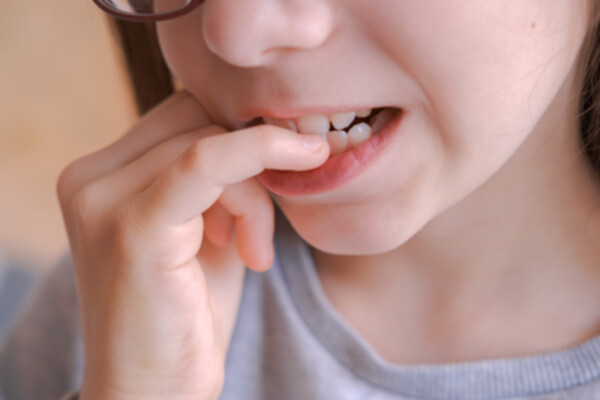
The dermatophagy is a psychological condition in which a person compulsively bites, chews, gnaws or eats their skin. People often tear the skin off or around their fingers (the hangnails of their fingers), as well as bite the inside of their mouth, among other behaviors.
The people with dermatophagia may become ashamed of this behavior, since it may be visible due to the wounds it leaves on the skin. According to research, this behavior may be related to or part of obsessive-compulsive disorder (OCD). This is because a person has thoughts and behaviors related to these actions that are continuous, uncontrollable and recurring. But why does dermatophagia arise and how to avoid it?
Dermatophagia is a condition characterized by the compulsive biting or chewing of one’s skin, often around the fingers, lips, or other accessible areas. This behavior, while seemingly harmless at first, can become chronic and lead to skin damage, infections, and emotional distress. Dermatophagia is considered a body-focused repetitive behavior (BFRB), similar to hair pulling (trichotillomania) or nail-biting (onychophagia). Understanding the causes and implications of this condition can help in managing and treating it effectively.
What is dermatophagia?
The dermatophagy is known as a body-focused repetitive behavior (CRCC). Although it is mainly known by those people who bite the skin on their fingers or the skin on their lips or inside their mouth, it goes beyond these bad habits.
In reality, these types of behaviors are part of a disorder. Mainly, people with this condition can biting your lip, fingers, or eating the skin on your body, leaving it bloody, damaged and in some cases they can even infect it. This compulsion most frequently affects the hands, especially the fingers. However, it can also occur in other parts of the body. Other body-focused repetitive behavior disorders include:
How many of these have you been "meaning to read" for months?
- 1
 TarcherThe Artist's Way30th Anniversary EditionListen Free On Audible
 - 2
 New Harbinger PublicationsThe Dialectical Behavior Therapy Skills WorkbookPractical DBT Exercises for Learning Mindfulness, Interpersonal Effectiveness, Emotion Regulation...Listen Free On Audible
 - 3
 Simon & SchusterThe Green WitchYour Complete Guide to the Natural Magic of Herbs, Flowers, Essential Oils, and More (Green Witch...Listen Free On Audible
- Trichotillomania (hair pulling disorder)
- Excoriation (skin picking disorder)
- Onychophagia (nail biting disorder)
- Chronic tongue chewing
- Trichophagia (hair eating)
- Chronic lip biting
Why Does Dermatophagia Happen?
1. Stress and Anxiety
Dermatophagia is often linked to high levels of stress and anxiety. Individuals may engage in skin-biting as a coping mechanism to reduce tension or distract themselves from overwhelming emotions.
2. Perfectionism or Obsessive Thoughts
People with obsessive-compulsive tendencies may bite their skin as part of a ritualistic behavior, often trying to achieve a sense of relief or perfection.
3. Emotional Regulation
Skin-biting can serve as a way to manage difficult emotions, such as anger, frustration, or sadness. It provides a temporary sense of control or comfort.
4. Neurological Factors
Research suggests that dermatophagia may be associated with imbalances in brain chemistry, particularly involving dopamine and serotonin, which regulate mood and impulse control.
5. Habit Formation
For some, dermatophagia begins as a minor habit—perhaps nibbling at dry or rough skin—and escalates over time into a compulsive behavior.
6. Genetics
There may be a hereditary component to body-focused repetitive behaviors, meaning dermatophagia could run in families.
7. Coexisting Mental Health Conditions
Dermatophagia is commonly associated with other mental health disorders, including anxiety disorders, depression, or attention deficit hyperactivity disorder (ADHD).
Symptoms and Impact of Dermatophagia
Physical Symptoms
- Redness, scarring, or calluses on the skin.
- Bleeding or open wounds from excessive biting.
- Risk of infection due to damaged skin.
Emotional Symptoms
- Feelings of shame or guilt about the behavior.
- Increased anxiety or distress when trying to stop.
- Isolation or embarrassment in social settings.
Behavioral Symptoms
- Difficulty resisting the urge to bite skin, even when aware of its harmful effects.
- Repeated biting during periods of stress, boredom, or focus.
Signs of dermatophagy
The people that They present dermatophagia They can perform the following actions:
- Biting your mouth inside
- Lip biting
- Biting the skins (hangnails) of the fingers
- Peeling the skin off your fingers
- Present skin damage due to this type of attitude
- Distress due to this type of behavior, since it interferes with your life
This disorder is closely related to obsessive-compulsive disorder (OCD). Despite this, not all people with dermatophagia They have OCD, sometimes this type of attitude is a manifestation of stress or anxiety or a habitual reaction to feeling uncomfortable, that is, a kind of coping mechanism.
Why do I bite my tongue or fingers?
The main reasons why people suffer from dermatophagia are the following:
- Impulsivity and impulse control: The dermatophagy is closely related to impulsivity. An impulsive act involves not being able to resist the temptation to perform a certain action, as well as its relief and the feeling of pleasure that accompanies it. Impulsive behaviors are linked to not thinking about the consequences of actions, therefore, it is associated with a loss of control.
- Anxiety: Anxiety can also cause dematophagy. In fact, the appearance of lip-biting or finger-biting behavior may be the result of a general anxiety disorder in response to nervousness or the physiological symptoms inherent to it.
- Obsessions and compulsions: As we have mentioned, the dermatophagy is also related to obsessive-compulsive disorder (OCD).
- Stress: It can also be the result of being faced with moments of excessive stress and the need to cope with these moments, added to the lack of adaptive coping skills.
- Inner nervousness: Nerves can also cause behaviors associated with dermatophagy. With this type of attitude we seek to relieve tension.
- Emotional pain: Through this type of behavior biting fingers, lips, and other parts of the skin The search may seek to feel pleasure to alleviate these types of negative feelings. However, another cause of dermatophagia may be trying to calm the emotional pain a person is experiencing. Through these behaviors, the goal is to generate physical pain that would allow them to decentralize from emotional pain.
Consequences of dermatophagy
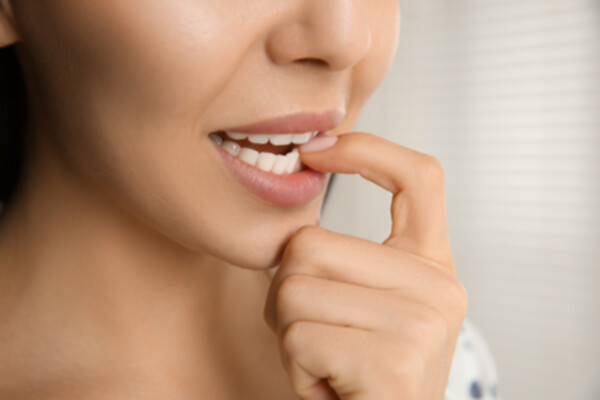
If this type of attitude continues over time, people can suffer injuries to the skin, mouth and fingers. Furthermore, if the dermatophagy does not stop, it is very likely that people end up adopting these attitudes as strategies to cope with stress. Creating a bad habit with which these situations and their respective thoughts are not really faced correctly.
How to stop biting your fingers, mouth and skin?
If you suffer from dermatophagy, it is important that you try to combat these types of attitudes before they get worse. To do this you can follow the following tips:
- Seek psychological treatment: Psychological therapy will focus on finding alternative behaviors that are incompatible with biting your lip or fingers Cognitive behavioral therapy is also used to use behavior modification techniques to eliminate these inappropriate actions and establish appropriate behaviors.
- Learn incompatible behaviors: It is relevant to detect when, how and in what context dermatophagia develops. Once we know it, we must try to replace this habit with one that is incompatible, that is, we cannot do it. do if we bite our lips, hand or skin.
- Learn coping strategies: As we have indicated, normally biting fingers, mouth, or skin It may be due to a state of inner nervousness, whether due to anxiety, stress or tension. In this way, to replace this type of behavior, we can learn other coping strategies such as breathing or relaxation techniques.
To leave behind attitudes related to dermatophagy it is essential to try to make small changes and apply them continuously daily to remove this habit from our lives.
How to Deal with Dermatophagia
1. Identify Triggers
Keeping a journal to track when and where skin-biting occurs can help identify patterns or triggers, such as stress, boredom, or specific situations.
2. Stress Management Techniques
Adopting relaxation techniques like deep breathing, meditation, or yoga can help reduce overall stress levels, decreasing the urge to bite.
3. Replace the Behavior
Substituting skin-biting with healthier activities, like squeezing a stress ball or chewing sugar-free gum, can redirect the compulsion.
4. Skin Protection
Using gloves, bandages, or bitter-tasting nail polish can act as a physical barrier to prevent biting.
5. Seek Professional Help
Cognitive-behavioral therapy (CBT) is a highly effective treatment for dermatophagia. It helps individuals understand the underlying causes of the behavior and develop healthier coping mechanisms.
6. Medication
In some cases, medications like selective serotonin reuptake inhibitors (SSRIs) may be prescribed to address underlying anxiety or obsessive-compulsive tendencies.
7. Build a Support System
Talking to friends, family, or support groups can provide encouragement and accountability.
FAQs About Dermatophagia
What triggers dermatophagia?
Stress, anxiety, boredom, and emotional distress are common triggers. Some individuals may also develop dermatophagia due to perfectionist tendencies or as a habitual response to skin imperfections.
Is dermatophagia harmful?
Yes, it can lead to physical harm, such as infections, scarring, or permanent skin damage. The emotional toll, including feelings of shame or anxiety, can also impact mental well-being.
Can dermatophagia be cured?
While there is no one-size-fits-all cure, dermatophagia can be effectively managed with therapy, stress reduction techniques, and behavioral interventions.
Is dermatophagia related to other mental health disorders?
Yes, it is often associated with anxiety, obsessive-compulsive disorder (OCD), ADHD, and other mental health conditions.
When should I seek help for dermatophagia?
If the behavior causes significant distress, interferes with daily life, or leads to physical harm, it’s important to consult a mental health professional or a dermatologist.
Understanding dermatophagia is the first step in addressing it. With the right tools, support, and treatment, individuals can break free from this compulsive behavior and lead a healthier, more fulfilling life.
Use this citation format to reference the article clearly and help readers find the original source.
PsychologyFor. (2025). Dermatophagia (lip, Finger or Skin Biting): Why Does it Happen?. PsychologyFor. https://psychologyfor.com/dermatophagia-lip-finger-or-skin-biting-why-does-it-happen/