

See more of our articles in your search results.
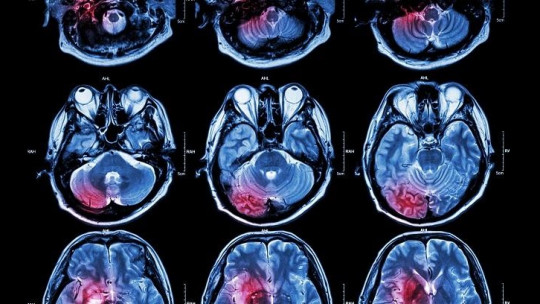
The primary differences between neuropsychology and neurology center on their fundamental approach, training, and treatment methods. Neurologists are medical doctors (M.D. or D.O.) who diagnose and treat the physical symptoms and structural problems of brain, spinal cord, and nervous system disorders through medication, surgery, and medical procedures, using tools like MRI scans, CT scans, and EEGs to visualize physical damage. Neuropsychologists are psychologists (Ph.D. or Psy.D.) who evaluate and treat the cognitive, behavioral, and emotional consequences of neurological conditions through specialized testing and rehabilitation strategies, focusing on how brain dysfunction affects memory, attention, executive function, language, and behavior without prescribing medication. While a neurologist treats conditions like stroke, Parkinson’s disease, epilepsy, or multiple sclerosis by addressing their biological and medical aspects, a neuropsychologist assesses how these same conditions impact a person’s ability to think, remember, make decisions, regulate emotions, and function in daily life, then develops cognitive rehabilitation strategies and compensatory techniques. The distinction represents different levels of analysis: neurology operates at a more molecular, structural level examining tissue damage and physiological dysfunction, while neuropsychology works at a molar, functional level evaluating how brain changes translate into real-world cognitive and behavioral difficulties.
Understanding these differences matters practically for patients navigating the healthcare system. If you experience physical neurological symptoms like seizures, tremors, numbness, chronic headaches, dizziness, or muscle weakness, a neurologist provides appropriate evaluation and medical treatment. If you face cognitive or behavioral changes like memory problems, difficulty concentrating, personality shifts, decision-making struggles, or functional decline following brain injury or disease, a neuropsychologist offers specialized assessment and intervention. Many conditions benefit from both specialists working together—traumatic brain injury patients need neurologists to manage physical recovery and neuropsychologists to address cognitive rehabilitation; dementia patients require neurologists for diagnosis and medication management plus neuropsychologists for detailed cognitive profiling and compensatory strategy development; stroke survivors benefit from neurologists treating the medical emergency and ongoing physical symptoms while neuropsychologists help recover lost cognitive functions and adapt to permanent changes.
The confusion between these fields stems from their overlapping territory and similar-sounding names. Both deal with the brain and nervous system, both treat patients with neurological conditions, and both contribute essential knowledge to neuroscience. However, their educational paths diverge completely—neurologists attend medical school and complete neurology residency, learning anatomy, pharmacology, and medical procedures, while neuropsychologists complete doctoral psychology programs and specialized neuropsychology fellowships, learning cognitive science, psychological testing, and behavioral interventions. Their clinical tools differ fundamentally—neurologists rely on imaging technology, laboratory tests, and physical examination to visualize and measure structural problems, while neuropsychologists use standardized cognitive tests, behavioral observations, and functional assessments to quantify how brain dysfunction manifests in thinking and behavior.
The relationship between neurology and neuropsychology exemplifies the broader mind-body connection in healthcare. Neurology addresses the biological substrate—the physical brain tissue, neurons, neurotransmitters, blood vessels, and structural integrity. Neuropsychology addresses the functional output—the thoughts, memories, emotions, decisions, and behaviors that emerge from brain activity. Neither approach alone provides complete understanding or treatment of neurological conditions. A comprehensive view requires integrating the neurologist’s knowledge of what’s happening physically in the brain with the neuropsychologist’s understanding of how those physical changes impact lived experience, functional capacity, and quality of life. This integration becomes especially critical in complex cases where diagnosis is uncertain, where symptoms seem disproportionate to imaging findings, where cognitive symptoms appear before structural changes become visible, or where treatment planning requires understanding both medical management and cognitive-behavioral strategies.
Core Differences in Training and Professional Credentials
The educational pathways for neurologists and neuropsychologists diverge completely from undergraduate education onward, creating fundamentally different knowledge bases, clinical skills, and professional identities despite both specialists working with brain-related conditions. These training differences directly shape what each professional can diagnose, how they approach patient care, and what treatment options they can offer.
How many of these have you been "meaning to read" for months?
- 1
 TarcherThe Artist's Way30th Anniversary EditionListen Free On Audible
 - 2
 Atria BooksThe Courage to Be DislikedThe Japanese Phenomenon That Shows You How to Change Your Life and Achieve Real HappinessListen Free On Audible
 - 3
 Hay HouseBecoming SupernaturalHow Common People Are Doing the UncommonListen Free On Audible
Neurologists follow the traditional medical school pathway, beginning with four years of undergraduate pre-medical education emphasizing biology, chemistry, physics, and mathematics. They then complete four years of medical school earning either an M.D. (Doctor of Medicine) or D.O. (Doctor of Osteopathic Medicine) degree, where they study human anatomy through cadaver dissection, learn physiology and pathophysiology of all organ systems, master pharmacology and drug interactions, and complete clinical rotations in all major medical specialties. After medical school, they complete one year of general medical internship gaining broad clinical experience, followed by three years of neurology residency training where they specialize in diagnosing and treating nervous system disorders. Many neurologists pursue additional fellowship training lasting one to two years in subspecialties like stroke medicine, epilepsy, movement disorders, or neuromuscular disease. The entire educational pathway spans twelve to fourteen years beyond high school, culminating in board certification through rigorous examination and medical licensure granting prescription authority and hospital privileges.
Neuropsychologists follow a completely different educational route through psychology rather than medicine. After four years of undergraduate education typically focused on psychology, biology, and statistics, they enter doctoral programs in clinical psychology or neuropsychology lasting four to seven years. During doctoral training, they study cognitive neuroscience, brain-behavior relationships, psychological assessment methods, research design and statistics, psychopathology, and therapeutic interventions. Ph.D. programs emphasize research training and require completion of an original dissertation contributing new knowledge to the field, while Psy.D. programs focus more heavily on clinical practice. All neuropsychology students complete extensive coursework in brain anatomy and function, cognitive processes like memory and attention, and the psychological consequences of brain injury and disease. After coursework, they complete a one-year predoctoral internship gaining supervised clinical experience, followed by a mandatory two-year postdoctoral fellowship specifically in neuropsychology where they master administration and interpretation of complex cognitive test batteries. Only after this extensive training can they pursue board certification through organizations like the American Board of Professional Psychology (ABPP) or American Board of Clinical Neuropsychology (ABCN), and obtain psychology licensure in their state. The entire pathway also spans eleven to fourteen years beyond high school, but culminates in expertise in cognitive assessment and behavioral intervention rather than medical treatment.
The content of medical school versus psychology doctoral training creates profoundly different clinical perspectives and capabilities. Medical students learn to think in terms of pathophysiology—what’s malfunctioning at the cellular and tissue level, what medications can modify disease processes, what surgical interventions might help, and how to manage acute medical emergencies. They become experts in the biological mechanisms of disease and the pharmacological and procedural tools to address them. Psychology doctoral students learn to think in terms of cognition and behavior—how information processing occurs in the brain, how brain damage disrupts specific mental functions, how psychological tests measure cognitive abilities, and how behavioral interventions can compensate for deficits. They become experts in the psychological manifestations of brain dysfunction and the assessment and rehabilitation techniques to address them.
This fundamental training difference explains why neurologists can prescribe medications and perform medical procedures while neuropsychologists generally cannot. A neurologist’s medical degree and residency training includes extensive pharmacology education about drug mechanisms, side effects, interactions, and appropriate prescribing practices, plus supervised experience prescribing under attending physician oversight. They learn to perform procedures like lumbar punctures to obtain cerebrospinal fluid, nerve conduction studies to assess peripheral nerve function, and Botox injections for movement disorders. Neuropsychologists’ psychology training does not include medical pharmacology or procedural skills; instead, they develop expertise in administering complex test batteries that may take four to eight hours to complete, interpreting subtle patterns in test performance that reveal specific brain dysfunctions, and designing individualized cognitive rehabilitation programs that help patients compensate for deficits and maximize remaining abilities.
Both professions require continuing education throughout their careers to maintain licensure and stay current with rapidly evolving knowledge about the brain. Neurologists attend conferences learning about new medications for neurological diseases, novel surgical techniques, and emerging diagnostic technologies. Neuropsychologists attend conferences learning about new cognitive tests with better diagnostic accuracy, updated normative data accounting for demographic factors, and innovative rehabilitation techniques supported by recent research. Despite their different training paths, both undergo rigorous, lengthy education producing highly specialized experts in complementary aspects of brain health and disease.
Clinical Focus and Treatment Approaches
The fundamental distinction between neurology and neuropsychology becomes most apparent in what each specialist evaluates during patient encounters and what treatment options they offer. While both work with patients experiencing problems related to brain dysfunction, they focus on entirely different symptom dimensions and employ completely different therapeutic tools.
Neurologists concentrate on physical and sensory symptoms that indicate nervous system pathology. When a patient complains of tremors, the neurologist examines the tremor’s characteristics—is it present at rest or only with movement, what’s the frequency and amplitude, does it affect one side or both sides, does it improve or worsen with specific activities? They consider what neurological structures and pathways might be malfunctioning to produce these symptoms. For numbness or tingling, they map the sensory distribution to determine if it follows a nerve root pattern, a peripheral nerve distribution, or suggests central nervous system involvement. They test reflexes, muscle strength, coordination, and gait to localize the problem anatomically. The neurologist thinks in terms of anatomical localization and pathophysiological mechanisms—what structure is damaged, what’s causing the damage, and what medical interventions can address the underlying pathology or alleviate symptoms.
Neuropsychologists concentrate on cognitive and behavioral symptoms that indicate how brain dysfunction affects mental processes and daily functioning. When a patient complains of memory problems, the neuropsychologist investigates the specific nature of these difficulties—is the problem encoding new information, retrieving previously learned material, or recognizing previously encountered items? Do memory problems affect verbal information, visual-spatial material, or both equally? Are memories from recent weeks affected more than remote childhood memories? They administer tests measuring different memory systems and processes to create a detailed cognitive profile. For attention complaints, they assess sustained attention, selective attention, divided attention, and attention switching through specialized tests. They evaluate executive functions like planning, organization, cognitive flexibility, and inhibitory control. The neuropsychologist thinks in terms of functional cognitive profiles and real-world implications—which mental processes are impaired, how severely, and what does this mean for the person’s ability to work, manage finances, live independently, or make decisions?
Treatment approaches diverge even more dramatically than assessment focus. Neurologists intervene primarily through medical and pharmacological means. For Parkinson’s disease, they prescribe dopamine replacement medications like levodopa or dopamine agonists that address the underlying neurotransmitter deficiency causing motor symptoms. For epilepsy, they prescribe anticonvulsant medications that stabilize neuronal membranes and prevent abnormal electrical discharges that cause seizures. For multiple sclerosis, they prescribe disease-modifying therapies that modulate immune system attacks on myelin. For migraine, they prescribe preventive medications that reduce attack frequency and abortive medications that stop attacks once started. When medications don’t adequately control symptoms, neurologists consider procedural interventions—referring patients for deep brain stimulation surgery for Parkinson’s disease, vagus nerve stimulation for epilepsy, or Botox injections for dystonia or chronic migraine. They order imaging studies to monitor disease progression, adjust medication dosages based on symptom response and side effects, and coordinate with neurosurgeons when surgical intervention becomes necessary.
Neuropsychologists intervene primarily through cognitive and behavioral means. For memory problems following traumatic brain injury, they teach compensatory strategies like using electronic reminders, creating structured routines, employing memory aids like calendars and lists, and practicing encoding techniques like elaborative rehearsal. For attention deficits after stroke, they provide attention training exercises that gradually increase in difficulty, teach environmental modification strategies to reduce distractions, and help develop compensatory approaches like breaking tasks into smaller segments. For executive dysfunction in early dementia, they work with patients and families to establish structured daily routines, simplify complex tasks, create external supports for planning and organization, and maintain engagement in meaningful activities as long as possible. They provide psychotherapy addressing emotional adjustment to neurological diagnoses, helping patients cope with grief about lost abilities, manage anxiety about disease progression, and maintain quality of life despite cognitive limitations. They conduct detailed cognitive testing to establish baselines against which future testing can measure change, helping differentiate normal aging from pathological decline, or distinguishing depression-related cognitive impairment from dementia.
The different treatment approaches reflect the different questions each specialist answers. The neurologist answers: “What is the biological cause of these symptoms, and what medical interventions can modify the disease process or reduce symptoms?” The neuropsychologist answers: “How is this brain condition affecting cognitive abilities and daily functioning, and what strategies can help this person adapt and maintain the best possible quality of life?” Neither question is more important—both are essential for comprehensive care. A Parkinson’s patient benefits from the neurologist’s medications that reduce tremor and rigidity, but also needs the neuropsychologist’s cognitive assessment revealing subtle executive function changes and strategies for maintaining independence despite both motor and cognitive challenges. A stroke survivor needs the neurologist’s management of blood pressure and anticoagulation preventing another stroke, but also needs the neuropsychologist’s rehabilitation addressing attention deficits, memory problems, and emotional adjustment to permanent changes.
| Aspect | Neurology | Neuropsychology |
|---|---|---|
| Professional Degree | Medical Doctor (M.D. or D.O.) | Psychologist (Ph.D. or Psy.D.) |
| Training Focus | Medical school, neurology residency, anatomy, pharmacology, procedures | Psychology doctoral program, neuropsychology fellowship, cognitive science, testing, rehabilitation |
| Primary Clinical Focus | Physical symptoms, structural brain problems, sensory and motor dysfunction | Cognitive abilities, behavioral changes, emotional consequences, functional capacity |
| Diagnostic Tools | MRI, CT scans, EEG, EMG, lumbar puncture, blood tests, physical neurological examination | Standardized cognitive test batteries, behavioral observations, functional assessments, clinical interviews |
| Treatment Methods | Medications, medical procedures, surgical referrals, emergency interventions | Cognitive rehabilitation, compensatory strategies, psychotherapy, behavioral interventions |
| Prescription Authority | Yes – can prescribe all medications including controlled substances | No – cannot prescribe medications (limited exceptions in some states with additional training) |
| Level of Analysis | Molecular/structural – neurons, neurotransmitters, tissue damage, anatomical localization | Molar/functional – cognitive processes, behavioral patterns, real-world functioning |
| Typical Referral Reasons | Seizures, tremors, headaches, numbness, weakness, dizziness, movement problems | Memory decline, attention problems, cognitive assessment, rehabilitation planning, capacity evaluation |
Diagnostic Tools and Assessment Methodologies
The instruments and techniques neurologists and neuropsychologists employ to understand brain dysfunction reflect their fundamentally different approaches to the nervous system. These tools generate complementary but distinct types of information about what’s happening in the brain and how it affects the person.
Neurologists rely heavily on imaging technologies that visualize brain structure and function. Magnetic resonance imaging (MRI) uses powerful magnetic fields and radio waves to create detailed pictures of brain anatomy, revealing tumors, stroke damage, areas of inflammation, tissue loss from degenerative disease, and structural abnormalities. Different MRI sequences provide different information—T1-weighted images show anatomy clearly, T2-weighted images highlight areas of abnormal fluid or inflammation, FLAIR sequences detect subtle white matter lesions, and diffusion-weighted imaging reveals acute stroke within hours of onset. Computed tomography (CT) scans use x-rays to quickly image the brain, making them ideal for emergency settings where rapid detection of bleeding, skull fractures, or large strokes is critical. Functional MRI (fMRI) measures brain activity by detecting blood flow changes, showing which brain regions activate during specific tasks. PET scans measure metabolic activity and can detect abnormal protein deposits like the amyloid plaques and tau tangles characteristic of Alzheimer’s disease. These imaging modalities allow neurologists to see what’s physically wrong inside the skull—where tissue is damaged, where inflammation exists, where tumors are growing, where blood vessels are blocked or bleeding.
Neurologists also use electrophysiological studies that measure electrical activity in the nervous system. Electroencephalography (EEG) records electrical activity from the scalp surface, detecting abnormal brain wave patterns that indicate seizure activity, help classify seizure types, and monitor treatment effectiveness. Video-EEG monitoring records both brain activity and patient behavior simultaneously over days, capturing seizure events to guide treatment decisions or surgical planning. Electromyography (EMG) and nerve conduction studies measure electrical activity in muscles and nerves, diagnosing conditions affecting peripheral nerves like carpal tunnel syndrome, neuropathy, or muscle diseases. Evoked potential studies measure how quickly and effectively the nervous system responds to sensory stimuli, detecting problems in sensory pathways even when imaging appears normal. These electrical studies reveal functional abnormalities in nervous system signaling that may not be visible on structural imaging.
Additional neurological diagnostic tools include lumbar puncture (spinal tap) to obtain cerebrospinal fluid for analysis of infection, inflammation, bleeding, or abnormal proteins; blood tests to detect autoimmune antibodies, vitamin deficiencies, metabolic disorders, or genetic mutations causing neurological disease; and detailed physical neurological examination testing reflexes, muscle strength, sensory function, coordination, gait, cranial nerve function, and mental status. Together, these tools allow neurologists to determine what biological process is damaging the nervous system and where anatomically the damage is located.
Neuropsychologists use an entirely different toolkit focused on measuring cognitive abilities and functional capacity through standardized testing. Unlike neurological tests that visualize or record from the brain directly, neuropsychological tests infer brain function by measuring behavioral performance on carefully designed tasks that engage specific cognitive processes. A comprehensive neuropsychological evaluation typically involves administering a battery of tests spanning multiple cognitive domains, taking anywhere from three to eight hours depending on the referral question and patient’s abilities.
For memory assessment, neuropsychologists use tests like the California Verbal Learning Test (CVLT) which measures how many words someone can learn and recall after delays, revealing whether problems lie in encoding new information, storing it, or retrieving it later. The Rey-Osterrieth Complex Figure Test assesses visual-spatial memory by having patients copy a complex geometric design and later draw it from memory. The Wechsler Memory Scale provides comprehensive evaluation of multiple memory systems including working memory, immediate memory, and delayed recall for both verbal and visual material. These tests reveal not just whether memory is impaired, but which specific memory processes and systems are affected, information critical for differential diagnosis and rehabilitation planning.
For attention and processing speed, neuropsychologists use tests like the Trail Making Test where patients connect numbered and lettered circles as quickly as possible, revealing attention switching abilities and mental processing speed. The Stroop Test measures the ability to inhibit automatic responses and maintain attention in the face of interference. Continuous Performance Tests measure sustained attention over time. Digit Span tests assess attention span and working memory capacity. These tests differentiate between different types of attention problems—whether someone struggles with sustained focus, gets distracted by irrelevant information, has difficulty dividing attention between multiple tasks, or processes information slowly.
For executive function, neuropsychologists administer tests like the Wisconsin Card Sorting Test assessing cognitive flexibility and abstract reasoning, the Tower of London measuring planning and problem-solving, and verbal fluency tests requiring generation of words following specific rules. These tests reveal how well someone can plan, organize, solve problems, think abstractly, switch between mental sets, and inhibit inappropriate responses—the higher-order cognitive functions that allow complex behavior and independent functioning.
Language assessment includes the Boston Naming Test measuring word-finding ability, verbal fluency tests assessing language production, and comprehension tests evaluating understanding of spoken and written language. Visual-spatial tests include judgment of line orientation, facial recognition tasks, and complex figure copying. Together, these tests create a comprehensive profile showing which cognitive abilities are intact, which are impaired, and how severely—information that imaging alone cannot provide.
The critical difference is that neurological tests answer questions about structure and physiology (what’s damaged and where), while neuropsychological tests answer questions about function and behavior (how does the damage affect thinking and daily life). A patient might have a small stroke visible on MRI, but only neuropsychological testing reveals whether that stroke significantly impairs memory, attention, or executive function in ways that prevent returning to work. Another patient might have normal MRI but profound cognitive complaints; comprehensive neuropsychological testing can reveal subtle but real cognitive impairments, validate the patient’s concerns, and guide intervention even when imaging shows nothing abnormal. The integration of both approaches provides the most complete understanding—neuroimaging shows what’s physically wrong, while cognitive testing shows how it affects the person’s mind and life.

Collaborative Care for Complex Neurological Conditions
While understanding the distinctions between neurology and neuropsychology is important, recognizing how they work together is equally critical. The most effective treatment of many neurological conditions involves both specialists contributing their unique expertise to comprehensive care plans that address both biological and functional dimensions of brain disorders.
In dementia care, this collaboration proves especially valuable. When a patient presents with memory complaints, the neurologist conducts initial evaluation including medical history, physical examination, blood tests to rule out reversible causes like thyroid dysfunction or vitamin B12 deficiency, and brain imaging to assess for stroke, tumors, or characteristic patterns of atrophy. The neurologist might diagnose probable Alzheimer’s disease based on clinical presentation and imaging findings, then prescribe medications like cholinesterase inhibitors that modestly slow cognitive decline. However, the neurologist’s brief office visits and relatively crude cognitive screening (like the Mini-Mental State Examination taking only 10 minutes) cannot capture the detailed cognitive profile essential for care planning. This is where neuropsychology becomes indispensable.
The neuropsychologist conducts comprehensive testing lasting several hours, measuring performance across all cognitive domains and comparing results to age-matched norms. This detailed assessment reveals that while the patient’s memory is indeed severely impaired, their language abilities remain relatively intact, their visual-spatial functions are moderately affected, and their executive functions show mild decline. This cognitive profile helps confirm the diagnosis (Alzheimer’s disease produces a characteristic pattern different from frontotemporal dementia or vascular dementia), predicts which activities will become difficult soonest, guides discussions about safety concerns like driving, and informs recommendations about work capacity, financial management, and living situation. The neuropsychologist provides the family with specific compensatory strategies matched to the patient’s cognitive profile—since language is preserved, written reminders and verbal cues will work better than visual-spatial aids; since procedural memory remains relatively intact, maintaining familiar routines will support functioning longer. The neuropsychologist also addresses emotional aspects, helping the patient and family cope with grief about anticipated losses and adjust expectations while maintaining dignity and quality of life.
In traumatic brain injury, the collaboration between neurology and neuropsychology occurs across recovery phases. Immediately after injury, the neurologist manages acute medical issues—controlling intracranial pressure, preventing secondary injury, managing seizures if they occur, and monitoring for complications. In the hospital, the neurologist’s focus is medical stabilization and preventing death or further brain damage. Once the patient is medically stable, the neuropsychologist enters the picture to assess cognitive functioning, which helps predict recovery trajectory and guides rehabilitation planning. Initial assessment might reveal severe attention and memory deficits, slowed processing speed, and impaired executive function. The neuropsychologist works with the rehabilitation team developing a cognitive rehabilitation program targeting these specific deficits. As recovery progresses, the neurologist continues managing medical aspects like post-traumatic headaches, sleep problems, and seizure prophylaxis, while the neuropsychologist monitors cognitive recovery through periodic retesting, adjusts rehabilitation strategies based on progress, addresses emotional adjustment difficulties like depression or anxiety, and eventually conducts return-to-work evaluations assessing whether cognitive abilities have recovered sufficiently for specific job demands.
In epilepsy, the collaboration becomes particularly sophisticated when patients don’t respond adequately to medications and become candidates for surgical treatment. The neurologist identifies these medication-resistant patients through careful trial of multiple anticonvulsant medications and confirms that seizures arise from a specific, removable brain region using EEG monitoring and imaging studies. However, brain surgery always carries risk of damaging nearby tissue, potentially affecting cognitive functions. Before surgery, the neuropsychologist conducts comprehensive baseline testing establishing pre-surgical cognitive abilities and identifying functions that must be preserved. For example, if surgery is planned near language areas, detailed language testing establishes which specific language abilities the patient currently possesses. If surgery is near memory structures like the hippocampus, extensive memory testing determines current memory function. This information guides surgical planning—if the region targeted for removal is in the dominant hemisphere (typically left) and the patient shows that their memory function depends heavily on that hemisphere, the surgeon might choose a more conservative resection to preserve memory function even if it means slightly lower seizure-freedom rates. After surgery, the neuropsychologist retests to determine if cognitive functions changed, provides rehabilitation if deficits emerged, and monitors long-term cognitive outcome. The neurologist manages seizures and medications, while the neuropsychologist manages cognitive and functional recovery—complementary roles both essential for optimal outcomes.
Referral patterns between specialties typically flow in both directions. Neurologists refer to neuropsychologists when detailed cognitive assessment is needed—when diagnosis is uncertain despite imaging, when patient complaints seem disproportionate to structural findings, when differentiating depression from dementia, when capacity evaluation is needed for legal purposes, when presurgical cognitive baseline is required, or when rehabilitation planning needs detailed functional assessment. Neuropsychologists refer to neurologists when testing reveals patterns suggesting undiagnosed neurological disease—rapid cognitive decline requiring medical investigation, focal cognitive deficits suggesting possible stroke or tumor, new onset cognitive impairment in younger individuals suggesting conditions like multiple sclerosis, or when medications are needed to manage behavioral symptoms in dementia. The ability to recognize when the other specialty’s expertise is needed reflects sophisticated understanding of the complementary nature of these disciplines.
The patient who benefits most is the one whose care team includes both specialists communicating effectively. The neurologist’s imaging shows where brain damage exists and the biological process causing it; the neuropsychologist’s testing shows how that damage affects thinking, emotion, and daily functioning. The neurologist’s medications address underlying disease processes; the neuropsychologist’s rehabilitation helps the patient adapt to changes and maximize remaining abilities. The neurologist monitors disease progression medically; the neuropsychologist monitors functional decline and helps maintain quality of life throughout the disease course. This integration of biological and functional perspectives creates comprehensive care addressing the whole person—not just the diseased brain tissue, but the thinking, feeling individual whose life is affected by that disease.

When to Seek Each Specialist
Understanding which specialist to consult for specific symptoms helps patients navigate the healthcare system more efficiently and ensures appropriate evaluation and treatment. While primary care physicians often make these referrals, patients and families benefit from understanding the distinction when advocating for comprehensive care.
Seek a neurologist when you experience symptoms indicating physical nervous system dysfunction. Sudden severe headache different from previous headaches, especially if accompanied by confusion, vision changes, or neck stiffness, requires immediate neurological evaluation to rule out dangerous conditions like subarachnoid hemorrhage or meningitis. Seizures—episodes of altered consciousness, repetitive movements, or confusion that you don’t remember—need neurological assessment to determine cause and prevent recurrence. Numbness, tingling, or loss of sensation, especially if following a dermatomal or peripheral nerve pattern, indicates potential nerve damage requiring neurological diagnosis. Muscle weakness or paralysis, particularly if sudden or progressive, requires urgent neurological evaluation to identify treatable causes. Tremors or involuntary movements that interfere with function need neurological assessment to determine if they represent Parkinson’s disease, essential tremor, or other movement disorders. Coordination problems, balance issues, or difficulty walking suggest cerebellar or basal ganglia dysfunction requiring neurological investigation. Vision changes like double vision, loss of visual fields, or sudden vision loss may indicate neurological conditions affecting the optic nerves or brain. Dizziness, particularly if accompanied by other neurological symptoms, requires evaluation to distinguish peripheral from central causes. Chronic headaches that change in pattern or don’t respond to standard treatments may need neurological evaluation for diagnosis and specialized treatment.
Seek a neuropsychologist when you experience symptoms indicating cognitive or functional difficulties. Memory problems affecting daily functioning—forgetting recent conversations, repeatedly asking the same questions, getting lost in familiar places, or struggling to manage previously routine tasks—warrant comprehensive cognitive assessment to determine if changes represent normal aging, mild cognitive impairment, or dementia. Difficulty concentrating or maintaining attention that affects work performance, academics, or daily activities may benefit from detailed attention assessment, especially if the problem persists despite trying to address obvious causes like stress or sleep deprivation. Problems with planning, organization, decision-making, or problem-solving that represent a change from previous abilities suggest executive function difficulties that neuropsychological evaluation can clarify. Personality or behavioral changes noticed by family members—increased irritability, disinhibition, apathy, or poor judgment—may indicate frontal lobe dysfunction requiring cognitive assessment. Cognitive complaints following brain injury, stroke, cancer treatment, or other medical condition benefit from neuropsychological evaluation to document deficits, guide rehabilitation, and establish baseline for monitoring recovery or decline. Need for cognitive capacity evaluation—determining if someone can make medical decisions, manage finances, live independently, or make legal decisions—requires the detailed functional assessment that neuropsychologists provide. Workplace cognitive difficulties where you struggle with tasks previously manageable may need formal evaluation to document problems and guide accommodations. Learning difficulties in children or adults with suspected neurological basis benefit from comprehensive neuropsychological assessment differentiating specific learning disorders from attention problems, intellectual disabilities, or other conditions.
Many situations benefit from both specialists working collaboratively. New diagnosis of any dementia requires neurologist for medical diagnosis, medication management, and monitoring disease progression, plus neuropsychologist for detailed cognitive profiling, functional capacity evaluation, compensatory strategy development, and emotional support for patient and family. Traumatic brain injury needs neurologist for acute medical management and ongoing symptom treatment (headaches, sleep problems, seizure prevention), plus neuropsychologist for cognitive assessment, rehabilitation, emotional adjustment support, and return-to-work planning. Stroke survivors need neurologist for treating the vascular event, preventing recurrence, and managing physical symptoms, plus neuropsychologist for assessing cognitive consequences, providing rehabilitation for attention and memory problems, and helping adapt to permanent changes. Parkinson’s disease and other movement disorders require neurologist for diagnosis, medication management, and monitoring motor symptoms, plus neuropsychologist for assessing cognitive changes that often accompany these conditions, addressing depression and apathy, and monitoring cognitive effects of treatments. Multiple sclerosis patients need neurologist for diagnosis, disease-modifying therapy, and managing physical symptoms, plus neuropsychologist for assessing and treating cognitive problems (particularly processing speed and memory deficits) that affect most MS patients. Brain tumors require neurologist coordinating with oncology and neurosurgery for medical management, plus neuropsychologist assessing cognitive effects of tumor and treatments, providing rehabilitation, and monitoring cognitive recovery or decline.
The key distinction to remember: neurologists address the medical, physical, and structural aspects of brain disorders, while neuropsychologists address the cognitive, behavioral, and functional consequences. If your symptoms involve physical changes in sensation, movement, consciousness, or pain, start with neurology. If your symptoms involve thinking, memory, attention, personality, or functional abilities, start with neuropsychology. And recognize that comprehensive care for many neurological conditions ultimately involves both specialists contributing their unique expertise to a collaborative treatment plan addressing all dimensions of brain dysfunction.
FAQs about Differences Between Neuropsychology and Neurology
Can a neuropsychologist diagnose neurological diseases?
Neuropsychologists can identify cognitive and behavioral patterns consistent with specific neurological conditions, but they do not make primary medical diagnoses in the same way neurologists do. Through comprehensive testing, a neuropsychologist might recognize a cognitive profile highly suggestive of Alzheimer’s disease (prominent memory impairment with relative preservation of other functions), frontotemporal dementia (profound executive dysfunction and personality changes with initially preserved memory), or traumatic brain injury (attention and processing speed deficits with dysexecutive syndrome). They document these patterns and communicate findings to the referring physician who integrates neuropsychological data with medical history, physical examination, imaging, and laboratory results to make the final diagnosis. Neuropsychologists cannot order MRI scans, cannot prescribe medications, and cannot make medical diagnoses requiring biomarkers or imaging confirmation. However, their detailed cognitive profiling contributes essential diagnostic information that often clarifies ambiguous cases, differentiates between similar conditions, or detects cognitive impairment before it’s visible on structural imaging. Their diagnostic contribution focuses on determining which cognitive functions are impaired, the severity of deficits, the pattern of strengths and weaknesses, and functional implications—all of which inform and refine medical diagnosis and treatment planning.
Do I need a referral to see a neuropsychologist?
Referral requirements depend on your insurance coverage and state regulations. Many insurance plans, including Medicare, require a physician referral before covering neuropsychological evaluation. The referring provider is typically a neurologist, primary care physician, psychiatrist, rehabilitation physician, neurosurgeon, or oncologist who has identified a clinical need for detailed cognitive assessment. Some insurance plans allow self-referral but require prior authorization from the insurance company before the evaluation. Private pay patients who plan to cover costs themselves can usually schedule neuropsychological evaluation without referral. Even when not strictly required, having a physician referral is beneficial because it ensures the neuropsychologist understands the medical context, has access to relevant records and imaging, can answer specific referral questions, and can communicate findings back to the treating physician for integrated care. Before scheduling an evaluation, contact both your insurance provider and the neuropsychologist’s office to clarify referral and authorization requirements. Missing these steps can result in denied claims and unexpected out-of-pocket costs for evaluations that typically range from $1,500 to $5,000 depending on comprehensiveness.
How long does neuropsychological testing take and what should I expect?
Comprehensive neuropsychological evaluation typically involves multiple components spanning several hours across one or more appointments. The initial clinical interview lasts 30 to 60 minutes, during which the neuropsychologist gathers detailed history about your symptoms, medical conditions, medications, education, work history, and functional abilities. The testing session itself usually lasts three to six hours for standard evaluations, though some complex cases require eight or more hours of testing. Testing includes paper-and-pencil tasks, computerized tests, problem-solving activities, memory exercises, and various other activities measuring different cognitive abilities. Breaks are provided throughout testing to prevent fatigue from affecting results. After you complete testing, the neuropsychologist spends several hours scoring tests, analyzing results, integrating findings with medical records and history, and writing a comprehensive report typically 10 to 20 pages long detailing test results, interpretation, diagnosis, and recommendations. Finally, you attend a feedback session lasting 45 to 90 minutes where the neuropsychologist explains results, answers questions, discusses implications, and reviews recommendations. The entire process from initial appointment to receiving the written report typically spans two to six weeks. Testing can be mentally tiring, so arrive well-rested, bring any glasses or hearing aids you need, take prescribed medications as usual unless instructed otherwise, and plan for a long day that will require sustained mental effort.
What’s the difference between a neuropsychologist and a psychiatrist?
Neuropsychologists and psychiatrists are both doctoral-level mental health professionals, but they differ fundamentally in training, focus, and treatment approaches. Psychiatrists are medical doctors (M.D. or D.O.) who completed medical school and psychiatry residency, specializing in diagnosing and treating mental health disorders primarily through psychiatric medications and psychotherapy. They focus on conditions like depression, anxiety disorders, bipolar disorder, schizophrenia, and other psychiatric illnesses, understanding them through the lens of neurotransmitter imbalances, genetic vulnerabilities, and biological psychiatry. They prescribe psychiatric medications, manage medication side effects, conduct psychotherapy, and address the full range of mental health conditions. Neuropsychologists are psychologists (Ph.D. or Psy.D.) who completed psychology doctoral programs and neuropsychology fellowship, specializing in brain-behavior relationships and cognitive consequences of neurological conditions. They focus on how brain injury, disease, or dysfunction affects thinking, memory, attention, and behavior, assessing these through specialized cognitive testing and treating through cognitive rehabilitation and compensatory strategies. They do not prescribe medications (with rare exceptions in a few states with additional training) and primarily work with patients who have neurological conditions rather than primary psychiatric disorders. The overlap occurs when neurological conditions produce psychiatric symptoms (depression after stroke, behavioral changes in dementia) or when psychiatric conditions affect cognition (cognitive slowing in depression, attention problems in anxiety). In such cases, patients might benefit from both—a psychiatrist managing psychiatric medications and a neuropsychologist providing cognitive assessment and rehabilitation. Some patients see both specialists, with the psychiatrist addressing mood and behavioral symptoms pharmacologically and the neuropsychologist addressing cognitive deficits through behavioral interventions.
Are neuropsychological tests covered by insurance?
Insurance coverage for neuropsychological testing varies depending on the specific situation, insurance plan, and medical necessity. Testing is typically covered when it’s medically necessary for diagnosis, treatment planning, or monitoring neurological conditions. Medicare and most private insurance plans cover neuropsychological evaluation with proper documentation when ordered by a physician for evaluating documented or suspected neurological conditions like dementia, traumatic brain injury, stroke, brain tumors, epilepsy, multiple sclerosis, or Parkinson’s disease. Coverage usually requires that testing will change diagnosis or treatment in meaningful ways. Presurgical evaluation for epilepsy surgery is typically covered as it’s essential for surgical planning. Testing to differentiate dementia types, assess progression, or determine capacity is usually covered with appropriate medical necessity documentation. However, insurance typically does not cover testing for purely educational purposes (learning disability evaluation for school accommodations unless there’s a medical component), legal or forensic evaluations, employment-related testing, evaluation done too frequently without justification for repeat testing, or testing without clear medical indication. Prior authorization may be required before evaluation, meaning the neuropsychologist’s office must obtain insurance approval before testing occurs. Costs without insurance typically range from $1,500 for focused evaluations to $5,000 or more for comprehensive batteries. Before scheduling evaluation, verify coverage with your insurance provider, ensure proper referral is obtained, confirm the neuropsychologist is in-network if your plan requires it, and ask about any copays or deductibles that will apply to your particular plan.
Can neurologists treat mental health problems?
Neurologists have limited but real capability to address certain mental health problems, particularly when they’re related to neurological conditions. Neurologists routinely manage depression and anxiety that occur secondary to neurological diseases—for example, depression following stroke affects about one-third of stroke survivors, and neurologists commonly prescribe antidepressants for these patients. They manage behavioral and psychiatric symptoms in dementia patients, using medications to reduce agitation, aggression, or psychotic symptoms. They treat sleep disorders that profoundly affect mood and mental health. They may prescribe medications for headache that have psychiatric effects, and manage pain syndromes with psychological components. Some neurologists, particularly those with subspecialty training in behavioral neurology or neuropsychiatry, have extensive expertise bridging neurology and psychiatry. However, neurologists typically refer to psychiatrists for primary psychiatric disorders like major depression without neurological cause, bipolar disorder, schizophrenia, complex psychiatric medication management, substance use disorders, or when psychotherapy is needed as primary treatment. The distinction is that neurologists treat mental health symptoms arising from or related to neurological disease as part of comprehensive neurological care, while psychiatrists specialize in primary mental health disorders. A patient with both neurological and psychiatric conditions might see both specialists—the neurologist managing the neurological disease and its direct mental health consequences, and the psychiatrist managing psychiatric conditions requiring specialized mental health treatment.
How do I know if my memory problems need a neurologist, neuropsychologist, or both?
Memory complaints can warrant evaluation by either or both specialists depending on the clinical situation and what’s needed. Start with your primary care doctor who can perform initial screening and determine appropriate referrals based on your specific situation. Generally, see a neurologist first if memory problems are accompanied by other neurological symptoms (weakness, numbness, seizures, tremor), if onset was sudden suggesting stroke or other acute event, if you need medical diagnosis and potentially medication treatment, or if you haven’t yet had basic medical workup including blood tests and brain imaging to rule out reversible causes. See a neuropsychologist first if memory problems are subtle and need detailed characterization, if you already have a neurological diagnosis but need functional assessment, if you’re trying to determine if memory changes represent normal aging versus pathological decline, or if you need cognitive rehabilitation strategies. Many patients ultimately see both in sequence—the neurologist provides initial evaluation, orders imaging, rules out reversible causes, and makes medical diagnosis, then refers to neuropsychology for detailed cognitive profiling that reveals which specific memory systems are affected, how severe deficits are, what the functional implications are, and what compensatory strategies might help. For conditions like dementia, the neurologist diagnoses the condition medically and prescribes cognitive-enhancing medications, while the neuropsychologist provides the detailed cognitive testing that helps differentiate dementia types, the functional evaluation that guides safety and capacity decisions, and the compensatory strategy training that helps maintain independence longer. Don’t get too focused on which specialist to see first—your primary care doctor can guide this decision, and in most cases if you need both specialists, the first one you see will refer you to the other. The goal is comprehensive evaluation addressing both medical diagnosis and functional implications, which often requires both specialties’ expertise.
What conditions can only neuropsychologists diagnose or treat?
While neuropsychologists don’t “diagnose” in the medical sense that requires physician authority, they provide unique expertise essential for certain clinical situations that other specialists cannot replicate. Detailed cognitive profiling that reveals specific patterns of cognitive strengths and weaknesses across multiple domains requires neuropsychological assessment—no other professional has the training or tools to provide this level of detail about cognitive functioning. Differentiating between dementia subtypes based on cognitive profiles (Alzheimer’s disease shows prominent memory impairment while frontotemporal dementia shows executive dysfunction and behavioral changes with relatively preserved memory early on) benefits critically from neuropsychological testing that reveals these patterns more clearly than clinical examination. Capacity evaluations determining whether someone can make medical decisions, manage finances, or live independently require the systematic functional assessment that neuropsychologists provide through combining test data with clinical judgment. Mild cognitive impairment—the subtle cognitive decline between normal aging and dementia—often requires neuropsychological testing to detect because deficits are too subtle for clinical examination but measurable on sensitive tests. Differentiating cognitive effects of depression (pseudo-dementia) from true neurodegenerative dementia benefits from neuropsychological evaluation revealing distinct patterns. Cognitive rehabilitation following brain injury, stroke, or other neurological events draws on neuropsychologists’ unique training in brain-behavior relationships and compensatory strategy development. Presurgical cognitive evaluation for epilepsy surgery requires neuropsychologists’ specialized knowledge of how different brain regions support different cognitive functions. Forensic evaluation of cognitive capacity in legal contexts typically requires neuropsychologists’ expertise in standardized assessment and court testimony. While neurologists diagnose and treat the medical aspects of neurological diseases, neuropsychologists provide the detailed functional cognitive assessment and rehabilitation that no other discipline replicates.
Use this citation format to reference the article clearly and help readers find the original source.
PsychologyFor. (2026). Differences Between Neuropsychology and Neurology. PsychologyFor. https://psychologyfor.com/differences-between-neuropsychology-and-neurology/