

See more of our articles in your search results.
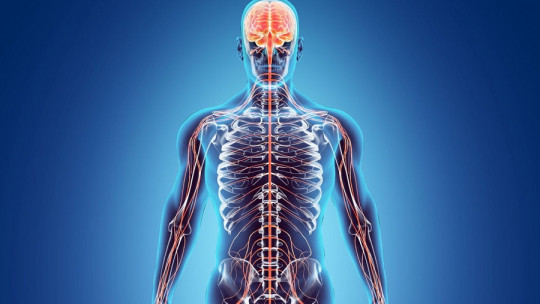
The human body is a marvel of biological engineering, capable of reacting to internal and external stimuli in remarkably precise ways. At the core of these reactions lie effector systems—the biological components that carry out responses initiated by the nervous or endocrine systems. When you pull your hand away from a hot stove or your pupils dilate in a dark room, you’re witnessing effector systems in action.
Understanding how effector systems work is essential to grasp how communication and regulation occur throughout the body. From muscles to glands, these systems are responsible for executing decisions made by control centers like the brain or spinal cord. This article will explore what effector systems are, the different types that exist in the human body, and how they function to maintain balance, adaptation, and survival.
What Are Effector Systems?
Effector systems are biological units that respond to signals from the nervous or endocrine system to produce a specific action or change in the body. These systems play a crucial role in the stimulus-response mechanism, acting as the final link in the communication chain between stimulus detection and action execution.
In more technical terms, when a sensory organ detects a change in the environment (a stimulus), the information is processed by the central nervous system (CNS) or endocrine glands. Then, an effector system is activated to carry out the necessary reaction—be it movement, secretion, or internal adjustment.
Effector systems are primarily composed of:
How many of these have you been "meaning to read" for months?
- 1
 TarcherThe Artist's Way30th Anniversary EditionListen Free On Audible
 - 2
 Atria BooksThe Courage to Be DislikedThe Japanese Phenomenon That Shows You How to Change Your Life and Achieve Real HappinessListen Free On Audible
 - 3
 Hay HouseBecoming SupernaturalHow Common People Are Doing the UncommonListen Free On Audible
- Muscles (skeletal, cardiac, and smooth)
- Glands (endocrine and exocrine)
These tissues translate electrical or chemical signals into observable physiological responses.
Types of Effector Systems in the Human Body
There are two major categories of effectors based on the tissues involved:
1. Muscular Effectors
These effectors are responsible for movement and mechanical work. Muscular effectors are further divided into three types:
Skeletal Muscles
- Under voluntary control through the somatic nervous system.
- Involved in locomotion, posture, and conscious actions.
- Respond rapidly and forcefully, but fatigue quickly.
Smooth Muscles
- Under involuntary control via the autonomic nervous system.
- Found in the walls of internal organs (e.g., intestines, blood vessels, bladder).
- Slow and sustained contractions, crucial for processes like digestion and blood flow.
Cardiac Muscle
- Specialized muscle found only in the heart.
- Controlled involuntarily by the autonomic nervous system and regulated by the sinoatrial node (the heart’s natural pacemaker).
- Highly resistant to fatigue and essential for pumping blood continuously.
2. Glandular Effectors
These effectors are responsible for secretion and are classified based on their mode of secretion.
Endocrine Glands
- Secrete hormones directly into the bloodstream.
- Controlled by the hypothalamus-pituitary axis and act over longer durations.
- Examples include the thyroid gland, adrenal glands, and pancreas (endocrine portion).
Exocrine Glands
- Release their substances through ducts to external or internal surfaces.
- Include sweat glands, salivary glands, and the pancreas (exocrine portion).
- Provide localized and immediate effects, like cooling the body or initiating digestion.
How Effector Systems Work in Stimulus-Response Pathways
The general pathway of interaction can be outlined in five steps:
- Stimulus Detection – Sensory receptors detect a change (e.g., temperature, pressure, light).
- Signal Transmission – Information is sent via sensory neurons to the CNS.
- Processing & Integration – The brain or spinal cord processes the input and determines an appropriate response.
- Signal Relay – Motor neurons (or hormones) carry the command to effectors.
- Effector Response – Muscles contract or glands secrete to produce a physiological effect.
For example, in the case of touching a hot surface:
- Stimulus: Heat is detected by thermoreceptors in the skin.
- Transmission: The signal travels via sensory neurons to the spinal cord.
- Processing: The spinal cord quickly processes the danger (via a reflex arc).
- Relay: Motor neurons send signals to the arm muscles.
- Response: Muscles contract, pulling the hand away.
This entire loop, often taking milliseconds, demonstrates the efficiency of effector systems in protecting the body and maintaining homeostasis.
The Role of the Autonomic Nervous System in Effector Activation
The autonomic nervous system (ANS) plays a pivotal role in managing involuntary effectors like smooth muscles, cardiac muscles, and glands. It operates in two branches:
- Sympathetic Nervous System (fight-or-flight): Activates effectors during stress, e.g., dilates pupils, increases heart rate, inhibits digestion.
- Parasympathetic Nervous System (rest-and-digest): Promotes restorative functions, e.g., slows heart rate, stimulates digestion, contracts pupils.
Both systems send signals to muscles and glands, adjusting the internal state based on environmental demands.
Effector Systems and Homeostasis
Effector systems are central to the body’s ability to maintain homeostasis—a stable internal environment despite external changes. This is achieved through negative feedback mechanisms, which rely on effectors to bring the system back to its ideal state.
Examples include:
- Thermoregulation: Sweat glands (exocrine effectors) secrete sweat to cool the body when it overheats.
- Blood glucose regulation: The pancreas (endocrine effector) releases insulin to lower blood sugar.
- Blood pressure control: Smooth muscle in arteries contracts or relaxes to regulate pressure.
In all these scenarios, effectors execute the changes necessary to correct imbalances and support life.
Neuroendocrine Integration in Effector Function
A fascinating aspect of human biology is how the nervous and endocrine systems coordinate to activate effectors. This is particularly evident in the hypothalamic-pituitary axis, where:
- The hypothalamus receives signals from the brain and body.
- It sends hormonal or neural signals to the pituitary gland.
- The pituitary releases hormones that stimulate other endocrine glands (thyroid, adrenal, gonads), which act as effectors.
This complex interaction ensures that long-term physiological adjustments—such as growth, reproduction, and metabolism—are fine-tuned according to internal and external needs.
Common Disorders Affecting Effector Systems
When effector systems malfunction, the consequences can range from mild to life-threatening. Some notable disorders include:
- Myasthenia Gravis: Affects skeletal muscle receptors, leading to weakness.
- Hyperthyroidism/Hypothyroidism: Dysregulated endocrine effectors lead to metabolic imbalance.
- Asthma: Overactivation of smooth muscle effectors in airways causes breathing difficulty.
- Heart Failure: Compromised cardiac muscle impairs the ability to pump blood effectively.
Understanding the functioning and pathology of effector systems is essential in diagnosing and treating various medical conditions.
Effector Systems in Reflex Actions
Reflexes offer a powerful example of how effectors are activated quickly and without conscious thought. These actions are critical for survival and are categorized into:
- Spinal reflexes (e.g., patellar reflex): Direct communication between spinal cord and muscle effector.
- Cranial reflexes (e.g., blinking): Mediated by the brainstem and often involve facial muscles or glands.
The simplicity and speed of these responses underscore how integral effector systems are to immediate protection and automatic function.
The Evolutionary Significance of Effector Systems
Effector systems are not just biological necessities; they are evolutionary triumphs. In animals, from the simplest invertebrates to humans, effectors have evolved to become more complex and specialized.
- In simpler organisms, cilia or contractile fibers act as effectors.
- In vertebrates, multiple effector types with finely tuned regulatory mechanisms have developed.
- In humans, the diversity of effectors allows for high-level adaptations, fine motor control, emotional expression, and intricate physiological regulation.
This evolutionary perspective helps appreciate how efficient and indispensable effectors are in the grand design of life.
FAQs About Effector Systems: What They Are, Types and Functioning in the Human Body
What are effectors in the human body?
Effectors are organs, tissues, or cells that carry out the body’s responses to stimuli, mainly muscles and glands. They are the final stage in a stimulus-response pathway.
How do effector systems differ from receptors?
Receptors detect stimuli (e.g., temperature, light, pressure), while effectors generate responses (e.g., movement, secretion). They are opposite ends of the body’s communication loop.
What is an example of a glandular effector?
The pancreas is a prime example. It secretes insulin (endocrine function) and digestive enzymes (exocrine function), responding to different stimuli to regulate bodily functions.
Are effectors always under voluntary control?
No. Skeletal muscles are under voluntary control, while smooth and cardiac muscles and glands are regulated involuntarily by the autonomic nervous system or hormones.
How do effectors help maintain homeostasis?
Effectors act to correct deviations from the body’s ideal internal state. For example, sweat glands lower body temperature, and kidneys adjust water balance in response to hormonal signals.
Can problems with effector systems cause disease?
Yes. Disorders like muscle dystrophy, diabetes, asthma, and thyroid diseases are all linked to malfunctioning effector systems, highlighting their importance in overall health.
What role does the brain play in activating effectors?
The brain processes sensory information and sends motor or hormonal commands to effectors, either directly (as in reflexes) or through complex integration and planning.
Are all muscles considered effectors?
Yes. Skeletal, smooth, and cardiac muscles are all effectors because they respond to neural or hormonal signals to produce movement or contraction.
How do hormones activate effectors?
Hormones travel through the bloodstream to target tissues, where they bind to receptors and trigger a response. This response, such as increased metabolism or secretion, is the effector function.
Use this citation format to reference the article clearly and help readers find the original source.
PsychologyFor. (2025). Effector Systems: What They Are, Types and Functioning in the Human Body. PsychologyFor. https://psychologyfor.com/effector-systems-what-they-are-types-and-functioning-in-the-human-body/