

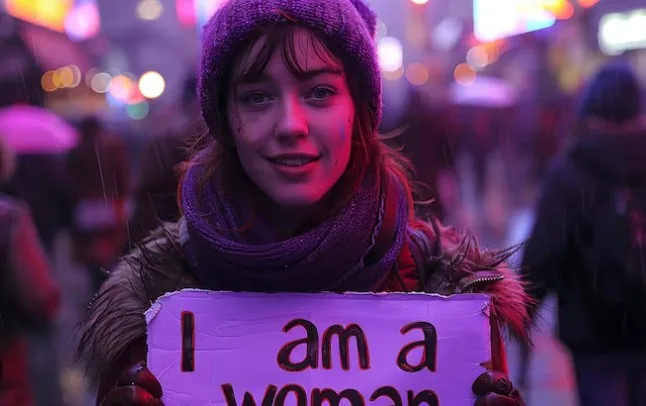
Feminist phrases against gender violence are powerful verbal tools and slogans used to raise awareness, challenge social norms, demand action, and support survivors of gender-based violence including domestic abuse, sexual assault, harassment, and femicide. These phrases serve multiple purposes: they break the silence surrounding violence, shift blame from victims to perpetrators, demand systemic change through policy and cultural transformation, create solidarity among activists and survivors, and educate communities about consent, equality, and human rights. Popular feminist phrases include “No Means No,” “Break the Silence, Stop the Violence,” “Love Shouldn’t Hurt,” “My Body, My Choice,” “Believe Survivors,” and “Consent is Not Negotiable,” each addressing different aspects of gender violence from prevention to survivor support. These phrases appear on protest signs, social media campaigns, educational materials, and advocacy efforts worldwide, creating a shared language for the movement against gender violence that transcends cultural and linguistic boundaries. The power of these phrases lies in their ability to distill complex issues into memorable statements that spark conversation, challenge complacency, and inspire action—they transform abstract statistics about violence into human realities that demand response, reminding communities that gender violence is preventable, survivors deserve support, and creating a world free from violence requires collective commitment to changing attitudes, behaviors, and systems that perpetuate harm.
These phrases aren’t just words on signs. They’re declarations of resistance. They’re refusals to accept violence as inevitable or normal. When thousands of people chant the same phrase at a march, when a slogan goes viral online, when a simple statement shifts how someone thinks about consent—that’s when language becomes social change in action.
The feminist movement against gender violence has developed a rich vocabulary over decades of activism. Some phrases focus on prevention. Others center survivors. Many challenge the systems that enable violence to continue. Understanding these phrases—their meanings, origins, and strategic uses—helps anyone who wants to participate in ending gender violence.
This isn’t just about memorizing slogans. It’s about understanding the deeper messages they carry and the conversations they start. It’s about recognizing that speaking up against violence—whether through protest chants or difficult conversations with friends—is a sign of courage and emotional strength, not weakness.
Core Messages in Feminist Anti-Violence Phrases
Feminist phrases against gender violence carry several core messages. Each message addresses different aspects of the problem and different audiences. Understanding these underlying messages helps you choose and use phrases effectively.
“Breaking the silence” forms a central theme. Phrases like “Break the Silence, Stop the Violence,” “Speak Up and Speak Out,” and “Silence is Violence” recognize that gender violence thrives in secrecy. When survivors stay silent due to shame, fear, or lack of support, perpetrators face no consequences.
These phrases encourage survivors to share their experiences. They also challenge bystanders to stop remaining silent when they witness violence or hear about it. Breaking silence creates accountability. It shows survivors they’re not alone.
The message here is powerful: Your voice matters. Your story matters. Speaking up isn’t causing problems—it’s exposing problems that already exist. And that exposure is the first step toward change and healing.
“Shifting blame to perpetrators” counters victim-blaming narratives. Phrases like “My Dress is Not a Yes,” “Don’t Tell Me How to Dress, Tell Them Not to Rape,” and “Respect Existence or Expect Resistance” challenge the idea that victims cause violence through their behavior, clothing, or choices.
These phrases insist that perpetrators—not victims—bear responsibility for violence. They reject questions like “What was she wearing?” or “Why didn’t she leave?” that deflect attention from the person who chose violence.
This reframing is crucial. For too long, conversations about gender violence focused on what victims should do differently rather than why perpetrators commit violence. These phrases redirect focus where it belongs: on those who choose to harm others.
“Affirming consent and autonomy” establishes clear standards. Phrases like “No Means No,” “Yes Means Yes,” “Consent is Not Negotiable,” and “My Body, My Choice” define what respectful interaction looks like. They assert that everyone has the right to control their own body.
These phrases are educational as much as activist. They teach what consent means. They establish that anything less than enthusiastic, ongoing consent isn’t acceptable. They affirm that bodily autonomy is a fundamental human right.
The simplicity of these phrases makes them effective. “No Means No” leaves no room for interpretation. It counters the idea that refusal is negotiable or that persistence is romantic. Clear language creates clear expectations.
“Supporting survivors” validates experiences and offers solidarity. Phrases like “Believe Survivors,” “I Stand With Survivors,” “You Are Not Alone,” and “It’s Not Your Fault” provide emotional support and counter the disbelief survivors often face.
Many survivors report that not being believed causes trauma equal to or greater than the violence itself. These phrases create space for survivors to be heard without judgment. They acknowledge that coming forward requires immense courage.
Supporting survivors isn’t just compassionate—it’s strategic. When survivors know they’ll be believed and supported, they’re more likely to report violence. This creates accountability and prevents future harm.
“Demanding systemic change” recognizes that individual actions aren’t enough. Phrases like “Smash the Patriarchy,” “End Rape Culture,” “Justice for All,” and “No Justice, No Peace” call for transforming the systems that enable violence.
These phrases acknowledge that gender violence isn’t just individual bad actors. It’s supported by cultures that excuse male violence, legal systems that fail survivors, and economic structures that trap people in abusive situations. Real change requires institutional transformation.
Demanding systemic change means advocating for better laws, adequate funding for support services, education programs, economic opportunities, and cultural shifts in how we understand gender and power. It’s the long game of ending violence.
| Core Message | Example Phrases |
|---|---|
| Breaking the Silence | “Break the Silence, Stop the Violence” • “Speak Up, Stand Up” • “Silence is Violence” • “No More Silence” |
| Shifting Blame to Perpetrators | “Don’t Tell Me How to Dress, Tell Them Not to Rape” • “My Dress is Not a Yes” • “Real Men Don’t Hit Women” |
| Affirming Consent | “No Means No” • “Yes Means Yes” • “Consent is Not Negotiable” • “My Body, My Choice” |
| Supporting Survivors | “Believe Survivors” • “You Are Not Alone” • “It’s Not Your Fault” • “I Stand With You” |
| Demanding Systemic Change | “Smash the Patriarchy” • “End Rape Culture” • “No Justice, No Peace” • “Equality for All” |
Powerful Phrases for Protests and Advocacy
Different contexts call for different phrases. Protests, social media campaigns, educational settings, and personal conversations each benefit from specific types of language. Here are phrases organized by context and purpose.
Protest chants and sign slogans need to be short, memorable, and powerful. “Love Shouldn’t Hurt” captures in three words what entire books explain about domestic violence. It’s immediately understandable and emotionally resonant.
“We Won’t Be Silent” and “Hear Me Roar” express collective determination. They signal that the movement won’t go away or be quieted. They claim space and demand attention.
“Not One More” and “Enough is Enough” express urgency and draw a line. They communicate that communities have reached a breaking point. Every additional victim is unacceptable. These phrases often emerge after high-profile cases of violence galvanize public outrage.
“Hands Are for Holding, Not for Hurting” and “Respect Everyone, Period” offer positive visions. They don’t just say what we’re against—they articulate what we’re for. This matters because movements need affirmative visions, not just opposition.
Educational phrases clarify concepts and challenge misconceptions. “Consent Can Be Withdrawn at Any Time” teaches a crucial aspect of consent that many people misunderstand. It counters the idea that consent is a one-time decision.
“Violence is Not Love” and “Jealousy is Not Romance” help people, especially young people, distinguish healthy from unhealthy relationships. Many people grow up with cultural messages that romanticize possessiveness or control.
“Domestic Violence Has No Gender, Only Victims and Survivors” acknowledges that people of all genders experience violence. While women are disproportionately affected, this phrase creates space for male and non-binary survivors who face unique barriers to seeking support.
“Bystanders Can Become Upstanders” provides a framework for intervention. It rejects the passive “bystander” role and offers an active alternative. This matters because most violence happens in social contexts where others could intervene.
Empowerment phrases inspire action and build confidence. “She Believed She Could, So She Did” celebrates women’s agency and achievement. It’s often used in contexts of survivors rebuilding their lives after violence.
“Nevertheless, She Persisted” honors resilience in the face of opposition. While originally used in a political context, it resonates with survivors who continue despite obstacles, disbelief, or systems that fail them.
“Empowered Women Empower Women” emphasizes collective action. It recognizes that individual empowerment isn’t enough—we need to lift each other. This phrase encourages mentorship, solidarity, and mutual support.
“You Are Strong Enough to Heal” offers hope to survivors. It acknowledges trauma while affirming capacity for recovery. This matters because survivors often doubt their ability to recover. Healing is possible, though the path looks different for everyone.
Accountability phrases demand consequences for perpetrators and systems that fail. “Hold Him Accountable, Not Her Responsible” clarifies where responsibility lies. It challenges systems that scrutinize victim behavior while excusing perpetrator actions.
“Zero Tolerance for Violence” establishes clear standards. It rejects minimization, excuses, or gradations of “acceptable” violence. All violence is unacceptable. All perpetrators should face consequences.
“Believe Women” became prominent during the #MeToo movement. It challenges default skepticism toward women’s accounts of violence. Critics sometimes misinterpret this as “never investigate”—but it actually means starting from a position of taking reports seriously rather than assuming they’re false.
“Justice Delayed is Justice Denied” addresses how slow legal processes harm survivors. Rape kit backlogs, delayed trials, and statute of limitations prevent many survivors from seeing perpetrators held accountable. This phrase demands better systems.
Cultural and Language-Specific Phrases
The feminist movement against gender violence is global. Different cultures and languages have developed their own powerful phrases that reflect local contexts while connecting to universal struggles.
Spanish-language phrases resonate in Latin America and Spain where femicide rates are alarmingly high. “Ni Una Menos” (Not One Woman Less) originated in Argentina and spread across Latin America. It demands an end to femicide and has mobilized millions.
“El Violador Eres Tú” (The Rapist is You) comes from a Chilean feminist collective’s protest anthem. It confronts how police, judges, and systems protect rapists while blaming victims. The phrase and accompanying performance went viral globally.
“Vivas Nos Queremos” (We Want Each Other Alive) centers the humanity of victims and the movement’s ultimate goal. Not just less violence—actual safety. Not just surviving—actually living. The phrase appears in purple graffiti across Latin American cities.
“Mi Cuerpo, Mi Decisión” (My Body, My Decision) asserts bodily autonomy in contexts where reproductive rights and freedom from violence are deeply interconnected. It’s used in protests about both abortion access and gender violence.
Global movement phrases transcend language barriers. “#MeToo” became a worldwide phenomenon because it’s simple, translatable, and creates instant community. Saying “me too” acknowledges shared experience while breaking isolation.
“Time’s Up” emerged as a response to #MeToo, signaling that awareness isn’t enough—action and accountability are overdue. It addresses those in power: your time to ignore violence has ended. Change is coming whether you’re ready or not.
“16 Days of Activism Against Gender-Based Violence” frames an annual international campaign. The specific timeframe creates focus and urgency. It runs from International Day for the Elimination of Violence Against Women (November 25) to Human Rights Day (December 10), linking gender violence to human rights violations.
“Orange the World” accompanies the 16 Days campaign, using orange as a unifying color for global actions. Visual symbols like this create cohesion across diverse cultures and languages while remaining accessible.
Indigenous and culturally specific phrases honor particular traditions and struggles. “Missing and Murdered Indigenous Women” (MMIW) draws attention to epidemic-level violence against Indigenous women in North America. The phrase makes visible what was deliberately hidden.
“Not Your Princess” challenges stereotypes and objectification of Indigenous women. It asserts full humanity and rejects romanticization that enables violence.
Different cultural contexts require different approaches. What resonates in one community might not work in another. The most effective phrases emerge from affected communities themselves, not imposed from outside. Local knowledge and leadership matter.

Using Phrases Effectively in Different Contexts
Knowing powerful phrases is one thing. Using them effectively is another. Context, audience, and purpose all shape how to deploy these phrases for maximum impact.
In protest contexts, simplicity and rhythm matter. Chantable phrases work best. “What do we want? Justice! When do we want it? Now!” has a call-and-response structure that builds energy and solidarity.
Short phrases fit on signs that need to be readable from a distance. “Respect Existence or Expect Resistance” is long but rhythmic. “My Body, My Rules” is short and punchy. Both work because they’re memorable.
Coordinating phrases across many signs creates collective messages. When protesters each hold one word of a longer statement, it demonstrates unity while making a point. This requires organization but creates powerful visual impact.
On social media, hashtags matter. #YesAllWomen countered #NotAllMen by highlighting that while not all men perpetrate violence, all women experience fear of it. The hashtag created space for women to share experiences.
#WhyIStayed and #WhyILeft gave domestic violence survivors language to explain decisions that outsiders often judge. The hashtags countered victim-blaming by revealing complex realities of abusive relationships.
Social media phrases should be specific enough to be meaningful but broad enough to apply to many people’s experiences. They should invite sharing and connection. And they should be genuinely helpful rather than just performative allyship.
In educational settings, phrases should clarify rather than confuse. “Consent is Enthusiastic, Ongoing, and Reversible” teaches key consent principles. It’s longer than “No Means No” but more comprehensive.
“Not All Men, But Nearly All Women” addresses the defensive #NotAllMen response. It acknowledges that most men don’t perpetrate violence while highlighting that virtually all women experience harassment or fear of violence.
Educational phrases work best when paired with discussion. The phrase opens conversation but doesn’t replace it. “Love Shouldn’t Hurt” prompts questions: What does hurt look like? How do we recognize warning signs? Where can people get help and support?
In personal conversations, phrases should validate and support rather than lecture. “I believe you” might be the most powerful phrase you can say to someone disclosing violence. Simple, direct, essential.
“It’s not your fault” counters self-blame many survivors experience. Even when survivors intellectually know they didn’t cause violence, hearing someone else say it provides comfort.
“I’m here for you” offers ongoing support. It acknowledges that recovery isn’t instant. It signals your commitment to supporting the person through whatever comes next. Actions must match words, though. Consistent presence matters more than perfect words.
Creating Your Own Phrases and Messages
You don’t have to use only established phrases. Creating new ones can address specific contexts or capture emerging ideas. Here’s how to craft effective messages against gender violence.
Start with clarity. What specific message do you want to convey? Are you naming a problem, demanding action, supporting survivors, or offering a vision of what’s possible? Clear purpose creates clear language.
Avoid jargon or academic language unless your audience is academic. “Dismantling patriarchal power structures” might be accurate but “Ending male dominance” is more accessible. Meet people where they are linguistically.
Test your phrase. Say it out loud. Does it flow naturally? Is it memorable? Could someone repeat it after hearing it once? The best phrases have a certain ring to them—they stick in your mind.
Use concrete language when possible. Abstract concepts are harder to grasp than specific images or actions. “Hands are for holding, not for hurting” works because it contrasts concrete behaviors.
“Love is not violence” clarifies a crucial distinction. “Respect is not optional” establishes a baseline expectation. Concrete language helps people understand exactly what you mean.
Avoid euphemisms that soften violence. Don’t say “non-consensual sex”—say rape. Don’t say “domestic dispute”—say domestic violence. Clear language acknowledges reality. Euphemisms protect perpetrators by minimizing what they’ve done.
Consider your audience. Phrases that work for activists might alienate people you’re trying to reach. “Smash the patriarchy” resonates with feminists but might confuse or threaten others.
If you’re trying to reach men, phrases that don’t position them defensively work better. “Real strength means respecting boundaries” affirms positive masculinity while teaching consent. It’s more effective than phrases that feel accusatory.
If you’re addressing survivors, affirming and empowering language matters. “You are stronger than what hurt you” acknowledges both trauma and resilience. “Your healing matters” centers the survivor’s wellbeing.
Balance hope and urgency. Pure anger burns out. Pure optimism ignores reality. The best phrases hold both. “A world without violence is possible” offers hope. “But we must act now” adds urgency.
“End violence, empower lives” combines the negative (ending something bad) with the positive (creating something good). This balance sustains movements because it gives people something to work toward, not just against.
“Never again” or “Not one more” express absolute commitment while acknowledging past losses. They honor what’s been lost while insisting the future will be different.
Be culturally sensitive. If you’re creating phrases for communities you’re not part of, involve people from those communities in the process. They understand nuances you might miss.
Phrases that work in one language might not translate well. Idioms, wordplay, and cultural references don’t always carry over. Work with translators who understand both language and context.
Avoid appropriating language or imagery from struggles that aren’t yours. Create solidarity across movements without erasing the specific contexts of different forms of violence and oppression.

The Psychology and Impact of Anti-Violence Phrases
Why do these phrases matter? What makes them effective tools for social change? Understanding the psychology behind them helps us use them more strategically.
Phrases create shared language for experiences that were previously unnamed or unspeakable. Before #MeToo, many people experienced harassment but lacked language to name it as a systemic problem rather than individual bad luck.
Shared language builds community. When you hear someone use a phrase you’ve used, instant recognition occurs. You’re not alone. Others see what you see. This matters enormously for people whose experiences have been dismissed or denied.
Language also shapes thought. Having words for something makes it visible and thinkable. “Gaslighting” as a term lets people recognize manipulative behavior they experienced but couldn’t name. Naming it empowers people to resist it.
Phrases shift narratives about who bears responsibility. For decades, prevention advice focused on what potential victims should do: don’t walk alone, watch your drink, dress modestly. This implicitly blamed victims.
“Don’t tell me how to dress, tell them not to rape” flips this script entirely. It repositions responsibility where it belongs. This narrative shift changes conversations and eventually changes culture.
“Boys will be boys” has long excused male violence as natural and inevitable. Phrases like “Boys will be boys when we teach them to be” counter this narrative. They insist that violence is learned, not innate, and can therefore be unlearned.
Phrases provide frameworks for understanding complex dynamics. “Consent is not just about sex” helps people understand that consent applies to all interactions. It teaches a broader principle, not just a narrow rule.
“Violence is about power, not passion” reframes intimate partner violence. It counters the idea that abusers just “lose control” and reveals violence as a deliberate tool of control. This understanding changes how we respond.
“Hurt people hurt people” acknowledges intergenerational trauma while maintaining accountability. Understanding how perpetrators might have learned violence doesn’t excuse it, but it does inform prevention strategies.
Phrases inspire action by making clear demands. “Believe survivors” tells people specifically what to do. “Fund support services” identifies a concrete policy goal. “Teach consent in schools” offers a prevention strategy.
Vague calls to “do something” rarely inspire action. Specific phrases like “Call your representative” or “Donate to shelters” provide clear next steps. People are more likely to act when they know exactly what action to take.
“Be the change” and “Start with yourself” emphasize personal responsibility. They counter the tendency to assume change is someone else’s job. Everyone can do something, even if it’s examining their own behavior.
Phrases validate experiences and counter gaslighting. When systems deny or minimize violence, hearing others affirm your experience provides crucial validation. “I believe you” counters the disbelief survivors often face.
“Your feelings are valid” affirms emotional responses that others might dismiss as overreaction. Many survivors doubt their own perceptions after being told they’re too sensitive or dramatic. Validation supports mental health and recovery.
“What happened to you was wrong” provides moral clarity. When perpetrators, families, or systems excuse violence, clear statements that it was wrong help survivors trust their judgment. This supports healing and resilience.
Avoiding Harmful or Counterproductive Phrases
Not all phrases help. Some, despite good intentions, can harm survivors or undermine the movement. Understanding what doesn’t work prevents well-meaning mistakes.
Avoid phrases that center perpetrators over survivors. “Real men don’t hit women” implies that violence is about failing at masculinity rather than choosing to harm someone. It also accidentally excludes male and non-binary survivors.
“Be a gentleman” or “Protect women” frames violence prevention in chivalrous terms. This centers men’s behavior and women’s vulnerability rather than universal human rights to safety and bodily autonomy.
Better alternatives focus on survivors’ rights and humanity: “Everyone deserves safety” or “Respect is a human right.” These phrases don’t make violence about whether men are “real men” but about whether people respect others’ autonomy and dignity.
Don’t use phrases that inadvertently blame victims. “She should have reported it” or “Why didn’t she leave?” sound like questions but imply judgment. They suggest victims bear responsibility for stopping violence they didn’t cause.
“If only she had…” phrases of any kind locate the problem in victim behavior rather than perpetrator choice. Even when trying to offer helpful advice, these phrases harm by implying the violence was preventable if only the victim had acted differently.
Focus instead on what perpetrators choose: “He chose to abuse” or “Violence is always the abuser’s choice.” This keeps responsibility where it belongs while avoiding implying victims could have prevented violence.
Avoid minimizing language that softens violence. “Domestic dispute” makes abuse sound like a disagreement. “Unwanted touching” obscures sexual assault. “Rough sex” has been used to excuse murder.
“Passion crime” or “crime of passion” implies violence is somehow understandable when committed in emotional states. This excuses perpetrators by suggesting they couldn’t help themselves.
Use accurate, clear language instead. Abuse is abuse. Rape is rape. Murder is murder. Clear language acknowledges reality and resists narratives that minimize perpetrators’ responsibility or victims’ experiences.
Don’t use overly graphic or triggering language unnecessarily. While honesty about violence matters, gratuitous detail can harm survivors by triggering trauma responses.
“Content warning: discussion of sexual violence” allows people to choose whether to engage. This respects that survivors manage their healing differently and need to control their exposure to triggers.
Describe violence accurately without sensationalizing it. Focus on impact rather than graphic detail. “She experienced severe abuse” conveys seriousness without requiring explicit description that might traumatize.
Avoid comparative phrases that create hierarchies of suffering. “At least you weren’t…” minimizes someone’s experience by comparing it to worse violence. All violence matters. No survivor should have their experience dismissed as “not that bad.”
“Other people have it worse” shames survivors for struggling. Pain isn’t a competition. Someone else’s suffering doesn’t invalidate yours. Each person’s experience deserves acknowledgment.
Focus instead on validating each person’s specific experience: “What you experienced was serious” or “Your pain matters” affirms without comparison.
FAQs About Feminist Phrases Against Gender Violence
What is the most powerful feminist phrase against gender violence?
There’s no single “most powerful” phrase because effectiveness depends on context, audience, and purpose. However, “No Means No” has had enormous global impact due to its simplicity and clarity. It fundamentally redefined consent from “she didn’t say no” to requiring clear affirmative agreement.
“Believe Survivors” has been similarly transformative, particularly during the #MeToo movement. It challenges default skepticism toward people reporting violence and shifts burden of proof away from survivors who must “prove” their victimization.
“Ni Una Menos” (Not One Woman Less) mobilized millions in Latin America and created a powerful feminist movement against femicide. Its power comes from absolute refusal to accept any more deaths.
The most powerful phrase for you might be one that resonates with your specific experience or community. Personal connection amplifies power. A phrase that helps you name your experience or inspires you to act is powerful regardless of how widely recognized it is.
Can men use feminist phrases against gender violence?
Yes, men absolutely should use these phrases and participate in ending gender violence. Men have crucial roles in challenging rape culture, supporting survivors, holding other men accountable, and working for systemic change. Their participation strengthens the movement.
However, men should use these phrases thoughtfully. Center survivors’ voices rather than your own. Use your position to amplify women’s and marginalized people’s leadership rather than speaking over them. Recognize that phrases like “Believe Women” call you to listen and support, not center your feelings.
Phrases like “Men Can Stop Rape” or “My Strength is Not for Hurting” speak directly to men’s responsibility in prevention. These are appropriate for men to lead with because they address male behavior without claiming women’s experiences.
When in doubt, ask yourself: Am I using this phrase to support others or center myself? Am I listening more than speaking? Am I using my privilege to create change or just performing allyship? Honest answers guide appropriate usage.
How do I create feminist anti-violence phrases that are culturally sensitive?
Involve the communities you’re trying to reach in creating phrases from the beginning. Don’t create messages about communities without their input. The most effective phrases emerge from affected communities themselves, not outsiders.
Research cultural context thoroughly. Understand how gender violence manifests in specific communities, what barriers survivors face, what cultural strengths exist, and what language resonates. One-size-fits-all approaches often fail because they ignore important differences.
Work with translators and cultural consultants who understand both language and context. Direct translation often misses nuance. Idiomatic phrases, cultural references, and implicit meanings require deep cultural knowledge to translate effectively.
Be humble about your limitations. If you’re not from a community, you’ll miss things people from that community immediately see. That doesn’t mean you can’t be supportive—it means you should follow rather than lead, support rather than direct, and listen rather than assume.
Avoid appropriating language or imagery from struggles that aren’t yours. You can show solidarity across movements without taking language developed by specific communities for their specific struggles. Respect ownership while building coalitions.
What should I say to support a survivor of gender violence?
The most important phrases are simple and direct. “I believe you” validates their experience and counters the disbelief many survivors face. “It’s not your fault” addresses self-blame that’s common even when survivors intellectually know they didn’t cause violence.
“I’m here for you” offers ongoing support. Follow this with specific offers: “Can I help you find resources?” or “Would you like me to come with you to appointments?” Concrete offers work better than vague “let me know if you need anything.”
“You’re not alone” reminds them that others care and support exists. “What you’re feeling is normal” validates complex emotions like anger, fear, confusion, or even continuing to care about the person who hurt them.
Avoid phrases that judge choices: “Why didn’t you report?” or “Are you going to leave?” These put pressure on survivors to take specific actions. Instead, try “I’ll support whatever you decide” which centers their autonomy.
Don’t say “I know how you feel” unless you’re also a survivor, and even then recognize each experience is unique. Instead try “I can’t fully understand what you’re going through, but I’m here to listen” which shows humility while offering presence.
Are these phrases appropriate for all ages including children?
Many phrases are appropriate for all ages with age-appropriate context and explanation. Teaching consent early through simple phrases like “Your body belongs to you” or “You can always say no to touches you don’t like” gives children language to understand and assert boundaries.
“It’s okay to tell” encourages children to report when someone hurts or violates them. Many abusers tell children to keep secrets, so explicitly teaching that it’s okay—even good—to tell trusted adults counters this manipulation.
Some phrases need age-appropriate adaptation. “No means no” works for all ages. “Enthusiastic consent” might need explanation for younger children but works for teens. “Smash the patriarchy” might confuse young children but could prompt good discussions with teens.
Tailor explanations to developmental level. Young children need concrete, simple messages about bodies and boundaries. Teens can understand more complex concepts about power, culture, and systemic oppression.
Remember that teaching children about consent and bodily autonomy is protection, not loss of innocence. Children with strong boundary skills and open communication with adults are safer. These phrases and concepts are tools for their safety and empowerment.
How can I use these phrases on social media effectively?
Use hashtags strategically to join larger conversations and make your posts discoverable. Research existing hashtags like #MeToo, #TimesUp, #16Days, or #EndGenderBasedViolence before creating new ones. Joining established movements amplifies reach more than creating isolated tags.
Pair phrases with action items or resources. Posting “Believe Survivors” is good; adding “Here’s how to support disclosure…” with practical information is better. Give people concrete ways to apply the values the phrase expresses.
Share survivor stories (with permission) and organizational campaigns. Amplifying others’ voices matters more than just posting your own statements. Use your platform to platform others, especially marginalized voices often excluded from mainstream conversations.
Engage authentically rather than performatively. Posting during awareness months but never otherwise suggests performative allyship. Sustained engagement demonstrates genuine commitment. Your actions offline should match your online advocacy.
Be prepared to educate respectfully when people ask questions, but recognize you’re not obligated to engage with every hostile comment. Protect your mental health by setting boundaries around how much you’ll engage, especially with bad-faith arguments.
What if someone dismisses these phrases as just empty slogans?
Acknowledge that phrases alone don’t create change—action matters. But phrases aren’t empty when they inspire action, shift narratives, provide language for naming experiences, or build movements. They’re tools, not magic spells.
Point to concrete impacts phrases have had. #MeToo led to policy changes, criminal prosecutions, and cultural shifts. “Believe Survivors” changed how institutions handle reports. “Consent is Mandatory” influenced sexual assault prevention programs.
Ask what specific changes they’d like to see and how these phrases support or obstruct those changes. Sometimes criticism helps refine strategy. Sometimes it’s just cynicism that paralyzes action.
Some people dismiss any activism they’re uncomfortable with as “empty slogans” or “virtue signaling.” Recognize when engagement is productive versus when you’re being baited into defending your commitment. Your actions speak louder than these debates.
Continue doing the work regardless. Combine phrases with volunteering at shelters, donating to organizations, advocating for policy change, challenging sexism in your circles, and supporting survivors. Let your integrated approach of words and actions speak for itself.
How do I respond when these phrases trigger defensive reactions?
Defensiveness often indicates discomfort with examining one’s own behavior or privilege. Stay calm and curious rather than matching defensiveness with anger. Ask “What about this phrase bothers you?” to understand their specific concern.
Sometimes defensiveness stems from misunderstanding. If someone hears “Believe Women” as “Never investigate claims,” clarify: “It means taking reports seriously and not assuming they’re lies, while still following appropriate processes.”
Phrases like “Men are trash” or “All men are potential rapists,” while expressing understandable frustration, often create defensiveness that shuts down conversation. More effective phrases hold systems accountable while recognizing individual men can be allies.
Set boundaries around how much emotional labor you’ll do educating defensive people. You’re not obligated to make everyone comfortable with messages about ending violence. Sometimes discomfort is appropriate—it signals someone recognizing complicity.
Focus your energy on people genuinely trying to understand rather than those performing outrage. Defensive reactions from people benefiting from current systems reveal that your message is threatening the status quo. That might actually be a sign you’re doing something right.
Use this citation format to reference the article clearly and help readers find the original source.
PsychologyFor. (2026). Feminist Phrases Against Gender Violence. PsychologyFor. https://psychologyfor.com/feminist-phrases-against-gender-violence/